Alaska, Hawaii, Canada & the US
Pacific Coastal cruises
Pacific Coastal cruises sail the West Coast between Vancouver, Seattle, San Francisco, Los Angeles and San Diego, calling at ports such as Victoria, Astoria, Monterey, Santa Barbara and Catalina Island. Most are short, 2 to 5 nights, and cluster in April and May and in September and October, when ships reposition between Alaska and Mexico or Hawaii. Seven-night California coast round trips run at other times of year.
- Season: Mainly April to May and September to October; some California coast sailings in winter.
- Typical length: 2 to 5 nights one way; 7 nights for California coast round trips
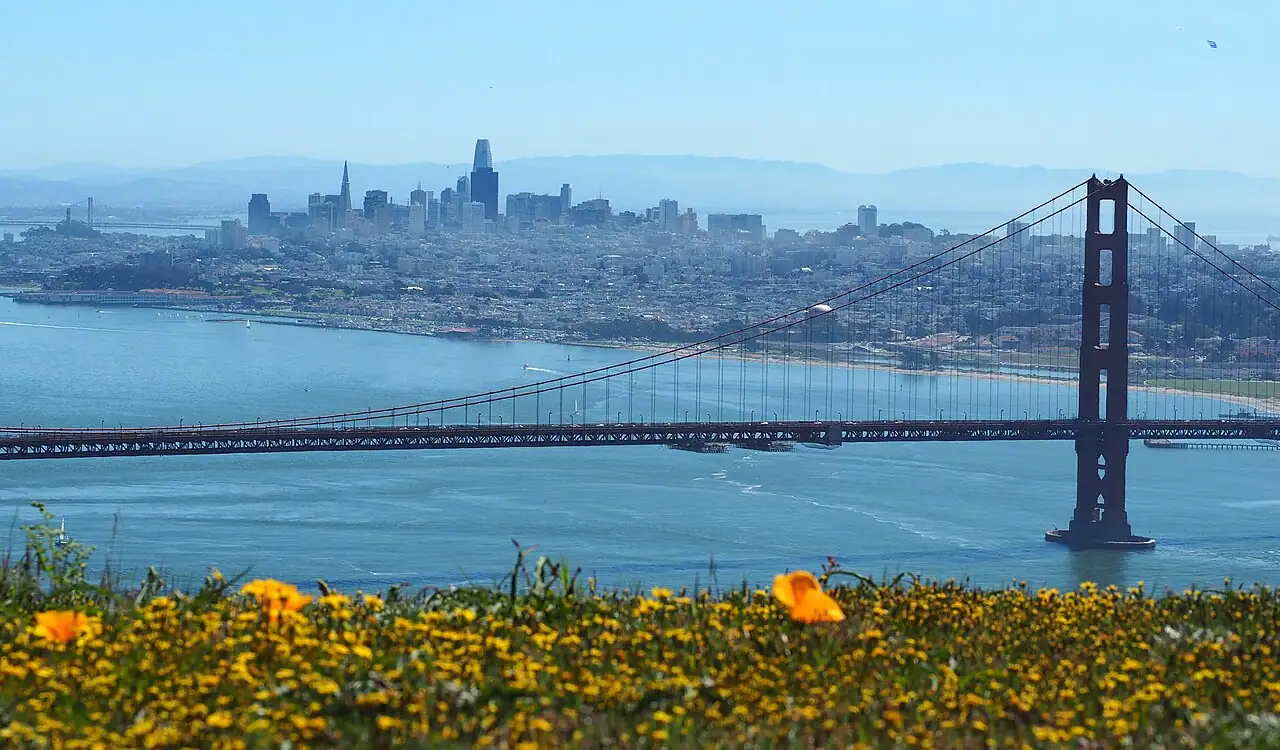
Photo: Lightandtruth, CC BY-SA 4.0, via Wikimedia Commons
- Season
- Mainly April to May and September to October; some California coast sailings in winter.
- Typical length
- 2 to 5 nights one way; 7 nights for California coast round trips
- Best months
- Apr, May, Sep, Oct
- Main departure ports
- Vancouver, Seattle, San Francisco
- Ports covered here
- 4
- Cruise lines
- 9 lines sail here
What a Pacific Coastal cruise is like
A Pacific Coastal cruise is a short, scenic sampler of the West Coast, and often one of the best values in cruising. Twice a year, dozens of ships move between their summer Alaska season and their winter bases in Southern California, Mexico and Hawaii. Rather than sail empty, they sell one-way trips of a few nights, usually with a call in Victoria, Astoria or a California port, plus memorable sail-ins under the Golden Gate Bridge or past the Vancouver skyline.
Some lines also run 7-night California coast round trips from Los Angeles or San Francisco, typically calling at Santa Barbara, Monterey and San Francisco or Catalina, then Ensenada in Mexico. US law requires foreign-flagged ships to stop at a foreign port on any cruise that starts and ends in the US, which is why so many coastal routes start in Vancouver or include Victoria or Ensenada.
These trips suit first-time cruisers, travelers testing a new line, and anyone who wants a long weekend at sea with good food and wine-country excursions. The open Pacific can be rough, especially off Oregon and Northern California in spring and fall, and many itineraries have more sea time than port time. Don’t expect beach weather north of Santa Barbara.
Best time to cruise Pacific Coastal
- Jan: Shoulder season
- Feb: Shoulder season
- Mar: Shoulder season
- Apr: Best time to go
- May: Best time to go
- Jun: Shoulder season
- Jul: Shoulder season
- Aug: Shoulder season
- Sep: Best time to go
- Oct: Best time to go
- Nov: Shoulder season
- Dec: Shoulder season
- No regular sailings
- Shoulder season
- Good time to go
- Best time to go
JanuaryShoulder season
A few California coast round trips run in January, often with Santa Barbara and Monterey. Gray whales migrate south past the coast, and San Francisco is cool and showery, around the upper 50s °F. Winter storms can stir rough seas north of Point Conception, so check the forecast and pack motion-sickness remedies.
FebruaryShoulder season
February brings green hillsides along the California coast after winter rains, and the first gray whales heading north again. Coastal sailings are limited, but those that run tend to be quiet and good value. Expect mild days in the 60s °F around Santa Barbara and cooler, damper weather farther north.
MarchShoulder season
Wildflowers bloom along the coast and gray whale cows and calves begin moving north. A handful of early repositioning sailings start late in the month as ships head toward Alaska. Weather is changeable, with sunny breaks between Pacific storms.
AprilBest time to go
April kicks off the spring repositioning season, with dozens of short one-way sailings from Los Angeles and San Diego north to Vancouver and Seattle ahead of the Alaska season. Gray whales are still migrating, and Victoria’s Butchart Gardens come alive with tulips. Fares are often very low per night.
MayBest time to go
Northbound repositioning continues through early May, and Victoria and Astoria are fresh and green. California’s coast sees ‘May Gray’, a marine layer that keeps mornings overcast before sunny afternoons. Seas are generally calmer than in winter, and short sailings make easy long-weekend escapes.
JuneShoulder season
Few coastal sailings run in June, when most ships are in Alaska. ‘June Gloom’ fog can blanket San Francisco and Monterey in the mornings, while Southern California is mild. Pacific Northwest getaways from Seattle or Vancouver are the main option.
JulyShoulder season
Summer is quiet for coastal cruising. San Francisco’s famous summer fog makes the city cool and gray, often in the low 60s °F, while Seattle and Victoria enjoy their driest, sunniest weeks. Humpbacks and blue whales gather to feed in Monterey Bay.
AugustShoulder season
August is warm and dry in the Pacific Northwest and peak whale season off California, with blue whales feeding offshore. Coastal sailings remain sparse. Wildfire smoke can occasionally haze the sky in late summer, though conditions vary greatly by year.
SeptemberBest time to go
September is a great month: southbound repositioning begins as ships leave Alaska, and San Francisco enjoys its warmest, clearest weather of the year after the summer fog lifts. Grapes are being harvested in Napa and Sonoma, and fares are low on short one-way trips.
OctoberBest time to go
October continues the southbound repositioning season, with many short Vancouver-to-Los Angeles and Seattle-to-San Diego sailings. California stays warm and sunny, while the Pacific Northwest turns cooler and wetter. Seas off Oregon can get rougher late in the month as autumn storms begin.
NovemberShoulder season
A few late repositioning sailings and California coast round trips run in early November. Autumn color appears in the Pacific Northwest, and Southern California stays mild in the 70s °F. Seas can be lumpy, so choose a midship cabin if you’re prone to seasickness.
DecemberShoulder season
Coastal sailings are limited in December, though some California round trips and holiday cruises run. Gray whales begin their southbound migration, the coast is green after early rains, and San Francisco and Monterey decorate for the holidays.
Average weather across Pacific Coastal ports
| Month | Jan | Feb | Mar | Apr | May | Jun | Jul | Aug | Sep | Oct | Nov | Dec |
|---|---|---|---|---|---|---|---|---|---|---|---|---|
| High °F (°C) | 5815 | 5915 | 6116 | 6418 | 6820 | 7323 | 7725 | 7926 | 7625 | 7222 | 6418 | 5815 |
| Low °F (°C) | 489 | 479 | 499 | 5111 | 5412 | 5815 | 6217 | 6418 | 6217 | 5815 | 5211 | 489 |
| Rain in (mm) | 5.5140 | 3.896 | 3.794 | 1.949 | 1.129 | 1.128 | 0.49 | 0.514 | 1.231 | 2.564 | 4.0102 | 5.2133 |
| Daylight (hrs) | 10 | 11 | 12 | 13 | 14 | 15 | 15 | 14 | 12 | 11 | 10 | 9 |
Pacific Coastal cruise highlights
- 1
Sailing under the Golden Gate Bridge
Arriving in San Francisco under the Golden Gate at dawn, with Alcatraz and the city skyline ahead, is one of the great cruise sail-ins. Ships dock at the Pier 27 cruise terminal on the Embarcadero, walking distance from Fisherman’s Wharf, North Beach and the ferries to Alcatraz.
- 2
Monterey Bay Aquarium and 17-Mile Drive
Monterey is a tender port with an easy stroll along Cannery Row to the Monterey Bay Aquarium, famous for its kelp forest and sea otters. Tours head along the 17-Mile Drive past the Lone Cypress and Pebble Beach to the art galleries of Carmel-by-the-Sea.
- 3
Victoria’s Butchart Gardens and Inner Harbour
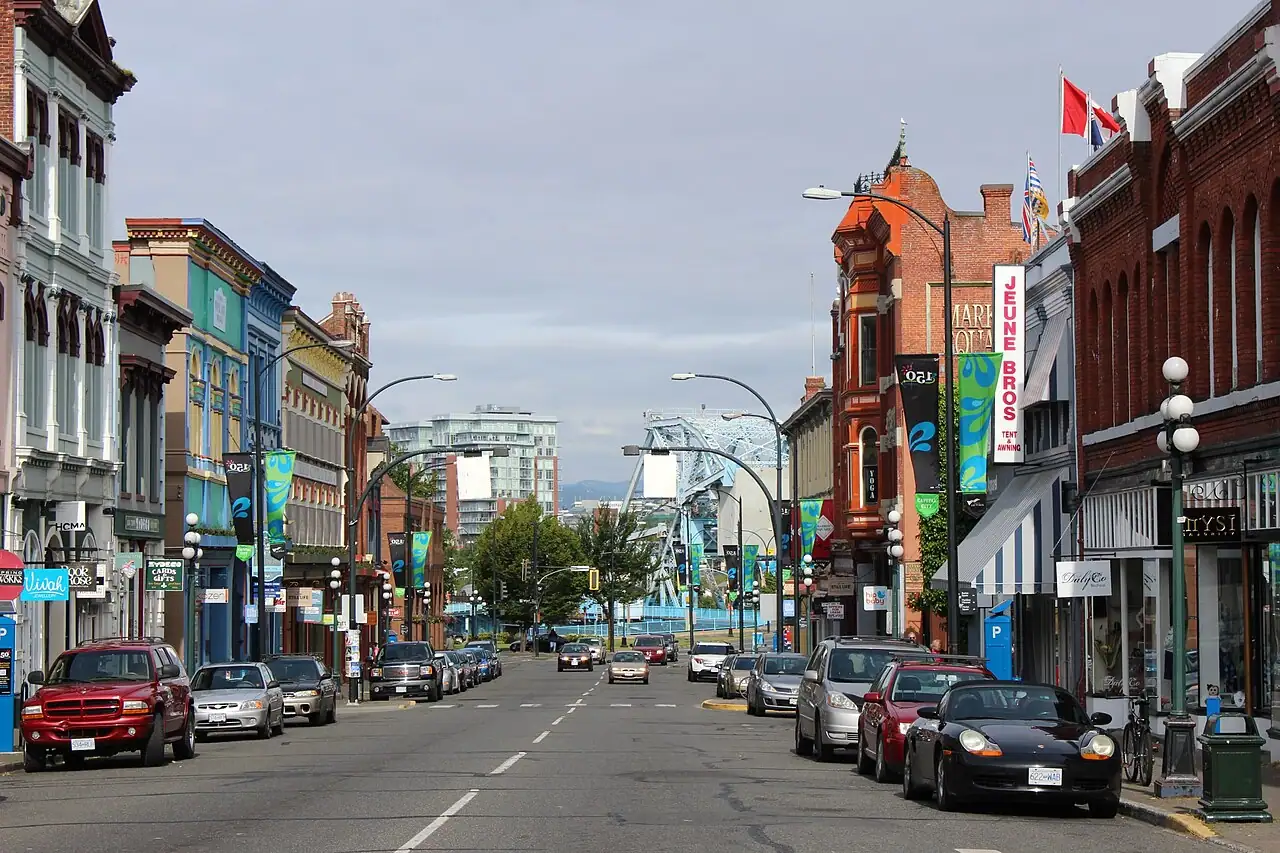
Victoria’s Butchart Gardens, carved out of a former limestone quarry, are roughly 40 minutes by road from the cruise pier at Ogden Point and spectacular from spring through fall. Closer in, the Inner Harbour, the Parliament Buildings and afternoon tea at the Fairmont Empress make a classic British Columbia afternoon or evening.
- 4
Astoria and the Columbia River bar
Crossing the Columbia River bar, a notorious stretch nicknamed the Graveyard of the Pacific, brings you to Astoria, Oregon. Climb the Astoria Column for views over the river mouth, visit the Columbia River Maritime Museum, or see Fort Clatsop, a reconstruction of Lewis and Clark’s winter camp.
- 5
Santa Barbara and Catalina Island
Both are tender ports. Santa Barbara offers Spanish Revival architecture, Mission Santa Barbara, Stearns Wharf and wine tasting in the walkable Funk Zone. Catalina’s town of Avalon is all golf carts, glass-bottom boats and the landmark Casino building on the harbor.
- 6
Whale watching along the coast
Gray whales migrate south along the California coast in winter and north from February to May, often visible from deck. In summer and fall, humpbacks and blue whales feed in Monterey Bay and off Southern California, making coastal sea days genuinely rewarding with binoculars in hand.
Typical Pacific Coastal itineraries
- 1
3- to 5-night one way from Vancouver to Los Angeles or San Diego
Spring or fall repositioning routes, often with Victoria, Astoria or San Francisco along the way. You’ll need a one-way flight home, but per-night fares are often very low.
- 2
7-night California coast round trip from Los Angeles or San Francisco
Typically Santa Barbara, Monterey, San Francisco or Catalina, ending in Ensenada for the required foreign stop. Princess is the line most associated with this route.
- 3
2- to 4-night Pacific Northwest getaways
Short sailings from Seattle or Vancouver, sometimes calling at Victoria or Astoria, at the start or end of the Alaska season.
- 4
Pacific Coastal combined with Alaska or Mexico
Longer back-to-back routes link a coastal leg with an Alaska or Mexican Riviera cruise, letting you stay on one ship for two or three weeks.
Pacific Coastal ports of call
San Francisco
Departure port
Victoria
Monterey
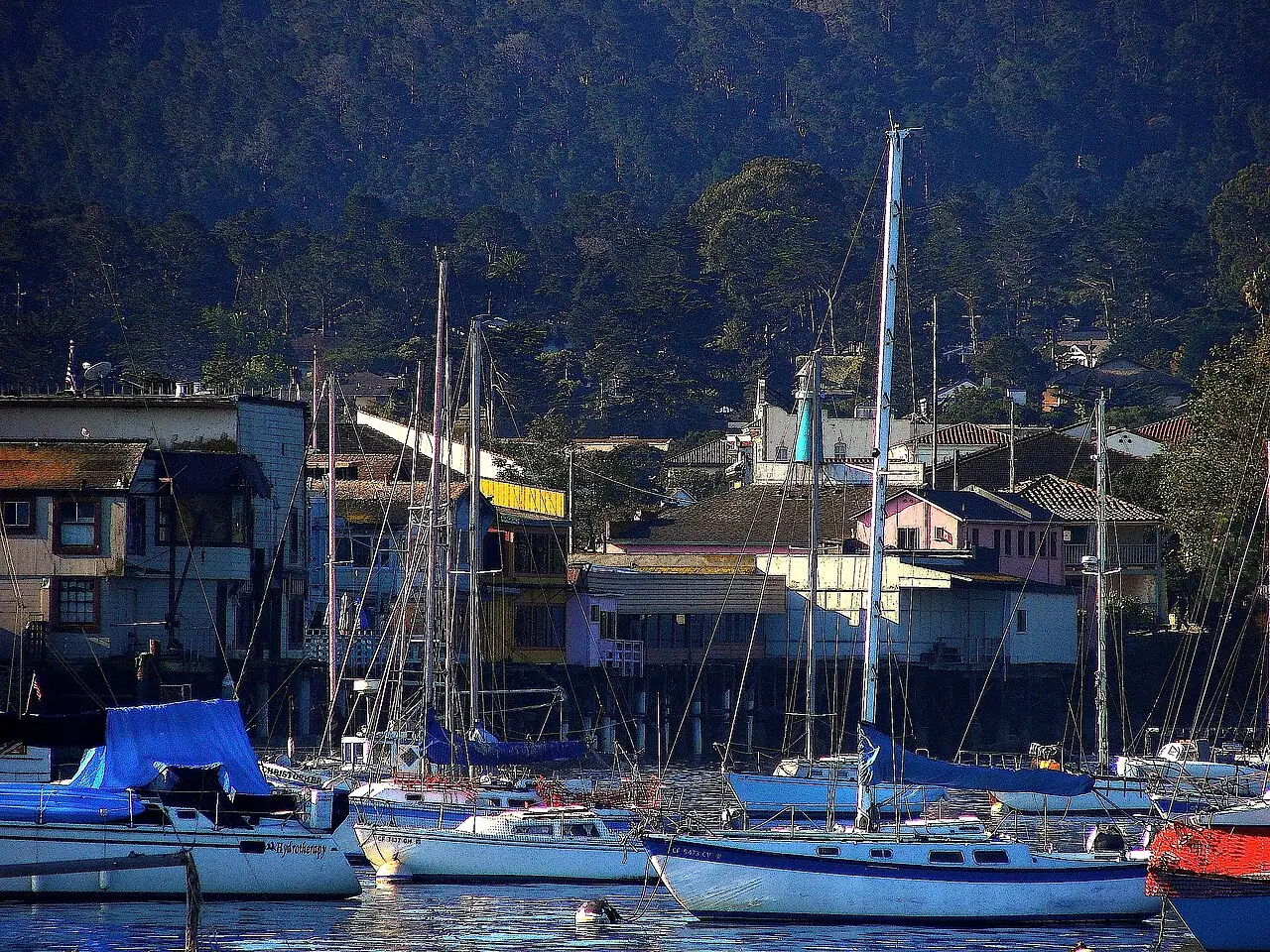
Monterey is a historic California coastal town on a deep, wildlife-rich bay about two hours south of San Francisco. Ships anchor in the bay and tender passengers to the wharf area, and the highlights are the Monterey Bay Aquarium on Cannery Row, sea otters and whales, the scenic 17-Mile Drive, and the village of Carmel-by-the-Sea.
Astoria
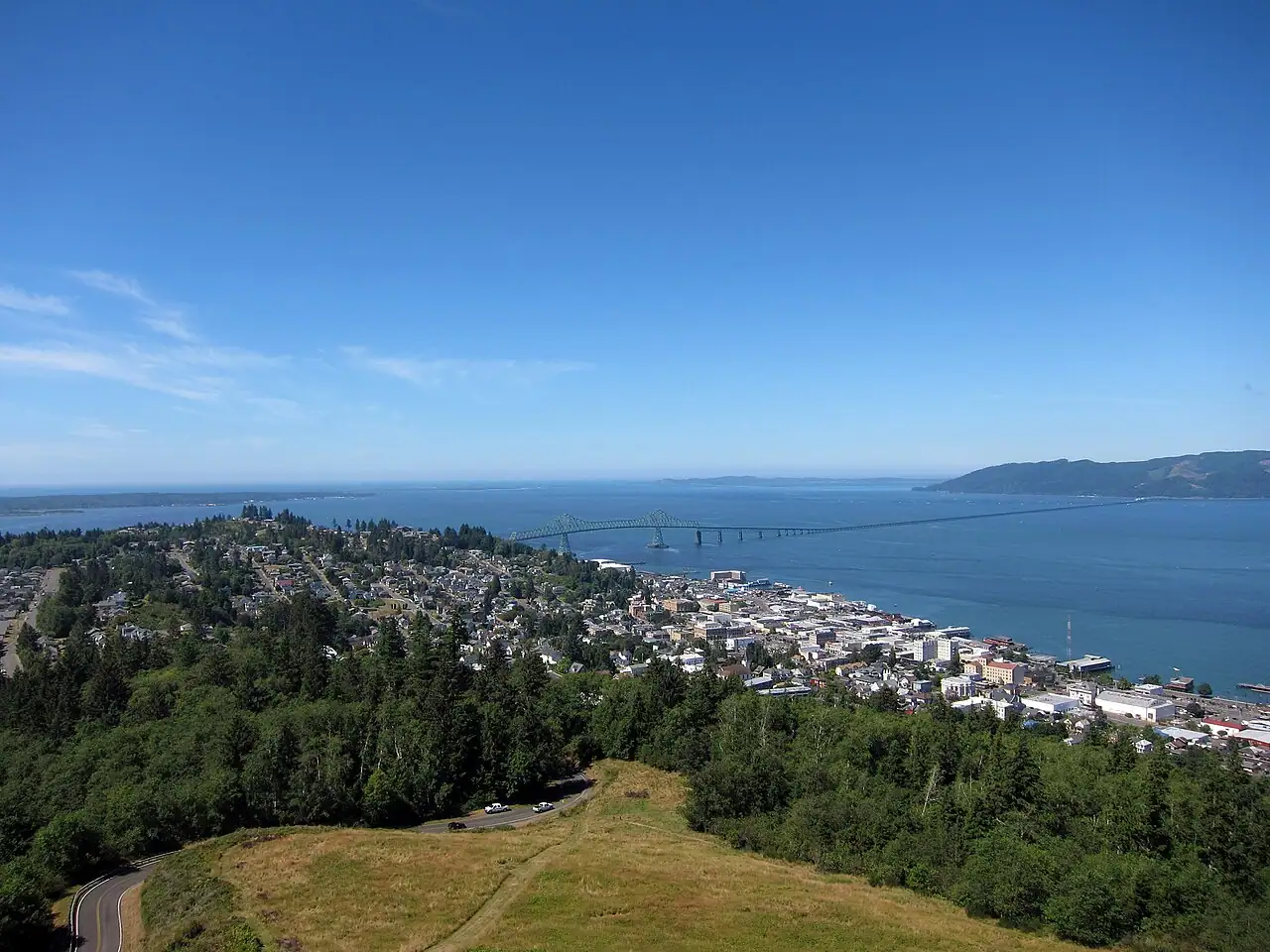
Astoria is a historic river town near the mouth of the Columbia River in northwestern Oregon, the oldest American settlement west of the Rockies. Ships dock along the riverfront within walking distance of downtown, and the highlights are the hilltop Astoria Column, the Columbia River Maritime Museum, Lewis and Clark's Fort Clatsop and the beaches of Cannon Beach.
Santa Barbara
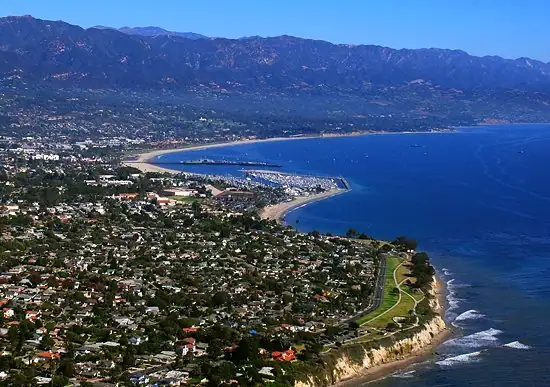
Santa Barbara is a polished California coastal city of red-tile roofs and white stucco, set between the Santa Ynez Mountains and the Pacific. Ships anchor offshore and tender passengers to the harbor near Stearns Wharf, and the draws are the Old Mission, the Spanish-style courthouse, State Street, the Funk Zone's wine tasting rooms and the beaches.
Catalina Island
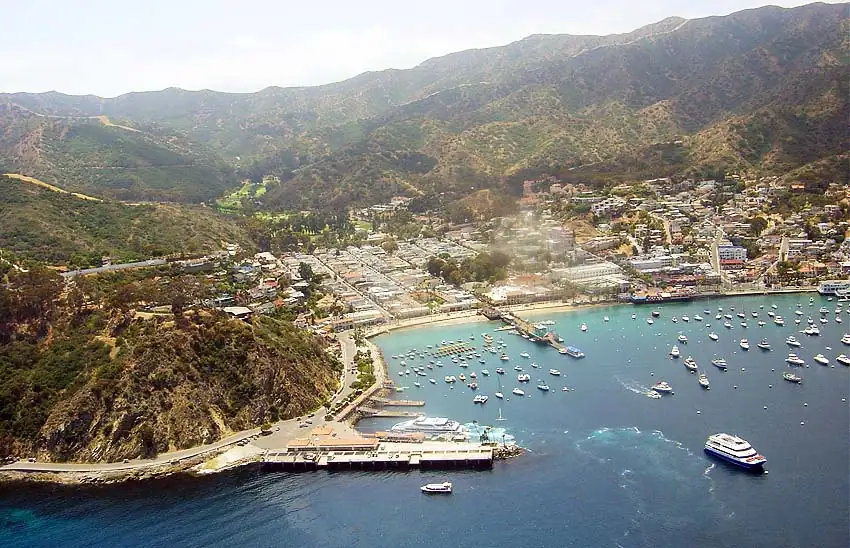
Catalina Island is a rugged, mostly protected island about 22 miles (35 km) off the Southern California coast, and cruise ships call at its only city, Avalon. It's a tender port with a walkable, car-light waterfront, and the draws are the art deco Catalina Casino, golf-cart rides with harbor views, snorkeling, ziplining and tours to see the island's wild bison.
Los Angeles
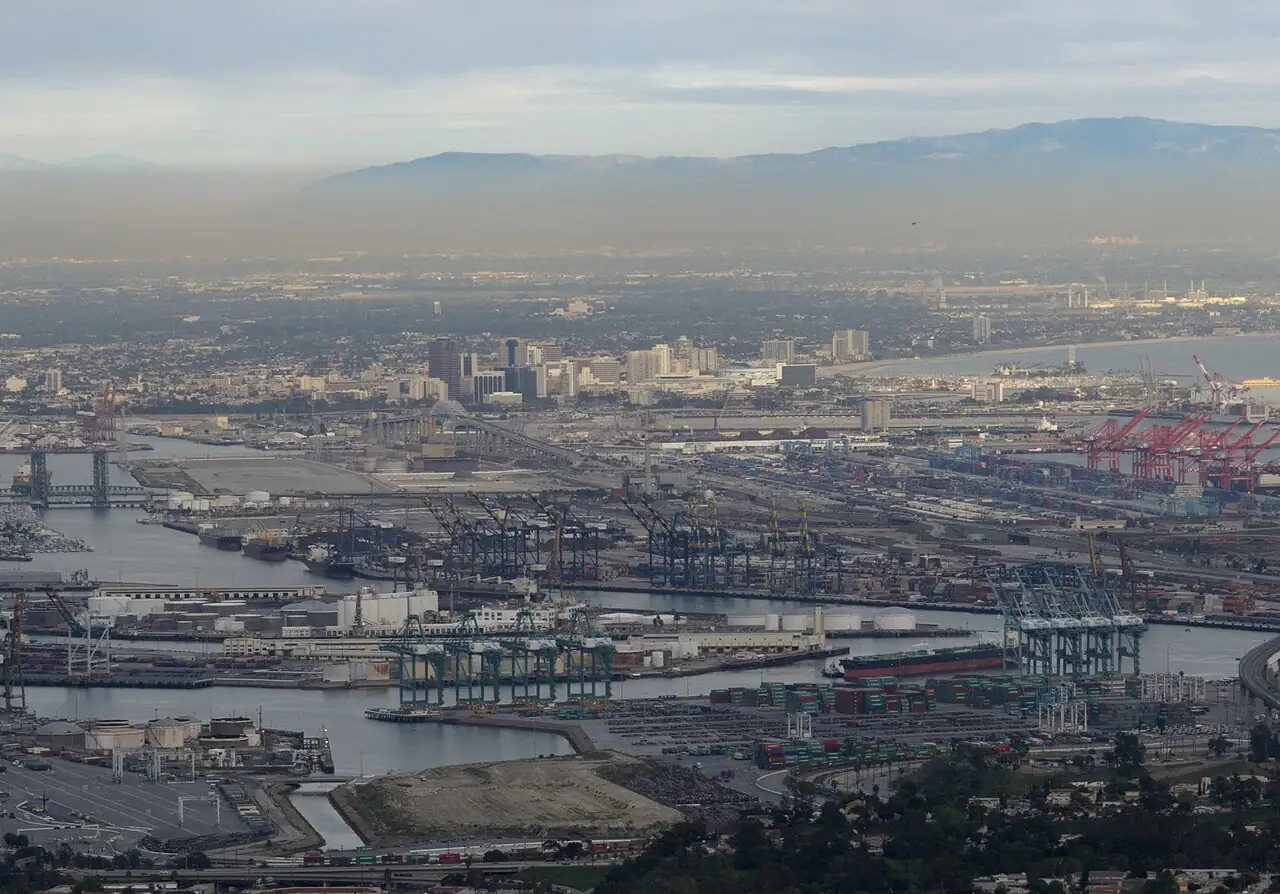
Departure port
Seattle
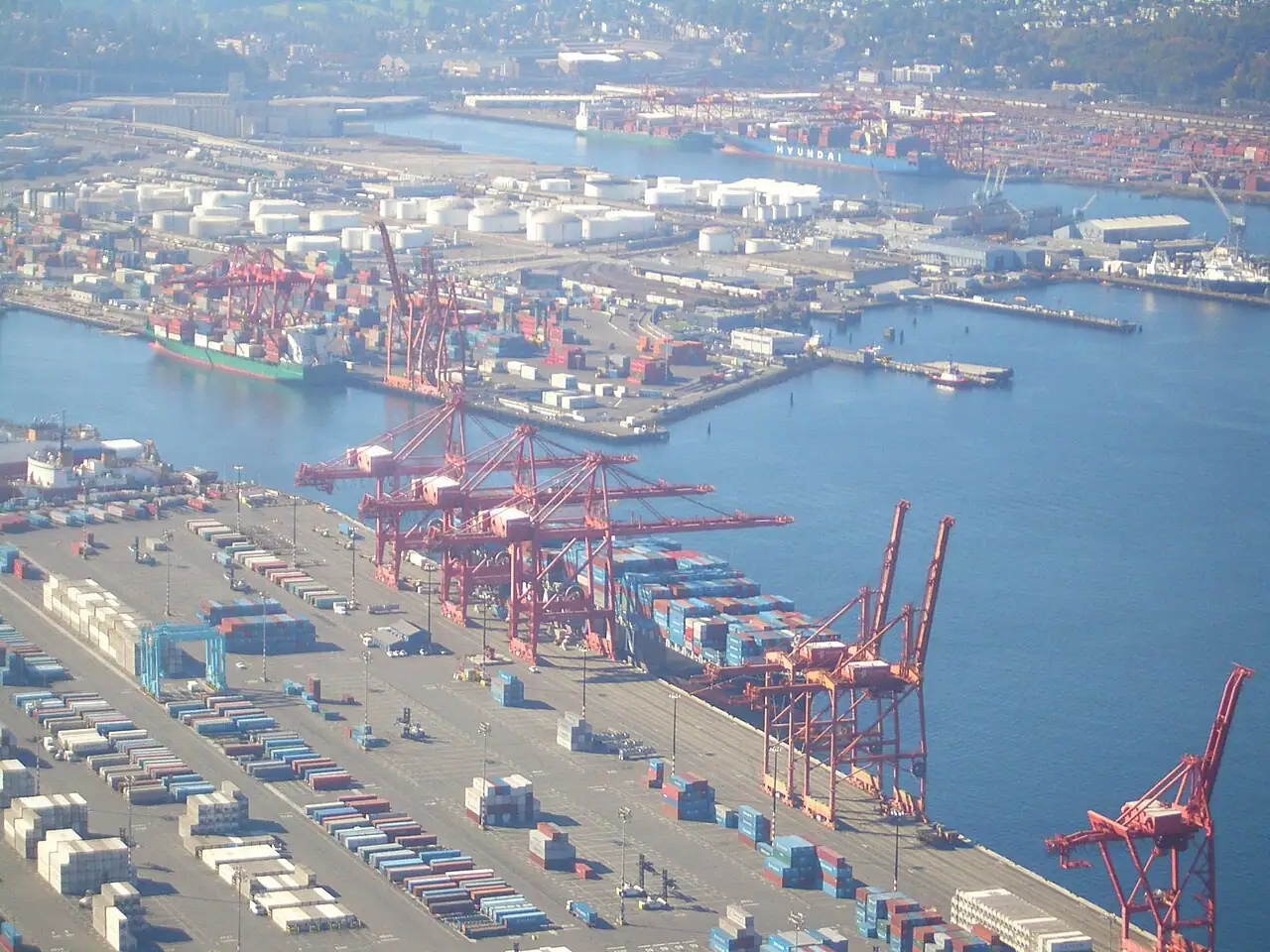
Departure port
Vancouver
Departure port
San Diego
Departure port
Long Beach
Departure port
Ensenada
Where Pacific Coastal cruises start
Cruise lines that sail Pacific Coastal
Pacific Coastal cruise tips
- Pacific Coastal fares are low, but one-way trips need a one-way flight home, which can cost more than the cruise. Price both before you book.
- If you start in Vancouver or end in Victoria, carry a passport. Closed-loop California round trips allow other documents for US citizens, but a passport is still wise.
- The open Pacific can be rough, particularly off Oregon and Northern California. Choose a lower, midship cabin and pack seasickness remedies.
- Layers matter. Even in summer, San Francisco and Monterey can be cool and foggy, while Santa Barbara and Catalina are warm.
- Santa Barbara, Monterey and Catalina are tender ports. Get tender tickets early and leave plenty of time to return to the ship.
Pacific Coastal cruises: FAQs
What is a Pacific Coastal cruise?
It’s a short cruise along the US and Canadian West Coast, usually one way between Vancouver or Seattle and Los Angeles or San Diego, with stops such as Victoria, Astoria, San Francisco or Monterey. Many are repositioning trips as ships move to or from Alaska.
When are Pacific Coastal cruises?
Mostly in April and May, heading north, and in September and October, heading south. A few California coast round trips run in winter and other months.
How long is a Pacific Coastal cruise?
Usually 2 to 5 nights one way. California coast round trips from Los Angeles or San Francisco are often 7 nights.
Do I need a passport for a Pacific Coastal cruise?
Usually yes for cruises that start or end in Canada. US citizens on closed-loop California round trips can generally use a birth certificate and photo ID, but a passport is recommended. Canadians should carry one.
Why do Pacific Coastal cruises stop in Victoria or Ensenada?
Because of the Passenger Vessel Services Act, a US law that requires foreign-flagged ships carrying passengers between US ports to call at a foreign port. Victoria and Ensenada are the most convenient options.
Which cruise line is best for Pacific Coastal cruises?
Princess offers the most coastal sailings, including 7-night California round trips. Holland America, Celebrity, Royal Caribbean, Norwegian, Carnival and Disney run short repositioning trips in spring and fall.
Updated November 2026 by the BookMyDreamCruise editorial team. How we research and fact-check.
Sources: Wikidata, NASA POWER climate data.