Asia, Australia & the Pacific
Japan cruises
Japan cruises circle the islands from Tokyo (Yokohama), Kobe or Osaka, visiting temples, castles, gardens and food cities such as Kyoto, Hiroshima, Nagasaki and Hakodate, often with a stop in South Korea or Taiwan. Most are 7 to 14 nights. Spring, from late March to May, brings cherry blossoms, and October and November bring fall color, the two best seasons. June’s rainy season and the late-summer typhoon peak are the trickiest times.
- Season: Late March to May and September to November are peak; limited sailings in summer and winter
- Typical length: 7 to 14 nights, usually round trip from Tokyo (Yokohama), Kobe or Osaka
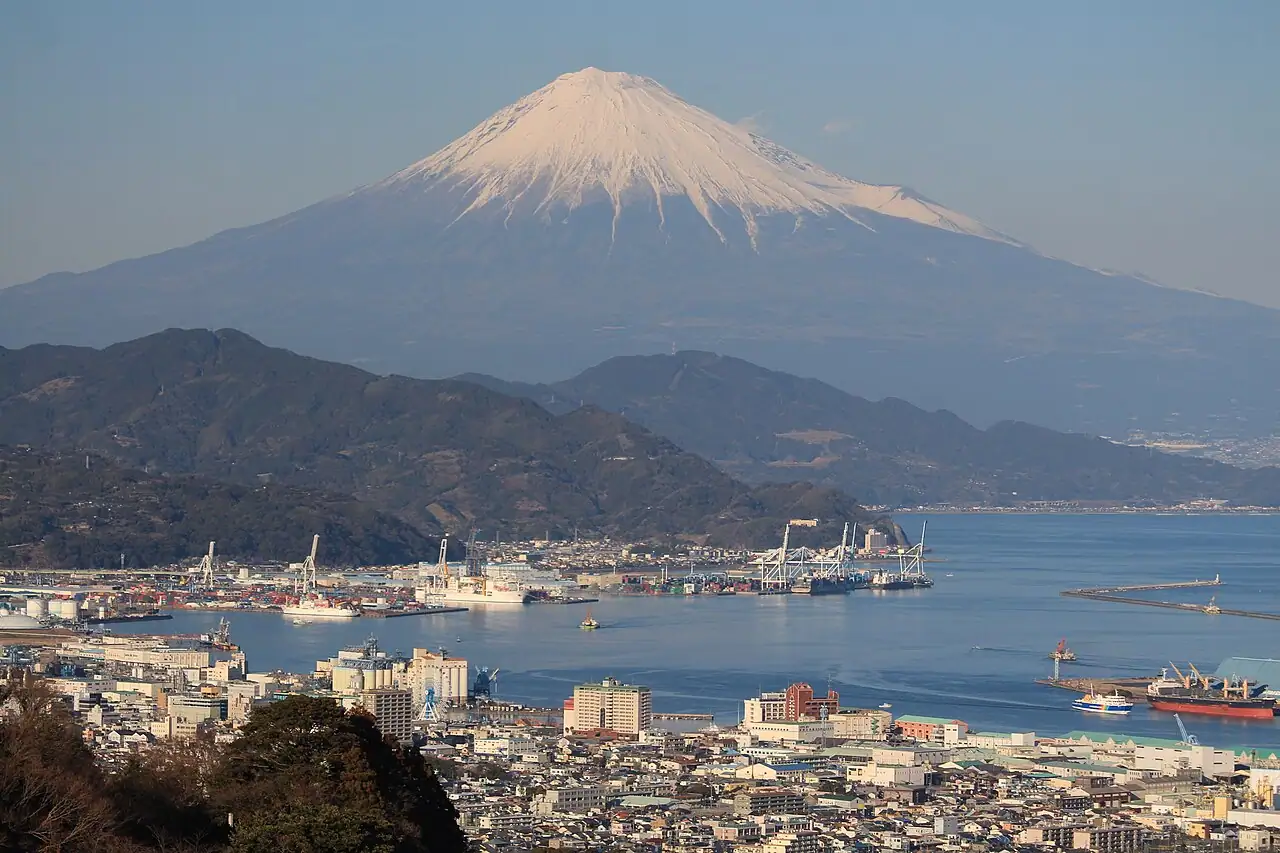
Photo: Alpsdake, CC BY-SA 4.0, via Wikimedia Commons
- Season
- Late March to May and September to November are peak; limited sailings in summer and winter
- Typical length
- 7 to 14 nights, usually round trip from Tokyo (Yokohama), Kobe or Osaka
- Best months
- Mar, Apr, May, Oct, Nov
- Main departure ports
- Tokyo (Yokohama), Hong Kong
- Ports covered here
- 12
- Cruise lines
- 12 lines sail here
What a Japan cruise is like
Japan is one of the most rewarding countries to see by ship. Its big sights are spread across four main islands, and a cruise links places a first-time visitor might never reach on a rail pass, from subtropical Okinawa to Hokkaido’s seafood markets. Ports are clean, safe and efficient, local welcome and farewell performances are common at the pier, and public transport makes independent exploring unusually easy.
A typical round trip from Yokohama might include Shimizu for views of Mount Fuji, Osaka or Kobe for Kyoto and Nara, Hiroshima and the island shrine of Miyajima, and Nagasaki and Kagoshima on the southern island of Kyushu, sometimes with Busan in South Korea. Northern routes add Aomori, Hakodate and Otaru, while southern ones reach Okinawa and Taiwan. Kyoto is about an hour by train from Osaka or Kobe, a full but manageable day.
Timing is everything. Cherry blossom cruises in late March and early April are the most sought-after and sell out early, but the trees bloom on nature’s schedule, not the cruise line’s. Autumn color reaches Hokkaido in October and Kyoto and Tokyo in late November. In between, the tsuyu rainy season soaks most of the country from early June to mid-July, and typhoons can rearrange itineraries from late summer into early fall.
Japan suits food lovers, history and culture buffs and anyone who appreciates order and courtesy. It’s less ideal if you dislike crowds at famous temples, since Kyoto in blossom or foliage season is very busy. A few practical rules matter more here than elsewhere: tipping isn’t done, public trash cans are rare and some common medications are restricted.
Best time to cruise Japan
- Jan: Shoulder season
- Feb: Shoulder season
- Mar: Best time to go
- Apr: Best time to go
- May: Best time to go
- Jun: Shoulder season
- Jul: Good time to go
- Aug: Good time to go
- Sep: Good time to go
- Oct: Best time to go
- Nov: Best time to go
- Dec: Shoulder season
- No regular sailings
- Shoulder season
- Good time to go
- Best time to go
Japan in JanuaryShoulder season
Shōgatsu, the New Year holiday, closes many businesses from January 1 to 3 while shrines fill with people making their first prayers of the year. Tokyo and Kyoto are cold and dry, with highs near 50°F (10°C) and clear skies that give the best Fuji views. Sailings are limited, and Okinawa’s early pink cherry blossoms appear late in the month.
Japan in FebruaryShoulder season
The Sapporo Snow Festival fills the city with giant ice and snow sculptures early in the month, and Otaru lines its canal with snow lanterns. Plum blossoms open in Kyoto and Tokyo gardens toward month’s end. Few ships sail now, mostly on southern routes, since Hokkaido’s ports are icy and very cold.
Japan in MarchBest time to go
The first half is cool and pre-blossom, but cherry trees usually open in Kyushu, Tokyo and Kyoto in the last week or so, and the earliest blossom cruises depart. Spring break and the end of Japan’s fiscal year bring domestic crowds. Expect highs around 55–60°F (13–16°C) and strong demand for late-month sailings.
Japan in AprilBest time to go
Sakura usually peaks in Kyoto, Osaka and Tokyo in early April, then moves north to Tohoku mid-month and Hakodate around the start of May. Parks fill with hanami picnics under the trees. Golden Week, a cluster of national holidays, begins on April 29 and packs trains and sights.
Japan in MayBest time to go
Golden Week crowds fade after May 5, leaving fresh green maples, azaleas and wisteria in temple gardens and highs in the low-to-mid 70s °F (22–24°C). Hokkaido’s cherry blossoms bloom early in the month, and Kyoto’s Aoi Matsuri parades courtiers in Heian-era costume on May 15. Okinawa’s rainy season starts mid-month.
Japan in JuneShoulder season
Tsuyu, the rainy season, settles over Honshu, Shikoku and Kyushu from early June, bringing humid, drizzly days, though hydrangeas bloom beautifully at temples. Hokkaido largely escapes the rains and is at its fresh, green best, so northern itineraries are the smart choice this month.
Japan in JulyGood time to go
The rains usually end mid-to-late July, giving way to heat and humidity, with Tokyo near 88°F (31°C). Kyoto’s Gion Matsuri runs all month, with its towering float processions on July 17 and 24. Lavender blooms in Hokkaido’s Furano, a long day trip from Otaru, and typhoon risk begins in Okinawa.
Japan in AugustGood time to go
Summer festival season: Aomori’s Nebuta Matsuri parades giant illuminated warrior floats from August 2 to 7, fireworks light up summer nights and Kyoto’s mountainside bonfires on August 16 mark the end of Obon, the mid-August holiday when domestic travel peaks. Heat often tops 90°F (32°C), and typhoons become more likely.
Japan in SeptemberGood time to go
The peak month for typhoons, which can cancel or swap calls in Okinawa, Kyushu and even Tokyo, so flexibility helps. Heat lingers early, then eases. In the high mountains of Hokkaido’s Daisetsuzan, the first autumn color appears late in the month, and crowds are lighter than in spring.
Japan in OctoberBest time to go
Comfortable highs in the low 70s °F (21–23°C) in Tokyo and Kyoto and a fading typhoon threat make October excellent. Fall foliage peaks in Hokkaido early in the month and reaches northern Honshu, including Aomori’s Oirase Gorge, late in the month. It’s harvest season for persimmons, chestnuts and new rice.
Japan in NovemberBest time to go
Kōyō, the autumn color, peaks in Kyoto, Nara and Tokyo from mid-to-late November into early December, with temples such as Tōfuku-ji and Eikan-dō glowing red and very crowded. Days are crisp and clear, near 60°F (16°C). On Shichi-Go-San, around November 15, families bring children in kimono to shrines.
Japan in DecemberShoulder season
Winter illuminations light up Tokyo’s Marunouchi and Roppongi districts, and Christmas is a couples’ holiday celebrated with cake and, famously, fried chicken. Weather is cold and dry with clear Fuji views. Sailings are few, favoring southern routes to Okinawa and Taiwan.
Average weather across Japan ports
| Month | Jan | Feb | Mar | Apr | May | Jun | Jul | Aug | Sep | Oct | Nov | Dec |
|---|---|---|---|---|---|---|---|---|---|---|---|---|
| High °F (°C) | 499 | 5010 | 5714 | 6518 | 7323 | 7825 | 8429 | 8630 | 8127 | 7222 | 6317 | 5312 |
| Low °F (°C) | 394 | 394 | 457 | 5211 | 6015 | 6719 | 7424 | 7725 | 7122 | 6116 | 5211 | 436 |
| Rain in (mm) | 3.486 | 3.280 | 4.7119 | 5.6143 | 6.6167 | 10.3261 | 9.9252 | 9.0228 | 8.6219 | 5.8147 | 4.2106 | 3.793 |
| Daylight (hrs) | 10 | 11 | 12 | 13 | 14 | 15 | 14 | 14 | 12 | 11 | 10 | 10 |
Japan cruise highlights
- 1
Kyoto from Osaka or Kobe
Japan’s old imperial capital holds the tunnel of vermilion torii gates at Fushimi Inari, the Golden Pavilion of Kinkaku-ji, the wooden terrace of Kiyomizu-dera and the geisha district of Gion. Pick two or three areas. Nara, with its bowing deer and giant bronze Buddha at Tōdai-ji, is a quieter alternative.
- 2
Hiroshima and Miyajima
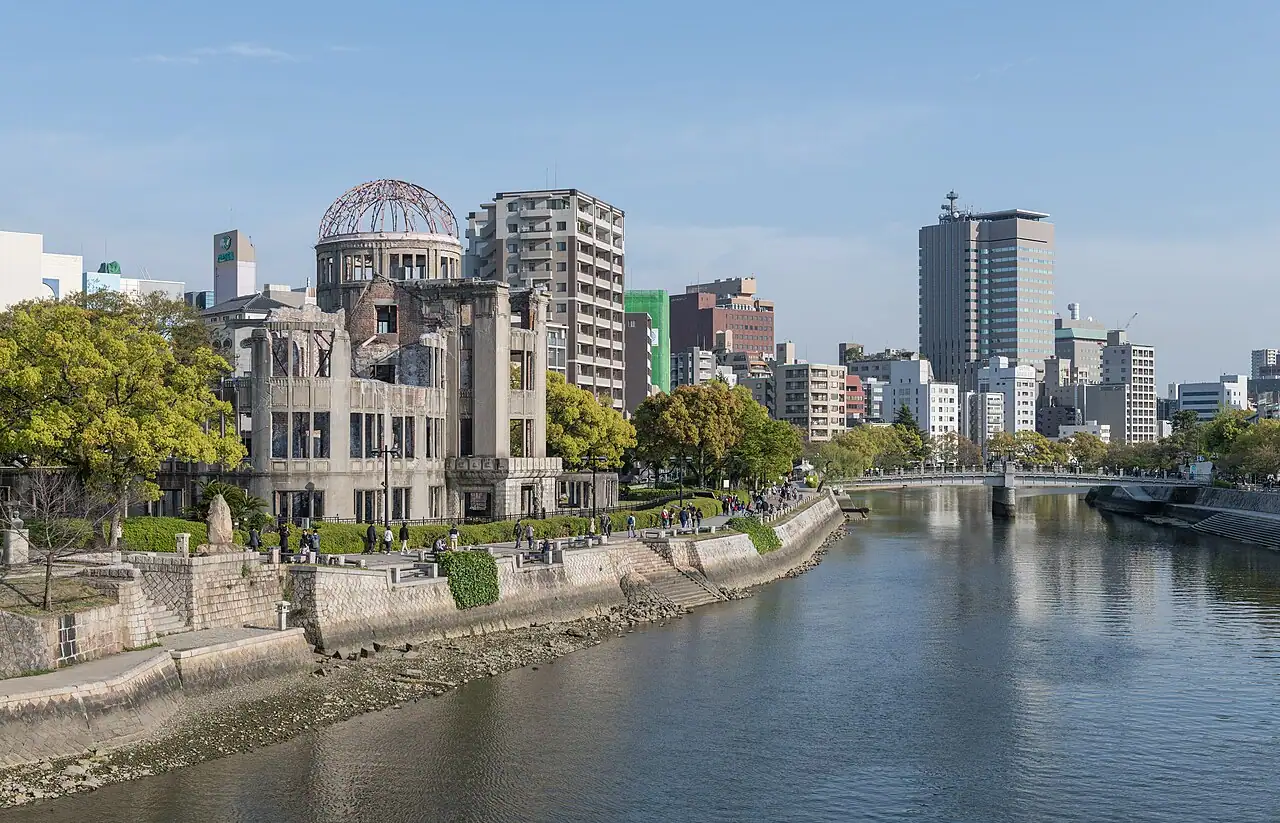
The Peace Memorial Park and Museum and the skeletal Atomic Bomb Dome make a moving, essential visit. A short train and ferry ride away, the island of Miyajima has the Itsukushima Shrine, whose great torii gate appears to float at high tide, and tame deer roaming its lanes.
- 3
Mount Fuji from Shimizu
On a clear day, Fuji rises directly behind the port. Tours visit the pine-lined Miho no Matsubara beach, the Nihondaira plateau or tea fields with the mountain as a backdrop. Fuji shows itself most often on crisp winter and early-spring mornings; summer haze often hides it.
- 4
Nagasaki’s layered history
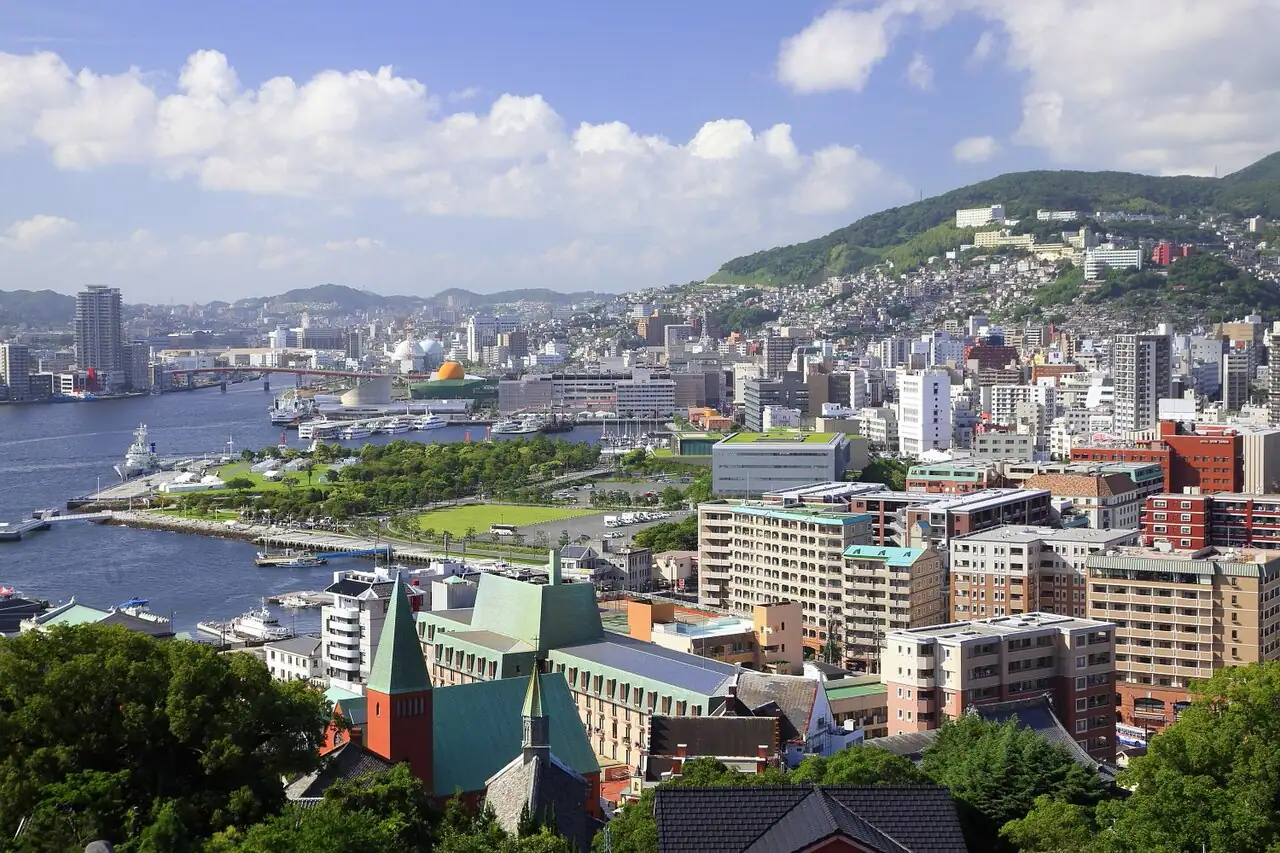
The Atomic Bomb Museum and Peace Park sit a tram ride from the pier. Nagasaki was also Japan’s window to the West for centuries, as the restored Dutch trading post at Dejima and the hillside Glover Garden show. Weather permitting, boats circle Hashima, the abandoned coal-mining island nicknamed Battleship Island.
- 5
Sakurajima and Kagoshima
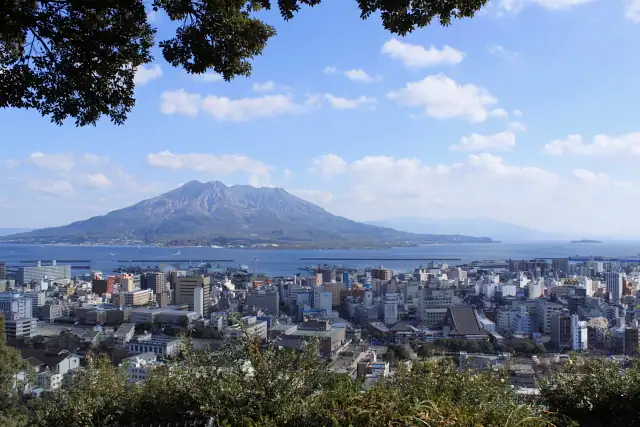
Across the bay from Kagoshima, the Sakurajima volcano puffs ash most days and is reached by a short ferry. Sengan-en, a feudal lord’s garden, frames it beautifully. Try Kagoshima’s black pork and the local sweet-potato shochu.
- 6
Hakodate and Otaru, Hokkaido
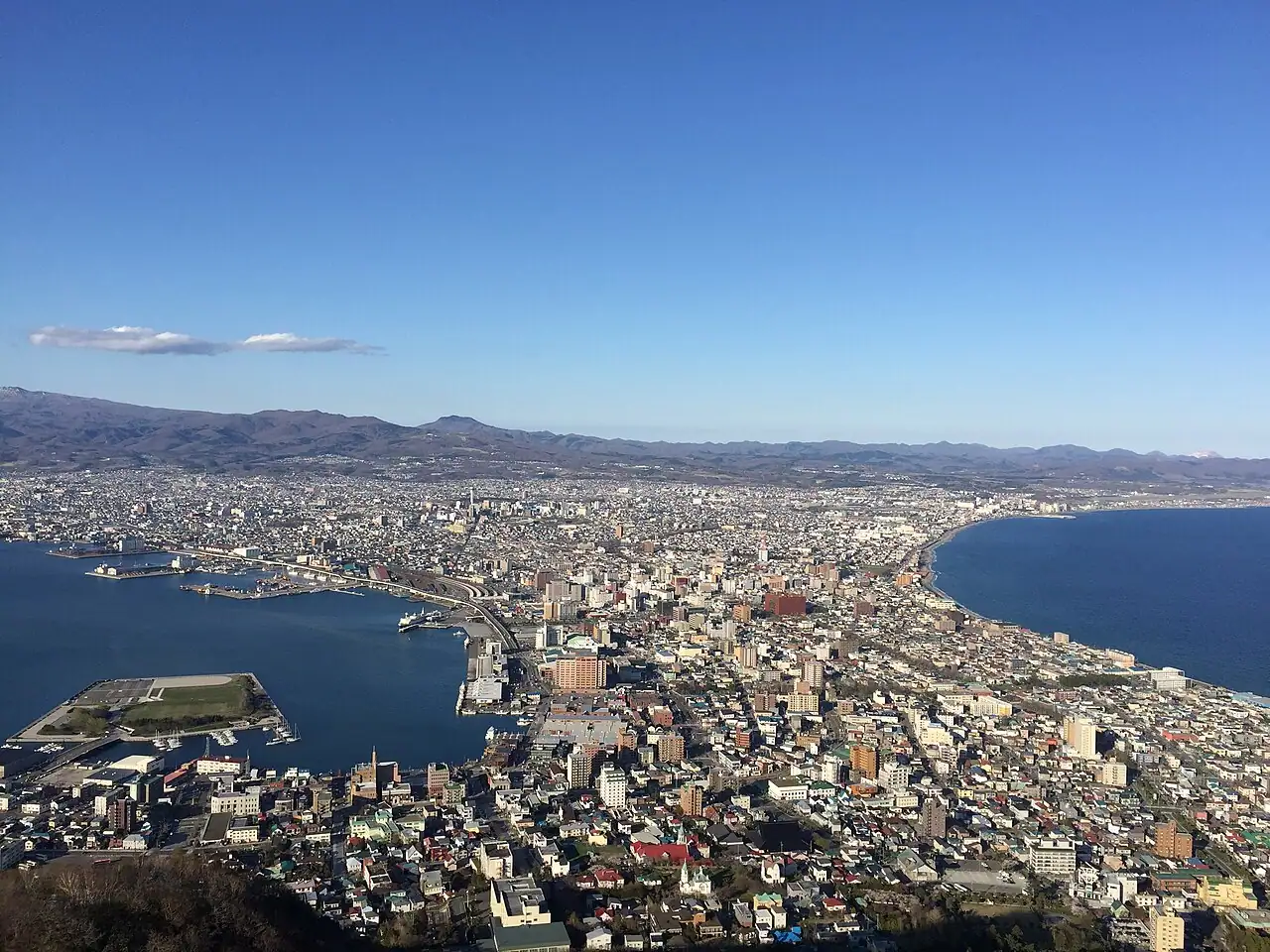
Hakodate’s morning market serves squid so fresh it’s still twitching, the star-shaped Goryōkaku fort is ringed with cherry trees and the night view from Mount Hakodate is famous. Otaru has a lamp-lit canal, glassworks and sushi counters, with Sapporo about 40 minutes away by train.
- 7
Kanazawa’s Kenroku-en and teahouses
Kanazawa’s Kenroku-en is considered one of Japan’s three great gardens, beautiful in every season. Nearby, the Higashi Chaya district preserves wooden teahouses, and shops sell gold leaf, a local craft, even on ice cream.
Typical Japan itineraries
- 1
7- to 9-night round trip from Yokohama (Tokyo)
Typically Shimizu, Osaka or Kobe, Kochi or Hiroshima, Kagoshima or Nagasaki, and sometimes Busan. Princess, Celebrity and Royal Caribbean are among the lines that run Japan round trips.
- 2
10- to 14-night circle Japan with Hokkaido and Korea
A fuller loop adding Aomori, Hakodate, Otaru and Kanazawa on the Sea of Japan coast, plus Busan or Jeju. Summer versions favor the cooler north.
- 3
Cherry blossom voyages
Late March to mid-April sailings timed for sakura season in Tokyo, Kyoto and western Japan. Many cruisers add a few nights in Kyoto or Tokyo before or after for a better chance of peak bloom.
- 4
Japan, Okinawa and Taiwan
Southern routes from Tokyo, Osaka or Hong Kong to Naha, Ishigaki and Keelung for Taipei, popular in spring and in winter when the north is cold.
- 5
Transpacific repositioning
Spring and fall voyages of two weeks or more between Japan and Vancouver or Seattle, often via Alaska. Long stretches at sea, but a way to reach Japan without a long-haul flight.
Japan ports of call
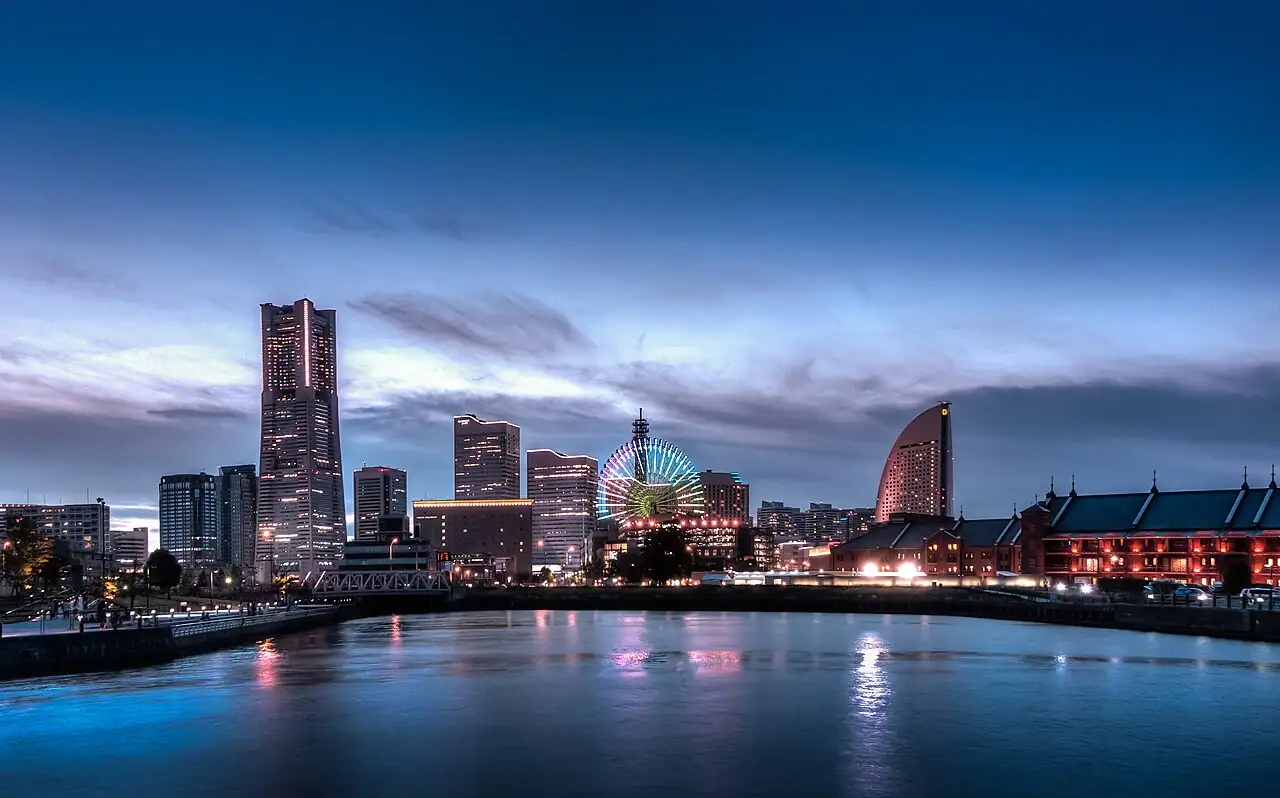
Tokyo (Yokohama)
Departure port
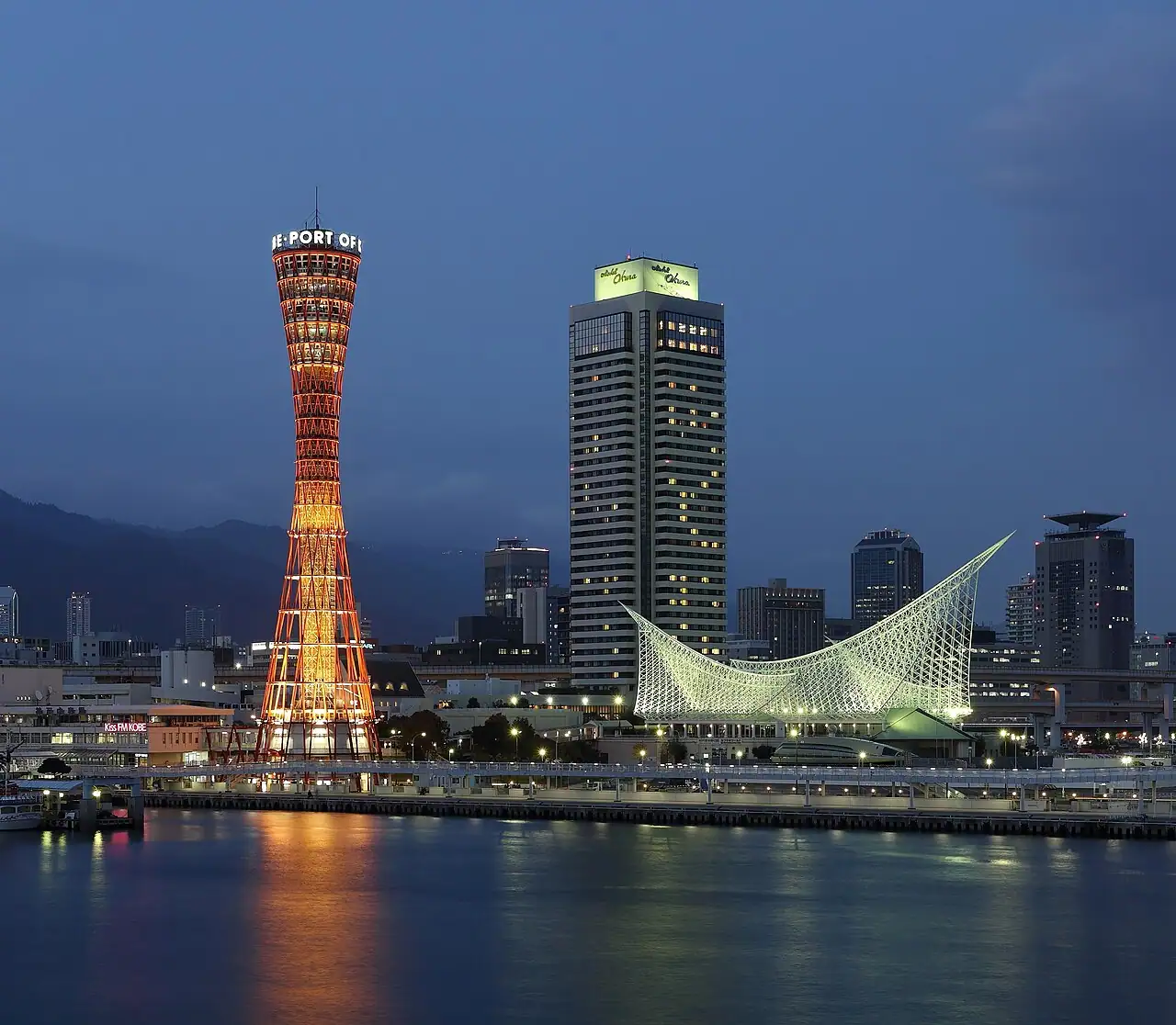
Kobe
Kobe is a compact, easygoing harbor city where cruise ships dock within walking distance of Chinatown, the waterfront and the shopping streets. Many visitors use it as a base for Kyoto, Osaka or Himeji Castle by train, while others stay local for a Kobe beef lunch, sake breweries and a cable car into the Rokko hills.
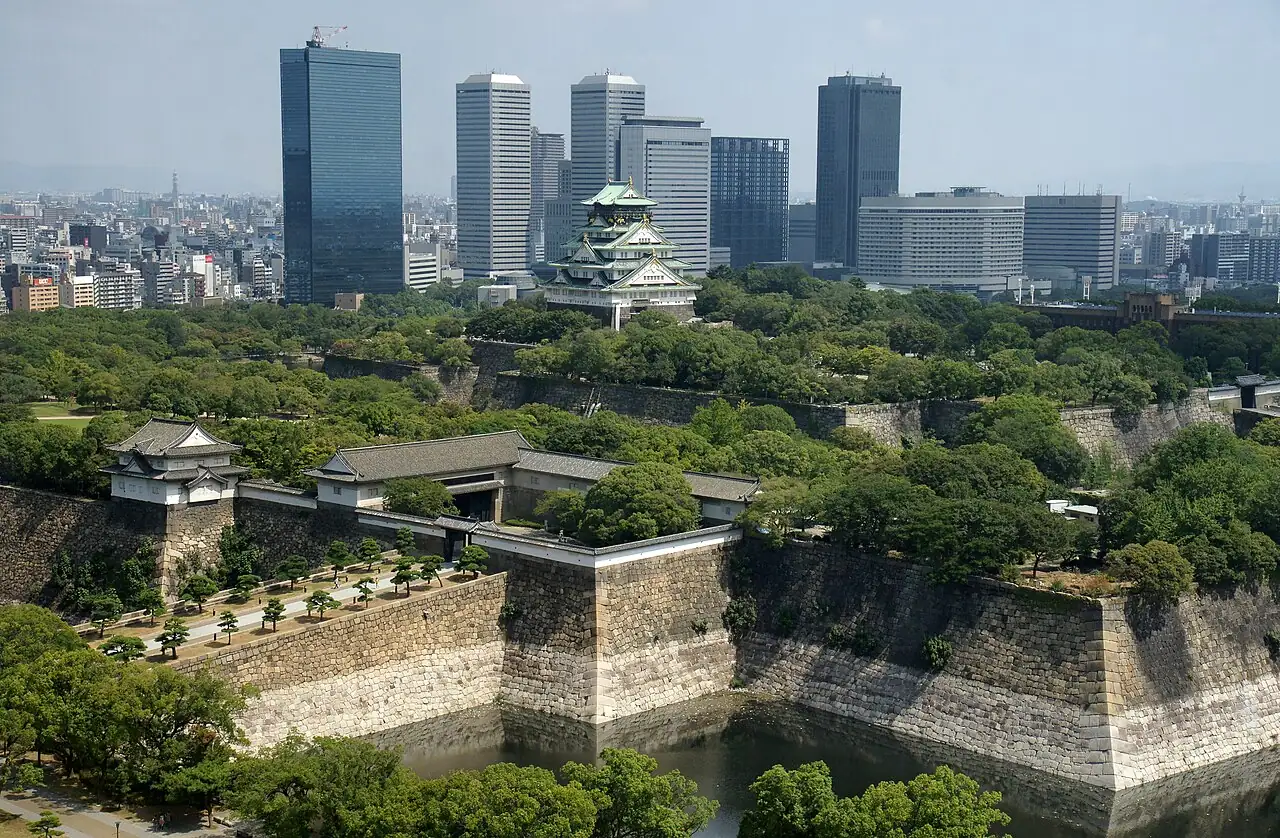
Osaka
Osaka is Japan’s big, brash food capital, and its cruise port sits beside the Kaiyukan aquarium with a subway station a short walk away. You can be eating takoyaki in Dotonbori or touring Osaka Castle within about half an hour, and Kyoto and Nara are both realistic day trips by train.
Hiroshima
Hiroshima pairs two of Japan’s most important sights: the Peace Memorial Park and Atomic Bomb Dome in the city, and the “floating” torii gate of Itsukushima Shrine on Miyajima island. Ships dock south of downtown, so plan on a streetcar, shuttle or tour, and decide early whether you’ll try to fit in both.
Nagasaki
Nagasaki is a hilly, harbor-wrapped city where ships dock close to the center and streetcars reach almost everything. The main draws are the Atomic Bomb Museum and Peace Park, the historic Dutch trading post at Dejima, Glover Garden’s hillside views and boat trips to Gunkanjima, the abandoned “Battleship Island.”
Shimizu (for Mount Fuji)
Shimizu is the closest cruise port to Mount Fuji, and on a clear day the volcano rises right behind the ship. The catch is weather: Fuji is often hidden by cloud or haze, especially in summer. Popular outings include Miho no Matsubara’s pine-fringed beach, the ropeway to Kunozan Toshogu shrine and green tea country.
Kagoshima
Kagoshima is a relaxed southern Japanese city facing Sakurajima, one of the country’s most active volcanoes, which smokes and puffs ash across the bay. Most cruisers take the short ferry to Sakurajima for lava fields and lookouts, then visit Sengan-en garden, try black pork and finish at the shopping arcades of Tenmonkan.
Hakodate
Hakodate is a charming harbor city on Hokkaido’s southern tip, known for its morning seafood market, the star-shaped Goryokaku fort and the hillside Motomachi district of 19th-century churches and consulates. Many ships dock near the station, so most highlights are walkable or a short streetcar ride away.
Otaru
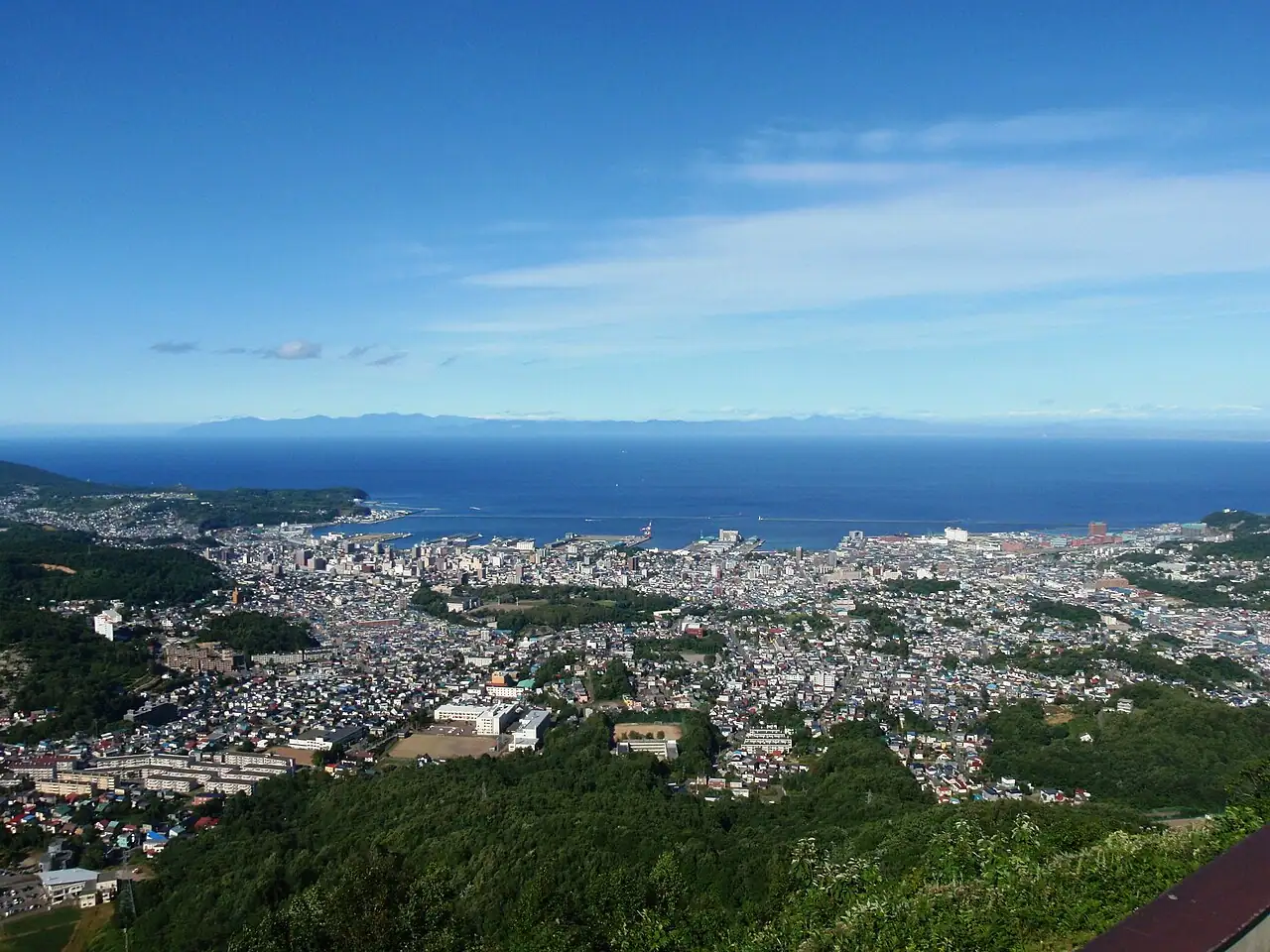
Otaru is a small, picturesque Hokkaido port famous for its gas-lit canal, glassworks, music boxes and some of Japan’s best sushi. Ships dock within walking distance of the canal district, and Sapporo, Hokkaido’s capital, is under an hour away by train, so you can choose between a slow local day and a big-city outing.
Kanazawa
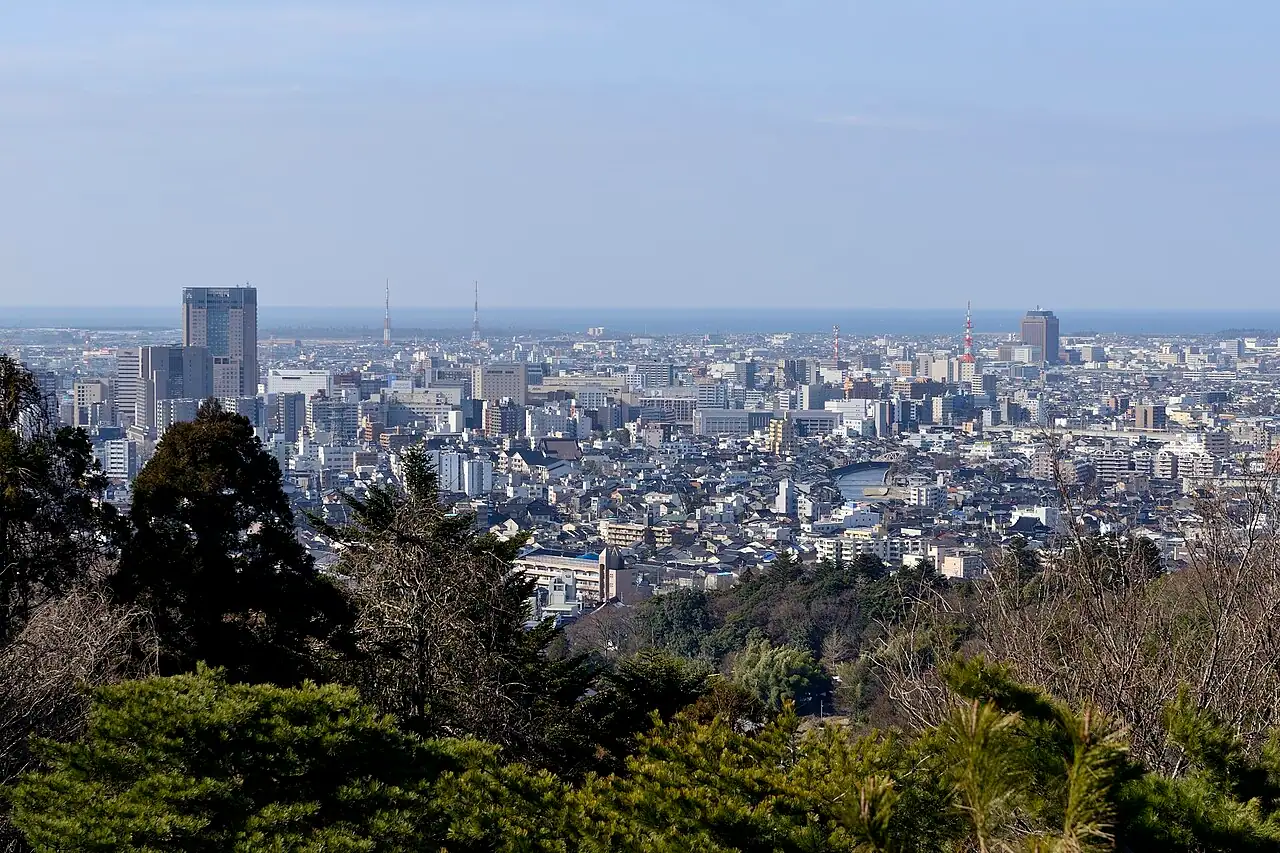
Kanazawa is one of Japan’s best-preserved historic cities, often compared to Kyoto without the crowds. Ships dock at a cruise terminal outside town, and a short bus ride brings you to Kenroku-en garden, geisha and samurai districts, the Omicho seafood market and a famous contemporary art museum.
Aomori
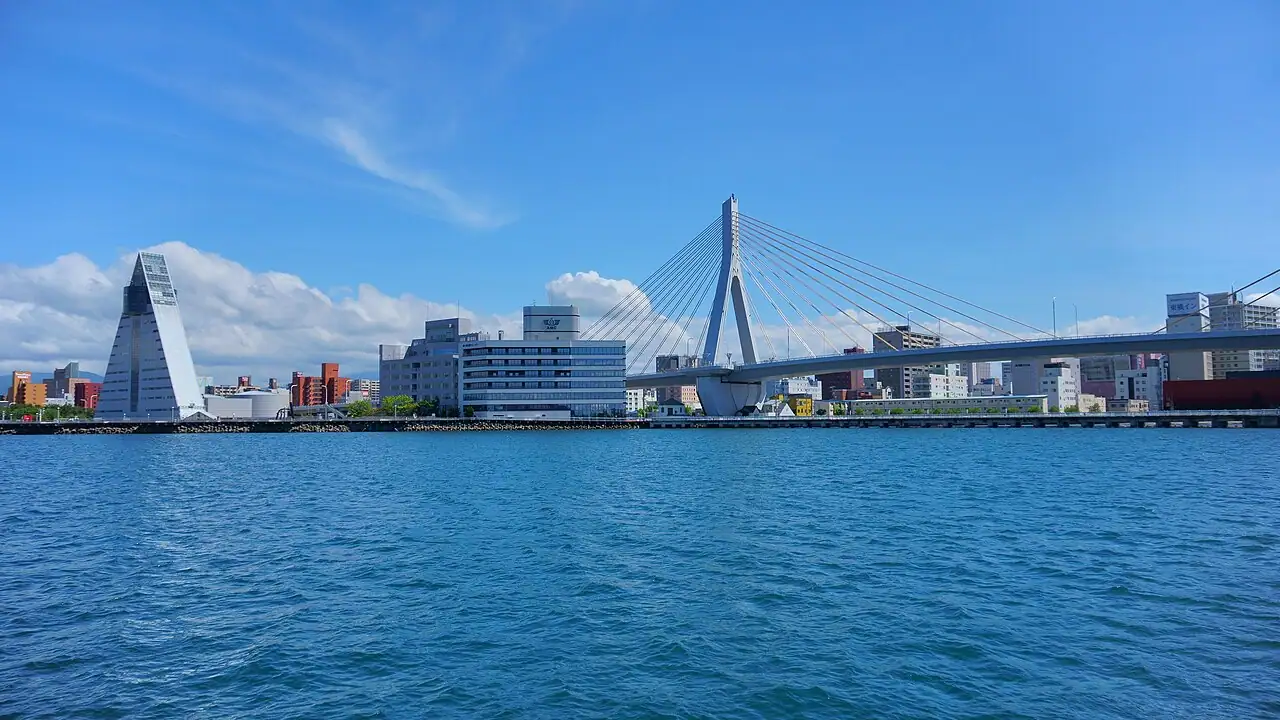
Aomori, at the northern tip of Japan’s main island, is a laid-back port known for its giant illuminated Nebuta festival floats, apples and seafood. The city’s main sights are clustered near the waterfront, and longer excursions reach Hirosaki Castle, the Oirase Gorge and Lake Towada, some of northern Japan’s best scenery.
Naha, Okinawa
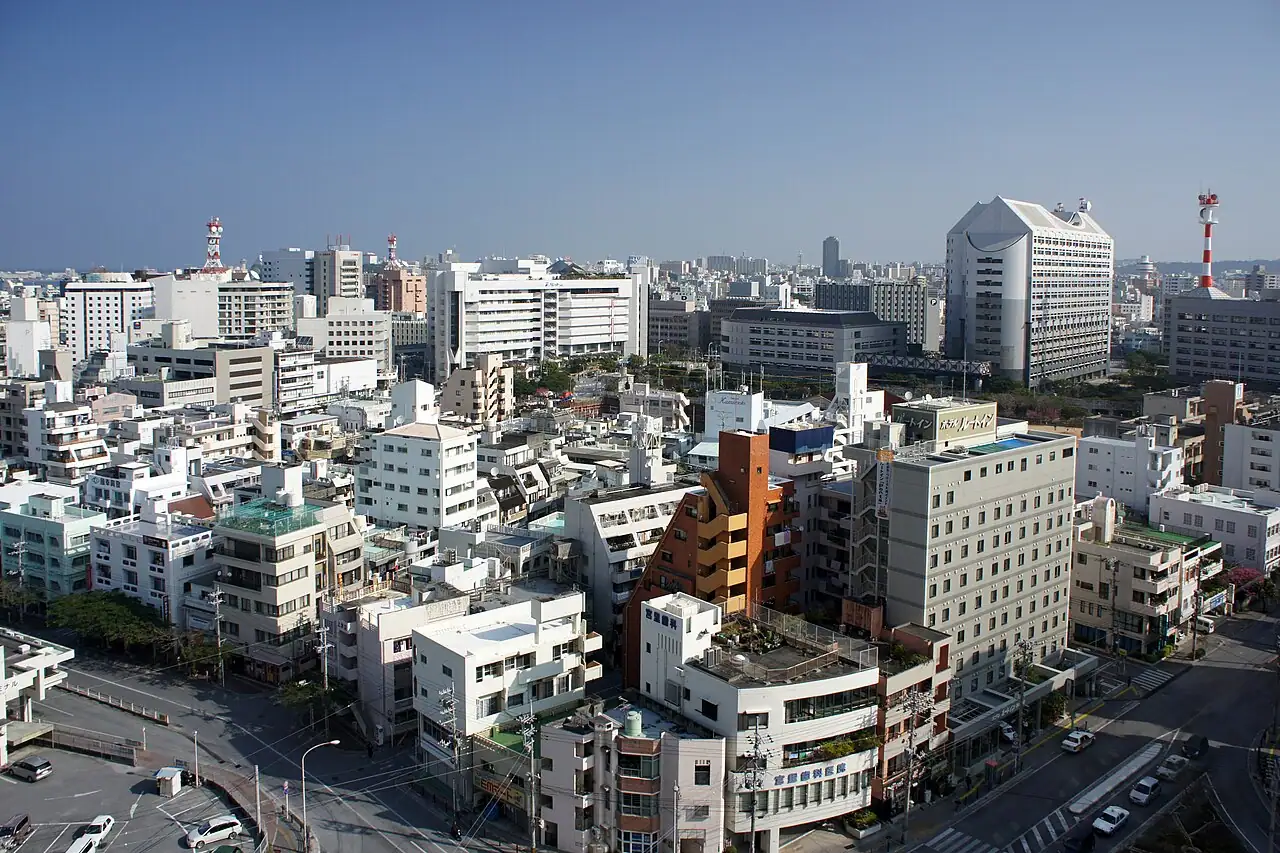
Naha is the capital of Okinawa, a subtropical island chain with its own Ryukyu kingdom heritage, distinctive food and beaches. Ships dock a short taxi ride from Kokusai-dori, the main shopping street, and popular excursions include Shuri Castle, WWII memorial sites in the south and the huge Churaumi Aquarium in the north.
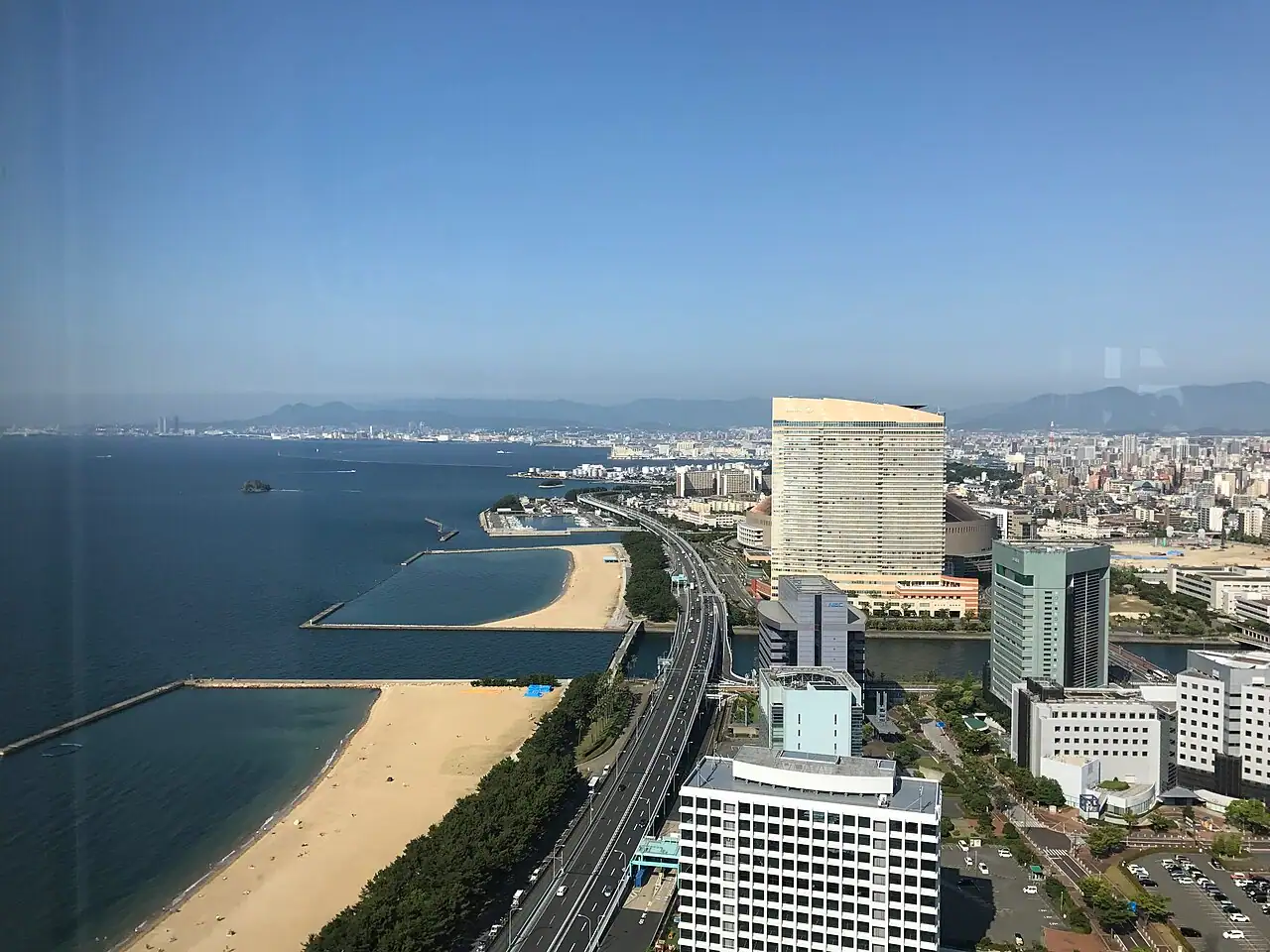
Fukuoka (Hakata)
Fukuoka is Kyushu’s largest city, a modern and easygoing place famous for tonkotsu ramen, open-air yatai food stalls and temples tucked between office towers. Ships dock about 10 to 15 minutes from the center, and the shrine town of Dazaifu is a popular half-day trip by train.
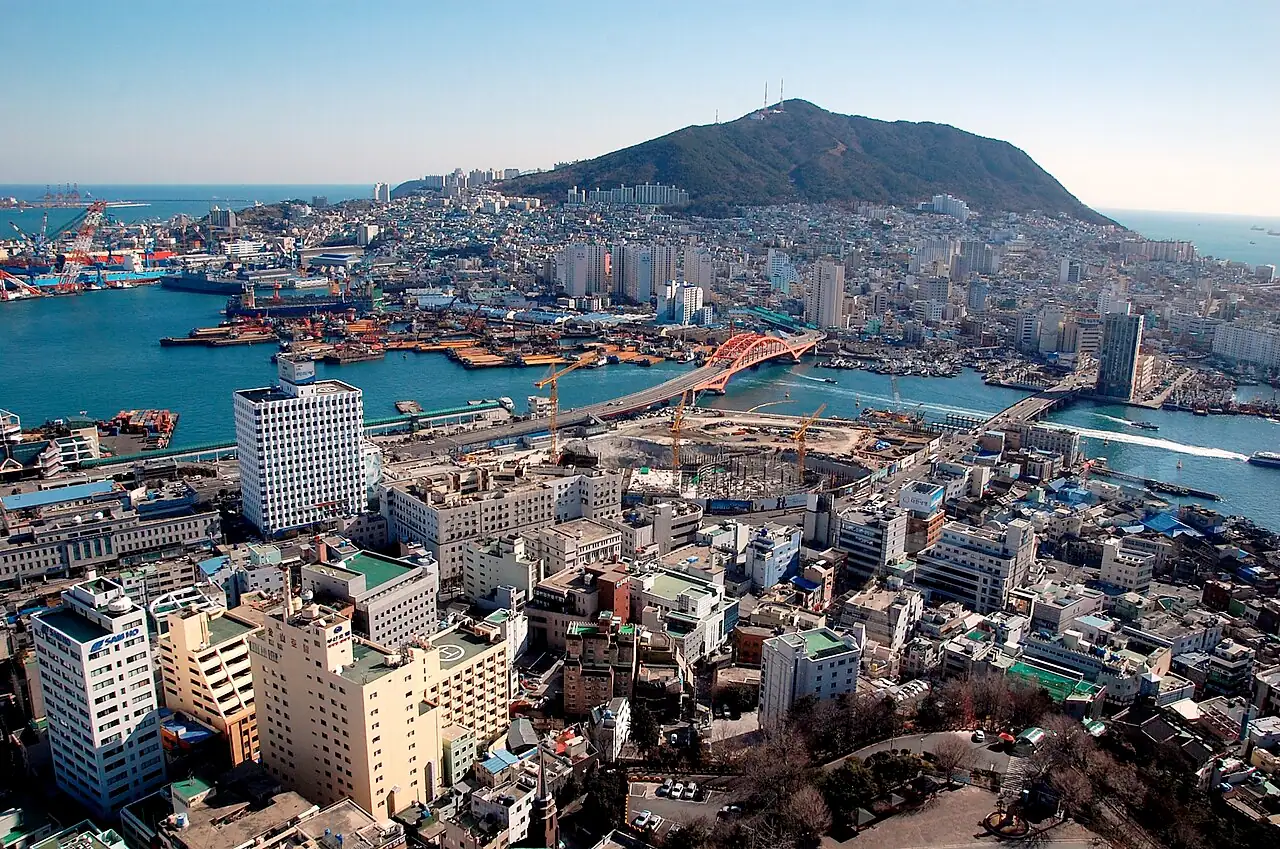
Busan
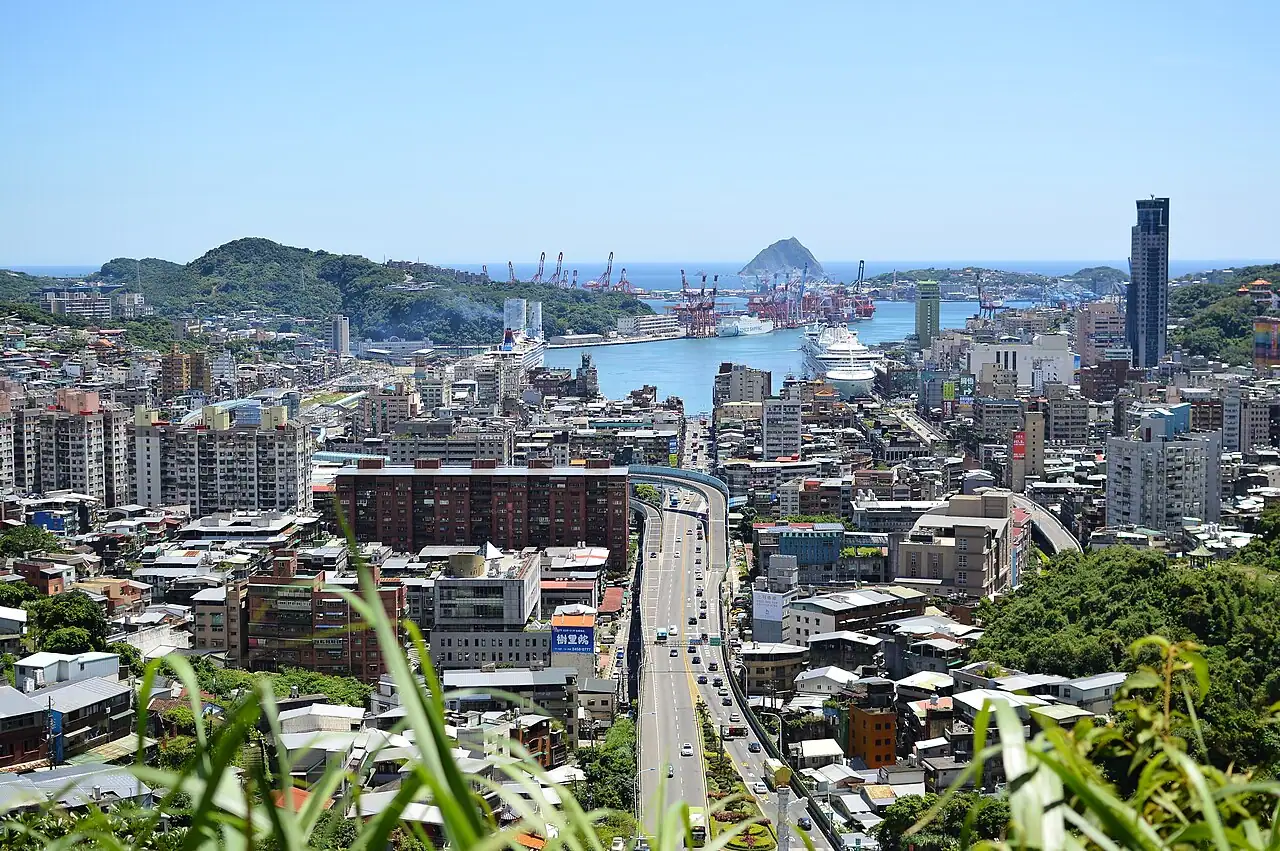
Keelung (for Taipei)
Where Japan cruises start
Cruise lines that sail Japan
Japan cruise tips
- Check Japan’s medication rules before you pack. Some common US prescriptions, including stimulant ADHD medications, and over-the-counter decongestants containing pseudoephedrine are banned or restricted, and larger quantities of some drugs need advance approval.
- Carry yen. Cards are widely accepted in cities, but temples, small restaurants and market stalls often want cash. Convenience-store ATMs, such as those at 7-Eleven, generally accept foreign cards, and a rechargeable IC transit card speeds up trains and buses.
- Don’t tip; it can cause confusion. Carry a small bag for your own trash, since public bins are rare, and avoid eating while walking in busy areas, which many locals consider impolite.
- Wear shoes that slip on and off easily and socks without holes. You’ll remove your shoes at many temples, traditional restaurants and some museums.
- For blossom cruises, add nights in Kyoto or Tokyo before or after. Bloom dates shift by a week or more each year, and extra land days improve your odds of seeing the peak.
Japan cruises: FAQs
When is the best time to cruise Japan?
Late March to May, and October to November. Spring brings cherry blossoms and mild weather, and autumn brings fall color, comfortable temperatures and fewer typhoons. June’s rainy season and the August–September typhoon peak are the least predictable times.
When can you see cherry blossoms on a Japan cruise?
Usually in late March and early April in Tokyo, Kyoto and Osaka. Blossoms appear earlier in Okinawa and Kyushu and later farther north, around late April or early May in Hakodate. Exact dates vary each year, so choose a sailing within that window and watch the national bloom forecasts.
How long is a Japan cruise?
Usually between one and two weeks. A week from Yokohama covers Mount Fuji, Osaka for Kyoto and two or three western ports, while 10- to 14-night voyages add Hokkaido, the Sea of Japan coast and South Korea.
Do I need a visa for a Japan cruise?
No, US and Canadian citizens don’t need a visa for short tourist stays in Japan, but you do need a valid passport. South Korea and Taiwan, common add-on stops, also allow visa-free short visits for both nationalities, though Korea may require an online travel authorization.
Can you visit Kyoto on a Japan cruise?
Yes, from Osaka or Kobe. Kyoto is about an hour away by train, and ship tours go by coach. Choose two or three sights, such as Fushimi Inari and Kiyomizu-dera, because traffic and crowds make seeing everything impossible in one day.
Which cruise line is best for Japan?
Princess has one of the longest track records in Japan, with ships based there for much of the year. Celebrity, Royal Caribbean, Holland America and Norwegian also sail Japan seasonally. Oceania, Azamara, Viking, Silversea, Seabourn and Regent offer longer, port-rich voyages with overnights.
Updated November 2026 by the BookMyDreamCruise editorial team. How we research and fact-check.
Sources: Wikidata, NASA POWER climate data.