Asia, Australia & the Pacific
Australia & New Zealand cruises
Australia and New Zealand cruises link Sydney, Melbourne, Hobart and Brisbane with New Zealand’s Bay of Islands, Rotorua, Wellington, Christchurch, Dunedin and the fjords of Fiordland, usually on 10- to 14-night voyages between Sydney and Auckland. The season runs October to April, the southern summer, and December to March is best for New Zealand. Other routes follow Queensland’s coast to the Great Barrier Reef.
- Season: October to April; December to March best for New Zealand; some ships year-round from Sydney and Brisbane
- Typical length: 10 to 14 nights between Sydney and Auckland; 3- to 10-night coastal cruises from Australia
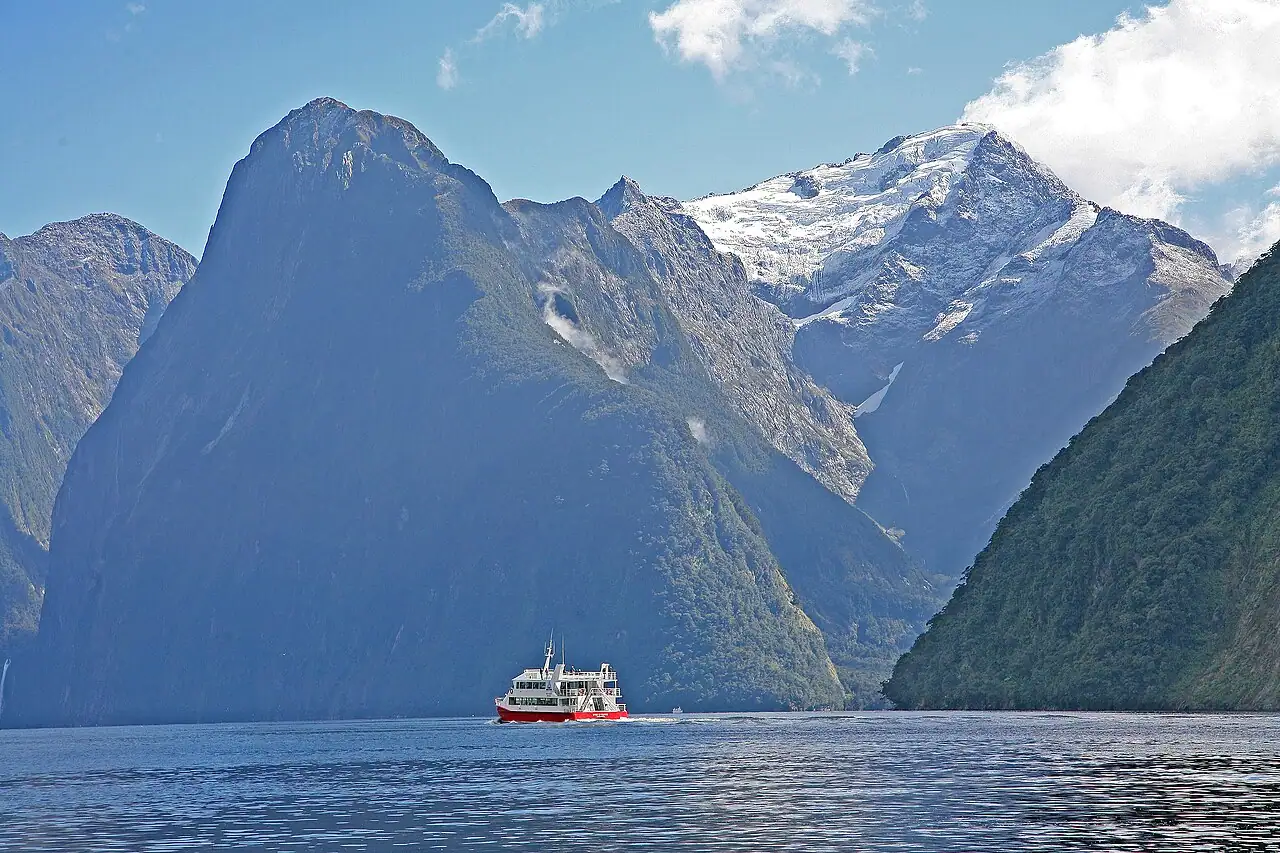
Photo: W. Bulach, CC BY-SA 4.0, via Wikimedia Commons
- Season
- October to April; December to March best for New Zealand; some ships year-round from Sydney and Brisbane
- Typical length
- 10 to 14 nights between Sydney and Auckland; 3- to 10-night coastal cruises from Australia
- Best months
- Jan, Feb, Mar, Nov, Dec
- Main departure ports
- Sydney, Auckland
- Ports covered here
- 15
- Cruise lines
- 14 lines sail here
What a Australia & New Zealand cruise is like
Cruising is a smart way to see both countries. Distances are huge and internal flights add up, while a ship lets you wake up in Hobart one day and glide into Milford Sound a few days later. The classic route crosses the Tasman Sea between Sydney and Auckland, pairing Australian cities with New Zealand’s geothermal valleys, wine regions and South Island fjords.
Expect a mix of city days and nature. Sydney’s arrival through the harbor heads, with the Opera House and Harbour Bridge beside the ship at Circular Quay, is one of cruising’s great sail-ins. In New Zealand you might walk among geysers near Rotorua, watch royal albatrosses on the Otago Peninsula and spend a morning cruising past Milford Sound’s waterfalls. Queensland voyages add snorkeling on the Great Barrier Reef from Cairns or the Whitsundays.
Plan for sea days and changeable seas. The Tasman crossing takes two to three days and can be rough, and weather around Tasmania and Fiordland is famously unpredictable; Milford Sound is sometimes swapped for Doubtful or Dusky Sound, or skipped, when conditions are poor. Biosecurity is strict in both countries: declare food, plant material and muddy hiking boots, and don’t carry fruit off the ship.
Australians make up much of the passenger mix, especially on ships based in Sydney and Brisbane that sail short Queensland and South Pacific trips all year. For North Americans, the best fit is an October-to-April voyage between Sydney and Auckland, often combined with a land stay. Both countries require electronic travel authorization before you arrive.
Best time to cruise Australia & New Zealand
- Jan: Best time to go
- Feb: Best time to go
- Mar: Best time to go
- Apr: Good time to go
- May: Shoulder season
- Jun: Shoulder season
- Jul: Shoulder season
- Aug: Shoulder season
- Sep: Shoulder season
- Oct: Good time to go
- Nov: Best time to go
- Dec: Best time to go
- No regular sailings
- Shoulder season
- Good time to go
- Best time to go
Australia & New Zealand in JanuaryBest time to go
The height of summer, with Sydney highs around 80°F (26–27°C) and New Zealand pleasant in the low-to-mid 70s °F (21–24°C). Australian and New Zealand school holidays run until late January, so ships are busy and fares peak. Australia Day on January 26 brings fireworks and harbor events. The tropical north is hot, wet and in cyclone season.
Australia & New Zealand in FebruaryBest time to go
Often New Zealand’s most settled month, with long, warm days and a better chance of calm conditions in Fiordland. With schools back, ships carry fewer families and fares ease slightly. Waitangi Day on February 6 draws big crowds and ceremonies to the Treaty Grounds in the Bay of Islands.
Australia & New Zealand in MarchBest time to go
Early autumn brings warm, stable weather and the start of the grape harvest in Marlborough and Hawke’s Bay. Seas are usually calmer than in spring, though the Tasman can turn stormy late in the month. Temperatures in New Zealand still reach around 70°F (21°C), and crowds are lighter than in summer.
Australia & New Zealand in AprilGood time to go
Poplars and willows turn gold in Central Otago and around Christchurch, and the air turns crisp. Easter and Anzac Day, with dawn services on April 25, fall in this period. The last trans-Tasman voyages of the season depart as ships reposition to Asia or Alaska, and New Zealand highs slip into the 60s °F.
Australia & New Zealand in MayShoulder season
New Zealand cruising has mostly ended, while Australia-based ships keep sailing to Queensland and the Pacific islands. The Southern Ocean grows rougher. Vivid Sydney, a festival of light projections on the Opera House and around the harbor, begins late in the month, a good reason for a land stay.
Australia & New Zealand in JuneShoulder season
Winter brings Sydney highs near 63°F (17°C) and snow to the South Island’s mountains. Humpback whales migrate north along Australia’s east coast and are often seen from headlands and ships. Queensland’s dry season offers the best reef weather, with clear water and no stinger season.
Australia & New Zealand in JulyShoulder season
Australian winter school holidays fill short Queensland and Pacific cruises from Sydney and Brisbane. Reef visibility and weather are excellent up north, and Kimberley expedition voyages are in full swing. New Zealand sees almost no cruise ships until spring.
Australia & New Zealand in AugustShoulder season
The dry season continues in Darwin and the Kimberley, while golden wattle blooms around Sydney. Whale watching remains strong on the east coast. New Zealand is deep in ski season, and the main cruise season is still two months away, so this is a quiet, good-value time for coastal Australian sailings.
Australia & New Zealand in SeptemberShoulder season
Spring arrives, with humpbacks heading south with their calves and Western Australia’s wildflower season blooming inland from Fremantle. The first repositioning ships for the summer season arrive late in the month. Weather is mild but changeable, and New Zealand remains cool.
Australia & New Zealand in OctoberGood time to go
The season gets underway. Jacaranda trees begin turning Brisbane and Sydney purple late in the month, lambs fill New Zealand’s fields and seas are calmer than in winter. New Zealand highs are around 60°F (15–16°C), so pack layers. Early-season departures can be good value.
Australia & New Zealand in NovemberBest time to go
Jacarandas peak and the Melbourne Cup, on the first Tuesday of the month, is a public holiday in Melbourne with hats and horse racing. The full season is running, and Australia warms up quickly. In Queensland, the stinger season and tropical wet season begin, while New Zealand is still cool and fresh.
Australia & New Zealand in DecemberBest time to go
Sydney Harbour’s New Year’s Eve fireworks are the biggest event of the cruise calendar here, and voyages timed for them sell out very early. Christmas is celebrated with seafood and summer barbecues. School holidays begin mid-month, fares are at their highest and cyclone season starts in tropical Queensland.
Average weather across Australia & New Zealand ports
| Month | Jan | Feb | Mar | Apr | May | Jun | Jul | Aug | Sep | Oct | Nov | Dec |
|---|---|---|---|---|---|---|---|---|---|---|---|---|
| High °F (°C) | 7625 | 7624 | 7423 | 6921 | 6518 | 6116 | 6016 | 6116 | 6418 | 6720 | 7122 | 7423 |
| Low °F (°C) | 6518 | 6518 | 6317 | 6015 | 5613 | 5312 | 5111 | 5111 | 5312 | 5613 | 5915 | 6217 |
| Rain in (mm) | 4.0101 | 3.897 | 3.998 | 3.179 | 3.077 | 3.179 | 3.486 | 2.871 | 2.769 | 2.872 | 2.871 | 3.588 |
| Daylight (hrs) | 14 | 14 | 12 | 11 | 10 | 10 | 10 | 11 | 12 | 13 | 14 | 15 |
Australia & New Zealand cruise highlights
- 1
Sydney Harbour
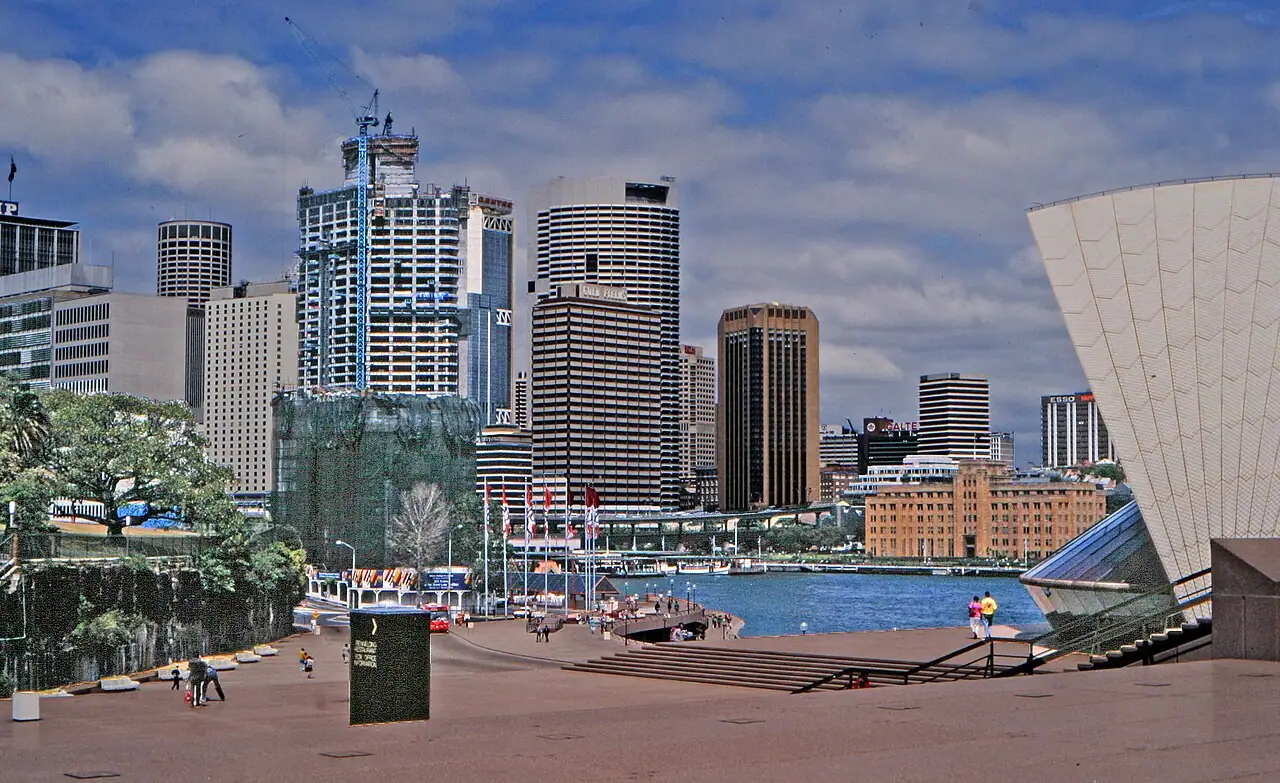
Ships dock at Circular Quay, beside the Opera House, or at White Bay farther up the harbor. Climb the Harbour Bridge, wander the sandstone lanes of The Rocks, take the ferry to Manly or walk the clifftop path from Bondi to Coogee. Allow at least two days here before or after your cruise.
- 2
Milford Sound and Fiordland
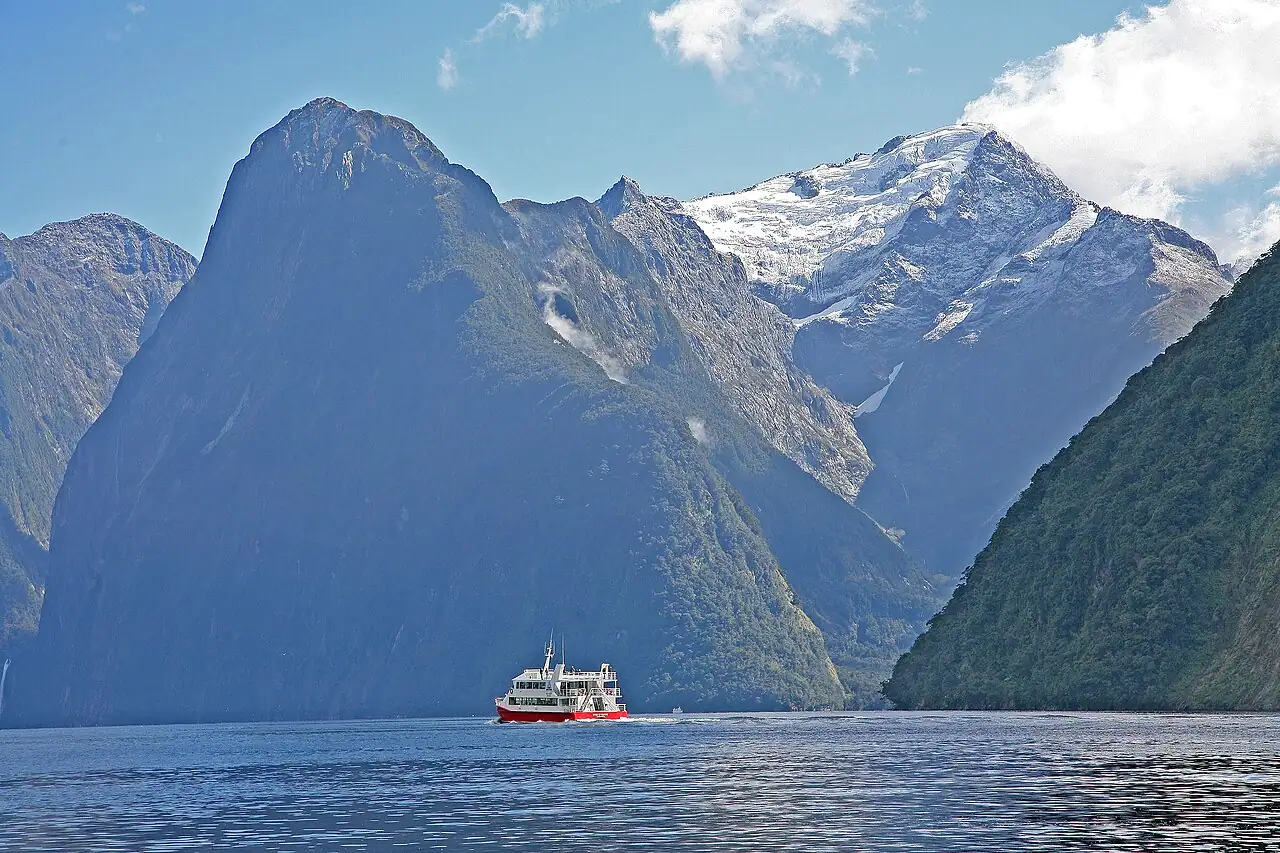
Ships spend a few hours cruising Fiordland’s sounds, past Mitre Peak, sheer granite walls and waterfalls that multiply after rain, which falls often here. Fur seals and dolphins are common. There’s no stop ashore, so dress warmly and be on deck early.
- 3
Rotorua and Hobbiton from Tauranga
About an hour from Tauranga, Rotorua’s geothermal parks have geysers, boiling mud and Māori cultural performances with a hāngī feast. Film fans head instead to the Hobbiton Movie Set, a similar drive away. Closer to the pier, the summit walk up Mount Maunganui gives sweeping views.
- 4
Hobart and MONA
Tasmania’s capital has a harbor lined with sandstone warehouses, the Saturday Salamanca Market and kunanyi/Mount Wellington above town. MONA, a provocative private art museum, is reached by a ferry up the river. The convict-era Port Arthur Historic Site is about 90 minutes away.
- 5
The Great Barrier Reef
From Cairns or Airlie Beach, catamarans head out to outer reef platforms for snorkeling and diving. Other options include the Kuranda Scenic Railway into the rainforest or Whitehaven Beach’s fine white silica sand in the Whitsundays. Reef trips are long, so choose one big activity.
- 6
Albatrosses and penguins near Dunedin
From Port Chalmers, tours visit Taiaroa Head on the Otago Peninsula, home to the world’s only mainland breeding colony of royal albatrosses, along with fur seals and, with luck, rare yellow-eyed penguins. Dunedin’s Scottish-flavored center and grand railway station are 20 minutes away.
- 7
Waitangi and the Bay of Islands
Tenders land at Waitangi or Russell. The Waitangi Treaty Grounds, where the 1840 treaty between the British Crown and Māori chiefs was first signed, are central to New Zealand’s story. Boat trips head out among the islands to the Hole in the Rock, often with dolphins alongside.
Typical Australia & New Zealand itineraries
- 1
12- to 14-night Sydney to Auckland
Typically Sydney, sometimes Melbourne or Hobart, Fiordland scenic cruising, Port Chalmers, Akaroa or Lyttelton, Wellington, Napier, Tauranga and the Bay of Islands. Runs one way or round trip from either city.
- 2
10- to 14-night New Zealand round trip
From Auckland or Sydney, focusing on New Zealand’s North and South Islands with Fiordland, Dunedin, Christchurch, Wellington and Rotorua. Some include Picton for Marlborough’s wineries.
- 3
7- to 10-night Queensland and Great Barrier Reef
From Sydney or Brisbane to Airlie Beach, Cairns or Port Douglas, often with a long stretch of scenic coast. Best from June to October, outside the stinger and cyclone seasons.
- 4
Kimberley expedition cruises
Ten-night voyages between Darwin and Broome from roughly April to September, visiting tidal waterfalls, ancient rock art and crocodile-lined rivers by Zodiac. Ponant, Silversea and Seabourn are among the lines that sail here.
Australia & New Zealand ports of call
Sydney
Departure port
Auckland
Departure port
Milford Sound & Fiordland
Milford Sound is a scenic-cruising stop, not a port: your ship sails into New Zealand’s most famous fiord in Fiordland National Park and back out again, with no docking or going ashore. Sheer cliffs, Mitre Peak and waterfalls like Stirling Falls are the highlights. Weather can shorten or cancel Fiordland cruising, so treat it as a bonus.
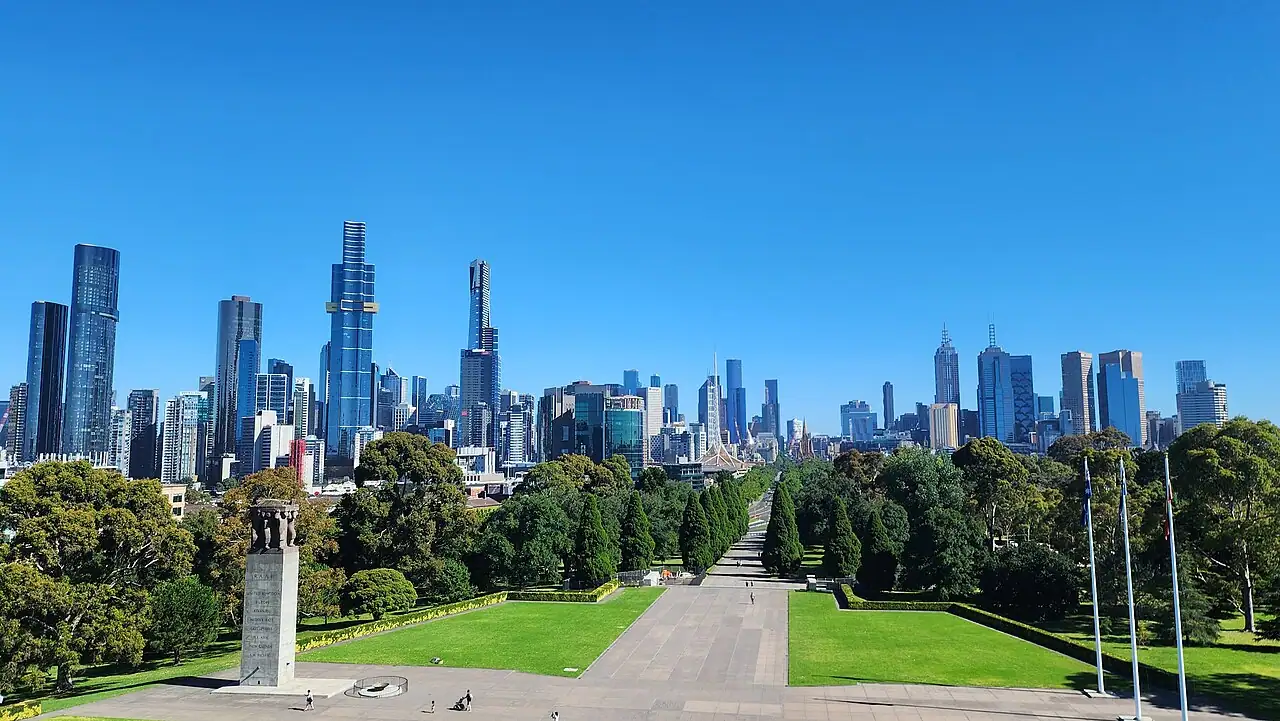
Melbourne
Melbourne is Australia’s cultural capital, famous for coffee, laneway street art, food markets and sport. Ships dock at Station Pier in Port Melbourne, about 3 miles (5 km) from downtown, with a direct tram into the city in about 20 minutes. It’s an easy, rewarding port to explore on your own, though the Great Ocean Road is too far for most calls.
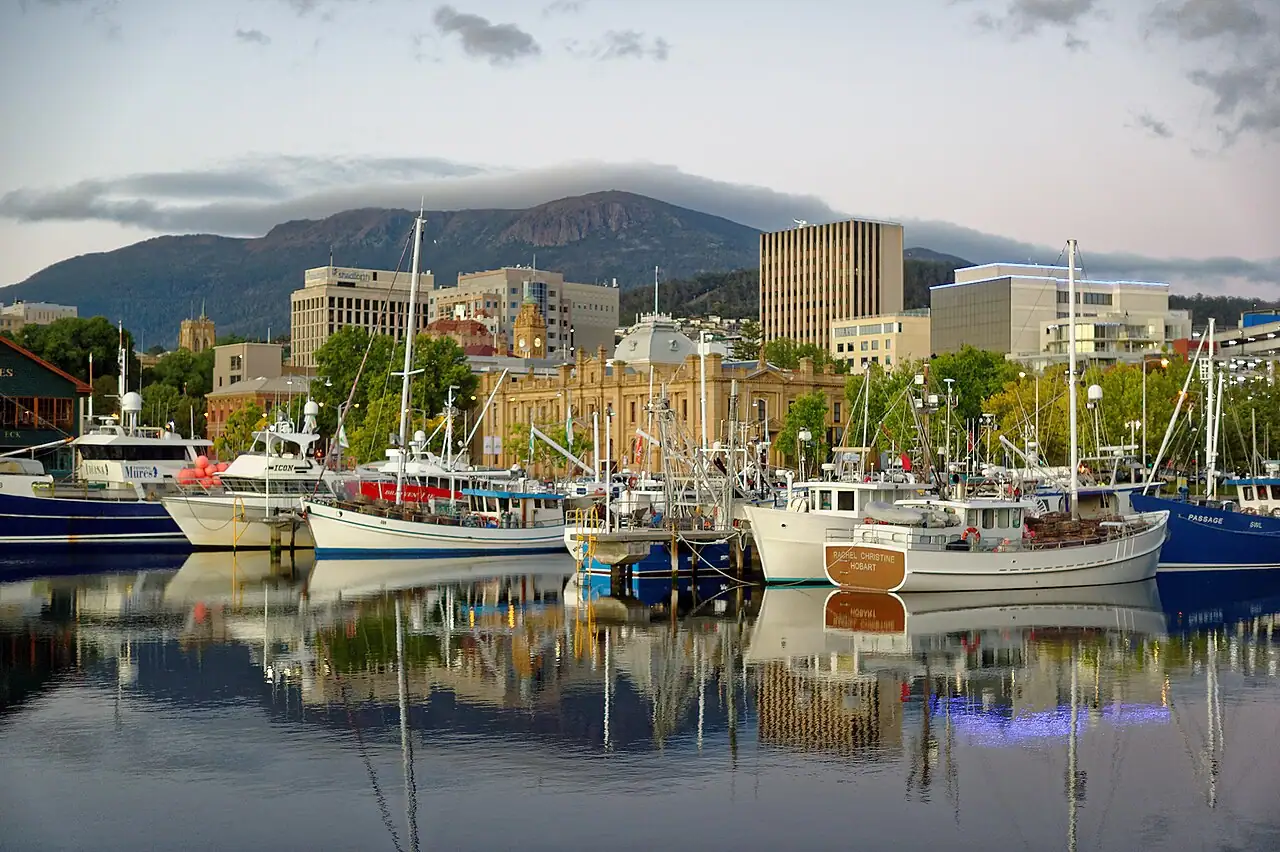
Hobart, Tasmania
Hobart, Tasmania’s capital, is a compact harbor city backed by the 4,000-foot kunanyi/Mount Wellington. Ships dock right on the waterfront, steps from the sandstone warehouses of Salamanca Place, so it’s easy on foot. Top picks are the mountain summit, the provocative MONA museum, Tasmanian devils at a wildlife sanctuary and the convict history of Port Arthur.
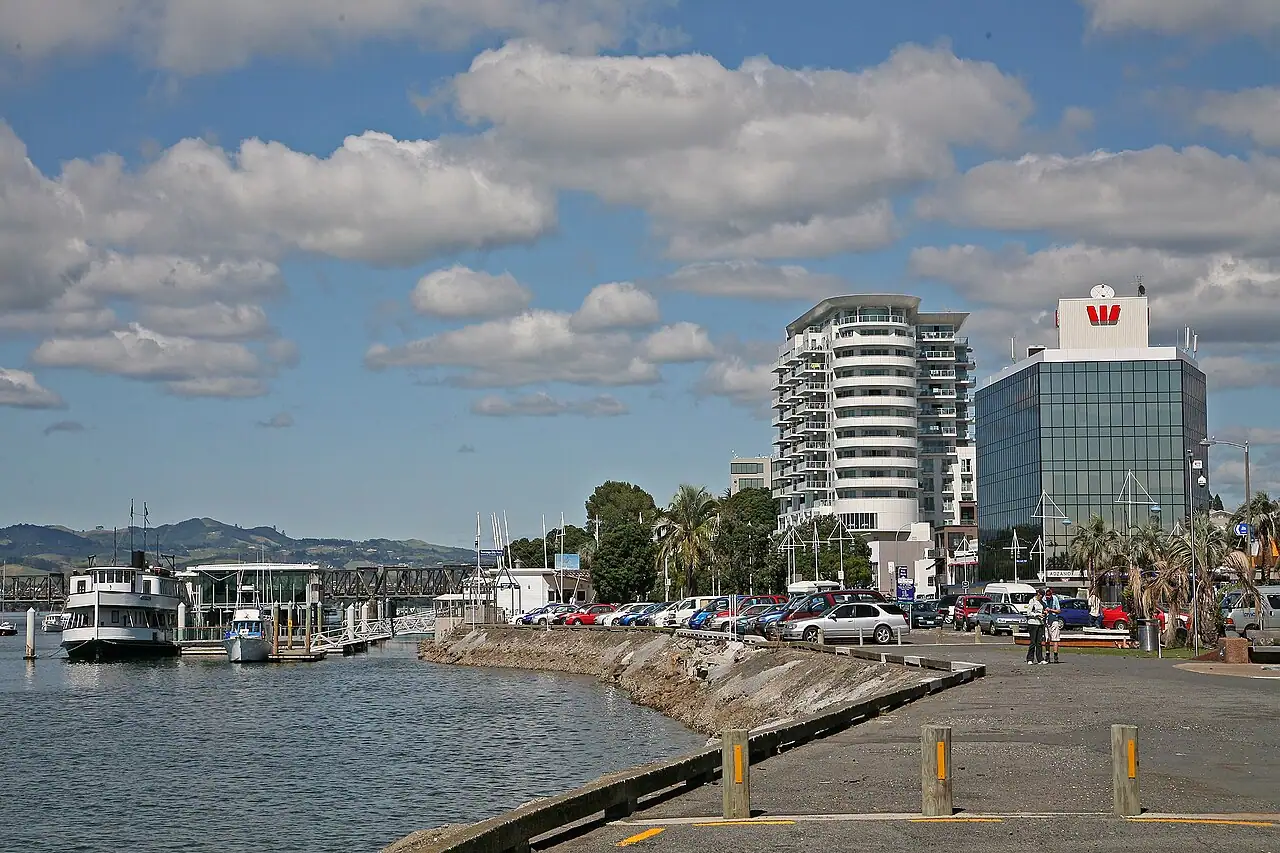
Tauranga (for Rotorua)
Tauranga, on New Zealand’s North Island, is the cruise port for Rotorua’s geysers, bubbling mud and Māori culture, about an hour inland. Ships dock at Mount Maunganui, a beach town at the foot of an extinct volcanic cone, so you can also stay close and hike the Mount, swim at Main Beach or soak in hot saltwater pools.
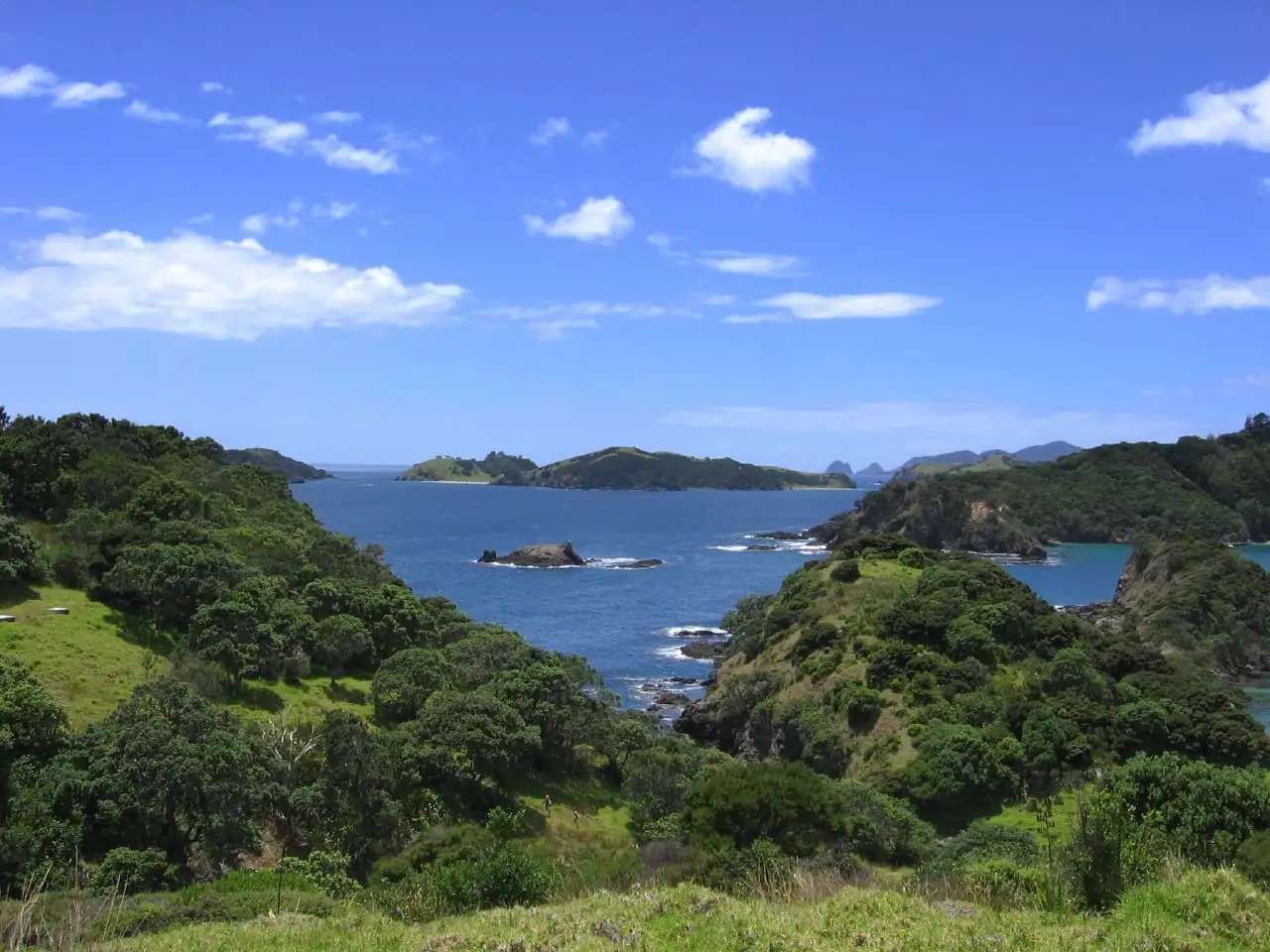
Bay of Islands
The Bay of Islands, in New Zealand’s subtropical Northland, is a sheltered bay of more than 140 islands and the birthplace of the nation at the Waitangi Treaty Grounds. Ships anchor in the bay and tender passengers to Waitangi or Paihia. Top picks are Waitangi, historic Russell across the water and a boat trip to the Hole in the Rock.
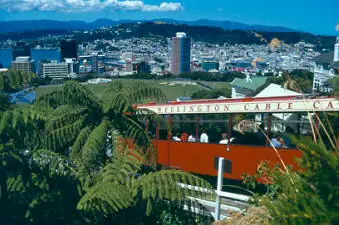
Wellington
Wellington, New Zealand’s compact, creative capital, sits on a harbor at the southern tip of the North Island. Ships dock either downtown or at a quay about 1.5 miles (2 km) out, with shuttles provided. Highlights include Te Papa, the national museum, the historic cable car, Zealandia’s urban wildlife sanctuary and the city’s celebrated coffee, craft beer and film culture.

Port Chalmers (for Dunedin)
Port Chalmers is the cruise port for Dunedin, New Zealand’s Scottish-influenced university city on the South Island’s east coast. Ships dock in the small harbor town, about 20 to 25 minutes from Dunedin. Highlights include the Otago Peninsula’s royal albatrosses and yellow-eyed penguins, Dunedin’s grand railway station and Larnach Castle.
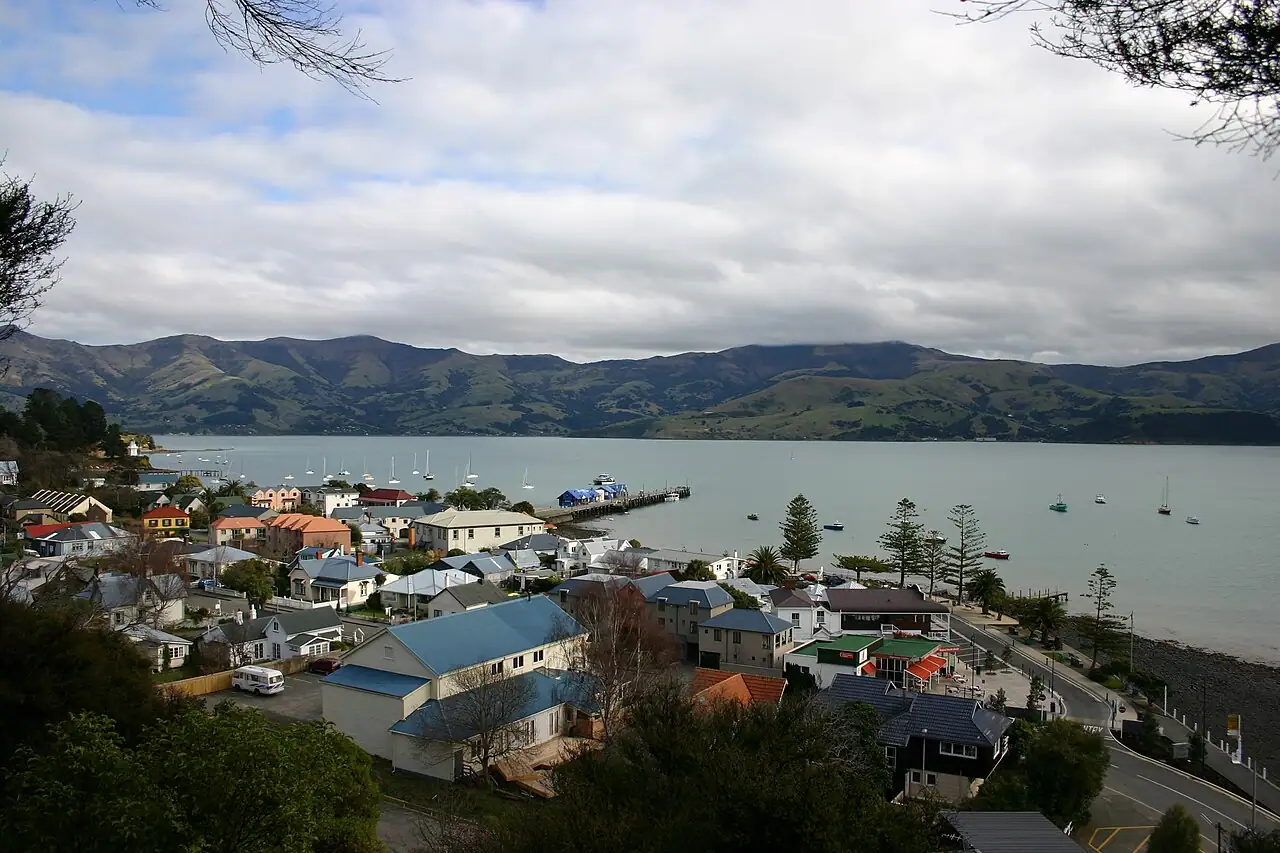
Akaroa & Lyttelton (for Christchurch)
Akaroa and Lyttelton are the cruise ports for Christchurch on New Zealand’s South Island. Larger ships generally dock at Lyttelton, about 25 minutes from the city, while others anchor in Akaroa Harbour and tender into a French-settled village about 1.5 hours away. Highlights include rare Hector’s dolphins in Akaroa and Christchurch’s gardens and rebuilt center.
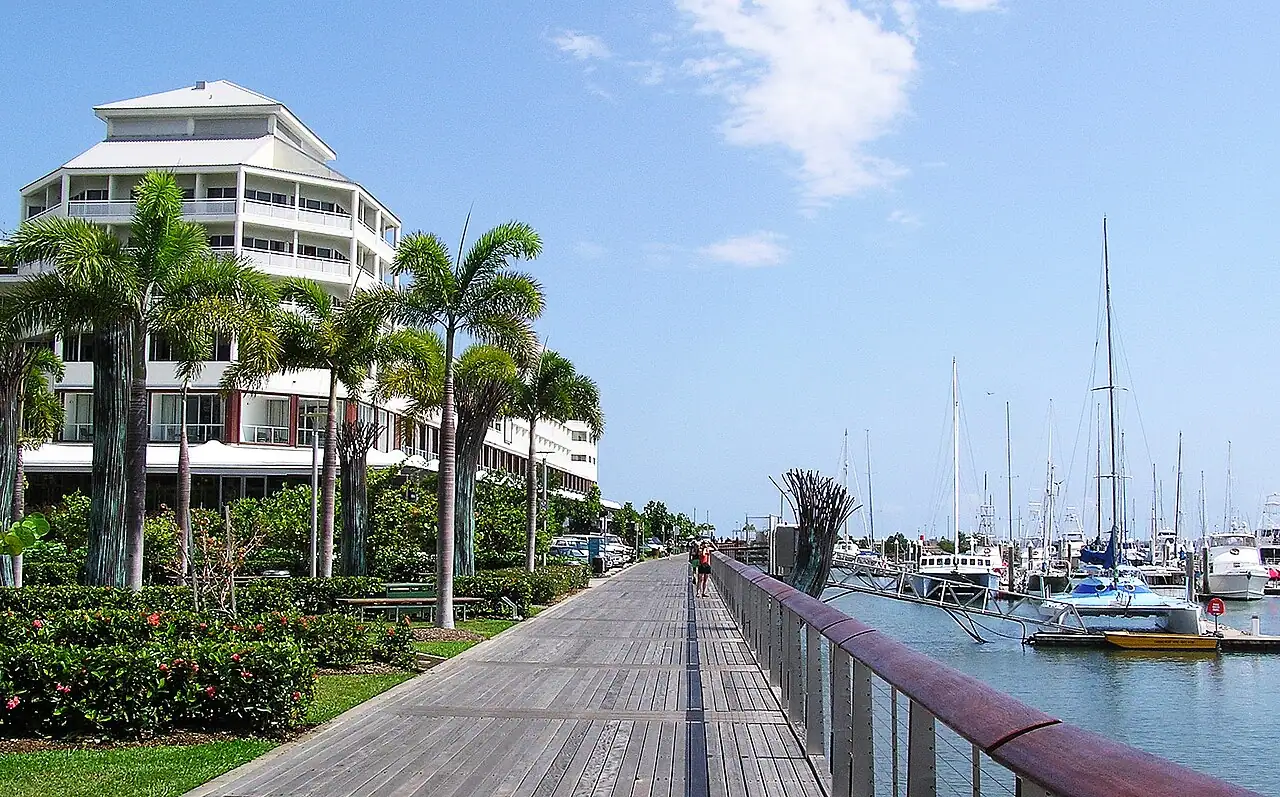
Cairns
Cairns is the tropical gateway to the Great Barrier Reef and the Daintree rainforest in Far North Queensland. Smaller ships dock in town near the Esplanade, while larger ships often anchor off Yorkeys Knob, about 25 minutes north, and tender in. The big choices are a reef trip by fast catamaran or the Kuranda rainforest village by scenic railway and cableway.
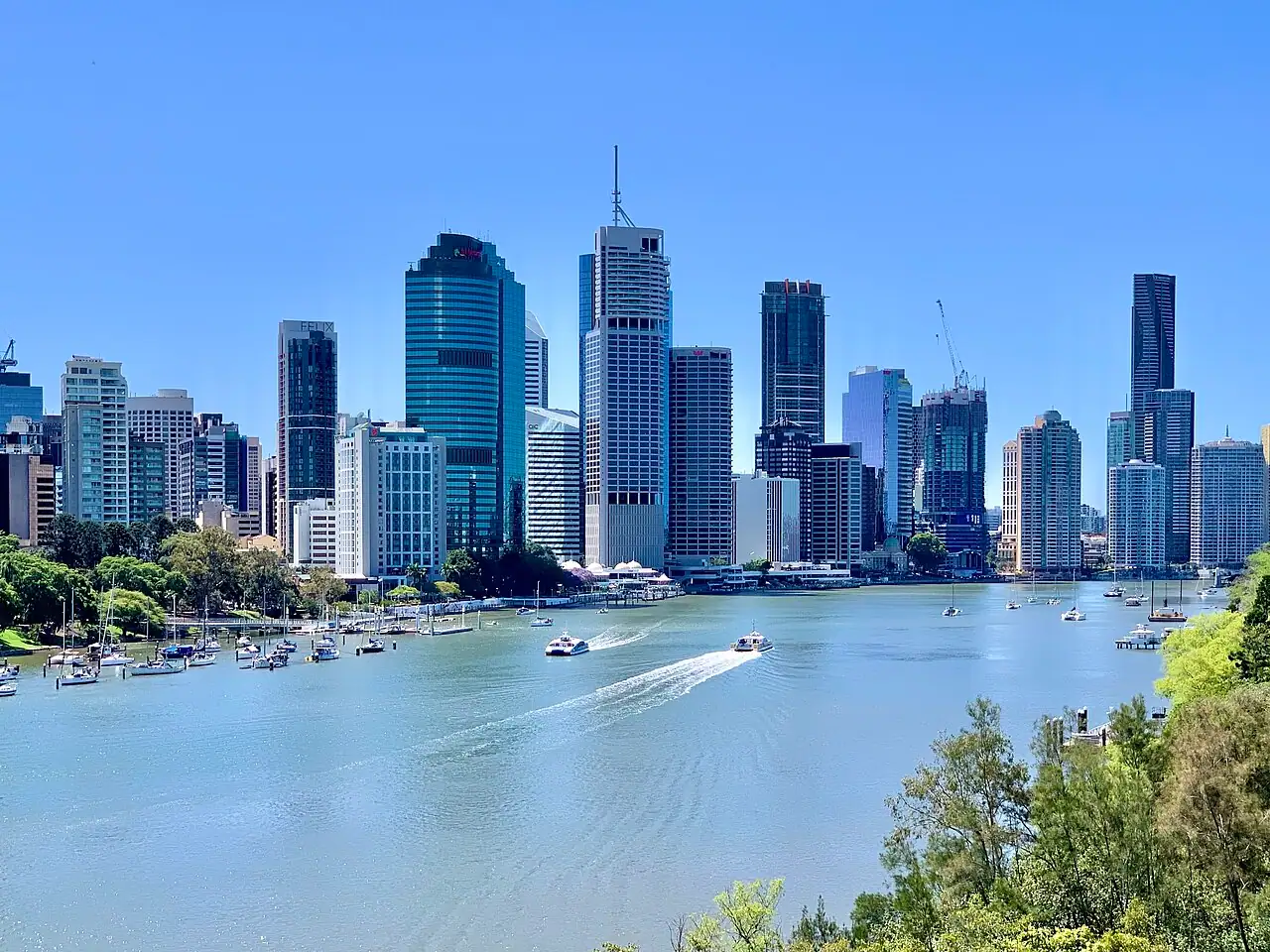
Brisbane
Brisbane is Queensland’s sunny, laid-back capital, set along a winding river with parks, swimming lagoons and one of the world’s best-known koala sanctuaries. Most large ships dock at the Brisbane International Cruise Terminal near the river mouth, about 30 to 40 minutes from downtown, so plan your transfers. It’s also a gateway to the Gold Coast and Australia Zoo.

Airlie Beach (Whitsundays)
Airlie Beach is the mainland gateway to Queensland’s Whitsunday Islands and the Great Barrier Reef. Ships anchor offshore and tender passengers to a marina near the small resort town. The headline trips are to Whitehaven Beach, with its brilliant white silica sand, and to outer reef pontoons or scenic flights over Heart Reef.
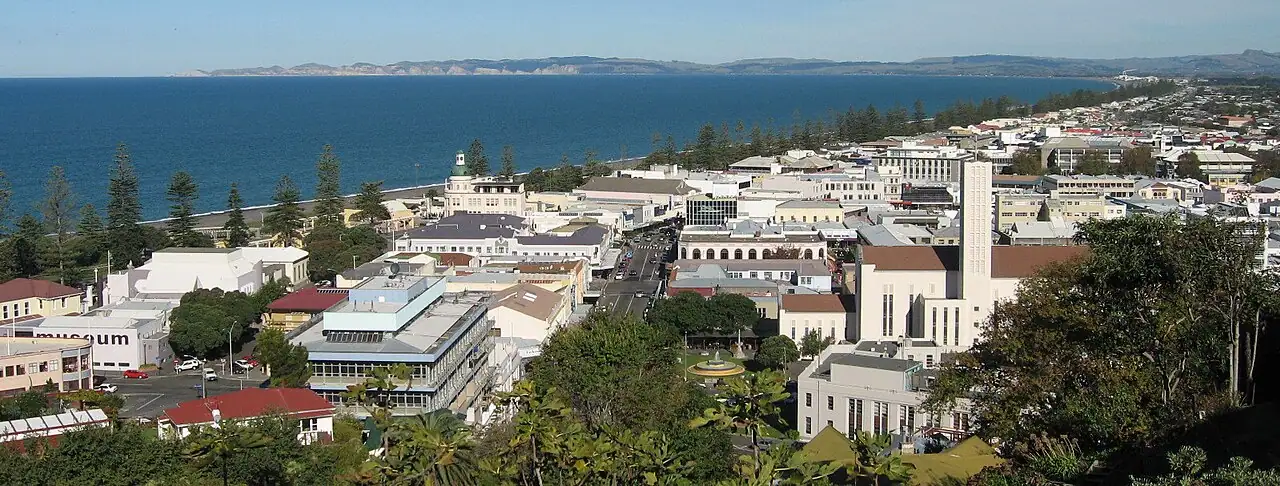
Napier
Napier, on New Zealand’s Hawke’s Bay, is the Art Deco capital of the world, rebuilt in the 1930s style after a devastating 1931 earthquake. Ships dock at the port, a short shuttle ride from downtown. Highlights include Art Deco walks and vintage car tours, Hawke’s Bay wineries and the gannet colony at Cape Kidnappers.
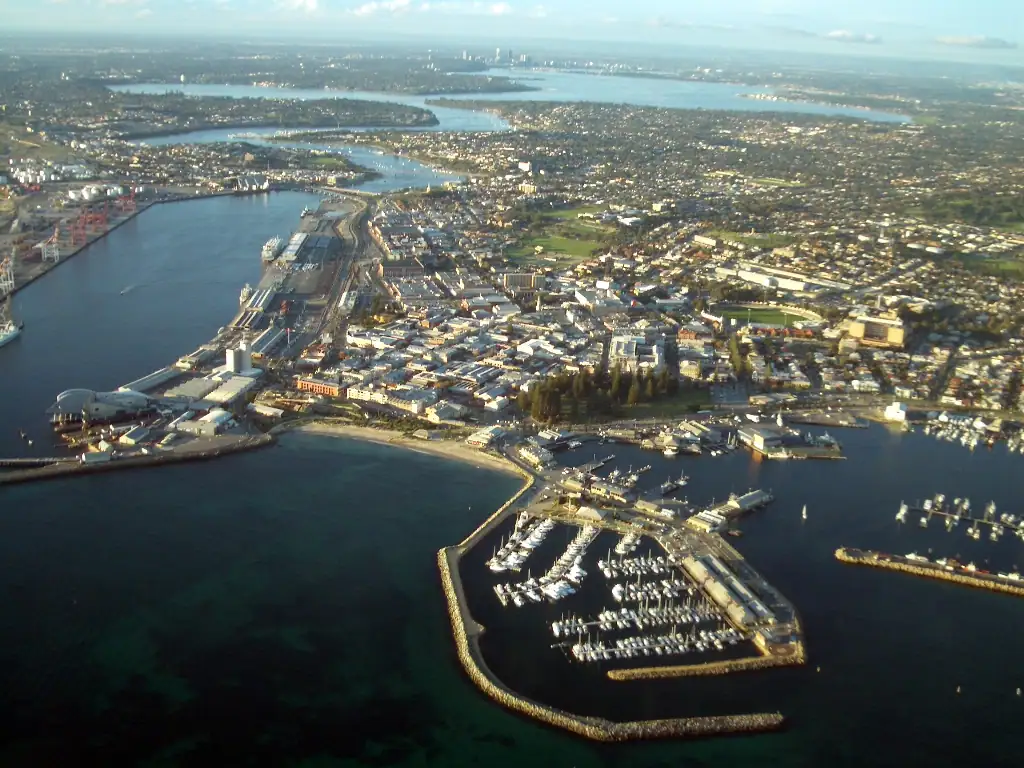
Fremantle (for Perth)
Fremantle is Western Australia’s historic port city, with Victorian buildings, a UNESCO-listed convict prison and a lively café strip, and it’s the cruise gateway to Perth, about 30 minutes away by train. Ships dock right in town, so you can explore Fremantle on foot or head to Perth, Rottnest Island’s quokkas or the beaches.

Adelaide
Adelaide is South Australia’s elegant, easygoing capital, surrounded by famous wine regions like the Barossa Valley and McLaren Vale. Ships dock at Outer Harbor, about 15 miles (25 km) from the city, with a train line close by. Highlights include the Central Market, the museums on North Terrace, Glenelg beach and the German heritage village of Hahndorf.
More ports in this region
Where Australia & New Zealand cruises start
Cruise lines that sail Australia & New Zealand
Australia & New Zealand cruise tips
- Apply early for both electronic travel authorizations: Australia’s ETA (through its official app) and New Zealand’s NZeTA, which all cruise passengers need, plus New Zealand’s tourist levy. Your cruise line will check them before boarding.
- Take biosecurity seriously. Don’t take fruit, meat or plant products ashore, clean mud from hiking boots before you travel and declare anything you’re unsure about; fines are steep in both countries.
- Pack seasickness remedies for the Tasman crossing and the waters off Tasmania and Fiordland, and choose a midship cabin on a lower deck if you’re sensitive to motion.
- Respect the sun. UV levels in Australia and New Zealand are extreme in summer, even on cloudy days, so wear a hat, sunglasses and high-SPF sunscreen and reapply often.
- In Queensland between about November and May, wear the stinger suits provided on reef trips. Box jellyfish and Irukandji jellyfish are present in tropical waters during the warmer months.
Australia & New Zealand cruises: FAQs
When is the best time to cruise Australia and New Zealand?
December to March. That’s summer in the Southern Hemisphere, with the warmest weather and the calmest seas for Fiordland and the Tasman crossing. October, November and April are good shoulder months, while Queensland’s reef is best from June to October.
How long is an Australia and New Zealand cruise?
Most are 12 to 14 nights between Sydney and Auckland. New Zealand round trips run 10 to 14 nights, and coastal Australian cruises can be as short as three or four nights. Add a few days on land at each end to recover from the long flight.
Do I need a visa for an Australia and New Zealand cruise?
You need electronic authorizations rather than traditional visas. US and Canadian citizens need an Australian ETA and a New Zealand NZeTA, plus New Zealand’s International Visitor Conservation and Tourism Levy. Apply well before you sail.
Is the Tasman Sea rough on a cruise?
It can be. The two- to three-day crossing between Australia and New Zealand is exposed to Southern Ocean swells, and rough days are common, especially outside midsummer. Big ships handle it well, but motion-sensitive travelers should come prepared.
Can you see the Great Barrier Reef on a cruise?
Yes. Queensland itineraries call at Cairns, Port Douglas or Airlie Beach, where catamaran tours take you out to the reef for snorkeling and diving. Trips last most of the day, and the best conditions are from June to October.
Which cruise line is best for Australia and New Zealand?
Princess, Royal Caribbean, Celebrity and Holland America offer the most Sydney–Auckland voyages. Carnival bases ships in Australia for short local cruises. Viking, Oceania, Azamara, Regent, Silversea and Seabourn run port-rich luxury and premium itineraries, and Ponant is a long-standing choice for Kimberley expeditions.
Updated November 2026 by the BookMyDreamCruise editorial team. How we research and fact-check.
Sources: Wikidata, NASA POWER climate data.