Cruise port · New Zealand · Australia & New Zealand
Wellington cruise port guide
Wellington, New Zealand’s compact, creative capital, sits on a harbor at the southern tip of the North Island. Ships dock either downtown or at a quay about 1.5 miles (2 km) out, with shuttles provided. Highlights include Te Papa, the national museum, the historic cable car, Zealandia’s urban wildlife sanctuary and the city’s celebrated coffee, craft beer and film culture.
- Museums
- Wildlife sanctuaries
- Coffee and craft beer
- Film locations
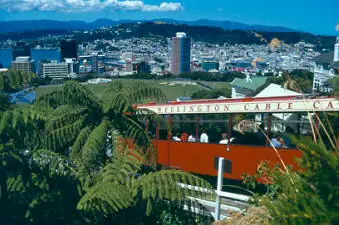
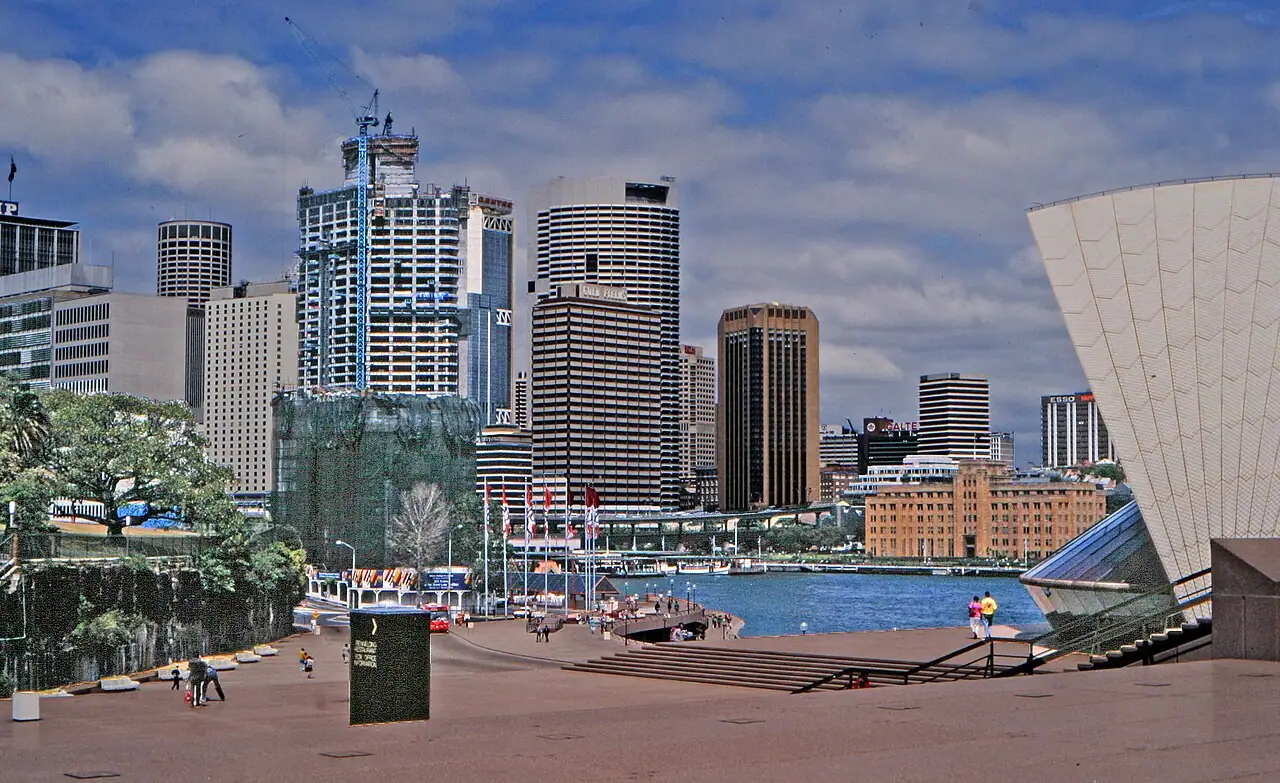
Photo: en:User:Dhum Dhum, Copyrighted free use, via Wikimedia Commons
- Country
- New Zealand
- Region
- Australia & New Zealand
- Type of stop
- Cruise port
- Language
- English and te reo Māori are official languages; English is universal.
- Currency
- New Zealand dollar (NZD). Contactless cards are widely accepted.
- Best time to visit
- January–December
- Average highs
- 54–68°F through the year
About Wellington
Wellington packs a lot into a small space: a waterfront promenade, steep hills dotted with wooden houses, Parliament’s distinctive Beehive and a thriving arts scene. It’s also the heart of New Zealand’s film industry, home to Weta Workshop. And yes, it’s windy.
A port day here is easy on foot or by bus, combining Te Papa, the cable car and the botanic garden with cafés and bars on Cuba Street. Nature lovers can see rare native birds at Zealandia. Getting here involves crossing Cook Strait, one of the roughest stretches of water in the region, so sensitive sailors should be prepared.
Where cruise ships dock in Wellington
Larger ships berth at Aotea Quay, about 1.5 miles (2 km) north of downtown, where shuttles usually take passengers to the city; walking takes 20 to 30 minutes. Smaller ships may dock at Queens Wharf, right in the city center. Downtown, Te Papa, the waterfront and the cable car are walkable. Zealandia is about 10 minutes by car or shuttle bus, and Weta Workshop about 20 minutes. Martinborough’s wineries are about 1 to 1.25 hours away.
Best things to do in Wellington on a cruise
- 1
Te Papa Tongarewa (Museum of New Zealand)
culture
The national museum covers Māori culture, natural history and art, with a colossal squid and a contemporary marae (meeting house). Its Gallipoli exhibition, with giant, lifelike figures made by Weta Workshop, has been a long-running highlight. Entry to the main collections costs nothing.
- 2
Wellington Cable Car and Botanic Garden
scenery
The cable car climbs from Lambton Quay to Kelburn in about five minutes, with views over the city and harbor. Walk back down through the Botanic Garden, past rose gardens and native bush, to the Beehive and Parliament.
- 3
Zealandia
wildlife
A fenced urban ecosanctuary where native birds and reptiles, including tūī, kākā, takahē and tuatara, thrive in restored forest. Guided tours help spot rare species. It’s about 10 minutes from the city.
- 4
Weta Workshop
culture
The design and effects company behind The Lord of the Rings films offers tours of its workshop in Miramar, with props, costumes and creatures. Book tours ahead.
- 5
Mount Victoria Lookout
scenery
The best view of Wellington, its harbor and airport. The forested slopes were used as filming locations for The Lord of the Rings. Drive up, or walk the trails if you’re fit.
- 6
Parliament and the Beehive
history
Free guided tours visit New Zealand’s Parliament buildings, including the circular Beehive, home to government offices. Bring ID for security.
- 7
Cuba Street and the waterfront
food
Cuba Street’s cafés, bars and quirky shops capture Wellington’s creative spirit. The waterfront promenade connects Te Papa, Oriental Bay’s beach and the city center.
Wellington weather by month
| Month | Jan | Feb | Mar | Apr | May | Jun | Jul | Aug | Sep | Oct | Nov | Dec |
|---|---|---|---|---|---|---|---|---|---|---|---|---|
| High °F (°C) | 6820 | 6820 | 6519 | 6217 | 5915 | 5613 | 5412 | 5412 | 5513 | 5815 | 6116 | 6418 |
| Low °F (°C) | 6015 | 6016 | 5815 | 5613 | 5312 | 5110 | 499 | 499 | 5010 | 5111 | 5412 | 5714 |
| Rain in (mm) | 1.947 | 3.793 | 3.178 | 3.384 | 3.588 | 3.794 | 4.1104 | 4.0101 | 3.794 | 2.768 | 3.282 | 3.588 |
| Daylight (hrs) | 15 | 14 | 13 | 11 | 10 | 9 | 10 | 11 | 12 | 13 | 15 | 15 |
What to eat and drink in Wellington
Wellington is known for coffee and craft beer, with many roasters and breweries. Try a flat white, paua (abalone) fritters, fish and chips and Martinborough pinot noir. The city has a strong dining scene, from casual cafés to fine dining. Cuba Street and the waterfront are good places to start.
Tips for your port day
- Bring a windproof jacket; Wellington lives up to its windy reputation.
- If you’re prone to seasickness, prepare for Cook Strait crossings.
- Use the ship shuttle from Aotea Quay; the walk to downtown isn’t especially scenic.
- Book Weta Workshop and Zealandia tours early.
- Te Papa is big. Pick two or three galleries rather than trying to see everything.
Cruise lines that visit Wellington
Often on the same itinerary
Wellington cruise FAQs
Where do cruise ships dock in Wellington?
Larger ships dock at Aotea Quay, about 1.5 miles (2 km) from downtown, with shuttles provided. Smaller ships may dock at Queens Wharf in the city center.
Can you walk around Wellington from the cruise ship?
Yes, once you’re downtown. From Queens Wharf you’re already in the center; from Aotea Quay, take the shuttle, then walk between Te Papa, the waterfront, Lambton Quay and Cuba Street.
Is Te Papa free?
Yes. General admission to Te Papa, New Zealand’s national museum, is free, though some special exhibitions charge.
Can you visit Weta Workshop from the cruise port?
Yes. It’s about 20 minutes away in Miramar. Book tours in advance.
Is Cook Strait rough?
It can be. Cook Strait is known for strong winds and currents, so seasickness-prone passengers should be prepared.
Is Wellington really that windy?
Often, yes. Its position on Cook Strait funnels strong winds through the city, especially in spring. Bring a windproof layer and hold on to your hat along the waterfront.
Updated November 2026 by the BookMyDreamCruise editorial team. How we research and fact-check.
Sources: Wikipedia, Wikidata, NASA POWER climate data.