Alaska, Hawaii, Canada & the US
Alaska cruises
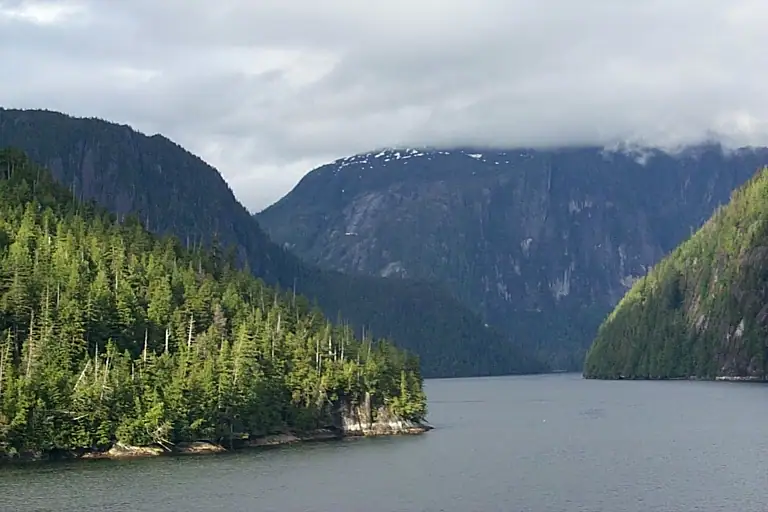
Alaska cruises sail from late April to early October, mostly on 7-night trips through the Inside Passage from Seattle or Vancouver, or one way across the Gulf of Alaska between Vancouver and Seward or Whittier near Anchorage. Expect tidewater glaciers, humpback whales, bears and frontier towns such as Juneau, Ketchikan and Skagway. June to August is warmest and busiest; May and September are cheaper and quieter.
- Season: Late April to early October; warmest and busiest June to August.
- Typical length: 7 nights; 10 to 14 days with a Denali land tour
Photo: Pat W. Sanders, CC BY 2.0, via Wikimedia Commons
- Season
- Late April to early October; warmest and busiest June to August.
- Typical length
- 7 nights; 10 to 14 days with a Denali land tour
- Best months
- Jun, Jul, Aug
- Main departure ports
- Seattle, Vancouver, Seward (Anchorage)
- Ports covered here
- 13
- Cruise lines
- 16 lines sail here
What a Alaska cruise is like
An Alaska cruise is about the view from the deck as much as the ports. Ships thread the Inside Passage, a maze of forested islands and fjords along the Southeast Alaska coast, where towns like Juneau, the state capital, can only be reached by sea or air. Most itineraries include a full day of scenic cruising at a glacier, when the ship idles in front of a wall of blue ice and everyone listens for the crack of calving.
There are two main shapes of trip. Round trips from Seattle or Vancouver stay in the sheltered Inside Passage and are easy to book with a simple round-trip flight. One-way Gulf of Alaska sailings between Vancouver and Seward or Whittier reach farther north, often to Hubbard Glacier or College Fjord, and pair naturally with a land tour to Denali National Park. Small expedition ships of under 200 guests offer a third option, with kayaks, Zodiacs and stops in tiny coves.
Alaska suits nature lovers, photographers, multigenerational families and travelers who would rather wear a fleece than a swimsuit. It’s less ideal if you want guaranteed sunshine: Southeast Alaska is temperate rainforest, and wet, gray days are part of the deal. The season is short and popular, so the best cabins, especially balconies and Glacier Bay itineraries, sell out early.
Best time to cruise Alaska
- Jan: No regular sailings
- Feb: No regular sailings
- Mar: No regular sailings
- Apr: Shoulder season
- May: Good time to go
- Jun: Best time to go
- Jul: Best time to go
- Aug: Best time to go
- Sep: Good time to go
- Oct: Shoulder season
- Nov: No regular sailings
- Dec: No regular sailings
- No regular sailings
- Shoulder season
- Good time to go
- Best time to go
Alaska in JanuaryNo regular sailings
No cruises sail to Alaska in January. Southeast Alaska is dark, wet and quiet, with about seven hours of daylight in Juneau, and most tour operators and shops in Skagway and Ketchikan close for winter. It is, however, prime time to plan next summer, while the widest choice of cabins and Glacier Bay sailings remains.
Alaska in FebruaryNo regular sailings
February brings no sailings, but it’s the heart of the booking season for summer. If you want a Denali cruisetour with lodge nights near the park entrance, a particular side of the ship for a one-way glacier route, or a small expedition ship, reserve now. Ashore, Interior Alaska draws winter visitors for the northern lights, not glaciers.
Alaska in MarchNo regular sailings
Ships are still in the Caribbean, Mexico or dry dock. In Alaska, days lengthen quickly, gaining more than five minutes of daylight a day around the equinox, and the Iditarod sled-dog race starts from Anchorage in early March. Use the month to secure flights, since nonstop seats into Seattle, Vancouver and Anchorage for peak summer weeks fill early.
Alaska in AprilShoulder season
The first ships arrive at the very end of April or in early May, often on short repositioning sailings up from California. Expect snow down to the waterline, swollen waterfalls, days in the 40s and 50s °F and a few attractions not yet open. Gray whales pass the outer coast on their northward migration, and fares are the lowest of the season.
Alaska in MayGood time to go
May is often the driest month in Southeast Alaska and one of the best values, with snowcapped peaks, fewer passengers and daylight stretching past 17 hours by month’s end. Black bears graze on new shoreline grass, humpbacks return to Juneau’s waters, and the White Pass railway climbs through lingering snow. Pack warm layers for chilly mornings.
Alaska in JuneBest time to go
June has the longest days, around 18 hours of daylight in Juneau and nearly 19 in Anchorage, and some of the summer’s most settled weather. Lupine and wildflowers bloom, king and sockeye salmon runs begin, and humpback sightings are reliable. Families arrive once schools let out, so prices climb toward their peak in the second half of the month.
Alaska in JulyBest time to go
July is peak season: the warmest month, with Juneau highs in the mid-60s °F and the odd warm spell in the 70s, busy ports and the highest fares. Fireweed paints roadsides magenta, pink and chum salmon crowd the streams, and the Fourth of July brings small-town parades to Skagway and Juneau. Reserve helicopter and floatplane tours early.
Alaska in AugustBest time to go
August is the top month for bears fishing salmon streams, and humpbacks are often bubble-net feeding in Icy Strait and Chatham Strait. It’s still mild, but rain becomes more frequent late in the month, especially around Ketchikan. Darkness returns at night, bringing the first chance of spotting the northern lights from the deck.
Alaska in SeptemberGood time to go
September sailings are quieter and noticeably cheaper, with fall color in the high country, coho salmon running and bears feeding hard before winter. It’s also the rainiest month in much of Southeast Alaska, and some tours wind down mid-month. Longer nights improve your odds of seeing the aurora, particularly on Gulf of Alaska routes.
Alaska in OctoberShoulder season
Only the season’s last few departures sail into early October, usually southbound repositioning cruises or final Vancouver round trips. The Gulf of Alaska can be stormy, and many seasonal businesses in Skagway have shut. Sitka marks Alaska Day on October 18 with a reenactment of the 1867 transfer from Russia, but by then the ships have gone.
Alaska in NovemberNo regular sailings
There are no cruise ships in November, and days on the Inside Passage are short, dark and rainy. The month’s wildlife spectacle is inland: thousands of bald eagles gather along the Chilkat River near Haines to feed on a late salmon run, a sight independent travelers fly in to see. For cruisers, it’s a good time to compare next year’s itineraries.
Alaska in DecemberNo regular sailings
No ships sail in December, when Juneau gets only about six and a half hours of daylight. Use the holidays to settle the big decisions for next summer: Seattle round trip or one way to Anchorage, whether to add Denali, and which glacier day matters most to you, Glacier Bay, Hubbard Glacier or Tracy Arm.
Average weather across Alaska ports
| Month | Jan | Feb | Mar | Apr | May | Jun | Jul | Aug | Sep | Oct | Nov | Dec |
|---|---|---|---|---|---|---|---|---|---|---|---|---|
| High °F (°C) | 362 | 362 | 405 | 468 | 5412 | 6016 | 6519 | 6518 | 5915 | 5010 | 405 | 373 |
| Low °F (°C) | 29-1 | 28-2 | 31-1 | 373 | 457 | 5111 | 5613 | 5613 | 5010 | 426 | 331 | 30-1 |
| Rain in (mm) | 10.4263 | 7.0178 | 6.4163 | 5.9149 | 5.1130 | 4.7120 | 5.2132 | 7.2183 | 9.0230 | 11.0280 | 10.6269 | 10.6270 |
| Daylight (hrs) | 8 | 10 | 12 | 14 | 16 | 18 | 17 | 15 | 13 | 10 | 8 | 7 |
Alaska cruise highlights
- 1
Glacier Bay National Park
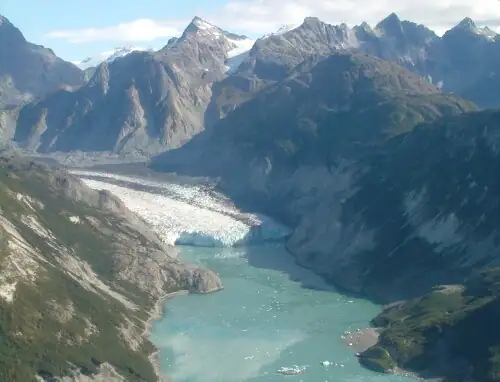
A day in Glacier Bay means hours of slow cruising up a fjord to tidewater glaciers such as Margerie, with park rangers boarding to narrate. The park service limits how many large ships enter each day, so not every itinerary includes it; if it matters to you, check before you book.
- 2
Hubbard Glacier
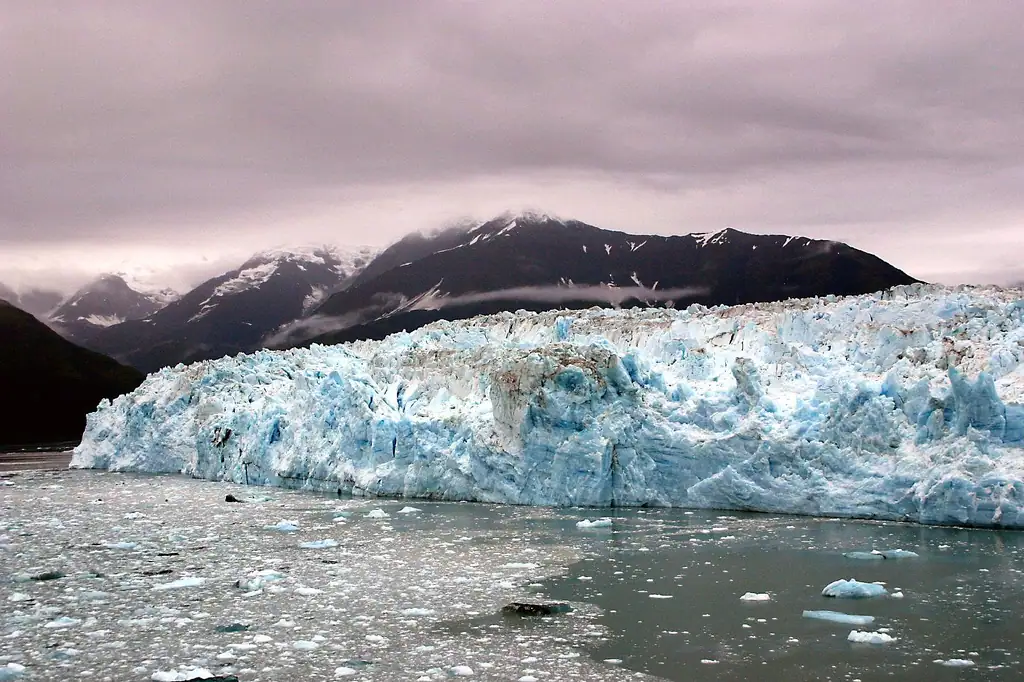
One of North America’s largest tidewater glaciers, Hubbard’s face is about 6 miles wide and towers over Disenchantment Bay. It appears mostly on Gulf of Alaska and longer itineraries. How close your ship gets depends on floating ice, but even from a distance the scale is astonishing.
- 3
Tracy Arm and Endicott Arm
These narrow fjords south of Juneau are walled by granite cliffs and waterfalls, ending at the Sawyer Glaciers in Tracy Arm and Dawes Glacier in Endicott Arm. Large ships sometimes switch from one to the other when ice blocks the way; smaller ships can get much closer.
- 4
Whales and Mendenhall Glacier, Juneau
Juneau’s top combination is a whale-watching boat from Auke Bay, where humpback sightings are very likely in summer, with a stop at Mendenhall Glacier and Nugget Falls about 12 miles from downtown. Helicopter flights to dog-sledding camps on the Juneau Icefield are pricey but popular.
- 5
White Pass & Yukon Route Railroad, Skagway
Built during the 1898 Klondike Gold Rush, this narrow-gauge railway climbs nearly 3,000 feet from the Skagway docks to White Pass summit, past trestles, tunnels and waterfalls. Longer tours continue into Canada’s Yukon. The town’s boardwalks and false-front saloons are part of Klondike Gold Rush National Historical Park.
- 6
Totems and Misty Fjords, Ketchikan
Ketchikan, one of the wettest towns in the US, is known for Creek Street’s stilted houses, salmon runs and totem poles at Totem Bight State Park and Saxman. Floatplane trips over Misty Fjords National Monument reveal sheer granite walls and alpine lakes.
- 7
Sitka’s Russian and Tlingit heritage
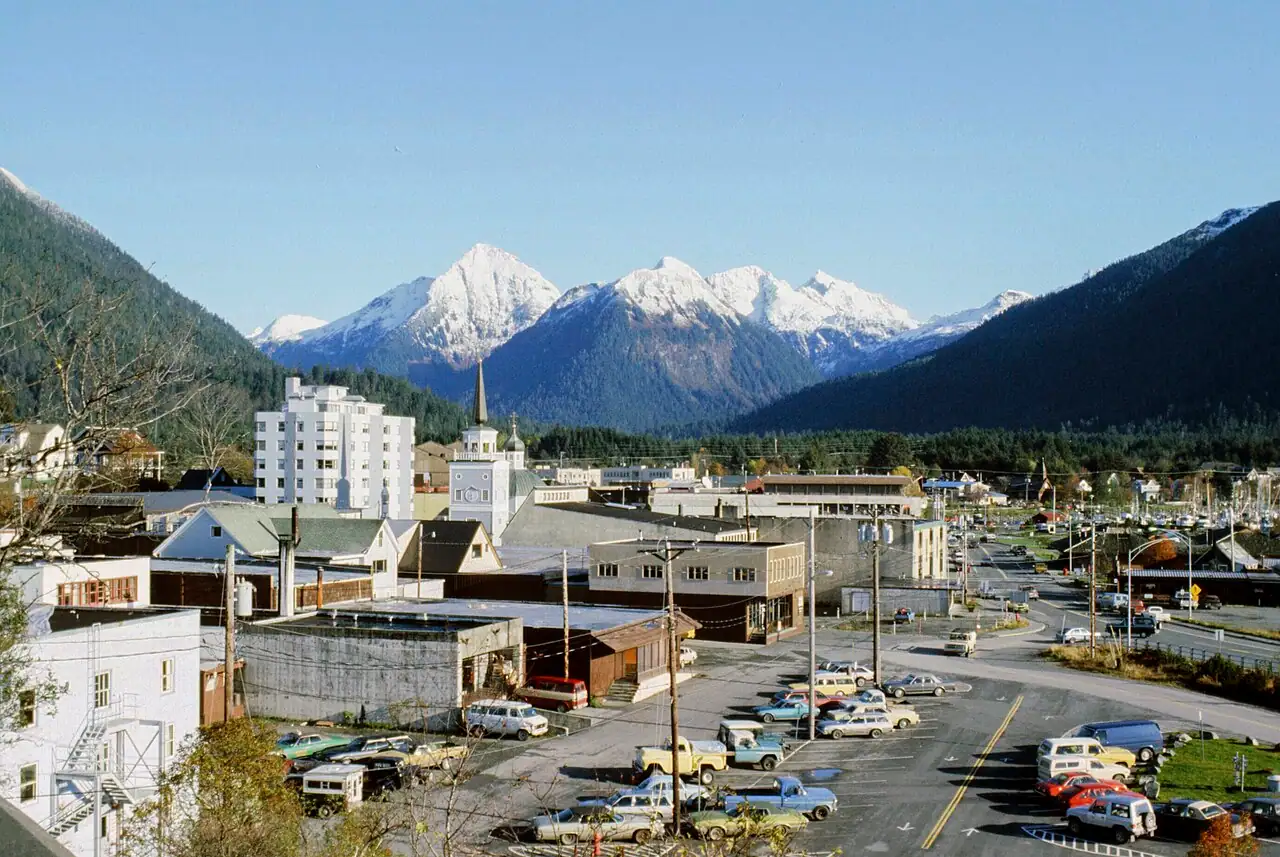
Once the capital of Russian America, Sitka mixes St. Michael’s Cathedral and onion domes with the carved poles of Sitka National Historical Park. Sea otters bob in the harbor, and the Alaska Raptor Center and Fortress of the Bear are short rides from town.
- 8
Denali cruisetours
One-way cruises connect with rail and coach tours to Denali National Park, home of North America’s tallest peak, Denali, which is visible only on clear days. Princess and Holland America run their own lodges and glass-domed railcars, and tours often add Fairbanks or the Kenai Fjords near Seward.
Typical Alaska itineraries
- 1
7-night Inside Passage round trip from Seattle
Typically Juneau, Skagway and Ketchikan plus a glacier day, with a short evening call in Victoria, British Columbia, on the way back. Simple flights and no border crossing to fly into.
- 2
7-night Inside Passage round trip from Vancouver
Similar ports with more time in the sheltered channels, since there’s no open-ocean run down the Washington coast. A good choice if Vancouver is easier to reach.
- 3
7-night one-way Gulf of Alaska, Vancouver to Seward or Whittier
Inside Passage ports plus Hubbard Glacier, Glacier Bay or College Fjord, ending near Anchorage. Requires open-jaw flights, but sees more glaciers and links with land tours.
- 4
10- to 14-day Denali cruisetour
A one-way cruise combined with three to seven nights on land, typically Anchorage, Talkeetna, Denali and Fairbanks, traveling by scenic railroad and coach.
- 5
Small-ship Inside Passage voyages
Seven to twelve nights on ships of a few dozen to a couple of hundred guests, often between Juneau, Sitka and Ketchikan, focused on wildlife, kayaking and remote coves rather than big ports.
Alaska ports of call
Juneau
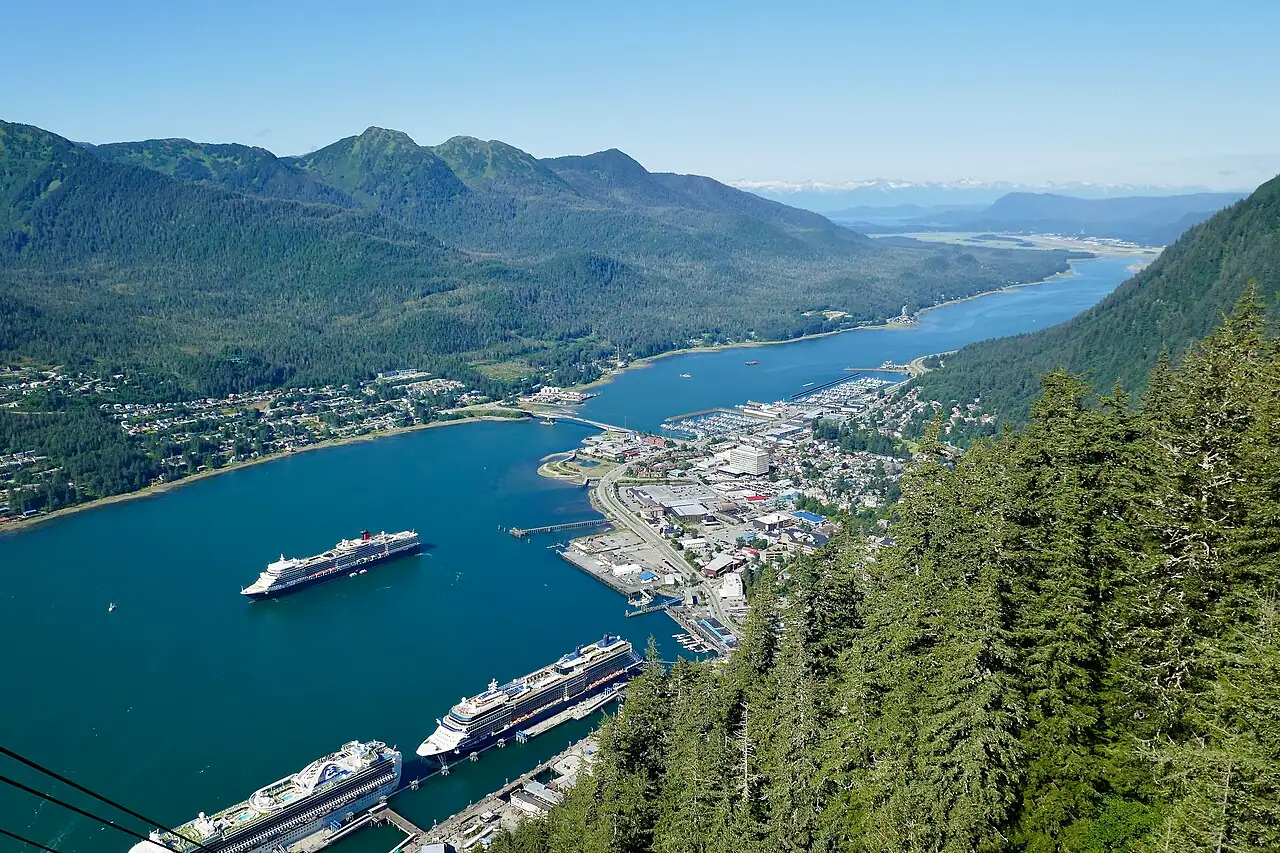
Juneau is Alaska's capital, a small city squeezed between steep mountains and the Gastineau Channel with no road connection to the rest of North America. Ships dock right downtown, and the big draws are the Mendenhall Glacier, some of the most reliable humpback whale watching in Alaska, helicopter trips to dog-sled camps on the icefield and the Mount Roberts Tramway.
Ketchikan
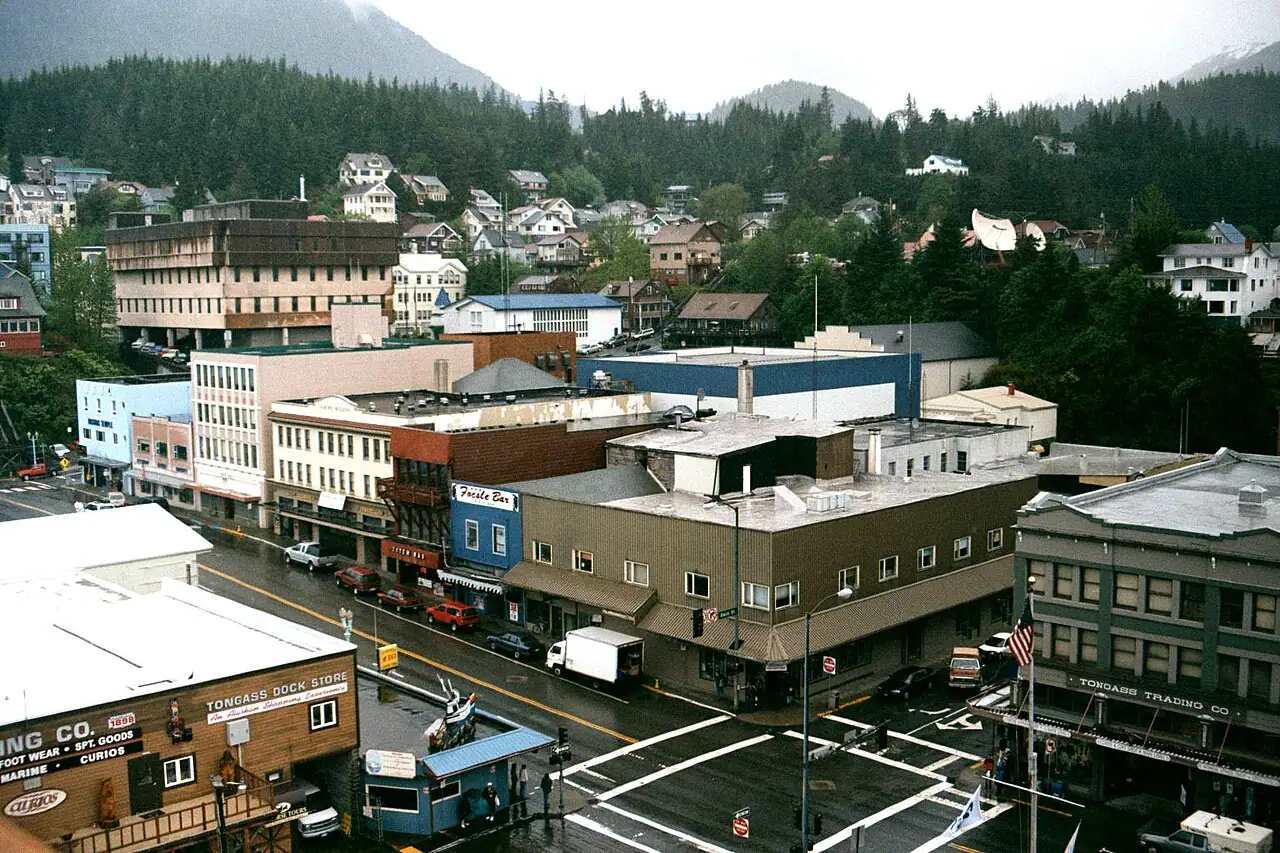
Ketchikan is often the first Alaska port on Inside Passage cruises, a rainy, colorful town known as the Salmon Capital of the World and home to the largest collection of standing totem poles in the world. Ships dock right downtown, and the highlights are historic Creek Street, totem parks, Misty Fjords floatplane flights and bear-viewing trips.
Skagway
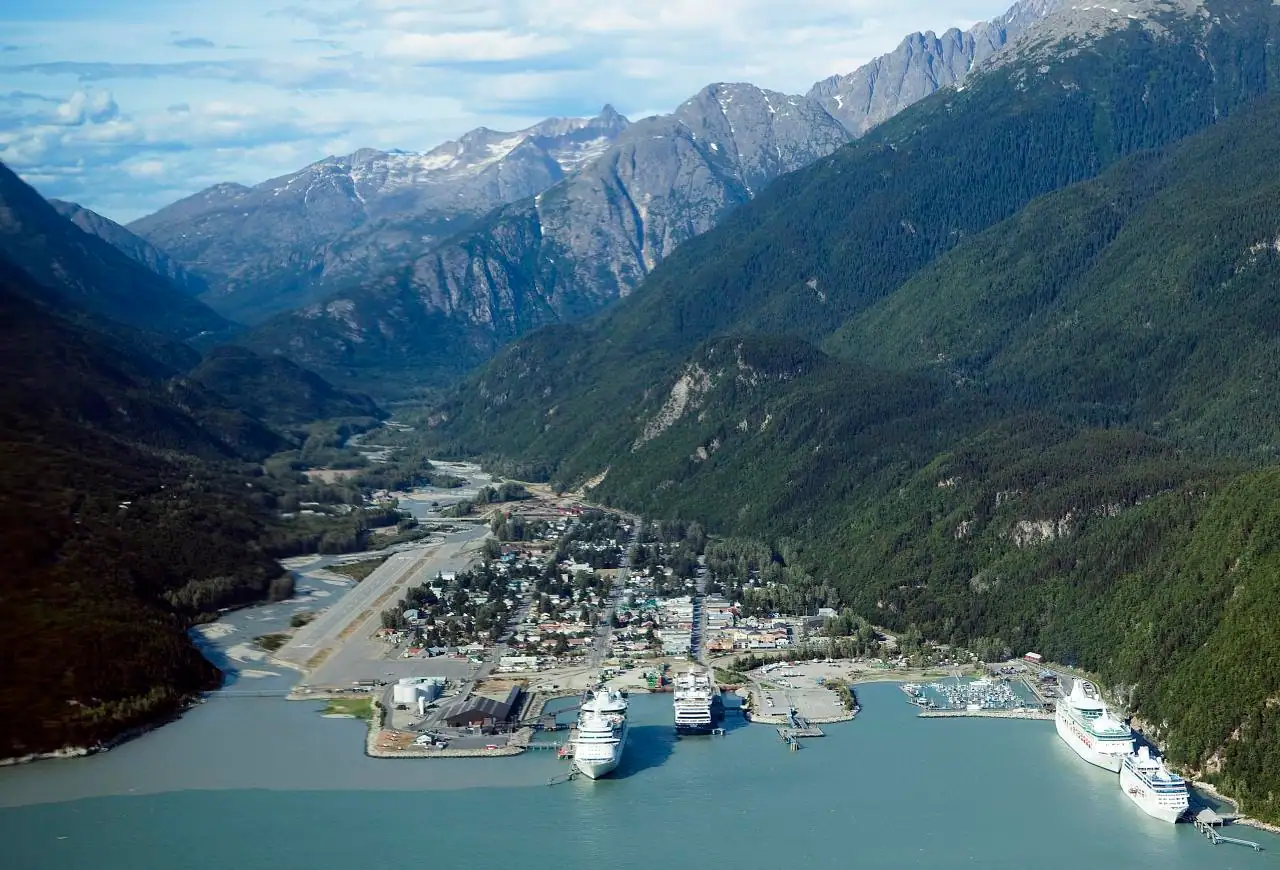
Skagway is a preserved Klondike Gold Rush town at the northern end of the Inside Passage, where thousands of stampeders set off for the Yukon in 1897 and 1898. Ships dock a short walk from Broadway's false-fronted buildings, and the star attraction is the White Pass & Yukon Route Railroad, which climbs steeply into the mountains toward Canada.
Glacier Bay National Park
Glacier Bay National Park is a scenic-cruising day, not a port: your ship sails deep into a protected wilderness of fjords and tidewater glaciers, and nobody goes ashore. National Park Service rangers come aboard to narrate as you approach glaciers such as Margerie, watching for calving ice, bears, mountain goats, whales and seals. Entry is limited by permit, so only some Alaska cruises include it.
Sitka
Sitka was the capital of Russian America, and its onion-domed cathedral, Tlingit totem trail and volcanic backdrop make it one of Alaska's most distinctive ports. Larger ships dock at a terminal several miles north of downtown with shuttles into town, and the highlights are Sitka National Historical Park, the Alaska Raptor Center, the Fortress of the Bear and sea otter boat tours.
Icy Strait Point (Hoonah)
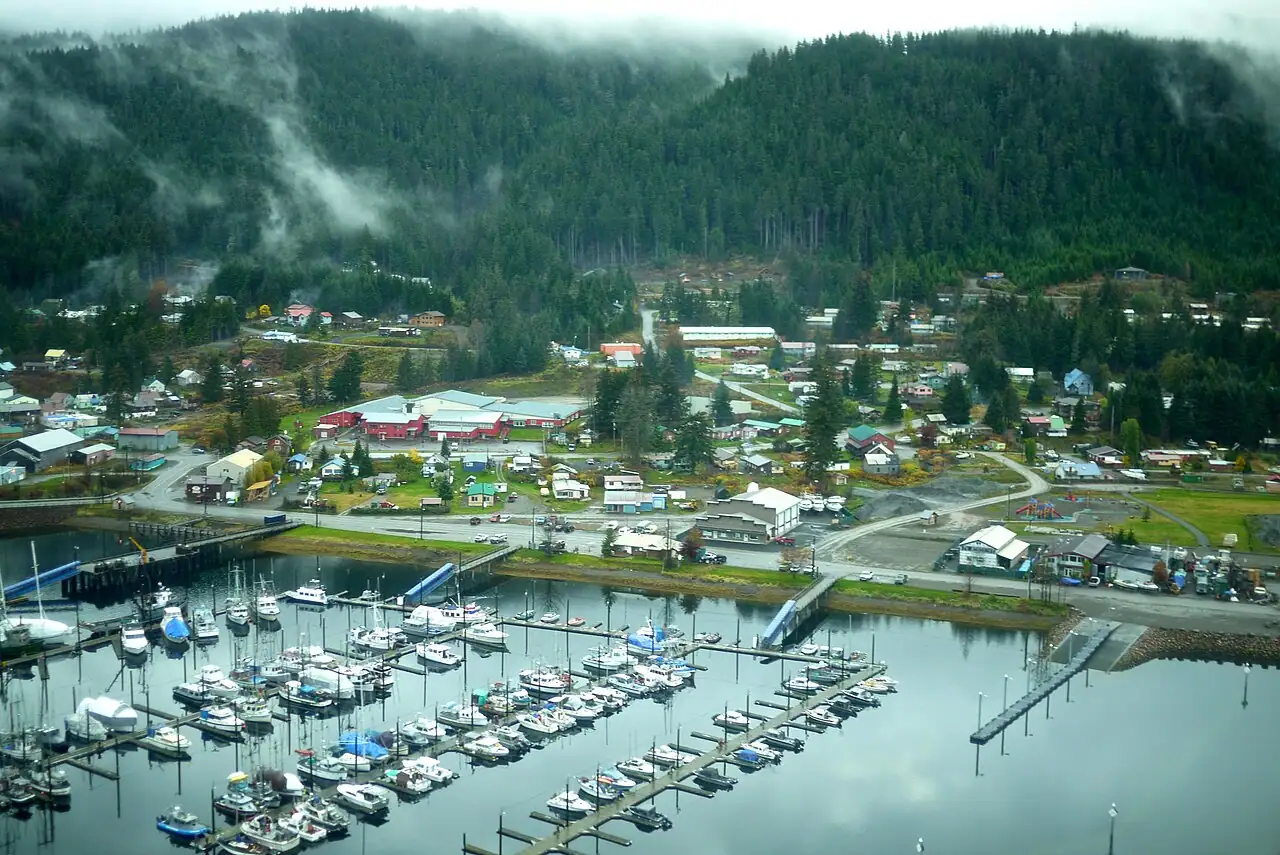
Icy Strait Point is a cruise destination near the Tlingit village of Hoonah on Chichagof Island, owned by the local Native corporation and built around a restored 1912 salmon cannery. Ships dock at piers right at the site, and the draws are excellent humpback whale watching, one of the world's longest ziplines, bear-searching tours and Tlingit cultural performances.
Hubbard Glacier
Hubbard Glacier is a scenic-cruising stop in Disenchantment Bay, near Yakutat, where ships approach one of the largest tidewater glaciers in North America. There's no docking: you watch from the decks as the ship holds position near a glacier face roughly 6 miles (10 km) wide and up to about 400 feet (120 m) tall, listening for the boom of calving ice.
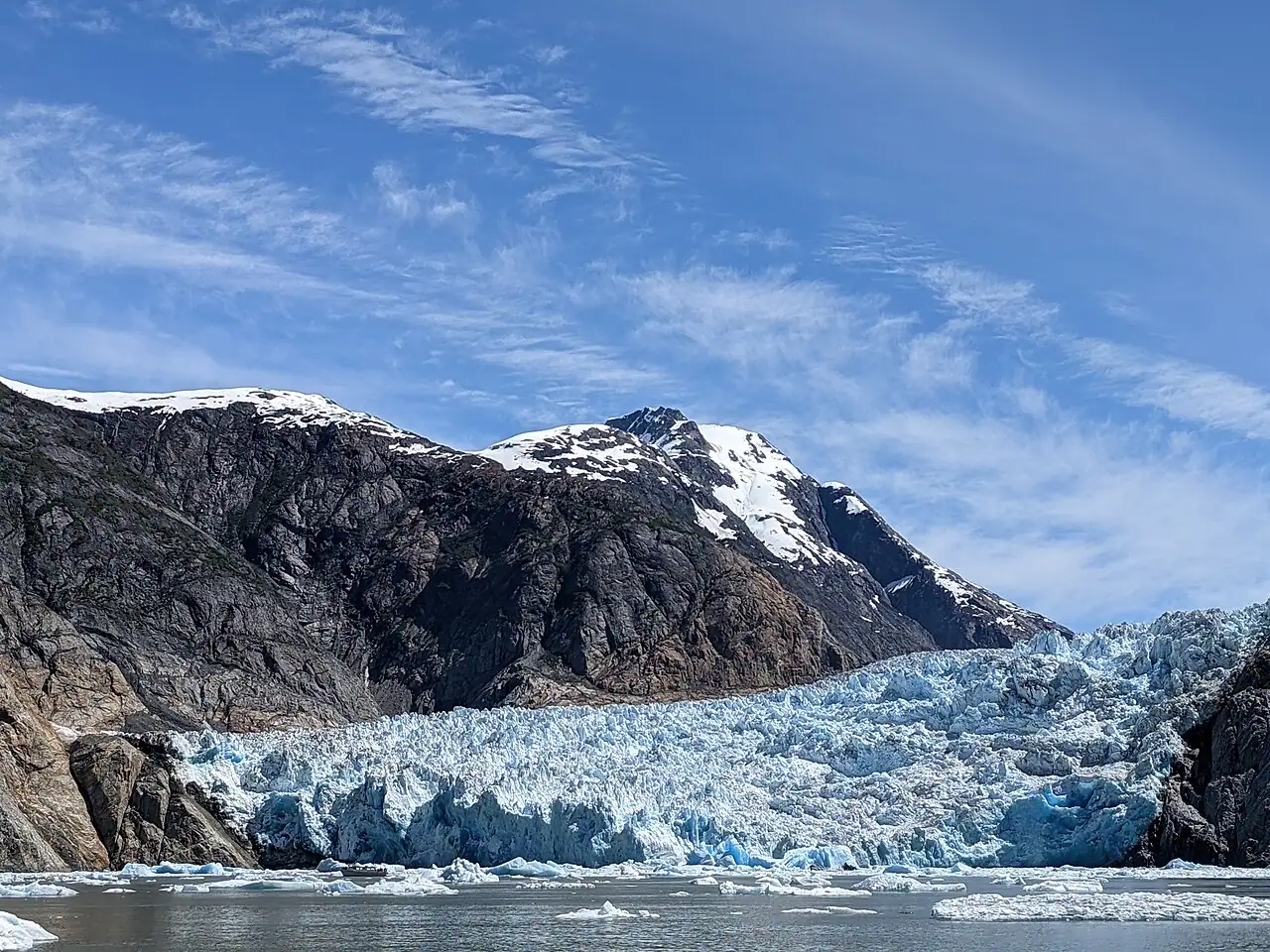
Tracy Arm & Endicott Arm
Tracy Arm and Endicott Arm are neighboring fjords south of Juneau, and a scenic-cruising stop on many Alaska itineraries. There's no docking: ships sail between sheer granite walls, waterfalls and drifting icebergs toward the Sawyer Glaciers in Tracy Arm or Dawes Glacier in Endicott Arm. Ice often decides which fjord you visit and how far in your ship can go.
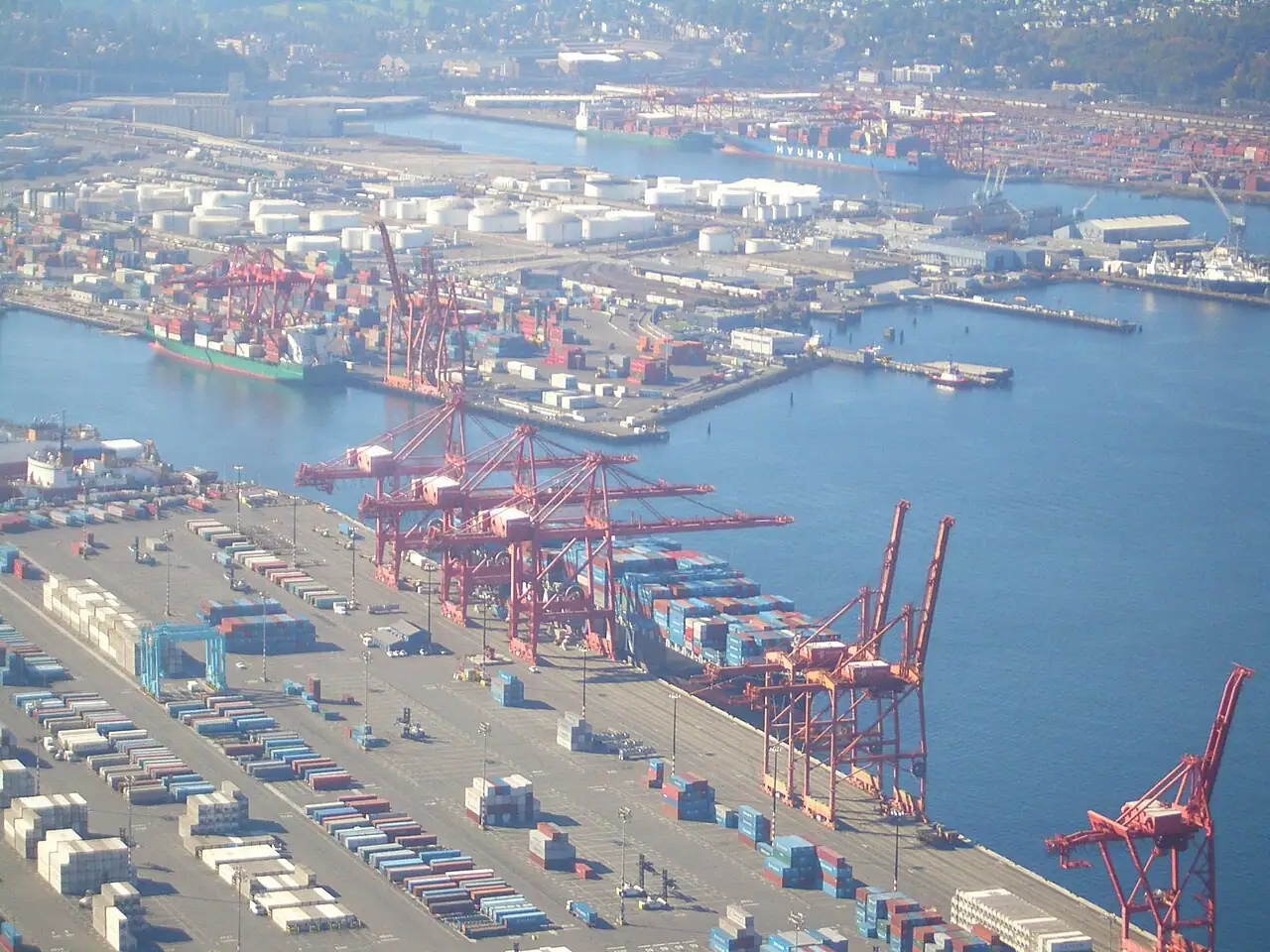
Seattle
Departure port
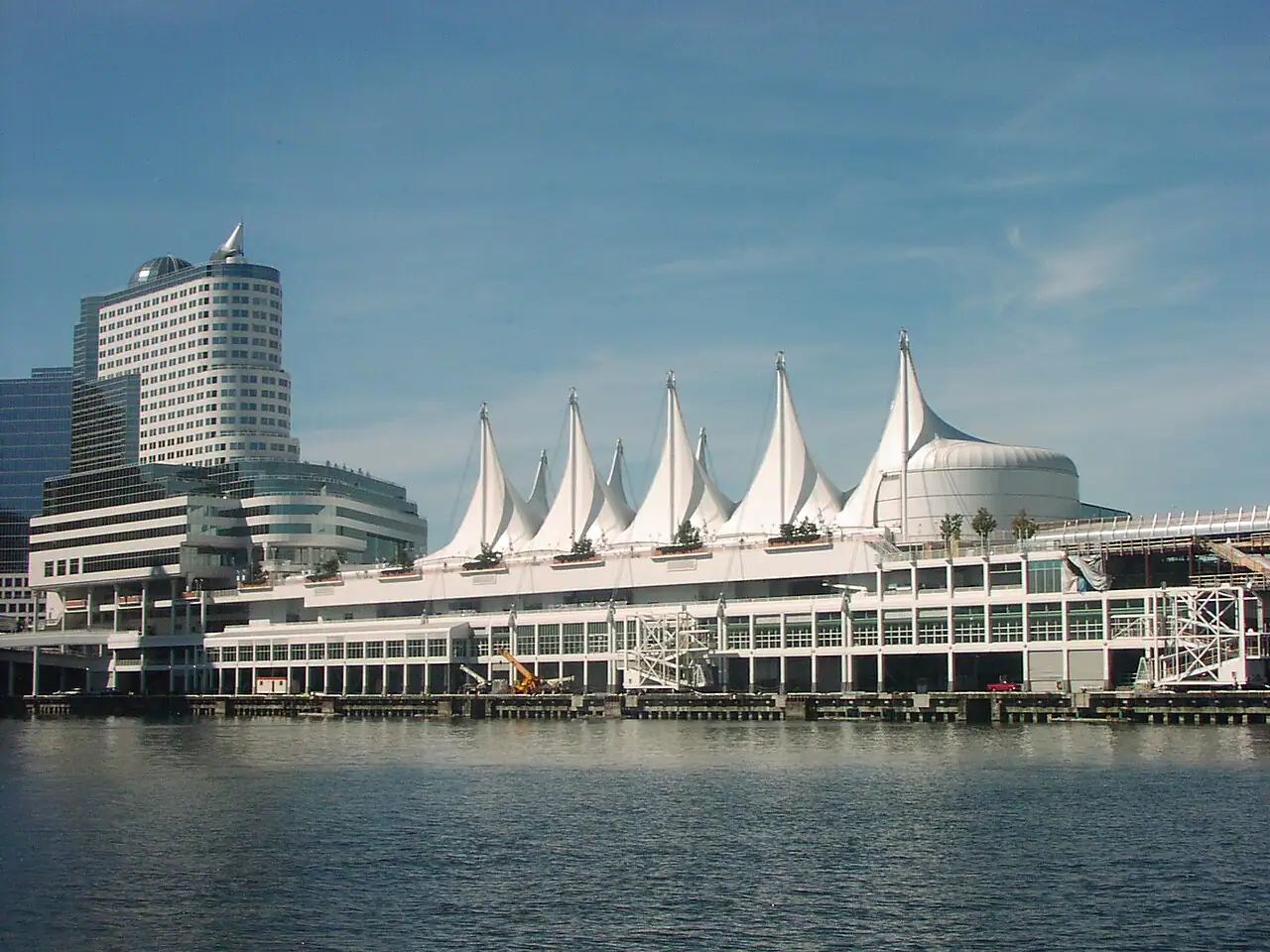
Vancouver
Departure port
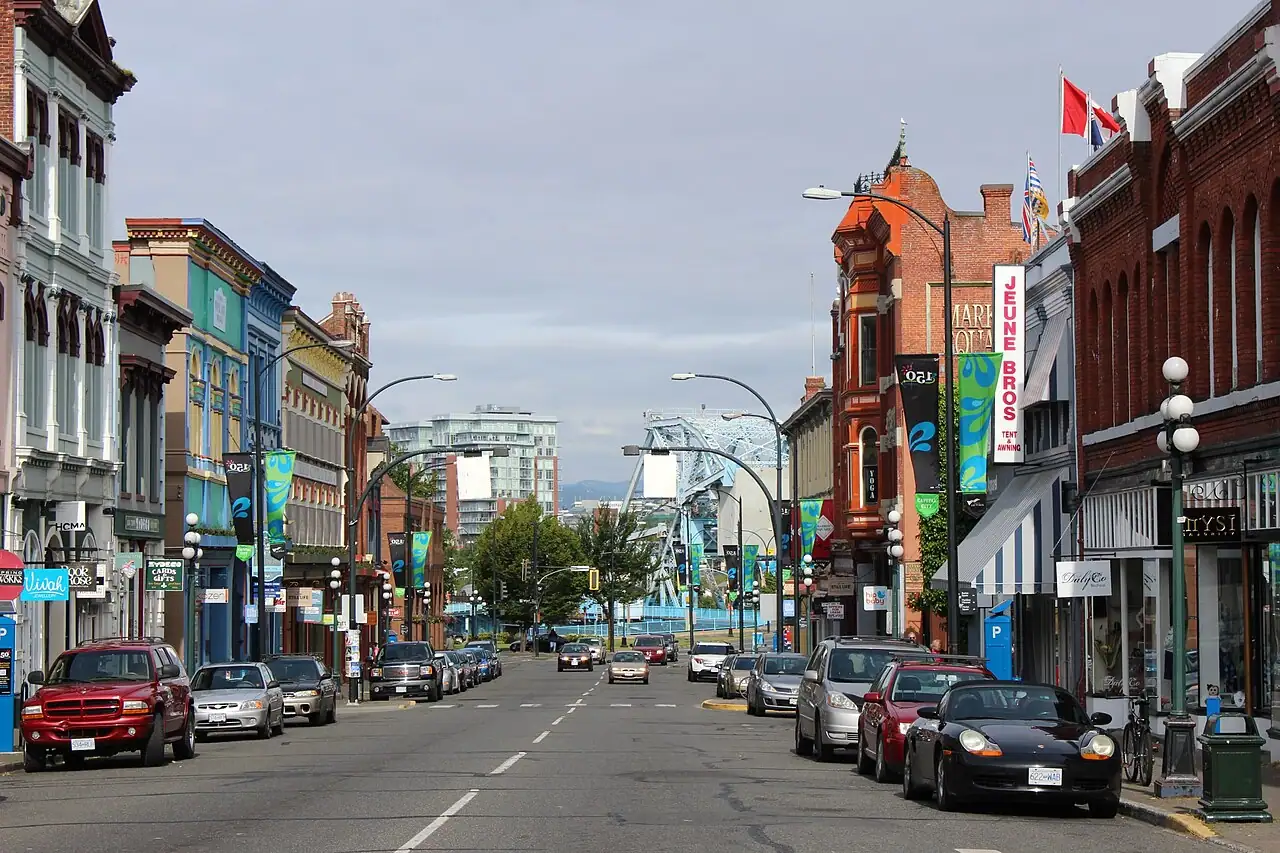
Victoria
Victoria, the capital of British Columbia, sits on the southern tip of Vancouver Island and is a regular stop on Alaska cruises from Seattle, often for an evening call. Ships dock at Ogden Point, about 1.5 miles (2.5 km) from the Inner Harbour, and the highlights are Butchart Gardens, the Parliament Buildings, the Fairmont Empress and whale watching.
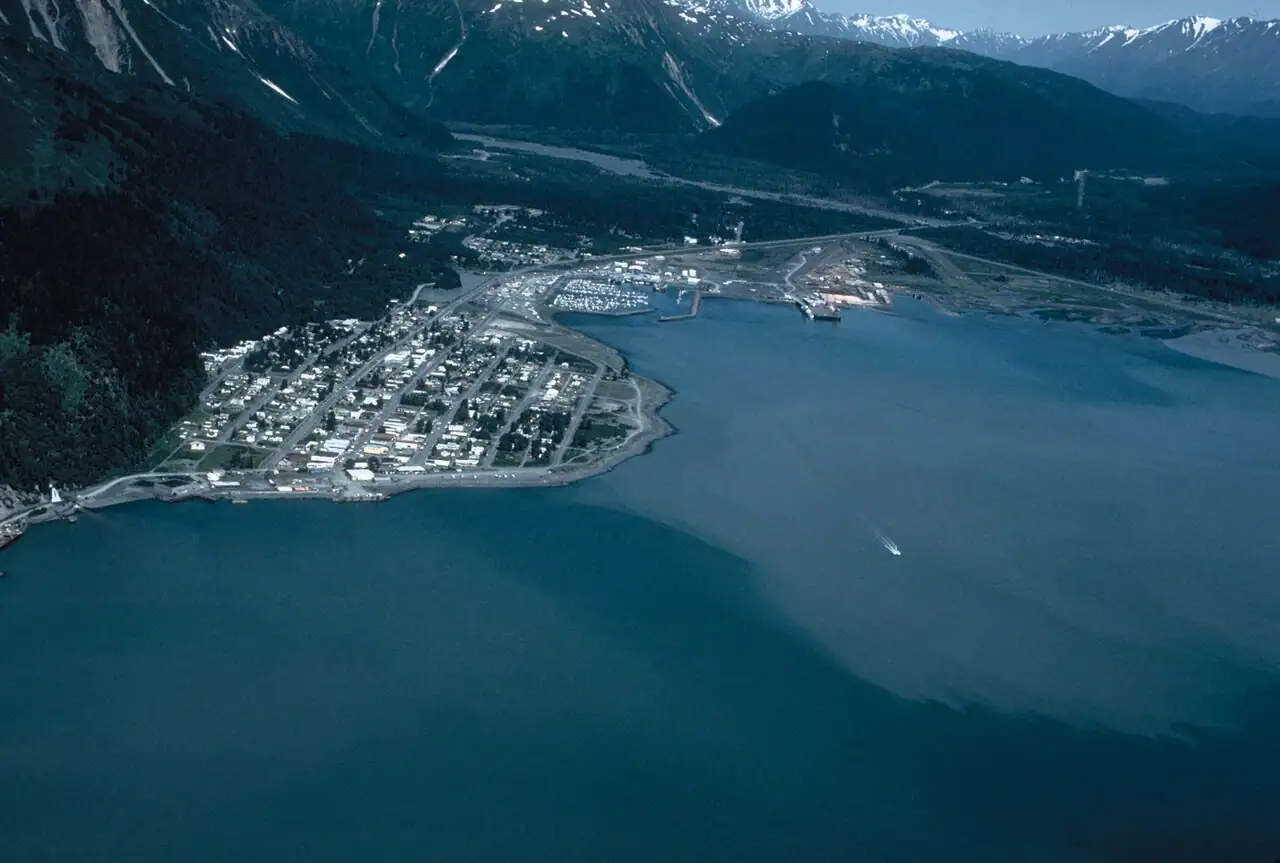
Seward (Anchorage)
Departure port
More ports in this region
Where Alaska cruises start
Cruise lines that sail Alaska
Alaska cruise tips
- If you fly into Vancouver, you’ll need a passport or NEXUS card for the flight, even if a Seattle round trip would let you sail with a birth certificate.
- Pack layers, not a winter coat: a waterproof shell, a fleece, a warm hat and gloves for glacier mornings, and comfortable shoes that can handle wet boardwalks.
- Bring binoculars for every guest. Whales, eagles, mountain goats and bears are often spotted at a distance, and sharing one pair gets old fast.
- Book helicopter, floatplane and bear-viewing tours early. They have small capacity and are weather-dependent, so schedule the most important one early in the cruise in case it’s canceled.
- On one-way cruises, choose your balcony side: the coast is usually to starboard heading north and to port heading south, though glacier days give both sides a turn.
Alaska cruises: FAQs
What is the best month for an Alaska cruise?
June, July and August for the warmest weather, longest days and most wildlife activity; June is often driest of the three. May and September are cheaper and quieter, with cooler weather and more rain in September. The season runs from late April to early October.
How long is an Alaska cruise?
Most are 7 nights, either round trip from Seattle or Vancouver or one way between Vancouver and Seward or Whittier. Cruisetours that add Denali run 10 to 14 days, and some longer sailings and small-ship voyages last 10 to 14 nights.
Do I need a passport for an Alaska cruise?
For Seattle round trips, US citizens can generally use a birth certificate and photo ID, though a passport is recommended. Sailings from Vancouver and one-way cruises need a passport for flights into or out of Canada. Canadians should carry a passport.
Should I sail from Seattle or Vancouver?
Pick the easier one to reach. Seattle round trips stop briefly in Victoria, British Columbia, and include an open-ocean stretch along the coast. Vancouver round trips stay more sheltered, and Vancouver is the starting or ending point for most one-way Gulf of Alaska cruises.
Which cruise line is best for Alaska?
Princess and Holland America have the longest Alaska history, the most Glacier Bay permits and their own Denali lodges. Royal Caribbean, Norwegian, Celebrity, Carnival and Disney bring big-ship amenities, while Lindblad, American Cruise Lines, Windstar, Seabourn and Silversea offer small-ship and luxury options.
Is a balcony worth it on an Alaska cruise?
For many travelers, yes. Scenic cruising past glaciers and through fjords is a highlight, and a balcony lets you watch in comfort and spot wildlife from your cabin. If budget is tight, an inside cabin works fine; the public decks have the widest views on glacier days.
Can you see the northern lights on an Alaska cruise?
Sometimes, but only late in the season. From late August through September, nights are dark enough for the aurora when solar activity and clear skies line up. Around the June solstice, Alaskan nights are simply too bright for it.
Updated November 2026 by the BookMyDreamCruise editorial team. How we research and fact-check.
Sources: Wikidata, NASA POWER climate data.