Europe & the Mediterranean
Northern Europe cruises
Northern Europe cruises cover Norway’s fjords, the Baltic capitals, the British Isles and, on longer voyages, Iceland, sailing mainly from May to September from Southampton, Amsterdam, Copenhagen, Hamburg and Kiel. Most last 7 to 14 nights. June and July bring the longest days and mildest weather, and winter voyages along Norway’s coast chase the northern lights. Pick the fjords for scenery, the Baltic for cities and the British Isles for castles, countryside and family roots.
- Season: May to September for most lines; Norway’s coast year-round, with northern lights voyages in winter
- Typical length: 7 nights for Norway; 9–14 for the Baltic and British Isles; 12–16 with Iceland
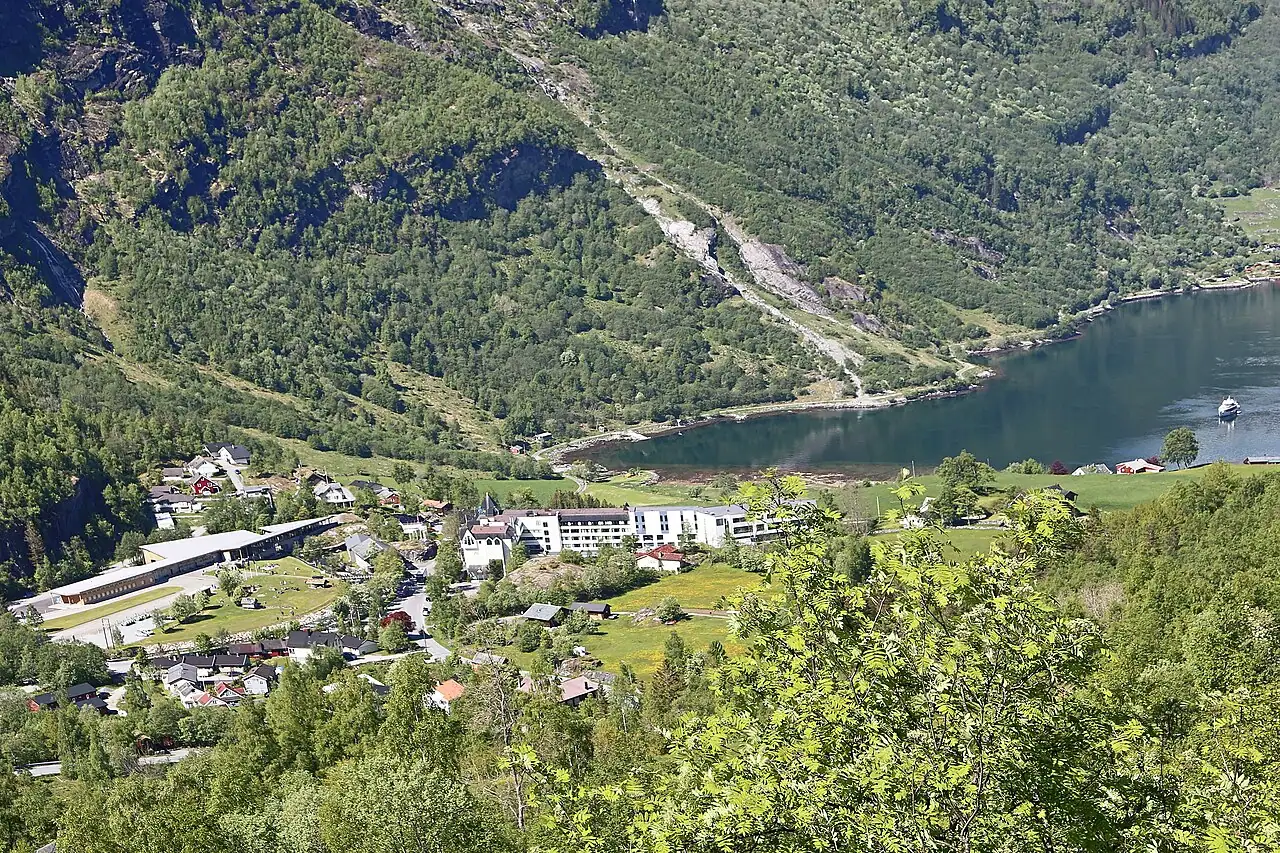
Photo: W. Bulach, CC BY-SA 4.0, via Wikimedia Commons
- Season
- May to September for most lines; Norway’s coast year-round, with northern lights voyages in winter
- Typical length
- 7 nights for Norway; 9–14 for the Baltic and British Isles; 12–16 with Iceland
- Best months
- Jun, Jul, Aug
- Main departure ports
- Southampton (London), Amsterdam, Copenhagen
- Ports covered here
- 34
- Cruise lines
- 21 lines sail here
What a Northern Europe cruise is like
Northern Europe is the summer counterpart to the Mediterranean: cooler, greener and lit by remarkably long days. In June the sun barely sets in Bergen and Stockholm, and above the Arctic Circle it doesn’t set at all. Port days are relaxed, crowds are thinner than in Italy or Greece, and the sail-ins, through Norway’s fjords, Stockholm’s archipelago or under the Forth Bridges near Edinburgh, can be as memorable as the stops.
It’s really four destinations. The Norwegian fjords are about scenery, with waterfalls, glaciers and tiny villages under cliffs, best on a 7-night round trip. The Baltic is about cities: Copenhagen, Stockholm, Helsinki, Tallinn and Riga, plus Berlin from Warnemünde, usually over 9 to 12 nights. The British Isles mix castles, the Scottish Highlands, Irish pubs and Titanic heritage over 10 to 14 nights. Iceland, often paired with the Faroe Islands or Norway, adds volcanoes, geysers and puffins on 12- to 16-night voyages.
How to choose: first-timers who want big landscapes and an easy pace should start with Norway. City lovers and museum-goers should pick the Baltic, which was reshaped when cruise lines stopped calling at St. Petersburg in 2022 and now spends longer in Stockholm, Helsinki, Tallinn and the smaller Baltic states. Travelers with Irish or Scottish roots, or a love of history and countryside, will enjoy the British Isles. If you can only travel in winter, Norway’s coast is the one area with regular sailings.
Weather is the wild card. Summer highs are typically in the 60s °F (16–21°C), rain can arrive on any day, and the North Sea can be choppy. Pack layers, a waterproof jacket and good walking shoes rather than beachwear. The main embarkation ports, Southampton for London, Amsterdam, Copenhagen and the German ports of Hamburg and Kiel, are all easy to reach from North America.
Best time to cruise Northern Europe
- Jan: Shoulder season
- Feb: Shoulder season
- Mar: Shoulder season
- Apr: Shoulder season
- May: Good time to go
- Jun: Best time to go
- Jul: Best time to go
- Aug: Best time to go
- Sep: Good time to go
- Oct: Shoulder season
- Nov: Shoulder season
- Dec: Shoulder season
- No regular sailings
- Shoulder season
- Good time to go
- Best time to go
Northern Europe in JanuaryShoulder season
Only Norway’s coast sees regular cruising in January: Hurtigruten’s coastal voyages and UK-based northern lights cruises sail north to Tromsø and Alta under a pale twilight sky. The Baltic and British Isles are off the cruise map, with ferries and land trips the only options. Expect deep cold, long darkness and good aurora chances whenever skies clear.
Northern Europe in FebruaryShoulder season
Winter cruising still means the Norwegian coast. Daylight returns quickly through February, giving longer windows for husky sledding and snowy fjord views, while nights stay dark enough for the northern lights. Elsewhere across Northern Europe, ports are cold and quiet and almost no cruise ships call until spring.
Northern Europe in MarchShoulder season
Late-winter northern lights cruises from the UK and Hurtigruten’s coastal voyages remain the main choices. Lengthening days, deep snow and frequent aurora activity around the equinox make March a favorite for winter voyages. Baltic and British Isles cruising hasn’t started, apart from an occasional early repositioning sailing.
Northern Europe in AprilShoulder season
The season starts slowly, with a handful of early Norway and British Isles voyages from Southampton and Amsterdam, often at attractive fares. Tulips bloom around Amsterdam while snow still blocks Norway’s mountain roads. Expect highs in the 50s °F (10–14°C), brisk winds on deck and very few crowds.
Northern Europe in MayGood time to go
The full summer season opens. Norway’s waterfalls surge with snowmelt, Baltic capitals warm into the 60s °F (16–19°C) and British and Irish gardens burst into bloom. With fewer families aboard and the days lengthening every week, May is a smart value month, though evenings on deck can still be chilly.
Northern Europe in JuneBest time to go
The longest days of the year: endless twilight in Stockholm, Helsinki and Bergen, and the midnight sun at the North Cape. Sweden and Finland celebrate Midsummer on a weekend between June 19 and 26, when many locals leave the cities. All four sub-regions are at their best, so choose by interest rather than weather.
Northern Europe in JulyBest time to go
Usually the warmest month, with highs in the high 60s to mid-70s °F (20–24°C) in Copenhagen and Stockholm. It’s also peak season, with European school holidays filling ships and Scandinavians on their own summer break. Fares are at their highest and popular ports such as Flåm and Tallinn are busiest.
Northern Europe in AugustBest time to go
Edinburgh hosts the Fringe and the Royal Edinburgh Military Tattoo all month, filling the city on British Isles calls. The Baltic stays warm and Iceland’s season is at its peak, while Norway’s nights begin to darken again by month’s end. A strong month everywhere, though still busy and expensive.
Northern Europe in SeptemberGood time to go
Shoulder season brings fewer passengers, golden light and the first autumn color in Norway and the Scottish Highlands. Late in the month, northern lights become possible on voyages to northern Norway and Iceland. Expect cooler, wetter weather and some of the season’s best last-minute fares.
Northern Europe in OctoberShoulder season
Most summer ships head south early in the month, leaving Hurtigruten’s coastal voyages and the first UK-based northern lights cruises. Autumn storms sweep the North Sea and the Baltic and British Isles routes have mostly finished. Days shorten rapidly in the far north as aurora season gets properly underway.
Northern Europe in NovemberShoulder season
A dark, quiet month at sea. Northern lights voyages continue along Norway’s coast, where polar night arrives in Tromsø late in the month. Toward month’s end, Christmas markets open in Hamburg, Copenhagen and other ports, and a few short festive cruises from Southampton, Amsterdam and Germany begin.
Northern Europe in DecemberShoulder season
Short Christmas market cruises link ports such as Hamburg, Copenhagen, Oslo and Bruges, where mulled wine and lights warm the early dusk. Norway’s coast sails on through the polar night for aurora hunters. It’s cold everywhere and daylight is brief, but the festive mood is a genuine draw.
Average weather across Northern Europe ports
| Month | Jan | Feb | Mar | Apr | May | Jun | Jul | Aug | Sep | Oct | Nov | Dec |
|---|---|---|---|---|---|---|---|---|---|---|---|---|
| High °F (°C) | 362 | 383 | 415 | 468 | 5513 | 6217 | 6619 | 6619 | 6016 | 5111 | 436 | 394 |
| Low °F (°C) | 29-1 | 30-1 | 320 | 362 | 446 | 5111 | 5513 | 5513 | 5110 | 436 | 373 | 330 |
| Rain in (mm) | 5.0126 | 4.3108 | 3.9100 | 2.973 | 2.975 | 3.383 | 3.998 | 4.5113 | 4.4112 | 5.0127 | 4.5114 | 5.3134 |
| Daylight (hrs) | 6 | 9 | 12 | 15 | 18 | 19 | 18 | 16 | 13 | 10 | 7 | 6 |
Choose your Northern Europe cruise
Norwegian fjords cruises
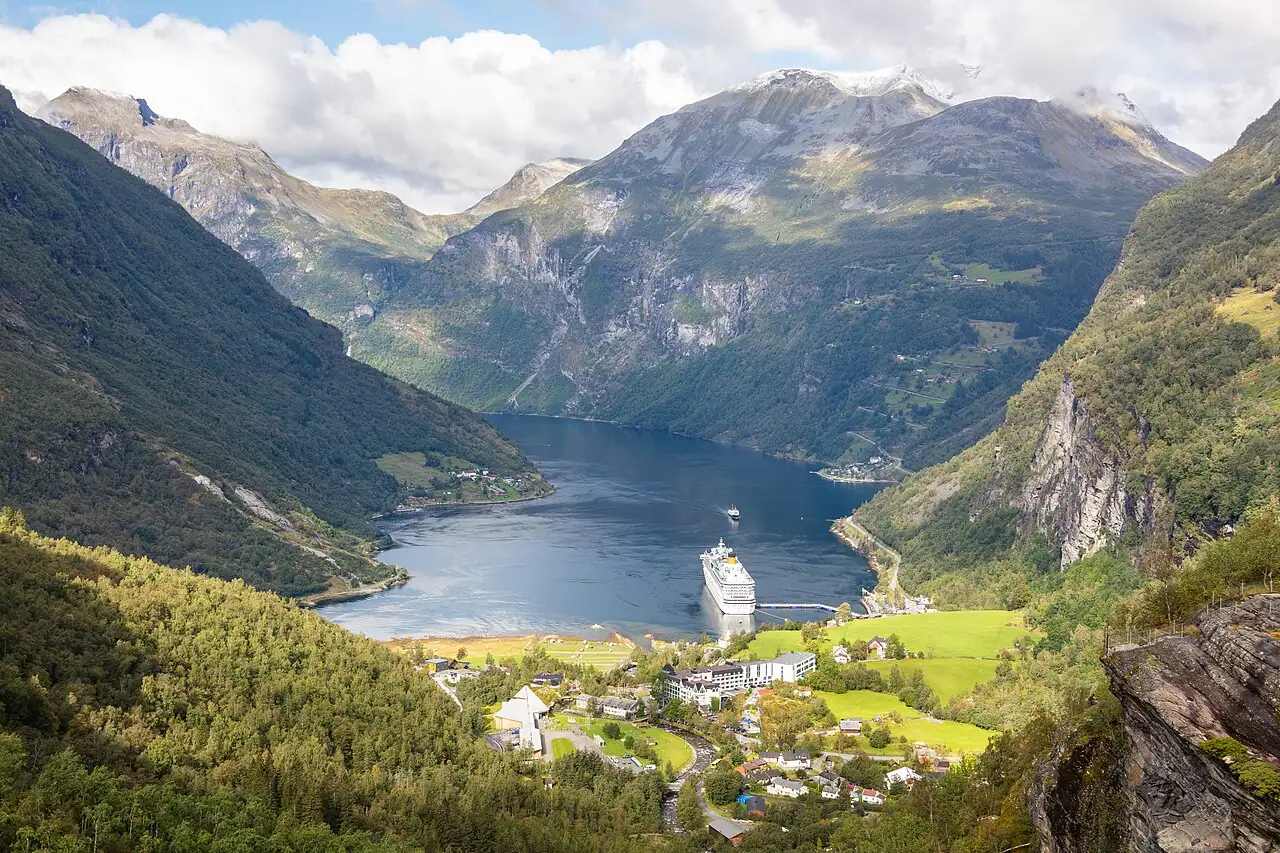
A Norwegian fjords cruise sails deep into steep, glacier-carved inlets to villages such as Geiranger, Flåm and Olden, plus the cities of Bergen, Stavanger and Ålesund. Most are 7-night round trips from Southampton, Amsterdam, Hamburg, Kiel or Copenhagen between May and September, and longer voyages reach the North Cape for the midnight sun. In winter, coastal voyages and dedicated cruises head north of the Arctic Circle to look for the northern lights.
Baltic Sea cruises
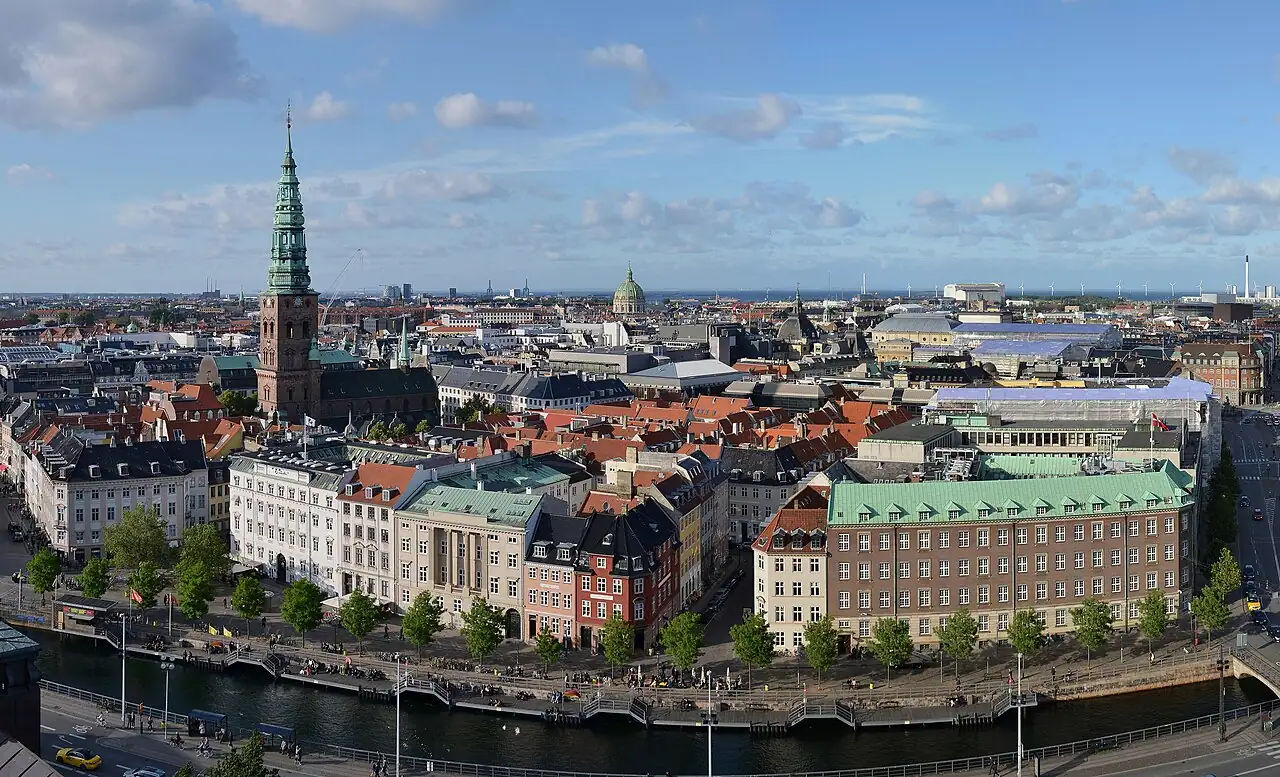
Baltic cruises visit the capitals and old Hanseatic ports around the Baltic Sea, typically Copenhagen, Stockholm, Helsinki, Tallinn and Riga, plus Berlin via Warnemünde and Gdańsk in Poland. Sailings run from May to September, usually 9 to 12 nights from Copenhagen, Kiel or Southampton. Since cruise lines stopped calling at St. Petersburg in 2022, itineraries spend longer in Scandinavia and the Baltic states. June to August brings the warmest weather and the famous white nights.
British Isles cruises
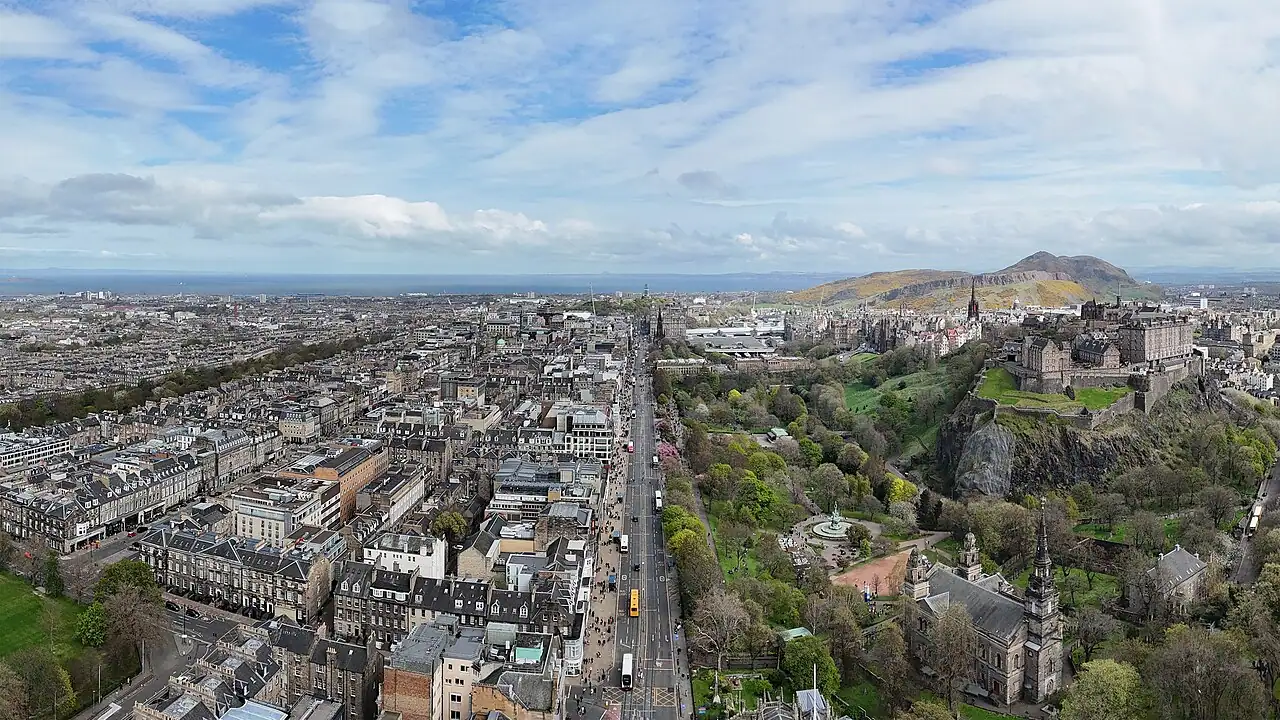
British Isles cruises circle Great Britain and Ireland, calling at Edinburgh, Glasgow, Dublin, Belfast, Cork, the Scottish Highlands and the islands of Orkney, Shetland and Skye. Most are 10- to 14-night round trips from Southampton (for London) or Dover between May and September, often with a stop in France. Expect castles, whisky, Titanic history and green countryside, with cool, changeable weather in the 50s and 60s °F (10–20°C).
Northern Europe cruise highlights
- 1
Sailing into the Geirangerfjord
Ships glide for more than an hour between sheer walls to reach the village of Geiranger, passing the Seven Sisters waterfall and abandoned clifftop farms. It’s part of a UNESCO-listed fjord landscape and the defining image of a Norway cruise.
- 2
Stockholm by sea
The approach to Stockholm threads through an archipelago of thousands of islands dotted with red wooden summer cottages. Ashore, Gamla Stan’s medieval lanes and the Vasa Museum, home to a 17th-century warship raised almost intact from the harbor, are the classic pairing.
- 3
Tallinn’s medieval Old Town
Estonia’s capital has one of Europe’s best-preserved walled towns, with towers, merchant houses and the hilltop Toompea quarter, and it’s an easy walk from the cruise pier. Its Town Hall Square has hosted markets since the Middle Ages.
- 4
Edinburgh Castle and the Royal Mile
Edinburgh’s castle crowns a volcanic crag above the Old Town, and the Royal Mile runs downhill from it to Holyroodhouse Palace. Big ships usually anchor off South Queensferry beneath the three Forth bridges and tender passengers ashore.
- 5
Midnight sun at the North Cape
From mid-May to late July, the sun stays above the horizon all night at Norway’s North Cape plateau, reached by road from Honningsvåg. Ships often schedule the visit for the evening so you can stand on the cliffs under the midnight sun.
- 6
Copenhagen’s harbor and Tivoli
Nyhavn’s colorful canal houses, the Little Mermaid statue, Rosenborg Castle and the Tivoli Gardens amusement park make Copenhagen one of the easiest cities in Europe to enjoy on a pre- or post-cruise stay. It’s compact, flat and made for bicycles.
- 7
Iceland’s Golden Circle
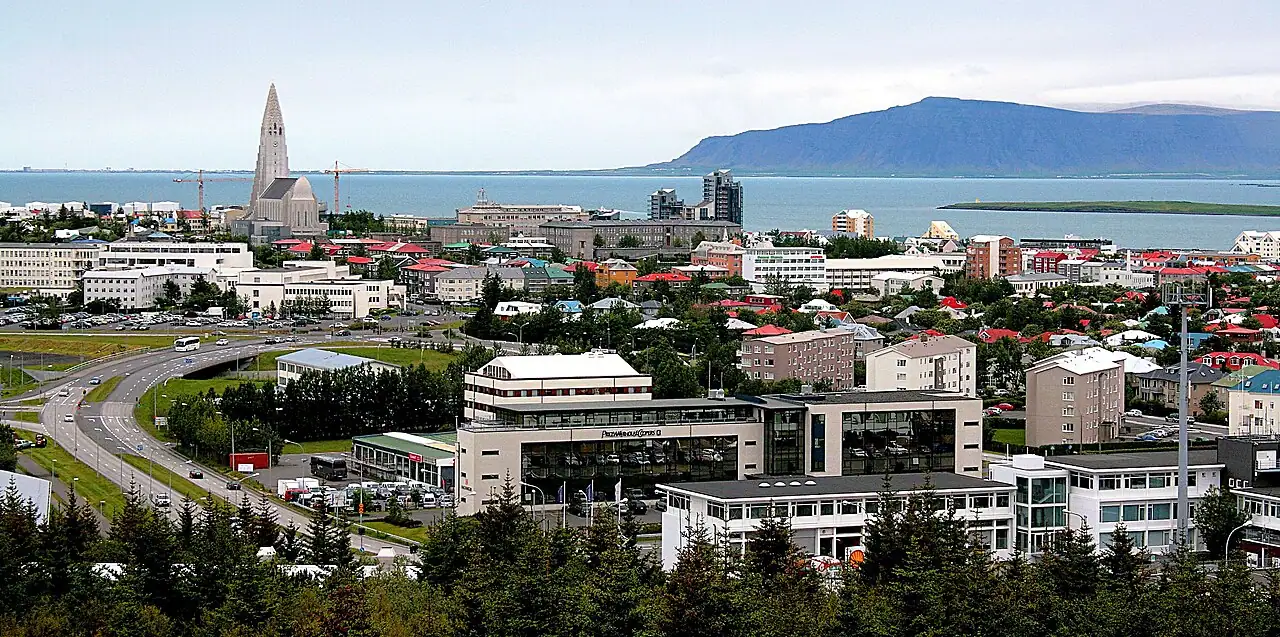
From Reykjavík, the classic day loop visits Þingvellir National Park, where you can walk between the North American and Eurasian plates, the erupting Strokkur geyser and the two-tiered Gullfoss waterfall. Longer Northern Europe voyages often turn around in Reykjavík.
Typical Northern Europe itineraries
- 1
7-night Norwegian fjords round trip
From Southampton, Amsterdam, Hamburg, Kiel or Copenhagen, calling at three or four of Bergen, Stavanger, Geiranger, Flåm, Ålesund and Olden, with a sea day or two crossing the North Sea.
- 2
9- to 12-night Baltic capitals
From Copenhagen, Kiel or Southampton to Stockholm, Helsinki, Tallinn and often Riga, Gdańsk, Warnemünde for Berlin or Visby. Some include an overnight in Stockholm.
- 3
12- to 14-night British Isles circle
From Southampton or Dover around Britain and Ireland: Guernsey, Cork, Dublin, Belfast, Glasgow, Orkney, Invergordon for Loch Ness and Edinburgh, often with Le Havre or Zeebrugge.
- 4
12- to 16-night Iceland and Norway or the British Isles
Longer voyages adding Reykjavík, Akureyri and the Faroe Islands to either the Norwegian coast or Scotland and Ireland. Some start or end in Reykjavík.
- 5
Winter northern lights voyages
Hurtigruten’s year-round coastal voyages and 12- to 14-night winter cruises from the UK to Tromsø and Alta, timed for aurora season from late September to March.
Northern Europe ports of call
Geiranger
Geiranger is a tiny village at the head of the Geirangerfjord, one of Norway’s most dramatic fjords and part of a UNESCO World Heritage Site. The sail in, past waterfalls like the Seven Sisters, is the highlight, and ships often anchor and tender passengers ashore. From the village, roads zigzag up to viewpoints such as Ørnesvingen and Dalsnibba.
Flåm
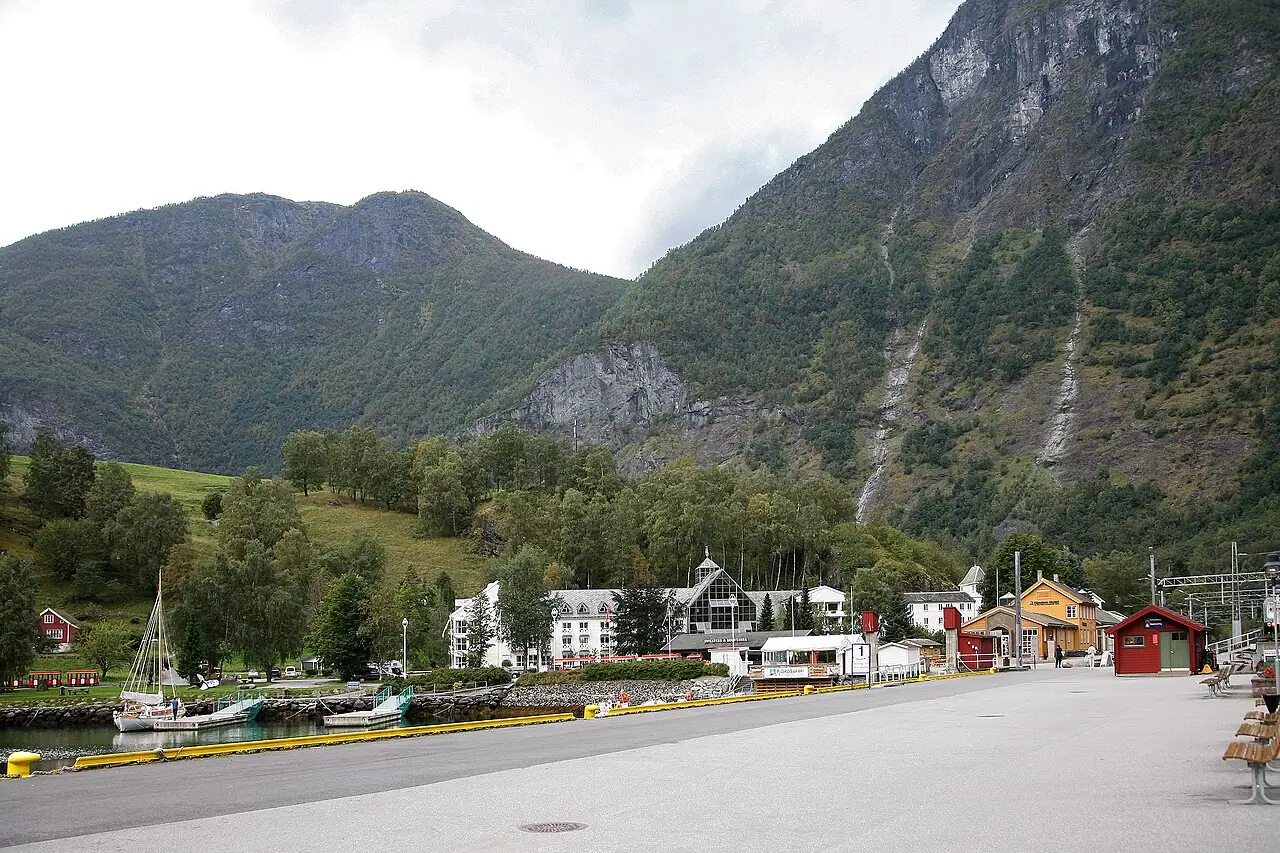
Flåm is a hamlet at the far end of the Aurlandsfjord, deep inside Norway’s Sognefjord, and the starting point of the Flåm Railway, one of the world’s steepest standard-gauge train lines. Ships dock steps from the station, so you can ride the train into the mountains, cruise the UNESCO-listed Nærøyfjord or stand on the Stegastein viewpoint.
Bergen
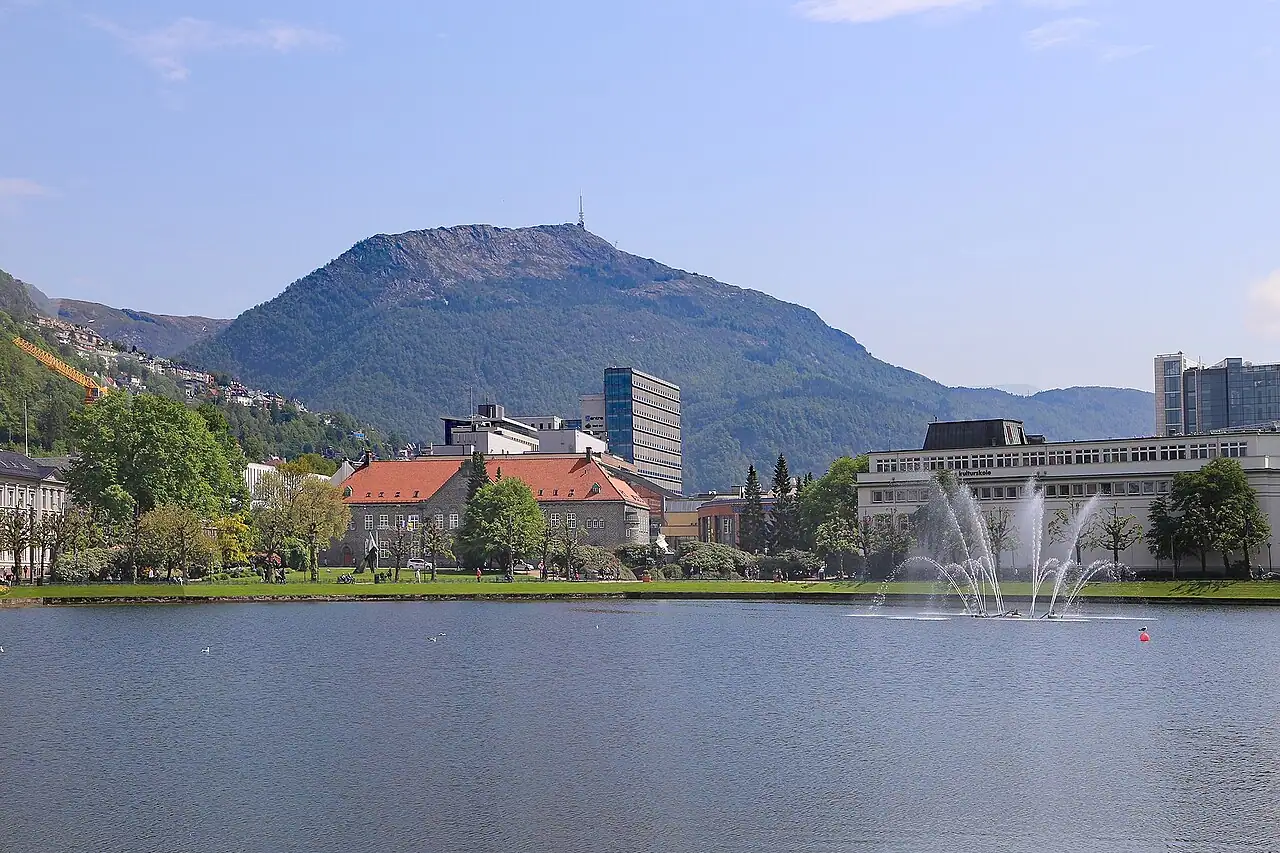
Bergen is Norway’s gateway to the fjords, a harbor city of colorful wooden wharf houses, seven surrounding mountains and famously frequent rain. Ships dock within walking distance of the UNESCO-listed Bryggen wharf and the Fløibanen funicular, so it’s an easy port to explore on your own. Pack a rain jacket and you’ll love it.
Stockholm
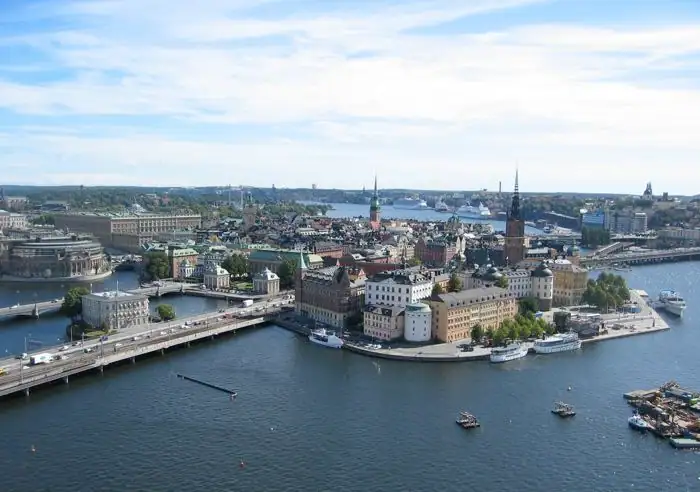
Stockholm is one of Europe’s most beautiful capitals, spread across islands where Lake Mälaren meets the Baltic. Ships sail in through a vast archipelago, then dock within reach of the medieval Gamla Stan, the Vasa Museum and the Royal Palace. Depending on ship size, you may berth downtown or at Nynäshamn, about an hour south.
Copenhagen
Departure port
Tallinn
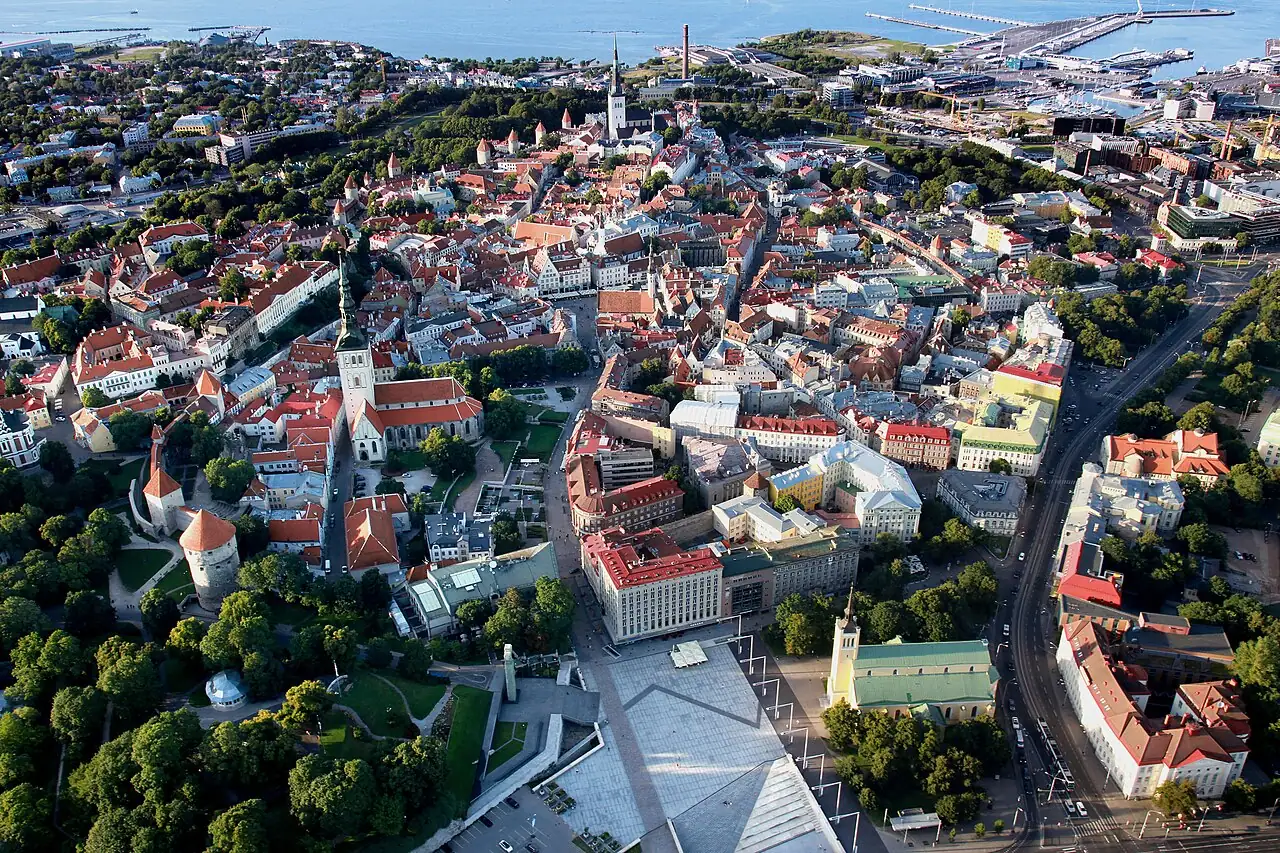
Tallinn, Estonia’s capital, has one of Europe’s best-preserved medieval old towns, with cobbled lanes, city walls and red-roofed towers just a 15-minute walk from the cruise terminal. It’s compact, easy to explore on your own and full of character, from the Gothic Town Hall Square to the viewpoints on Toompea Hill.
Helsinki
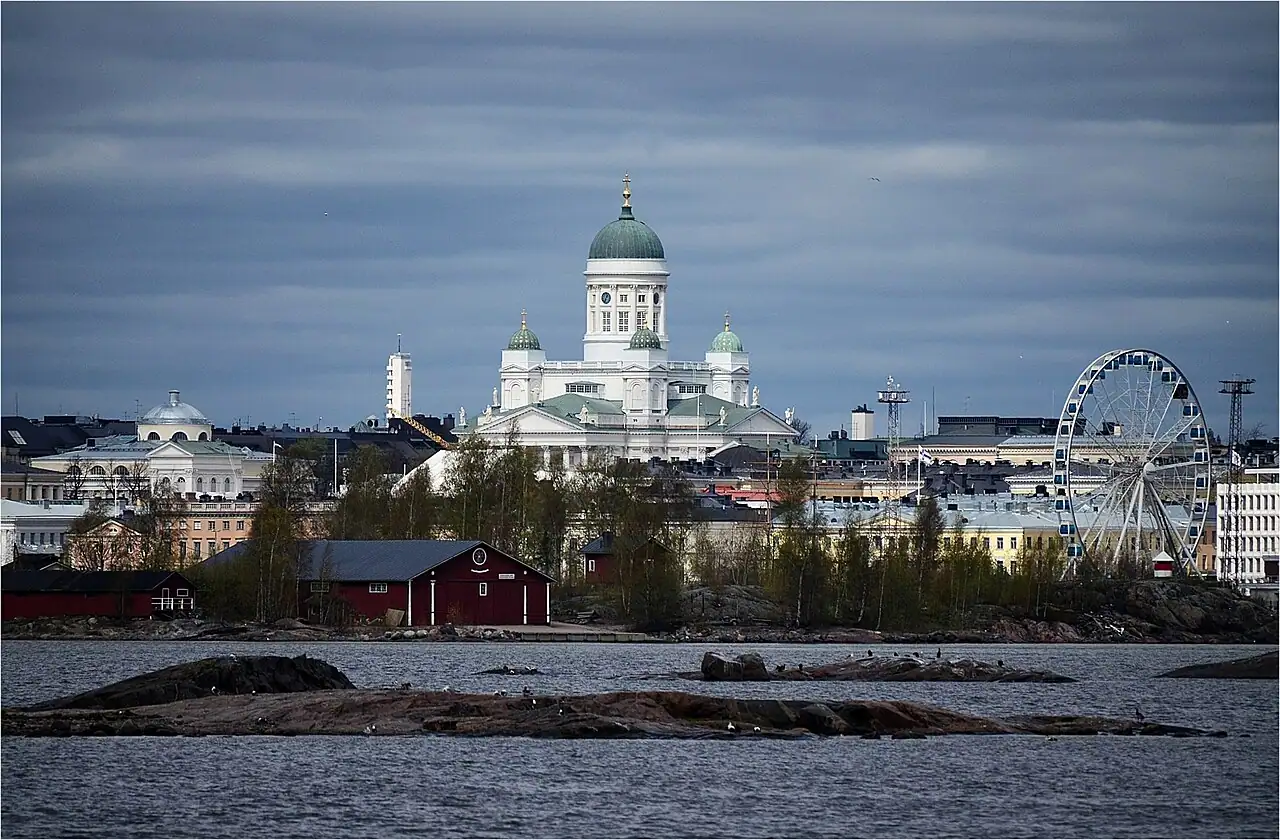
Helsinki is Finland’s compact, design-loving capital on the Baltic, with a harbor-front market, two striking cathedrals and the island fortress of Suomenlinna a short ferry ride away. Depending on your berth, you can walk to Market Square or take a quick shuttle or tram. It’s an easy city to see on your own in a day.
Edinburgh (Leith & South Queensferry)
Edinburgh, Scotland’s capital, is one of Europe’s most handsome cities, with a castle on a volcanic crag, the cobbled Royal Mile and an elegant Georgian New Town. Smaller ships dock at Leith, about 3 miles (5 km) from the center, while larger ships anchor off South Queensferry by the Forth Bridge and tender ashore, roughly 10 miles (16 km) out.
Dublin
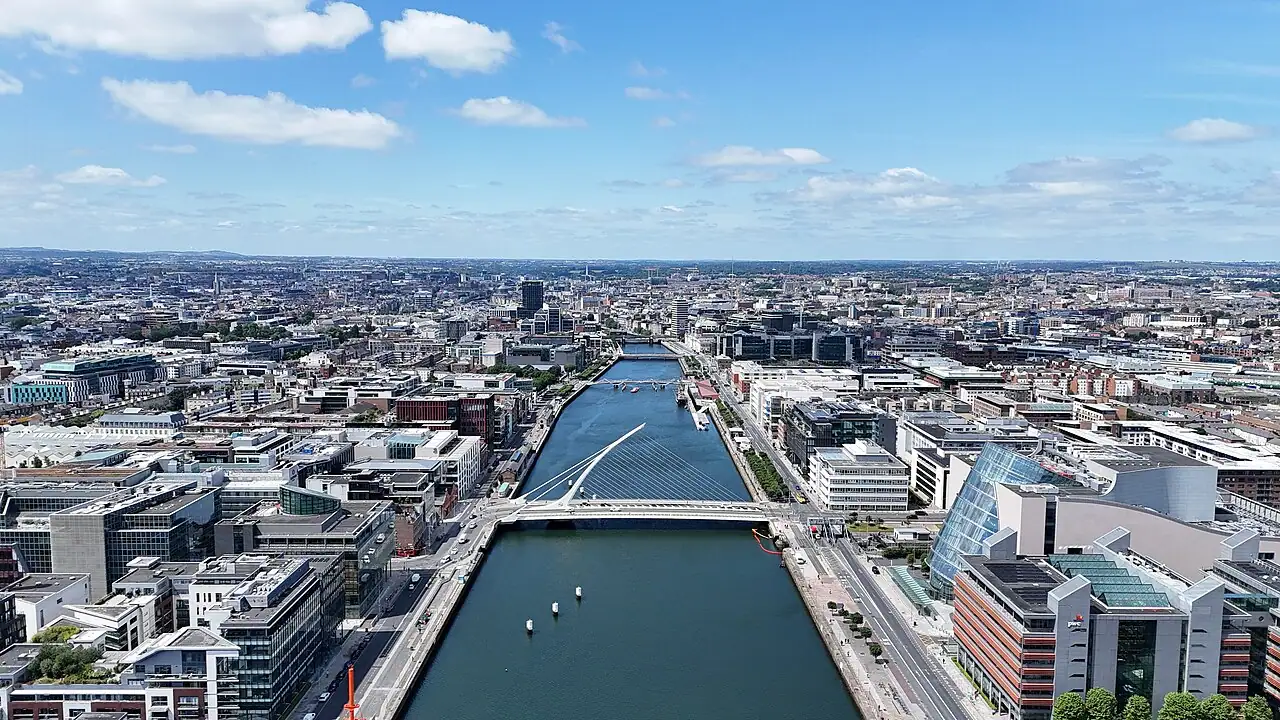
Dublin, Ireland’s capital, is a compact, walkable city of Georgian squares, historic pubs and literary landmarks on the River Liffey. Most ships dock at Dublin Port, about 2 to 3 miles (3–5 km) east of the center, with shuttles into town, while some anchor off Dún Laoghaire to the south. Top picks include the Book of Kells, the Guinness Storehouse and Kilmainham Gaol.
Reykjavík
Departure port
Honningsvåg (for the North Cape)
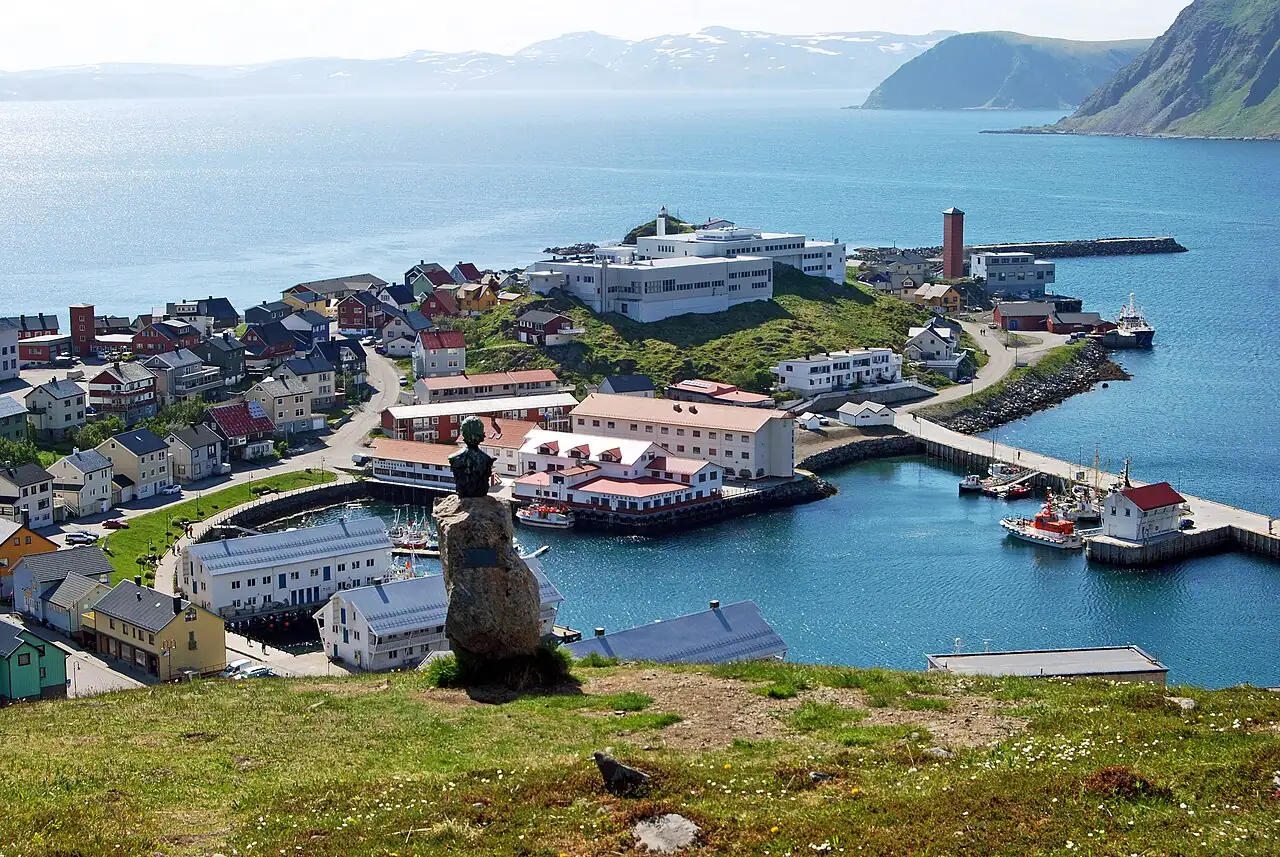
Honningsvåg is a small fishing town on the island of Magerøya in Norway’s far north and the cruise port for the North Cape, a dramatic cliff often billed as the northern edge of Europe. Ships dock in town, and most passengers take a tour about 45 minutes across the tundra to the cape. Weather and fog decide the view.
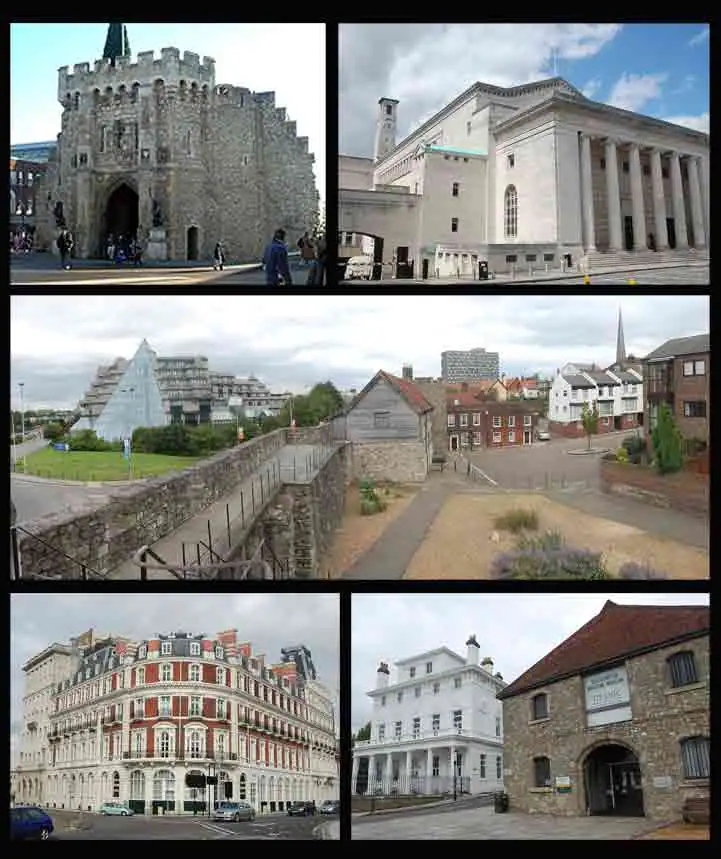
Southampton (London)
Departure port
More ports in this region
- Liverpool
- Greenock (for Glasgow)
- Invergordon (for Inverness & Loch Ness)
- Kirkwall, Orkney
- Lerwick, Shetland
- Portree, Isle of Skye
- Belfast
- Cobh (for Cork)
- St Peter Port, Guernsey
- Warnemünde (for Berlin)
- Skagen
- Aarhus
- Visby, Gotland
- Gothenburg
- Riga
- Klaipėda
- Gdańsk (Gdynia)
- Stavanger
- Ålesund
- Olden
- Tromsø
- Oslo
- Kristiansand
- Haugesund
- Trondheim
Where Northern Europe cruises start
Cruise lines that sail Northern Europe
Northern Europe cruise tips
- Pack for four seasons: a warm fleece, waterproof jacket, hat and gloves for scenic cruising, plus lighter layers for warm afternoons ashore. Deck temperatures in the fjords can feel 10°F (5°C) colder than in port.
- Bring a sleep mask for June and July sailings. Even with good curtains, near-constant daylight can make sleeping difficult, especially in cabins with large windows.
- Expect many different currencies: kroner in Norway and Denmark, kronor in Sweden, pounds in the UK and króna in Iceland, with euros in Finland, the Baltic states, Germany and Ireland. Cards and phone payments are accepted almost everywhere, and some Scandinavian shops don’t take cash.
- Budget for higher prices ashore, especially in Norway, Iceland and Denmark, where a casual lunch or a beer costs much more than at home. Many cruisers eat on board and splurge on one or two meals ashore.
- Fly into your embarkation city at least a day early. London, Amsterdam and Copenhagen are rewarding pre-cruise stays, and the extra night protects you from delayed transatlantic flights.
Northern Europe cruises: FAQs
What is the best time to cruise Northern Europe?
June to August. Days are longest, temperatures are mildest, typically in the 60s and low 70s °F (16–24°C), and every itinerary operates. May and September are cooler but less crowded, and winter is for northern lights voyages along Norway’s coast.
Should I choose a Norway, Baltic or British Isles cruise?
Choose Norway for scenery and an easy pace, the Baltic for capital cities and museums, and the British Isles for castles, countryside and family history. Some 12- to 14-night itineraries combine Norway with the British Isles or Iceland, giving you a taste of two.
Do cruises still go to St. Petersburg?
No. Cruise lines stopped calling at St. Petersburg in 2022 after Russia’s invasion of Ukraine, and Baltic itineraries have been redesigned around Stockholm, Helsinki, Tallinn, Riga, Gdańsk and Scandinavian ports, often with an overnight stay in one of them.
How cold is a Northern Europe cruise in summer?
Mild rather than cold. Summer highs usually sit in the 60s °F (16–21°C) in Norway and Scotland and can reach the 70s °F (21–26°C) in the Baltic. Nights and scenic cruising on deck are chilly, so bring a warm layer and a waterproof jacket.
Do I need a passport for a Northern Europe cruise?
Yes. US and Canadian citizens need a valid passport. Most countries visited are in the Schengen area, which now registers visitors’ fingerprints and photos at entry, and voyages that start in or visit the UK generally require a UK Electronic Travel Authorisation, so confirm the rules for your itinerary.
Which cruise line is best for Northern Europe?
Princess, Celebrity, Royal Caribbean, Norwegian, MSC and Holland America offer the widest choice. Viking, Oceania and Azamara focus on longer port days and overnights. For Norway’s coast year-round, Hurtigruten and HX specialize in smaller ships and the far north.
Updated November 2026 by the BookMyDreamCruise editorial team. How we research and fact-check.
Sources: Wikidata, NASA POWER climate data.