Europe & the Mediterranean
Western Europe cruises
Western Europe cruises follow the Atlantic coast from Portugal and northern Spain up through France to Belgium and the Netherlands, calling at Lisbon, Porto, Bilbao, Bordeaux, Normandy and Bruges. Most are 7- to 14-night voyages from Southampton, Lisbon or Amsterdam, or one-way repositioning cruises between the Mediterranean and Northern Europe each spring and fall. Sailings run April to October, and May, June and September are best.
- Season: April to October; repositioning voyages cluster in April–May and September–October
- Typical length: 7 to 14 nights, often one-way between the Mediterranean and Northern Europe
Photo: Lacobrigo, CC BY-SA 4.0, via Wikimedia Commons
- Season
- April to October; repositioning voyages cluster in April–May and September–October
- Typical length
- 7 to 14 nights, often one-way between the Mediterranean and Northern Europe
- Best months
- May, Jun, Sep
- Main departure ports
- Southampton (London), Lisbon, Amsterdam
- Ports covered here
- 10
- Cruise lines
- 18 lines sail here
What a Western Europe cruise is like
This is Europe’s Atlantic edge: port wine and pintxos, Gothic cathedrals, Bordeaux vineyards and the D-Day beaches. Some ports put a handsome city right by the pier, such as Lisbon, A Coruña and Vigo. Others are gateways where the main sight is a journey inland: Le Havre for Paris and Normandy, Zeebrugge for Bruges, and Getxo for Bilbao and the Guggenheim.
Many North Americans sail this coast on a repositioning cruise. Each April and May, ships move north from the Mediterranean to summer bases in Southampton, Amsterdam, Copenhagen and Hamburg, and each September and October they move back, typically via Lisbon, Spain’s Galician and Basque coasts and France. These one-way voyages of 10 to 14 nights are often good value and mix busy ports with a couple of restful sea days.
The Bay of Biscay, between Brittany and northern Spain, is the catch. Atlantic swells can make it one of the roughest stretches on any European itinerary, especially in spring and fall. Weather is changeable and cool in the north, and the Channel ports can be rainy in any month. If you need guaranteed sunshine, stay in the Mediterranean. If you love food, wine and history and don’t mind packing a jacket, this route rewards you.
Best time to cruise Western Europe
- Jan: Shoulder season
- Feb: Shoulder season
- Mar: Shoulder season
- Apr: Good time to go
- May: Best time to go
- Jun: Best time to go
- Jul: Good time to go
- Aug: Good time to go
- Sep: Best time to go
- Oct: Good time to go
- Nov: Shoulder season
- Dec: Shoulder season
- No regular sailings
- Shoulder season
- Good time to go
- Best time to go
JanuaryShoulder season
Very few cruises focus on this coast in midwinter, but Lisbon and Vigo appear on Canary Islands voyages from Southampton. Winter storms can churn the Bay of Biscay, and northern ports are cold and gray. Lisbon is the bright spot, with highs near 58°F (14°C) and plenty of sun between showers.
FebruaryShoulder season
Still the off-season. Camellias bloom in Porto’s gardens and across Galicia, and Lisbon’s mild spells hint at spring. Sailings are mostly UK-based ships passing through on the way to the Atlantic islands. Pack waterproofs and expect at least one rough day at sea.
MarchShoulder season
The first spring voyages appear, especially short Low Countries trips timed for the start of the Dutch bulb season. Weather remains cool and showery, with highs in the 50s °F (11–15°C) in Normandy and Belgium and the low 60s °F (16–18°C) in Portugal. Easter can fall late in the month, lifting fares.
AprilGood time to go
Northbound repositioning season begins, and the tulip fields around Keukenhof are in peak color, a short trip from Rotterdam or Amsterdam. Portugal is green and flowering, with highs near 68°F (20°C). The Bay of Biscay is still unpredictable, so keep seasickness remedies handy.
MayBest time to go
The best month for spring repositioning voyages. Days are long, Lisbon and Porto reach the low 70s °F (22°C), apple orchards bloom in Normandy and the Biscay swells usually settle down. Popular sights such as Bruges and Mont-Saint-Michel are busy but far calmer than in midsummer.
JuneBest time to go
Commemorations around June 6 bring veterans’ events, parades and heavy traffic to the Normandy beaches, so plan D-Day tours with care that week. Lisbon grills sardines in the Alfama for Santo António in mid-June, and Porto parties all night for São João on June 23, with plastic hammers and fireworks over the Douro.
JulyGood time to go
French and Spanish school holidays fill beaches, Normandy sites and the Basque coast. Northern ports are pleasantly warm, mostly in the 70s °F (21–26°C), while Bordeaux and Lisbon can top 90°F (32°C) in heat waves. Fares are at their summer peak, and long evenings suit late sailaways.
AugustGood time to go
Parisians head for the coast, so Paris itself is quieter while Normandy, Brittany and Biscay resorts are packed. Bilbao’s Aste Nagusia festival takes over the city for nine days in the second half of the month. Weather is the warmest of the year, and the Bay of Biscay is usually at its calmest.
SeptemberBest time to go
The grape harvest begins in Bordeaux and in Portugal’s Douro Valley, inland from Porto, and southbound repositioning voyages start leaving Northern Europe. Crowds drop sharply after the first week while the weather stays warm, especially in Portugal and northern Spain. Expect rougher Biscay crossings late in the month.
OctoberGood time to go
Peak southbound repositioning month, with plenty of one-way bargains from Southampton and Amsterdam to Lisbon or the Mediterranean. Autumn color softens Normandy and the Basque hills. Atlantic storms grow more frequent, and an itinerary change to avoid a gale is not unusual.
NovemberShoulder season
The last repositioning voyages of the year slip south early in the month. After that, coastal calls are mostly on winter-sun cruises bound for the Canaries. Expect rain, wind and highs in the 50s °F (10–15°C) in France and Belgium, and calmer, milder days in Lisbon.
DecemberShoulder season
Short Christmas market cruises from Southampton and Amsterdam call at Zeebrugge for Bruges, Rotterdam and sometimes Hamburg, where squares fill with stalls, mulled wine and lights. Days are short and the North Sea can be choppy, but the festive atmosphere makes up for it.
Average weather across Western Europe ports
| Month | Jan | Feb | Mar | Apr | May | Jun | Jul | Aug | Sep | Oct | Nov | Dec |
|---|---|---|---|---|---|---|---|---|---|---|---|---|
| High °F (°C) | 5110 | 5211 | 5513 | 5915 | 6418 | 7021 | 7423 | 7524 | 7122 | 6519 | 5714 | 5312 |
| Low °F (°C) | 436 | 436 | 457 | 489 | 5312 | 5814 | 6116 | 6217 | 5915 | 5513 | 4910 | 468 |
| Rain in (mm) | 4.0102 | 3.281 | 3.282 | 2.563 | 2.358 | 2.257 | 1.537 | 1.846 | 2.564 | 4.0101 | 4.4113 | 4.2106 |
| Daylight (hrs) | 9 | 10 | 12 | 14 | 15 | 16 | 16 | 14 | 13 | 11 | 9 | 9 |
Western Europe cruise highlights
- 1
Lisbon’s Belém and Alfama
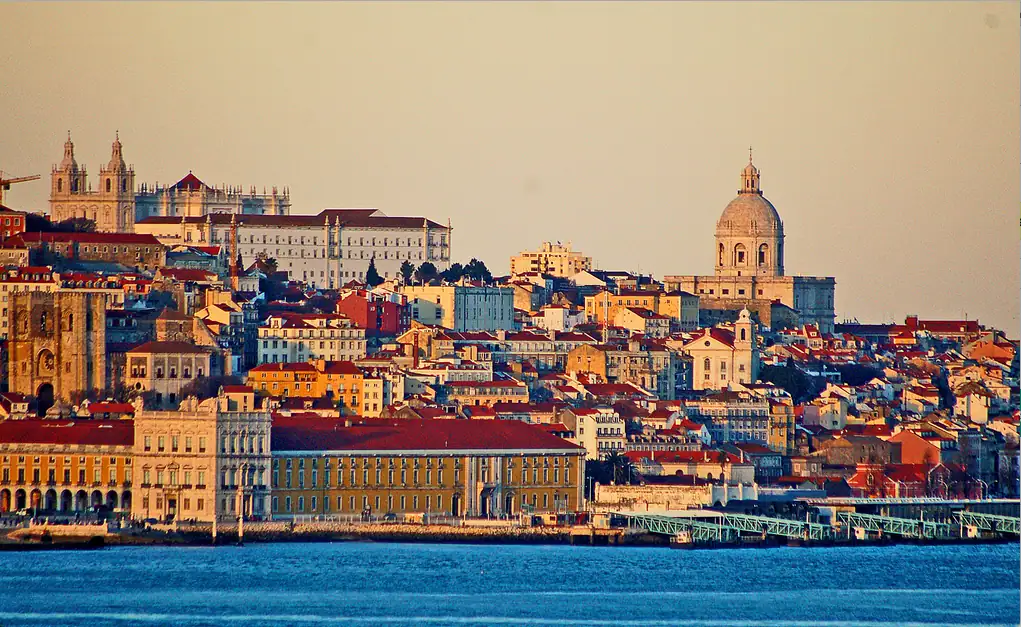
Ships sail in under the red 25 de Abril Bridge and dock beside the hillside Alfama district, so you can walk to São Jorge Castle and ride the vintage Tram 28. Belém, a short taxi ride west, has the Manueline Jerónimos Monastery, the riverside Belém Tower and the original custard-tart bakery. Sintra’s palaces are about 40 minutes away.
- 2
Porto’s riverfront and port lodges
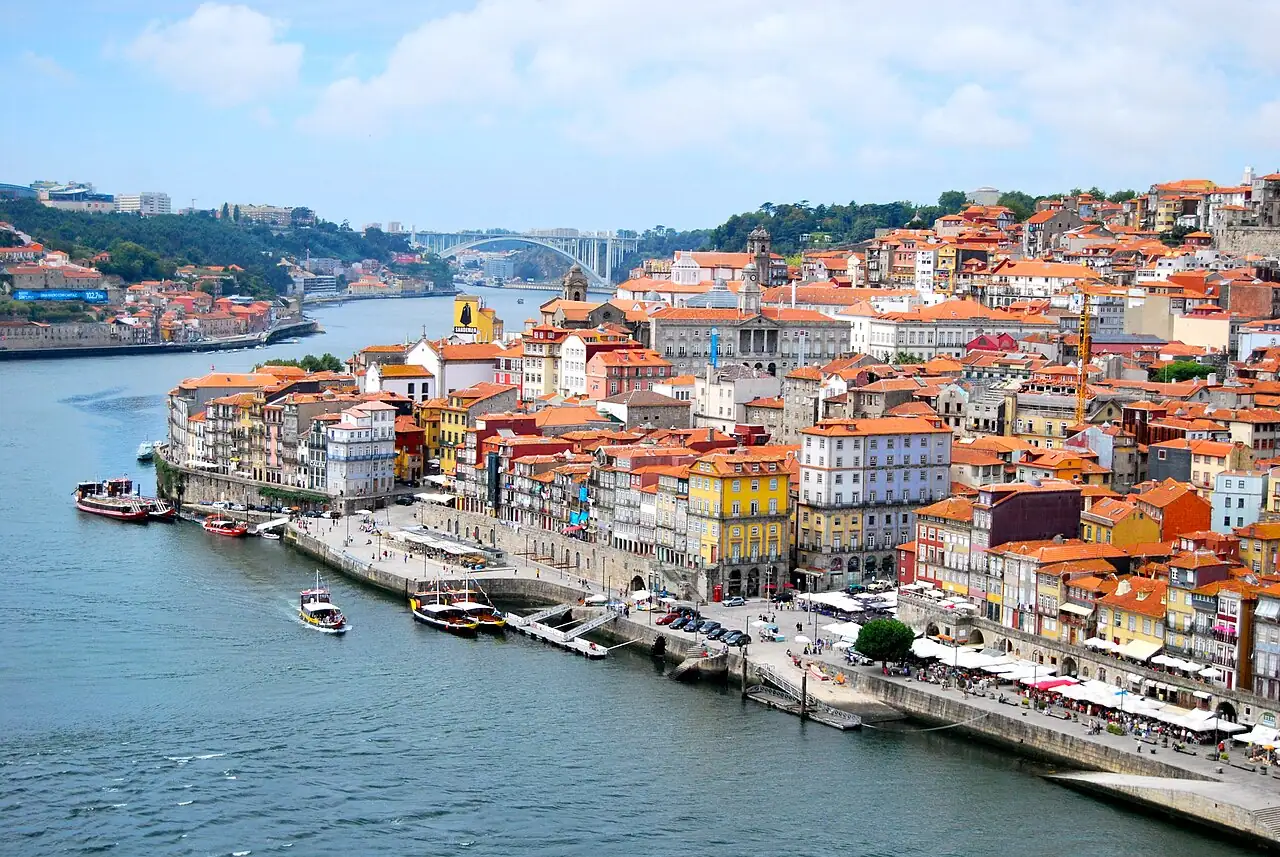
From the cruise terminal at Leixões, central Porto is roughly 20 to 30 minutes away. Walk down to the Ribeira waterfront, cross the iron Dom Luís I Bridge and taste port in the cellars of Vila Nova de Gaia. The tiled hall of São Bento station is free and worth the detour.
- 3
Santiago de Compostela
The cathedral at the end of the Camino de Santiago pilgrimage is about an hour from A Coruña or a little more from Vigo. Arrive mid-morning and you may see pilgrims finishing their walk in the Praza do Obradoiro. A Coruña itself has the Tower of Hercules, a Roman lighthouse still in use.
- 4
The Guggenheim Bilbao
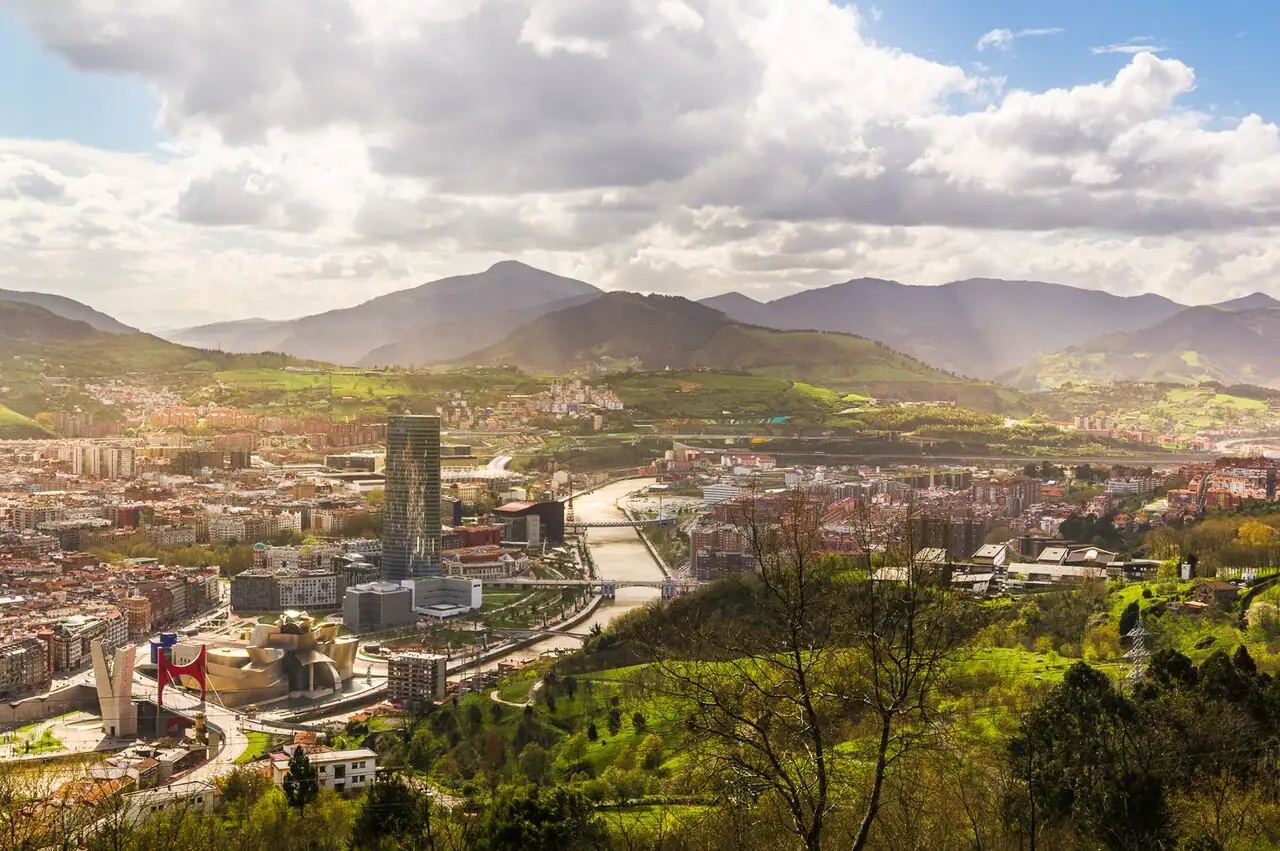
Frank Gehry’s titanium-clad museum transformed Bilbao, and it’s as striking outside as in. Ships dock at Getxo, about 30 minutes from the center. Pair it with the pintxos bars of the Casco Viejo, or take a longer tour to San Sebastián’s beach and old town.
- 5
Bordeaux and Saint-Émilion
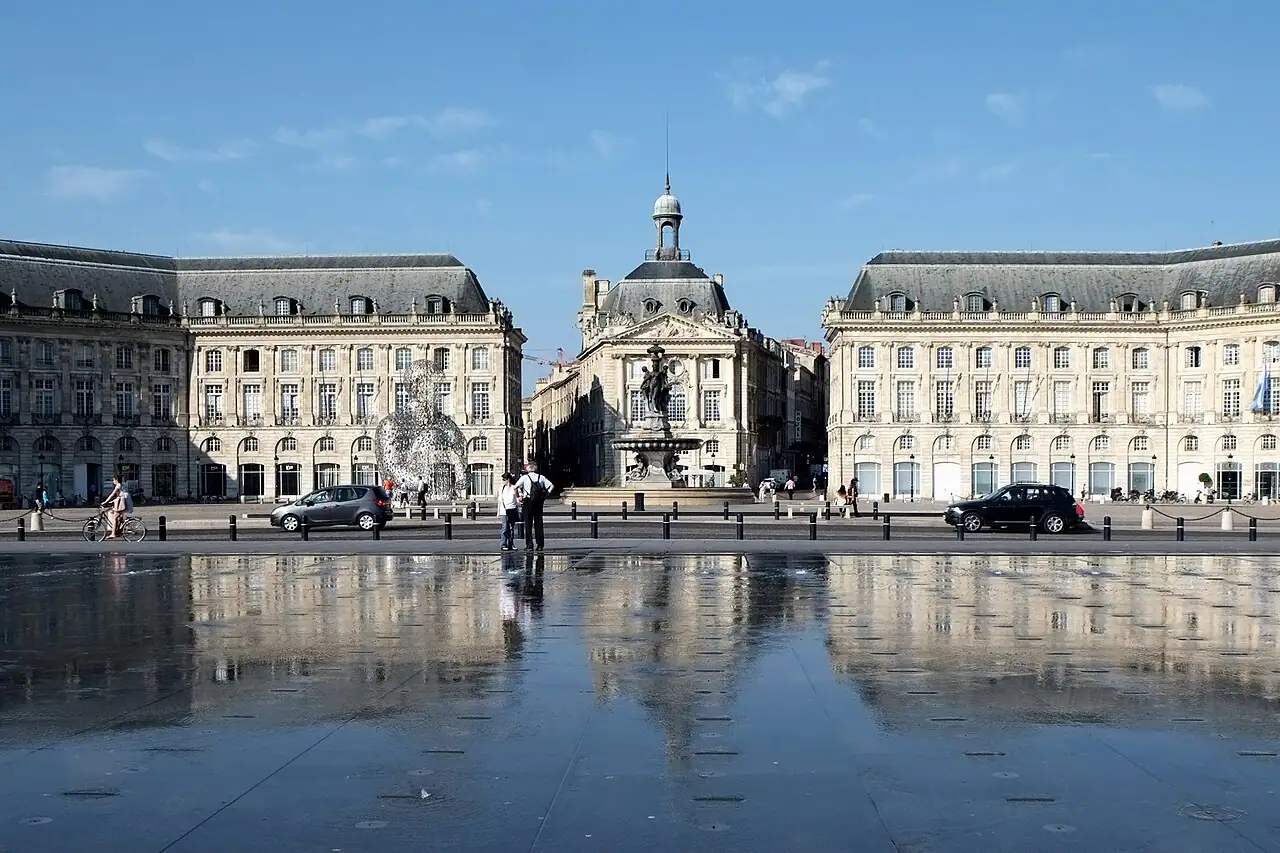
Smaller ships sail up the Garonne to moor in the heart of Bordeaux, near the Place de la Bourse and its Water Mirror; larger ships use outer docks farther from town. Vineyard tours head to Saint-Émilion, a medieval village with an underground church, or to the châteaux of the Médoc.
- 6
Normandy’s D-Day beaches
From Le Havre or Cherbourg, full-day tours visit Omaha Beach, Pointe du Hoc, the Normandy American Cemetery above the sand at Colleville-sur-Mer and the paratroopers’ town of Sainte-Mère-Église. Cherbourg is closer to Utah Beach. It’s a moving day for many American visitors.
- 7
Bruges from Zeebrugge
Bruges’ canals, medieval Markt and Belfry tower are about 20 to 30 minutes from the port. It’s compact enough to explore on foot or by canal boat, with stops for Belgian chocolate, beer and fries. Ghent, less crowded and just as handsome, is about an hour away.
Typical Western Europe itineraries
- 1
7- to 9-night Spain and Portugal from Southampton
Round trips on P&O Cruises, Princess, Cunard and Fred. Olsen calling at A Coruña or Vigo, Lisbon, Porto and Bilbao, with Bay of Biscay sea days at each end.
- 2
10- to 14-night spring or fall repositioning
One-way voyages between Barcelona, Rome or Lisbon and Southampton or Amsterdam, typically via Cádiz or Málaga, Lisbon, Porto, Vigo, Bilbao or Bordeaux and Le Havre. Great value and a mix of the Mediterranean and the Atlantic.
- 3
Small-ship French Atlantic coast
Week-long sailings on lines such as Ponant, Windstar, Azamara and Seabourn between Lisbon and the Channel, with overnights in Bordeaux and calls at La Rochelle, Saint-Malo and Honfleur that big ships rarely make.
- 4
Short Channel and Low Countries cruises
Three- to five-night sailings from Southampton or Amsterdam visiting Le Havre, Zeebrugge and Rotterdam. Popular around Christmas for Bruges’ market, and a gentle introduction to cruising in Europe.
Western Europe ports of call
Lisbon
Departure port
Porto (Leixões)
Porto’s cruise port is Leixões, in the seaside town of Matosinhos, about 6 miles (10 km) from Porto’s UNESCO-listed riverside old town. A shuttle, taxi or metro gets you downtown in 20–40 minutes for the Ribeira district, the Dom Luís I Bridge and port wine cellars across the river in Vila Nova de Gaia.
Le Havre (for Paris & Normandy)
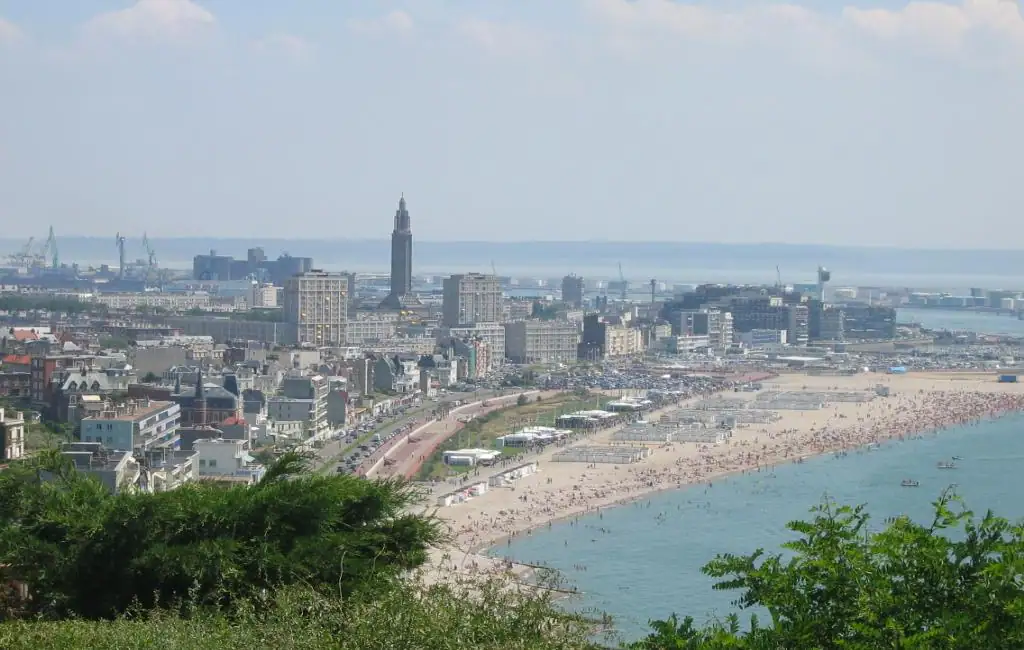
Le Havre is the cruise port for Paris and Normandy, but Paris is roughly 2.5 to 3 hours away by coach each way, so a city day is long and rushed. Many cruisers get more from the closer Normandy coast: the harbor town of Honfleur, the chalk cliffs of Étretat, Rouen’s Gothic old town or, with an early start, the D-Day beaches.
Bilbao
Bilbao is the Basque Country’s largest city, home to Frank Gehry’s titanium-clad Guggenheim Museum and some of Spain’s best pintxos bars. Ships dock at the mouth of the estuary, about 25–40 minutes from the center by shuttle, metro or taxi, and San Sebastián and the clifftop hermitage of San Juan de Gaztelugatxe are within reach.
Bordeaux
Bordeaux is one of France’s most elegant cities and the capital of its most famous wine region. Smaller ships sail up the Gironde and Garonne to tie up right on the city’s riverfront, often overnight; larger ships stop at Le Verdon-sur-Mer at the estuary mouth, roughly 1.5 to 2 hours away by road, so check where yours berths.
Zeebrugge (for Bruges)
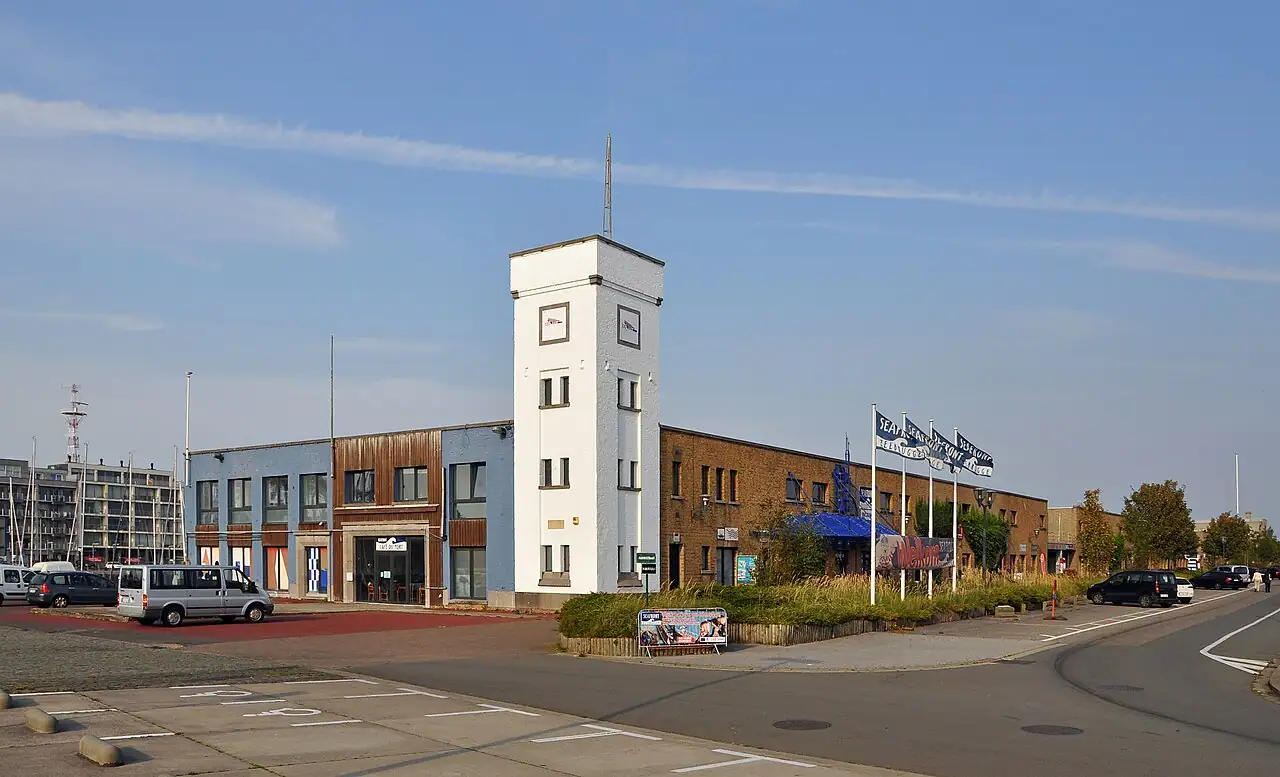
Zeebrugge is Belgium’s main cruise port and the gateway to Bruges, a canal-laced medieval city about 25 to 30 minutes away. The port itself is industrial, so nearly everyone heads straight out: Bruges for most, Ghent or Brussels for those who have already seen it. Expect chocolate, beer, waffles and some of Europe’s finest Flemish art.
Vigo
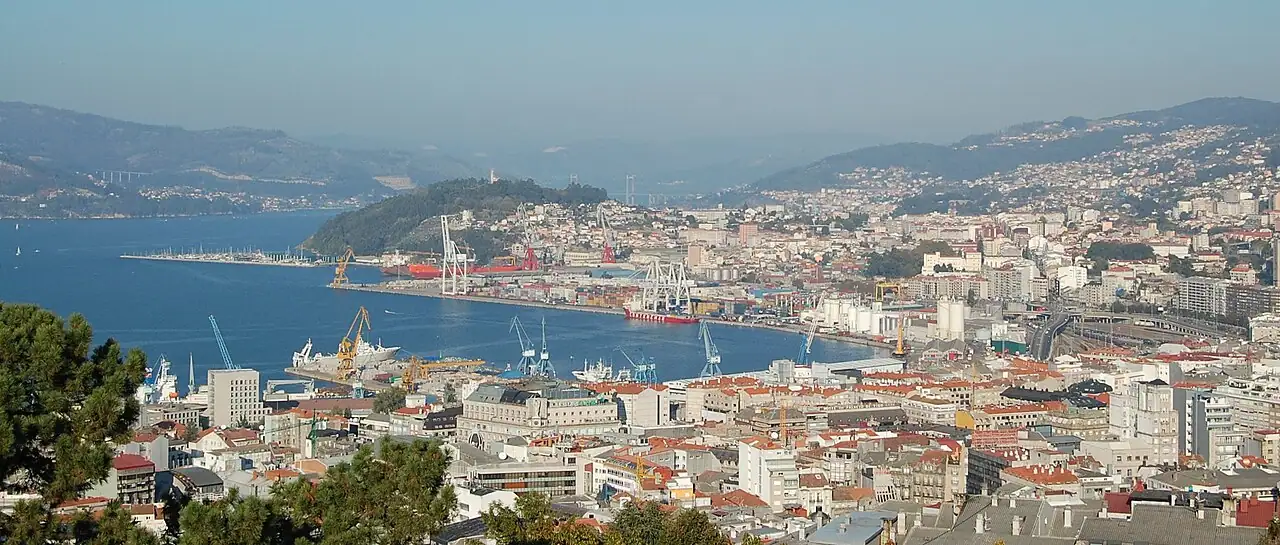
Vigo is Galicia’s largest city and one of Europe’s biggest fishing ports, and ships dock right in the center, steps from the old town and its famous oyster street. It’s a gateway to the Cíes Islands’ white-sand beaches, the fortress town of Baiona, the Albariño wine country and Santiago de Compostela.
A Coruña
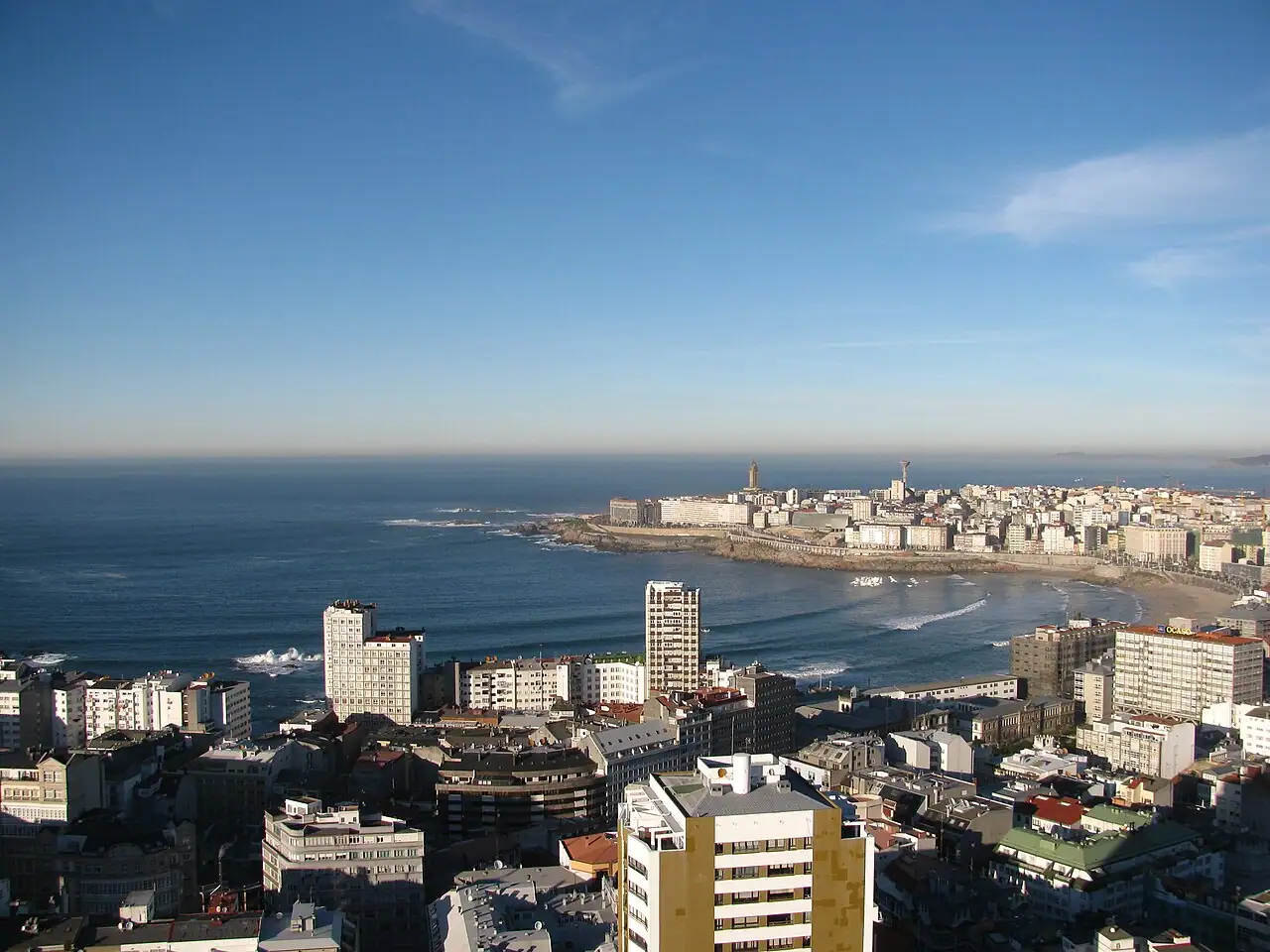
A Coruña is a breezy Galician port city where ships dock right in the center, beside a waterfront lined with glass-enclosed balconies. Walk to the Tower of Hercules, the world’s oldest Roman lighthouse still in use, feast on octopus and seafood, or take an excursion to the pilgrimage city of Santiago de Compostela, about an hour away.
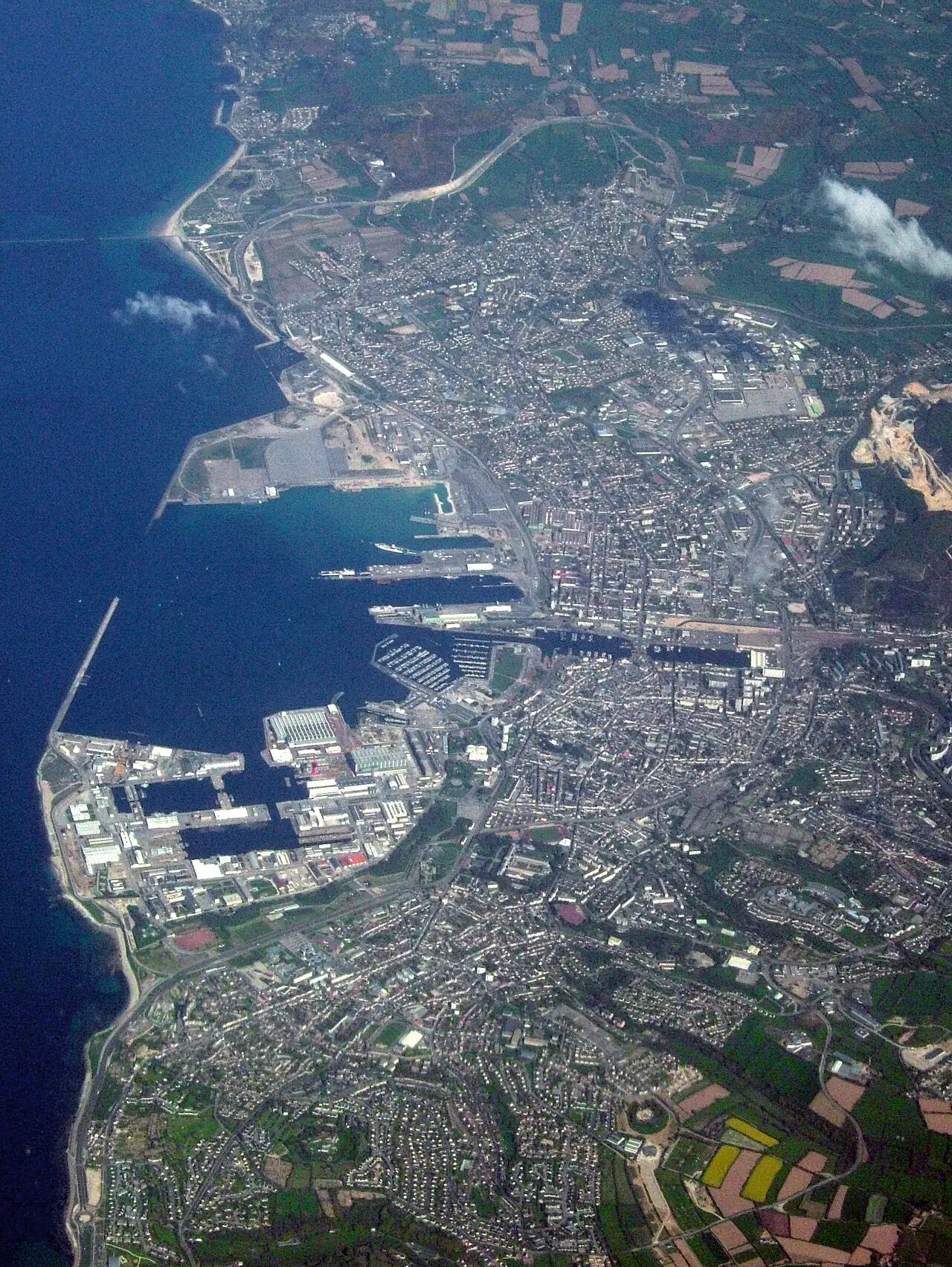
Cherbourg
Cherbourg is a working Normandy harbor town on the tip of the Cotentin Peninsula and the closest cruise port to Utah Beach and the western D-Day sites. Ships dock beside the Cité de la Mer maritime museum, where Titanic made its first call after leaving England, and the compact town center is a short walk away.
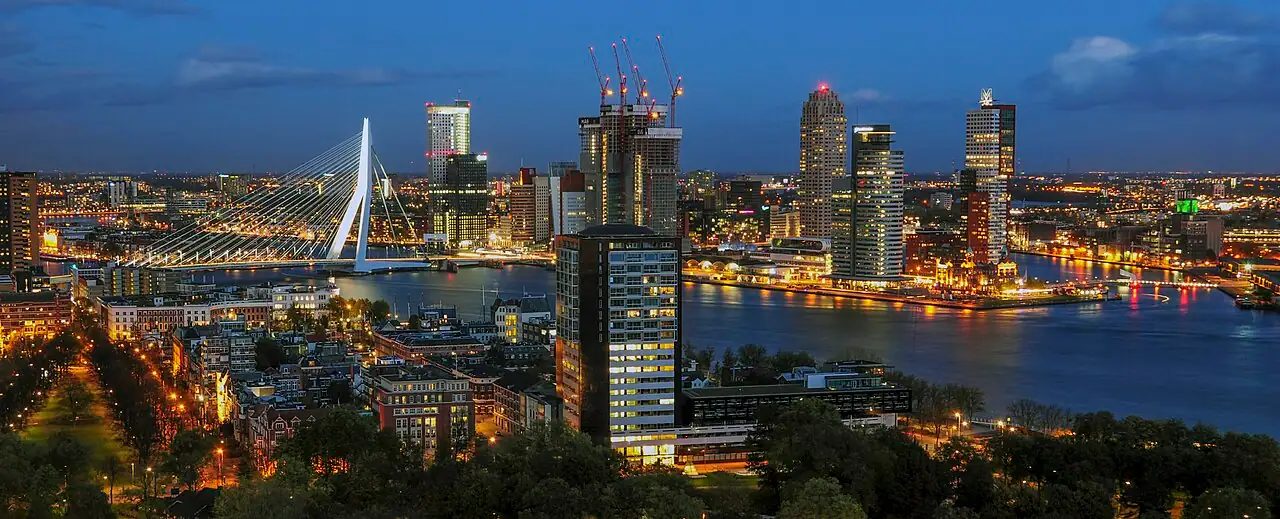
Rotterdam
Rotterdam is the Netherlands’ boldly modern second city, and cruise ships dock right in its heart beneath the Erasmus Bridge. You can walk to striking architecture like the Markthal and the Cube Houses, take a harbor tour of Europe’s largest port, or ride a fast train to Delft, The Hague or Amsterdam. Kinderdijk’s windmills are about 30 to 40 minutes away.
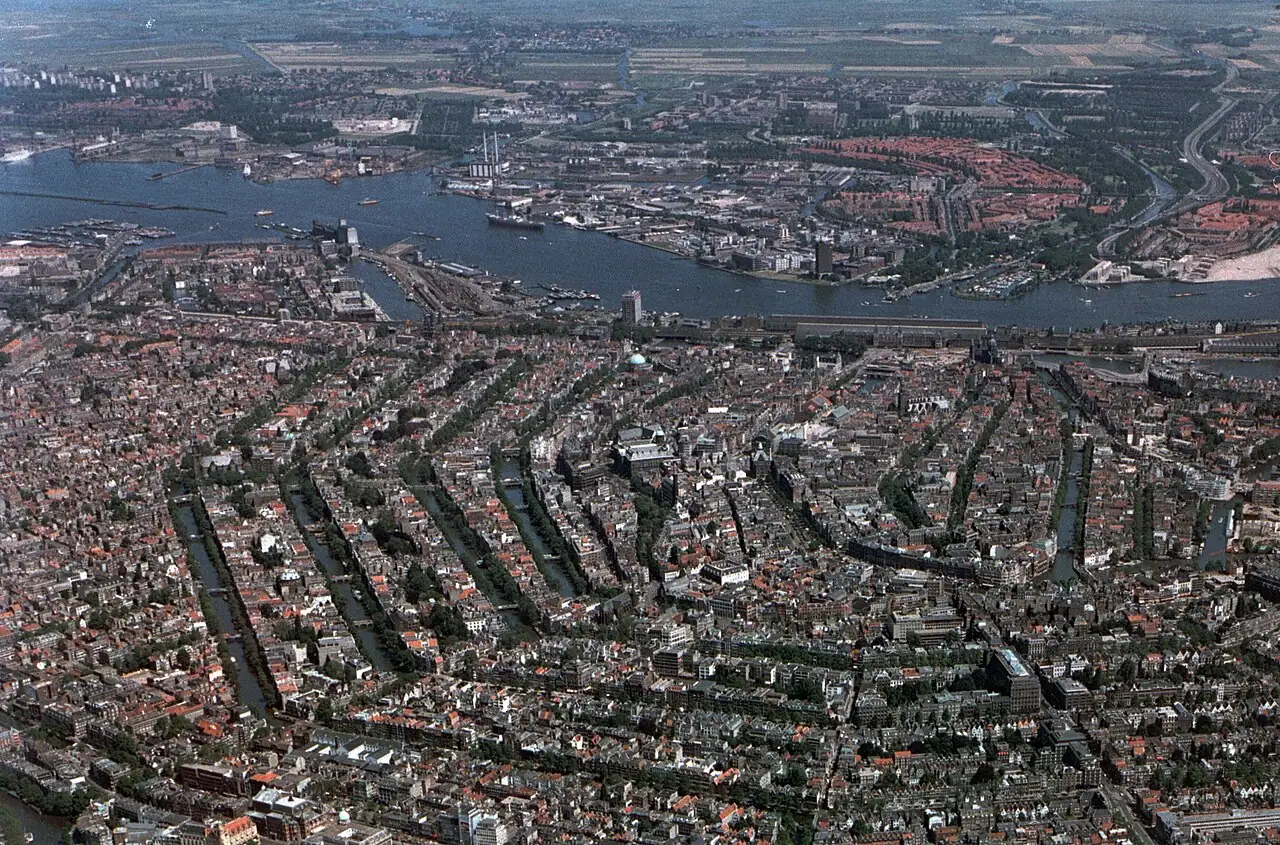
Amsterdam
Departure port
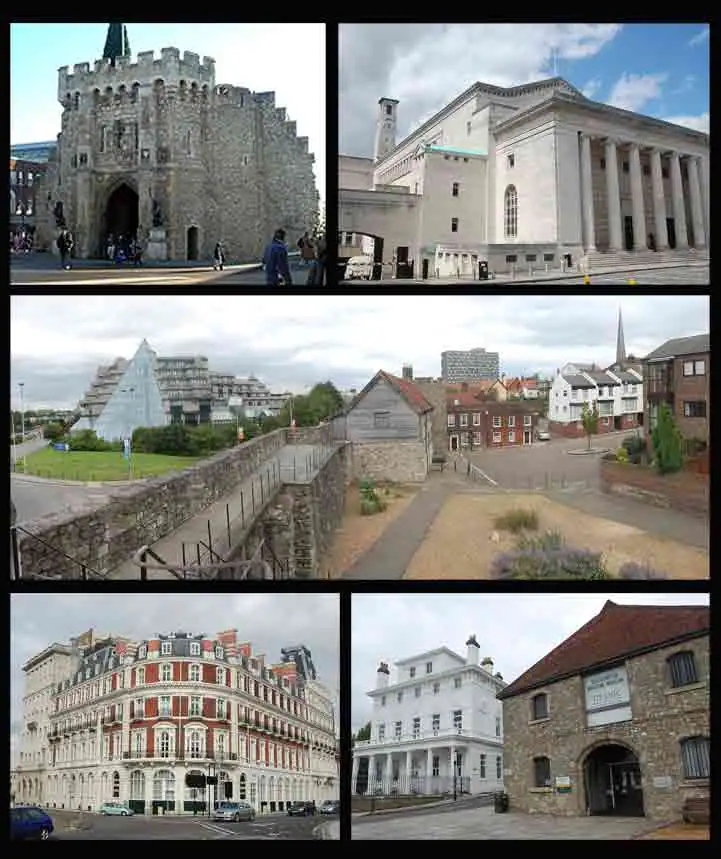
Southampton (London)
Departure port
More ports in this region
Where Western Europe cruises start
Cruise lines that sail Western Europe
Western Europe cruise tips
- Think twice about Paris from Le Havre. It’s two and a half to three hours each way by road, leaving a few hours in the city. Honfleur, Étretat’s cliffs or Rouen’s cathedral make a more relaxed day; save Paris for a pre- or post-cruise stay.
- Choose a midship cabin on a lower deck if you’re sensitive to motion. The Bay of Biscay can produce long Atlantic swells that big ships feel, especially on spring and fall voyages.
- On a one-way repositioning cruise, price open-jaw flights early: into Barcelona or Rome and home from London or Amsterdam, or the reverse. Mixing airlines can cost less than two one-way tickets on the same carrier.
- Pack layers and a waterproof jacket for every sailing, even in summer. A sunny morning in Lisbon can be followed by a cold, misty day in Zeebrugge.
- For the Normandy beaches, a small-group tour or private guide often covers more sites than a big coach. Allow a full day, and visit the American Cemetery’s visitor center for context.
Western Europe cruises: FAQs
What is a Western Europe cruise?
It’s a cruise along Europe’s Atlantic coast, typically covering Portugal, northern Spain, France and Belgium or the Netherlands. Ports include Lisbon, Porto, Bilbao, Bordeaux, Le Havre and Zeebrugge, and many sailings are one-way repositioning voyages.
What is the best time for a Western Europe cruise?
May, June and September. Days are long, temperatures are comfortable and the Bay of Biscay is usually calmer than in early spring or late fall. September adds the wine harvest in Bordeaux and Portugal.
Is the Bay of Biscay rough on a cruise?
It can be. Atlantic swells make it one of the bumpier stretches in Europe, especially from October to April. Summer crossings are often smooth, and modern stabilizers help, but motion-sensitive travelers should pack remedies and choose a midship cabin.
Can you visit Paris on a Western Europe cruise?
Yes, from Le Havre, but it’s a long day. The drive takes roughly two and a half to three hours each way, so you’ll get only a few hours in the city. Many cruisers prefer a Normandy tour from the port and see Paris before or after the cruise.
Do I need a passport for a Western Europe cruise?
Yes, and it should be valid well beyond your return date. If your cruise starts in or visits the UK, you’ll most likely need a UK Electronic Travel Authorisation (ETA) as well; your cruise line will confirm. The EU also registers fingerprints and photos of non-EU visitors at entry, so check current rules for your dates.
Which cruise line is best for Western Europe?
Princess, Celebrity, Holland America and Norwegian offer the most repositioning voyages. Cunard, P&O Cruises and Fred. Olsen sail round trips from Southampton. Viking, Oceania, Azamara and Ponant suit food and wine lovers, with longer stays in places like Bordeaux.
Updated November 2026 by the BookMyDreamCruise editorial team. How we research and fact-check.
Sources: Wikidata, NASA POWER climate data.