Europe & the Mediterranean
British Isles cruises
British Isles cruises circle Great Britain and Ireland, calling at Edinburgh, Glasgow, Dublin, Belfast, Cork, the Scottish Highlands and the islands of Orkney, Shetland and Skye. Most are 10- to 14-night round trips from Southampton (for London) or Dover between May and September, often with a stop in France. Expect castles, whisky, Titanic history and green countryside, with cool, changeable weather in the 50s and 60s °F (10–20°C).
- Season: May to September; a few sailings in April and October
- Typical length: 10 to 14 nights round trip; 7-night Scotland or Ireland sailings also run
Photo: 瑞丽江的河水, CC BY-SA 4.0, via Wikimedia Commons
- Season
- May to September; a few sailings in April and October
- Typical length
- 10 to 14 nights round trip; 7-night Scotland or Ireland sailings also run
- Best months
- Jun, Jul, Aug
- Main departure ports
- Southampton (London), Dover, Amsterdam
- Ports covered here
- 11
- Cruise lines
- 18 lines sail here
What a British Isles cruise is like
A British Isles cruise is a road trip without the stress of driving on the left. In two weeks you can walk Edinburgh’s Royal Mile, scan Loch Ness from the ruins of Urquhart Castle, stand among Neolithic stones on Orkney, cross into Northern Ireland for the Giant’s Causeway and finish with a pint in a Dublin pub. Many North Americans with Scottish or Irish roots use these cruises to visit ancestral towns.
Ports range from major cities to tiny island harbors. Dublin, Belfast, Liverpool and Cobh are straightforward docks close to town, while Edinburgh’s anchorage, Portree on Skye and St Peter Port on Guernsey are tender stops that weather can cancel. Several favorite sights sit inland: Glasgow and Loch Lomond from Greenock, Loch Ness and Culloden from Invergordon, and Cork and Blarney Castle from Cobh.
The weather sets the tone. Summer highs typically reach the 60s °F (16–20°C), rain can fall on any day and long June evenings keep northern Scotland light past 10 p.m. The waters off northern Scotland and in the Irish Sea can be lively, so pack seasickness remedies. If you want hot sun, this isn’t your trip; if you love history, dramatic coastlines, pubs and whisky, it’s hard to beat.
Best time to cruise British Isles
- Jan: No regular sailings
- Feb: No regular sailings
- Mar: No regular sailings
- Apr: Shoulder season
- May: Good time to go
- Jun: Best time to go
- Jul: Best time to go
- Aug: Best time to go
- Sep: Good time to go
- Oct: Shoulder season
- Nov: No regular sailings
- Dec: No regular sailings
- No regular sailings
- Shoulder season
- Good time to go
- Best time to go
British Isles in JanuaryNo regular sailings
No regular British Isles cruising in January. On land, Shetland’s Up Helly Aa fire festival ends with torch-bearing ‘Vikings’ burning a replica longship in Lerwick, and Scots celebrate Burns Night on January 25 with haggis and poetry. Edinburgh gets only about seven hours of daylight, and gales are common.
British Isles in FebruaryNo regular sailings
Still no cruises. Six Nations rugby fills pubs in Dublin and Edinburgh on match weekends, snowdrops carpet estate gardens and Ireland marks St. Brigid’s Day at the start of the month. Weather is cold, wet and windy, with highs in the mid-40s °F (7–8°C).
British Isles in MarchNo regular sailings
Cruise season hasn’t started, but Dublin’s St. Patrick’s Festival brings parades and music around March 17, and daffodils brighten parks and roadsides. If you’re tempted by a spring land trip to Ireland or Scotland, expect showers, chilly winds and highs near 50°F (10°C).
British Isles in AprilShoulder season
The first round-Britain sailings leave Southampton late in the month, mostly on British lines, often at good fares. Lambs fill the fields, gardens burst into blossom and Easter brings holiday crowds to castles and stately homes. Highs reach the low-to-mid 50s °F (11–13°C), with frequent showers.
British Isles in MayGood time to go
Bluebells carpet the woodlands and gardens in Cornwall, Ireland and western Scotland look their best. Puffins return to the sea cliffs of Orkney and Shetland. Days are long and often drier than midsummer, with highs around 57–61°F (14–16°C), and ships are less crowded before the school holidays.
British Isles in JuneBest time to go
The longest days of the year: Shetlanders call the near-endless twilight the simmer dim, and Edinburgh stays light until almost 11 p.m. Dublin celebrates James Joyce on Bloomsday, June 16, with readings and period costume. Puffins are busy feeding chicks, and sailings fill quickly.
British Isles in JulyBest time to go
Usually the warmest month, with highs in the mid-60s °F (18–19°C) and occasional warmer spells. Highland games take place across Scotland, and school holidays begin in Scotland and Ireland, then England later in the month. Midges bite on still evenings in the western Highlands and Skye, so pack repellent.
British Isles in AugustBest time to go
Purple heather blooms across the Scottish moors. Edinburgh is in full festival mode, with street performers on the Royal Mile and the Tattoo on the castle esplanade, so arrange tours and tickets early. It’s peak family travel season across Britain and Ireland, and fares reflect it.
British Isles in SeptemberGood time to go
The Braemar Gathering, the most famous Highland games, takes place on the first Saturday, and the summer crowds thin once schools return. Weather is often settled early in the month, with highs around 60°F (15–16°C), but autumn gales can disrupt tender ports like Portree late in the month.
British Isles in OctoberShoulder season
The last sailings of the season depart early in the month. Perthshire’s forests turn gold and copper, and Halloween, rooted in the Celtic festival of Samhain, gets big celebrations in Northern Ireland, especially in Derry. Rougher seas mean a higher chance of skipped tender calls.
British Isles in NovemberNo regular sailings
No cruising. Bonfire Night lights up English skies on November 5 and Scotland marks St. Andrew’s Day on the 30th. Christmas markets open late in the month in Edinburgh’s Princes Street Gardens and outside Belfast City Hall. Days are short, damp and chilly.
British Isles in DecemberNo regular sailings
No regular cruises. Edinburgh’s Hogmanay street party and torchlight procession make New Year’s a big draw for a land trip, and Christmas markets run through most of the month. Expect around seven hours of daylight in Edinburgh, frequent rain and the odd frosty, clear day.
Average weather across British Isles ports
| Month | Jan | Feb | Mar | Apr | May | Jun | Jul | Aug | Sep | Oct | Nov | Dec |
|---|---|---|---|---|---|---|---|---|---|---|---|---|
| High °F (°C) | 468 | 468 | 489 | 5111 | 5714 | 6116 | 6418 | 6418 | 6116 | 5613 | 5110 | 489 |
| Low °F (°C) | 404 | 404 | 405 | 426 | 478 | 5211 | 5513 | 5513 | 5312 | 4910 | 457 | 426 |
| Rain in (mm) | 4.1104 | 3.692 | 3.588 | 2.358 | 2.667 | 2.769 | 3.486 | 3.692 | 3.794 | 4.5114 | 4.3109 | 4.9125 |
| Daylight (hrs) | 8 | 10 | 12 | 14 | 16 | 17 | 17 | 15 | 13 | 10 | 8 | 7 |
British Isles cruise highlights
- 1
Edinburgh beyond the castle
Tenders from anchored ships land at South Queensferry, in sight of the red, UNESCO-listed Forth Bridge, about 30 minutes from the city. Beyond the castle, climb Arthur’s Seat for the view, tour the Palace of Holyroodhouse and browse the free National Museum of Scotland.
- 2
Loch Ness, Culloden and the Highlands
From Invergordon, tours head about an hour to Loch Ness and the ruins of Urquhart Castle on its shore, often stopping at Culloden, where the Jacobite rising ended in 1746. Whisky lovers can visit nearby distilleries instead, and Inverness makes an easy independent trip.
- 3
Neolithic Orkney
From Kirkwall, visit Skara Brae, a stone village older than Egypt’s Great Pyramid, the Ring of Brodgar and the Standing Stones of Stenness. In town, St. Magnus Cathedral is built of red sandstone, and the Italian Chapel, made by World War II prisoners from scrap and concrete, is a short drive away.
- 4
The Giant’s Causeway and Titanic Belfast
Roughly 40,000 interlocking basalt columns step into the sea on the Antrim coast, about 75 minutes from Belfast; tours often add the Carrick-a-Rede rope bridge and the Dark Hedges. Titanic Belfast, built beside the slipways where the ship was constructed, is a short ride from where cruise ships dock.
- 5
Dublin’s Book of Kells and Guinness
Trinity College’s library holds the Book of Kells, an illuminated manuscript about 1,200 years old. The Guinness Storehouse ends with a pint in a rooftop bar, and Kilmainham Gaol tells the story of Ireland’s fight for independence. Ships dock in Dublin Port, a shuttle or taxi ride from the center.
- 6
Cobh, the Titanic’s last port of call
In 1912, when the town was called Queenstown, the Titanic made its final stop here. The Titanic Experience and Cobh Heritage Centre tell that story and the history of Irish emigration. Tours go to Blarney Castle, with its famous stone, or the colorful harbor town of Kinsale.
- 7
The Isle of Skye from Portree
Tenders land in Portree’s harbor, lined with painted houses. Tours follow single-track roads to the rock pinnacle of the Old Man of Storr, the landslip landscape of the Quiraing and Kilt Rock’s waterfall, or west to Dunvegan Castle, home of the MacLeod clan chiefs.
Typical British Isles itineraries
- 1
12- to 14-night British Isles circle from Southampton
Typically Guernsey, Cobh, Dublin, Belfast, Greenock, Portree, Kirkwall, Invergordon and Edinburgh, often with Le Havre or Zeebrugge on the way back. The classic version on Princess, Celebrity, Cunard and others.
- 2
10- to 12-night Ireland, Scotland and France
Shorter loops from Southampton or Dover that pick the highlights, such as Cork, Dublin, Belfast, Glasgow and Edinburgh, plus a Normandy or Paris port. Good if you want a mix of cities and countryside.
- 3
Small-ship Scottish islands and Highlands
Week-long voyages on expedition and luxury lines such as HX, Ponant, Silversea and Seabourn reach the Inner and Outer Hebrides, including Iona, Tobermory and Stornoway, plus Orkney, Shetland and harbors too small for large ships.
- 4
British Isles with Iceland or Norway
Fourteen- to 16-night voyages that add Reykjavík, the Faroe Islands or a Norwegian fjord to the Scottish and Irish ports, ideal for travelers who want variety on one trip.
British Isles ports of call
Edinburgh (Leith & South Queensferry)
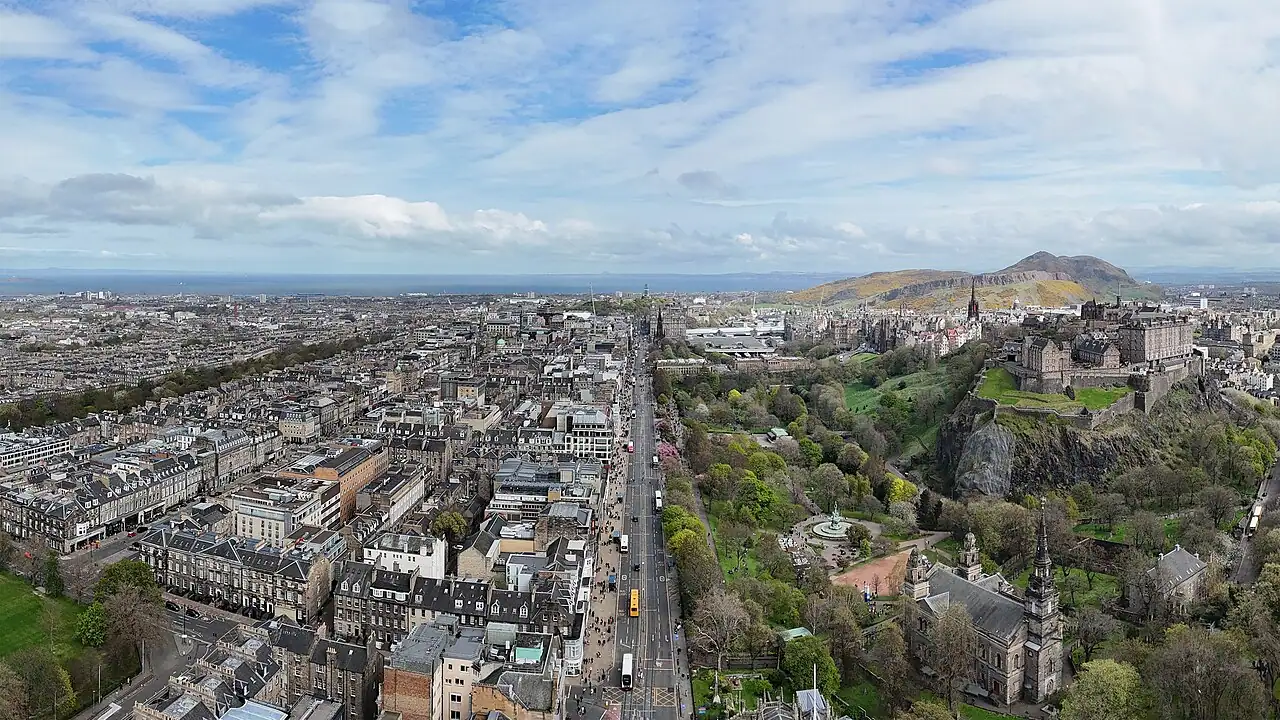
Edinburgh, Scotland’s capital, is one of Europe’s most handsome cities, with a castle on a volcanic crag, the cobbled Royal Mile and an elegant Georgian New Town. Smaller ships dock at Leith, about 3 miles (5 km) from the center, while larger ships anchor off South Queensferry by the Forth Bridge and tender ashore, roughly 10 miles (16 km) out.
Dublin
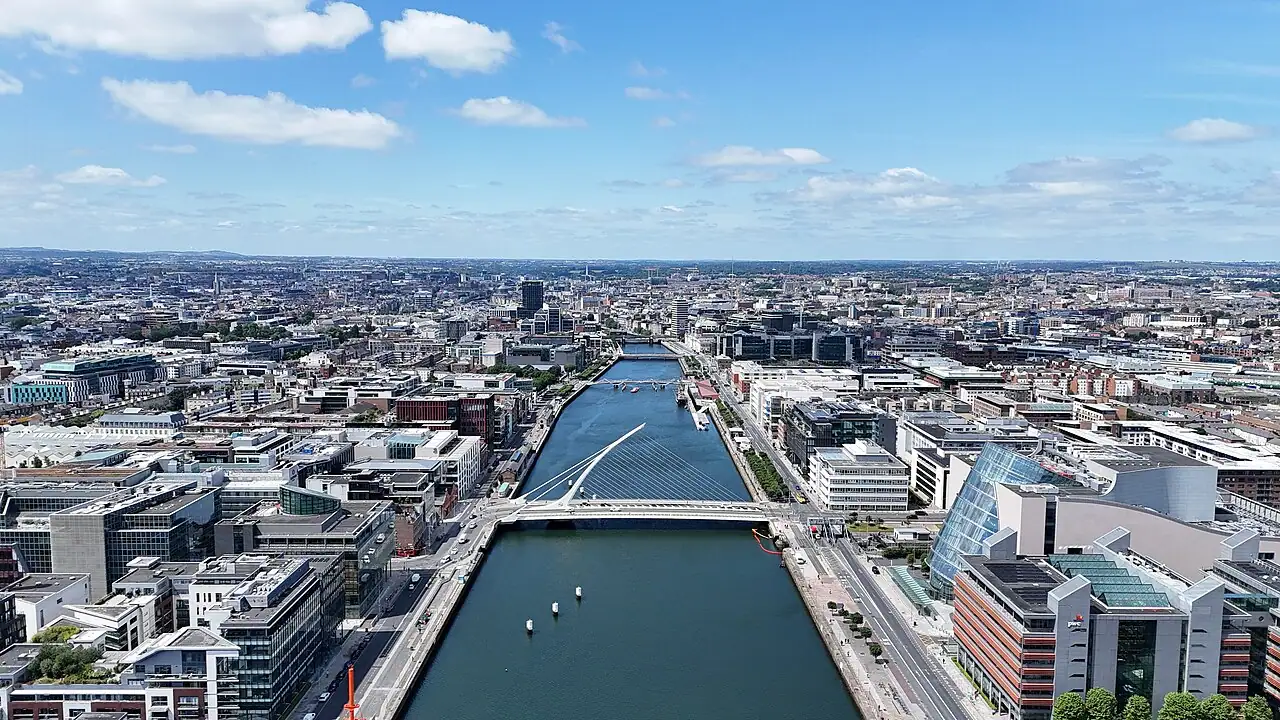
Dublin, Ireland’s capital, is a compact, walkable city of Georgian squares, historic pubs and literary landmarks on the River Liffey. Most ships dock at Dublin Port, about 2 to 3 miles (3–5 km) east of the center, with shuttles into town, while some anchor off Dún Laoghaire to the south. Top picks include the Book of Kells, the Guinness Storehouse and Kilmainham Gaol.
Belfast
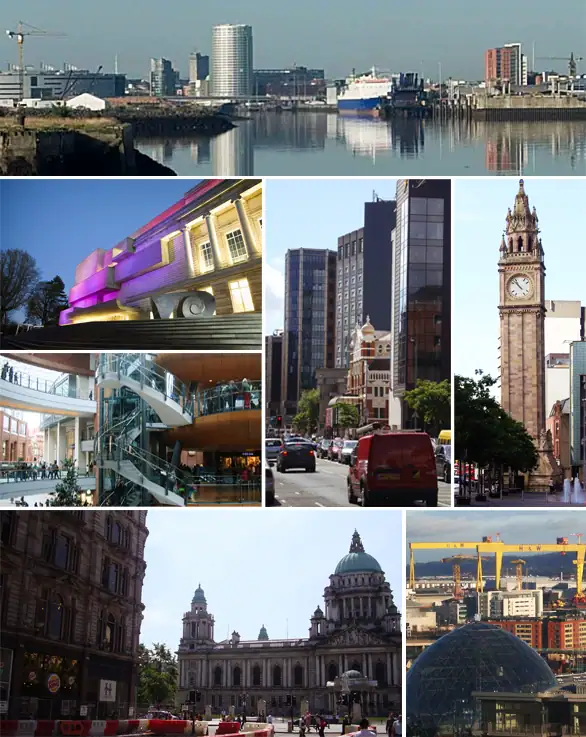
Belfast, the capital of Northern Ireland, is a friendly, fast-changing city where the Titanic was built and where the story of the Troubles is told openly on its murals and peace walls. Ships dock in Belfast Harbour, a short shuttle ride from City Hall, and the city is also the gateway to the Giant’s Causeway on the Antrim coast.
Greenock (for Glasgow)
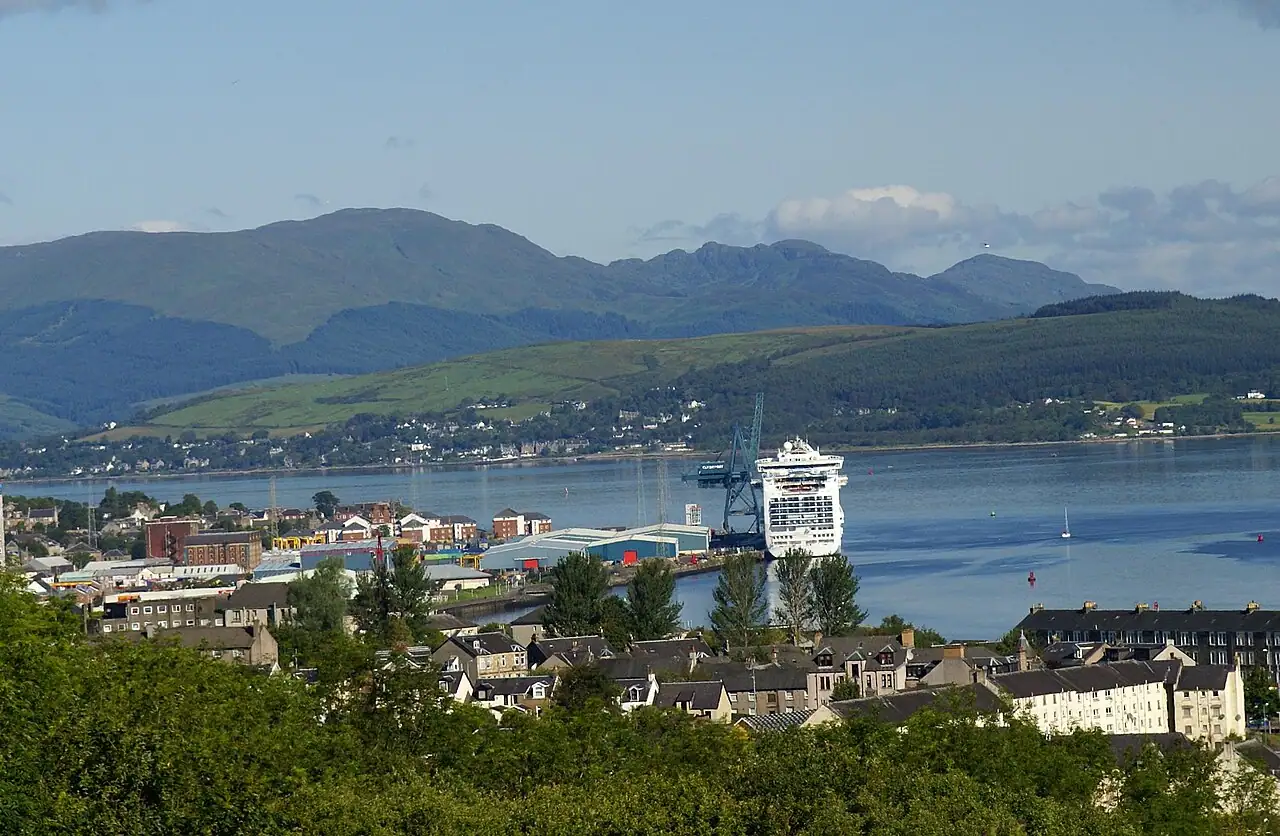
Greenock is a former shipbuilding town on the Firth of Clyde and the cruise gateway to Glasgow, about 25 miles (40 km) east, and to Loch Lomond, about 45 minutes north. Ships dock at Greenock’s Ocean Terminal, often to a bagpiper’s welcome, and most passengers head inland by train, tour or taxi for Glasgow’s museums or the lochs and hills.
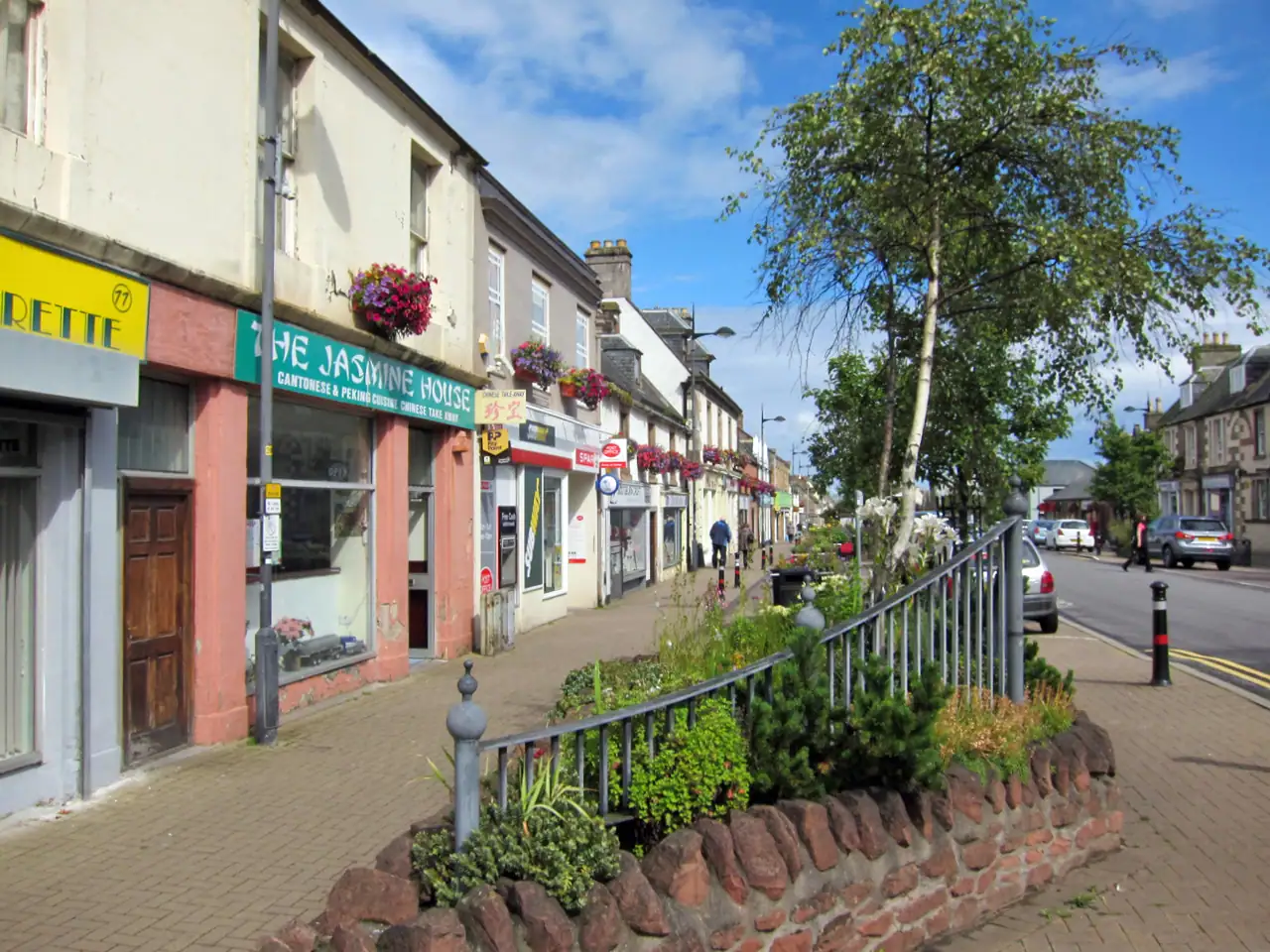
Invergordon (for Inverness & Loch Ness)
Invergordon is a small Highland town on the Cromarty Firth whose deep-water pier makes it the cruise gateway to Inverness, Loch Ness and the Scottish Highlands. Ships dock right in town, and from there it’s about 40 minutes to Inverness and an hour to Loch Ness and Urquhart Castle, with Culloden Battlefield, castles and whisky distilleries all within reach.
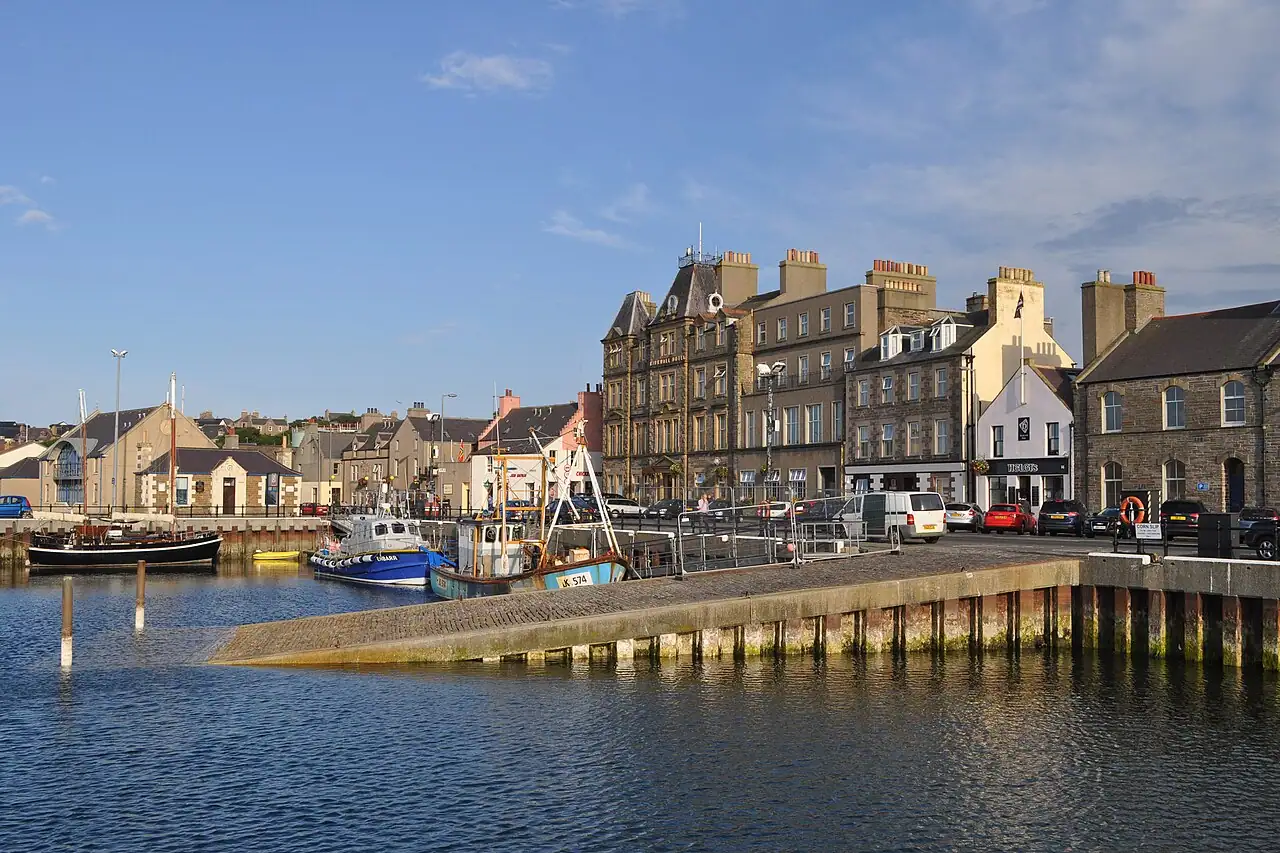
Kirkwall, Orkney
Kirkwall is the capital of Orkney, a windswept archipelago off Scotland’s northern tip packed with some of Europe’s finest prehistoric sites. Most ships dock at Hatston Pier, about 1.5 miles (2 km) from town, with shuttles into the center. The highlights are the 5,000-year-old village of Skara Brae, the Ring of Brodgar stone circle and the red sandstone St. Magnus Cathedral.
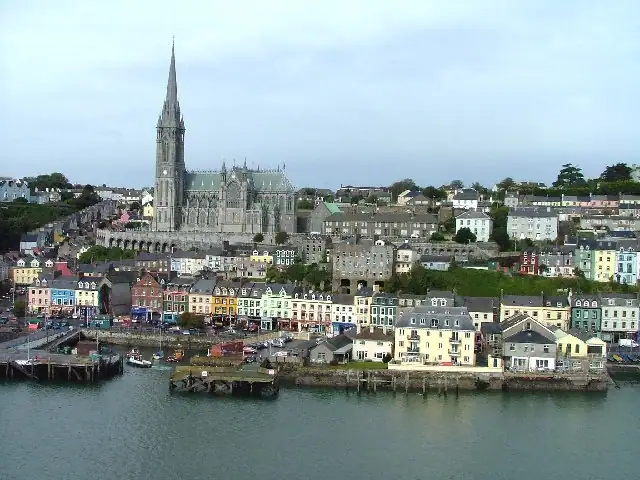
Cobh (for Cork)
Cobh is a colorful harbor town on Ireland’s south coast and the cruise gateway to Cork, Blarney Castle and Kinsale. Ships dock right in the center, beside the train station, so you can walk off into a town steeped in emigration history: it was the Titanic’s last port of call and the departure point for millions of Irish emigrants bound for North America.
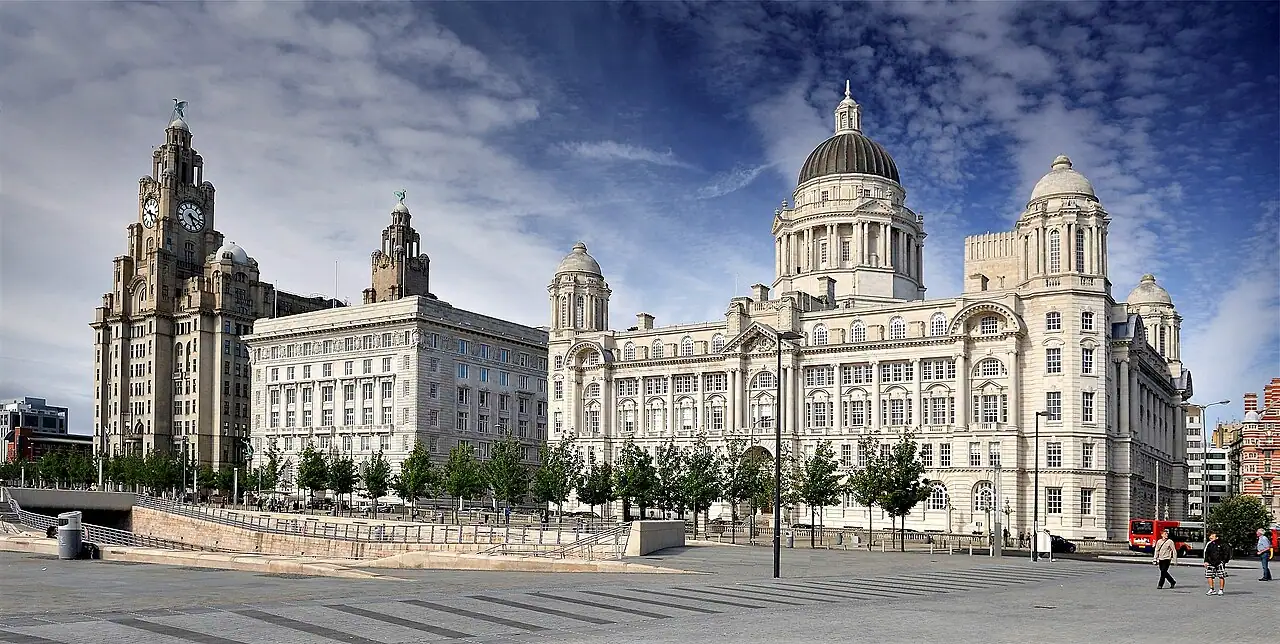
Liverpool
Liverpool is one of the most convenient cruise ports in Britain: ships berth on the Mersey waterfront by the Pier Head, a short walk from the Royal Albert Dock, the city center and the Beatles sights. Expect a friendly, music-mad city with superb free museums, grand maritime architecture and easy day trips to Roman Chester or North Wales.
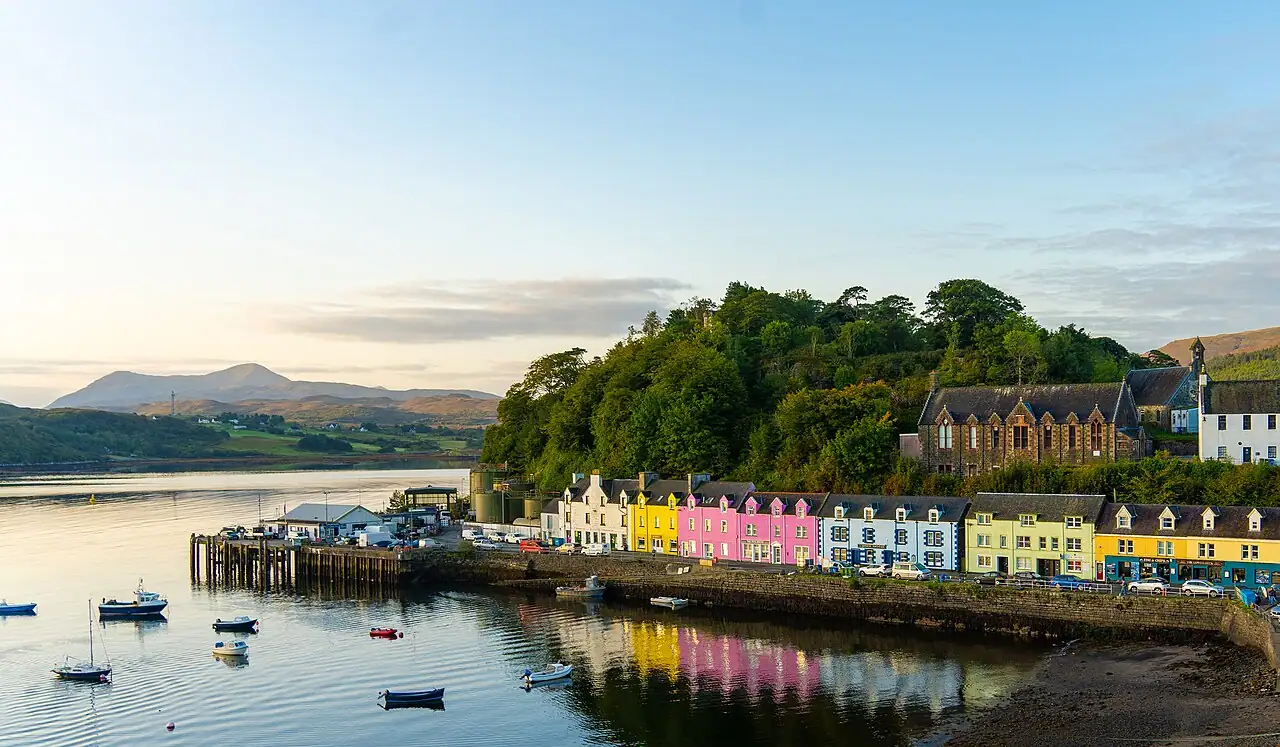
Portree, Isle of Skye
Portree is the main town of the Isle of Skye, a tender port where boats bring you into a small harbor ringed by brightly painted houses. The town is the gateway to some of Scotland’s most dramatic landscapes: the rock pinnacle of the Old Man of Storr, the tumbled ridges of the Quiraing, the Fairy Pools and Dunvegan Castle, seat of the Clan MacLeod.
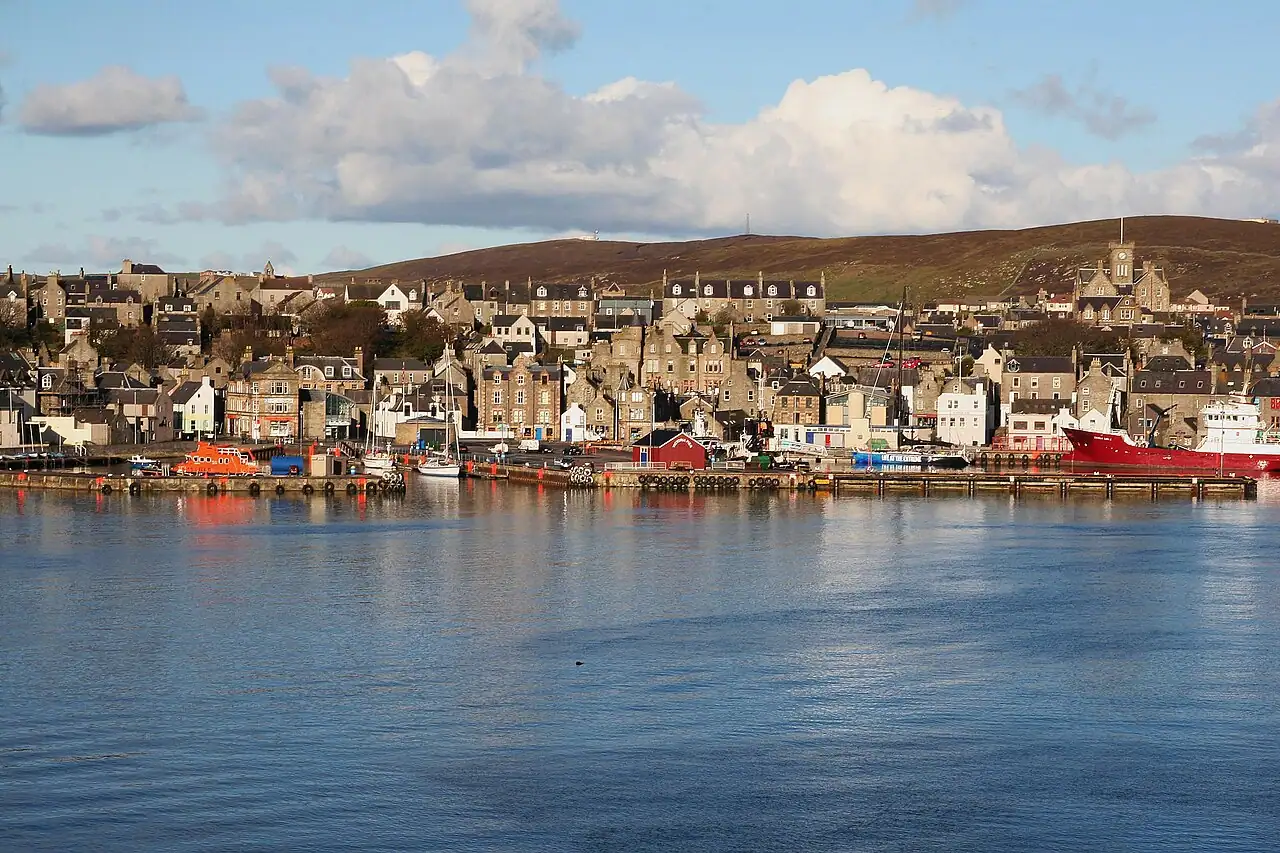
Lerwick, Shetland
Lerwick is the main town of Shetland, Britain’s northernmost islands, closer to Norway than to Edinburgh. Ships either tender into the old waterfront or dock at the harbor just north of the center. Expect a sturdy stone town, Norse heritage, Iron Age brochs and some of Britain’s best seabird watching, with puffins at Sumburgh Head in early summer.
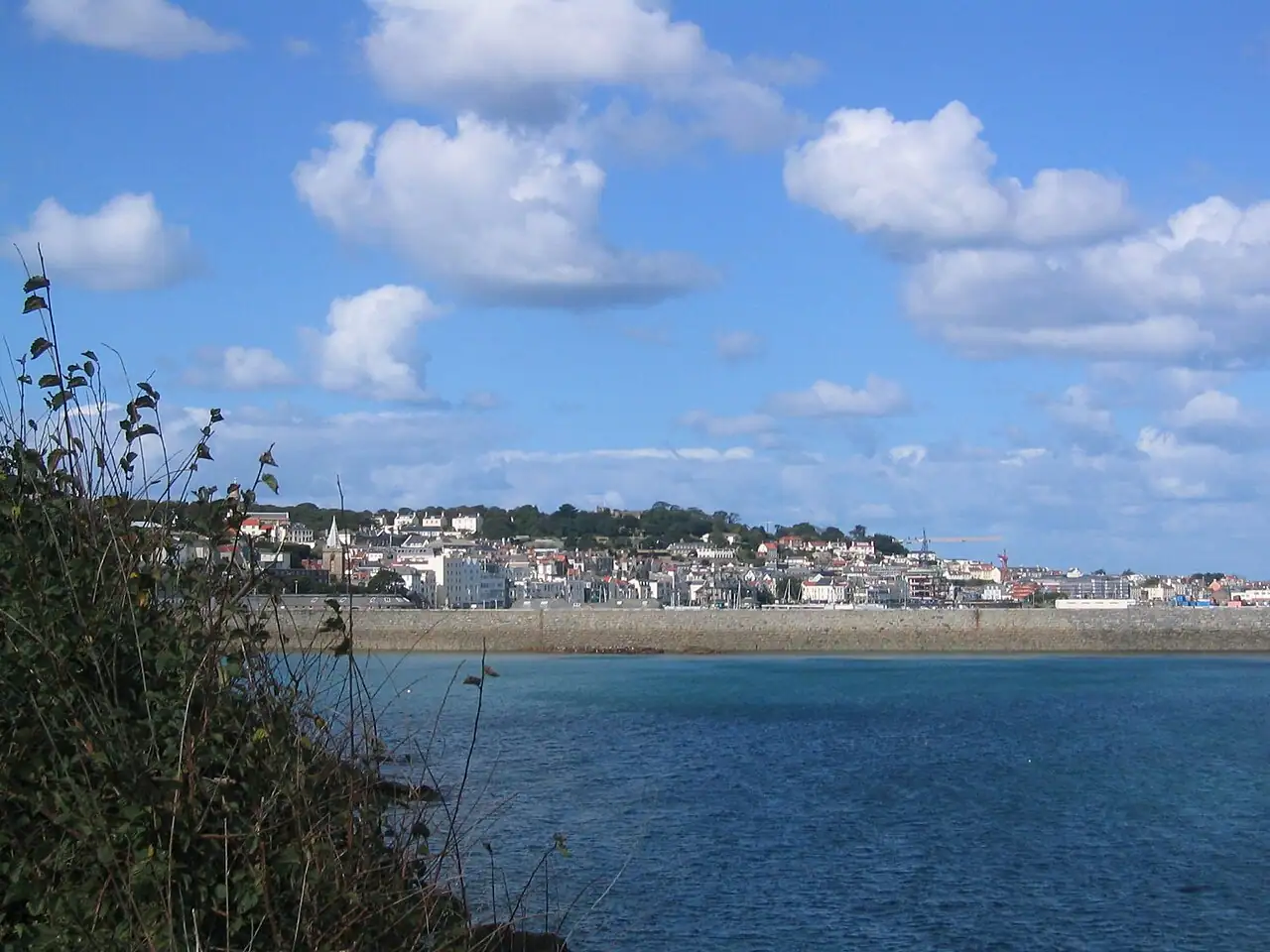
St Peter Port, Guernsey
St Peter Port, the capital of Guernsey in the Channel Islands, is a tender port where boats land you right in a hillside harbor town of granite houses and narrow lanes. Guernsey is a British Crown Dependency with a French accent, known for Castle Cornet, Victor Hugo’s house in exile, World War II occupation sites and wildflower-lined cliff paths.
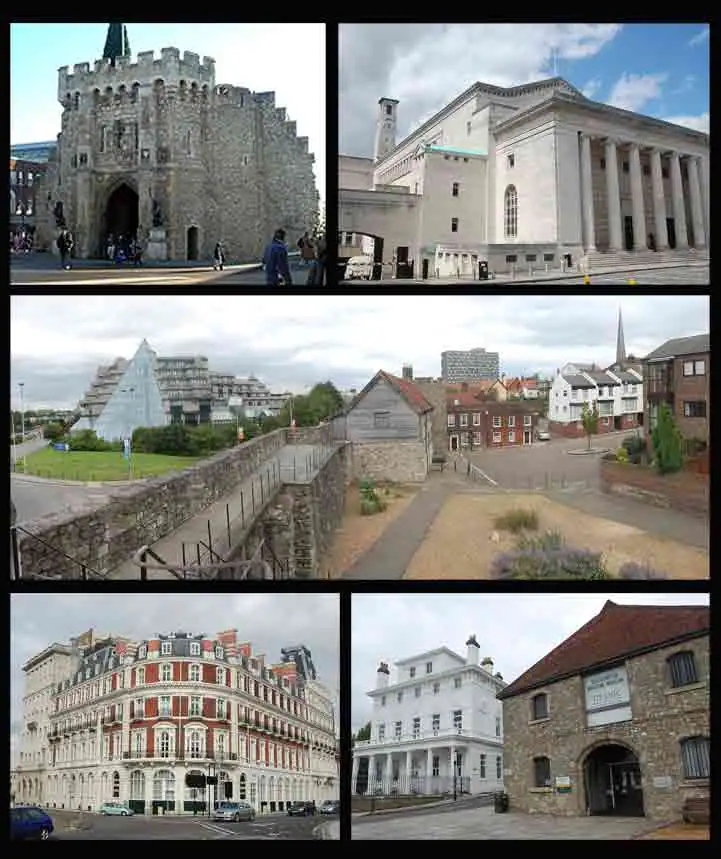
Southampton (London)
Departure port
Where British Isles cruises start
Cruise lines that sail British Isles
British Isles cruise tips
- Apply for a UK Electronic Travel Authorisation online well before you sail; US and Canadian visitors now need one. Ireland is outside the scheme and has its own entry checks, so keep your passport handy for both.
- Have a backup plan for tender ports. Edinburgh, Portree, Guernsey and sometimes Kirkwall depend on calm water, and captains do cancel calls when the wind is up.
- Carry pounds for the UK, including Northern Ireland, and euros for the Republic of Ireland. Scottish and Northern Irish banknotes are legal in the UK but can be hard to spend elsewhere, so use them before you leave. Contactless cards work almost everywhere.
- Arrange whisky distillery visits through the ship or reserve ahead independently, and let someone else drive: Scotland’s drink-drive limit is lower than in most US states.
- Pack a compact umbrella, a waterproof jacket and layers for every day ashore. Sun, wind and rain can all arrive in a single afternoon, especially on the islands.
British Isles cruises: FAQs
When is the best time for a British Isles cruise?
June to August, for the longest days and warmest weather, typically in the 60s °F (16–20°C). May and early September are excellent alternatives with fewer crowds, and May often has the driest weather of the season.
How long is a British Isles cruise?
Most are 12 to 14 nights round trip from Southampton, with 10- and 11-night versions that cover fewer ports. Small-ship Scottish island voyages are often 7 to 10 nights.
Do I need a passport and an ETA for a British Isles cruise?
Yes to both for most travelers. US and Canadian citizens need a valid passport and a UK Electronic Travel Authorisation to visit the UK. Ireland has its own entry rules and doesn’t use the UK scheme, but a passport is still required.
Can you see Loch Ness on a cruise?
Yes, from Invergordon. Loch Ness is about an hour’s drive away, and tours usually include Urquhart Castle on its shore and sometimes a short boat ride on the loch. Some ships also call at Inverness itself.
What is the weather like on a British Isles cruise?
Cool and changeable. Summer highs average in the 60s °F (16–20°C), Scotland is cooler than southern England and Ireland, and rain is possible on any day. Pack layers, a waterproof jacket and comfortable, water-resistant shoes.
Which cruise line is best for the British Isles?
Princess and Celebrity offer some of the most complete round-Britain itineraries. Cunard, P&O Cruises and Fred. Olsen give a distinctly British experience, while Viking, Oceania and Azamara focus on longer port days. For the Hebrides and small islands, look at HX, Ponant or Silversea.
Updated November 2026 by the BookMyDreamCruise editorial team. How we research and fact-check.
Sources: Wikidata, NASA POWER climate data.