Europe & the Mediterranean
Eastern Mediterranean & Adriatic cruises
Eastern Mediterranean cruises sail the Adriatic coast of Italy, Croatia and Montenegro, then continue to mainland Greece, the Ionian islands and Türkiye. Most are 7 to 12 nights from Venice-area ports such as Trieste and Ravenna, from Athens (Piraeus) or from Istanbul. Expect walled medieval towns, Roman palaces, Ephesus and Byzantine Istanbul rather than big-city art museums. The season runs April to October and is best in May, June and September.
- Season: April to October, best May–June and September; a few sailings into early November
- Typical length: 7 to 12 nights; Venice-area to Athens one-way routes are common
Photo: User:Ggia, CC BY-SA 3.0, via Wikimedia Commons
- Season
- April to October, best May–June and September; a few sailings into early November
- Typical length
- 7 to 12 nights; Venice-area to Athens one-way routes are common
- Best months
- May, Jun, Sep
- Main departure ports
- Athens, Istanbul
- Ports covered here
- 14
- Cruise lines
- 19 lines sail here
What a Eastern Mediterranean & Adriatic cruise is like
Think stone walls and sea views. The Adriatic leg brings Dubrovnik’s ramparts, Diocletian’s Palace in Split and the fjord-like Bay of Kotor in Montenegro; farther south and east come Corfu, Olympia, Ephesus and the minarets of Istanbul. Most stops are compact, walkable old towns close to the pier, so you spend more of the day exploring and less of it on coaches than in the Western Med.
One big change is permanent. Since 2021, large cruise ships have been banned from the Giudecca Canal and St. Mark’s Basin, so many itineraries sold as Venice cruises now start in Trieste, Ravenna or Monfalcone, a train ride or transfer from the city. Only smaller ships still sail into Venice itself. Read the fine print for your embarkation port, and plan a night or two in Venice before or after the cruise.
Itineraries at the eastern end have also shifted. Calls in Israel and Egypt have been cancelled repeatedly because of regional conflict, and Black Sea cruising has largely stopped since the war in Ukraine. Greece, Türkiye and Cyprus remain the core. If a route lists ports farther east, check the U.S. State Department travel advisory and your cruise line’s latest updates before you go.
This sub-region suits history lovers, photographers and cruisers who have done Italy and Spain and want something less familiar. The pinch points are Dubrovnik and Kotor: Dubrovnik now limits how many ships call each day, and Kotor’s tiny old town can feel overwhelmed when more than one large ship is in port.
Best time to cruise Eastern Mediterranean & Adriatic
- Jan: Shoulder season
- Feb: Shoulder season
- Mar: Shoulder season
- Apr: Good time to go
- May: Best time to go
- Jun: Best time to go
- Jul: Good time to go
- Aug: Good time to go
- Sep: Best time to go
- Oct: Good time to go
- Nov: Shoulder season
- Dec: Shoulder season
- No regular sailings
- Shoulder season
- Good time to go
- Best time to go
JanuaryShoulder season
Midwinter sailings in this corner of the sea are scarce, and the few that run feel almost private. The Adriatic can be raw, with the cold bora wind gusting down the Croatian coast and highs in the high 40s to mid-50s °F (9–13°C). Istanbul and Athens make rewarding off-season stops if your ship calls, with short museum lines and quiet squares.
FebruaryShoulder season
Venice’s Carnival, in the run-up to Lent, is the draw this month, best enjoyed on a land stay before or after a cruise. Ship departures remain thin, rain and wind are frequent, and Kotor and Dubrovnik’s shops and restaurants keep reduced winter hours. A fit for travelers who prize empty city walls over beach time.
MarchShoulder season
The first spring departures appear late in the month, many on repositioning voyages heading east from Barcelona or Civitavecchia toward Venice-area ports and Athens. Croatian and Montenegrin towns are waking up, fruit trees blossom on the Dalmatian islands and highs reach the low 60s °F (15–17°C). Pack a rain jacket; Adriatic spring weather turns fast.
AprilGood time to go
Shoulder season proper. Ships return in numbers, Easter processions and church bells fill Dubrovnik, Kotor and Corfu, and Ephesus is cool enough to explore at a relaxed pace. On Orthodox Holy Saturday, Corfu residents hurl clay pots from their balconies, worth seeing if your dates align. Highs sit in the mid-60s °F (17–20°C).
MayBest time to go
Roses and oleander bloom in Dubrovnik and Split, Ephesus and Olympia are comfortable for walking before the heat, and the sea glitters but stays bracing for swimmers. Crowds on Dubrovnik’s walls are manageable compared with summer. Highs in the low-to-mid 70s °F (22–24°C) make this ideal weather for the Kotor fortress climb.
JuneBest time to go
Lush, sunny and warm without the full weight of summer. The Adriatic becomes swimmable by mid-month, long evenings make sailaway from Kotor or Dubrovnik memorable, and Istanbul’s parks are in full leaf. Cruise traffic builds steadily, so walk Dubrovnik’s walls at opening time or late in the afternoon.
JulyGood time to go
Peak heat and peak traffic. Ephesus can feel like an oven by late morning, often above 95°F (35°C), and the old towns of Dubrovnik and Kotor fill when several ships call together. Dubrovnik’s Summer Festival brings open-air theater and concerts to its squares and fortresses from mid-July. Beach time on Hvar or Corfu is the reward.
AugustGood time to go
Hot, humid and crowded, with Italian, Croatian and Turkish holidaymakers filling beaches and ferries, and short afternoon thunderstorms rolling over the Adriatic. If August is your only option, look for late departures from Dubrovnik or Kotor so you can explore after the day-trippers leave, and do Ephesus right at opening time.
SeptemberBest time to go
The Adriatic’s golden month. The sea is at its warmest, summer crowds thin after the first week, grape and fig harvests begin on the Croatian islands and highs ease back toward 80°F (27°C). Istanbul turns pleasant for long walks again. Demand is strong, so expect fares close to summer levels.
OctoberGood time to go
A rewarding shoulder month, with warm sunny spells in Türkiye and southern Greece and a cooler, damper Adriatic. Ephesus is at its most comfortable. Shorter days bring earlier sailaways, and autumn storms occasionally force a port swap or a missed tender at Kotor. Fares tend to drop as the month goes on.
NovemberShoulder season
Most sailings finish by early November. The season’s last voyages often pair Venice-area ports with Greece or Istanbul and can be excellent value. Expect cool, changeable weather with rain on the Adriatic and highs from the high 50s to mid-60s °F (14–18°C), and many island businesses shutting for winter.
DecemberShoulder season
Very few ships sail here in December, which makes it land-trip season: Istanbul’s museums are uncrowded, Zagreb’s Advent market draws visitors inland, and Venice is misty and quiet. If you do find a December sailing, treat it as a culture cruise in a coat, not a sunshine trip.
Average weather across Eastern Mediterranean & Adriatic ports
| Month | Jan | Feb | Mar | Apr | May | Jun | Jul | Aug | Sep | Oct | Nov | Dec |
|---|---|---|---|---|---|---|---|---|---|---|---|---|
| High °F (°C) | 5211 | 5513 | 5815 | 6518 | 7222 | 8228 | 8731 | 8831 | 8127 | 7222 | 6418 | 5613 |
| Low °F (°C) | 457 | 468 | 489 | 5412 | 6116 | 7021 | 7524 | 7624 | 6921 | 6217 | 5513 | 489 |
| Rain in (mm) | 4.0101 | 3.383 | 3.179 | 2.051 | 2.565 | 1.744 | 1.129 | 1.640 | 3.076 | 3.282 | 4.9124 | 4.2108 |
| Daylight (hrs) | 10 | 11 | 12 | 13 | 15 | 15 | 15 | 14 | 12 | 11 | 10 | 9 |
Eastern Mediterranean & Adriatic cruise highlights
- 1
Dubrovnik’s walls and Old Town
Ships dock at Gruž harbor, about 2 miles (3 km) from the Old Town; city buses, shuttles and taxis make the short trip. Walk the walls first, then cool off on the ferry to Lokrum Island or ride the cable car up Mount Srđ for the classic view over the rooftops.
- 2
Sailing the Bay of Kotor
The slow sail-in through Montenegro’s mountain-ringed bay, past the island church of Our Lady of the Rocks off Perast, is one of the best scenic hours in Mediterranean cruising. Be on deck early. In Kotor, more than 1,300 steps climb the walls to the fortress of San Giovanni; start before the midday heat.
- 3
Diocletian’s Palace in Split
A Roman emperor built a seaside retirement palace here around AD 300, and the city simply moved in. Cafés, shops and homes now fill its arcades and cellars. From Split you can also reach Trogir’s medieval island town or the waterfalls of Krka National Park.
- 4
Ephesus and the Terrace Houses
From Kuşadası, a 20-minute drive brings you to the marble streets of ancient Ephesus. The covered Terrace Houses, with their frescoes and mosaics, cost extra and are worth it. Many tours add the House of the Virgin Mary on the hillside above.
- 5
Istanbul’s old city
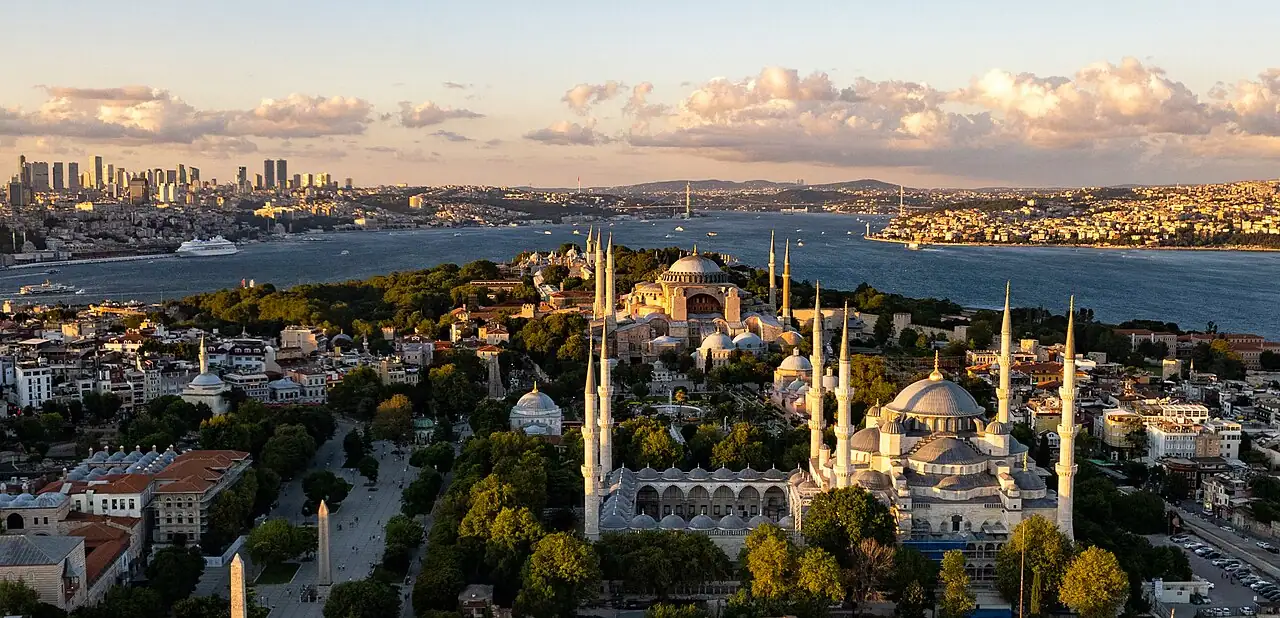
Ships dock at Galataport in Karaköy, a short tram ride across the Golden Horn from Hagia Sophia, the Blue Mosque, Topkapı Palace and the Grand Bazaar. An overnight call or a pre-cruise stay lets you add a Bosphorus boat trip and the Spice Bazaar.
- 6
Corfu’s Venetian Old Town
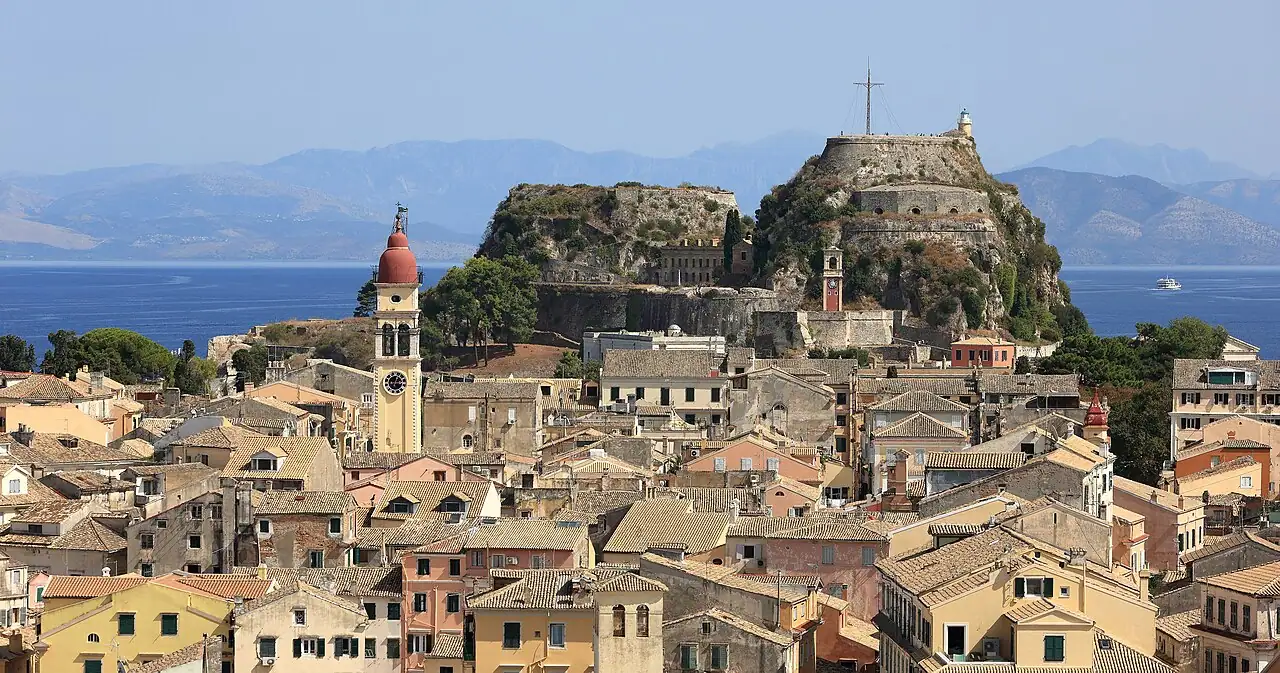
Corfu Town mixes Venetian fortresses, British-era cricket grounds and the arcaded Liston promenade, built in imitation of Paris’s Rue de Rivoli. Beyond town, the Achilleion palace and the coves of Paleokastritsa make easy half-day trips.
- 7
Ancient Olympia from Katakolon
The site of the original Olympic Games is about 30 to 40 minutes inland from the tiny port of Katakolon. You can walk through the vaulted tunnel into the stadium of the ancient Games, which began nearly 2,800 years ago, then see the temple ruins and an excellent museum in a half day.
Typical Eastern Mediterranean & Adriatic itineraries
- 1
7-night Adriatic round trip from Trieste or Ravenna
Split, Dubrovnik and Kotor, often with Corfu or a Greek island such as Santorini, then back north. A good fit if you want to combine the cruise with time in Venice, Trieste or Bologna.
- 2
7-night Venice-area to Piraeus
One-way sailings that work down the Croatian and Montenegrin coast to Corfu, Katakolon and Santorini or Mykonos before finishing in Athens. Fly open-jaw: into Venice, home from Athens.
- 3
10- to 12-night Greece and Türkiye
Round trips or one-ways between Piraeus and Istanbul calling at Kuşadası, Bodrum, Rhodes, Mykonos and Santorini, often with an overnight in Istanbul. Some add Limassol in Cyprus.
- 4
Small-ship Croatian coast
Week-long yacht and small-ship cruises between Venice or Trieste and Dubrovnik on Windstar, Ponant, Emerald and luxury lines, calling at Zadar, Šibenik, Hvar and Korčula, places too small or shallow for big ships.
Eastern Mediterranean & Adriatic ports of call
Dubrovnik
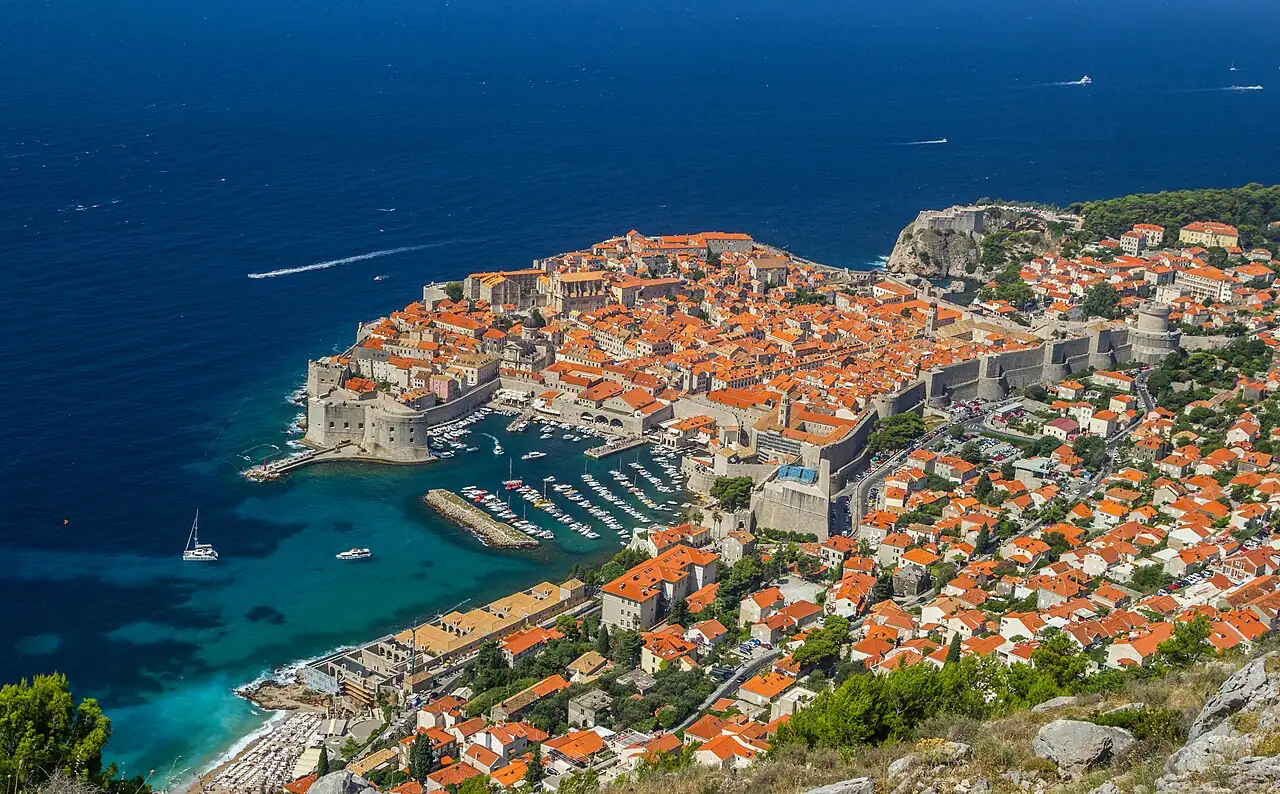
Dubrovnik is Croatia’s walled medieval city on the Adriatic, a UNESCO-listed old town of limestone streets and terracotta roofs that you can circle on top of its massive walls. Most ships dock at Gruž port, about 2 miles (3 km) from the Old Town, with buses, taxis and shuttles covering the gap. Its popularity means crowds, so timing is everything.
Kotor
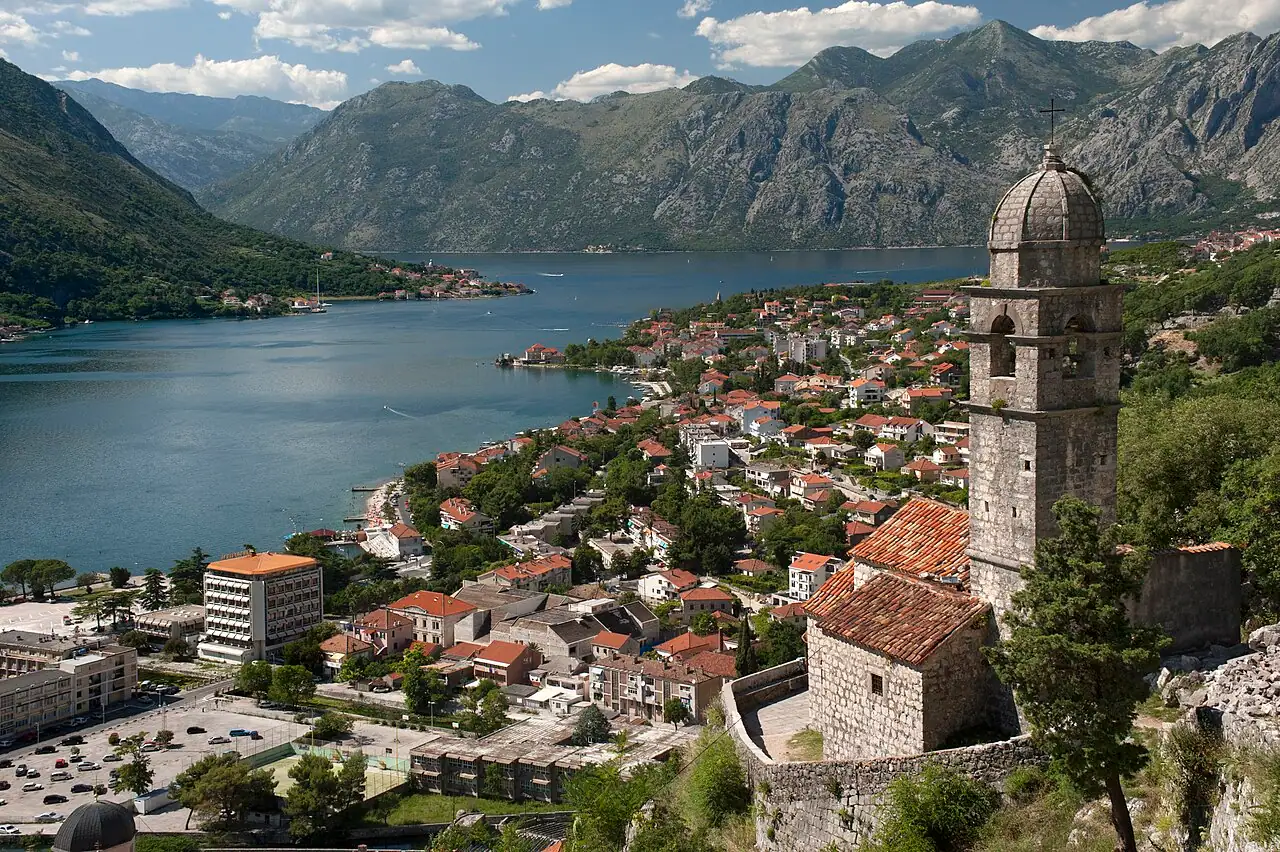
Kotor is a small walled medieval town at the far end of Montenegro’s fjord-like Bay of Kotor, and the sail in past mountains, island churches and villages is one of the finest in the Mediterranean. Ships dock or tender right beside the UNESCO-listed Old Town, whose walls zigzag up the mountain to a fortress you can climb for a famous view.

Venice
Venice is one of the world’s most famous cruise destinations, but since 2021 large cruise ships have been banned from sailing past St. Mark’s Square and through the Giudecca Canal. Smaller ships can still reach the city, while many big-ship “Venice” itineraries now dock elsewhere, such as Trieste or Ravenna, so check exactly where your ship docks.
Istanbul
Departure port
Kuşadası (for Ephesus)
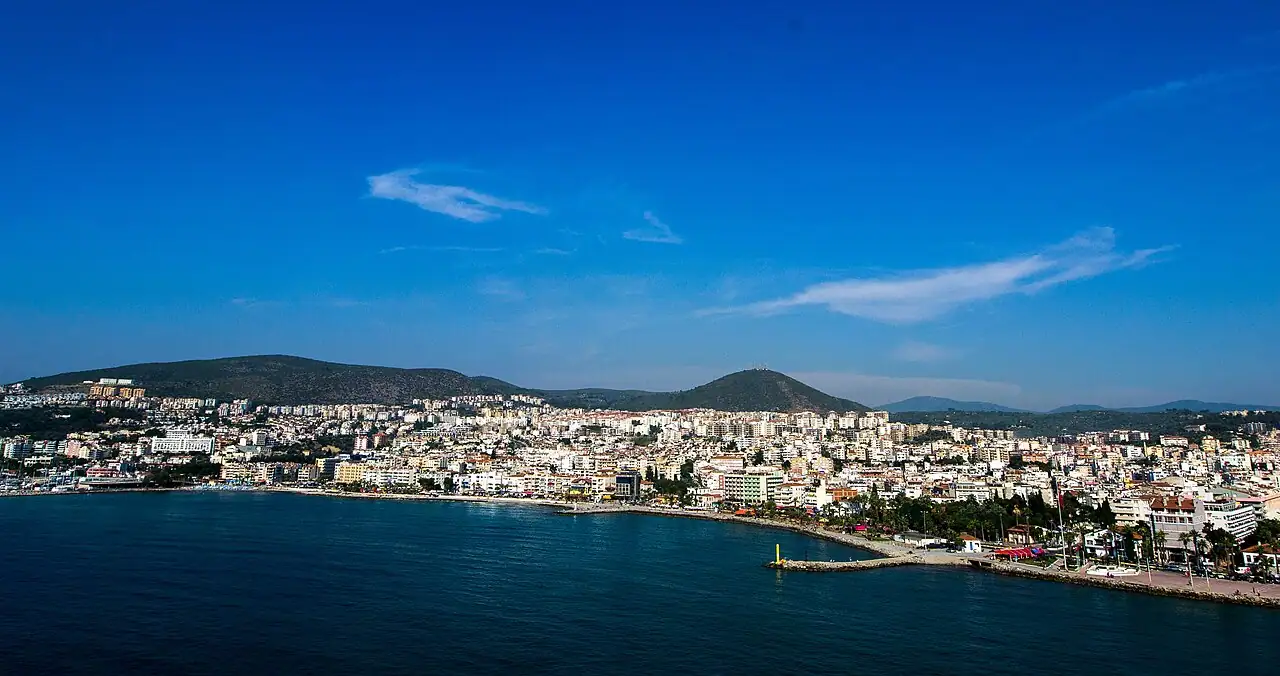
Kuşadası is a Turkish resort town on the Aegean coast whose cruise port sits right in the center, and it’s the gateway to Ephesus, one of the best-preserved ancient cities in the Mediterranean, about 12 miles (20 km) away. Most cruisers spend the morning among Ephesus’s marble streets and the Library of Celsus, then return for the bazaar and Pigeon Island.
Split
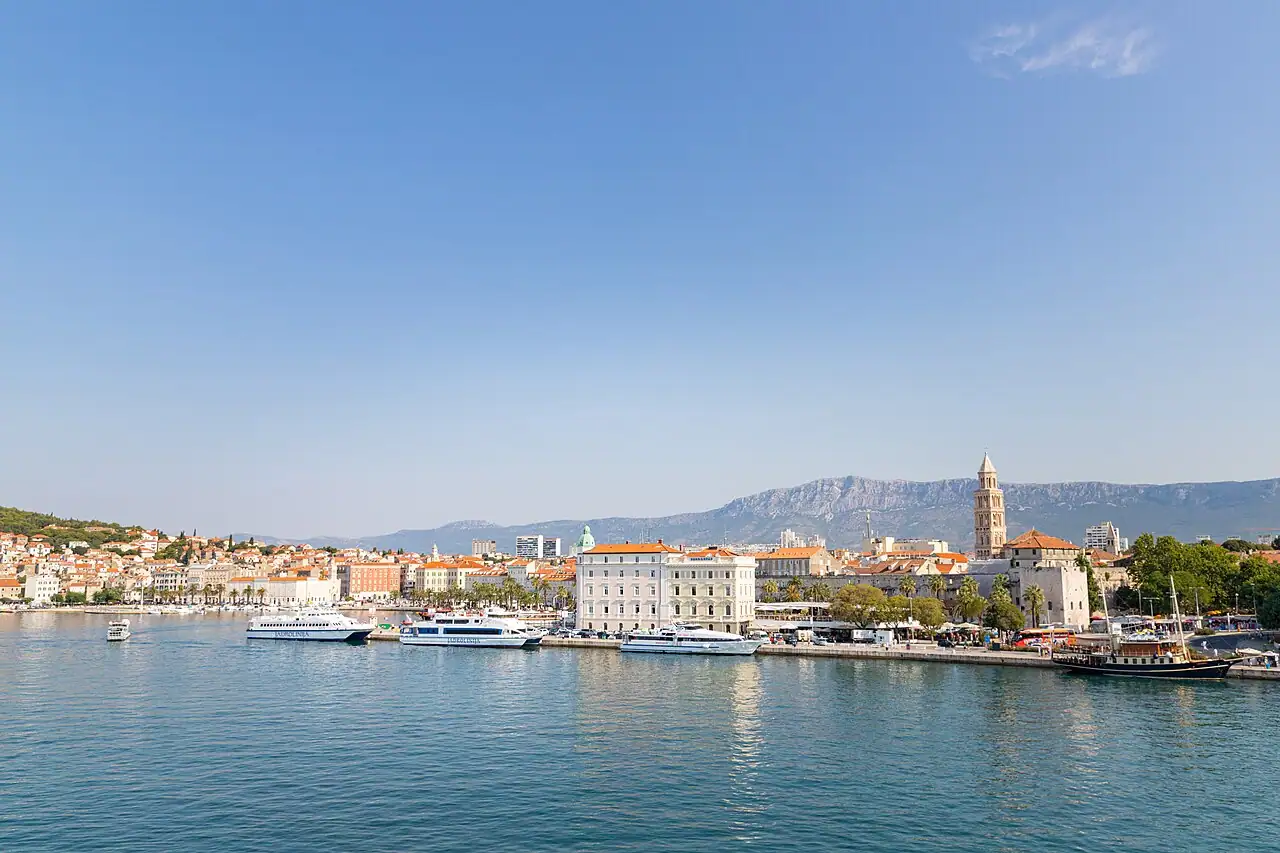
Split is Croatia’s second city, built in and around the Roman emperor Diocletian’s retirement palace, where people still live, shop and drink coffee inside 1,700-year-old walls. Ships either dock in the city harbor or anchor and tender to the waterfront, both within easy walking distance of the palace. It’s also a springboard to Trogir, Klis Fortress and the Krka waterfalls.
Corfu
Trieste
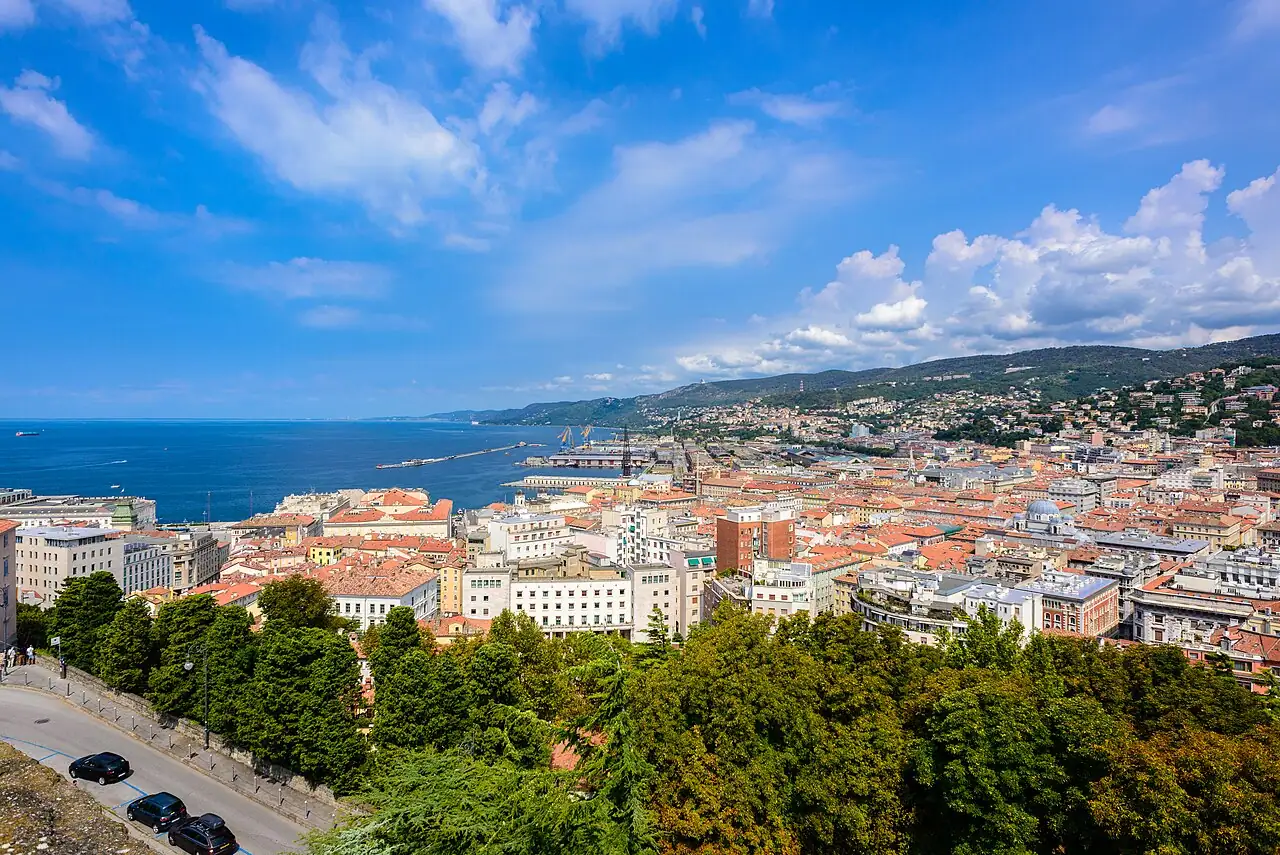
Trieste is an elegant Habsburg-era port at the top of the Adriatic where ships dock beside Piazza Unità d’Italia, one of Europe’s largest sea-facing squares. It has become a major cruise hub since big ships were barred from central Venice, and it’s a good base for Miramare Castle, Slovenia’s caves and lakes, and Venice itself, about two hours away.
Athens
Departure port
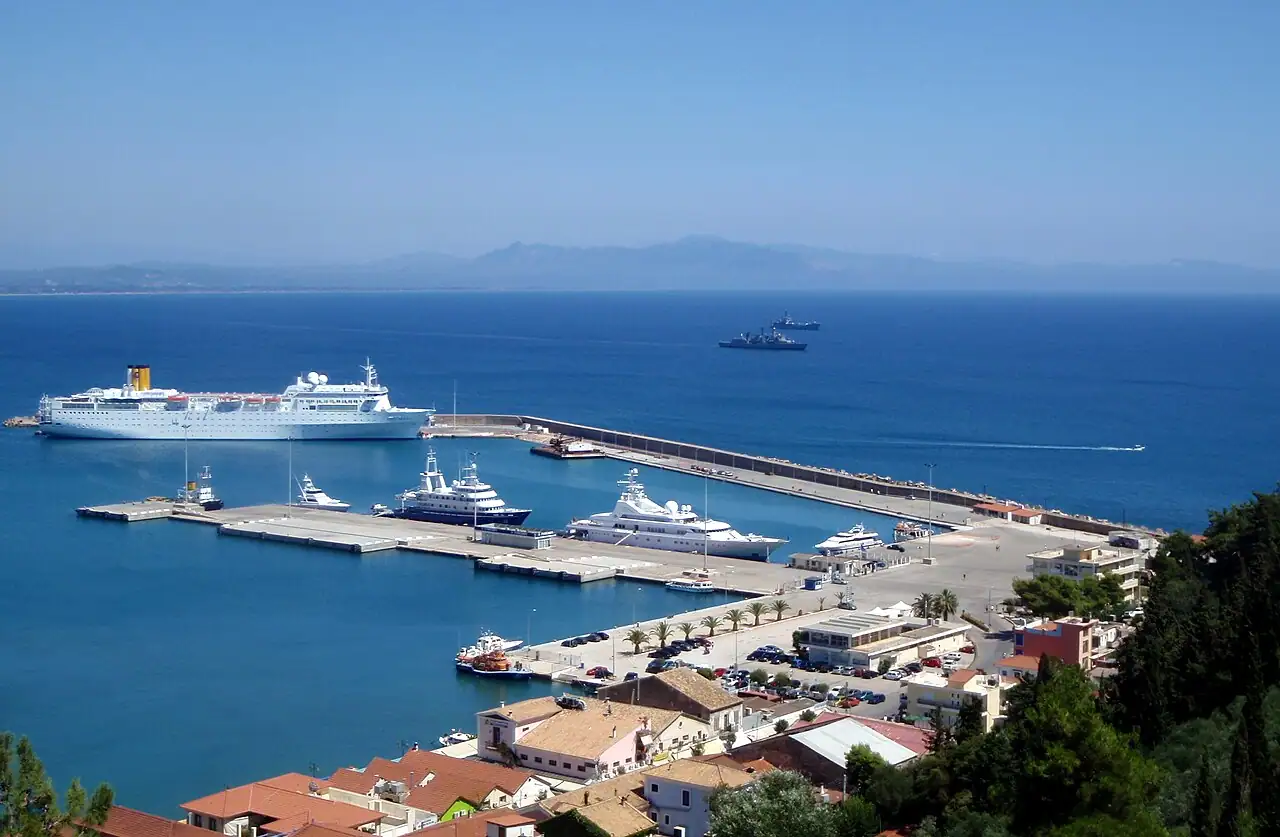
Katakolon (for Olympia)
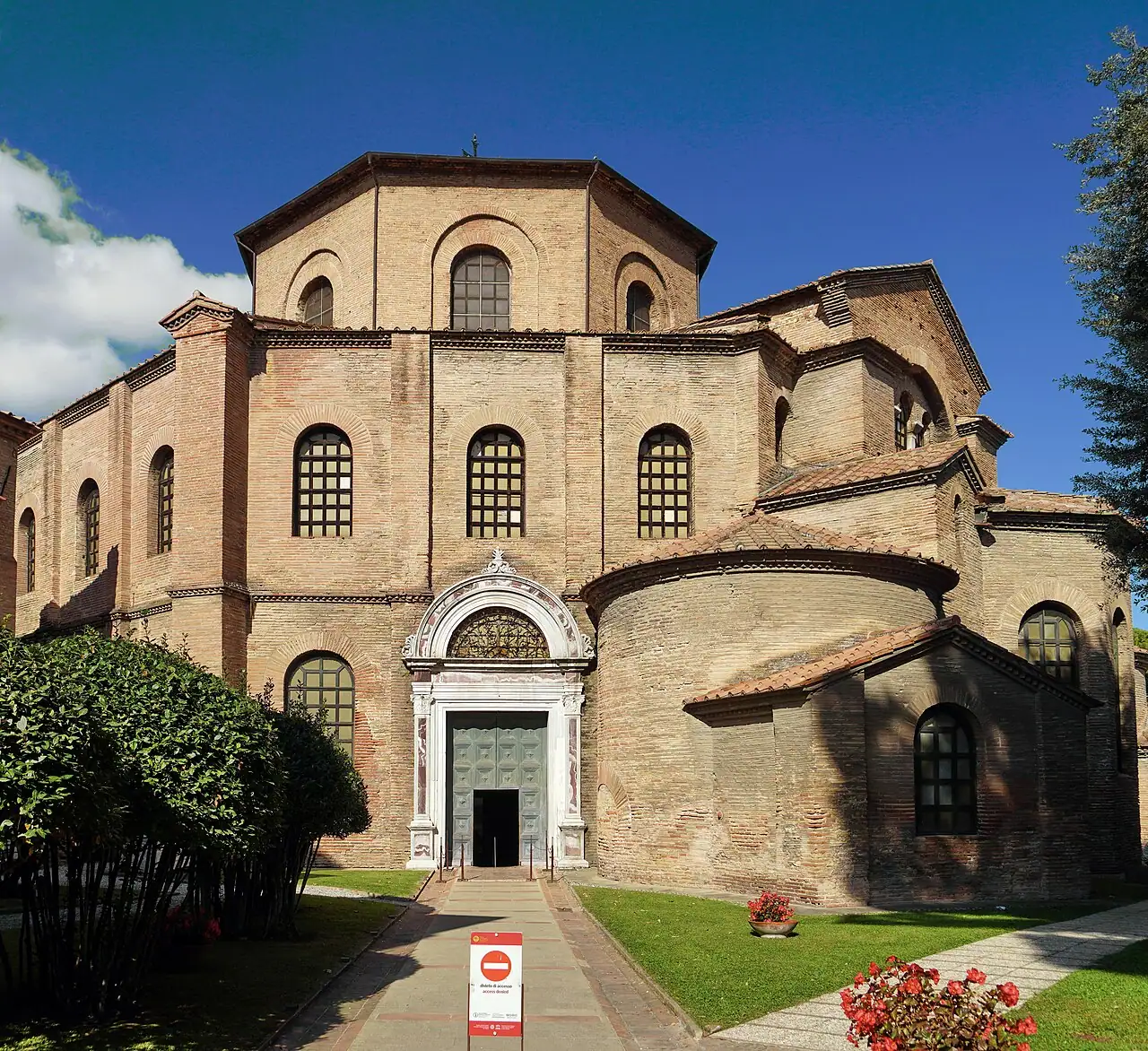
Ravenna
Ravenna is a quiet northern Italian city famous for its glittering early Christian and Byzantine mosaics, eight of whose monuments are UNESCO-listed. Ships dock at Porto Corsini, about 20–30 minutes from the center, and many big-ship “Venice” cruises now use Ravenna as a base, with Venice roughly 2.5–3 hours away by road.
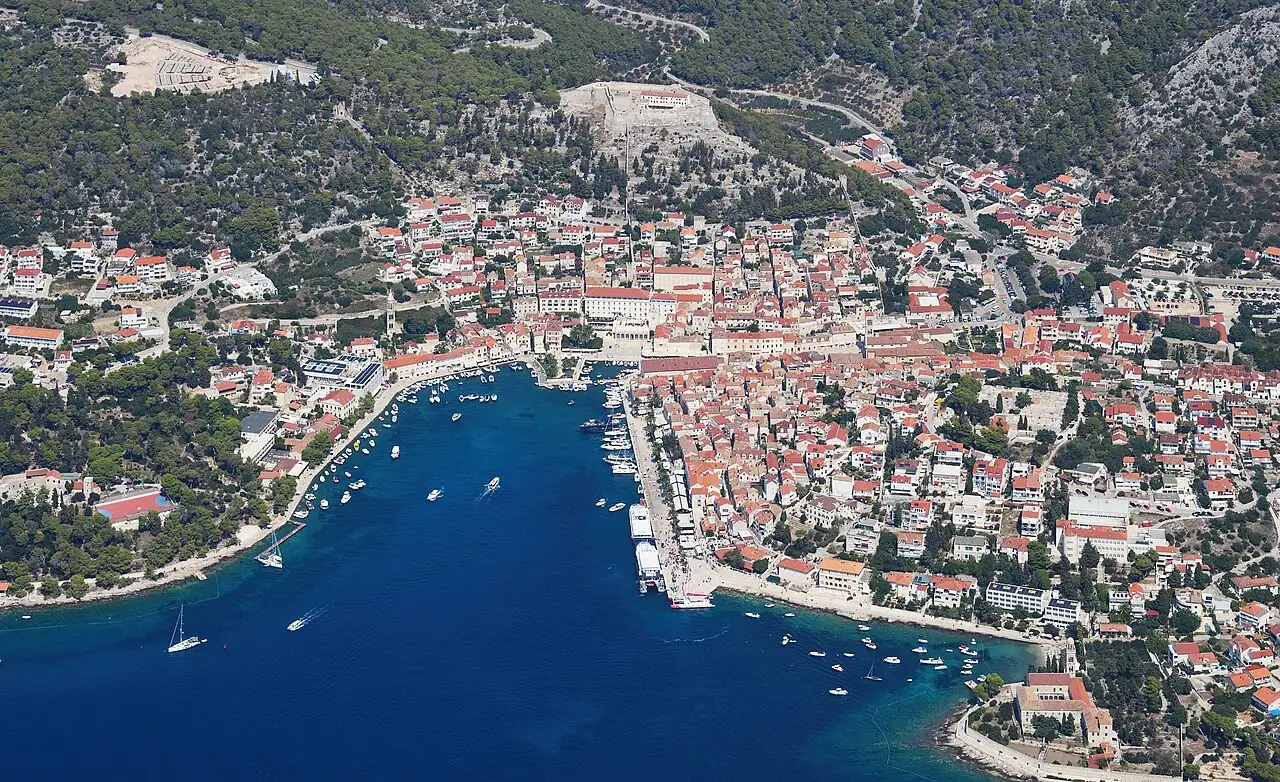
Hvar
Hvar Town is a chic little harbor on one of Croatia’s sunniest islands, mostly visited by smaller ships that anchor offshore and tender passengers to the waterfront. Its charm lies in a marble main square, a hilltop Spanish Fortress with views over the Pakleni Islands and easy boat hops to pine-fringed swimming coves.
Where Eastern Mediterranean & Adriatic cruises start
Cruise lines that sail Eastern Mediterranean & Adriatic
Eastern Mediterranean & Adriatic cruise tips
- Check where your Venice cruise really starts before you buy flights. Trieste is about two hours from Venice by train, Ravenna a bit longer with a change, and transfers sold by the cruise line are often the simplest option on embarkation day.
- Bring modest clothing for Istanbul’s mosques: covered shoulders and knees for everyone, and a scarf for women to cover their hair. Mosques close to visitors at prayer times, especially around Friday midday prayers.
- Start early at Ephesus. The site has little shade, the marble reflects the heat, and by noon in summer it’s hot and crowded. Bring water, a hat and shoes with grip for the polished stone streets.
- In Kotor, stay alert during the sail-in and plan the fortress climb for early morning or late afternoon. The steps are uneven and exposed, and the town gate area gets congested when tours return to the ships.
- Croatia, Montenegro, Slovenia, Greece and Cyprus all use the euro. Türkiye uses the lira, though euros and cards are widely accepted in tourist areas.
Eastern Mediterranean & Adriatic cruises: FAQs
Can cruise ships still dock in Venice?
Small ones can, large ones can’t. Since 2021, big cruise ships may no longer sail through the Giudecca Canal past St. Mark’s Square, so most large-ship Venice cruises now embark in Trieste, Ravenna or Monfalcone. Small luxury and expedition ships can still reach the city.
What is the best time to cruise the Adriatic?
Late May, June and September. You get warm, settled weather and swimmable seas without peak-summer crowds in Dubrovnik and Kotor. October is good value but brings more rain to the Croatian coast.
Is an Eastern Mediterranean cruise safe?
Generally, yes. Croatia, Montenegro, Greece and Türkiye’s cruise ports welcome millions of visitors without trouble, and cruise lines drop ports when security concerns arise, as they have with Israel and Egypt. Check the U.S. State Department travel advisory and watch for pickpockets in crowded old towns.
What is the difference between an Eastern and Western Mediterranean cruise?
The Western Med covers Spain, France and Italy’s big cities, often with long transfers inland. The Eastern Med and Adriatic focus on Croatia, Montenegro, Greece and Türkiye, with compact walled towns, ancient sites and islands that are mostly walkable from the pier.
Do I need a passport for an Eastern Mediterranean cruise?
Yes. Bring a passport with at least six months of validity left, which is what most lines ask for on this route. Türkiye sets its own entry rules separate from the EU’s, so check current requirements for your nationality before you sail.
Which cruise line is best for the Adriatic and Eastern Med?
For big-ship variety, MSC, Royal Caribbean, Celebrity and Norwegian sail here every summer. Celestyal specializes in Greece and Türkiye. For small Croatian harbors such as Hvar and Korčula, look at Windstar, Ponant, Emerald’s yachts, Seabourn or Silversea.
Updated November 2026 by the BookMyDreamCruise editorial team. How we research and fact-check.
Sources: Wikidata, NASA POWER climate data.