Europe & the Mediterranean
Canary Islands & Atlantic Isles cruises
Canary Islands cruises explore Spain’s volcanic archipelago off northwest Africa, usually with Madeira, Morocco and sometimes the Azores, and they run year-round thanks to mild, spring-like weather. Most are 7-night round trips from Tenerife or Gran Canaria, or 12- to 14-night voyages from Southampton or Lisbon. October to April is peak season for winter sun, and many spring and fall transatlantic crossings stop here too.
- Season: Year-round; peak October to April for winter sun; the Azores mainly May to October
- Typical length: 7 nights from the islands; 12–14 nights from Southampton; stops on transatlantic crossings
- Season
- Year-round; peak October to April for winter sun; the Azores mainly May to October
- Typical length
- 7 nights from the islands; 12–14 nights from Southampton; stops on transatlantic crossings
- Best months
- Jan, Feb, Mar, Oct, Nov, Dec
- Main departure ports
- Southampton (London), Lisbon, Barcelona
- Ports covered here
- 8
- Cruise lines
- 14 lines sail here
What a Canary Islands & Atlantic Isles cruise is like
Known as the islands of eternal spring, the Canaries lie far enough south that winter days are warm and summer rarely scorches. Each island has its own character: Tenerife has Mount Teide, Spain’s highest peak; Lanzarote has black lava fields and the architecture of César Manrique; Gran Canaria has dunes and an old colonial quarter; and La Palma has pine forests, observatories and fresh lava from its 2021 eruption. Madeira, Portuguese and greener still, is a garden island of cliffs and terraced vines.
North Americans usually meet this region in one of two ways. The first is as a stop on a transatlantic crossing: ships repositioning between Florida and Europe each spring and fall often call at Funchal, Tenerife or the Azores, breaking up a string of sea days. The second is a dedicated winter-sun cruise, a market led by British and German lines such as P&O Cruises, Fred. Olsen, Marella and AIDA, alongside MSC and Costa. Expect a mostly European passenger mix, with onboard style geared to those tastes.
It’s a great pick for walkers, volcano and landscape lovers, gardeners and anyone who wants mild sunshine when the Mediterranean is cool and gray. It’s less suited to cruisers expecting Caribbean-style swimming: the Atlantic here stays fresh, roughly 66–75°F (19–24°C) through the year, and voyages from the UK cross the often lumpy Bay of Biscay.
Best time to cruise Canary Islands & Atlantic Isles
- Jan: Best time to go
- Feb: Best time to go
- Mar: Best time to go
- Apr: Good time to go
- May: Good time to go
- Jun: Shoulder season
- Jul: Shoulder season
- Aug: Shoulder season
- Sep: Good time to go
- Oct: Best time to go
- Nov: Best time to go
- Dec: Best time to go
- No regular sailings
- Shoulder season
- Good time to go
- Best time to go
JanuaryBest time to go
Peak winter-sun season. Highs sit around 70°F (21°C) on Tenerife and Gran Canaria, nights are cool, and snow sometimes dusts the summit of Teide. Island-based ships run weekly loops full of Europeans escaping gray skies at home. The Atlantic is at its coolest, about 66°F (19°C), so it’s a month for walks and drives more than swims.
FebruaryBest time to go
Carnival month in most years. Santa Cruz de Tenerife and Las Palmas stage two of Europe’s biggest street carnivals, with costume parades and all-night parties, timed by the date of Easter. Almond trees blossom in Tenerife’s and Gran Canaria’s hills. Occasional calima days bring Saharan dust and a hazy, warm sky.
MarchBest time to go
Warm sun and longer days make March one of the best months for sightseeing. Madeira’s gardens start their spring bloom, and the first eastbound transatlantic crossings from Florida arrive late in the month, calling at Funchal or Tenerife on their way to the Mediterranean. Easter holidays can lift fares on island-based sailings.
AprilGood time to go
Madeira’s Flower Festival fills Funchal with blossom floats and a wall of flowers in spring, usually late April or May. Transatlantic stops peak, while many winter-based ships leave for the Mediterranean or Northern Europe. Blue and fin whales pass the Azores on spring migration, a big draw on Ponta Delgada calls.
MayGood time to go
Shoulder season, with fewer ships but excellent weather: highs in the low-to-mid 70s °F (23–24°C), clear skies and long evenings. The Azores begin their main season, still fresh and showery but green. Fares on the remaining Canary sailings drop once Northern European schools are back in session after Easter.
JuneShoulder season
Summer is the quietest time for cruising here, since most European lines send ships north. Trade winds pile low cloud against the northern slopes of Tenerife and Gran Canaria while the southern coasts bake. The Azores’ hydrangeas start blooming along the roadsides, and bonfires light Canarian beaches on the eve of San Juan (June 23).
JulyShoulder season
Limited cruise choice, but the Azores are at their best: warm, green and good for whale watching. In the Canaries, highs reach the upper 70s to low 80s °F (25–28°C) and Spanish holidaymakers fill the beaches. Some Northern Europe and transatlantic itineraries call at Ponta Delgada or Funchal in summer.
AugustShoulder season
The hottest month, with highs in the low 80s °F (27–28°C) and the odd heat wave when Saharan air drifts over. The sea warms to the low 70s °F (22–23°C). Funchal celebrates the Assumption on August 15 with pilgrims climbing to Monte’s church, and grape harvests begin in Lanzarote’s volcanic vineyards.
SeptemberGood time to go
The sea is at its warmest, around 75°F (24°C), and the Madeira Wine Festival celebrates the harvest in Funchal in late summer. Winter-sun ships start returning late in the month, and Azores calls continue on westbound transatlantic routes. Crowds are light and the weather is reliably sunny.
OctoberBest time to go
The winter-sun season restarts in earnest. Westbound transatlantic crossings from Barcelona and Southampton begin stopping at Funchal and Tenerife, the sea is still warm enough for a swim, and highs stay in the mid-70s °F (24°C). The last Azores calls of the year bring a greater chance of Atlantic swells and rain.
NovemberBest time to go
Transatlantic crossings toward the Caribbean peak in early November, often with two or three island stops. Island-based loops are in full swing, though the first winter rains reach the northern slopes and an Atlantic storm occasionally rearranges a port day. Early-month departures are often good value.
DecemberBest time to go
Christmas lights wrap Funchal’s streets, and New Year’s Eve brings one of Europe’s most celebrated fireworks displays over its amphitheater-shaped bay, with cruise ships staying in or just off the harbor to watch. Those sailings sell out far ahead. The rest of the month is warm, festive and busy with European families.
Average weather across Canary Islands & Atlantic Isles ports
| Month | Jan | Feb | Mar | Apr | May | Jun | Jul | Aug | Sep | Oct | Nov | Dec |
|---|---|---|---|---|---|---|---|---|---|---|---|---|
| High °F (°C) | 6418 | 6418 | 6518 | 6720 | 7021 | 7323 | 7624 | 7725 | 7625 | 7423 | 6921 | 6619 |
| Low °F (°C) | 5815 | 5814 | 5815 | 6016 | 6317 | 6619 | 6920 | 7021 | 6921 | 6820 | 6418 | 6116 |
| Rain in (mm) | 1.537 | 1.332 | 1.434 | 0.822 | 0.821 | 0.616 | 0.49 | 0.513 | 1.026 | 1.640 | 1.641 | 1.744 |
| Daylight (hrs) | 10 | 11 | 12 | 13 | 14 | 15 | 14 | 13 | 12 | 11 | 10 | 10 |
Canary Islands & Atlantic Isles cruise highlights
- 1
Mount Teide National Park, Tenerife
A drive of an hour or more from Santa Cruz climbs through pine forest to a moonscape of lava flows and colored rock, with Teide’s 12,198-foot (3,718 m) cone above. A cable car runs most of the way up; the final summit path needs a free permit reserved well ahead. Bring a jacket, since it’s much colder up top.
- 2
Timanfaya and César Manrique’s Lanzarote
In Timanfaya’s Fire Mountains, rangers pour water into the ground and it erupts as steam, and a restaurant grills over volcanic heat. Manrique, the island’s artist-architect, turned a lava tube into the Jameos del Agua grotto and a clifftop into the Mirador del Río. Vines in La Geria grow in sheltered pits of black ash.
- 3
Funchal and Monte, Madeira
Ride the cable car up to Monte, wander the Monte Palace Tropical Garden, then come down the traditional way: in a wicker toboggan steered by two men in straw boaters. Back in town, the Mercado dos Lavradores sells exotic fruit, and wine lodges pour Madeira’s fortified wines.
- 4
Sete Cidades and Furnas in the Azores
From Ponta Delgada on São Miguel, tours visit the twin crater lakes of Sete Cidades and the steaming valley of Furnas, where cozido stew is slow-cooked in the volcanic ground. The island also grows tea, a rarity in Europe, and its waters are rich in whales and dolphins.
- 5
Vegueta in Las Palmas, Gran Canaria
The cobbled old quarter of Vegueta holds the Cathedral of Santa Ana and the Casa de Colón, a museum on Columbus, who stopped here on his first voyage. Las Canteras, a long city beach sheltered by a reef, is a short taxi ride away, and the Maspalomas dunes are about 45 minutes south.
- 6
Casablanca’s Hassan II Mosque
Built partly over the Atlantic, this enormous mosque is one of the few in Morocco that non-Muslims can enter, on guided tours. Casablanca is also the jumping-off point for Rabat, about an hour away, or a very long round trip to Marrakech.
Typical Canary Islands & Atlantic Isles itineraries
- 1
7-night Canaries round trip from Tenerife or Gran Canaria
Winter loops on MSC, AIDA, Marella and Costa that visit Lanzarote, Fuerteventura, La Palma and Funchal, sometimes adding Agadir in Morocco. Fly in via Madrid or a European hub.
- 2
12- to 14-night Canaries and Madeira from Southampton
Round trips on P&O Cruises, Fred. Olsen, Cunard, Princess and Saga, with Lisbon or Vigo on the way and three or four island calls. Expect several sea days crossing the Bay of Biscay.
- 3
Transatlantic crossing with Atlantic island stops
Spring and fall repositioning voyages of 12 to 16 nights between Florida and Barcelona, Rome or Southampton that call at Ponta Delgada, Funchal or Tenerife. The best way to sample the islands without flying to Europe first.
- 4
Atlantic Isles and Morocco from Lisbon or Barcelona
Seven- to 10-night sailings combining Casablanca or Tangier with Funchal and two or three Canary Islands, often with Cádiz or Málaga in southern Spain.
Canary Islands & Atlantic Isles ports of call
Tenerife
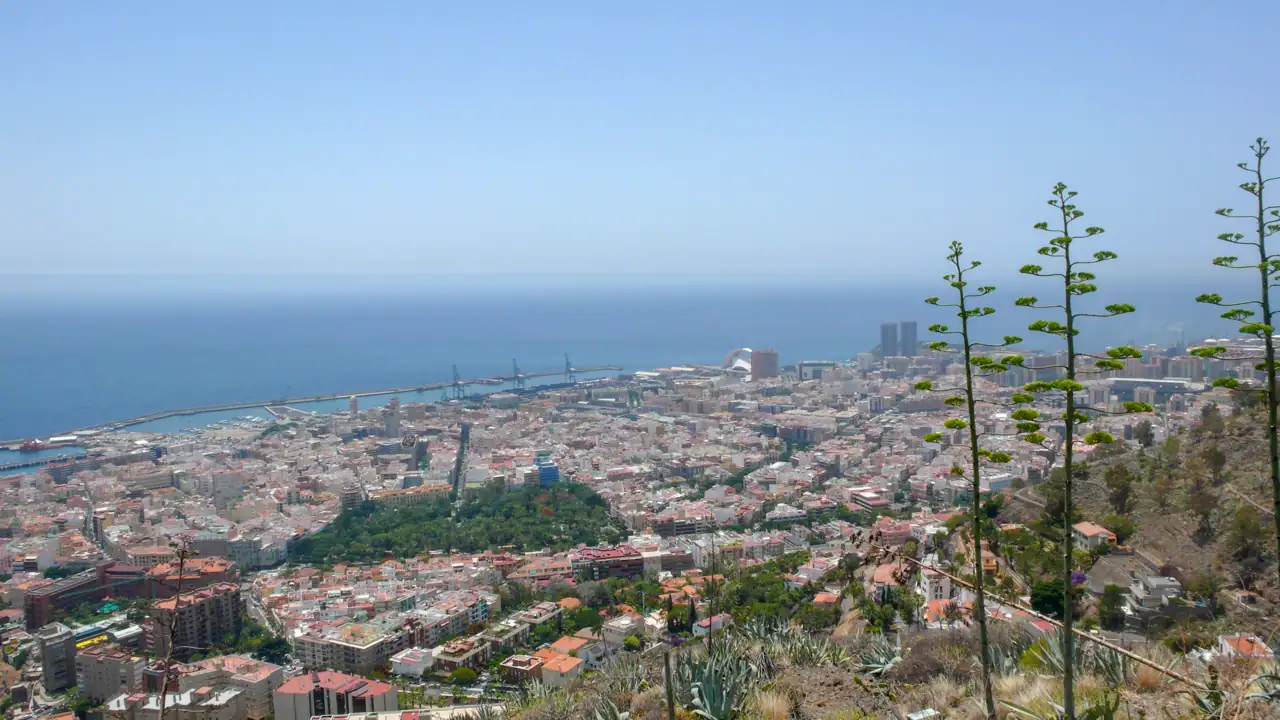
Tenerife is the largest Canary Island, and ships dock at Santa Cruz, a walkable capital with a market, a striking auditorium and a sandy beach nearby. The big draw is Mount Teide, Spain’s highest peak, in a lunar national park about an hour’s drive away, while the UNESCO-listed old town of La Laguna is a short tram ride from the port.
Gran Canaria (Las Palmas)
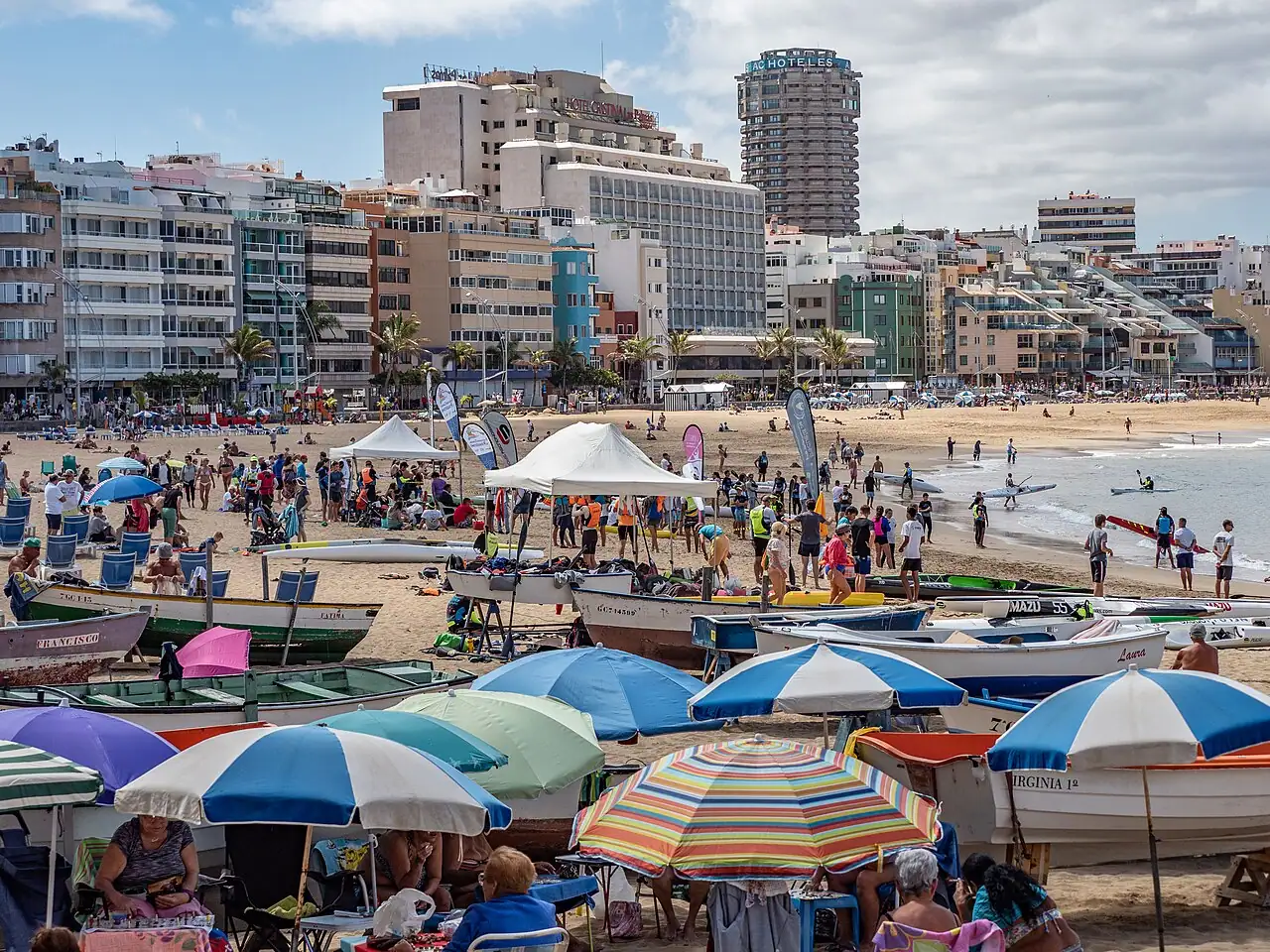
Gran Canaria’s cruise port is Las Palmas, the Canaries’ largest city, where ships dock a short walk from Las Canteras, one of Europe’s best urban beaches. You can explore the historic Vegueta quarter, where Columbus is said to have stopped in 1492, or head inland to mountain villages and volcanic peaks, or south to the Maspalomas dunes.
Funchal, Madeira
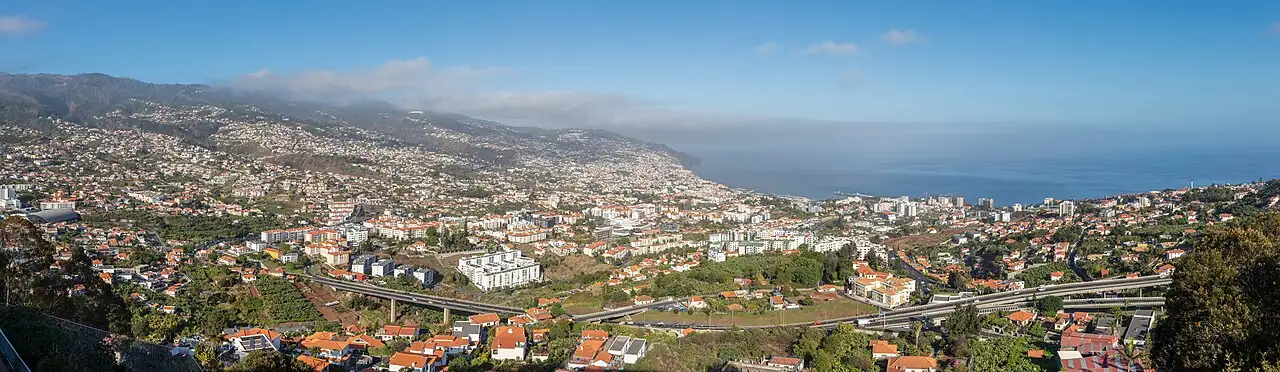
Funchal, the capital of Portugal’s Madeira, is a flower-filled port city where ships dock a short walk from the center. Ride the cable car to Monte, race back down in a wicker toboggan, taste Madeira wine and browse the colorful Mercado dos Lavradores, or venture out to levada trails, sea cliffs and mountain viewpoints.
Lanzarote (Arrecife)
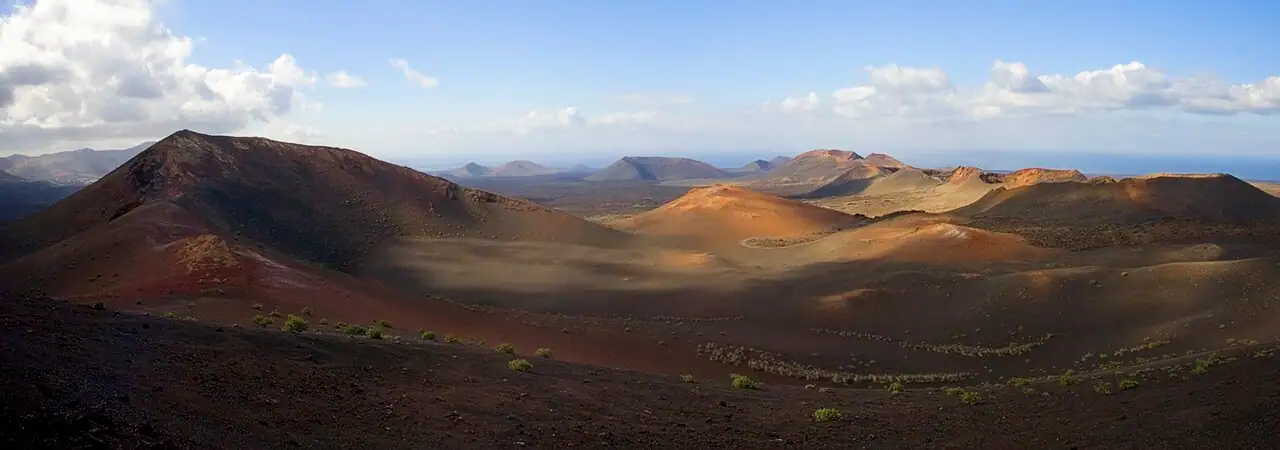
Lanzarote is a volcanic Canary Island of black lava fields and whitewashed villages, and ships dock at Arrecife, the capital, a short shuttle ride from town. The highlights are Timanfaya National Park’s Fire Mountains and the inventive lava-cave creations of artist César Manrique, such as Jameos del Agua, all within about 30–40 minutes.
La Palma
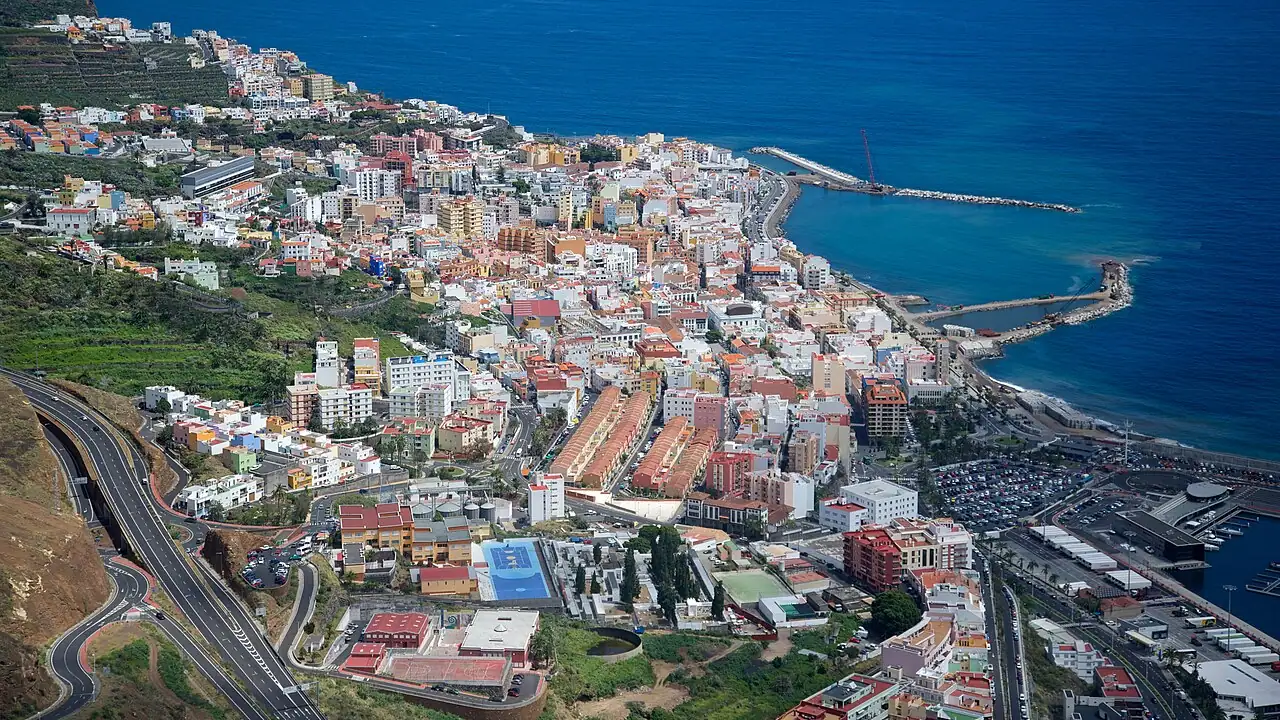
La Palma, the green and mountainous “Isla Bonita” of the Canaries, welcomes ships right beside Santa Cruz de La Palma, a small colonial capital of wooden balconies and cobbled streets. Beyond town lie a giant volcanic caldera, laurel forests, a world-famous observatory and the lava fields left by the 2021 eruption.
Fuerteventura
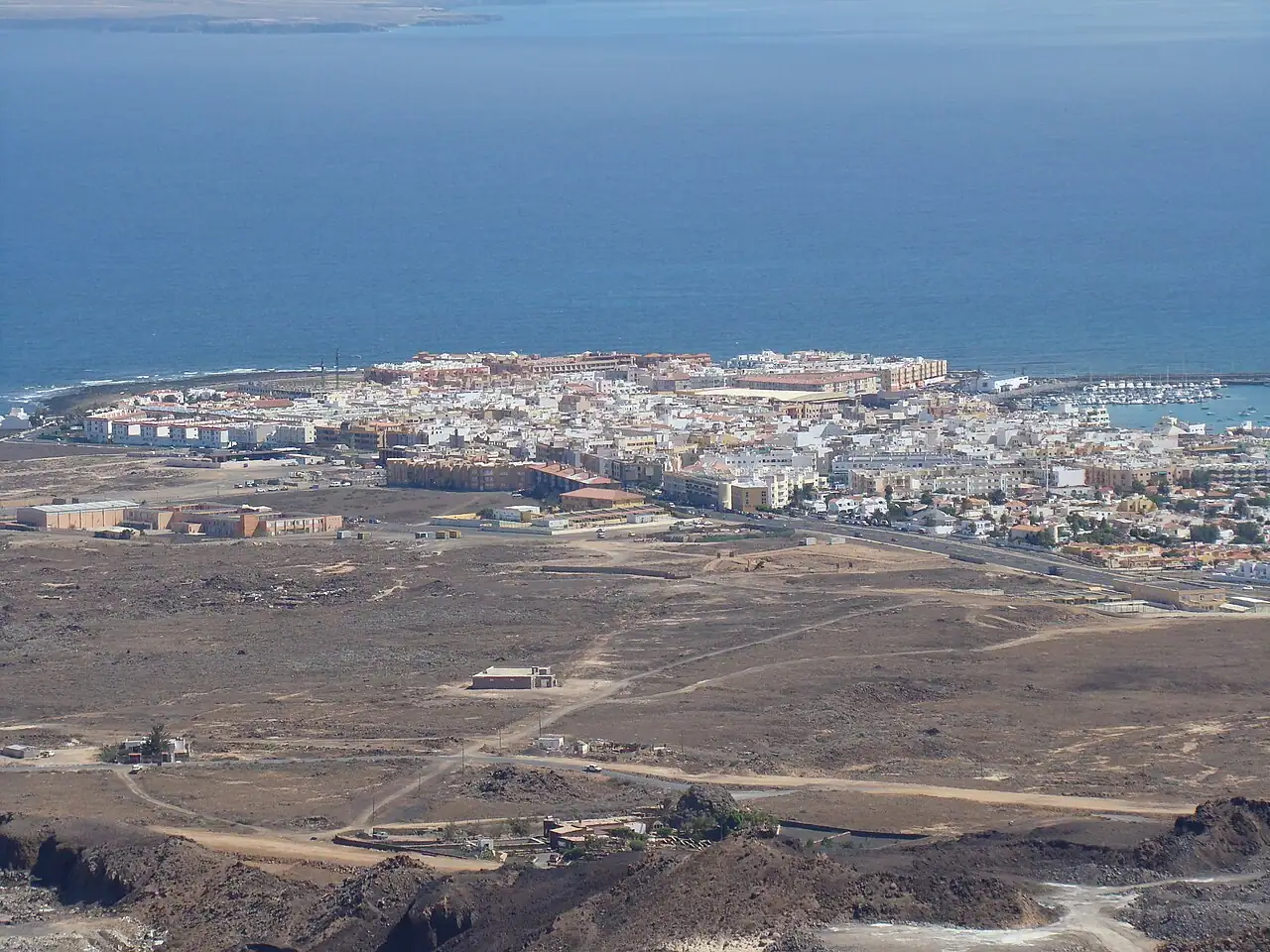
Fuerteventura is the Canary Island of endless beaches and wind-sculpted dunes, and ships dock at Puerto del Rosario, the small, low-key capital. Most cruisers head north to the Corralejo dunes and the protected islet of Lobos, or inland to the historic village of Betancuria, as the island’s best scenery lies outside town.
Ponta Delgada, Azores
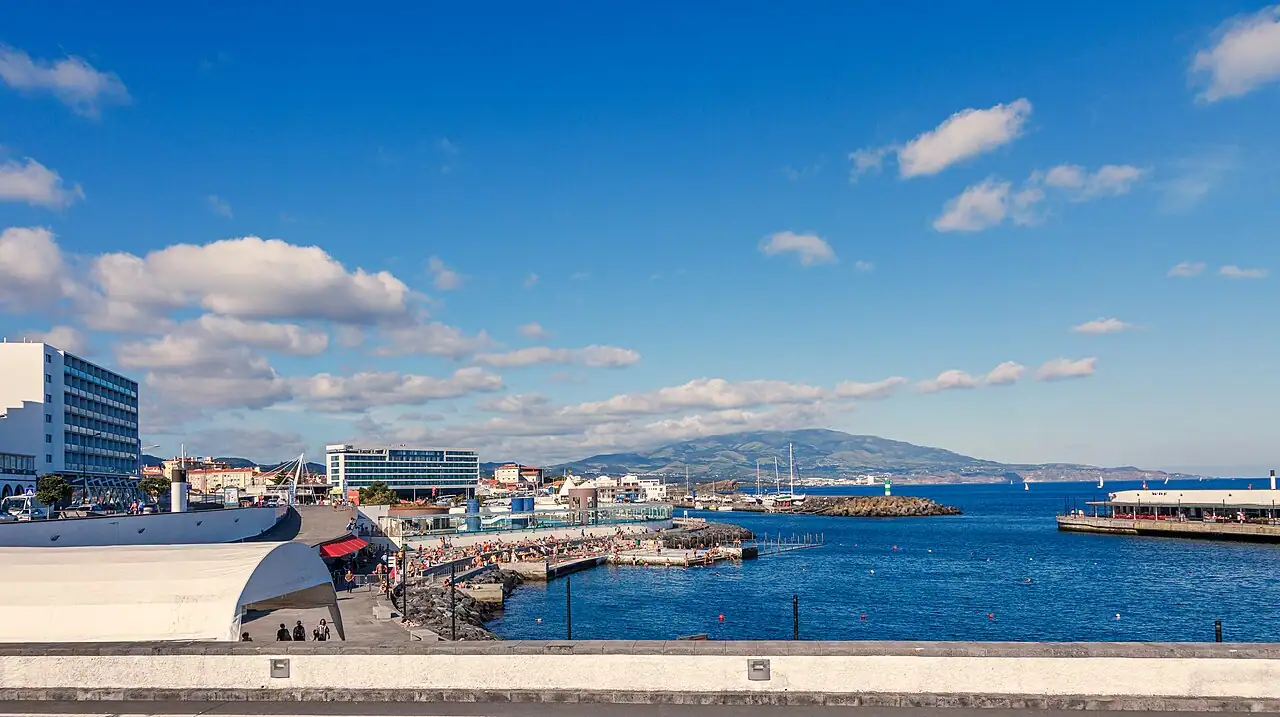
Ponta Delgada, on São Miguel in Portugal’s Azores, is a mid-Atlantic port where ships dock right on the city waterfront. It’s a gateway to volcanic crater lakes at Sete Cidades, the hot springs and geothermal cooking of Furnas, Europe’s rare tea plantations and some of the world’s best whale watching.
Casablanca
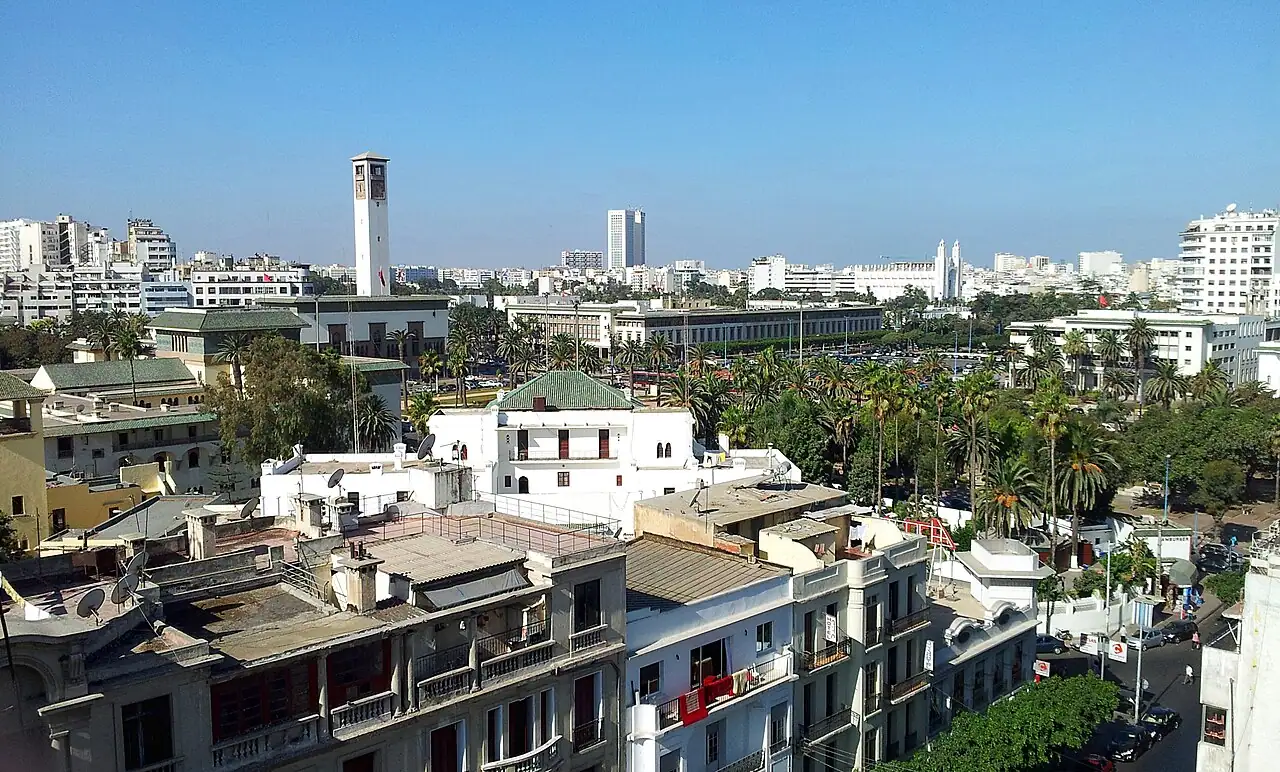
Casablanca is Morocco’s largest city and economic hub, and its port sits close to the old medina and a short taxi ride from the Hassan II Mosque, one of the largest mosques in the world. It’s a modern, sprawling city rather than a romantic one, so many cruisers pair the mosque with an excursion to Rabat, about an hour away, or a very long day in Marrakech.
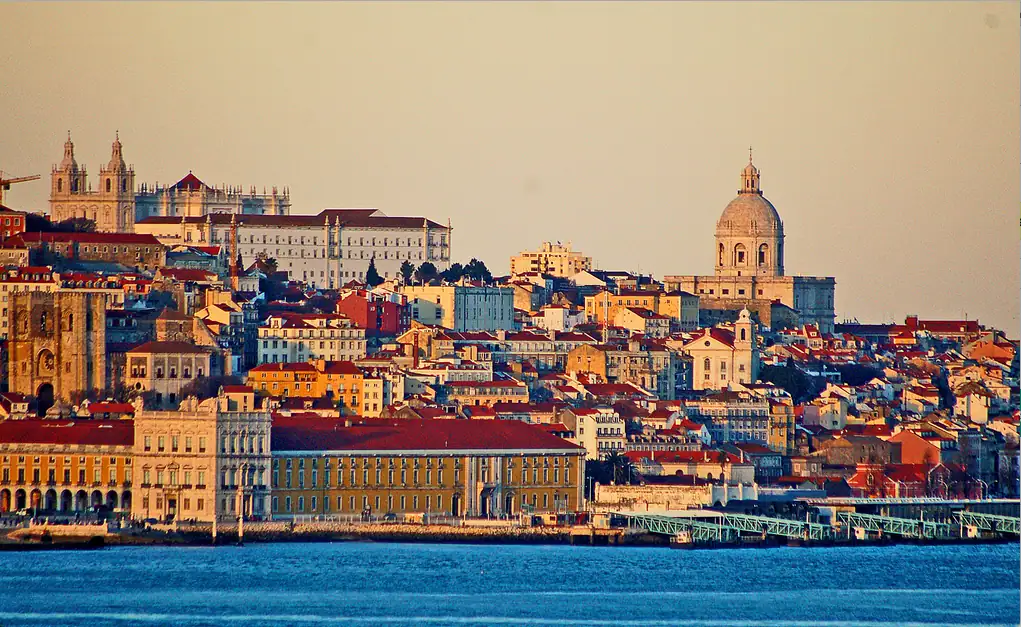
Lisbon
Departure port
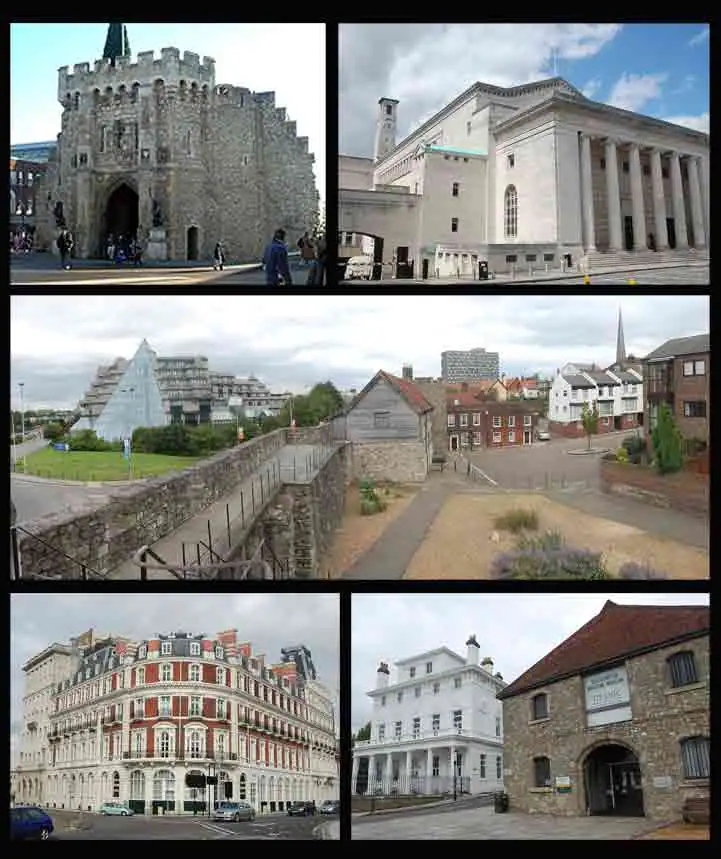
Southampton (London)
Departure port
Where Canary Islands & Atlantic Isles cruises start
Cruise lines that sail Canary Islands & Atlantic Isles
Canary Islands & Atlantic Isles cruise tips
- If you’re prone to seasickness, consider flying to the islands for a round trip from Tenerife or Gran Canaria instead of sailing from Southampton, which means two crossings of the Bay of Biscay, notorious for swells in winter.
- Pack a warm layer for Teide and Madeira’s mountain viewpoints. Temperatures at the cable car base, above 7,000 feet (2,300 m), can be 30°F (17°C) colder than on the coast.
- Check the onboard language and style before you choose a line. AIDA is German-speaking, and Marella, P&O Cruises and Fred. Olsen are British in style, with British food, entertainment and onboard currency.
- In Morocco, dress modestly, agree on taxi fares before you set off and expect persistent sellers in the medinas. The Moroccan dirham is a closed currency that’s hard to exchange elsewhere, so spend or change it before reboarding.
- Carry euros for the Canaries, Madeira and the Azores. Cards are widely accepted, but small cafés and market stalls may prefer cash.
Canary Islands & Atlantic Isles cruises: FAQs
When is the best time to cruise the Canary Islands?
October to April. That’s the main season, with highs around 70–75°F (21–24°C) when much of Europe is cold. The islands are warm year-round, but fewer ships sail here in summer, when most lines move to the Mediterranean and Northern Europe.
Are the Canary Islands warm in winter?
Yes, mild rather than hot. Winter highs are usually around 68–72°F (20–22°C) on the coasts, with cooler evenings. The sea is about 66°F (19°C), refreshing rather than balmy, and the mountains can be cold and even snowy.
Can you cruise to the Canary Islands from the US?
Yes, on a transatlantic crossing. Ships repositioning between Florida and Europe each spring and fall often stop at Tenerife, Funchal or the Azores. Otherwise, fly to Europe and join a cruise from Tenerife, Gran Canaria, Lisbon, Barcelona or Southampton.
Do I need a passport for a Canary Islands cruise?
Yes. The Canaries are part of Spain, and Madeira and the Azores are part of Portugal, so EU entry rules apply. US and Canadian citizens can visit Morocco without a visa for short stays, but still need a valid passport.
Which Canary Island is best on a cruise?
Tenerife for Mount Teide and the old town of La Laguna, Lanzarote for volcanic landscapes and César Manrique’s art, and Gran Canaria for a city stroll and beach. Madeira, though not a Canary Island, is often the favorite stop on these cruises for its gardens and toboggan ride.
Which cruise lines sail to the Canary Islands?
In winter, MSC, AIDA, Marella and Costa base ships in the islands, while P&O Cruises, Fred. Olsen, Saga, Cunard and Princess sail there from Southampton. Celebrity, Holland America, Viking, Oceania and Azamara call on transatlantic and longer European voyages.
Updated November 2026 by the BookMyDreamCruise editorial team. How we research and fact-check.
Sources: Wikidata, NASA POWER climate data.