Europe & the Mediterranean
Baltic Sea cruises
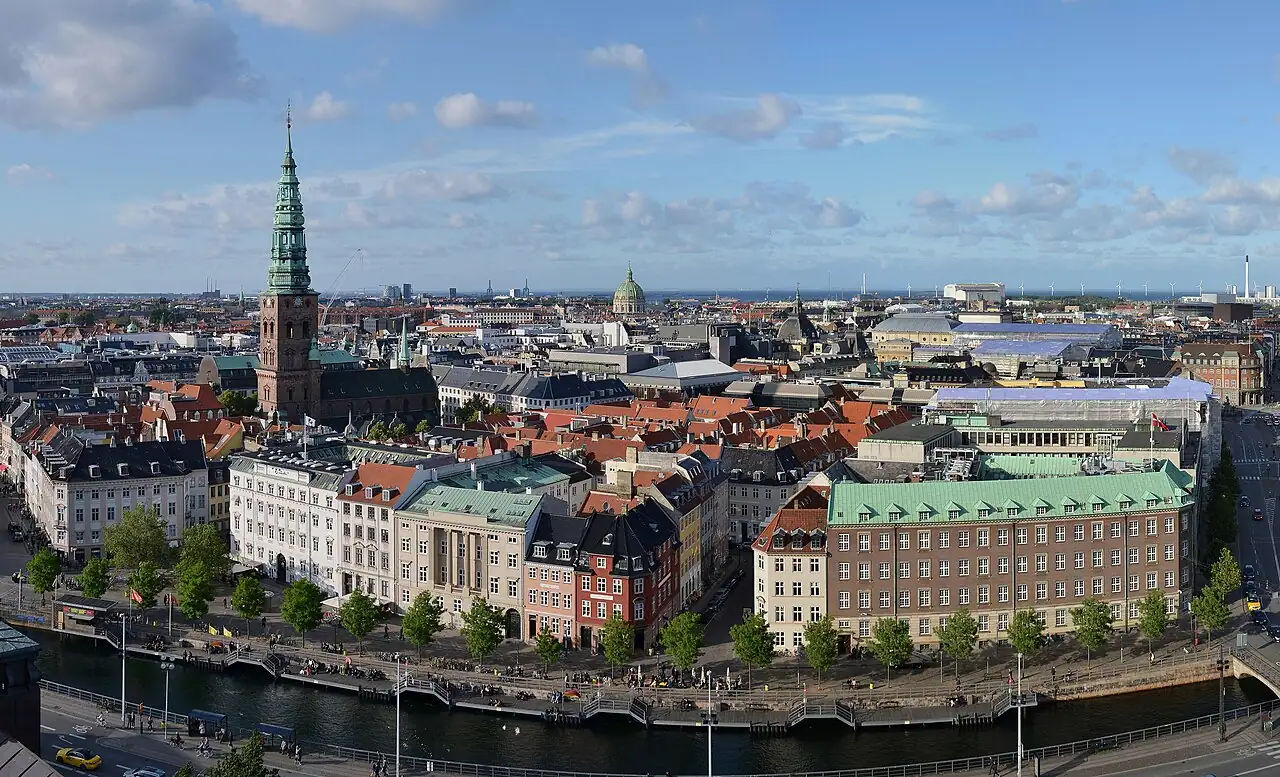
Baltic cruises visit the capitals and old Hanseatic ports around the Baltic Sea, typically Copenhagen, Stockholm, Helsinki, Tallinn and Riga, plus Berlin via Warnemünde and Gdańsk in Poland. Sailings run from May to September, usually 9 to 12 nights from Copenhagen, Kiel or Southampton. Since cruise lines stopped calling at St. Petersburg in 2022, itineraries spend longer in Scandinavia and the Baltic states. June to August brings the warmest weather and the famous white nights.
- Season: May to September; peak in June, July and August
- Typical length: 9 to 12 nights; 7-night versions from Kiel, Copenhagen or Stockholm
Photo: Pudelek, CC BY-SA 4.0, via Wikimedia Commons
- Season
- May to September; peak in June, July and August
- Typical length
- 9 to 12 nights; 7-night versions from Kiel, Copenhagen or Stockholm
- Best months
- Jun, Jul, Aug
- Main departure ports
- Copenhagen, Kiel, Southampton (London)
- Ports covered here
- 11
- Cruise lines
- 19 lines sail here
What a Baltic Sea cruise is like
The Baltic is Europe’s city cruise. Nearly every stop is a capital or a historic trading port, and many are walkable from the pier: Tallinn’s medieval walls, Riga’s Art Nouveau boulevards, Helsinki’s waterfront market square and Copenhagen’s canals. Days are long, distances between ports are short and the sea is usually gentler than the open North Sea, though it can still turn choppy in a blow.
For decades, St. Petersburg was the centerpiece, often with a two- or three-day stay. Cruise lines dropped it in 2022 after Russia invaded Ukraine, and itineraries were rebuilt. Today you’re more likely to get an overnight in Stockholm or Copenhagen, calls at Riga, Klaipėda in Lithuania, Gdańsk, Visby on Gotland or Danish ports such as Aarhus and Skagen, and sometimes Oslo or a Norwegian fjord on the same trip.
The Baltic suits travelers who love history, architecture, Scandinavian design and museums and are happy with cool, changeable weather. It’s less ideal if you want dramatic natural scenery, which is Norway’s strength, or beach time. Note one long day: Berlin is roughly three hours each way from Warnemünde, so many cruisers explore Rostock or the lakeside castle at Schwerin instead.
Best time to cruise Baltic Sea
- Jan: No regular sailings
- Feb: No regular sailings
- Mar: No regular sailings
- Apr: No regular sailings
- May: Good time to go
- Jun: Best time to go
- Jul: Best time to go
- Aug: Best time to go
- Sep: Good time to go
- Oct: Shoulder season
- Nov: No regular sailings
- Dec: Shoulder season
- No regular sailings
- Shoulder season
- Good time to go
- Best time to go
JanuaryNo regular sailings
No cruise ships sail the Baltic in January. Overnight ferries still link Stockholm, Helsinki and Tallinn, and the northern Gulf of Bothnia freezes. Daylight in Stockholm lasts only about six to seven hours, and temperatures hover around freezing, so this is strictly land-trip and sauna season.
FebruaryNo regular sailings
Still no cruising. Sea ice often edges the Finnish and Estonian coasts, and locals skate on frozen lakes and bays when it’s thick enough. Bakeries fill with cream-stuffed semla buns in Sweden and laskiaispulla in Finland around Shrove Tuesday. Plan a city break now and save the cruise for summer.
MarchNo regular sailings
No regular cruises yet. The ice retreats through the month and daylight grows quickly, but temperatures stay in the 30s °F (around 0–4°C) and the sea is bitterly cold. Spring cruise brochures fill up now, and early planners get the widest choice of summer cabins.
AprilNo regular sailings
Baltic cruising usually begins in late April or May, so departures this month are few, if any. Copenhagen’s Tivoli Gardens reopens for the season around Easter and the first spring flowers appear in Stockholm’s parks. Highs reach the 40s to low 50s °F (6–11°C), with chilly nights.
MayGood time to go
The season opens with fresh birch leaves, lilacs and blossom in the capitals. Highs climb toward 60°F (15°C), days stretch past 17 hours of daylight by month’s end and crowds in Tallinn and Riga are light. Early-season fares are often lower, though evenings on deck call for a warm coat.
JuneBest time to go
White nights: in Helsinki and Tallinn the sky barely darkens. Latvia and Estonia celebrate Midsummer on June 23–24 with bonfires, flower crowns and country trips, and many businesses close. Kiel Week, a giant sailing festival, fills Kiel in late June, so expect crowds if your cruise starts there.
JulyBest time to go
The warmest month, with highs around 72°F (22°C) in Stockholm and Helsinki and archipelago waters warm enough for a brisk swim. Many Swedes and Finns leave the cities for summer cottages, so some independent restaurants close for weeks while museums stay open. It’s also peak fare season.
AugustBest time to go
Crayfish parties, with paper lanterns and silly hats, are a Swedish and Finnish August tradition. The Helsinki Festival brings concerts and art to the city late in the month. Early August is still warm, while evenings darken noticeably by the end and the last of the European holiday crowds go home.
SeptemberGood time to go
The season’s final sailings, mostly in the first half of the month, bring crisp air, early autumn color in the parks and far fewer people in Tallinn’s Old Town. Highs drop into the high 50s °F (13–15°C), rain becomes more frequent and the odd gale can force a port change.
OctoberShoulder season
Only a few late or repositioning voyages call early in the month, if at all. The weather turns cool, gray and wet, with highs near 50°F (10°C). Copenhagen and Stockholm are pleasant for museum-focused city breaks, and autumn foliage peaks in parks such as Djurgården.
NovemberNo regular sailings
No cruising, and daylight shrinks fast. Late in the month, Christmas markets open on Tallinn’s Town Hall Square, in Stockholm’s Gamla Stan and at Copenhagen’s Tivoli, where glögg and gingerbread help with the early darkness. A cozy time for a land visit.
DecemberShoulder season
Copenhagen appears on a few short Christmas market cruises from the UK, Germany and the Netherlands, but the eastern Baltic capitals see no cruise ships. Days are at their shortest, with about seven hours of daylight in Copenhagen and less farther north. Lucia processions with candles light up Swedish and Finnish churches on December 13.
Average weather across Baltic Sea ports
| Month | Jan | Feb | Mar | Apr | May | Jun | Jul | Aug | Sep | Oct | Nov | Dec |
|---|---|---|---|---|---|---|---|---|---|---|---|---|
| High °F (°C) | 352 | 373 | 415 | 489 | 5815 | 6719 | 6921 | 7021 | 6418 | 5412 | 447 | 384 |
| Low °F (°C) | 30-1 | 30-1 | 330 | 383 | 468 | 5513 | 5915 | 5915 | 5412 | 468 | 394 | 331 |
| Rain in (mm) | 2.667 | 2.257 | 2.358 | 1.845 | 1.847 | 2.358 | 3.076 | 2.871 | 2.563 | 3.077 | 2.871 | 2.768 |
| Daylight (hrs) | 7 | 9 | 12 | 14 | 17 | 18 | 17 | 15 | 13 | 10 | 8 | 7 |
Baltic Sea cruise highlights
- 1
Suomenlinna and Helsinki’s design scene
A 15-minute public ferry from Helsinki’s Market Square reaches Suomenlinna, a UNESCO-listed sea fortress spread over several islands. Back in town, see the white Lutheran cathedral above Senate Square, the Temppeliaukio Church carved into solid rock and the shops of the Design District, then try a public sauna by the sea.
- 2
Stockholm’s island museums
Djurgården island holds the Vasa Museum, the Skansen open-air museum and ABBA The Museum, all within walking distance of each other. The Royal Palace and the narrow lanes of Gamla Stan are across the water. Larger ships sometimes dock at Nynäshamn, about an hour south, instead of in the city.
- 3
Tallinn beyond the Old Town walls
Once you’ve climbed to the Toompea viewpoints and walked the medieval lanes, head to Kadriorg Palace and its park, built for Peter the Great, or the converted factory buildings of Telliskivi Creative City, full of cafés, galleries and street art. Everything is a short tram or taxi ride from the port.
- 4
Riga’s Art Nouveau and Central Market
Riga has hundreds of Art Nouveau buildings, with the most elaborate facades on Alberta and Elizabetes streets. The Central Market fills a row of former zeppelin hangars with smoked fish, rye bread and berries, and the Old Town’s rebuilt House of the Blackheads is a few minutes’ walk from the river.
- 5
Gdańsk’s Long Market and Solidarity history
Ships dock in Gdynia, about 30 to 40 minutes away, or in Gdańsk itself. The city’s merchant houses and Neptune Fountain were painstakingly rebuilt after World War II. The European Solidarity Centre tells how a 1980 shipyard strike here helped end communist rule, and Westerplatte marks where the war began.
- 6
Kronborg Castle and Copenhagen’s canals
About 45 minutes north of Copenhagen, Kronborg Castle in Helsingør is the Elsinore of Shakespeare’s Hamlet, guarding the narrow strait to Sweden. In the city, a canal boat tour, the crown jewels at Rosenborg Castle and the royal reception rooms at Christiansborg Palace fill a day easily.
- 7
Visby’s medieval walls
The Swedish island town of Visby on Gotland is encircled by a medieval wall roughly 2 miles (3.4 km) long with dozens of towers. Inside are cobbled lanes, roses climbing old stone houses and the roofless ruins of several medieval churches. It’s compact and easy to explore on foot.
Typical Baltic Sea itineraries
- 1
9- to 10-night Baltic round trip from Copenhagen
Typically Warnemünde, Gdańsk or Visby, Stockholm (often overnight), Helsinki, Tallinn and Riga, with a sea day or two. The most popular Baltic format on North American–oriented lines.
- 2
7-night Baltic from Kiel or Stockholm
Shorter loops on MSC, Costa, AIDA and others that visit Copenhagen, Stockholm, Helsinki and Tallinn, sometimes Riga or Klaipėda. Ships starting in Stockholm let you begin with a city stay.
- 3
12- to 14-night Baltic from Southampton or Dover
Princess, P&O Cruises, Cunard, Fred. Olsen and others sail across the North Sea and through Danish waters, adding Skagen or Aarhus to the capitals. Good if you want to start in London.
- 4
Baltic and Norway combination
Twelve-night voyages pairing Copenhagen, Stockholm, Helsinki and Tallinn with Oslo and a fjord such as Geiranger, a popular way to see Scandinavia’s cities and scenery in one trip.
Baltic Sea ports of call
Copenhagen
Departure port
Stockholm
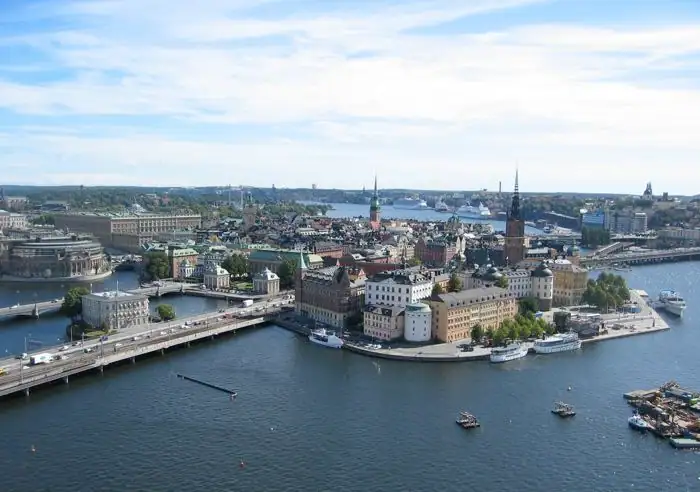
Stockholm is one of Europe’s most beautiful capitals, spread across islands where Lake Mälaren meets the Baltic. Ships sail in through a vast archipelago, then dock within reach of the medieval Gamla Stan, the Vasa Museum and the Royal Palace. Depending on ship size, you may berth downtown or at Nynäshamn, about an hour south.
Helsinki
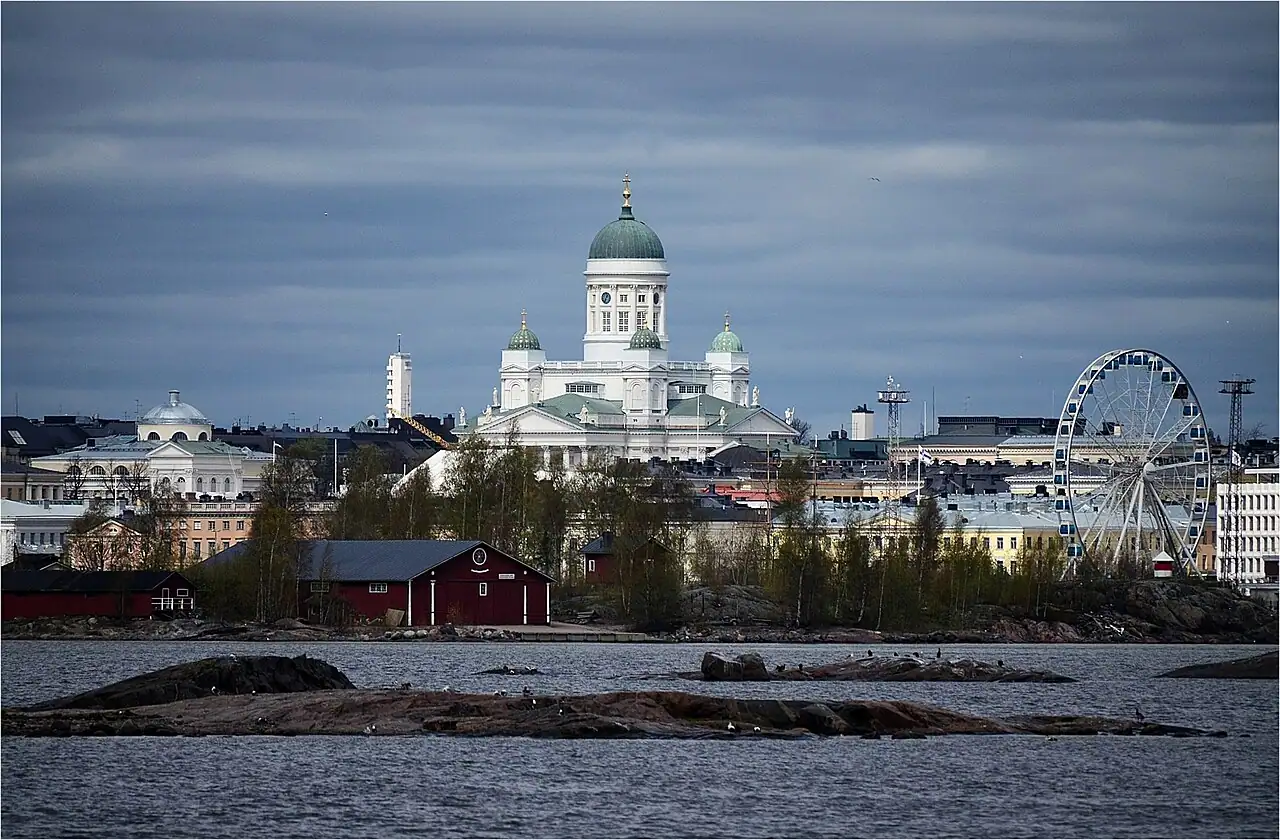
Helsinki is Finland’s compact, design-loving capital on the Baltic, with a harbor-front market, two striking cathedrals and the island fortress of Suomenlinna a short ferry ride away. Depending on your berth, you can walk to Market Square or take a quick shuttle or tram. It’s an easy city to see on your own in a day.
Tallinn
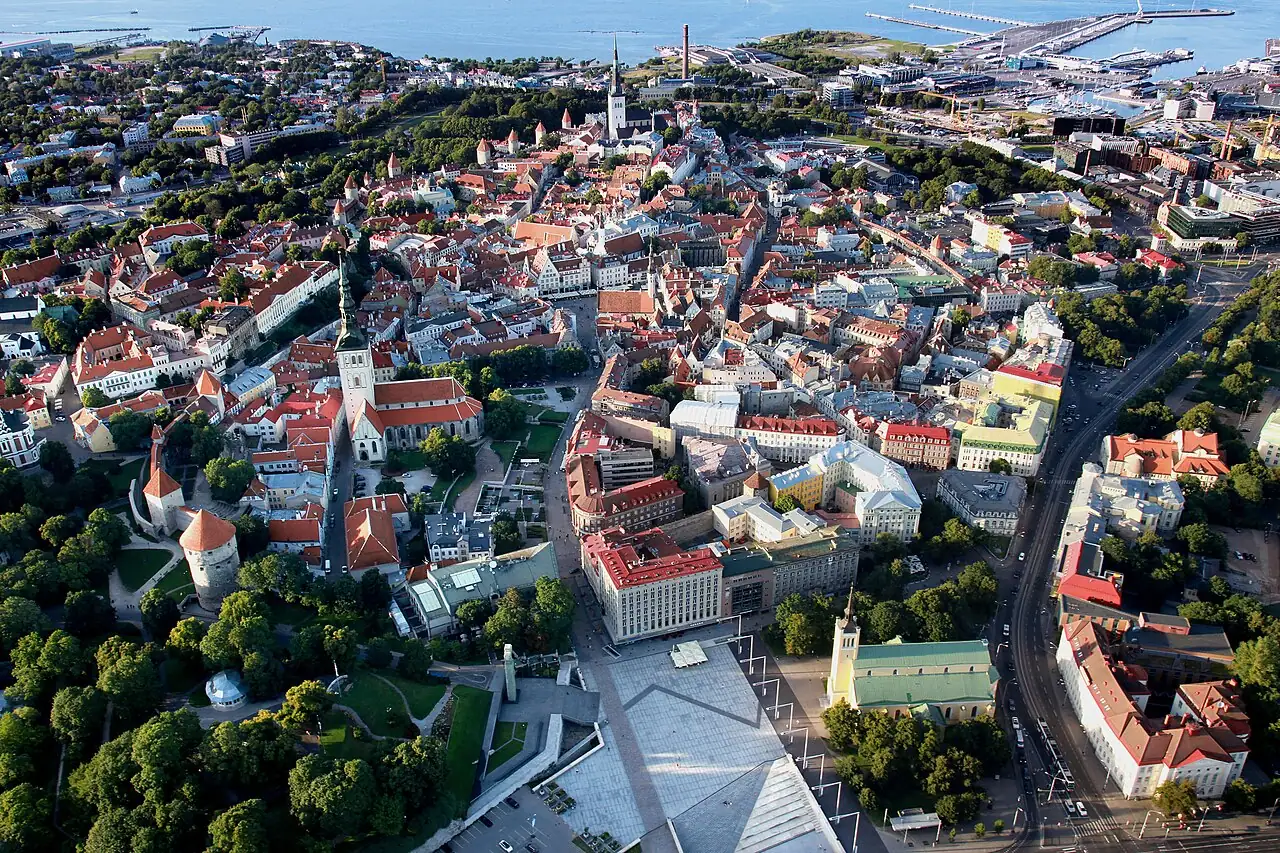
Tallinn, Estonia’s capital, has one of Europe’s best-preserved medieval old towns, with cobbled lanes, city walls and red-roofed towers just a 15-minute walk from the cruise terminal. It’s compact, easy to explore on your own and full of character, from the Gothic Town Hall Square to the viewpoints on Toompea Hill.
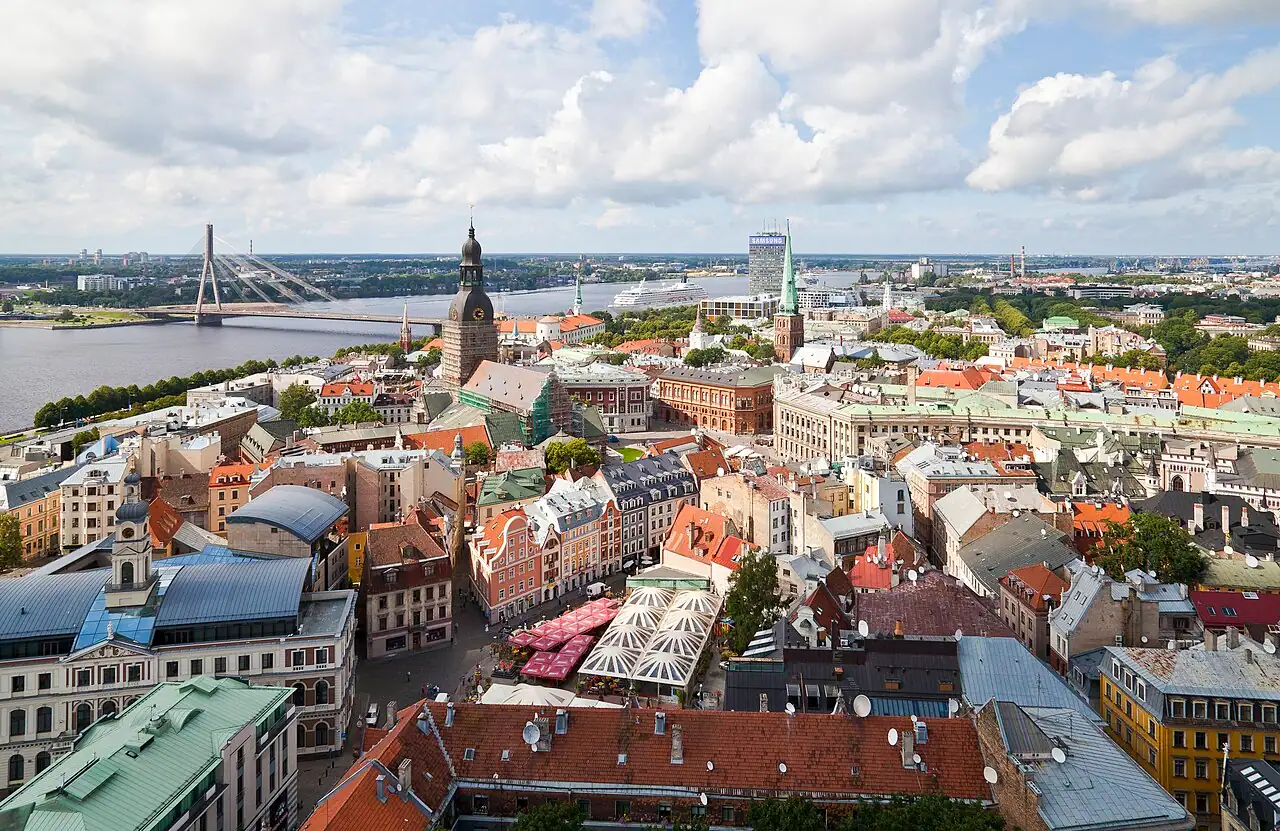
Riga
Riga, Latvia’s capital, pairs a medieval Old Town with one of the world’s greatest concentrations of Art Nouveau buildings. Ships dock on the Daugava River about a 15- to 20-minute walk from the center, so you can explore on foot, browse one of Europe’s biggest markets and still have time for a trip to the seaside or a baroque palace.
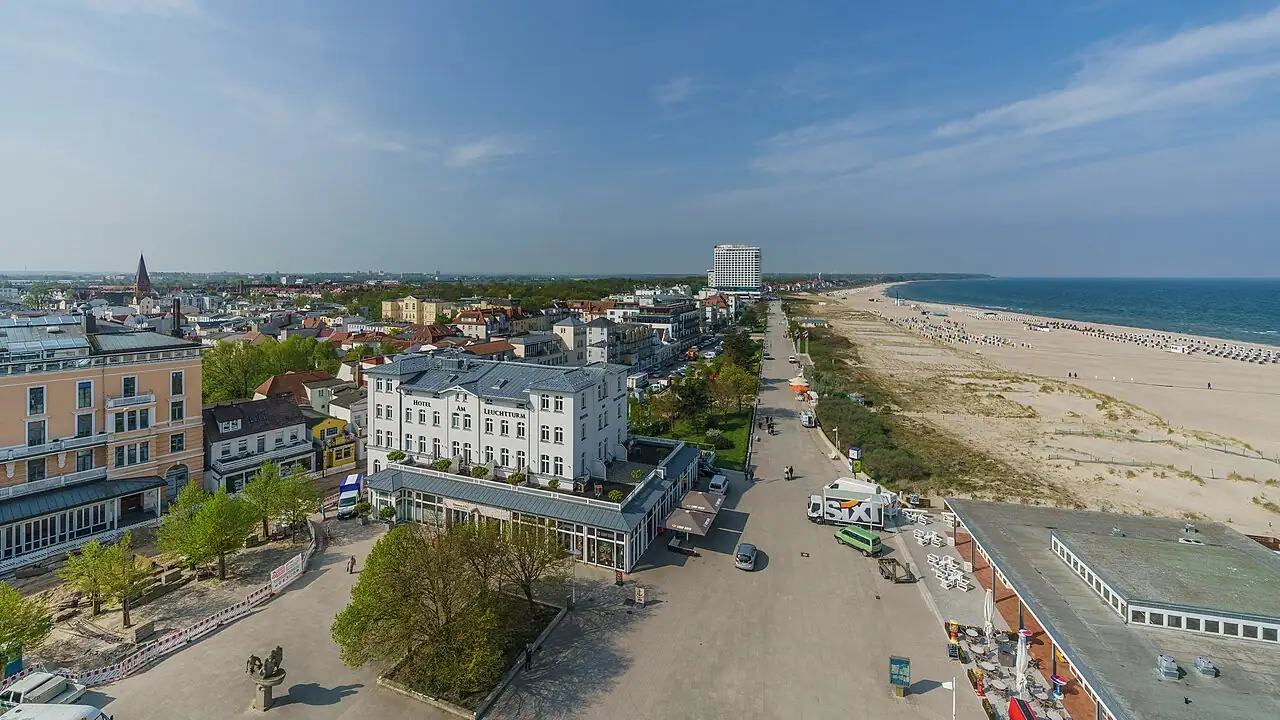
Warnemünde (for Berlin)
Warnemünde is a cheerful German seaside resort on the Baltic and the cruise port for Berlin, but Berlin is a long day: roughly 2.5 to 3 hours each way by train or coach. If you’d rather not spend half the day traveling, the beach, the fishing canal and the old Hanseatic city of Rostock are right on your doorstep.
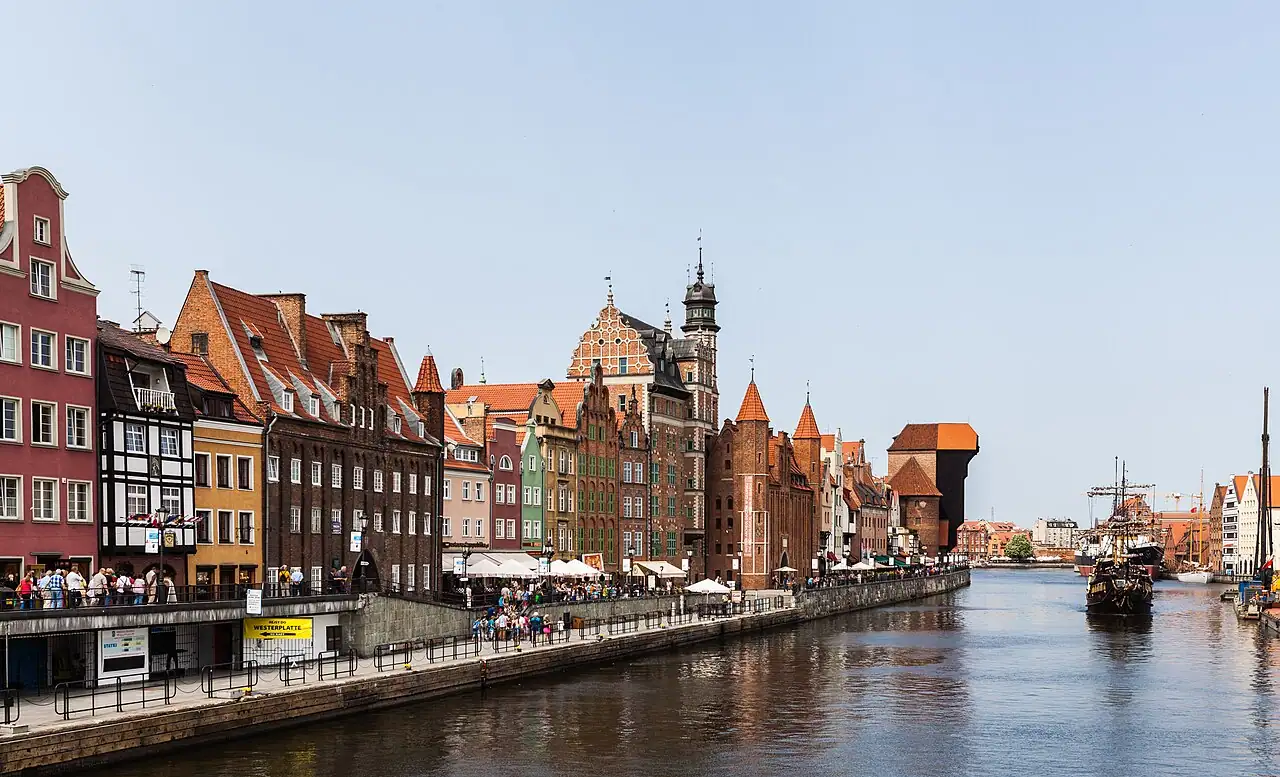
Gdańsk (Gdynia)
Gdańsk is a handsome Hanseatic city on Poland’s Baltic coast, rebuilt after World War II and known as the birthplace of the Solidarity movement. Most cruise ships dock in neighboring Gdynia, about 30 to 45 minutes away, so plan on a transfer by coach, taxi or commuter train. The colorful Main Town and Malbork Castle are the big draws.
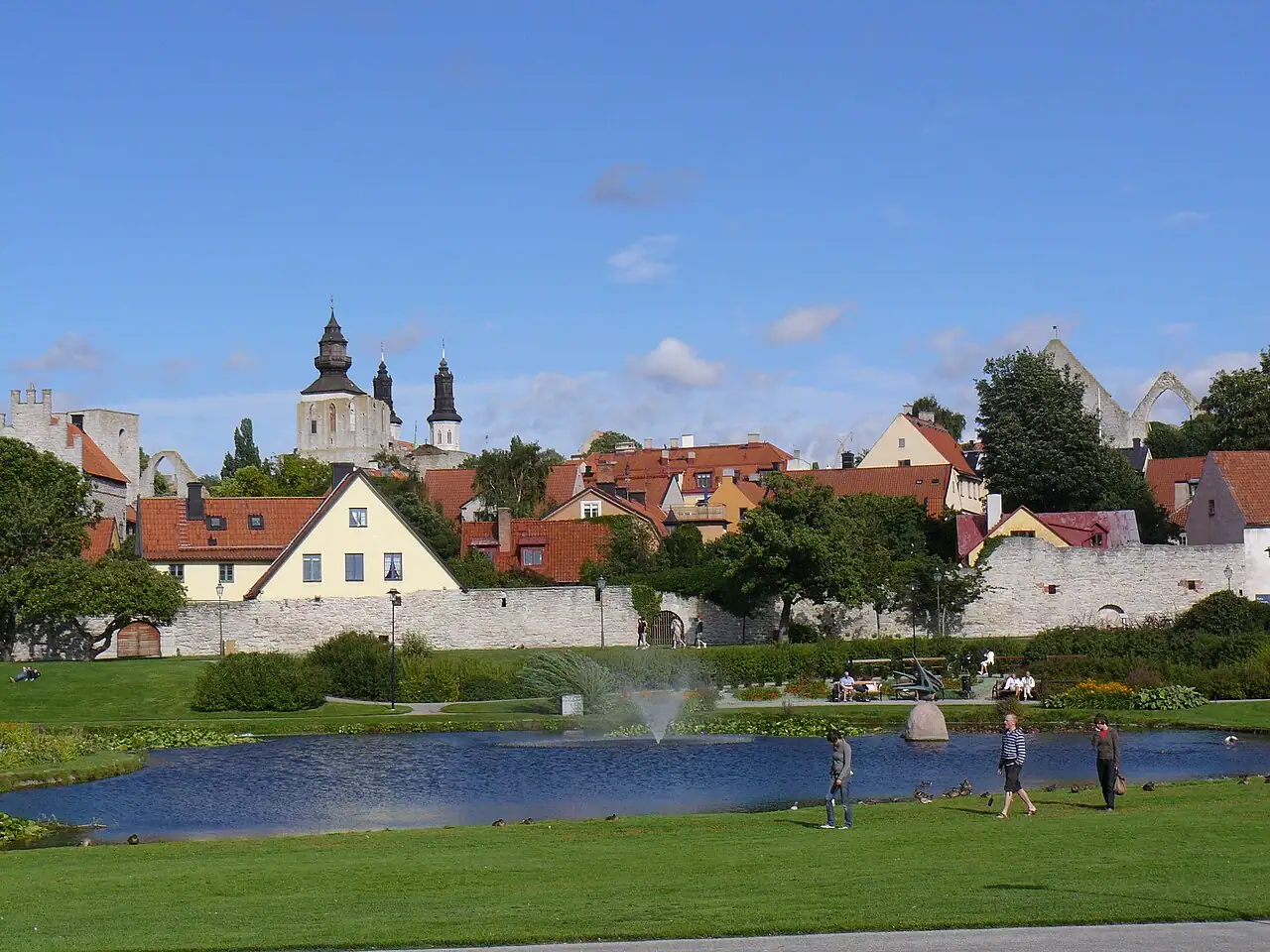
Visby, Gotland
Visby, on the Swedish island of Gotland, is one of the best-preserved medieval towns in Northern Europe, ringed by a 13th-century stone wall and scattered with roofless church ruins. Ships dock a short walk from the old town, so you can explore its rose-covered lanes, ramparts and sea views entirely on foot.
Klaipėda
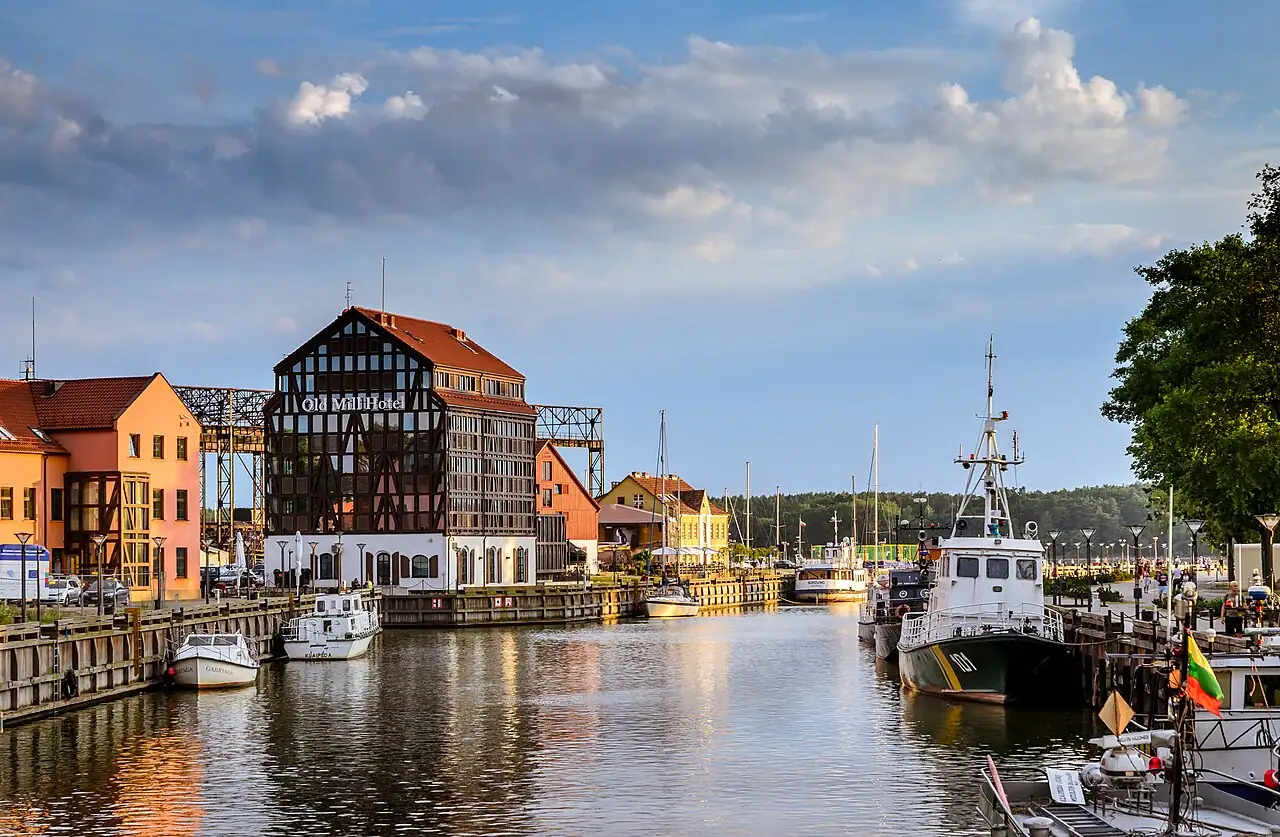
Klaipėda is Lithuania’s only seaport and the gateway to the Curonian Spit, a UNESCO-listed ribbon of towering sand dunes and pine forest. Ships dock right at the edge of the small Old Town, so you can walk to its half-timbered streets in minutes, then take a short ferry across the lagoon to the spit.
Kiel
Departure port
Aarhus
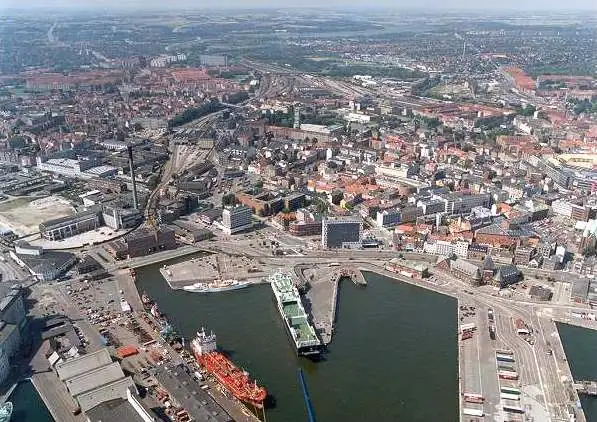
Aarhus is Denmark’s second-largest city, a young, design-minded university town on the east coast of Jutland. Ships dock close to the center, so you can walk to the rainbow walkway on top of the ARoS art museum, the open-air Den Gamle By and the cobbled Latin Quarter. It’s an easy, uncrowded alternative to Copenhagen.
Skagen
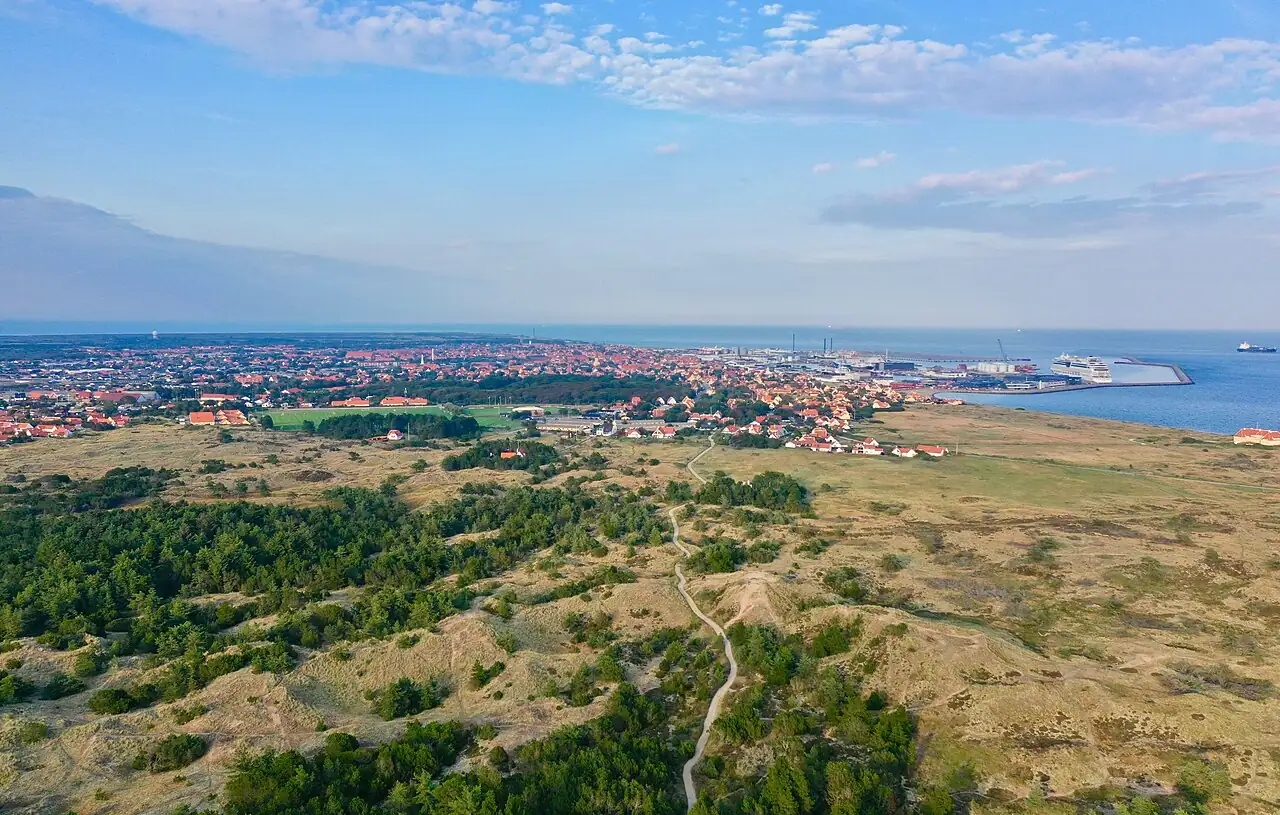
Skagen is Denmark’s northernmost town, a summer favorite of yellow houses, fishing boats and luminous light that drew a famous colony of painters. The big draw is Grenen, the sandy tip where two seas meet in a line of clashing waves. The harbor is right by town, so it’s an easy, low-key port day on foot or by bike.
More ports in this region
Where Baltic Sea cruises start
Cruise lines that sail Baltic Sea
Baltic Sea cruise tips
- Decide early whether Berlin is worth a six-hour round trip from Warnemünde. If it is, take a ship tour or the train and keep a firm return time; if not, Rostock’s old town and the beach at Warnemünde make an easy day.
- Check whether your Stockholm call docks in the city or at Nynäshamn, about an hour away, and whether you’ll sail in through the archipelago in daylight. That scenic approach takes several hours and is worth being on deck for.
- Wear comfortable shoes with good soles. Tallinn, Riga, Visby and Gdańsk have steep, uneven cobblestones that are slippery in the rain.
- Finland, Estonia, Latvia, Lithuania and Germany use the euro, while Denmark, Sweden and Poland have their own currencies. Cards and phone payments work almost everywhere, and many Swedish shops don’t accept cash.
- Arrive in Copenhagen or Stockholm a day or two early. Both are expensive but easy to explore, and a pre-cruise stay lets you see more than a single port day allows.
Baltic Sea cruises: FAQs
Where do Baltic cruises go now instead of St. Petersburg?
More time in Scandinavia and the Baltic states. Itineraries now often include overnights in Stockholm or Copenhagen and calls at Helsinki, Tallinn, Riga, Klaipėda, Gdańsk, Visby, Aarhus or Skagen. Some add Oslo or a Norwegian fjord.
What is the best time to cruise the Baltic?
June to August. That’s when temperatures are warmest, typically 65–75°F (18–24°C), and days are longest, with near-endless daylight in June. May and September are quieter and cheaper but cooler, and full Baltic itineraries don’t operate in winter.
How long is a Baltic cruise?
Usually 9 to 12 nights. Shorter 7-night loops run from Kiel, Copenhagen or Stockholm, and voyages from Southampton or Dover take 12 to 14 nights because of the North Sea crossing.
Can you visit Berlin on a Baltic cruise?
Yes, from Warnemünde, but it’s a long day. Berlin is about three hours away by train or coach, leaving four or five hours in the city. Ship tours guarantee your return; independent travelers should allow a generous buffer for delays.
Do I need a passport or visa for a Baltic cruise?
You need a passport but no visa. US and Canadian citizens can visit the Schengen countries on a Baltic route visa-free for short stays, subject to the EU’s entry registration rules. Cruises from Southampton or Dover generally also require a UK Electronic Travel Authorisation.
Which cruise line is best for the Baltic?
Celebrity, Royal Caribbean, Princess, Norwegian and Holland America offer the most Baltic sailings for North Americans. Viking, Oceania, Azamara and Regent add overnights and longer port stays, while MSC, Costa and AIDA run shorter loops from Kiel.
Updated November 2026 by the BookMyDreamCruise editorial team. How we research and fact-check.
Sources: Wikidata, NASA POWER climate data.