Europe & the Mediterranean
Western Mediterranean cruises
Western Mediterranean cruises link Spain, the French Riviera, Italy and often Malta, usually on 7-night round trips from Barcelona or Rome’s port of Civitavecchia. This is the route for headline sights: the Vatican, Florence, Gaudí’s Barcelona, Nice and Monaco, Pompeii and the Amalfi Coast. Ships sail from April to early November, with year-round loops on MSC and Costa, and May, June and September are the best months for weather and crowds.
- Season: April to early November; MSC and Costa sail year-round
- Typical length: 7 nights is standard; 10–12 nights adds southern Spain, Sicily or Malta
- Season
- April to early November; MSC and Costa sail year-round
- Typical length
- 7 nights is standard; 10–12 nights adds southern Spain, Sicily or Malta
- Best months
- May, Jun, Sep
- Main departure ports
- Barcelona, Rome, Lisbon
- Ports covered here
- 29
- Cruise lines
- 19 lines sail here
What a Western Mediterranean cruise is like
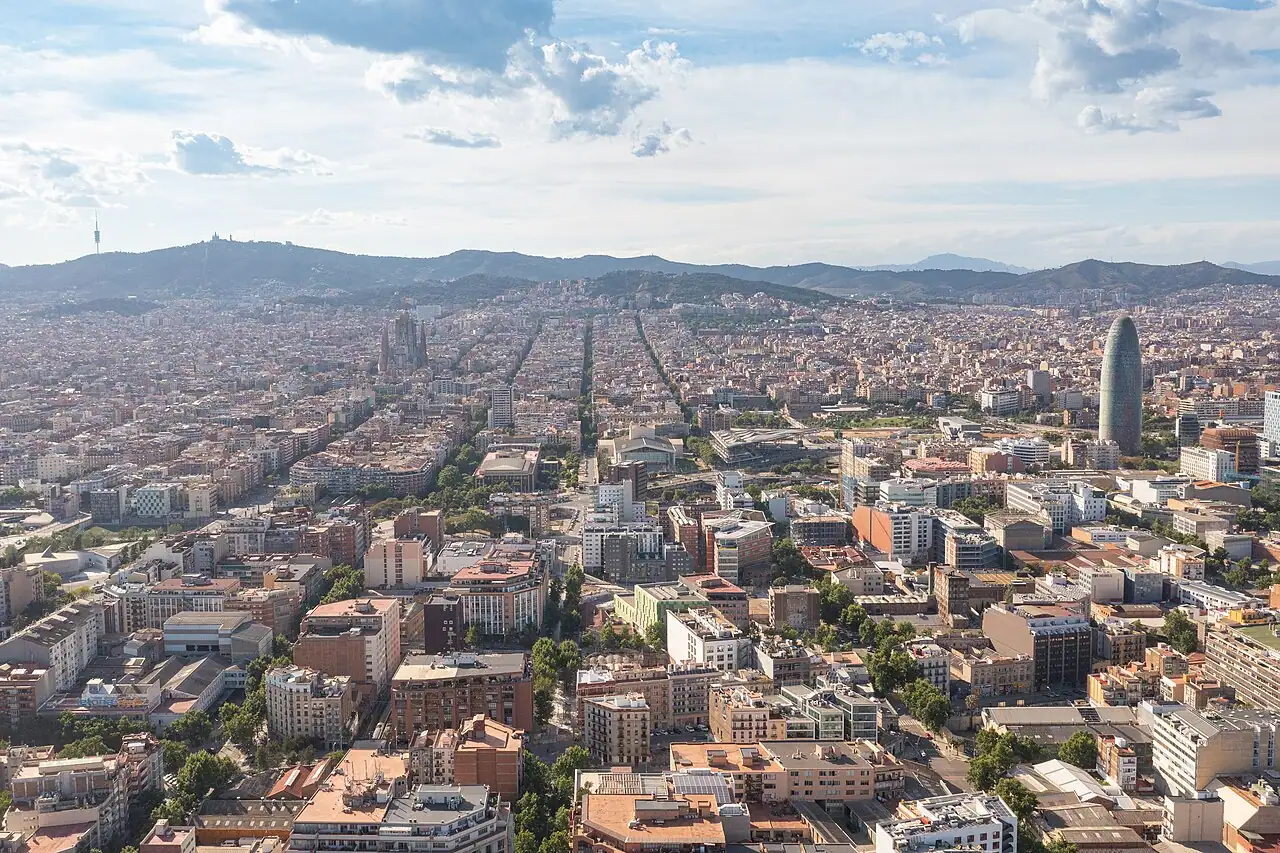
This is the Mediterranean most first-timers picture: Gaudí’s spires in Barcelona, yachts and corniche roads on the Riviera, the Colosseum and Brunelleschi’s dome in Florence. Ports come thick and fast, often six in a week, and big ships handle this route well because the main harbors at Barcelona, Civitavecchia, Naples, Marseille and Palma are built for them.
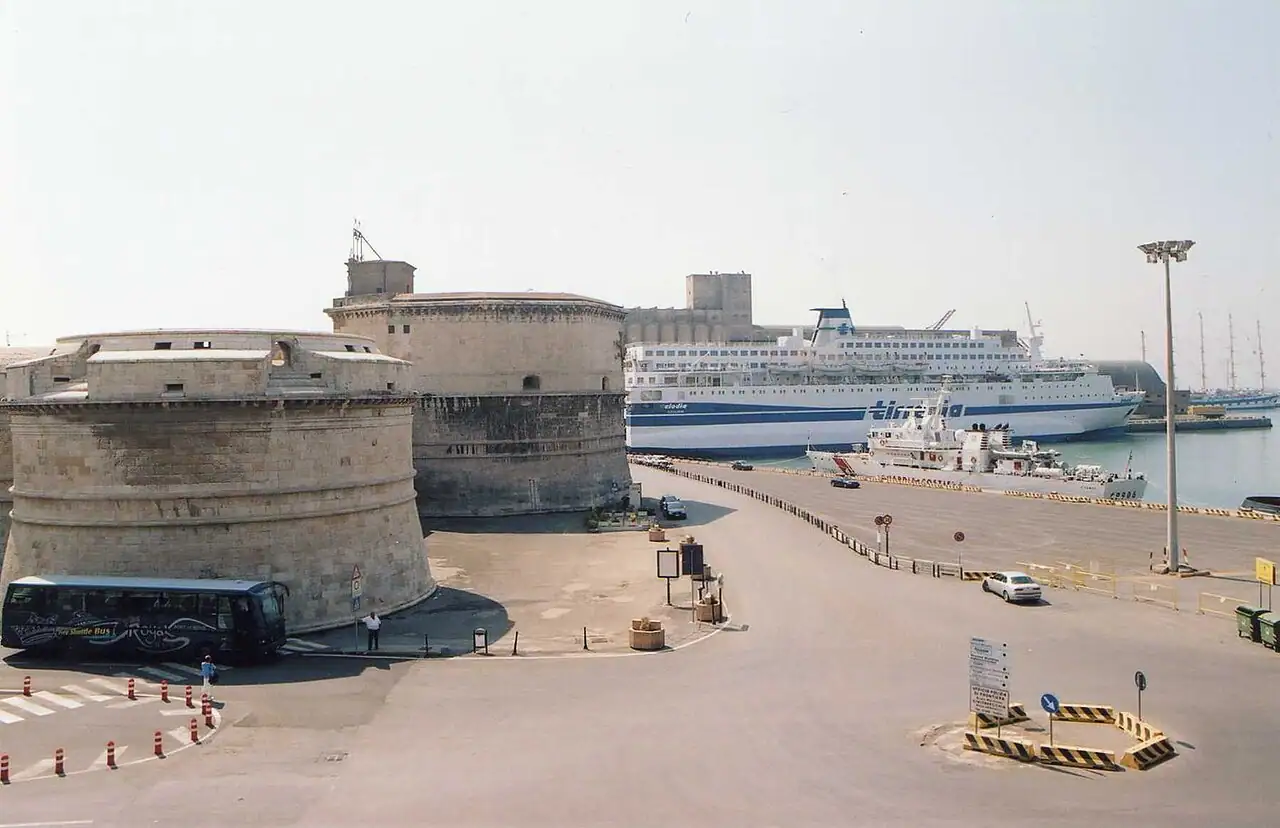
The catch is that several marquee names are nowhere near the pier. Civitavecchia is a working port about 50 miles (80 km) from central Rome, Livorno is the gateway to Florence and Pisa, La Spezia to the Cinque Terre, Cádiz to Seville and Salerno to the Amalfi Coast. Those days mean an early start and a coach or train ride, so an itinerary that looks relaxed on paper can feel like a sprint.
The route suits travelers who want art, architecture, food and famous landmarks, and families who like big ships with plenty to do on the one sea day. It’s less ideal if you want quiet beaches, or if long excursion days in July heat sound punishing; for that, the Greek Isles or a small-ship route around Corsica and Sardinia may suit you better.
Best time to cruise Western Mediterranean
- Jan: Shoulder season
- Feb: Shoulder season
- Mar: Shoulder season
- Apr: Good time to go
- May: Best time to go
- Jun: Best time to go
- Jul: Good time to go
- Aug: Good time to go
- Sep: Best time to go
- Oct: Good time to go
- Nov: Shoulder season
- Dec: Shoulder season
- No regular sailings
- Shoulder season
- Good time to go
- Best time to go
Western Mediterranean in JanuaryShoulder season
The quiet season belongs to MSC and Costa, whose winter loops call at Genoa, Marseille, Barcelona, Civitavecchia and Palermo. Days are short and coastal highs hover around 55–58°F (13–14°C), a little warmer in Málaga and Malta. Ticketed sights such as the Sagrada Família and Pompeii are at their least crowded, but some Riviera and Capri excursions don’t run.
Western Mediterranean in FebruaryShoulder season
Mimosa turns the Riviera hills yellow, and Nice’s Carnival parades and Menton’s Lemon Festival run from mid-February into early March, within reach of a Villefranche call. Viareggio, near Livorno, stages its own giant-float carnival. Expect cool, changeable weather and the occasional rough crossing of the Gulf of Lion when the mistral blows.
Western Mediterranean in MarchShoulder season
Spring comes early to southern Spain, Sicily and Malta, where highs can reach the mid-60s °F (18°C). More ships arrive late in the month off transatlantic crossings, many ending in Barcelona. Valencia’s Las Fallas festival in mid-March burns giant satirical sculptures in the streets, a spectacle if your ship calls then.
Western Mediterranean in AprilGood time to go
Holy Week brings hooded processions to Seville, Málaga and Cartagena, powerful to watch if a Cádiz or Málaga call falls in Semana Santa, though some sights close and hotels fill. Easter week packs St. Peter’s Square in Rome. Otherwise it’s good sightseeing weather in the 60s °F (17–21°C), with cool evenings on deck.
Western Mediterranean in MayBest time to go
Excellent for the long excursion days this route demands. Highs in the low-to-mid 70s °F (22–24°C) make Rome and Florence comfortable, Mallorca and the Riviera are green and flowering, and the Cannes Film Festival and the Monaco Grand Prix (late May or early June) bring glamour, traffic and the odd itinerary change to the coast.
Western Mediterranean in JuneBest time to go
Long, sunny days and warm evenings for dinner ashore. The sea becomes swimmable around Mallorca, Ibiza, Sardinia and Capri, and Provence’s lavender begins to bloom late in the month, a long day trip from Marseille or Toulon. European school holidays start in the second half of June, so crowds and fares rise as the month goes on.
Western Mediterranean in JulyGood time to go
Hot and crowded. Rome, Florence and Seville regularly pass 90°F (32°C), and heat waves push higher, which turns the long inland days into hard work. Families fill ships during European school holidays. Lean into the beach-and-sea-view ports, Palma, Ibiza, Capri, Villefranche and Monaco, and start any city tour as early as possible.
Western Mediterranean in AugustGood time to go
The hottest, priciest month. Italians head for the coast around Ferragosto (August 15), so Capri, the Amalfi Coast and the Cinque Terre trains get packed even as some city shops close. Ibiza and Mallorca are in full party-season swing. Sea temperatures near 80°F (26–27°C) reward swimmers who can handle the heat.
Western Mediterranean in SeptemberBest time to go
The best all-round month on this route. The sea is still warm, highs settle into the upper 70s and low 80s °F (25–28°C), and families go home once European schools reopen. Grape harvests begin in Tuscany and Provence, and Barcelona’s La Mercè festival around September 24 fills the streets with human towers and fire-runs.
Western Mediterranean in OctoberGood time to go
Pleasant but less predictable. Autumn storms can bring heavy rain to Genoa, the Riviera and Mallorca, plus the occasional port swap when wind picks up. In return you get softer light, chestnut season and the start of the olive harvest in Italy, shorter lines at the Uffizi and the Vatican, and fares that slip late in the month.
Western Mediterranean in NovemberShoulder season
Most big ships cross the Atlantic early in the month, often leaving from Barcelona or Civitavecchia on repositioning voyages that double as an inexpensive way home. Those that stay find cool, sometimes wet weather in the low 60s °F (16–18°C) and the region at its most local: new olive oil, roasted chestnuts and no queue at Pisa.
Western Mediterranean in DecemberShoulder season
Winter loops carry on and the cities dress up: nativity workshops crowd Naples’ Via San Gregorio Armeno, the Santa Llúcia market fills the square in front of Barcelona’s cathedral, and lights line the Riviera promenades. Expect short days and the odd storm. Holiday sailings fill with European families, while early-December departures are often the cheapest of the year.
Average weather across Western Mediterranean ports
| Month | Jan | Feb | Mar | Apr | May | Jun | Jul | Aug | Sep | Oct | Nov | Dec |
|---|---|---|---|---|---|---|---|---|---|---|---|---|
| High °F (°C) | 5714 | 5815 | 6116 | 6518 | 7122 | 7926 | 8530 | 8630 | 8026 | 7323 | 6518 | 6016 |
| Low °F (°C) | 4910 | 5010 | 5211 | 5513 | 6116 | 6921 | 7424 | 7524 | 7021 | 6418 | 5714 | 5211 |
| Rain in (mm) | 1.949 | 2.051 | 2.461 | 1.846 | 2.051 | 1.129 | 0.616 | 1.128 | 2.050 | 3.282 | 3.793 | 2.357 |
| Daylight (hrs) | 10 | 11 | 12 | 13 | 15 | 15 | 15 | 14 | 12 | 11 | 10 | 9 |
Western Mediterranean cruise highlights
- 1
The Vatican, the Colosseum and the Pantheon
Rome is the reason many people choose this route. From Civitavecchia, regional trains reach the city in roughly an hour or a little more, and ship tours go by coach. The Vatican Museums close on most Sundays, so check which day your ship calls before planning a Sistine Chapel visit.
- 2
Florence’s Duomo and the Leaning Tower of Pisa
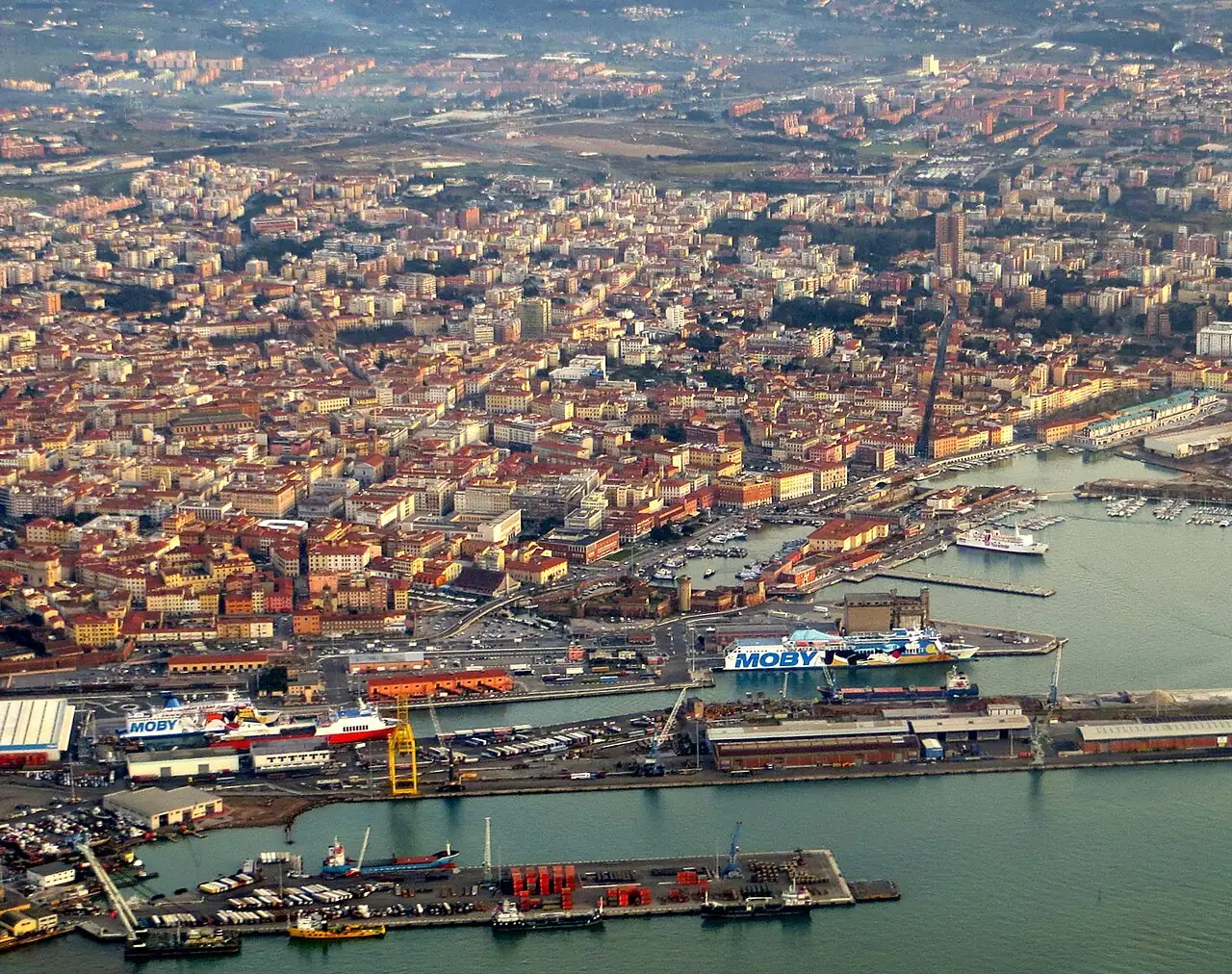
From Livorno, Florence is about 90 minutes inland and Pisa about 30. Trying to do both in one port day often means seeing neither well. Pick Florence for the Duomo, the Uffizi and Michelangelo’s David, or pair Pisa with the walled town of Lucca for a gentler day.
- 3
Gaudí’s Barcelona
The Sagrada Família, still being completed more than a century after work began, is the city’s showpiece, with Park Güell, Casa Batlló and La Pedrera close behind. Add the Gothic Quarter and a tapas crawl, and you can see why so many cruisers spend an extra night here.
- 4
Pompeii, Vesuvius and the Amalfi Coast
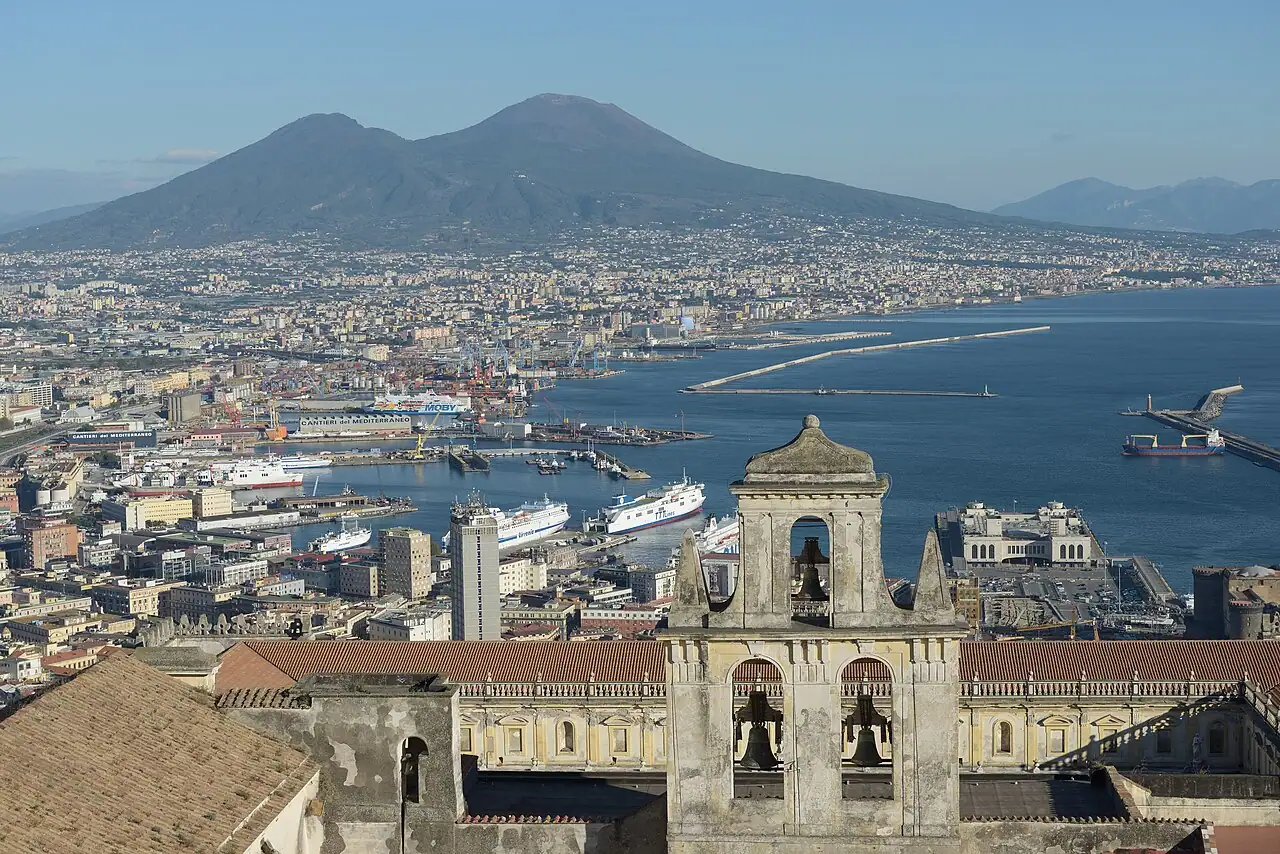
Ships dock in central Naples, a short walk from Castel Nuovo and the old town’s pizzerias. Pompeii is roughly 40 minutes away, and Herculaneum is smaller, better preserved and less crowded. Salerno and Sorrento calls put Positano, Amalfi and Ravello within reach by coach or ferry.
- 5
Nice, Èze and Monaco
Villefranche-sur-Mer is a tender port at the heart of the Riviera. Local trains run to Nice’s flower market and old town in minutes and to Monaco in about 20. The hilltop village of Èze and its cactus garden are a short drive up the cliffs.
- 6
The Cinque Terre from La Spezia
Five pastel villages cling to the cliffs of the Ligurian coast: Monterosso, Vernazza, Corniglia, Manarola and Riomaggiore. Trains and summer ferries link them, but the narrow lanes jam on cruise days; nearby Portovenere is a calmer alternative.
- 7
Valletta’s Grand Harbour
Sailing into Malta’s fortified harbor, ringed by honey-colored bastions built by the Knights of St. John, is a highlight in itself. Ashore, St. John’s Co-Cathedral holds two Caravaggio paintings, the Upper Barrakka Gardens overlook the harbor, and the silent walled city of Mdina is a short drive inland.
- 8
Taormina and Mount Etna
From Messina, the clifftop town of Taormina, with its ancient Greek theater framing Etna, is about an hour’s drive. Calls at Catania put you closer to the volcano itself, while Palermo offers Arab-Norman churches, the gold mosaics of Monreale and some of Italy’s best street food.
Typical Western Mediterranean itineraries
- 1
7-night round trip from Barcelona
A typical loop calls at Palma de Mallorca, Marseille or Toulon for Provence, La Spezia or Livorno for Tuscany, Civitavecchia for Rome and Naples, often with one sea day on the way back to Barcelona.
- 2
7-night round trip from Civitavecchia (Rome)
Similar ports in a different order, sometimes swapping in Messina, Palermo or Valletta. Good if you want to begin with a few days in Rome and end close to Fiumicino airport.
- 3
10- to 12-night Iberia and Riviera
Lisbon or Barcelona sailings that add Cádiz for Seville, Málaga for the Alhambra, Cartagena, Valencia, Gibraltar and sometimes Tangier, then continue to the French and Italian Riviera.
- 4
Small-ship Riviera, Corsica and Sardinia
Week-long sailings between Nice or Monte Carlo and Rome on lines such as Windstar, Star Clippers, Ponant and Seabourn, reaching harbors like Portofino, Calvi, Bonifacio, Porto Cervo and Capri that big ships skip or tender into.
Western Mediterranean ports of call
Barcelona
Departure port
Rome
Departure port
Naples
Naples is a gloriously chaotic cruise port where ships dock in the heart of the city, steps from the Castel Nuovo and a short walk from the historic center’s pizzerias and churches. It’s also the gateway to Pompeii, Herculaneum, Mount Vesuvius, Sorrento, Capri and the Amalfi Coast, so the hardest part is choosing.
Livorno (for Florence & Pisa)
Livorno is a working port on the Tuscan coast that most cruisers use as the gateway to Florence, about 1.5 hours away by road, and Pisa, about 30 minutes. A Florence day is long and leaves roughly four to five hours in the city, so decide in advance between a ship excursion, a shuttle transfer or the train, and book museum tickets early.
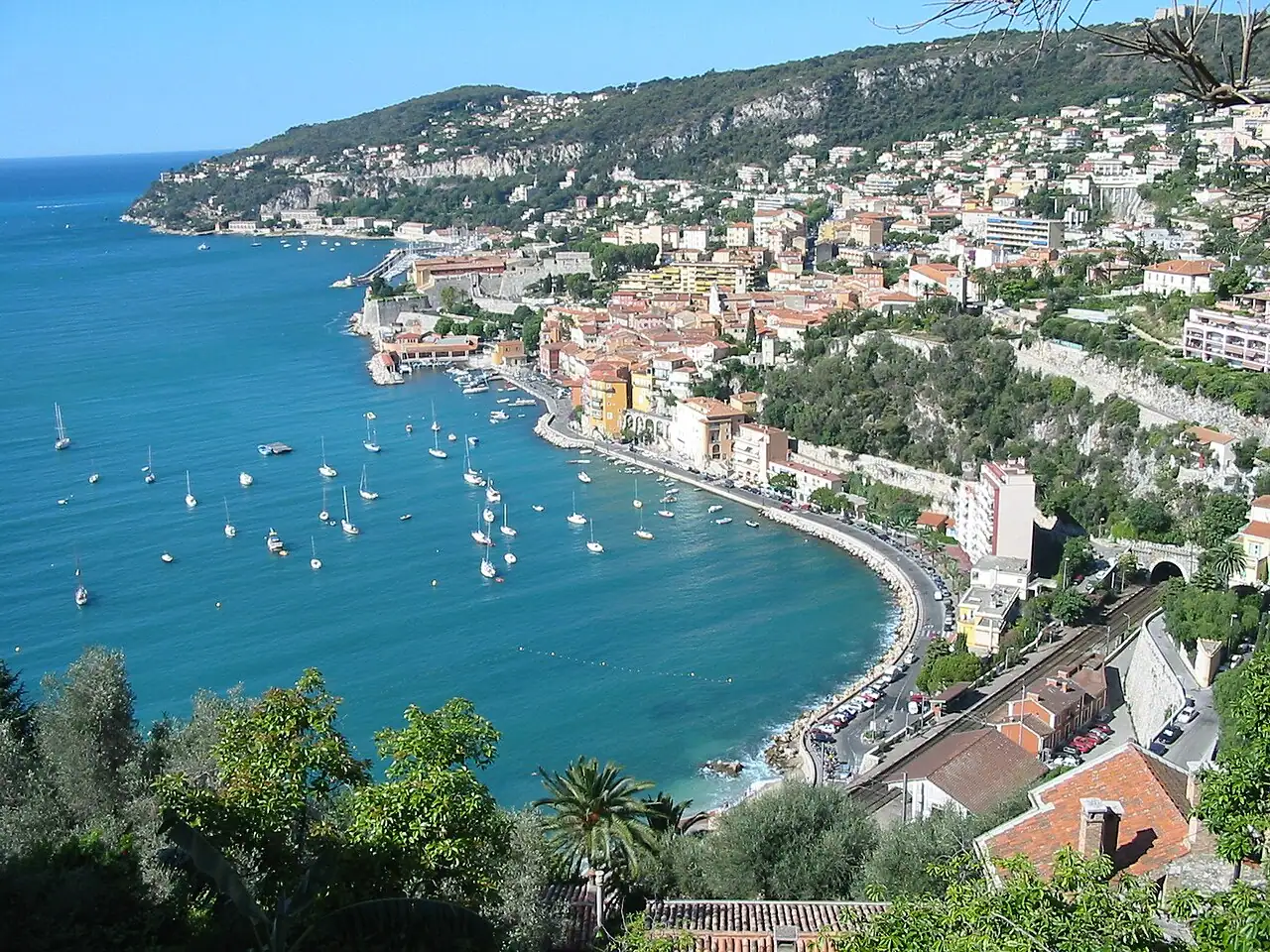
Villefranche-sur-Mer (for Nice)
Villefranche-sur-Mer is a tender port in a deep, sheltered bay between Nice and Monaco, and it makes an excellent base for the French Riviera. The pastel village itself is charming, and frequent local trains reach Nice in about 10 minutes and Monaco in under 20, while the perched village of Èze is a short ride away.
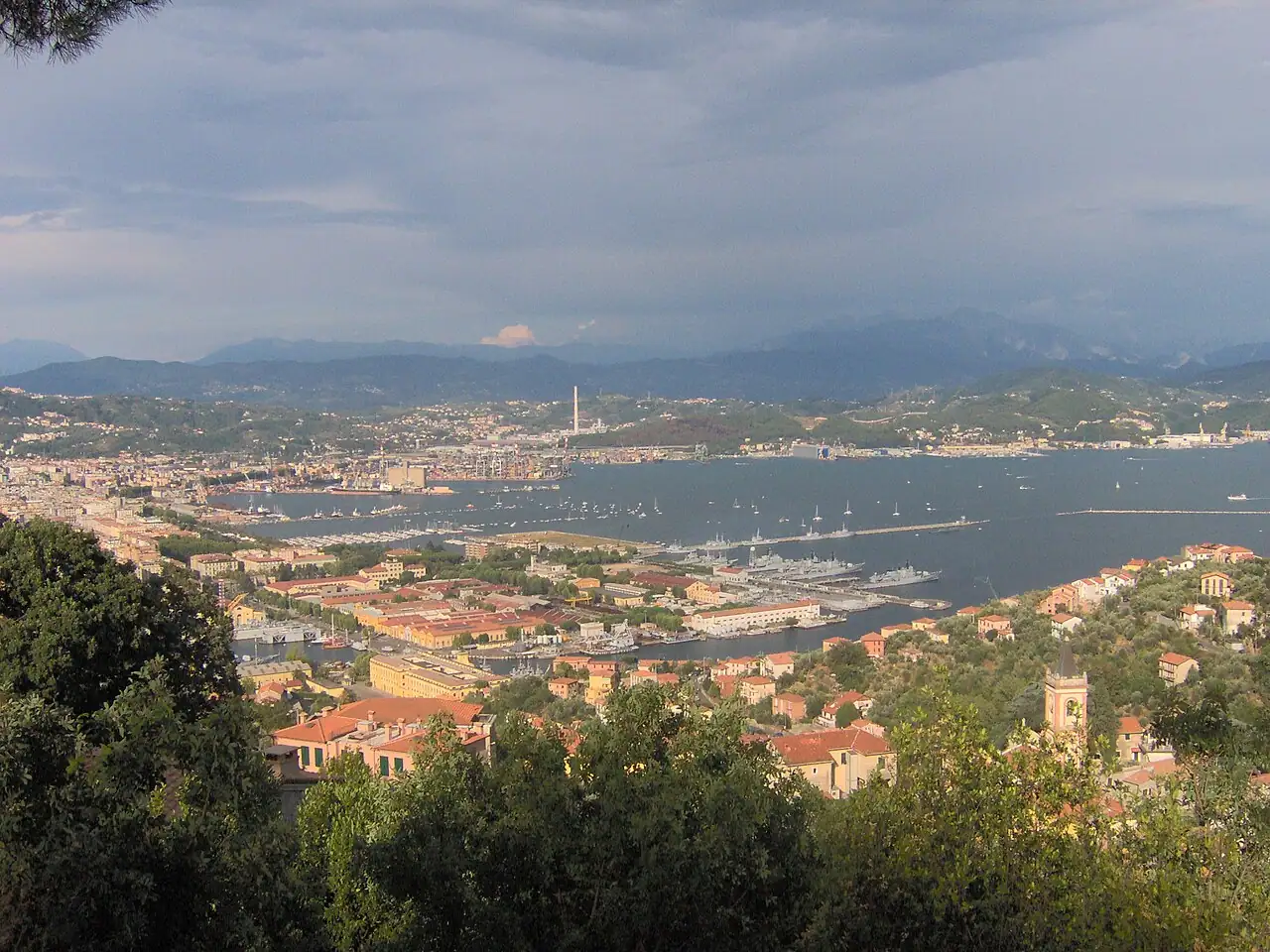
La Spezia (for Cinque Terre)
La Spezia is the cruise gateway to the Cinque Terre, five cliffside fishing villages linked by train, boat and hiking trails, with the nearest village about 10 minutes away by rail. It’s one of the easiest gateway ports to handle on your own, though summer crowds are heavy, and Portovenere, Pisa and Lucca are also within reach.
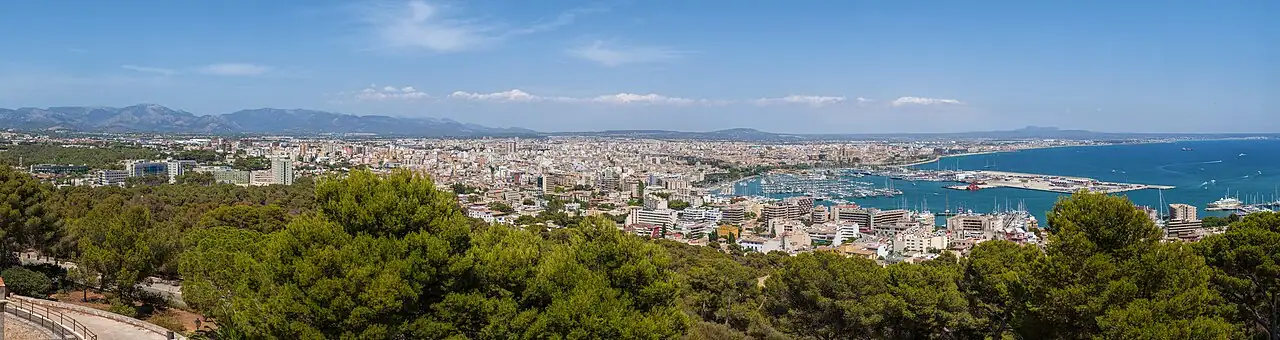
Palma de Mallorca
Palma de Mallorca is a big, easy cruise port where the Gothic La Seu cathedral rises straight above the harbor and the old town’s lanes, tapas bars and Moorish-era sights sit a short shuttle ride from the ship. Most cruisers either explore the city on foot or head into the mountains on the vintage Sóller train or to Valldemossa.
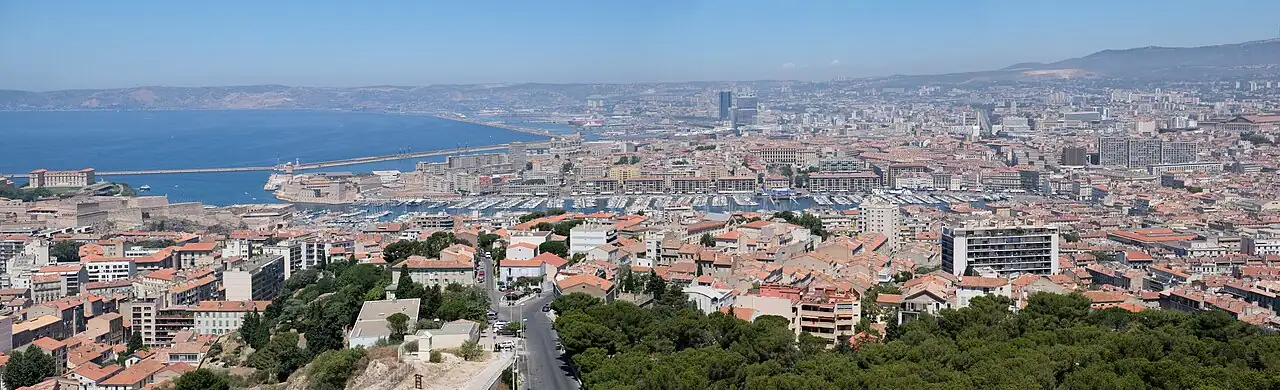
Marseille
Marseille is France’s oldest city and a gritty, characterful cruise port whose highlights cluster around the Vieux-Port, a shuttle ride from the ship. You can explore the hilltop Notre-Dame de la Garde basilica, the Le Panier quarter and the MuCEM museum, take a boat into the Calanques, or head inland to Aix-en-Provence and the villages of Provence.
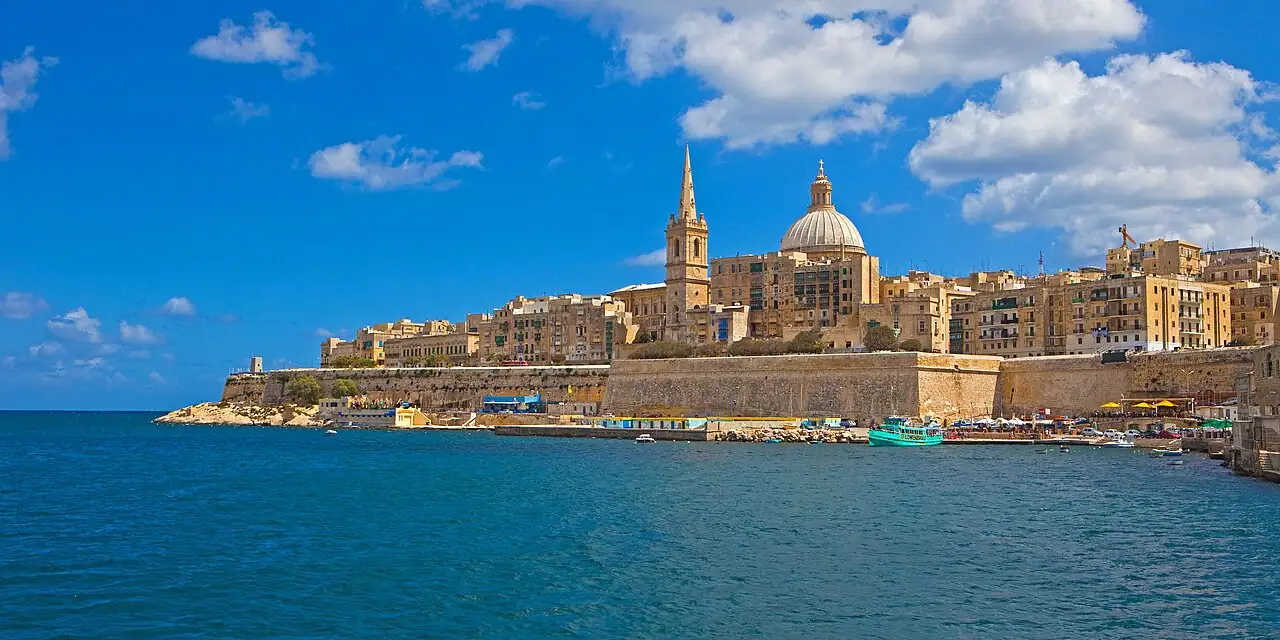
Valletta
Valletta, Malta’s fortified capital, offers one of the Mediterranean’s most dramatic arrivals through the Grand Harbour, with ships docking right below the city walls. Inside, St. John’s Co-Cathedral holds a Caravaggio masterpiece, and the medieval hill town of Mdina, prehistoric temples and the Three Cities are all close by.
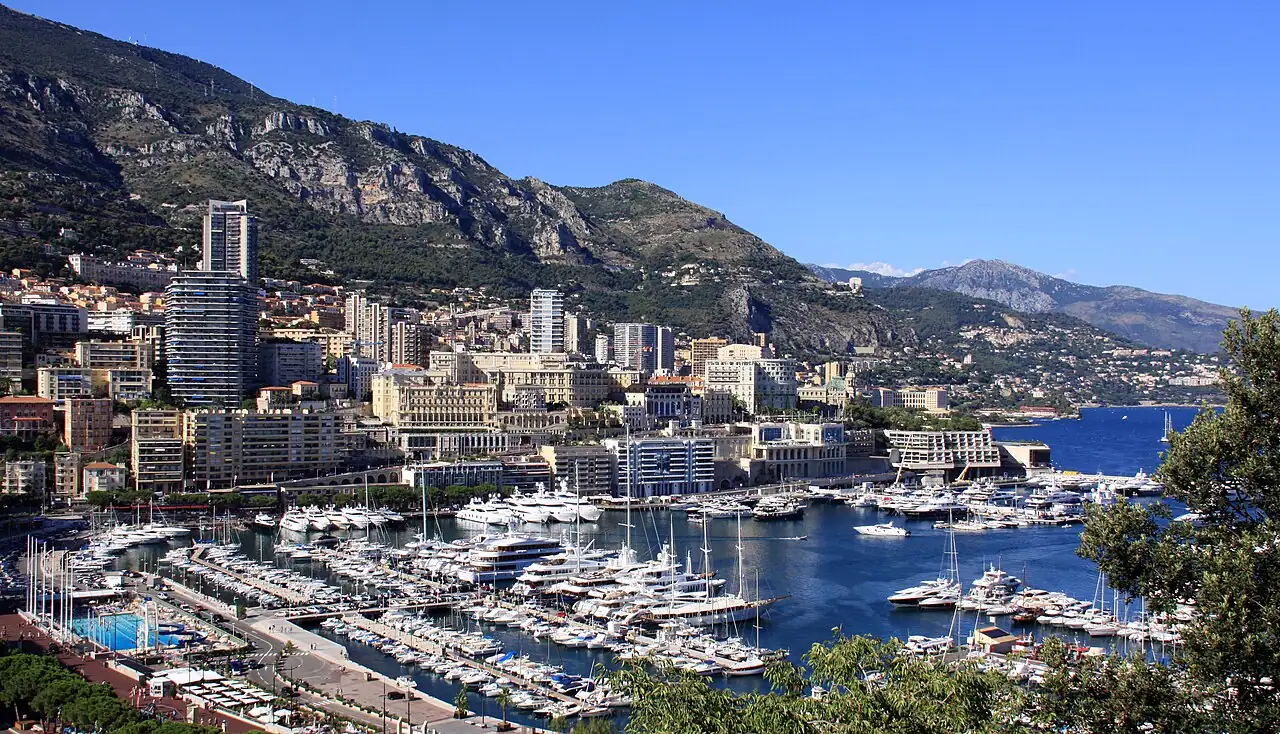
Monte Carlo
Monte Carlo puts your ship in Port Hercule, at the heart of tiny, glittering Monaco, within walking distance of the Casino de Monte-Carlo, the Prince’s Palace and the Oceanographic Museum. It’s a hilly but compact port where you can see the main sights on foot, aided by public elevators, and still have time for Nice or Èze.
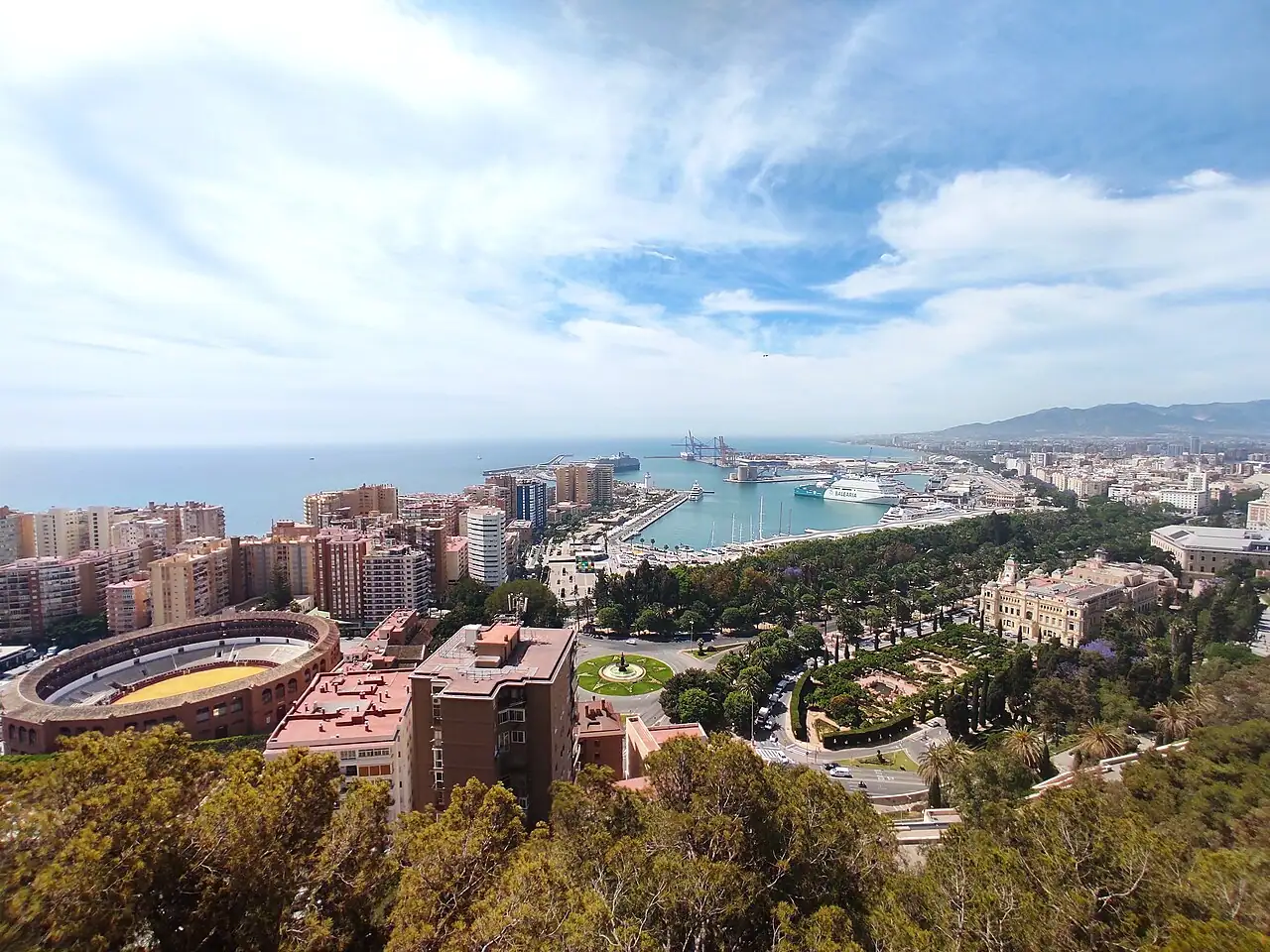
Málaga
Málaga is one of the most walkable cruise ports in Spain: the ship docks a short shuttle ride or 30-minute stroll from a lively old town with a Moorish fortress, a Roman theater and the Picasso Museum. It’s also the gateway to Granada’s Alhambra, a long but memorable day trip best done with pre-booked tickets.
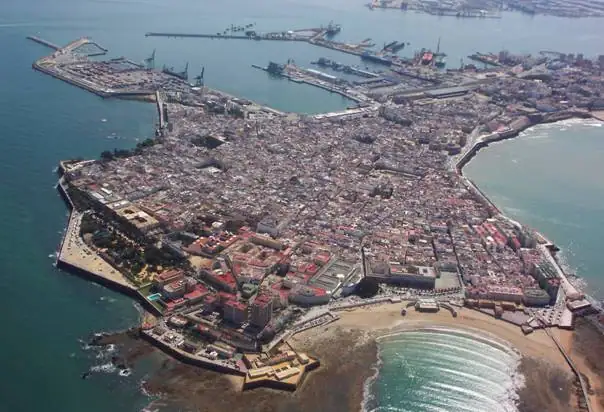
Cádiz (for Seville)
Cádiz is a sea-wrapped old city where ships dock right beside the historic center, and it’s also the gateway to Seville, about 1.5–2 hours away by road or train. You can spend a relaxed day on foot among Cádiz’s cathedral, watchtowers and beaches, or commit to a long but rewarding trip to Seville’s Alcázar and cathedral.
Where Western Mediterranean cruises start
Cruise lines that sail Western Mediterranean
Western Mediterranean cruise tips
- If you do Rome on your own, take the regional train from Civitavecchia and set a firm turnaround time. Italian transport strikes happen several times a year and are usually announced in advance, so check the night before; on a ship tour, the ship waits for you.
- At Livorno, choose Florence or Pisa rather than both. Florence alone fills a port day, and the drive back to the ship in late-afternoon traffic is where tight schedules fall apart.
- Watch for pickpockets on Barcelona’s La Rambla, in Rome’s metro and on Naples’ crowded buses. Use a cross-body bag that zips, and keep your phone out of back pockets.
- Expect long lunches and Sunday closures, especially in Spain and southern Italy, where many shops shut in the afternoon. Plan shopping for the morning and museums for the afternoon.
- Villefranche, Portofino and Capri are tender or small-boat landings. Tender tickets go fastest on big ships, so get to the meeting point early or join a tour that goes ashore first.
Western Mediterranean cruises: FAQs
What countries do you visit on a Western Mediterranean cruise?
Spain, France and Italy on almost every sailing, often with Monaco and Malta. Longer itineraries can add Gibraltar, Portugal, Morocco (Tangier) and the French island of Corsica.
What is the best month for a Western Mediterranean cruise?
May and September. Both bring warm, mostly dry weather that suits long inland days to Rome and Florence, without July and August’s heat and crowds. June is also excellent, though busier toward the end of the month.
How do you get from Civitavecchia to Rome on a cruise?
By train, coach or private car. Regional trains from Civitavecchia station, a short shuttle ride from the pier, reach Rome in roughly an hour or a bit more. Ship excursions go by coach, and private drivers can be shared with other cruisers. Allow a generous buffer for the return.
Is a Western Mediterranean cruise good for first-timers?
Yes. It’s the easiest European cruise for first-timers because it covers the landmarks most people want to see, and the big embarkation ports in Barcelona and Rome have plenty of flights from North America. Just be ready for busy days with few chances to rest.
Which cruise line is best for the Western Mediterranean?
MSC and Costa know these waters best and sail year-round, while Royal Caribbean, Norwegian and Celebrity bring big-ship amenities. Oceania, Viking and Azamara offer longer port stays, and Windstar, Star Clippers and Seabourn reach small Riviera and island harbors.
Can you see the Alhambra on a Mediterranean cruise?
Yes, from Málaga, but it’s a long day. Granada is roughly 90 minutes to two hours each way by road, and Alhambra tickets are timed and sell out, so most cruisers go on a ship or pre-arranged tour. If you prefer a shorter day, Málaga’s Alcazaba fortress and Picasso Museum are right in town.
Updated November 2026 by the BookMyDreamCruise editorial team. How we research and fact-check.
Sources: Wikidata, NASA POWER climate data.