Cruise port · Spain · Western Mediterranean
Alicante cruise port guide
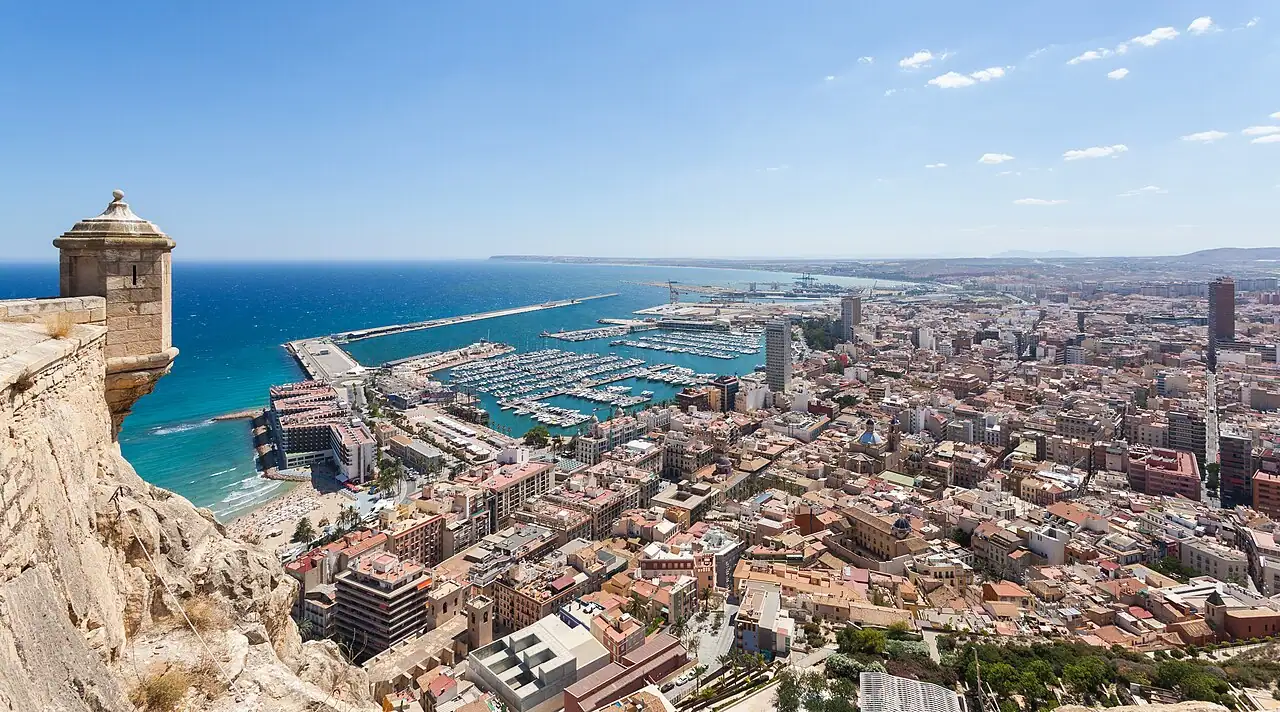
Alicante is a sunny, easygoing Costa Blanca city where ships dock a short walk from a palm-lined promenade, a city beach and a hilltop castle reached by an elevator inside the mountain. It’s ideal for a relaxed, do-it-yourself day of sightseeing, rice dishes and beach time, with Elche’s palm groves and the village of Guadalest nearby.
- Walkable port
- City beach
- Castle views
- Rice dishes
- Relaxed days
Photo: Diego Delso, CC BY-SA 3.0, via Wikimedia Commons
- Country
- Spain
- Region
- Western Mediterranean
- Type of stop
- Cruise port
- Language
- Spanish and Valencian. English is common in the center.
- Currency
- Euro (€). Cards are widely accepted.
- Best time to visit
- May–September
- Average highs
- 63–96°F through the year
About Alicante
Alicante doesn’t demand a checklist. The Castillo de Santa Bárbara looms over the city from Mount Benacantil, the wavy mosaic paving of the Explanada de España runs along the marina, and the Barrio de Santa Cruz climbs the hill in a jumble of whitewashed houses and flowerpots.
Most cruisers spend the morning at the castle and in the old quarter, then settle in for a long rice lunch or a swim at Postiguet beach, minutes from the ship. Day trips go to the UNESCO-listed palm groves of Elche or the mountain village of Guadalest. It’s a great port for travelers who like to set their own pace, though those after grand monuments may find it modest.
Where cruise ships dock in Alicante
Ships dock at the cruise terminal in Alicante’s port, right next to the city center. The Explanada de España and the marina are about a 10–15 minute walk from the ship, and Postiguet beach is roughly 20 minutes on foot. The castle is reached by an elevator whose entrance is opposite Postiguet beach. A few hours covers the castle, old quarter and promenade; taxis wait near the terminal for trips to Elche (about 30 minutes) or Guadalest (about an hour).
Best things to do in Alicante on a cruise
- 1
Castillo de Santa Bárbara
history
This fortress on Mount Benacantil has Moorish roots and was expanded over centuries. An elevator inside the mountain whisks you up from near Postiguet beach, and the battlements give a sweeping view over the coast, marina and city. Walk down through the old quarter afterward.
- 2
Explanada de España
culture
Alicante’s seafront promenade is paved with millions of tiles in a wave pattern and shaded by rows of palms. Cafés and ice cream shops line the inland side. It’s the city’s living room, best for an evening stroll or a coffee before reboarding.
- 3
Barrio de Santa Cruz
culture
Climbing the lower slopes of the castle hill, this old quarter of narrow stepped lanes and whitewashed houses with blue doors and potted geraniums feels like a village. Expect steep steps and good photo spots.
- 4
MARQ Archaeological Museum
history
The provincial archaeology museum covers Iberian, Roman and Moorish Alicante with modern, well-designed galleries. It’s a short taxi ride from the center and a good choice on a very hot afternoon.
- 5
Elche Palm Grove
nature
About 30 minutes from Alicante, Elche’s Palmeral is a UNESCO World Heritage Site, a vast date-palm grove first laid out in the Moorish era. The Huerto del Cura garden is the most visited section, with cacti and a many-branched imperial palm.
- 6
Tabarca Island
beach
Boats from Alicante’s harbor cross to this tiny walled island in a protected marine reserve in about an hour. Snorkel in clear water, walk the 18th-century walls and eat fish stew in a waterfront restaurant. It’s weather-dependent and best on a long port day.
Alicante weather by month
| Month | Jan | Feb | Mar | Apr | May | Jun | Jul | Aug | Sep | Oct | Nov | Dec |
|---|---|---|---|---|---|---|---|---|---|---|---|---|
| High °F (°C) | 6317 | 6518 | 6920 | 7323 | 8127 | 8932 | 9636 | 9535 | 8731 | 8027 | 7021 | 6519 |
| Low °F (°C) | 468 | 489 | 5110 | 5412 | 6116 | 6820 | 7423 | 7524 | 6921 | 6317 | 5412 | 5010 |
| Rain in (mm) | 1.539 | 0.615 | 2.461 | 1.742 | 1.231 | 0.718 | 0.25 | 0.718 | 2.256 | 1.538 | 1.641 | 1.435 |
| Daylight (hrs) | 10 | 11 | 12 | 13 | 14 | 15 | 15 | 14 | 12 | 11 | 10 | 10 |
What to eat and drink in Alicante
Alicante is rice country. Order arroz a banda (rice cooked in fish stock, served with alioli) or Elche’s arroz con costra, baked with a crust of egg. Turrón, almond nougat from the nearby town of Jijona, comes soft or hard. Salazones, salted and cured fish such as mojama (dried tuna), are a local tapa. Cool off with horchata. Look for rice restaurants along the marina and the streets behind the Explanada, and the Mercado Central for snacks.
Tips for your port day
- Use the castle elevator to go up, then walk down through the Barrio de Santa Cruz. Climbing up in summer heat is hard work.
- Rice dishes are cooked to order and usually for a minimum of two people; allow time and plan for a long lunch.
- Postiguet beach is close to the ship, but bring a towel; sunbed rental is limited at busy times.
- Shops close for an afternoon break, but cafés along the Explanada stay open all day.
Cruise lines that visit Alicante
Often on the same itinerary
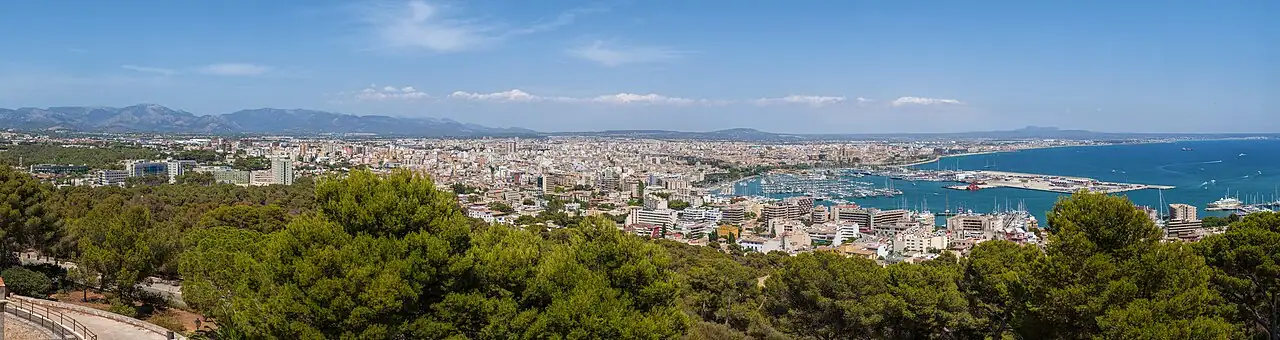
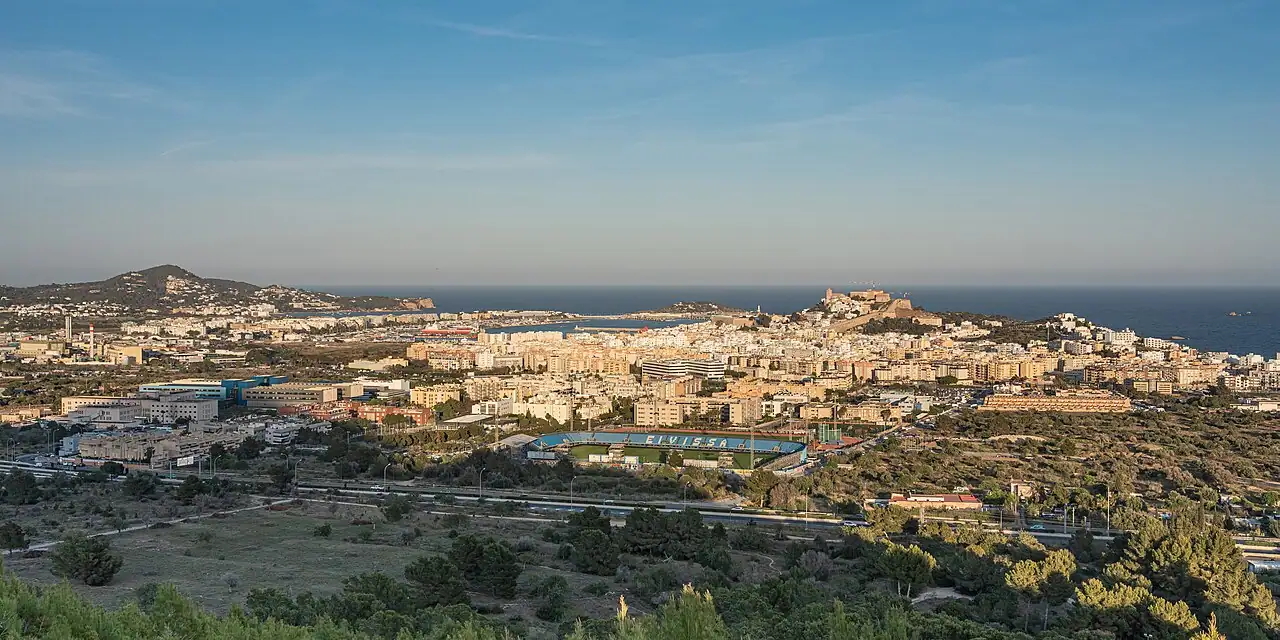
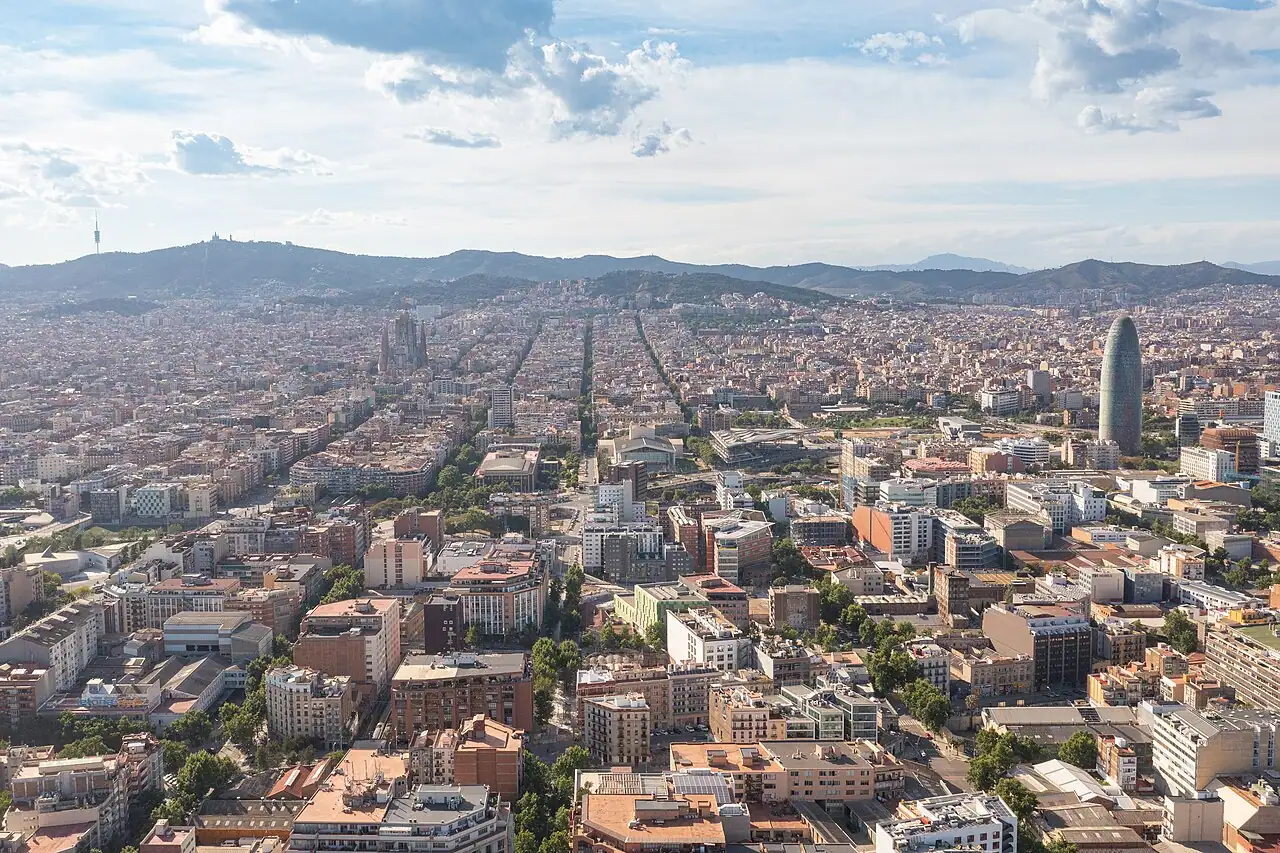
Alicante cruise FAQs
Can you walk from the Alicante cruise terminal to the city?
Yes. The center and the Explanada de España are about a 10–15 minute walk from the ship, and Postiguet beach is about 20 minutes on foot.
How do you get up to Santa Bárbara Castle?
Take the elevator built into the mountain, entered through a tunnel opposite Postiguet beach. You can also walk up, but it’s steep and hot.
Is there a beach near Alicante cruise port?
Yes. Playa del Postiguet is the city beach, a short walk from the port along the seafront.
What day trips can you do from Alicante on a cruise?
Elche’s UNESCO palm grove is about 30 minutes away, the mountain village of Guadalest is about an hour, and boats cross to Tabarca Island in about an hour.
Is Alicante safe?
Yes, Alicante is generally safe. Keep an eye on bags along the busy promenade and at the beach.
Updated November 2026 by the BookMyDreamCruise editorial team. How we research and fact-check.
Sources: Wikipedia, Wikidata, NASA POWER climate data.