Caribbean, Bahamas & Bermuda
Caribbean cruises
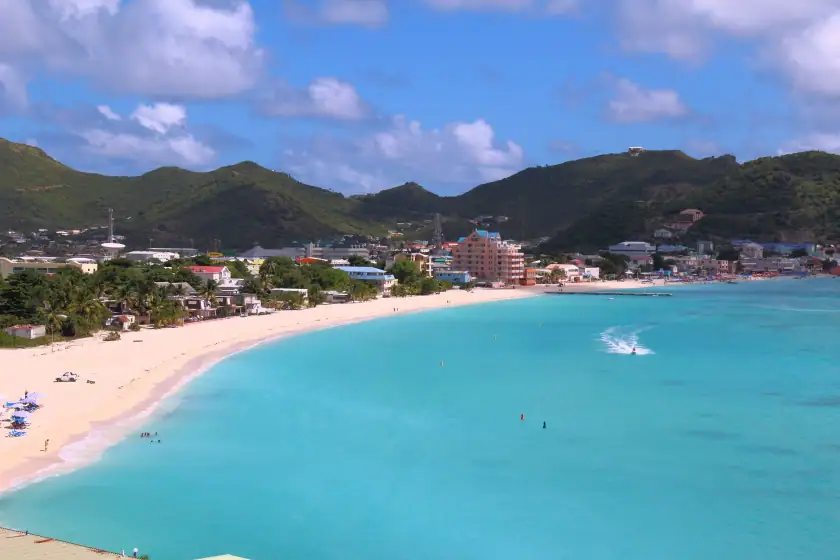
Caribbean cruises sail all year from Florida, Texas, Louisiana, Alabama and Puerto Rico, and most last 4 to 7 nights. You’re really choosing between three routes: the Western Caribbean for Mexico, Mayan ruins and reef snorkeling; the Eastern Caribbean for the Virgin Islands, St. Maarten and classic beaches; and the Southern Caribbean for Aruba, Curaçao and the greener, quieter islands farther south. December to April is driest; hurricane season runs June 1 to November 30.
- Season: Year-round; driest and busiest December to April. Hurricane season June 1 to November 30, most active August to October.
- Typical length: 4 to 7 nights; 8 to 12 nights for most Southern Caribbean routes from Florida
Photo: Clavius66, CC BY-SA 3.0, via Wikimedia Commons
- Season
- Year-round; driest and busiest December to April. Hurricane season June 1 to November 30, most active August to October.
- Typical length
- 4 to 7 nights; 8 to 12 nights for most Southern Caribbean routes from Florida
- Best months
- Jan, Feb, Mar, Apr, Dec
- Main departure ports
- Miami, Fort Lauderdale, Port Canaveral (Orlando)
- Ports covered here
- 37
- Cruise lines
- 18 lines sail here
What a Caribbean cruise is like
More Americans and Canadians cruise the Caribbean than anywhere else, and the reason is simple: you can drive to a Florida or Gulf Coast port, sail overnight into warm water and be snorkeling a reef the next morning. The region is big, though. Cozumel is closer to Houston than it is to Barbados, so the route your ship takes shapes the trip far more than the word ‘Caribbean’ on the brochure suggests.
Your departure port usually decides the route. Galveston, New Orleans, Mobile and Tampa sit on the Gulf of Mexico and sail almost entirely to the Western Caribbean. Miami, Fort Lauderdale and Port Canaveral can reach either the Eastern or Western islands in a week, often with a private-island day in the Bahamas on the way. The Southern Caribbean is far enough from Florida that most sailings run 8 nights or longer, or start in San Juan, Puerto Rico, a night’s sail from the Lesser Antilles.
Then think about what you want from your days ashore. The Western route is the most active: pyramids, cave tubing, zip lines and some of the Caribbean’s best reef snorkeling. The Eastern route is about beaches, duty-free shopping and easy, walkable ports, with US currency in the Virgin Islands and Puerto Rico. The Southern route rewards curious travelers with Dutch colonial towns, rainforest, volcanoes and Creole cooking, and its ABC islands lie south of the usual hurricane tracks, which makes it the smartest pick for late summer and early fall.
The Caribbean also has the widest choice of ships anywhere, from mega-ships with water parks to adults-only Virgin Voyages, Disney’s family ships and small luxury and sailing ships that slip into harbors the giants can’t use. If the ports leave you torn, pick the ship first and save another route for next time.
Best time to cruise Caribbean
- Jan: Best time to go
- Feb: Best time to go
- Mar: Best time to go
- Apr: Best time to go
- May: Good time to go
- Jun: Good time to go
- Jul: Good time to go
- Aug: Shoulder season
- Sep: Shoulder season
- Oct: Shoulder season
- Nov: Good time to go
- Dec: Best time to go
- No regular sailings
- Shoulder season
- Good time to go
- Best time to go
Caribbean in JanuaryBest time to go
Peak season gets going once the New Year rush passes, and the first two weeks of January are one of the few winter windows with softer fares. All three routes are dry and breezy, with highs in the low to mid-80s °F. Winter cold fronts can make the first sea day out of Galveston or New Orleans cool and choppy, so Florida and San Juan departures feel warmer from day one.
Caribbean in FebruaryBest time to go
February brings the most dependable sunshine of the year, which is why Presidents’ Day week and mid-winter school breaks sell out early. Carnival season, which peaks in February or early March depending on when Easter falls, fills the streets of Aruba, Curaçao, Cozumel and the French islands. If your dates are fixed, reserve well ahead; flexible travelers find better value in the first week of the month.
Caribbean in MarchBest time to go
Spring break changes the mood more than the weather. Short sailings from Florida and Texas fill with college students and families in early to mid-March, while longer Southern Caribbean voyages stay calmer and more grown-up. Trade winds are still brisk, so open-water crossings in the east can feel lively, but rain is scarce everywhere. Easter lands in March in some years, adding another busy week.
Caribbean in AprilBest time to go
April is the last full month of the dry season and quietly one of the best: the sea warms toward 80 °F, crowds thin after Easter and fares begin to slip. Late in the month some ships leave Florida to reposition for summer in Europe or Alaska, so the choice of ships narrows a little.
Caribbean in MayGood time to go
May is a value month on every route. It’s hot but not yet stormy, schools are still in session, and ships feel noticeably roomier before Memorial Day. The wild card is sargassum, a floating seaweed that can pile up on some Mexican and east-facing beaches from late spring through summer; it varies enormously from year to year and from one beach to the next.
Caribbean in JuneGood time to go
Hurricane season officially opens on June 1, but early-season storms tend to be infrequent and weaker, so June is generally a fair bet. Summer school holidays push prices back up from mid-month. Expect humid air and short afternoon downpours in the Western Caribbean, while the semi-arid ABC islands on the Southern route barely notice the change of season.
Caribbean in JulyGood time to go
Family season peaks in July, and the biggest ships with water parks and kids’ clubs sail full. It’s the hottest stretch of the year, with highs near 90 °F and sea temperatures well into the 80s, lovely for snorkeling. Storms are possible but less common than later on. For maximum peace of mind, an itinerary through Aruba, Curaçao and Bonaire lies farthest from the usual storm paths.
Caribbean in AugustShoulder season
The busiest part of hurricane season starts in August, and itineraries change most often from now through October, usually a swapped or skipped port rather than anything dramatic. Once US schools go back in mid to late August, demand and fares drop sharply. Buy travel insurance, keep shore plans loose, and favor Southern Caribbean routes or short trips that are easy to rebook.
Caribbean in SeptemberShoulder season
Statistically, September is the stormiest month in the Atlantic, with activity peaking around the second week. It’s also the cheapest and emptiest time to cruise the Caribbean, and a few ships take a break for dry dock. The Leeward and Virgin Islands sit closest to the paths of long-track storms from Africa, so Eastern Caribbean routes are the likeliest to be rerouted now.
Caribbean in OctoberShoulder season
Storm risk lingers through October, and late-season systems often form in the Western Caribbean itself, near Mexico, Belize and Honduras. On the plus side, fares stay low, the sea is at its warmest, and from late in the month ships return from Alaska and Europe, bringing more choice.
Caribbean in NovemberGood time to go
Hurricane season ends on November 30, and drier, slightly cooler air usually arrives during the month. The first three weeks are among the year’s best-value windows on every route, before Thanksgiving week sends prices sharply higher. Lines often begin their winter deployments now, so it’s a good month to try a ship that has just crossed from Europe.
Caribbean in DecemberBest time to go
The dry season settles in during December, with comfortable low-80s days and steady trade winds. Early December is quiet and fairly priced, with holiday decorations already up on board. The Christmas and New Year weeks are the most expensive sailings of the year and sell out many months ahead, so lock in a cabin early if you need those dates.
Average weather across Caribbean ports
| Month | Jan | Feb | Mar | Apr | May | Jun | Jul | Aug | Sep | Oct | Nov | Dec |
|---|---|---|---|---|---|---|---|---|---|---|---|---|
| High °F (°C) | 8027 | 8027 | 8127 | 8228 | 8329 | 8429 | 8529 | 8530 | 8630 | 8529 | 8328 | 8228 |
| Low °F (°C) | 7725 | 7725 | 7825 | 7926 | 8127 | 8228 | 8228 | 8328 | 8328 | 8228 | 8127 | 7926 |
| Rain in (mm) | 2.154 | 1.334 | 1.334 | 1.435 | 2.460 | 4.0101 | 3.179 | 3.793 | 4.1104 | 5.6143 | 5.3136 | 2.769 |
| Daylight (hrs) | 11 | 12 | 12 | 13 | 13 | 13 | 13 | 13 | 12 | 12 | 11 | 11 |
Choose your Caribbean cruise
Eastern Caribbean cruises
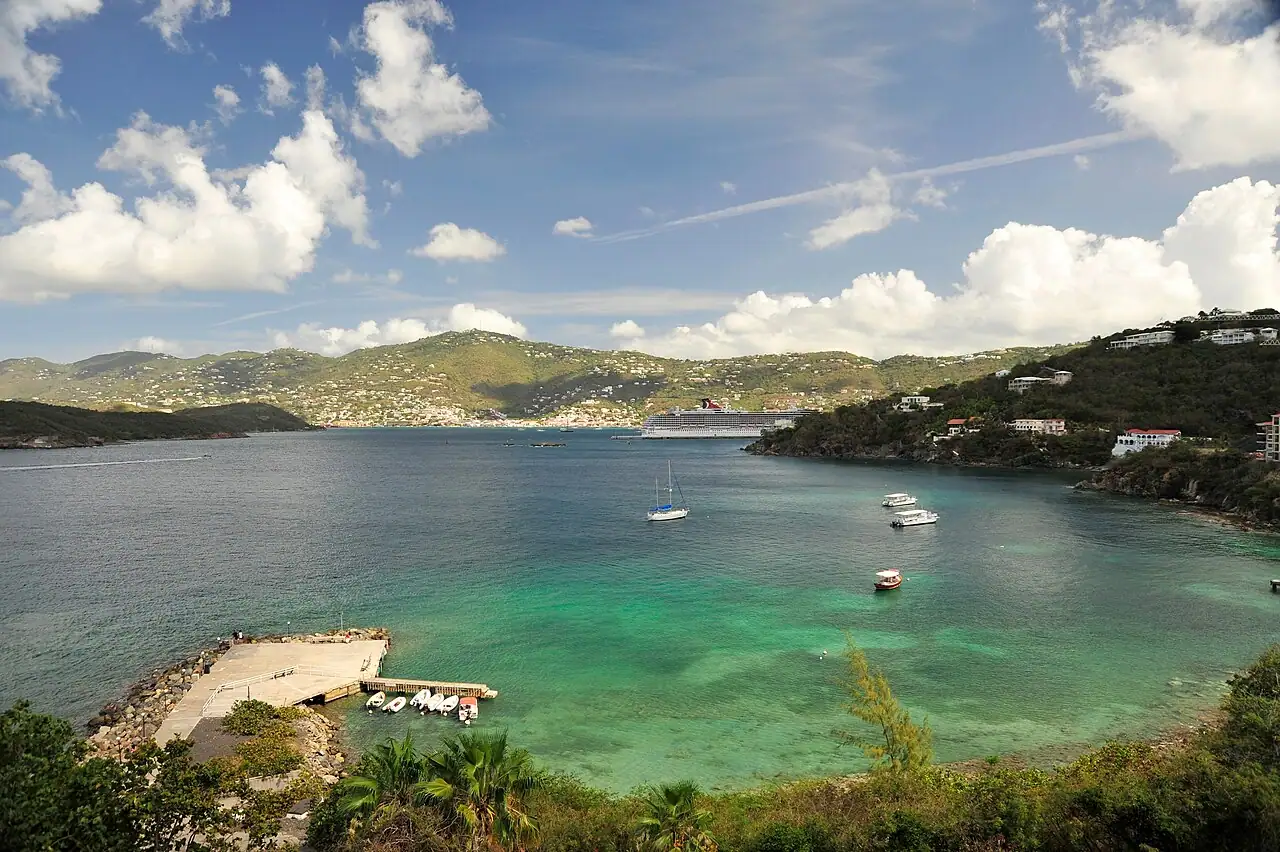
Eastern Caribbean cruises head southeast from Florida or Puerto Rico to the U.S. and British Virgin Islands, St. Maarten, the Dominican Republic and Turks and Caicos, usually with a Bahamas private-island day. Expect white-sand beaches, sailboat-filled bays, duty-free shopping and easy, walkable ports. Most sailings are 7 nights from Miami, Fort Lauderdale, Port Canaveral or San Juan, and the best weather runs from December to April.
Western Caribbean cruises
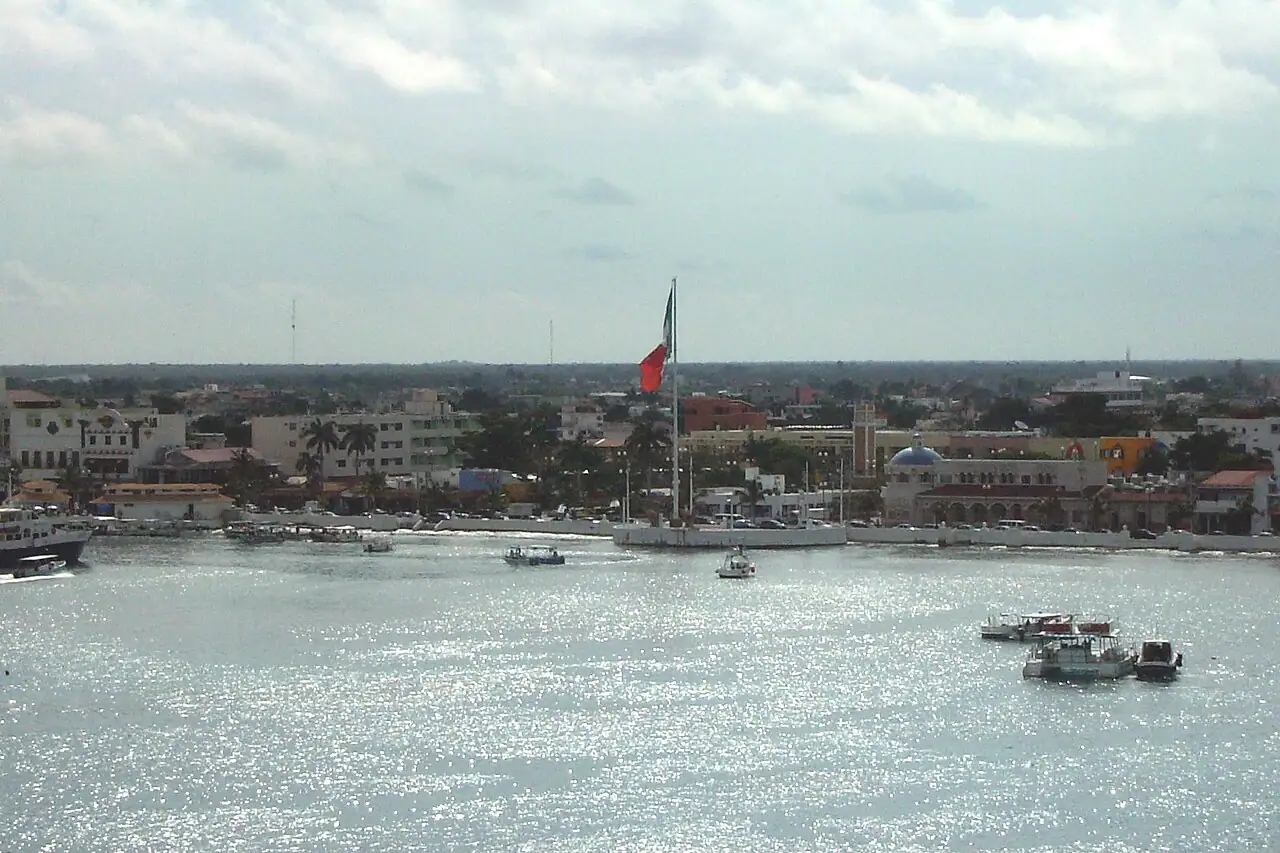
Western Caribbean cruises sail from Texas, Louisiana, Alabama and Florida to Mexico’s Yucatán coast, Belize, Honduras, Grand Cayman and Jamaica. This is the route for Mayan ruins, cave tubing, cenotes and snorkeling on the Mesoamerican Reef. Most trips last 4 to 7 nights and run year-round, with the driest weather from December to April.
Southern Caribbean cruises
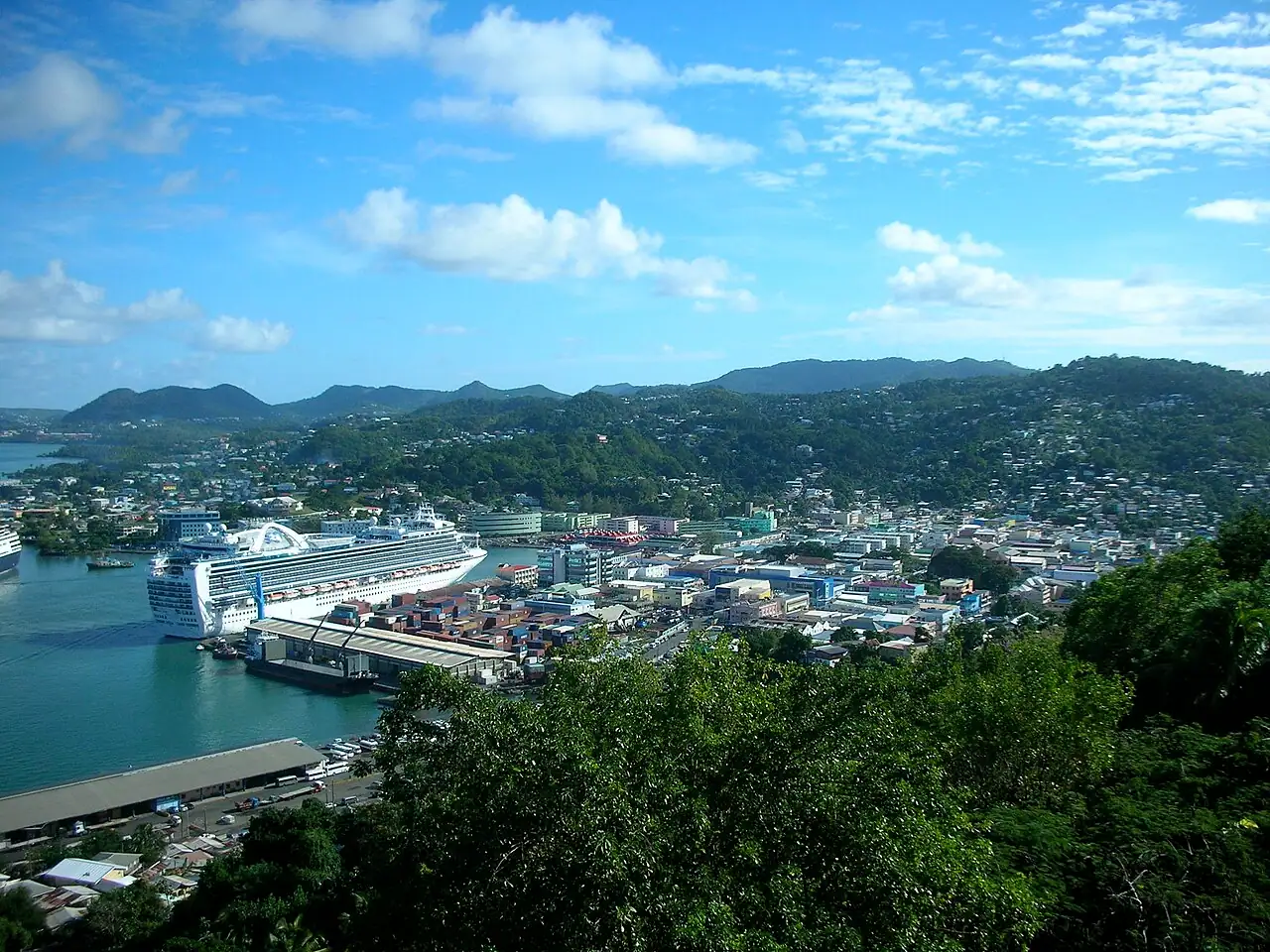
Southern Caribbean cruises reach the far end of the island chain: Aruba, Bonaire and Curaçao off the coast of Venezuela, and lush, mountainous islands such as Barbados, St. Lucia, Grenada, Dominica and Martinique. They’re far from Florida, so most sailings start in San Juan or run 8 to 14 nights from Fort Lauderdale or Miami. The ABC islands are dry and rarely hit by hurricanes, making this the Caribbean’s most dependable route in late summer and fall.
Caribbean cruise highlights
- 1
Mayan ruins on a Western Caribbean day
From Costa Maya, tours reach Chacchoben, a temple complex in quiet forest about an hour inland. From Cozumel, a ferry to Playa del Carmen leads on to Tulum’s clifftop ruins; from Belize City, coaches head to Altun Ha; from Progreso, the long day trip is Chichén Itzá. Go early, wear a hat and carry water, because the sites have little shade.
- 2
Stingray City, Grand Cayman
Boats from George Town run out to a waist-deep sandbar in the North Sound where southern stingrays glide around your legs, accustomed to guides feeding them for decades. Pair it with a swim at Seven Mile Beach or Starfish Point. Grand Cayman is a tender port, so allow extra time to get ashore and back.
- 3
Magens Bay and St. John from St. Thomas
Magens Bay, a calm, sheltered beach on the north shore of St. Thomas, is a short safari-taxi ride over the hills from the cruise docks. More ambitious cruisers take the ferry from Red Hook to St. John, where most of the island is Virgin Islands National Park and Trunk Bay has a marked underwater snorkel trail.
- 4
Willemstad, Curaçao
Willemstad’s waterfront Handelskade, a row of brightly painted Dutch gabled buildings, is part of a UNESCO World Heritage Site. Walk across the Queen Emma Bridge, a floating pontoon bridge that swings aside for passing ships, then cool off at one of the small cove beaches on the island’s west end, such as Grote Knip.
- 5
The Pitons of St. Lucia
Two volcanic spires rising straight from the sea near Soufrière are St. Lucia’s signature view. Boat and road tours from Castries pass beneath them on the way to the Sulphur Springs mud baths. The roads twist, so a ship tour keeps the timing safe.
- 6
A private-island beach day
Many itineraries from Florida include a stop at a line-owned island: Perfect Day at CocoCay for Royal Caribbean, Celebration Key and Half Moon Cay for Carnival, Great Stirrup Cay and Harvest Caye for Norwegian, Castaway Cay for Disney. Beaches, lagoons and basic food are included in your fare; cabanas, water parks and premium beach clubs cost extra.
Typical Caribbean itineraries
- 1
7-night Western Caribbean from Galveston
Typically Roatán, Belize City and Cozumel, or Costa Maya in place of Belize, with three sea days crossing the Gulf of Mexico. Convenient for Texas and the central US, and the most common way to see Mexico and Central America in a week.
- 2
7-night Eastern Caribbean from Fort Lauderdale, Miami or Port Canaveral
Usually a private island in the Bahamas, then St. Thomas and St. Maarten, sometimes with San Juan, Puerto Plata or Tortola. Expect two or three sea days on the long run southeast.
- 3
4- and 5-night short Caribbean sailings
From Tampa, Miami, Port Canaveral or New Orleans, short trips usually pair Cozumel with Key West, Progreso, Costa Maya or Grand Cayman. A good first cruise, though the sea days fly by.
- 4
7-night island-hopper from San Juan
Five or six islands in a week with few sea days, in combinations of St. Thomas, St. Kitts, Antigua, St. Lucia, Barbados, Aruba and Curaçao. Getting to Puerto Rico is a domestic flight for US travelers.
- 5
10- to 12-night Southern Caribbean from Florida
Holland America, Celebrity and Princess favor these longer routes to Aruba, Curaçao and Bonaire, often adding Grand Turk, a private island or one of the Windward Islands, with several restful sea days.
Caribbean ports of call
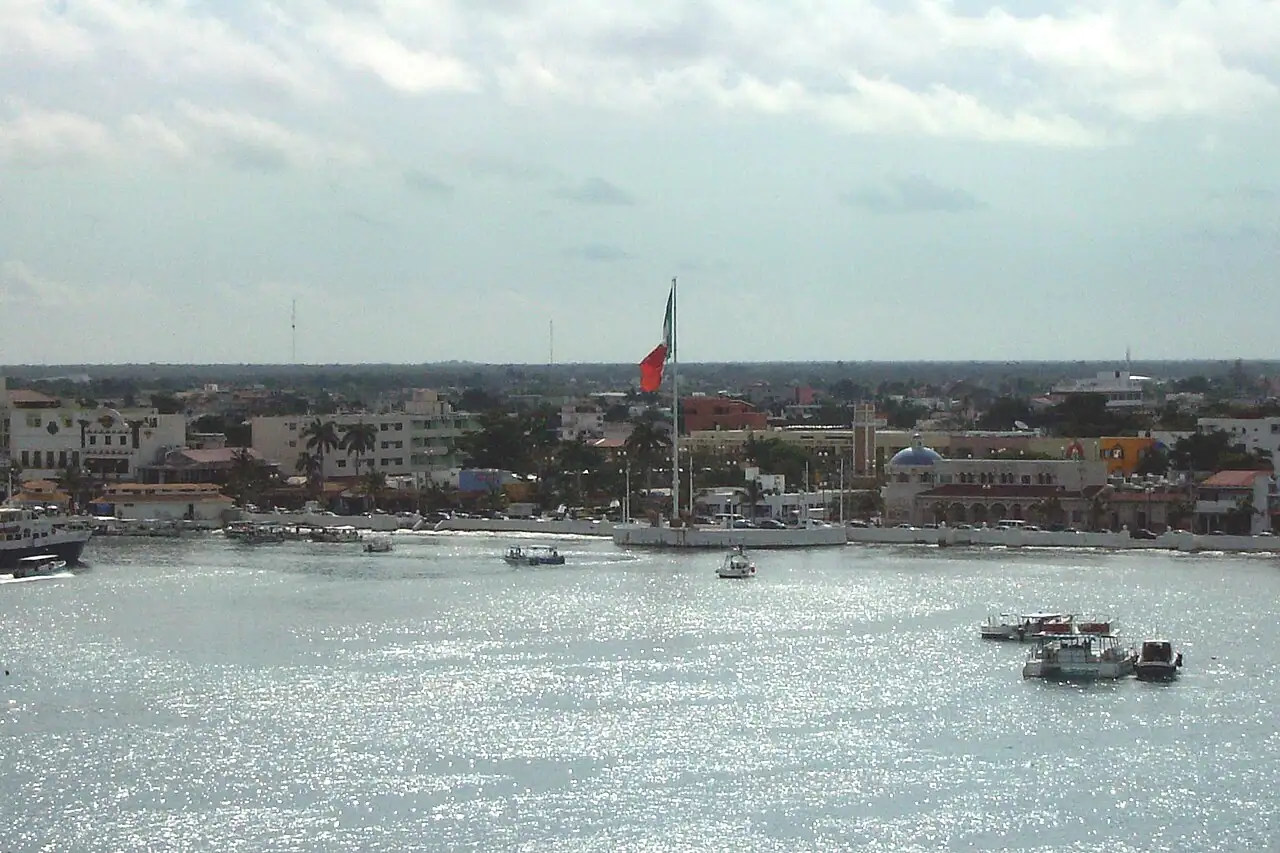
Cozumel
Cozumel is Mexico’s busiest cruise port, an island off the Yucatán coast famous for world-renowned reefs, easy beach clubs and Mexican food and shopping in the waterfront town of San Miguel. Ships dock at one of three piers south of town, and popular Cozumel excursions range from snorkeling Palancar Reef to ferry trips for the Mayan ruins of Tulum.
St. Thomas
St. Thomas is one of the easiest and most popular Eastern Caribbean cruise ports: ships dock close to Charlotte Amalie, the U.S. dollar is the currency, and American citizens shop with an extra-generous duty-free allowance. The big draws are Magens Bay beach, the view from the Skyride to Paradise Point and a quick ferry hop to St. John’s national park beaches.
St. Maarten
St. Maarten is a two-nation island, Dutch in the south and French in the north, and its Philipsburg cruise port puts you a short walk or water taxi from Great Bay beach and Front Street’s duty-free shops. Most visitors split the day between a beach, the planes skimming Maho Beach and a lunch of French food or island barbecue on the French side.
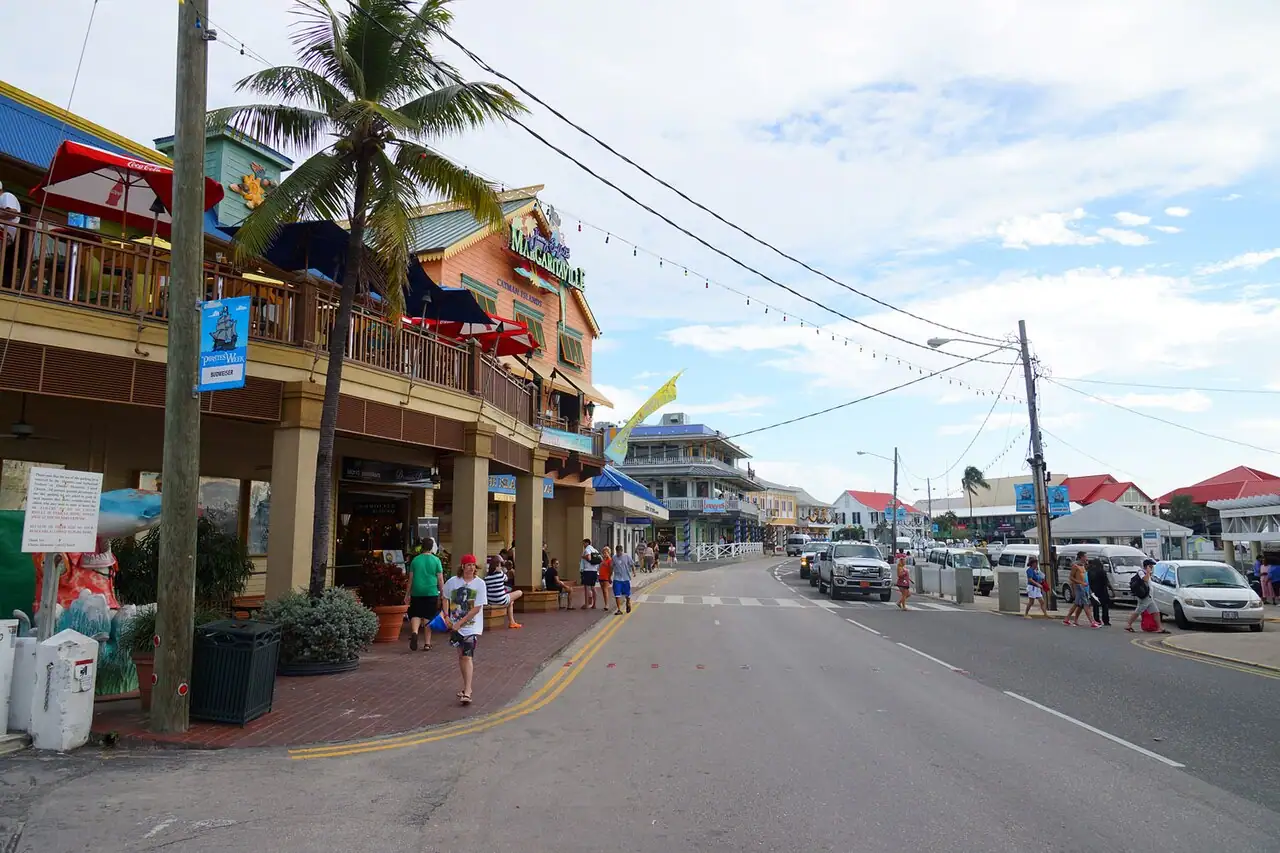
Grand Cayman
Grand Cayman is a tender port: ships anchor off George Town and ferry passengers ashore by tender, right into the compact, polished capital. The island’s signature experience is Stingray City, a shallow sandbar where wild stingrays glide around your legs, and Seven Mile Beach, one of the Caribbean’s finest, is a short taxi ride from the tender docks.
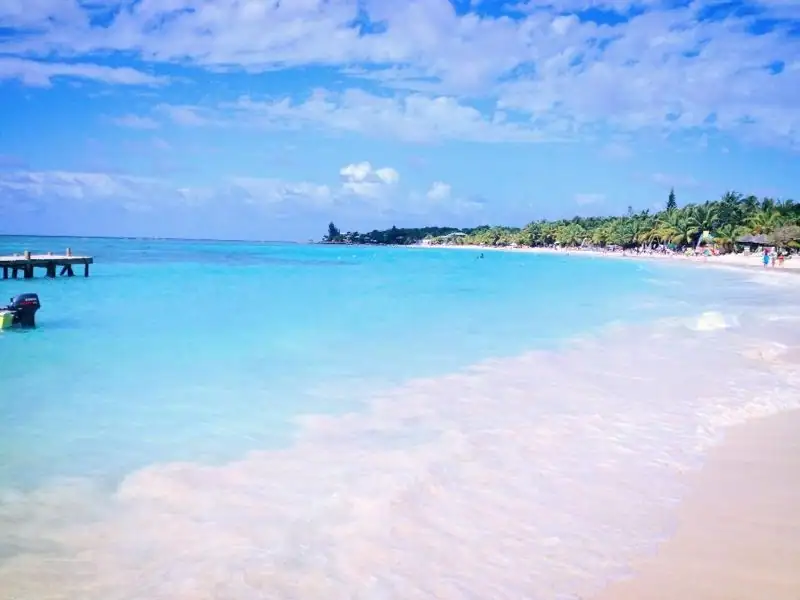
Roatán
Roatán is the largest of Honduras’s Bay Islands, a hilly, green island fringed by the Mesoamerican Barrier Reef, with some of the best snorkeling and diving in the Western Caribbean. Ships dock at Mahogany Bay or the Port of Roatán in Coxen Hole, and most visitors head to the powdery sand of West Bay, the dive village of West End or a wildlife park with monkeys and sloths.
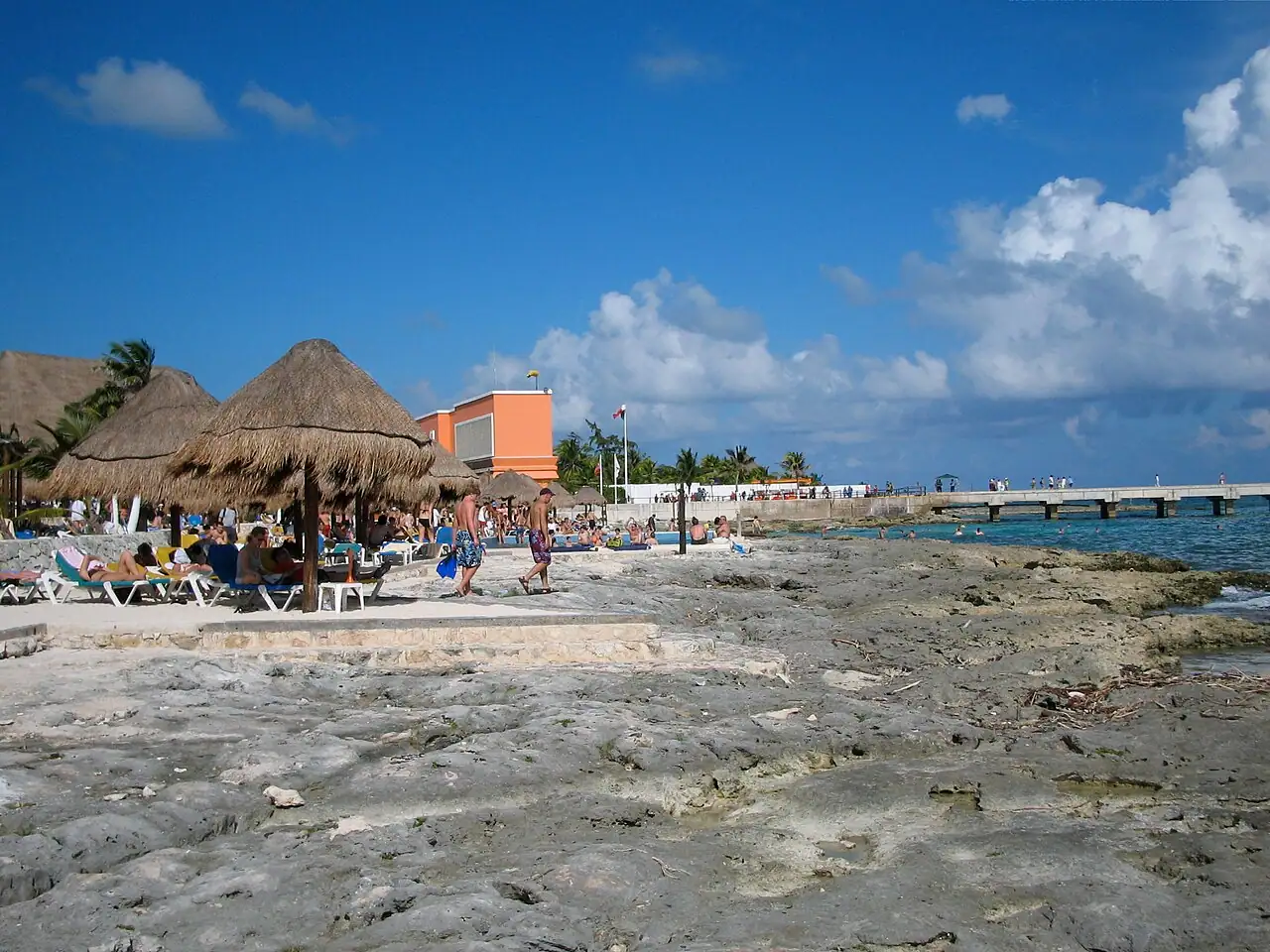
Costa Maya
Costa Maya is a purpose-built cruise port on Mexico’s quiet southern Caribbean coast, with pools, shops and restaurants right at the pier and the laid-back fishing village of Mahahual a short ride away. The headline excursion is the jungle-shrouded Mayan ruins of Chacchoben, about an hour inland, while beach lovers relax on Mahahual’s sandy malecón.
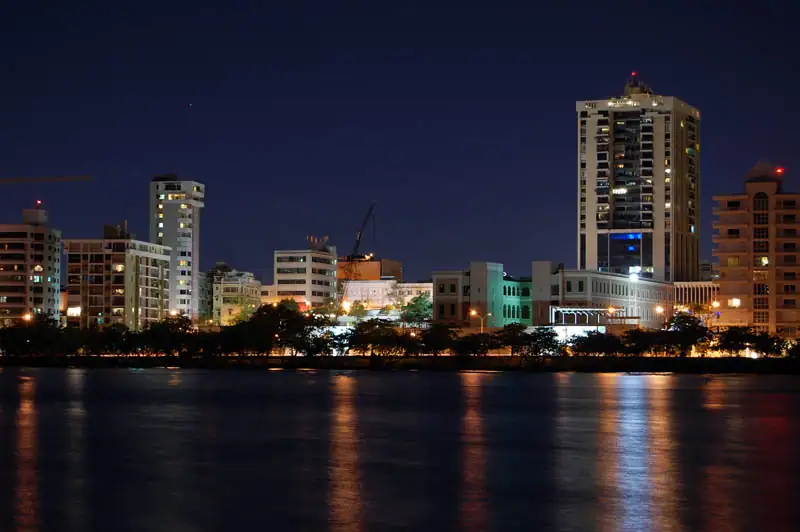
San Juan
Departure port
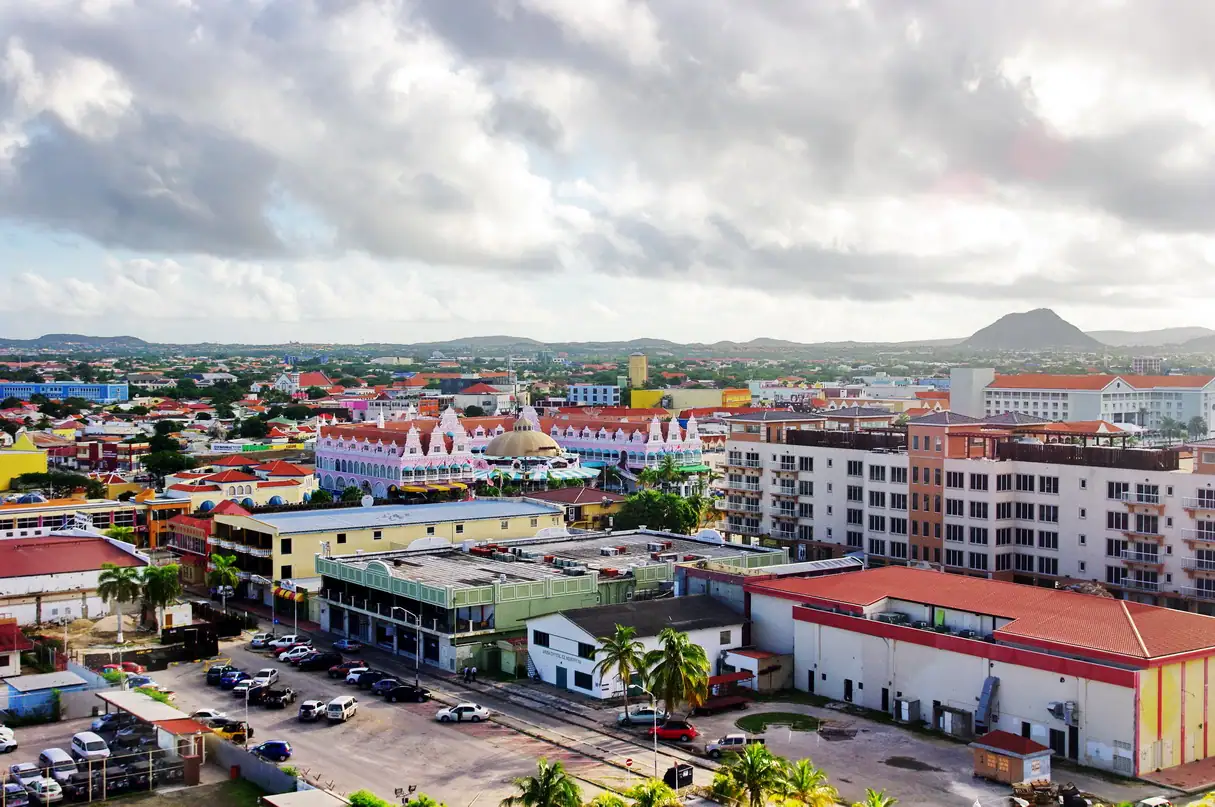
Aruba
Aruba is a dry, sunny Dutch Caribbean island outside the main hurricane belt, and ships dock right in downtown Oranjestad. It’s one of the best beach ports in the Caribbean: Eagle Beach and Palm Beach are 10 to 20 minutes away by taxi or bus. Off-road tours of Arikok National Park, shipwreck snorkeling and Dutch-Caribbean food fill out the day.
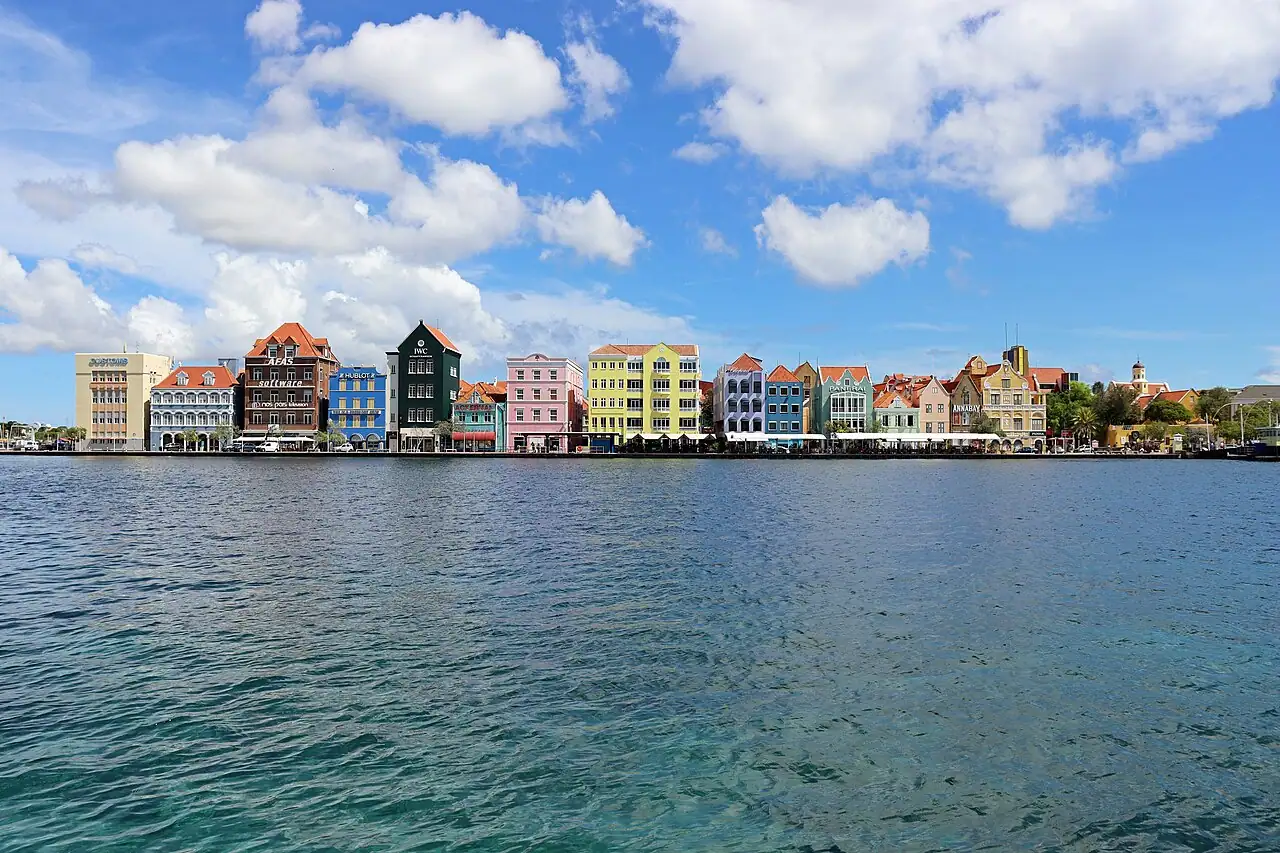
Curaçao
Curaçao’s capital, Willemstad, is one of the most photogenic cruise ports in the Caribbean, with candy-colored Dutch colonial buildings lining the harbor and a floating pontoon bridge linking its two halves. Ships dock within walking distance of the UNESCO-listed old town, and the island’s west coast has some of the region’s best small beaches and snorkeling.
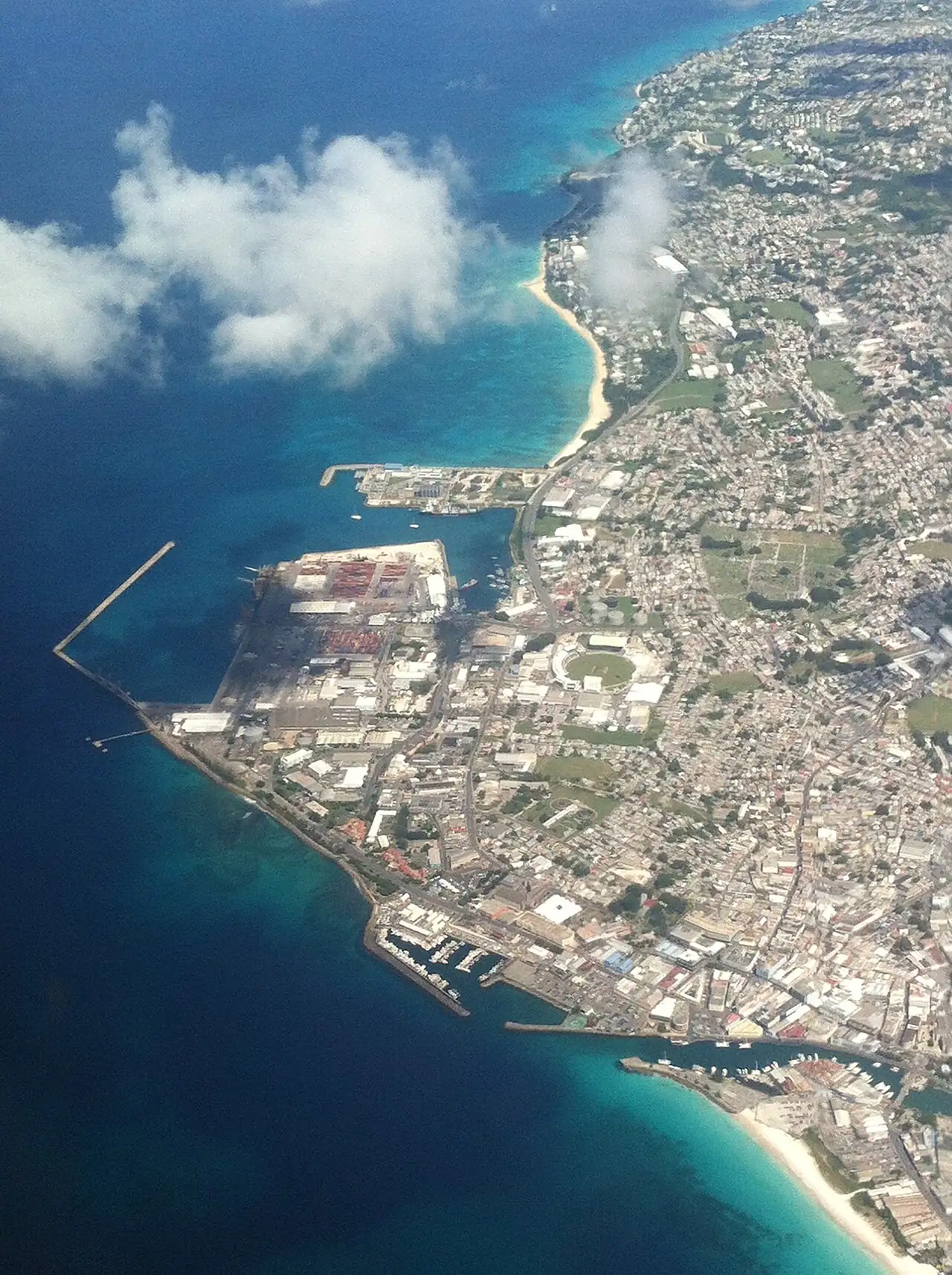
Barbados
Barbados is a polished, easygoing island where ships dock at Bridgetown’s deep-water harbor, a short ride from Carlisle Bay’s calm beach and shipwreck snorkeling. Visitors come for powdery west and south coast beaches, the birthplace of rum at Mount Gay, the underground stream cave at Harrison’s Cave and the wild Atlantic scenery at Bathsheba. It’s also a busy cruise homeport.
St. Lucia
St. Lucia is a steep, rainforest-covered island whose twin volcanic spires, the Pitons, are among the most famous sights in the Caribbean. Ships dock in Castries, the capital, and most visitors head south along the coast by road or catamaran to Soufrière for the Pitons, the Sulphur Springs mud baths and Diamond Falls.
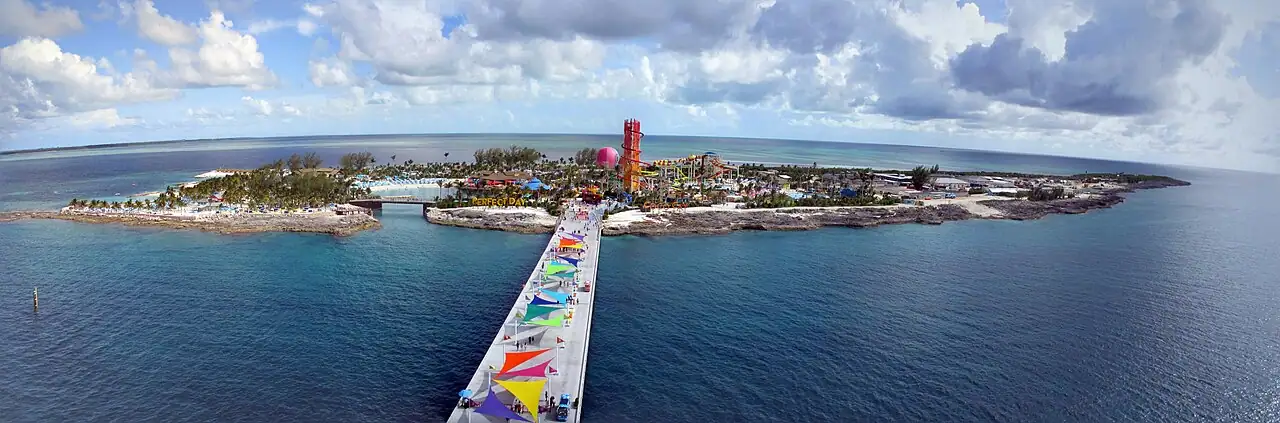
Perfect Day at CocoCay
More ports in this region
- St. Croix
- St. Kitts
- Antigua
- Tortola
- Virgin Gorda
- St. Barts
- Puerto Plata (Amber Cove & Taíno Bay)
- La Romana & Catalina Island
- Samaná
- Grand Turk
- Labadee
- Dominica
- Guadeloupe
- Martinique
- Grenada
- St. Vincent
- Bonaire
- Cartagena
- Progreso
- Belize City
- Harvest Caye
- Puerto Limón
- Ocho Rios
- Montego Bay
- Falmouth
- Key West
- Santo Tomás de Castilla
Where Caribbean cruises start
Cruise lines that sail Caribbean
Caribbean cruise tips
- Choose your route by where you can drive from. A Gulf Coast port means the Western Caribbean; Florida opens both Eastern and Western routes; for a Southern Caribbean week packed with islands, fly to San Juan.
- Fly in the day before you sail. A delayed or canceled flight is the most common reason people miss a Caribbean cruise, and the ship can’t wait for late arrivals.
- For ruins, cave tubing and catamaran trips that take you far from the pier, book through the ship or an operator that guarantees to get you back on time. Ships sail on schedule whether or not you’re aboard.
- Pack reef-safe sunscreen. The U.S. Virgin Islands, Bonaire and Aruba restrict sunscreens containing oxybenzone and similar chemicals to protect coral.
- US dollars work across most of the Caribbean, but carry small bills for taxis, tips and beach vendors. On the French islands of Martinique and Guadeloupe, prices are in euros, so use a card or bring some cash.
Caribbean cruises: FAQs
What is the best time to cruise the Caribbean?
December to April, for the driest and most comfortable weather. April, May and early November balance good weather with lower fares. Hurricane season runs from June 1 to November 30 and is most active from August to October, when ships keep sailing but may change ports.
Which is better, Eastern, Western or Southern Caribbean?
It depends on what you want ashore. Western is best for Mayan ruins, reefs and adventure tours; Eastern for beaches, shopping and easy ports such as St. Thomas and St. Maarten; Southern for more islands per week, Dutch and Creole culture, and the lowest hurricane risk around Aruba, Curaçao and Bonaire.
How long is a Caribbean cruise?
Most are 4 to 7 nights. Short 3- to 5-night trips usually visit Mexico, Key West or the Bahamas, 7 nights covers the classic Eastern or Western routes, and Southern Caribbean sailings from Florida typically run 8 to 12 nights.
Do I need a passport for a Caribbean cruise?
Not always, but it’s strongly recommended. US citizens on a round trip from a US port can generally sail with an original birth certificate and government photo ID, but you’ll need a passport if you have to fly home from a foreign island mid-cruise. Canadians should travel with a passport. Confirm the rules with your cruise line.
Which cruise line is best for the Caribbean?
There’s no single best. Royal Caribbean, Carnival, Norwegian and MSC have the most sailings and the biggest family ships; Celebrity, Princess and Holland America are calmer and suit longer Southern routes; Disney leads for young children; Virgin Voyages is adults-only; and Windstar, Star Clippers and Seabourn reach smaller harbors.
Is it safe to cruise the Caribbean during hurricane season?
Yes. Cruise lines track storms around the clock and steer ships well clear of them, so the real risk is to your plans rather than your safety: a changed port, a shortened stop or, rarely, a delayed return. Travel insurance and flexible expectations make late-summer sailings low-stress.
Updated November 2026 by the BookMyDreamCruise editorial team. How we research and fact-check.
Sources: Wikidata, NASA POWER climate data.