Europe & the Mediterranean
Mediterranean cruises
A Mediterranean cruise strings together Europe’s great coastal cities and islands, usually with a different port almost every day, on 7- to 12-night sailings from Barcelona, Rome (Civitavecchia), Athens (Piraeus), Venice-area ports and Istanbul. The main season runs April to October, and May, June and September give the best mix of weather and crowds. Choose the Western Med for big-name cities, the Adriatic and Eastern Med for walled towns and Türkiye, or the Greek Isles for island-hopping.
- Season: April to October; MSC and Costa run some Western Med routes year-round
- Typical length: 7 to 12 nights; 3- to 5-night samplers and 14-night voyages also run
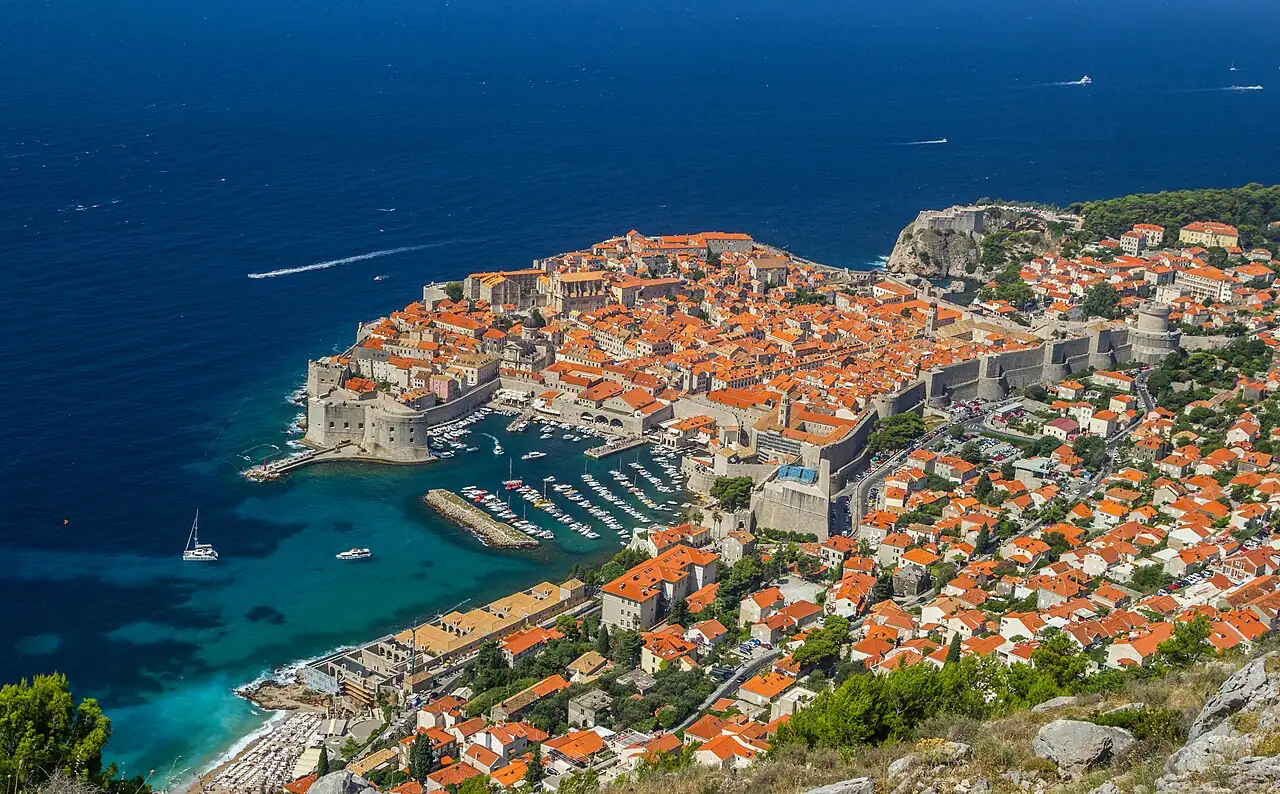
Photo: Zysko serhii, CC BY-SA 4.0, via Wikimedia Commons
- Season
- April to October; MSC and Costa run some Western Med routes year-round
- Typical length
- 7 to 12 nights; 3- to 5-night samplers and 14-night voyages also run
- Best months
- May, Jun, Sep
- Main departure ports
- Barcelona, Rome, Athens
- Ports covered here
- 54
- Cruise lines
- 20 lines sail here
What a Mediterranean cruise is like
The Mediterranean is the classic first European cruise for North Americans because the ship solves the hardest part of a multi-country trip. You unpack once, wake up somewhere new most mornings and skip the trains, ferries and hotel changes. A typical week mixes two or three headline cities with smaller harbors such as Villefranche, Kotor or Mykonos, so a day of museums and ruins is followed by a long lunch beside the water.
The trade-off is pace. Sea days are rare, port days are long, and several famous sights sit well inland from where ships dock: Rome is roughly 90 minutes from Civitavecchia and Florence a similar distance from Livorno. Plenty of cruisers come home needing a rest. If you want time to unwind, look at 10- to 12-night sailings with a sea day or two, or itineraries with overnight stays in cities like Barcelona or Istanbul.
The region is really three cruise areas sharing one sea. The Western Mediterranean (Spain, the French Riviera, Italy and Malta) is the big-city route. The Eastern Mediterranean and Adriatic covers Venice-area ports, Croatia, Montenegro, mainland Greece and Türkiye. The Greek Isles focus on the Aegean islands and Athens, with shorter port days, more swimming and a few tender landings.
How to choose: if it’s your first trip to Europe and you want the landmarks you know from films and textbooks, start in the west. If you’ve already seen Rome and Barcelona, or prefer medieval stone towns to big museums, try the Adriatic. If your picture of the Mediterranean is whitewashed villages, warm water and ancient temples, go Greek. A 10- to 12-night Rome-to-Athens or Barcelona-to-Venice-area sailing samples two areas at once.
Best time to cruise Mediterranean
- Jan: Shoulder season
- Feb: Shoulder season
- Mar: Shoulder season
- Apr: Good time to go
- May: Best time to go
- Jun: Best time to go
- Jul: Good time to go
- Aug: Good time to go
- Sep: Best time to go
- Oct: Good time to go
- Nov: Shoulder season
- Dec: Shoulder season
- No regular sailings
- Shoulder season
- Good time to go
- Best time to go
Mediterranean in JanuaryShoulder season
Winter is quiet but not empty. MSC and Costa run year-round loops from Genoa, Civitavecchia, Barcelona and Marseille, with coastal highs in the mid-50s °F (12–14°C), short days and a fair chance of rain. Museums are at their least crowded and fares are among the lowest of the year; just pack layers and expect island and beach excursions to be limited.
Mediterranean in FebruaryShoulder season
Still the off-season, though almond trees blossom across Sicily and Mallorca and Venice’s Carnival fills the lagoon city with masks and costumes in the weeks before Lent. Winter storms can make crossings choppy, so light sleepers should pick a midship cabin on a lower deck. Sailings are mostly the year-round Western Med loops; Greek island calls are rare until spring.
Mediterranean in MarchShoulder season
The season starts to stir late in the month as ships return from Caribbean winters, often on transatlantic crossings that end in Barcelona or Civitavecchia. Highs reach the low 60s °F (16–17°C) with cool evenings and green countryside. A smart month for city-focused Western Med itineraries, less so for the Greek islands, where many tavernas and shops are still shuttered.
Mediterranean in AprilGood time to go
Spring arrives and most of the fleet is back. Holy Week processions in Spain and Italy, and Orthodox Easter in Greece (often a week or more later), draw crowds and close some sights, so check your dates. Wildflowers cover the archaeological sites, temperatures sit in the comfortable 60s °F (16–21°C), and the sea is still too cold for most swimmers.
Mediterranean in MayBest time to go
One of the strongest months on the whole sea: long days, highs in the 70s °F (21–26°C), gardens in bloom and lines at the Vatican and the Acropolis that are long but not yet punishing. Western Med and Adriatic itineraries shine. The Greek islands are pleasant for walking, though the water won’t feel properly warm until June.
Mediterranean in JuneBest time to go
Early summer brings the longest days of the year, warm seas across the region and every itinerary running. Crowds and fares climb sharply after mid-month, when European schools begin breaking up, so lock in timed tickets and shore plans early. The Greek and Croatian islands are at their most pleasant before the full heat of July arrives.
Mediterranean in JulyGood time to go
Peak season in every sense: the hottest weather, with inland highs in the 90s °F (32–37°C) in Rome, Florence and Athens, the most ships in port and family-heavy sailings during European school holidays. Heat waves have closed the Acropolis in the early afternoon in recent summers. Favor early-morning tours, island and beach days, and itineraries with a sea day.
Mediterranean in AugustGood time to go
Busy, hot and expensive. Much of Italy takes its holiday around Ferragosto on August 15, so some family-run shops close while beaches and ferries overflow. The Aegean’s meltemi wind can make Greek island tender stops bumpy. The upside is the warmest swimming of the year and long, lively evenings ashore.
Mediterranean in SeptemberBest time to go
Arguably the sweet spot for the whole region. Sea temperatures stay near their summer peak, highs ease into the low 80s °F (27–28°C) and family crowds vanish once European schools reopen in the first weeks of the month. Every sub-region works, and the grape harvest is underway from Tuscany to the Greek islands. Fares stay fairly high because demand is strong.
Mediterranean in OctoberGood time to go
Shoulder-season value returns. The Greek Isles and Türkiye keep warm, sunny days into late October, while the Western Med and Adriatic see more rain and cooler evenings. Days shorten noticeably, ships begin repositioning toward the Caribbean, and late-month departures are often some of the best-priced of the season.
Mediterranean in NovemberShoulder season
The season winds down quickly. Most big ships head west on transatlantic crossings early in the month, leaving the year-round MSC and Costa loops and a few late Eastern Med voyages. Expect rainy spells, highs in the low-to-mid 60s °F (16–19°C) and easy access to sights that heave in summer. Many island restaurants and tour operators close for winter.
Mediterranean in DecemberShoulder season
A quiet, festive month. Barcelona, Rome and Valletta put up Christmas lights and nativity scenes, and holiday-week sailings fill with European families. Weather is cool and changeable, so treat it as a city-and-culture cruise rather than a beach trip. Departures outside the Christmas and New Year weeks are often the best value of the year.
Average weather across Mediterranean ports
| Month | Jan | Feb | Mar | Apr | May | Jun | Jul | Aug | Sep | Oct | Nov | Dec |
|---|---|---|---|---|---|---|---|---|---|---|---|---|
| High °F (°C) | 5513 | 5714 | 6015 | 6518 | 7222 | 8127 | 8730 | 8731 | 8127 | 7323 | 6518 | 5815 |
| Low °F (°C) | 478 | 489 | 5010 | 5412 | 6116 | 7021 | 7524 | 7524 | 7021 | 6317 | 5613 | 5010 |
| Rain in (mm) | 3.383 | 2.768 | 2.667 | 1.845 | 2.051 | 1.435 | 0.922 | 1.230 | 2.153 | 2.769 | 3.795 | 3.281 |
| Daylight (hrs) | 10 | 11 | 12 | 13 | 15 | 15 | 15 | 14 | 12 | 11 | 10 | 9 |
Choose your Mediterranean cruise
Western Mediterranean cruises
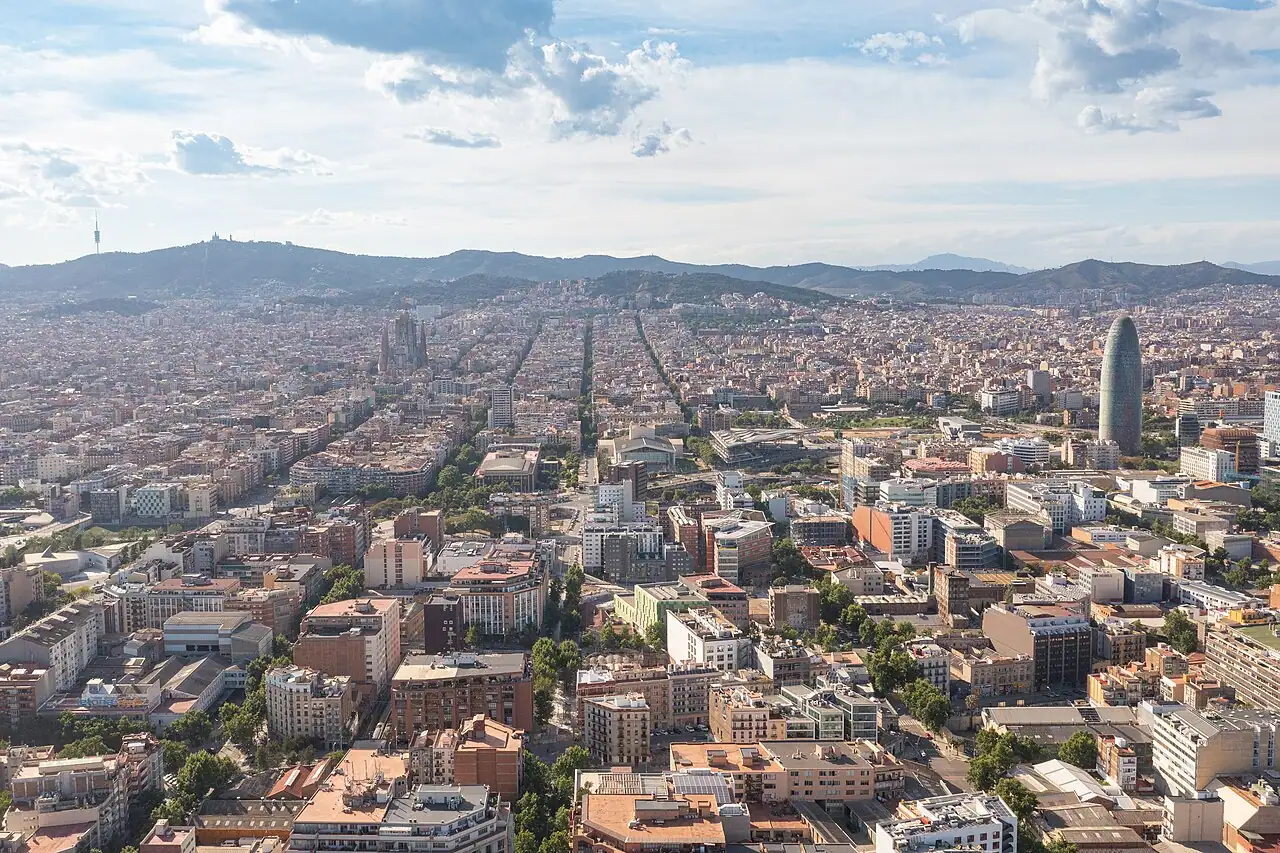
Western Mediterranean cruises link Spain, the French Riviera, Italy and often Malta, usually on 7-night round trips from Barcelona or Rome’s port of Civitavecchia. This is the route for headline sights: the Vatican, Florence, Gaudí’s Barcelona, Nice and Monaco, Pompeii and the Amalfi Coast. Ships sail from April to early November, with year-round loops on MSC and Costa, and May, June and September are the best months for weather and crowds.
Eastern Mediterranean & Adriatic cruises
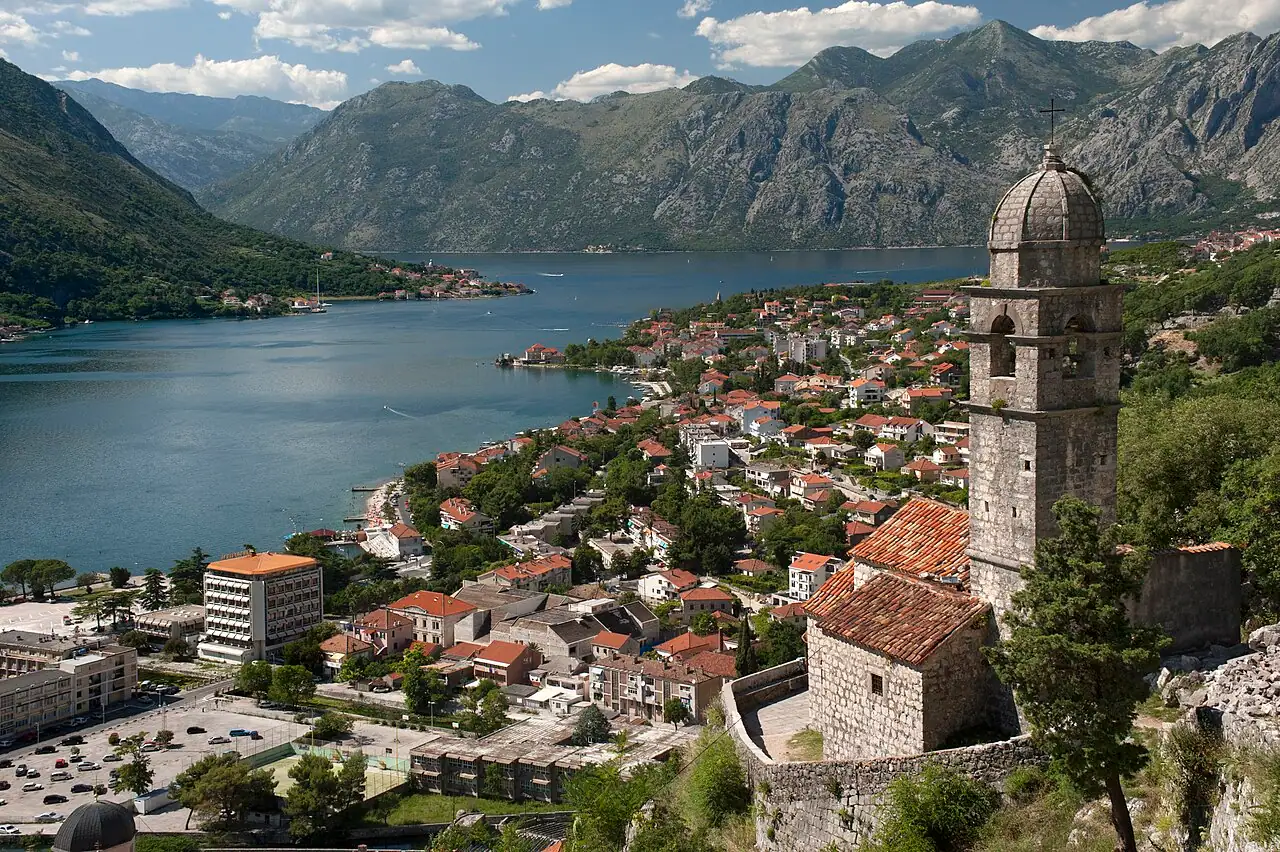
Eastern Mediterranean cruises sail the Adriatic coast of Italy, Croatia and Montenegro, then continue to mainland Greece, the Ionian islands and Türkiye. Most are 7 to 12 nights from Venice-area ports such as Trieste and Ravenna, from Athens (Piraeus) or from Istanbul. Expect walled medieval towns, Roman palaces, Ephesus and Byzantine Istanbul rather than big-city art museums. The season runs April to October and is best in May, June and September.
Greek Isles cruises
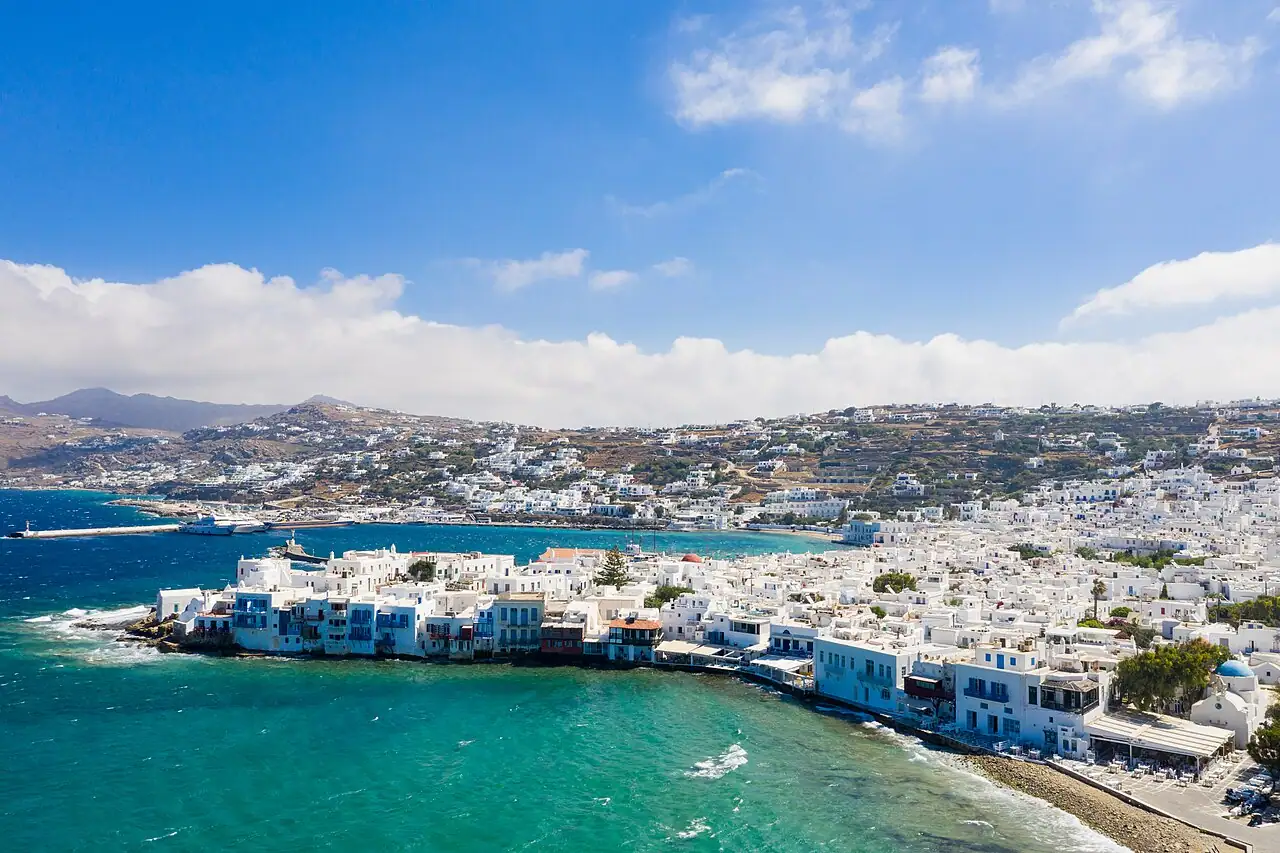
A Greek Isles cruise hops between Aegean islands such as Mykonos, Santorini, Rhodes, Crete and Patmos, usually starting in Athens (Piraeus) and often adding Ephesus in Türkiye. Sailings run from April to early November, either 3 to 7 nights with Greek specialist Celestyal or 7 to 12 nights on international lines. Late May, June and September bring warm seas without the heat, crowds and strong summer winds of July and August.
Mediterranean cruise highlights
- 1
Rome and the Vatican from Civitavecchia
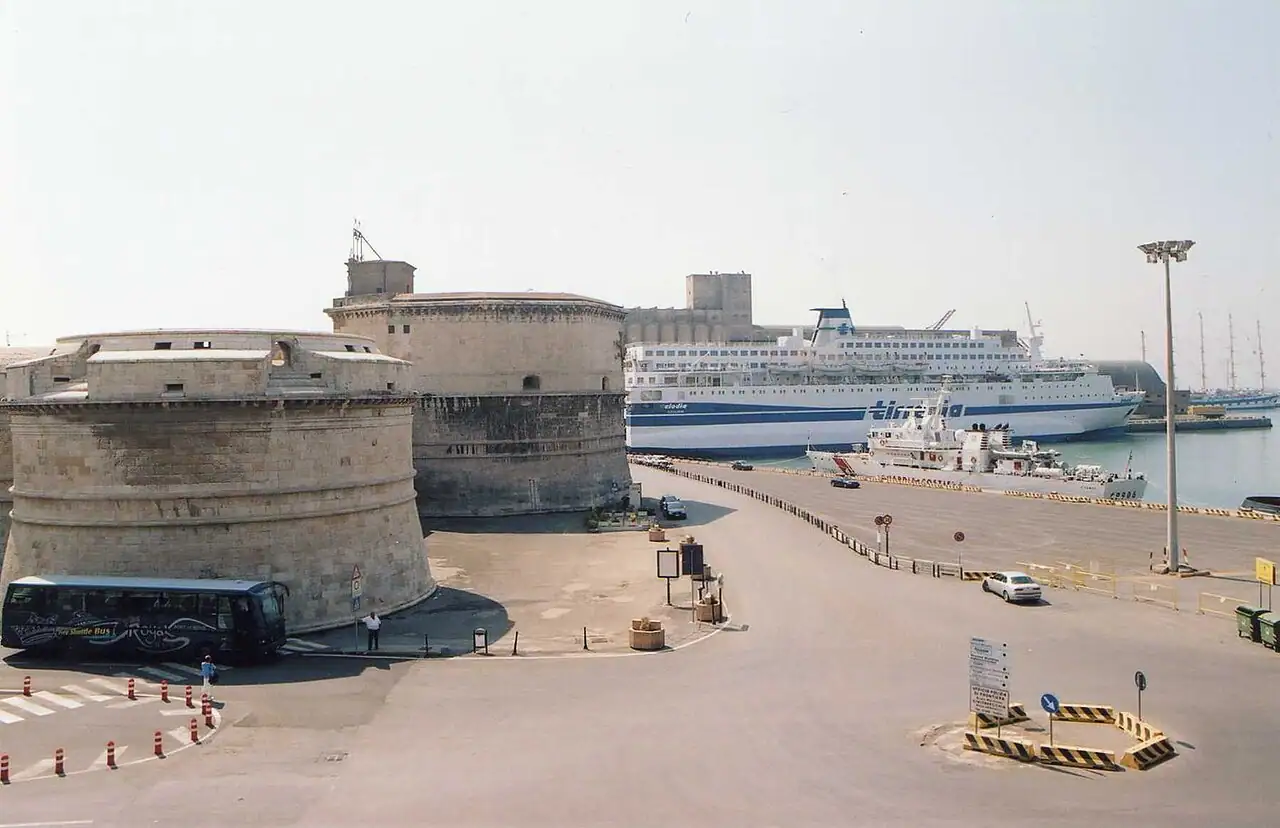
The Colosseum, the Pantheon, St. Peter’s Basilica and the Sistine Chapel make Rome the single most requested Mediterranean port day. It’s a long one: about an hour or more each way by train or coach, so many cruisers start or end their trip in Rome to see it properly instead of squeezing it into a port call.
- 2
Barcelona’s Gaudí landmarks
The Sagrada Família, Park Güell and Casa Batlló sit alongside the medieval Gothic Quarter and the food stalls of La Boqueria. Barcelona is the busiest embarkation port in the Mediterranean region, so most visitors get a pre- or post-cruise night here, which is the best way to see it.
- 3
Santorini’s caldera
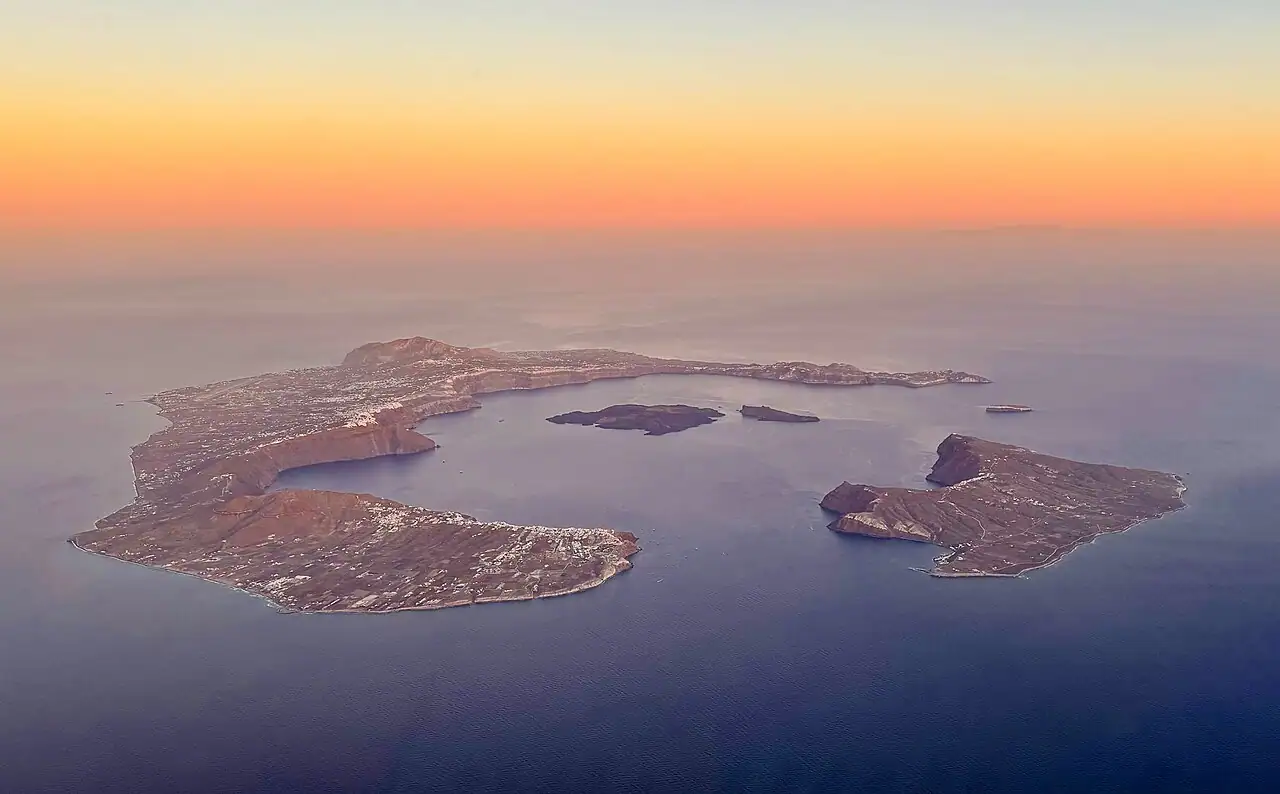
Ships anchor inside a flooded volcanic crater ringed by cliffs, with white villages lined along the rim. You tender ashore, ride a cable car up to Fira and then choose between the caldera footpath, the blue domes of Oia or a winery tasting wines grown in volcanic soil.
- 4
Dubrovnik’s city walls
A walk around the complete circuit of medieval walls, roughly 1.2 miles (2 km), gives you terracotta rooftops on one side and the Adriatic on the other. Go at opening time; by late morning the walls and the marble main street, the Stradun, fill with cruise and tour groups.
- 5
Ephesus from Kuşadası
One of the best-preserved Greco-Roman cities anywhere, with the two-story facade of the Library of Celsus, a theater that once seated about 25,000 people and the Terrace Houses with their mosaics. It’s about 20 minutes by road from Kuşadası, a Turkish port often paired with Greek island itineraries.
- 6
Pompeii and the Amalfi Coast from Naples
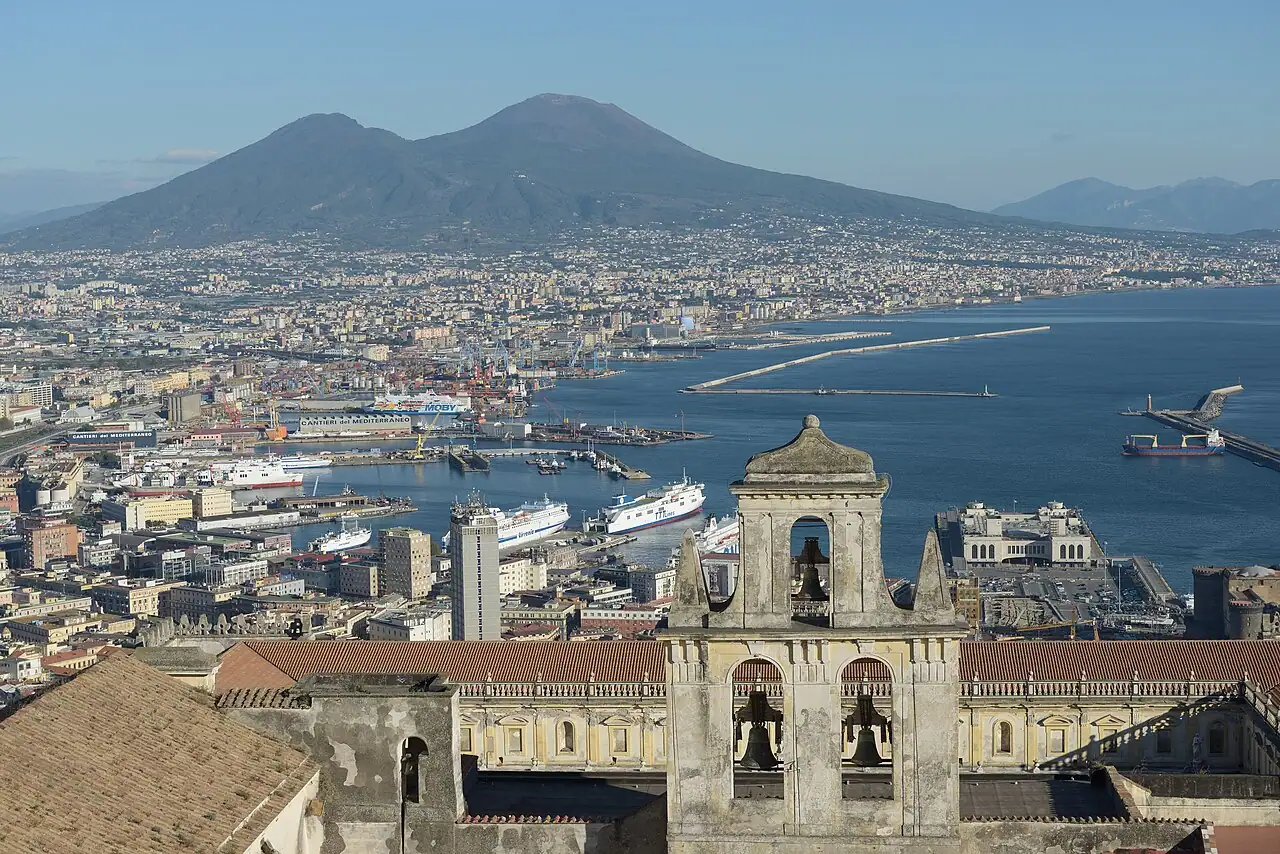
Naples is a rare big-name port where ships dock right in the city. From there you can walk the excavated streets of Pompeii, climb Mount Vesuvius, take the ferry to Capri or drive the cliff road to Positano. You can’t do them all in one day, so pick one and do it well.
- 7
The French Riviera from Villefranche
From the tender landing in Villefranche-sur-Mer, Nice’s old town is a short train ride away, the perched village of Èze sits on the cliffs above and Monaco’s palace and Monte Carlo Casino are about half an hour along the coast. It’s one of the easiest ports to do on your own.
Typical Mediterranean itineraries
- 1
7-night Western Mediterranean round trip from Barcelona or Civitavecchia
The most common week-long Med cruise: Barcelona, a French port such as Marseille or Villefranche, La Spezia or Livorno for Tuscany, Civitavecchia for Rome, Naples and often Palma de Mallorca. Port-intensive, with one sea day at most.
- 2
7-night Greek Isles and Türkiye from Piraeus
Athens round trips calling at Mykonos, Santorini, Rhodes, Crete and Kuşadası for Ephesus. Shorter 3- and 4-night versions on Greek-island specialist Celestyal suit travelers adding a cruise to a land trip in Greece.
- 3
7-night Adriatic from Trieste, Ravenna or other Venice-area ports
Split, Dubrovnik and Kotor along the Croatian and Montenegrin coast, then south to Corfu or the Greek islands. Some sail round trip; others end in Piraeus for Athens.
- 4
10- to 12-night grand Mediterranean, one way
Barcelona to Rome, Rome to Athens or Barcelona to a Venice-area port, combining two sub-regions. These one-way routes usually include a sea day or two and suit travelers who want to see the Western and Eastern Med in a single trip.
- 5
Winter Mediterranean loops
MSC and Costa keep ships in the Western Med all year on 7-night loops that can include Genoa, Marseille, Barcelona, Civitavecchia, Palermo and Valletta. Cool and short-daylit, but uncrowded.
Mediterranean ports of call
Barcelona
Departure port
Rome
Departure port
Athens
Departure port
Santorini
Santorini is a tender port: ships anchor inside the flooded volcanic caldera and small boats carry you to the Old Port at the foot of the cliffs below Fira. The draw is the view itself, whitewashed villages strung along the crater rim, plus Oia’s blue domes, Bronze Age Akrotiri and wineries growing grapes in volcanic ash. Your day revolves around the cable car, so plan for its queues.
Naples
Naples is a gloriously chaotic cruise port where ships dock in the heart of the city, steps from the Castel Nuovo and a short walk from the historic center’s pizzerias and churches. It’s also the gateway to Pompeii, Herculaneum, Mount Vesuvius, Sorrento, Capri and the Amalfi Coast, so the hardest part is choosing.
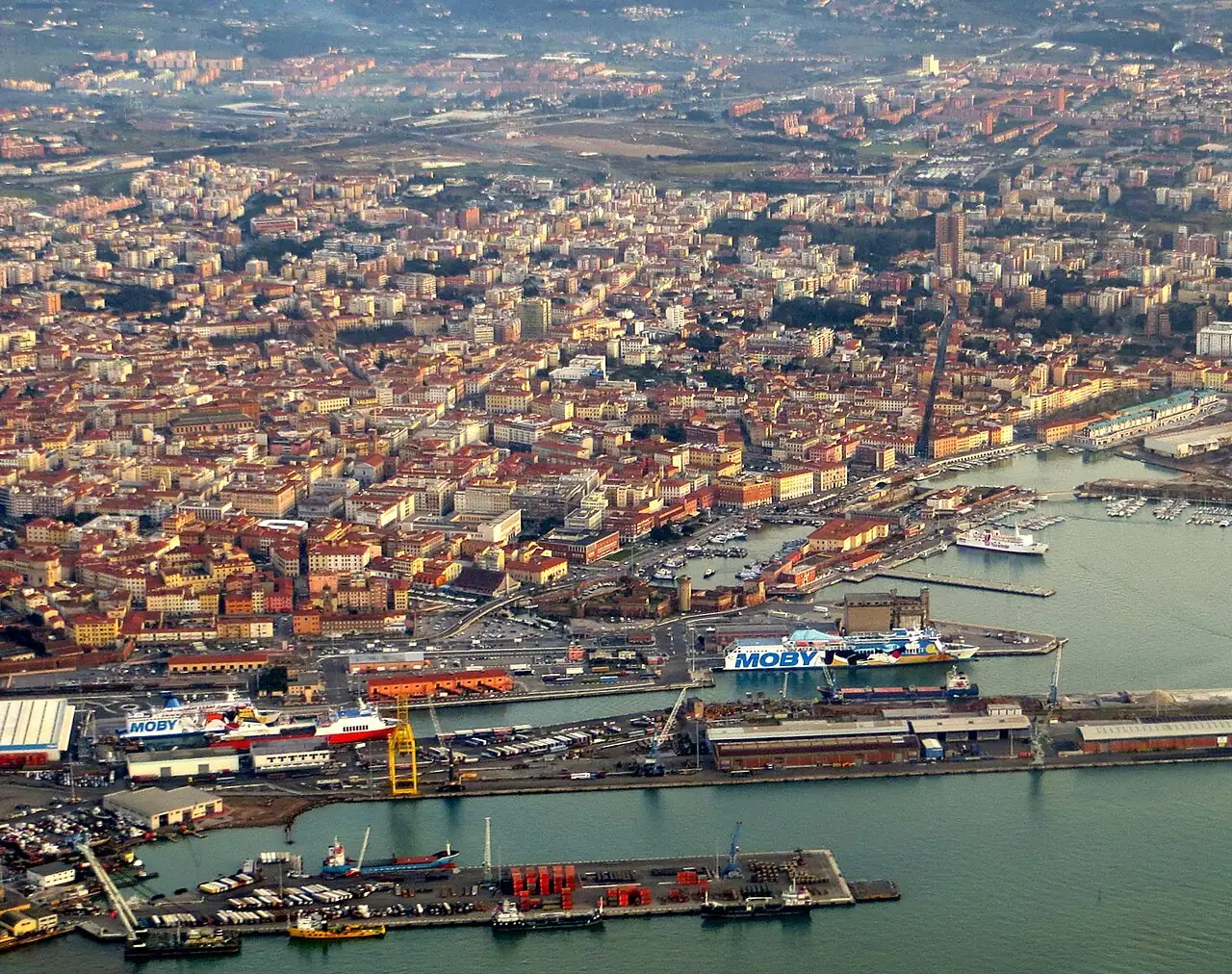
Livorno (for Florence & Pisa)
Livorno is a working port on the Tuscan coast that most cruisers use as the gateway to Florence, about 1.5 hours away by road, and Pisa, about 30 minutes. A Florence day is long and leaves roughly four to five hours in the city, so decide in advance between a ship excursion, a shuttle transfer or the train, and book museum tickets early.

Venice
Venice is one of the world’s most famous cruise destinations, but since 2021 large cruise ships have been banned from sailing past St. Mark’s Square and through the Giudecca Canal. Smaller ships can still reach the city, while many big-ship “Venice” itineraries now dock elsewhere, such as Trieste or Ravenna, so check exactly where your ship docks.
Dubrovnik
Dubrovnik is Croatia’s walled medieval city on the Adriatic, a UNESCO-listed old town of limestone streets and terracotta roofs that you can circle on top of its massive walls. Most ships dock at Gruž port, about 2 miles (3 km) from the Old Town, with buses, taxis and shuttles covering the gap. Its popularity means crowds, so timing is everything.
Mykonos
Mykonos is a compact Cycladic island where most ships dock at the New Port, about 1.5 miles (2.5 km) north of Mykonos Town, with a sea bus and shuttle running into the center. The appeal is the town itself, a maze of whitewashed lanes, windmills and waterfront bars in Little Venice, plus beaches and a short boat ride to ancient Delos.
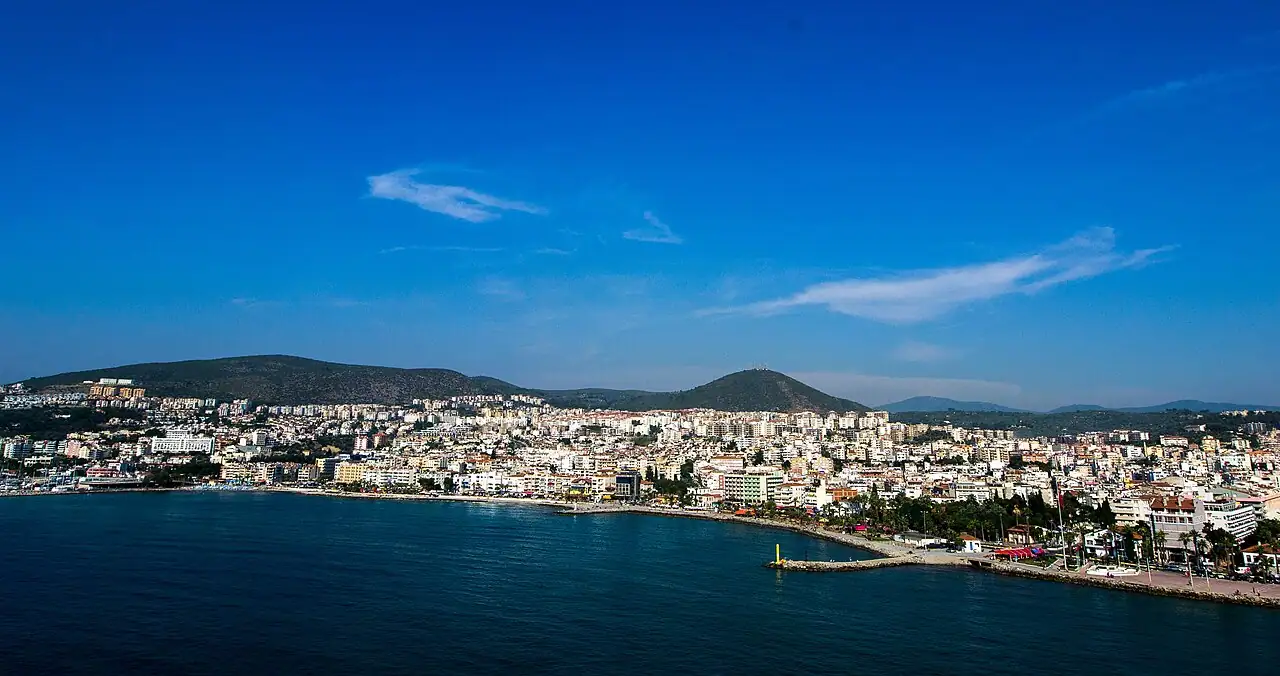
Kuşadası (for Ephesus)
Kuşadası is a Turkish resort town on the Aegean coast whose cruise port sits right in the center, and it’s the gateway to Ephesus, one of the best-preserved ancient cities in the Mediterranean, about 12 miles (20 km) away. Most cruisers spend the morning among Ephesus’s marble streets and the Library of Celsus, then return for the bazaar and Pigeon Island.
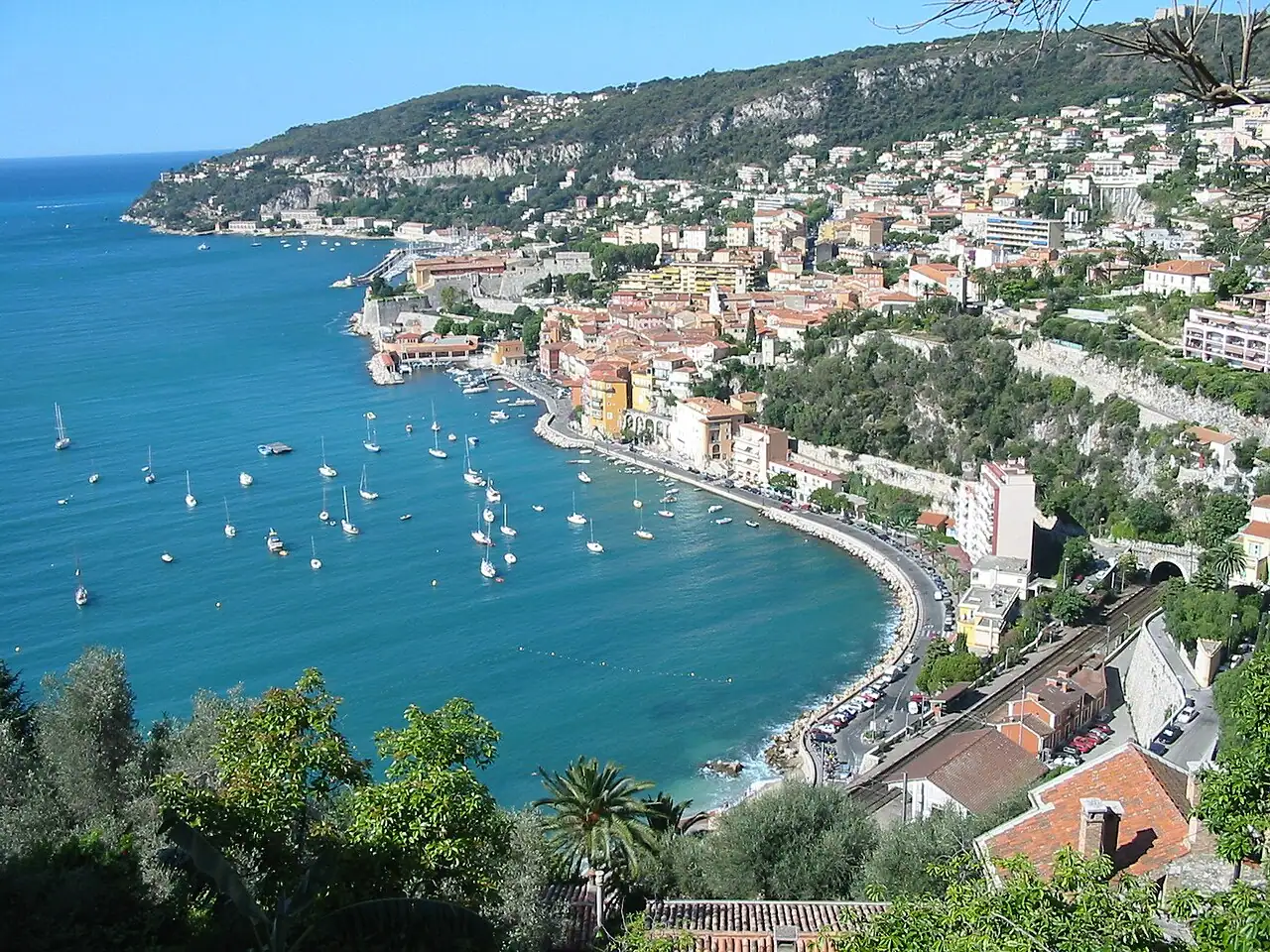
Villefranche-sur-Mer (for Nice)
Villefranche-sur-Mer is a tender port in a deep, sheltered bay between Nice and Monaco, and it makes an excellent base for the French Riviera. The pastel village itself is charming, and frequent local trains reach Nice in about 10 minutes and Monaco in under 20, while the perched village of Èze is a short ride away.
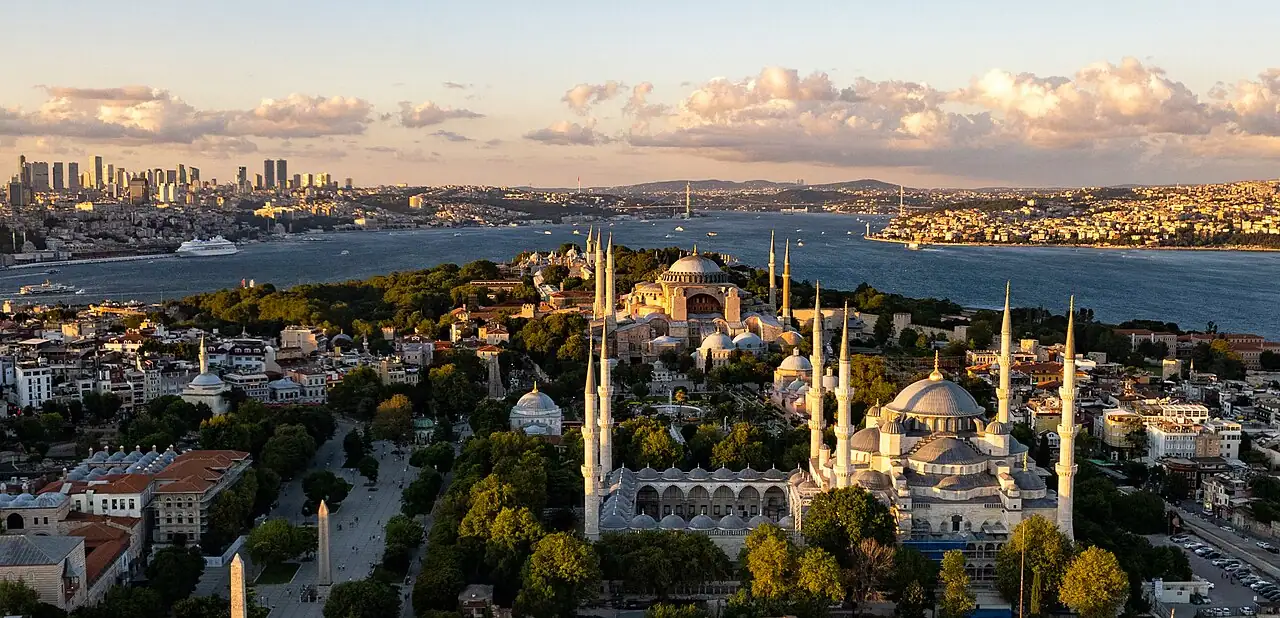
Istanbul
Departure port
More ports in this region
- Palma de Mallorca
- Ibiza
- Valencia
- Málaga
- Cartagena, Spain
- Cádiz (for Seville)
- Mahón, Menorca
- Alicante
- Marseille
- Cannes
- Toulon
- Ajaccio, Corsica
- Monte Carlo
- La Spezia (for Cinque Terre)
- Genoa
- Portofino
- Sorrento
- Capri
- Salerno (for the Amalfi Coast)
- Messina, Sicily
- Palermo, Sicily
- Catania, Sicily
- Cagliari, Sardinia
- Valletta
- Gibraltar
- Tangier
- Trieste
- Ravenna
- Bari
- Rhodes
- Corfu
- Heraklion, Crete
- Chania (Souda Bay), Crete
- Katakolon (for Olympia)
- Nafplio
- Argostoli, Kefalonia
- Zakynthos
- Patmos
- Thessaloniki
- Split
- Zadar
- Hvar
- Kotor
- Koper
- Bodrum
- Limassol
Where Mediterranean cruises start
Cruise lines that sail Mediterranean
Mediterranean cruise tips
- Arrive two nights before embarkation if you can. Overnight flights from North America land in the morning, jet lag hits hard on the first port day, and a missed connection is the most common way travelers miss a Mediterranean departure.
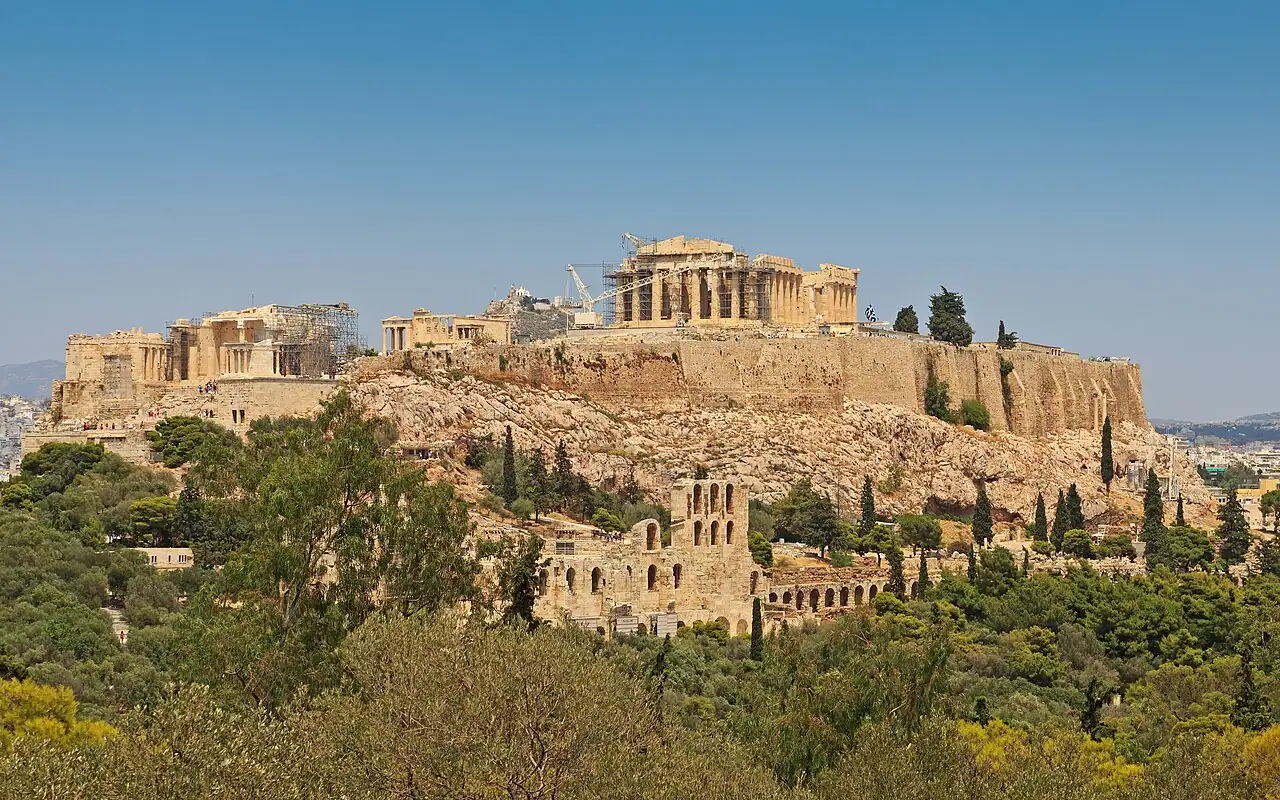
- Reserve timed-entry tickets for the Vatican Museums, the Sagrada Família, the Acropolis and the Alhambra as soon as your port dates are firm. Popular summer slots sell out weeks ahead.
- Decide early which ports you’ll explore independently. Barcelona, Naples, Villefranche, Valletta, Dubrovnik, Kotor and Mykonos are easy on your own; ship tours earn their keep where distance or traffic make missing the ship a real risk, such as Rome, Florence and Ephesus.
- Pack shoes with grip. Polished stone paving in Dubrovnik and the Greek villages gets slippery, and many sites involve steep steps, cobbles and uneven ancient ground.
- Carry a light scarf or layer: St. Peter’s Basilica, many churches and monasteries, and Istanbul’s mosques require covered shoulders and knees, and staff do turn people away.
Mediterranean cruises: FAQs
When is the best time to cruise the Mediterranean?
May, June and September. Those months bring warm, mostly dry weather and long days without the heat and school-holiday crowds of July and August. Early October is excellent in Greece and Türkiye, and winter sailings on MSC and Costa are cheap but cool.
How long is a typical Mediterranean cruise?
Most are 7 nights, with 10- to 12-night sailings the next most common. Short 3- and 4-night Greek island cruises run from Athens, and some premium and luxury lines offer 14-night voyages that cover the Western and Eastern Med together.
Is the Western or Eastern Mediterranean better for a first cruise?
The Western Mediterranean suits most first-timers. It covers Rome, Florence, Barcelona and the French Riviera, the landmarks people most want to see. Choose the Eastern Med or Greek Isles if you’re more drawn to islands, beaches, ancient ruins and medieval walled towns, or if you’ve already visited Italy and Spain.
Do I need a passport for a Mediterranean cruise?
Yes. Schengen rules require your passport to remain valid for at least three months after you leave Europe, and many cruise lines ask for six. The EU now registers non-EU visitors’ fingerprints and photos under its Entry/Exit System, and its planned ETIAS travel authorization may apply by the time you go, so check official EU guidance for your dates.
Which cruise line is best for the Mediterranean?
It depends on your style. MSC, Costa, Royal Caribbean, Norwegian and Celebrity offer the widest choice of big-ship itineraries. Viking, Oceania and Azamara focus on port time and longer stays. Windstar, Star Clippers, Seabourn and Silversea reach smaller harbors that big ships can’t, and Celestyal specializes in short Greek island cruises.
Can cruise ships still go to Venice?
Only small ones. Since 2021, large cruise ships have been barred from sailing through the Giudecca Canal past St. Mark’s Square. Many Venice cruises now begin in Trieste, Ravenna or Monfalcone, a train ride or transfer away, so check your exact embarkation port and plan time in Venice before or after.
Updated November 2026 by the BookMyDreamCruise editorial team. How we research and fact-check.
Sources: Wikidata, NASA POWER climate data.