Europe & the Mediterranean
Norwegian fjords cruises
A Norwegian fjords cruise sails deep into steep, glacier-carved inlets to villages such as Geiranger, Flåm and Olden, plus the cities of Bergen, Stavanger and Ålesund. Most are 7-night round trips from Southampton, Amsterdam, Hamburg, Kiel or Copenhagen between May and September, and longer voyages reach the North Cape for the midnight sun. In winter, coastal voyages and dedicated cruises head north of the Arctic Circle to look for the northern lights.
- Season: May to September for fjord cruises; coastal voyages and northern lights sailings year-round
- Typical length: 7 nights for the southern fjords; 12–14 nights to the North Cape; 12-day coastal round trips
Photo: Diego Delso, CC BY-SA 4.0, via Wikimedia Commons
- Season
- May to September for fjord cruises; coastal voyages and northern lights sailings year-round
- Typical length
- 7 nights for the southern fjords; 12–14 nights to the North Cape; 12-day coastal round trips
- Best months
- Jun, Jul, Aug
- Main departure ports
- Southampton (London), Amsterdam, Hamburg
- Ports covered here
- 12
- Cruise lines
- 21 lines sail here
What a Norwegian Fjords cruise is like
Few cruise regions deliver as much scenery per mile. Ships sail far inland along the Geirangerfjord, the Sognefjord and the Nordfjord, between cliffs that rise thousands of feet straight from the water, and then dock or anchor beneath them in villages of a few hundred people. The scenic cruising in and out is a highlight in its own right, so plan to be on deck with a warm drink and binoculars.
Port days are about the outdoors: the Flåm Railway, glacier walks at Briksdal, the Pulpit Rock hike above the Lysefjord and mountain viewpoints like Dalsnibba and Stegastein. The cities are compact and walkable, from Bergen’s UNESCO-listed Bryggen wharf to Art Nouveau Ålesund and the white wooden houses of Old Stavanger. Norway is expensive and its weather changeable; Bergen is one of Europe’s rainiest cities, so a waterproof jacket earns its suitcase space.
There are three main ways to cruise here. Big-ship round trips from Northern European ports cover the southern fjords in a week. North Cape and Arctic voyages of 12 to 14 nights continue past the Lofoten Islands to Tromsø and Honningsvåg. And Hurtigruten’s coastal ships sail between Bergen and Kirkenes all year, calling at around 34 small ports on a route that carries locals and cargo as well as travelers.
The rules are changing. Norway is phasing in zero-emission requirements for its UNESCO-listed fjords, the Geirangerfjord and the Nærøyfjord, starting with smaller ships, and that may affect which vessels can sail in over the coming years. If a particular fjord matters to you, confirm it with your cruise line before you commit.
Best time to cruise Norwegian Fjords
- Jan: Shoulder season
- Feb: Shoulder season
- Mar: Shoulder season
- Apr: Shoulder season
- May: Good time to go
- Jun: Best time to go
- Jul: Best time to go
- Aug: Best time to go
- Sep: Good time to go
- Oct: Shoulder season
- Nov: Shoulder season
- Dec: Shoulder season
- No regular sailings
- Shoulder season
- Good time to go
- Best time to go
Norwegian Fjords in JanuaryShoulder season
Polar night lingers in Tromsø until mid-January, when the sun first edges back over the mountains; until then you get a few hours of blue twilight around midday. Coastal voyages and a handful of UK aurora cruises sail north, where highs hover near 28°F (−2°C) on the Gulf Stream–warmed coast. The southern fjords see no big-ship cruises.
Norwegian Fjords in FebruaryShoulder season
Tromsø celebrates Sámi National Day on February 6 with a week of events, including reindeer races down the main street. In Lofoten, cod season begins and racks of drying stockfish line the villages. Daylight grows by several minutes each day, giving more time for snowy excursions between aurora-hunting nights.
Norwegian Fjords in MarchShoulder season
Bright, snowy days and still-dark nights make March a sweet spot for winter voyages, and the Finnmarksløpet, Europe’s longest sled-dog race, starts from Alta. Coastal ships and UK-based aurora cruises are the main options. Pack serious winter gear for excursions, even though the sea air keeps the coast milder than inland.
Norwegian Fjords in AprilShoulder season
A transitional month. Nights in the far north become too bright for reliable aurora viewing, while the southern fjords stay quiet until the first big-ship departures late in the month. Easter is a major Norwegian holiday, and most shops close on Maundy Thursday, Good Friday and Easter Monday. Snow still covers the peaks, and waterfalls are just starting to run.
Norwegian Fjords in MayGood time to go
May 17, Constitution Day, fills Bergen, Ålesund and Oslo with children’s parades and people in traditional bunad costume, though most shops close. Snowmelt sends waterfalls such as the Seven Sisters roaring, mountain roads to viewpoints like Dalsnibba usually reopen and the midnight sun returns to the North Cape mid-month.
Norwegian Fjords in JuneBest time to go
Snow still caps the peaks above Geiranger and Flåm, framing bright green valleys and rivers swollen with meltwater. Norwegians light bonfires along the shore on Midsummer Eve, June 23. The days are effectively endless, so late-evening sailaways happen in full light, and fares rise as the month goes on.
Norwegian Fjords in JulyBest time to go
The warmest month, with fjord villages often in the mid-60s to low 70s °F (18–23°C) and occasional heat spells. Much of Norway goes on its common summer holiday, so ferries and mountain roads are busy. Several ships can share Flåm or Geiranger in a day, so reserve the Flåm Railway and popular tours early.
Norwegian Fjords in AugustBest time to go
Still a great month, with warm days early on and wild blueberries along the trails. Darker evenings return by late August, and rain becomes more frequent in Bergen and on the west coast. European school holidays keep ships full until the final week, when fares start to ease.
Norwegian Fjords in SeptemberGood time to go
Birch forests turn gold and fewer ships call, so Flåm and Geiranger feel calmer. Big-ship fjord cruises wind down through the month as autumn storms increase. In the far north, the northern lights return as nights darken, and coastal voyages begin their winter rhythm.
Norwegian Fjords in OctoberShoulder season
The big cruise ships have left the fjords, but coastal voyages and the first UK northern lights cruises sail on. Expect wind, rain and shorter days, with highs in the 40s °F (5–9°C) along the west coast. Late in the month, herring can draw orcas and humpbacks into fjords near Tromsø, though their arrival varies year to year.
Norwegian Fjords in NovemberShoulder season
Whale-watching season peaks around Tromsø and Skjervøy in many years, and polar night begins in Tromsø late in the month. Coastal voyages are quiet and good value, and aurora cruises from the UK continue. Daylight in Bergen shrinks to around seven hours, and Christmas lights go up in the cities.
Norwegian Fjords in DecemberShoulder season
Bergen builds Pepperkakebyen, a whole miniature city of gingerbread made by local children and residents, and Christmas markets open in Bergen and Oslo. North of the Arctic Circle the sun doesn’t rise, but the snowy blue twilight and aurora make up for it. Christmas and New Year sailings on the coastal ships fill early.
Average weather across Norwegian Fjords ports
| Month | Jan | Feb | Mar | Apr | May | Jun | Jul | Aug | Sep | Oct | Nov | Dec |
|---|---|---|---|---|---|---|---|---|---|---|---|---|
| High °F (°C) | 351 | 352 | 384 | 447 | 5311 | 6016 | 6418 | 6418 | 5815 | 499 | 415 | 373 |
| Low °F (°C) | 28-2 | 28-2 | 30-1 | 351 | 436 | 5110 | 5412 | 5412 | 5010 | 426 | 352 | 30-1 |
| Rain in (mm) | 7.3186 | 6.0153 | 5.2132 | 3.897 | 3.9100 | 4.6116 | 5.4136 | 6.2157 | 6.4162 | 6.9174 | 6.2158 | 7.7196 |
| Daylight (hrs) | 5 | 9 | 12 | 15 | 18 | 20 | 19 | 16 | 13 | 10 | 7 | 5 |
Norwegian Fjords cruise highlights
- 1
The Flåm Railway
From the pier at Flåm, this mountain railway climbs about 2,800 feet (863 m) in roughly 12 miles (20 km) to Myrdal, past ravines, hairpin tunnels and the thundering Kjosfossen waterfall, where the train stops for photos. The round trip takes around two hours; reserve early in summer. Electric sightseeing boats on the narrow Nærøyfjord are the other big draw.
- 2
Eagle Road and Dalsnibba above Geiranger
Geiranger is usually a tender stop. From the village, tours wind up the hairpin Eagle Road to a viewpoint over the fjord, or climb to Dalsnibba, where a platform nearly 5,000 feet (1,500 m) up looks down on the whole valley. Snow often lingers at the top into early summer.
- 3
Bryggen and Mount Fløyen in Bergen
The wooden merchant houses of Bryggen recall Bergen’s centuries as a Hanseatic trading post and are a short walk from the cruise quay. Ride the Fløibanen funicular for the view over the harbor, browse the fish market, or visit Troldhaugen, the lakeside home of composer Edvard Grieg.
- 4
Pulpit Rock and the Lysefjord
From Stavanger, Preikestolen, a flat-topped cliff about 1,980 feet (604 m) above the Lysefjord, is a roughly four-hour round-trip hike from the trailhead, plus travel time. It’s steep and rocky in places. For an easier option, sightseeing boats sail the Lysefjord beneath the rock.
- 5
Briksdal Glacier and the Loen Skylift
Olden sits at the head of the Nordfjord, near Jostedalsbreen, mainland Europe’s largest glacier. Tours visit its Briksdal arm, reached by a walk or open-air troll car, and the Loen Skylift cable car rises steeply to Mount Hoven for sweeping fjord views.
- 6
Ålesund’s Art Nouveau center
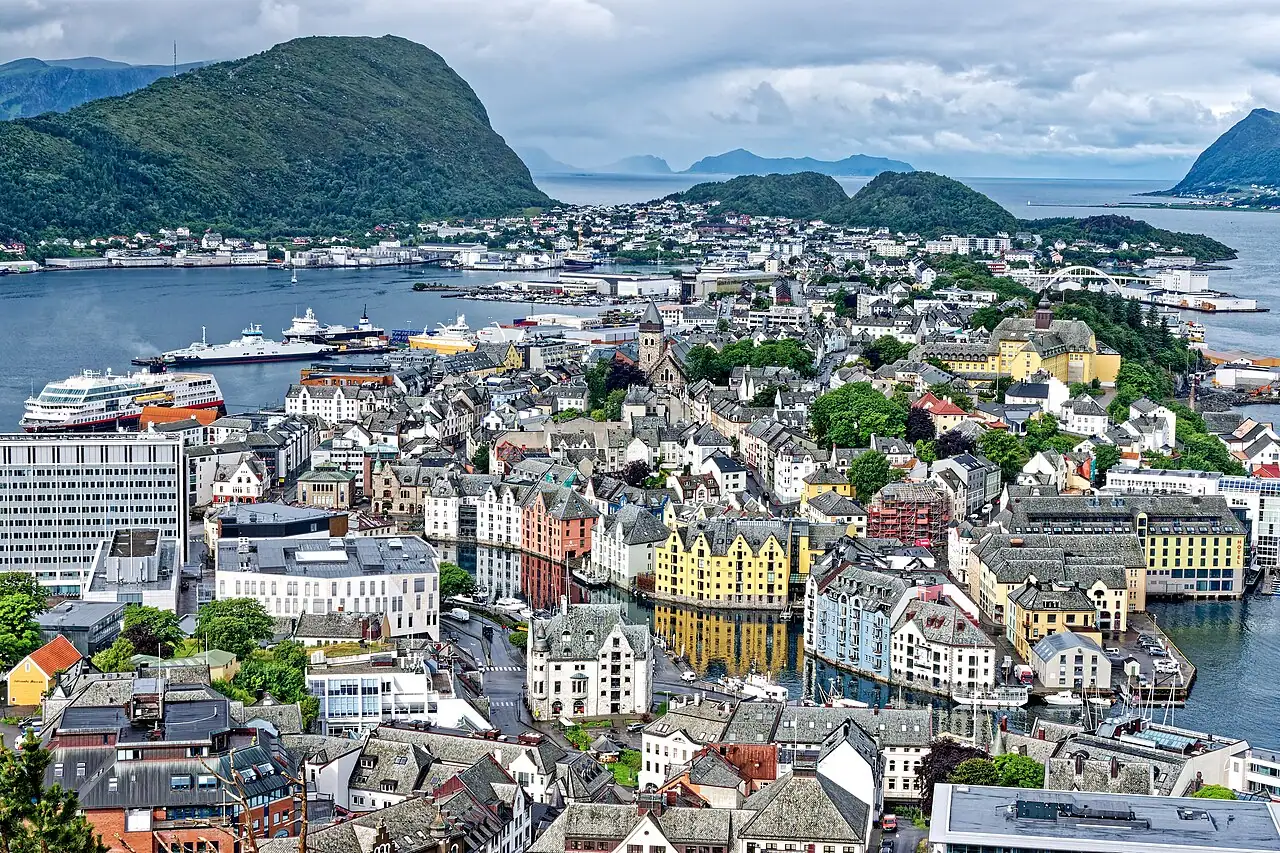
After a fire destroyed Ålesund in 1904, it was rebuilt in a flourish of turrets and decorative facades. Climb the 418 steps up Mount Aksla for the classic view over the islands, then walk the harbor and the Jugendstil Centre, which tells the story of the rebuilding.
- 7
Tromsø and the Lofoten Islands
On North Cape voyages, Lofoten’s jagged peaks and red fishermen’s cabins rise straight from the sea, while Tromsø, well above the Arctic Circle, has the triangular Arctic Cathedral and the Fjellheisen cable car. In winter, Tromsø is a base for northern lights trips and, in some years, whale watching.
Typical Norwegian Fjords itineraries
- 1
7-night southern fjords round trip
From Southampton, Amsterdam, Hamburg, Kiel or Copenhagen, calling at Bergen, Geiranger, Flåm and Stavanger or Ålesund, with a sea day crossing the North Sea or Skagerrak. Short 4- and 5-night versions run from German and Danish ports.
- 2
12- to 14-night North Cape and midnight sun
A longer loop combining a couple of southern fjords with Trondheim, the Lofoten Islands, Tromsø and Honningsvåg for the North Cape, timed between mid-May and late July for 24-hour daylight.
- 3
Hurtigruten coastal voyage
A 12-day round trip from Bergen to Kirkenes near the Russian border and back, or a one-way leg of about six or seven days, on smaller ships that run year-round. Stops range from a few minutes to several hours, with excursions such as dog sledding in winter.
- 4
Winter northern lights cruise
Twelve- to 14-night voyages from the UK on lines such as Fred. Olsen, P&O Cruises and Saga, sailing to Tromsø and Alta between late September and March, with nights spent in the north to improve aurora chances.
Norwegian Fjords ports of call
Geiranger
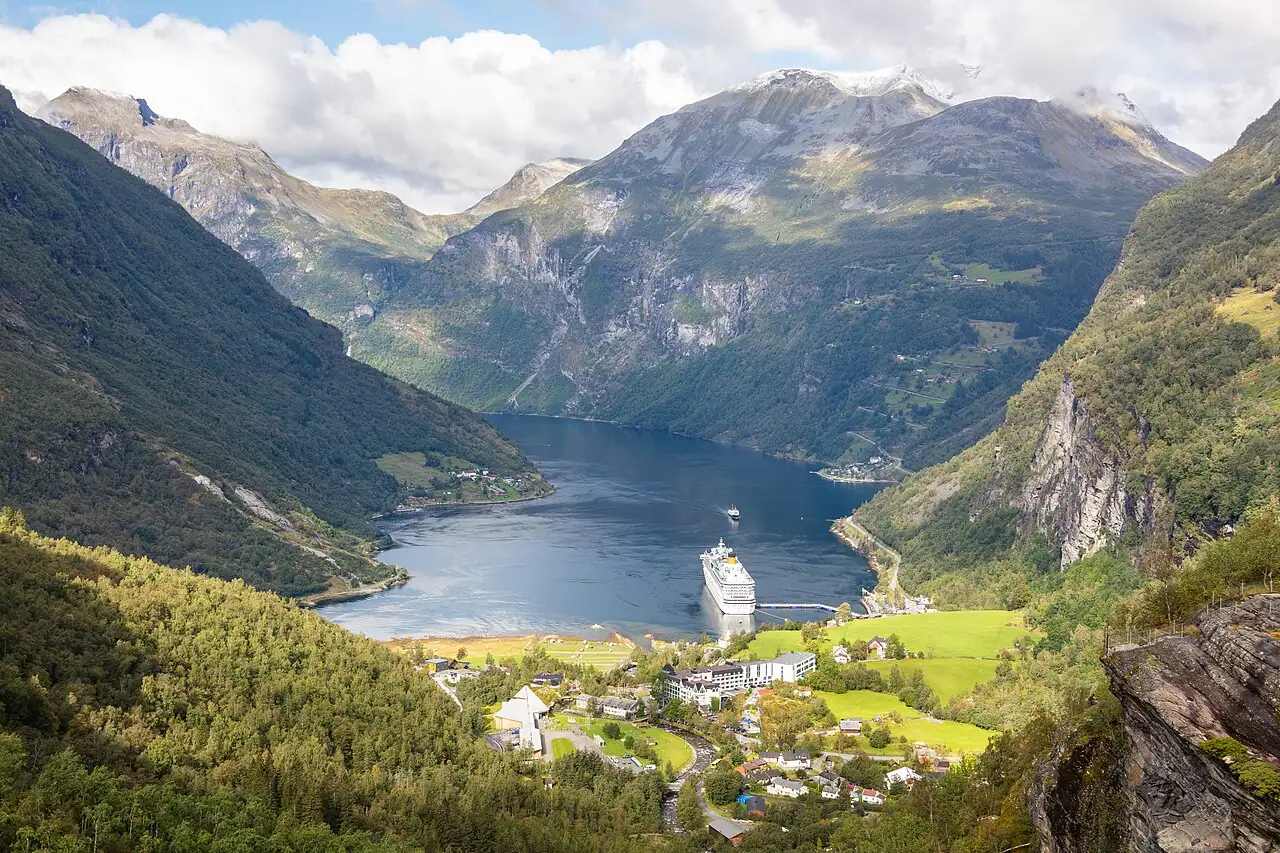
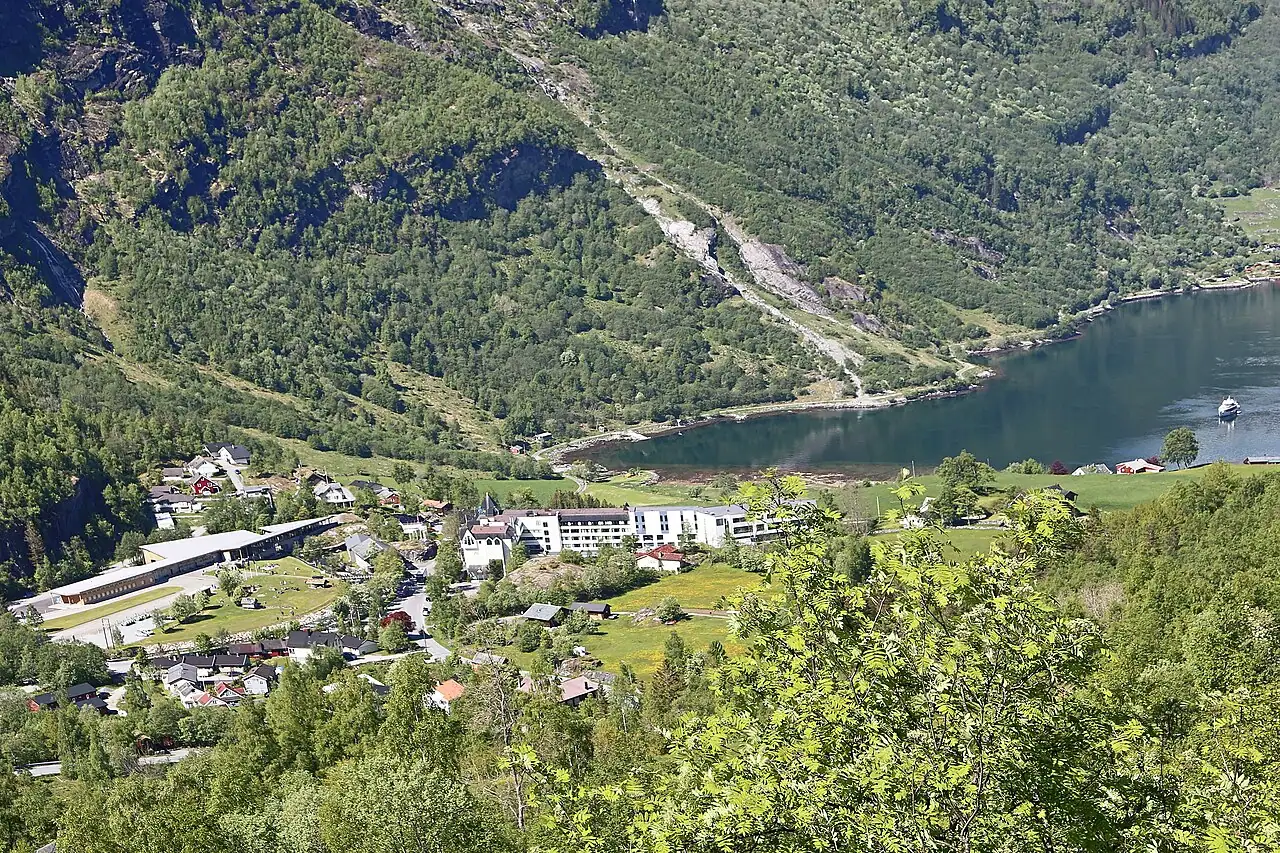
Geiranger is a tiny village at the head of the Geirangerfjord, one of Norway’s most dramatic fjords and part of a UNESCO World Heritage Site. The sail in, past waterfalls like the Seven Sisters, is the highlight, and ships often anchor and tender passengers ashore. From the village, roads zigzag up to viewpoints such as Ørnesvingen and Dalsnibba.
Flåm
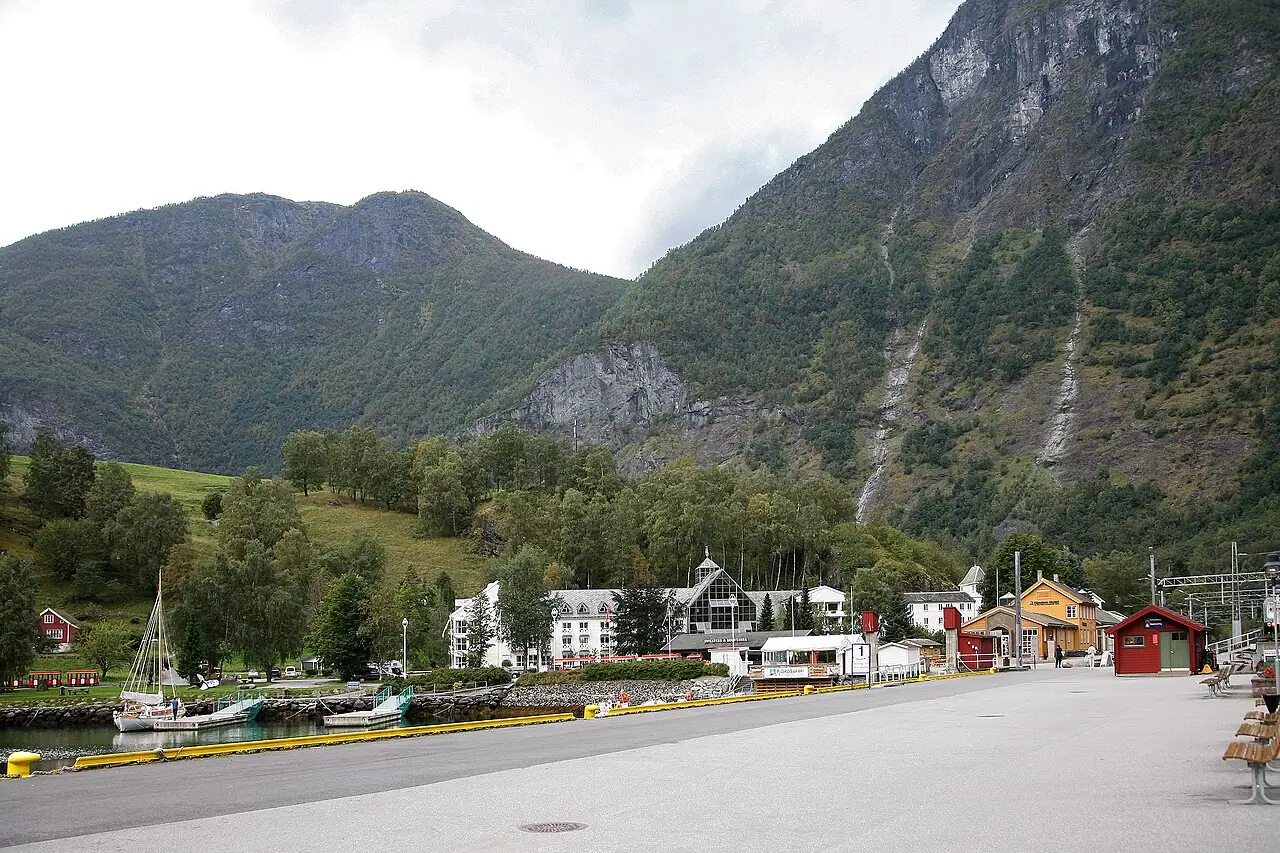
Flåm is a hamlet at the far end of the Aurlandsfjord, deep inside Norway’s Sognefjord, and the starting point of the Flåm Railway, one of the world’s steepest standard-gauge train lines. Ships dock steps from the station, so you can ride the train into the mountains, cruise the UNESCO-listed Nærøyfjord or stand on the Stegastein viewpoint.
Bergen
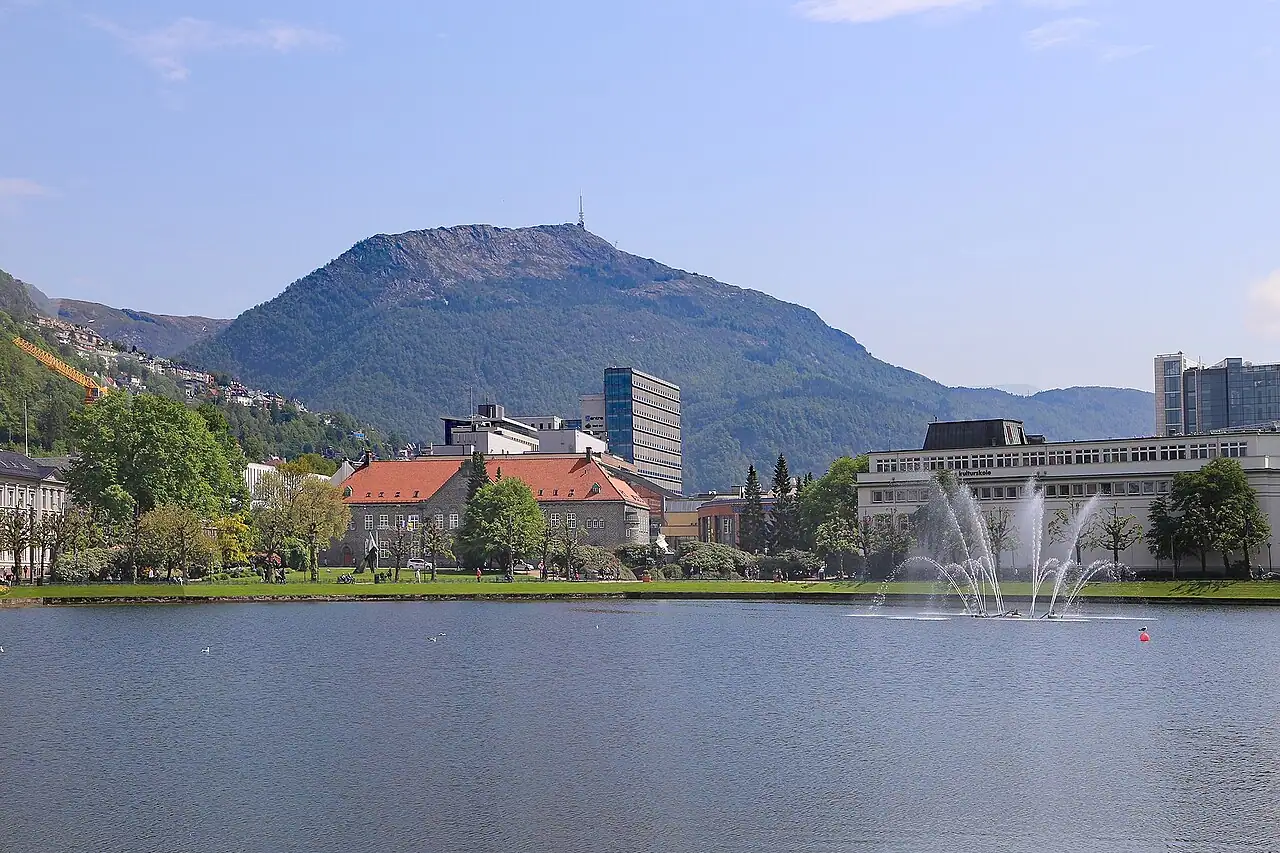
Bergen is Norway’s gateway to the fjords, a harbor city of colorful wooden wharf houses, seven surrounding mountains and famously frequent rain. Ships dock within walking distance of the UNESCO-listed Bryggen wharf and the Fløibanen funicular, so it’s an easy port to explore on your own. Pack a rain jacket and you’ll love it.
Stavanger
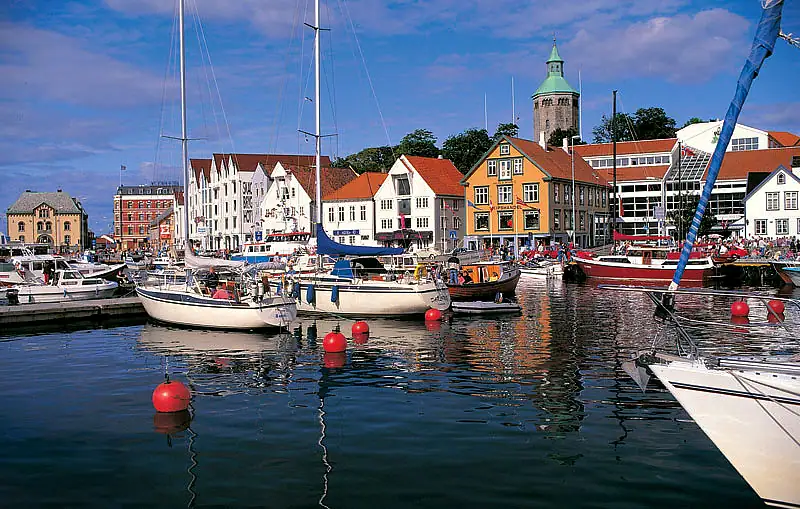
Stavanger is a lively harbor city on Norway’s southwest coast and the base for visiting Pulpit Rock (Preikestolen) and the Lysefjord. Ships dock right in the center, next to the white wooden houses of Old Stavanger, so the city is easy on foot. The big decision is whether to hike Pulpit Rock, see it from a fjord boat or simply stay in town.
Ålesund
Ålesund is a small Norwegian harbor town famous for its Art Nouveau architecture, rebuilt after a devastating fire in 1904. Ships dock right in the center, steps from the turreted facades and the stairs up to the Aksla viewpoint, which looks over the town, islands and Sunnmøre Alps. It’s one of Norway’s easiest ports to explore on foot.
Olden
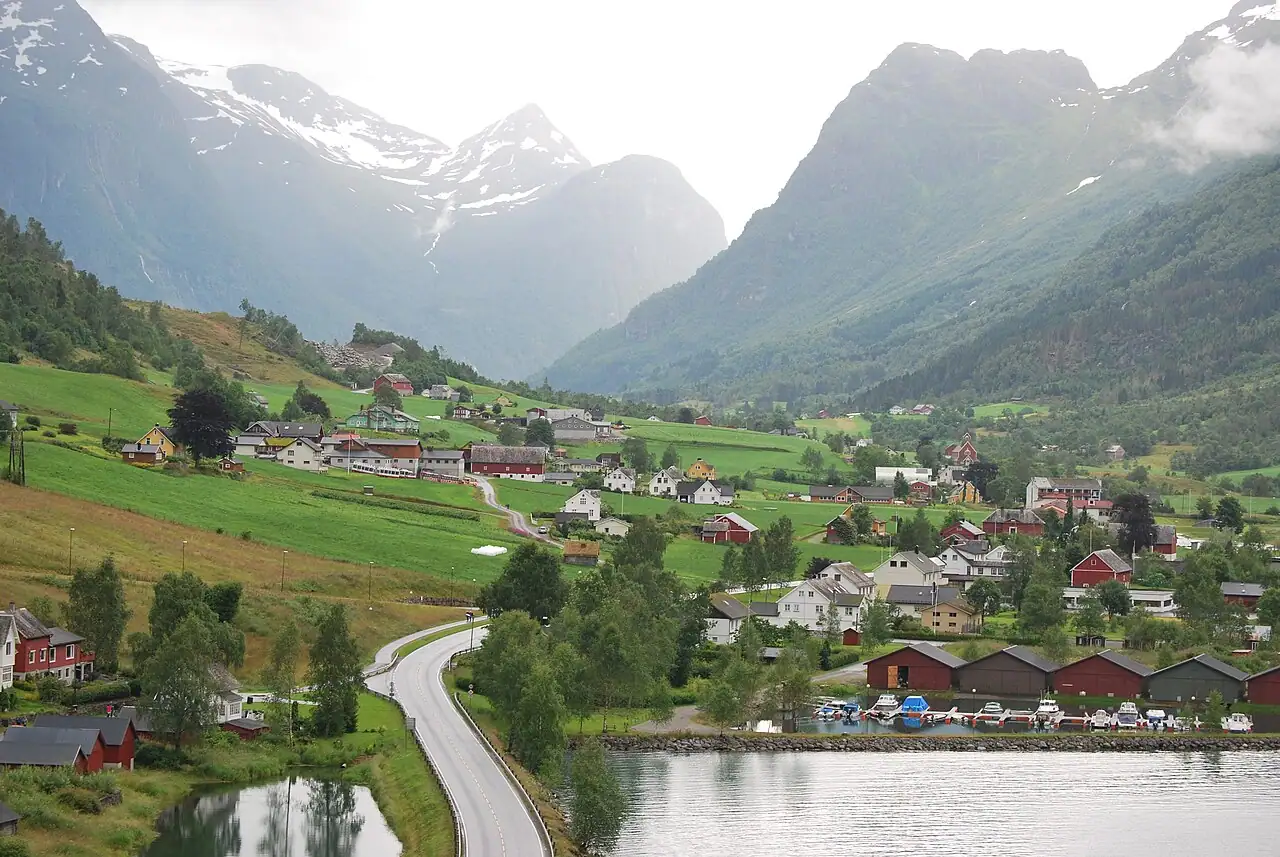
Olden is a small village at the head of the Nordfjord, surrounded by mountains, glacial lakes and arms of the Jostedal Glacier, mainland Europe’s largest. Ships dock right in the village. The main draws are the Briksdal Glacier, emerald lakes like Lovatnet and the Loen Skylift cable car just up the road. It’s pure scenery.
Tromsø
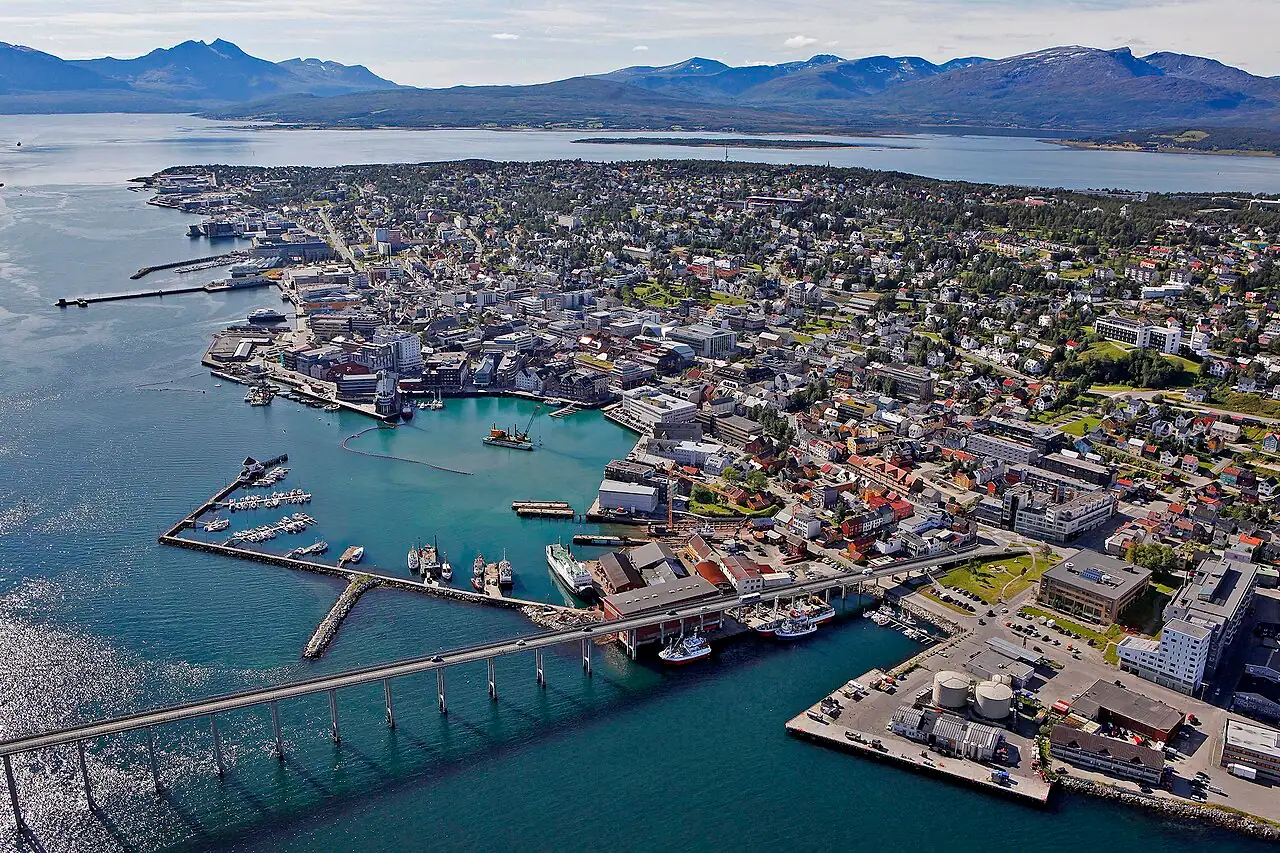
Tromsø is the largest city in northern Norway, about 215 miles (350 km) above the Arctic Circle, and a base for midnight sun in summer and northern lights in winter. Ships dock either in the compact center or at a terminal a few miles north. Top picks are the Arctic Cathedral, the Fjellheisen cable car, Sámi culture and husky visits.
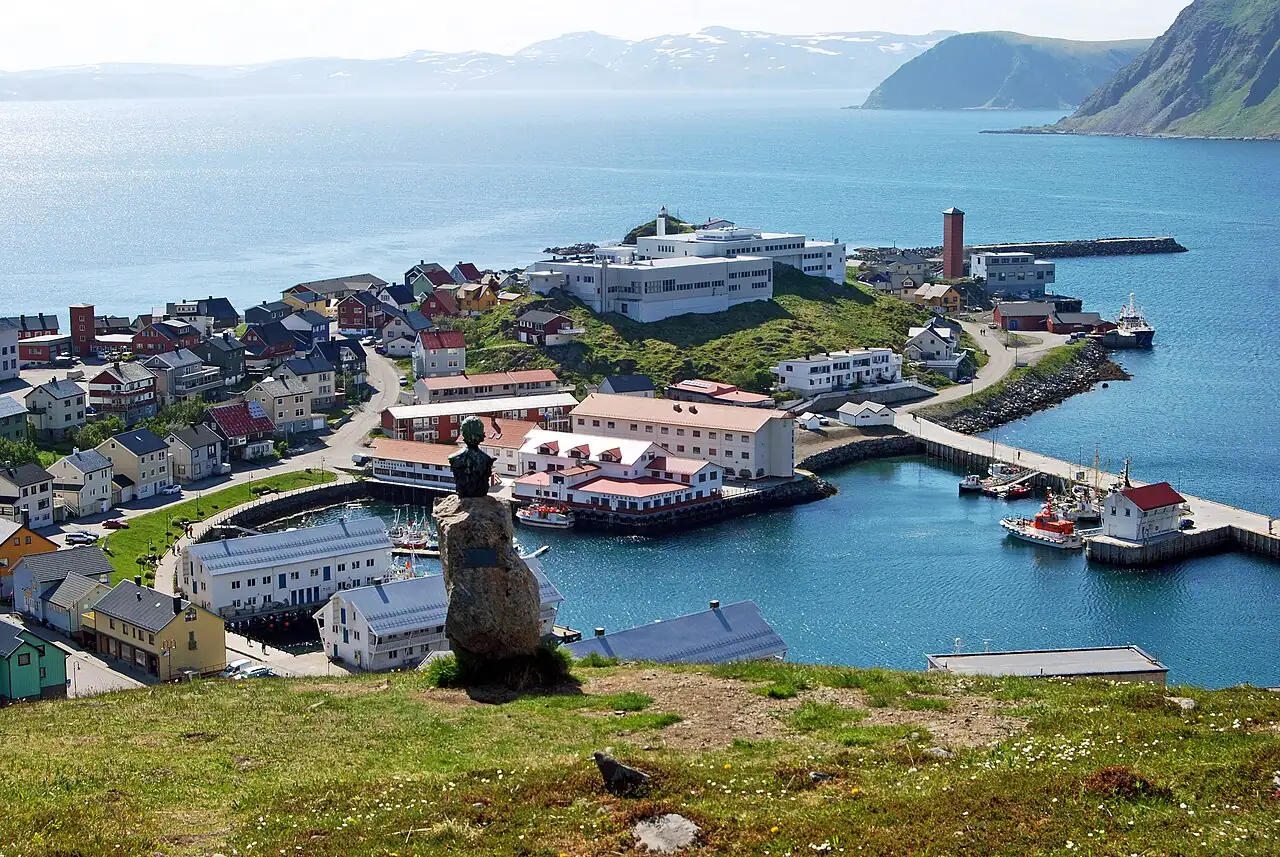
Honningsvåg (for the North Cape)
Honningsvåg is a small fishing town on the island of Magerøya in Norway’s far north and the cruise port for the North Cape, a dramatic cliff often billed as the northern edge of Europe. Ships dock in town, and most passengers take a tour about 45 minutes across the tundra to the cape. Weather and fog decide the view.
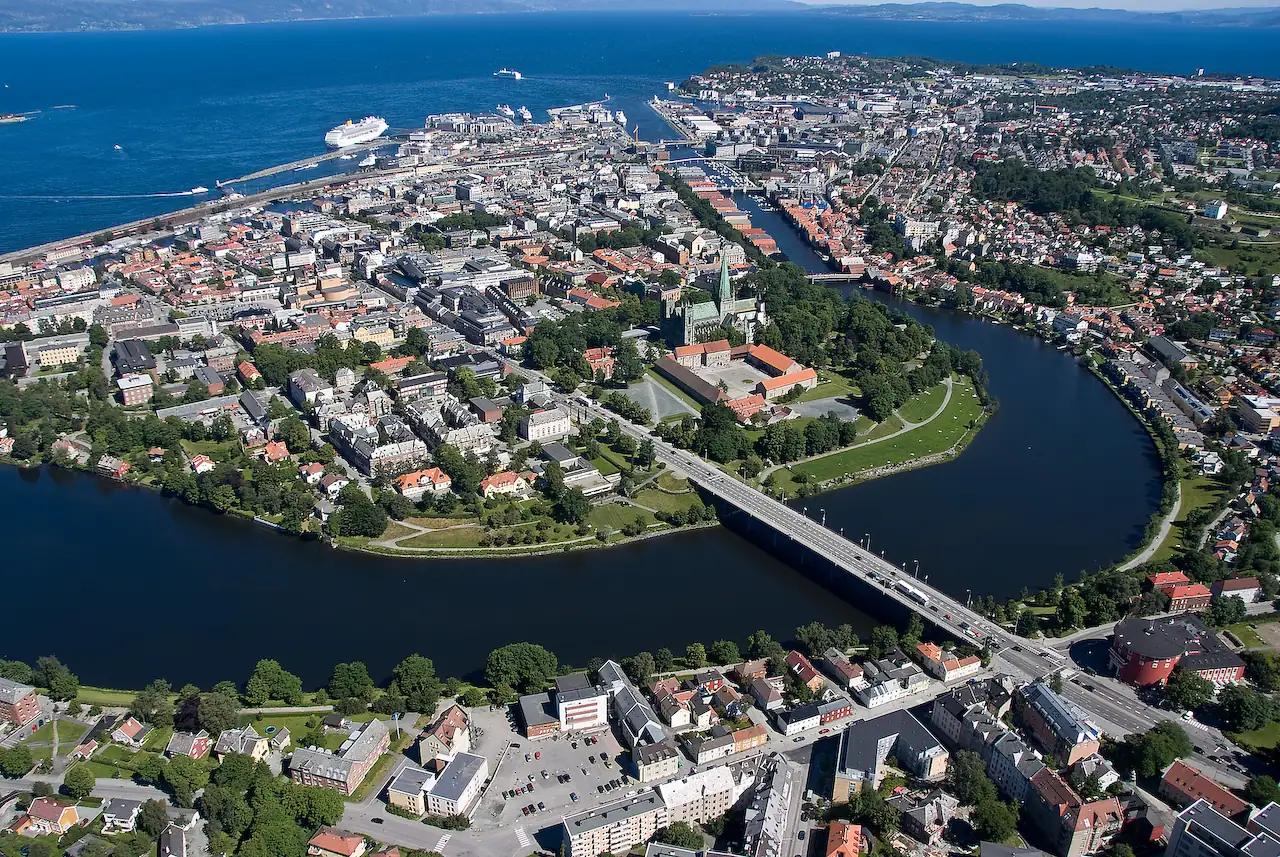
Trondheim
Trondheim is Norway’s historic former capital, founded by Viking kings and home to Nidaros Cathedral, the country’s grandest medieval church. It’s a walkable university city with colorful riverside warehouses and the cobbled Bakklandet district. Ships dock a short walk or shuttle from the center, making it an easy day of history and cafés.
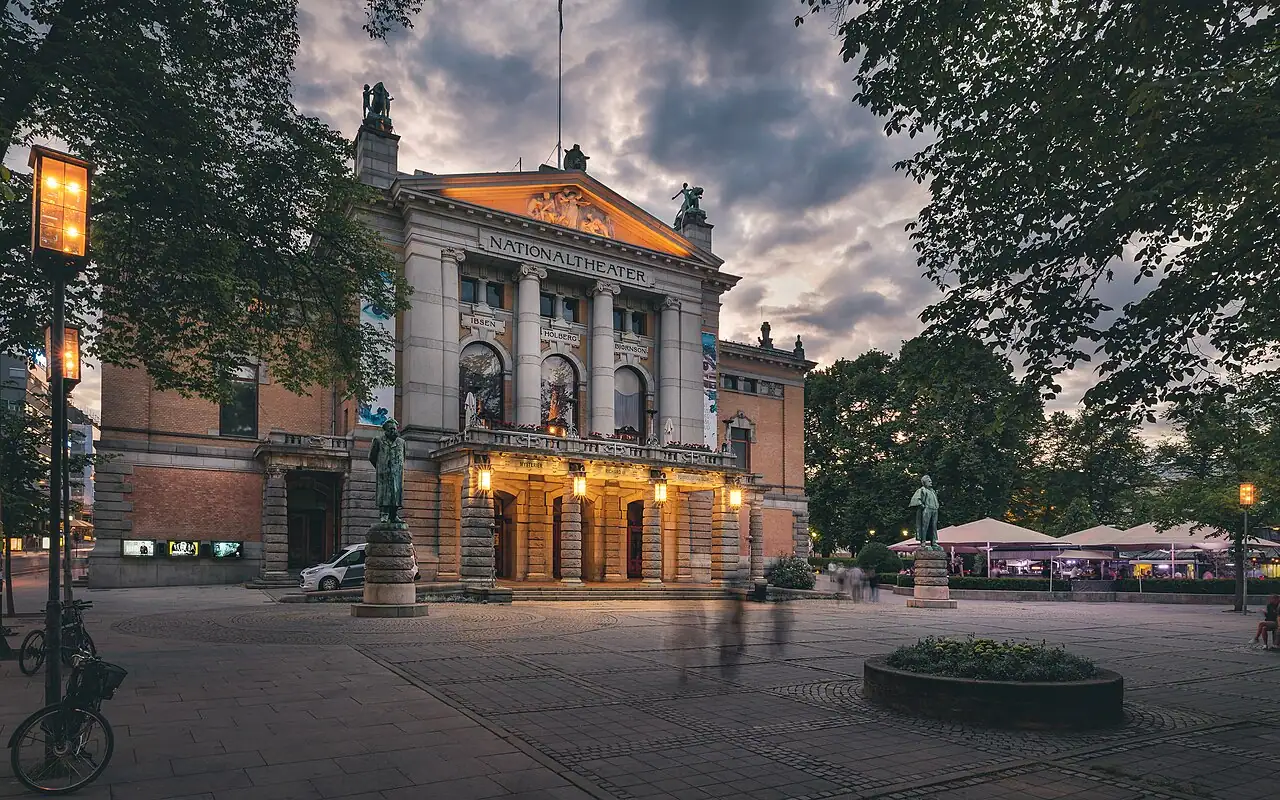
Oslo
Oslo, Norway’s capital, sits at the head of a long fjord, and cruise ships dock right below Akershus Fortress, a short walk from the waterfront Opera House, City Hall and the main shopping street. You can see Edvard Munch’s The Scream, Vigeland’s sculpture park and the polar ship Fram, all in a day, largely on foot or by tram and ferry.
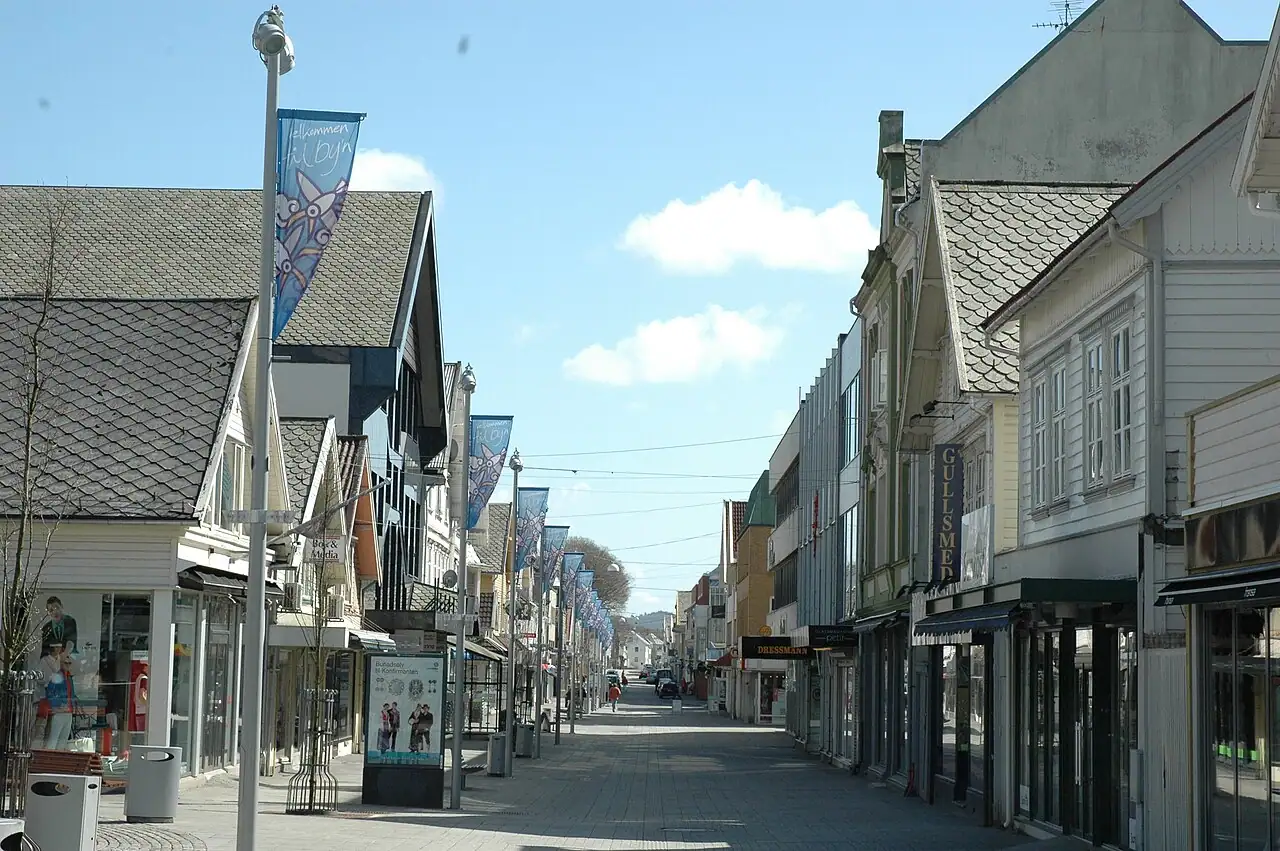
Haugesund
Haugesund is a small, friendly coastal town between Bergen and Stavanger, closely tied to the Viking Age and Norway’s first king. Ships dock right along the town’s narrow strait, a few steps from the center. The highlights are the national monument at Haraldshaugen and the reconstructed Viking farm at Avaldsnes, just across the water on Karmøy.
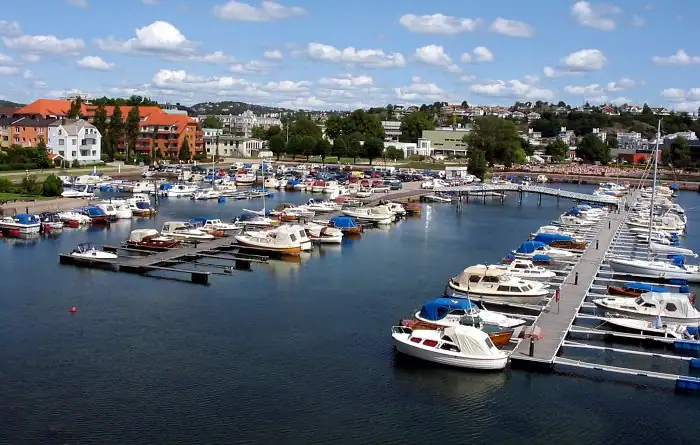
Kristiansand
Kristiansand is the summer capital of Norway’s sunny south coast, a relaxed city of white wooden houses, a sandy town beach and a skerry-dotted archipelago. Ships dock right next to the center and the fish market, so everything is walkable. Families can add the Kristiansand Zoo and Amusement Park, home of the storybook Cardamom Town.
Where Norwegian Fjords cruises start
Cruise lines that sail Norwegian Fjords
Norwegian Fjords cruise tips
- Reserve the Flåm Railway as soon as you can for June to August calls. Seats on trains timed for cruise passengers sell out, and the ship’s own tours often get first claim.
- Geiranger is usually a tender port and Olden and Flåm are small villages. Get tender tickets early or join a ship tour that goes ashore first, and keep an eye on the last tender time.
- For Pulpit Rock, wear proper hiking shoes, carry water and a rain layer, and only attempt it independently if your port time allows at least six hours. Otherwise, a Lysefjord boat trip gives you the view from below.
- Northern lights are never guaranteed. Choose winter itineraries with several nights north of the Arctic Circle, check the ship’s aurora alerts and dress warmly so you can stay out on deck.
- Norway’s tap water is excellent, so carry a refillable bottle. Alcohol is heavily taxed, and wine and spirits are sold only in state-run Vinmonopolet stores, so expect to pay far more than at home.
Norwegian fjords cruises: FAQs
When is the best time to cruise the Norwegian fjords?
June to August. Days are longest and warmest, all mountain roads and viewpoints are open, and every itinerary runs. May has the most powerful waterfalls and fewer crowds, and September brings autumn color. For northern lights, sail from late September to March.
Can you see the northern lights on a Norwegian fjords cruise?
Not on a summer cruise. The skies are too bright from May to August. Northern lights are possible from late September to March on voyages north of the Arctic Circle, around Tromsø, Alta and the North Cape, whenever skies are clear and solar activity cooperates.
How long is a Norwegian fjords cruise?
Most are 7 nights round trip from Southampton, Amsterdam, Hamburg, Kiel or Copenhagen. North Cape voyages take 12 to 14 nights, and Hurtigruten’s classic coastal round trip from Bergen takes 12 days.
Do I need a passport for a Norwegian fjords cruise?
Yes. Norway isn’t in the EU but is part of the Schengen area, so US and Canadian citizens need a valid passport and are registered under Schengen entry rules. Cruises starting in Southampton or Dover also generally require a UK Electronic Travel Authorisation.
Which cruise line is best for the Norwegian fjords?
For big-ship variety, try Princess, Celebrity, Royal Caribbean, MSC or Holland America. Viking, Oceania and Azamara offer more port time and smaller ships. Hurtigruten and HX specialize in Norway’s coast year-round, and Fred. Olsen and Saga run popular winter northern lights voyages.
What should I pack for a Norwegian fjords cruise?
Layers and rainwear. Bring a waterproof jacket, a warm fleece, a hat and gloves for scenic cruising on deck, sturdy walking shoes and a sleep mask for the bright summer nights. Winter voyages need thermal underwear, insulated boots and a proper parka.
Updated November 2026 by the BookMyDreamCruise editorial team. How we research and fact-check.
Sources: Wikidata, NASA POWER climate data.