Best time to cruise · Good time to go
Northern Europe cruises in May
The full summer season opens. Norway’s waterfalls surge with snowmelt, Baltic capitals warm into the 60s °F (16–19°C) and British and Irish gardens burst into bloom. With fewer families aboard and the days lengthening every week, May is a smart value month, though evenings on deck can still be chilly.
- Good time to go
- Avg high 55°F
- 18 hrs daylight
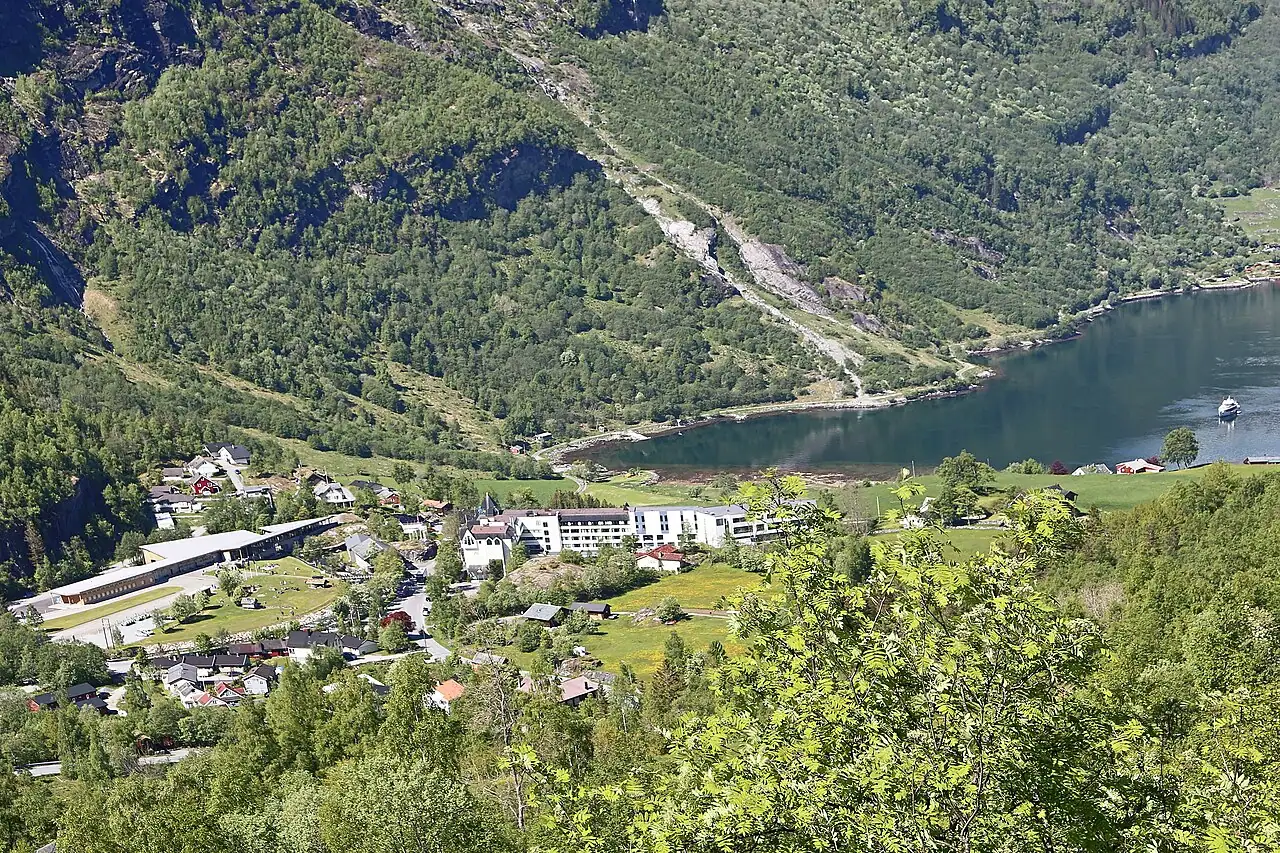
Photo: W. Bulach, CC BY-SA 4.0, via Wikimedia Commons
Northern Europe in May: Good time to go
The full summer season opens. Norway’s waterfalls surge with snowmelt, Baltic capitals warm into the 60s °F (16–19°C) and British and Irish gardens burst into bloom. With fewer families aboard and the days lengthening every week, May is a smart value month, though evenings on deck can still be chilly.
Across Northern Europe cruise ports, May brings average highs around 55°F (13°C) and lows near 44°F, with about 2.9 inches of rain over the month and roughly 18 hours of daylight.
- Verdict
- Good time to go
- Season
- May to September for most lines; Norway’s coast year-round, with northern lights voyages in winter
- Average high / low
- 55°F / 44°F
- Rainfall (month)
- 2.9 in
- Daylight
- About 18 hours
- Typical cruise length
- 7 nights for Norway; 9–14 for the Baltic and British Isles; 12–16 with Iceland
What to pack: layers you can add and remove: long pants, a warm fleece or sweater, a waterproof jacket and closed walking shoes.
How May compares with the rest of the year
- Jan: Shoulder season
- Feb: Shoulder season
- Mar: Shoulder season
- Apr: Shoulder season
- May: Good time to go
- Jun: Best time to go
- Jul: Best time to go
- Aug: Best time to go
- Sep: Good time to go
- Oct: Shoulder season
- Nov: Shoulder season
- Dec: Shoulder season
- No regular sailings
- Shoulder season
- Good time to go
- Best time to go
Northern Europe weather in May
| Month | Jan | Feb | Mar | Apr | May | Jun | Jul | Aug | Sep | Oct | Nov | Dec |
|---|---|---|---|---|---|---|---|---|---|---|---|---|
| High °F (°C) | 362 | 383 | 415 | 468 | 5513 | 6217 | 6619 | 6619 | 6016 | 5111 | 436 | 394 |
| Low °F (°C) | 29-1 | 30-1 | 320 | 362 | 446 | 5111 | 5513 | 5513 | 5110 | 436 | 373 | 330 |
| Rain in (mm) | 5.0126 | 4.3108 | 3.9100 | 2.973 | 2.975 | 3.383 | 3.998 | 4.5113 | 4.4112 | 5.0127 | 4.5114 | 5.3134 |
| Daylight (hrs) | 6 | 9 | 12 | 15 | 18 | 19 | 18 | 16 | 13 | 10 | 7 | 6 |
May weather port by port
| Port | Avg high | Avg low | Rain | Daylight |
|---|---|---|---|---|
| Geiranger | 48°F | 40°F | 5.2 in | 18 h |
| Flåm | 53°F | 43°F | 3.9 in | 17 h |
| Bergen | 57°F | 45°F | 5.2 in | 17 h |
| Stockholm | 59°F | 43°F | 2.1 in | 17 h |
| Copenhagen | 59°F | 47°F | 1.3 in | 16 h |
| Tallinn | 56°F | 44°F | 1.5 in | 17 h |
| Helsinki | 53°F | 44°F | 1.7 in | 17 h |
| Edinburgh (Leith & South Queensferry) | 58°F | 46°F | 2.6 in | 16 h |
| Dublin | 58°F | 48°F | 2.4 in | 16 h |
| Reykjavík | 47°F | 40°F | 4.6 in | 18 h |
| Honningsvåg (for the North Cape) | 42°F | 37°F | 2.9 in | 24 h |
| Southampton (London) | 63°F | 47°F | 2.0 in | 16 h |
Average daily highs and lows, 2015–2024, from NASA POWER, adjusted to sea level. Rain is the average monthly total.
Other great cruise destinations in May
Northern Europe in May: FAQs
Is May a good time to cruise Northern Europe?
Yes, it's a good month. The full summer season opens. Norway’s waterfalls surge with snowmelt, Baltic capitals warm into the 60s °F (16–19°C) and British and Irish gardens burst into bloom. With fewer families aboard and the days lengthening every week, May is a smart value month, though evenings on deck can still be chilly.
What is the weather like on a Northern Europe cruise in May?
Across Northern Europe cruise ports, May brings average highs around 55°F (13°C) and lows near 44°F, with about 2.9 inches of rain over the month and roughly 18 hours of daylight. Conditions vary from port to port and day to day.
What should I pack for a Northern Europe cruise in May?
Pack layers you can add and remove: long pants, a warm fleece or sweater, a waterproof jacket and closed walking shoes. Check your cruise line's dress code for evenings.
When is the best time to cruise Northern Europe?
May to September for most lines; Norway’s coast year-round, with northern lights voyages in winter. The best months are usually June, July, August.
Where else can I cruise in May?
May is also a top month for Bahamas, Bermuda, Hawaii, Pacific Coastal, Galápagos Islands.
Updated November 2026 by the BookMyDreamCruise editorial team. How we research and fact-check.
Sources: NASA POWER climate data.