Asia, Australia & the Pacific
Tahiti & South Pacific cruises
South Pacific cruises explore French Polynesia’s Society Islands, including Tahiti, Moorea, Bora Bora, Huahine and Raiatea, on small ships based in Papeete year-round, plus Fiji, Vanuatu and New Caledonia on 7- to 12-night voyages from Sydney, Brisbane and Auckland. Longer 15- to 18-night round trips from Los Angeles combine Tahiti with Hawaii. May to October, the dry season, brings cooler, less humid weather and visiting humpback whales.
- Season: Year-round in French Polynesia; May to October is best; cruises from Australia year-round
- Typical length: 7 to 14 nights from Papeete; 7 to 12 nights from Australia; 15–18 nights from Los Angeles
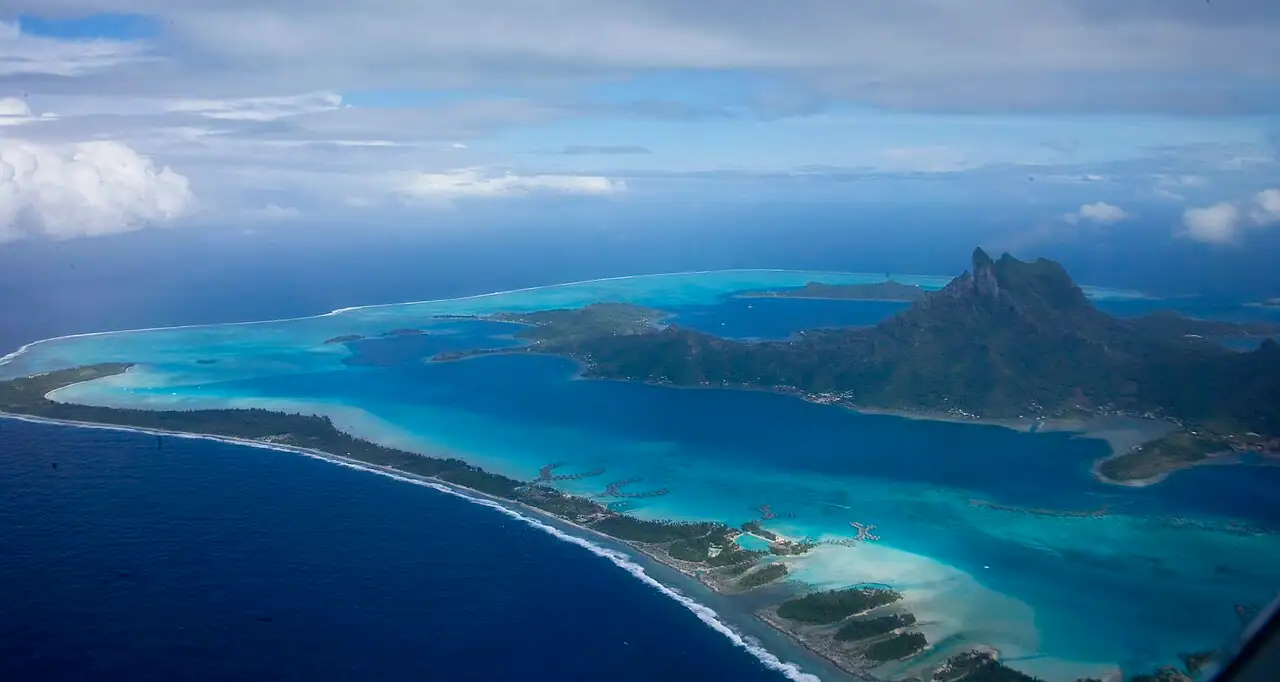
Photo: The TerraMar Project, CC BY 2.0, via Wikimedia Commons
- Season
- Year-round in French Polynesia; May to October is best; cruises from Australia year-round
- Typical length
- 7 to 14 nights from Papeete; 7 to 12 nights from Australia; 15–18 nights from Los Angeles
- Best months
- May, Jun, Jul, Aug, Sep
- Main departure ports
- Papeete (Tahiti), Sydney, Auckland
- Ports covered here
- 6
- Cruise lines
- 12 lines sail here
What a Tahiti & the South Pacific cruise is like
This is the South Seas of travel posters: green volcanic peaks rising from turquoise lagoons, overwater bungalows and reefs full of rays and blacktip sharks. In French Polynesia, a cruise is the easiest way to island-hop. Inter-island flights are limited and expensive, while a small ship moves your hotel from Tahiti to Moorea, Bora Bora and the quieter islands of Huahine and Taha’a overnight.
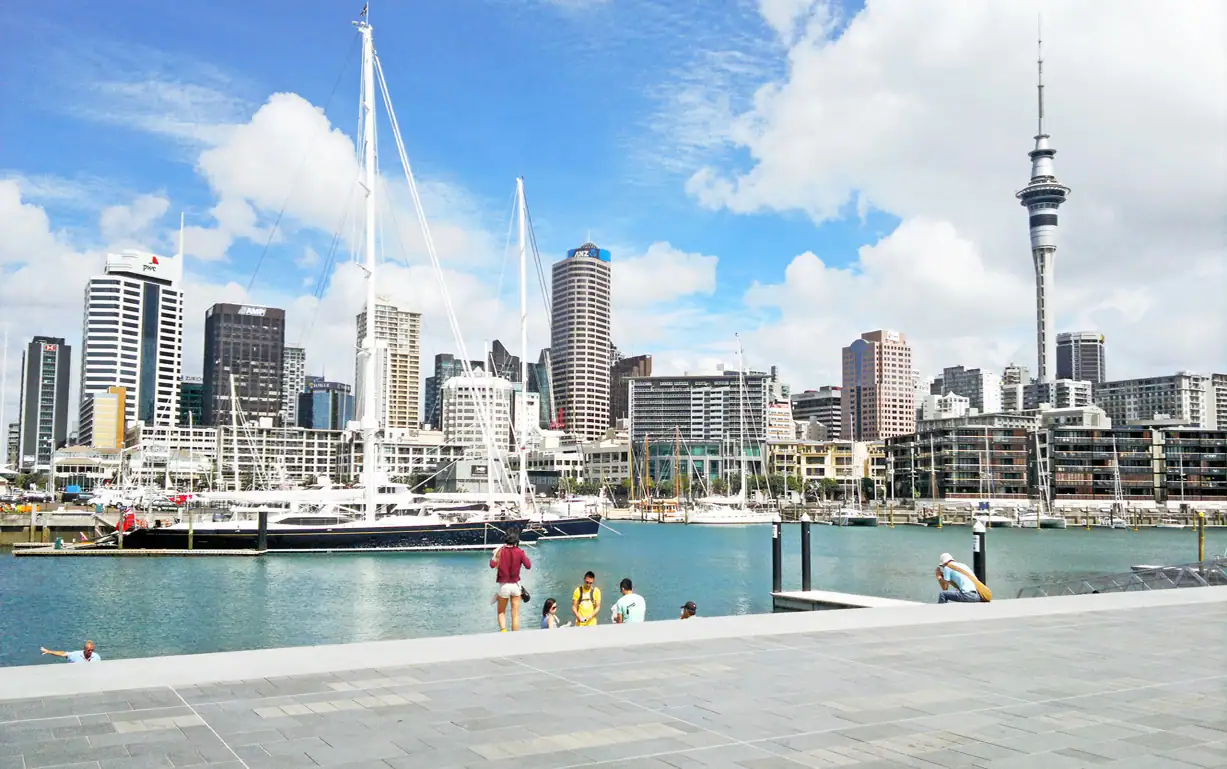
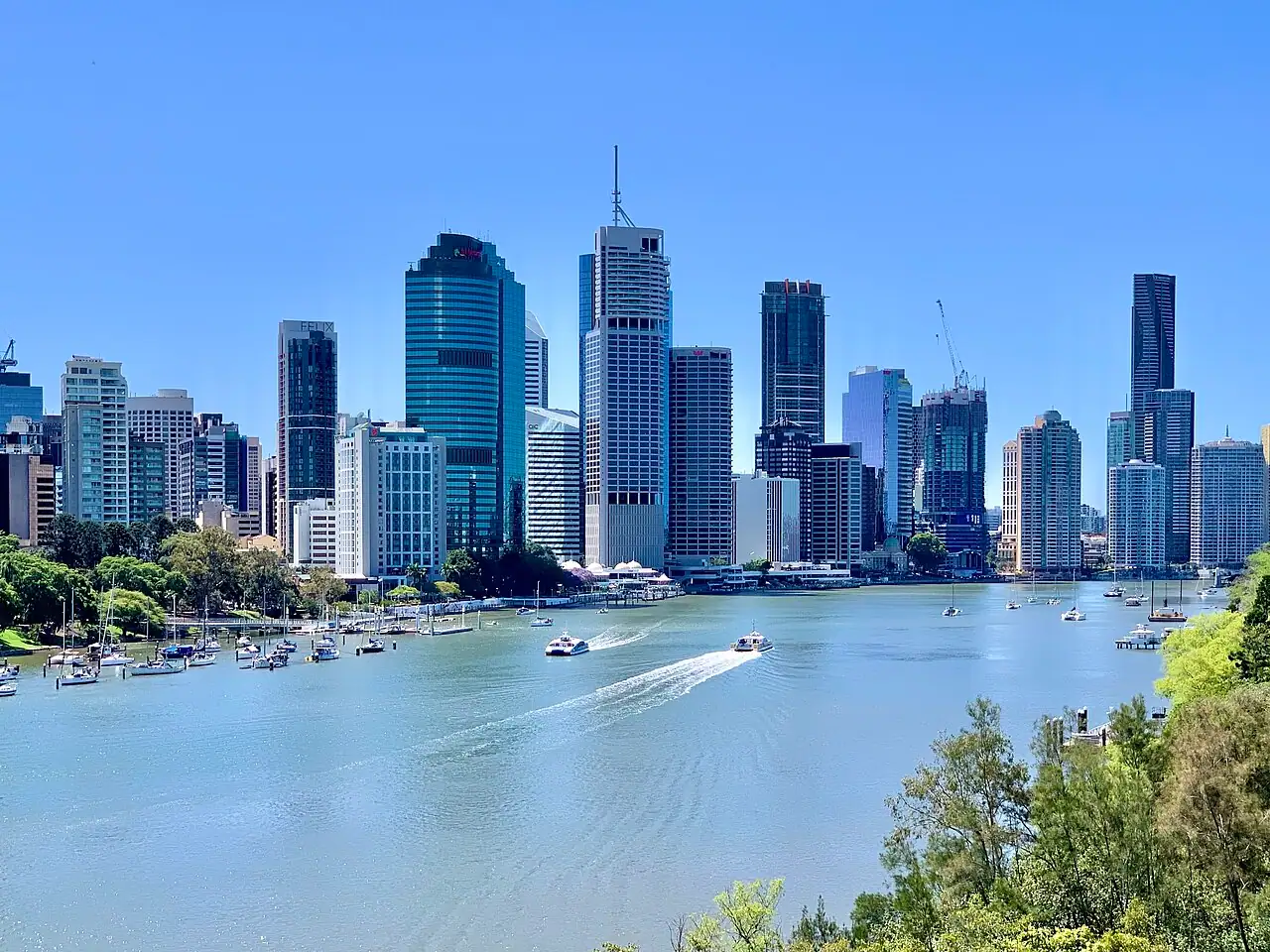
Two very different styles share the region. Small luxury ships, notably Paul Gauguin Cruises and Windstar, are based in Papeete all year on 7- to 14-night Society Islands voyages, with occasional trips to the Tuamotu atolls or the remote Marquesas, and offer water-sports platforms and an intimate feel. Big ships based in Australia and New Zealand sail to Fiji, Vanuatu and New Caledonia, often with several sea days and a mostly Australian crowd. A few North American–based ships reach Tahiti on long Hawaii voyages or world cruises.
Know what you’re getting. French Polynesia is expensive, most stops are tender landings and there’s little nightlife or shopping beyond pearls and crafts. The wet season, roughly November to April, brings humidity, heavy showers and cyclone risk, though rain usually comes in short bursts. If your goal is snorkeling, scenery and slowing down, few places compare; if you want cities and a packed schedule, it may feel too quiet.
Best time to cruise Tahiti & the South Pacific
- Jan: Shoulder season
- Feb: Shoulder season
- Mar: Shoulder season
- Apr: Good time to go
- May: Best time to go
- Jun: Best time to go
- Jul: Best time to go
- Aug: Best time to go
- Sep: Best time to go
- Oct: Good time to go
- Nov: Good time to go
- Dec: Shoulder season
- No regular sailings
- Shoulder season
- Good time to go
- Best time to go
JanuaryShoulder season
The heart of the wet season: hot, around 88°F (31°C), humid and prone to heavy downpours, with cyclone risk at its highest from January to March. Australian school holidays fill short Pacific cruises from Sydney and Brisbane. Papeete’s small ships keep sailing, and French Polynesia fares are often lower than in the dry season.
FebruaryShoulder season
Often Tahiti’s wettest month. A passing cyclone can reroute Australia-based ships away from Fiji or Vanuatu, and rain can cloud lagoon visibility for a day or two. The water stays warm, around 84°F (29°C), and the islands are at their greenest. Expect fewer fellow travelers.
MarchShoulder season
Cyclone season continues and humidity stays high, with sudden afternoon downpours. Tahiti’s waterfalls run at full force and valleys are lush. Prices and crowds remain modest, and Australia-based ships sometimes favor New Caledonia, closer to home, when storms threaten farther north.
AprilGood time to go
The transition month. Rains ease toward the end of April, trade winds begin to freshen and humidity drops. Australian Easter school holidays push up demand for short Pacific cruises. In French Polynesia, it’s a good shoulder month with warm water and fewer visitors than midsummer.
MayBest time to go
The dry season arrives: lower humidity, highs around 84°F (29°C) and steady trade winds that keep things comfortable. Snorkeling visibility is excellent, and French Polynesia fares are often lower than in July and August. One of the best months to sail.
JuneBest time to go
Cooler evenings, often near 70°F (21°C), and settled weather make Fiji, Vanuatu and New Caledonia especially pleasant. Australians escaping their own winter head north in numbers. In French Polynesia, preparations for July’s festival begin, with dance groups rehearsing in the evenings.
JulyBest time to go
Heiva i Tahiti, a month-long celebration of Polynesian dance, music, outrigger racing and traditional sports, fills Papeete. The first humpback whales arrive to breed and calve. Australian winter school holidays and European summer visitors make it busy, and fares climb.
AugustBest time to go
Often the driest month, with humpbacks common around Moorea and Tahiti, best seen with licensed whale-watching operators. Trade winds can make lagoon passes choppy on some days. French families on summer holiday add to the crowds in Bora Bora and Moorea.
SeptemberBest time to go
Whale season peaks, the weather stays dry and the seas are often calm. With European holidays over, the islands feel quieter, making September one of the strongest months for a Society Islands voyage. Water temperatures sit around 79°F (26°C).
OctoberGood time to go
Whales and their calves begin leaving toward the end of the month, and heat and humidity start to build. The weather is still mostly dry, though showers become more frequent. Shoulder pricing returns, making it a good-value month in French Polynesia.
NovemberGood time to go
Hawaiki Nui Va’a, a three-day outrigger canoe race from Huahine to Raiatea, Taha’a and Bora Bora, draws crowds to the shores around the start of the month. The wet season begins with more frequent showers, but long dry spells are still common and fares drop.
DecemberShoulder season
The wet and cyclone seasons begin in earnest. Christmas and Australia’s summer school holidays make short South Pacific cruises from Sydney and Brisbane busy and expensive. In Tahiti, local families celebrate the holidays with feasts and church choirs, and showers are heavy but brief.
Average weather across Tahiti & the South Pacific ports
| Month | Jan | Feb | Mar | Apr | May | Jun | Jul | Aug | Sep | Oct | Nov | Dec |
|---|---|---|---|---|---|---|---|---|---|---|---|---|
| High °F (°C) | 8127 | 8228 | 8127 | 7926 | 7625 | 7423 | 7323 | 7323 | 7424 | 7625 | 7826 | 8027 |
| Low °F (°C) | 7625 | 7725 | 7625 | 7524 | 7222 | 6921 | 6820 | 6820 | 6921 | 7122 | 7323 | 7524 |
| Rain in (mm) | 6.4161 | 6.1154 | 6.2157 | 4.6118 | 3.487 | 3.075 | 2.666 | 2.359 | 2.155 | 3.486 | 4.1104 | 5.6142 |
| Daylight (hrs) | 14 | 13 | 12 | 12 | 11 | 11 | 11 | 11 | 12 | 13 | 13 | 14 |
Tahiti & the South Pacific cruise highlights
- 1
Bora Bora’s lagoon
Tenders land at Vaitape, beneath the jagged peak of Mount Otemanu. The lagoon is the main event: boat tours stop to snorkel with stingrays and blacktip reef sharks, then drop you on a palm-fringed motu, one of the small islets on the reef. Many ships stay overnight here.
- 2
Moorea’s bays and Belvedere lookout
Ships anchor in Opunohu Bay or near Cook’s Bay, two deep inlets framed by volcanic ridges. A short drive up to the Belvedere lookout shows both bays at once. Pineapple plantations line the valley, and lagoon trips offer snorkeling with rays and reef fish.
- 3
Papeete and Tahiti’s coast
The Marché de Papeete sells flowers, vanilla, pareos and fresh fish, and the roulottes, food trucks parked on the waterfront at night, serve poisson cru, raw fish in coconut milk. Island tours visit black-sand beaches, waterfalls and the blowhole at Arahoho, with views toward the famous surf break at Teahupo’o.
- 4
Huahine, Raiatea and Taha’a
These quieter islands show traditional Polynesia. Huahine has ancient stone marae temples and sacred blue-eyed eels, Raiatea holds Taputapuātea, a UNESCO-listed marae complex central to Polynesian culture, and Taha’a, sharing a lagoon with Raiatea, grows vanilla and farms black pearls.
- 5
Tuamotu atolls
On longer voyages, ships visit atolls such as Rangiroa and Fakarava, low coral rings around vast lagoons. Drift snorkeling or diving through the passes brings encounters with dolphins, sharks and huge schools of fish. They’re as remote and uncrowded as cruise stops get.
- 6
Fiji’s villages and reefs
From Lautoka or Suva, tours visit villages for a welcome kava ceremony, the orchid-filled Garden of the Sleeping Giant near Nadi or the islands of the Mamanuca group for snorkeling. Fijians greet visitors with a warm ‘bula’ everywhere you go.
- 7
New Caledonia’s islands
Beyond Nouméa, with its Tjibaou Cultural Centre celebrating Kanak heritage, ships tender to the Isle of Pines, where Oro Bay’s natural pool sits beside tall columnar pines, and to Lifou’s white beaches and clifftop chapel. Calls in Nouméa were cancelled for a time after unrest in 2024, so check current plans.
- 8
Easter Island (Rapa Nui)
Some repositioning and world cruises between South America and Tahiti call at this tiny, isolated island to see its giant moai statues, including the row at Ahu Tongariki. It’s an exposed tender stop, and swells cancel landings often, so treat it as a bonus rather than a certainty.
Typical Tahiti & the South Pacific itineraries
- 1
7-night Society Islands round trip from Papeete
Huahine, Raiatea and Taha’a, Bora Bora (often overnight) and Moorea, on Paul Gauguin, Windstar or similar small ships. Snorkeling gear and water sports are often included.
- 2
10- to 14-night Society Islands plus the Tuamotus or Marquesas
Longer small-ship voyages adding Rangiroa and Fakarava, the Cook Islands or the dramatic Marquesas, with more sea days and remote landings.
- 3
7- to 12-night South Pacific from Sydney, Brisbane or Auckland
Nouméa, Lifou, the Isle of Pines, Port Vila, Mystery Island in Vanuatu and Fiji, in varying combinations, on Carnival, Royal Caribbean, Princess and others. Expect at least two sea days each way.
- 4
15- to 18-night Hawaii and Tahiti from Los Angeles or San Francisco
Round trips combining Hawaiian ports with Papeete, Moorea and Bora Bora, sometimes Nuku Hiva in the Marquesas. Many sea days, but no long-haul flight.
Tahiti & the South Pacific ports of call
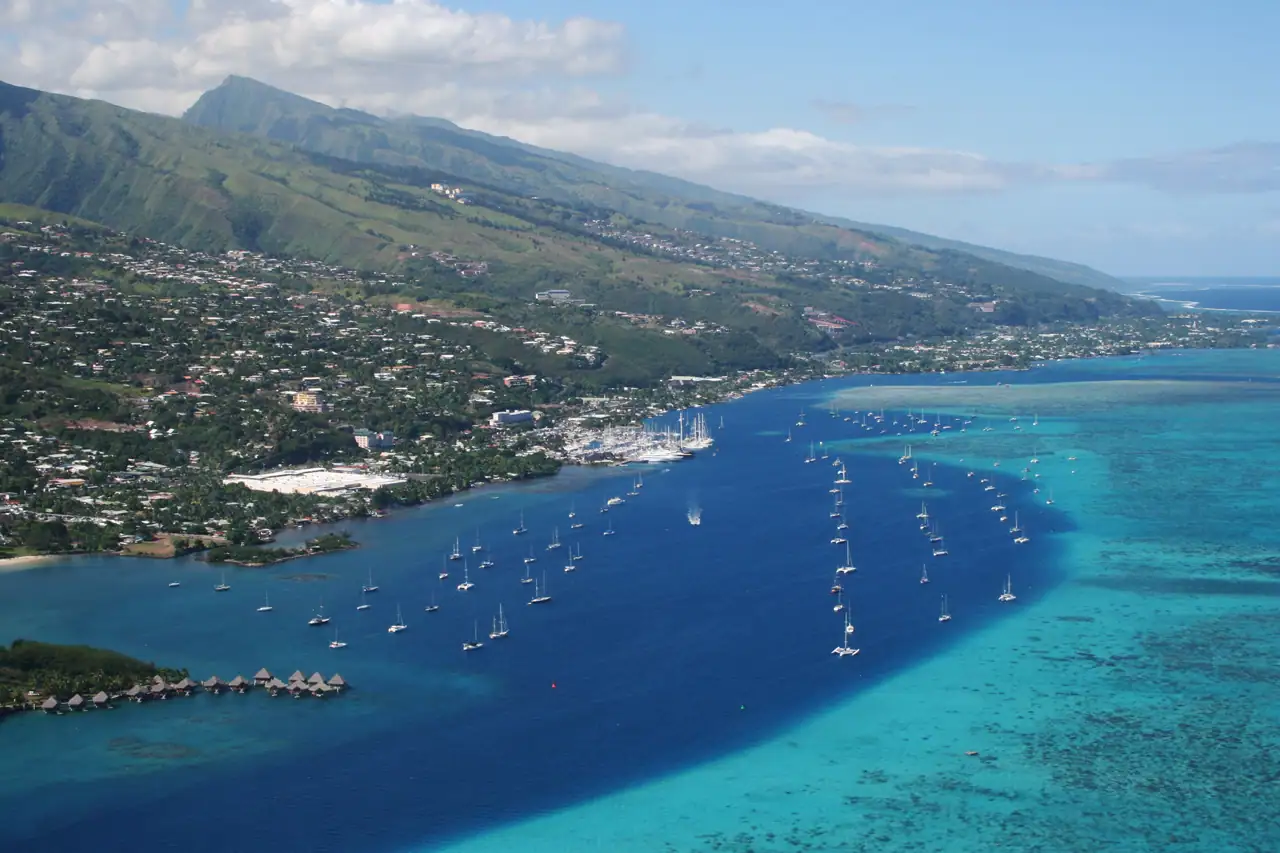
Papeete (Tahiti)
Departure port
Bora Bora
Bora Bora is the South Pacific’s most famous island, with a lagoon of startling blues ringed by palm-covered motu and the twin peaks of Mount Otemanu and Mount Pahia at its heart. Ships anchor inside the lagoon and tender to Vaitape, and the best days are spent on the water snorkeling, at Matira Beach or touring by 4x4.
Moorea
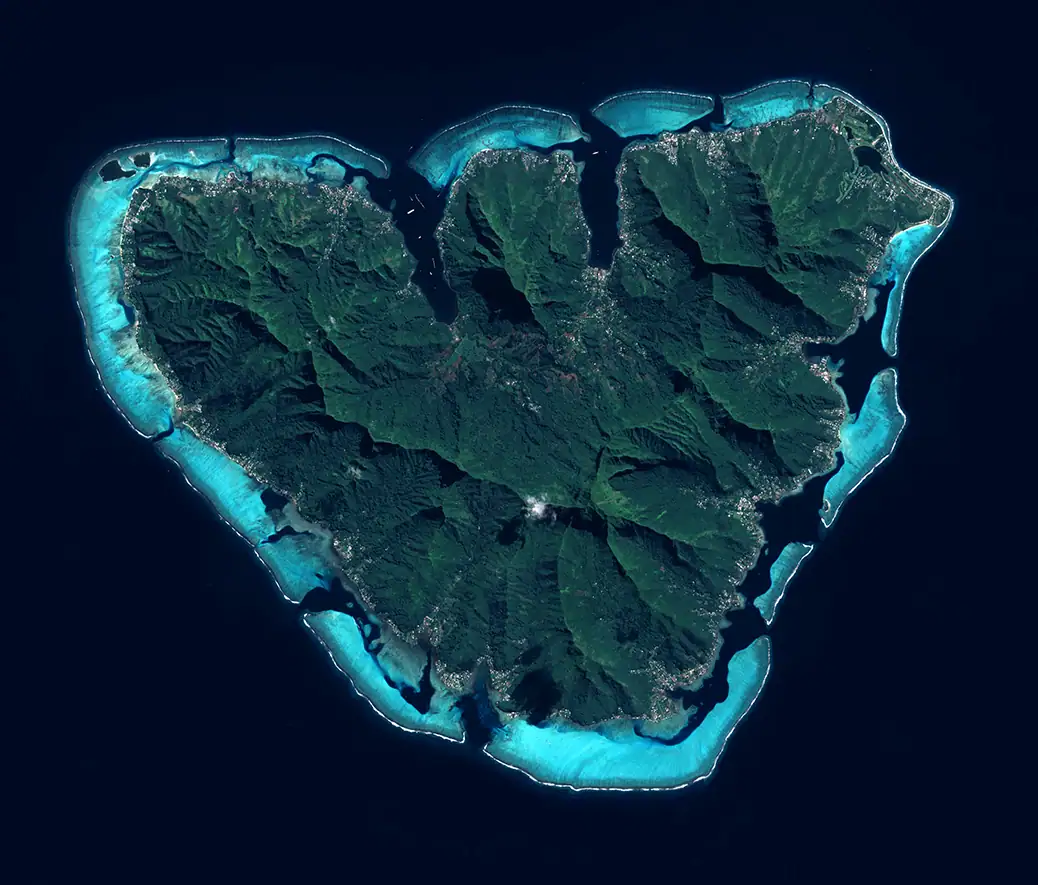
Moorea, a short hop from Tahiti, is a dramatic tender stop of jagged green peaks, deep bays and a clear turquoise lagoon. Most cruisers spend the day on the water, snorkeling with stingrays and blacktip reef sharks, or on a 4x4 tour to the Belvedere Lookout over Cook’s Bay and Opunohu Bay. It’s quieter and less developed than Bora Bora.
Fiji (Lautoka & Suva)
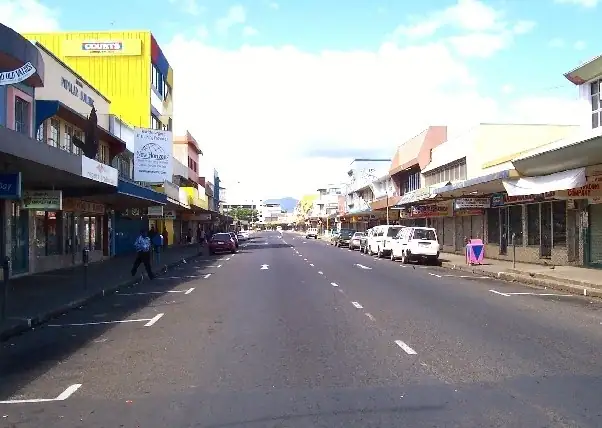
Fiji is a warm, welcoming South Pacific nation of more than 300 islands, and cruise ships most often call at Lautoka on the sunny west side of Viti Levu or at Suva, the capital, on the wetter southeast coast. Expect village visits with kava ceremonies, island day trips, rainforest waterfalls, markets and plenty of “Bula!” greetings.
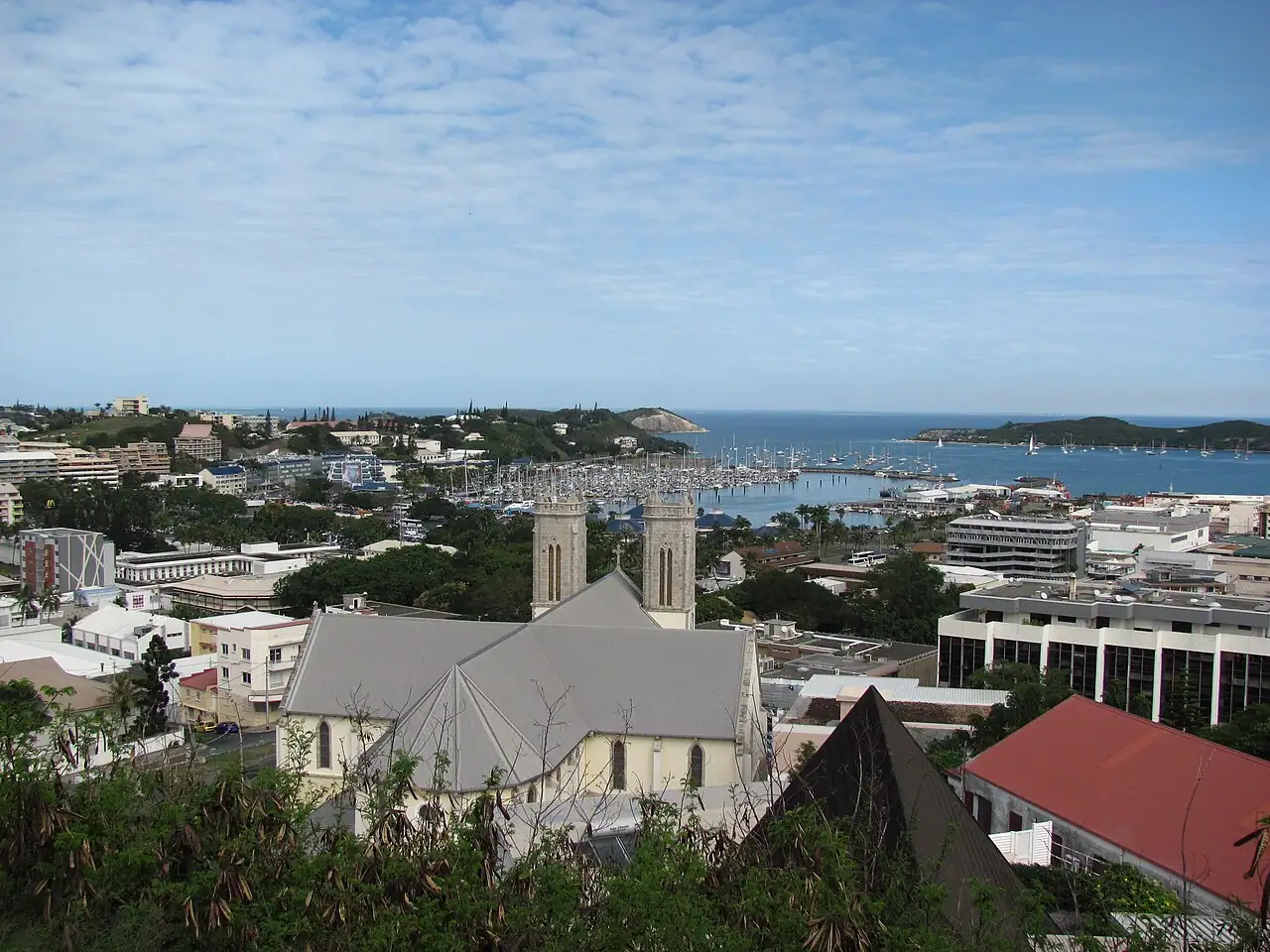
Nouméa, New Caledonia
Nouméa, capital of the French territory of New Caledonia, blends French café culture with Melanesian Kanak heritage on a vast UNESCO-listed lagoon. Ships dock close to the city center, and popular outings include the Tjibaou Cultural Centre, the beaches of Anse Vata, and boat trips to Amédée Lighthouse or Duck Island. Check current conditions, as calls were suspended for a period after unrest in 2024.
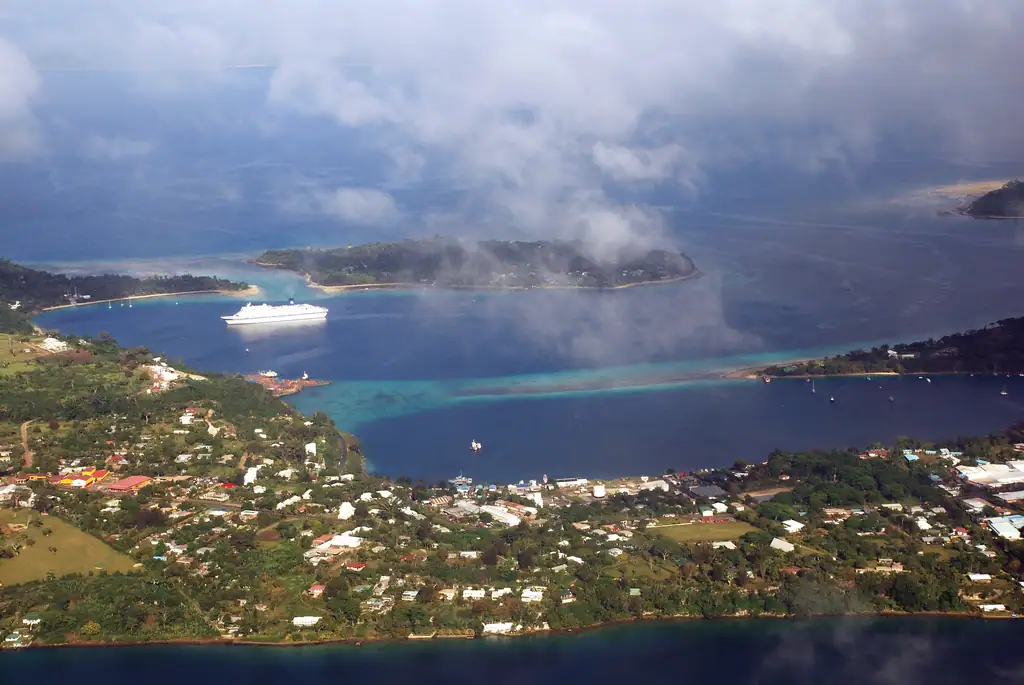
Port Vila, Vanuatu
Port Vila, capital of Vanuatu, sits on a sheltered harbor on the island of Efate and is a friendly, low-key South Pacific stop. Cruisers come for the tiered Mele Cascades waterfall, swimming at the Blue Lagoon, snorkeling at Hideaway Island and a colorful local market. A strong earthquake in December 2024 damaged parts of the city, so check current conditions.
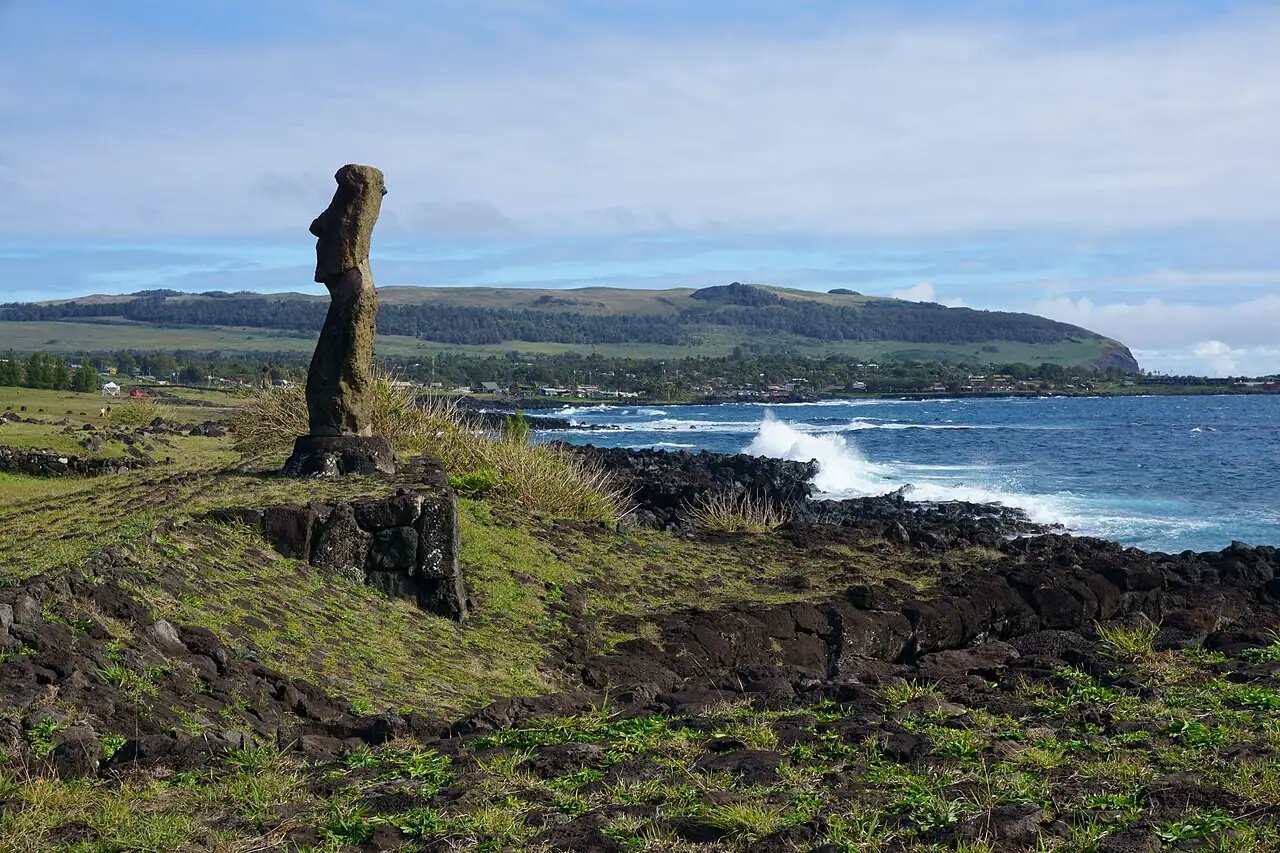
Easter Island
Easter Island, or Rapa Nui, is one of the most remote inhabited places on Earth and home to the famous moai statues. It’s a tender port with no pier for ships, and swells frequently cancel landings, so treat a visit as a bonus rather than a certainty. When you do get ashore, the moai of Ahu Tongariki, the Rano Raraku quarry and Anakena Beach are the highlights.
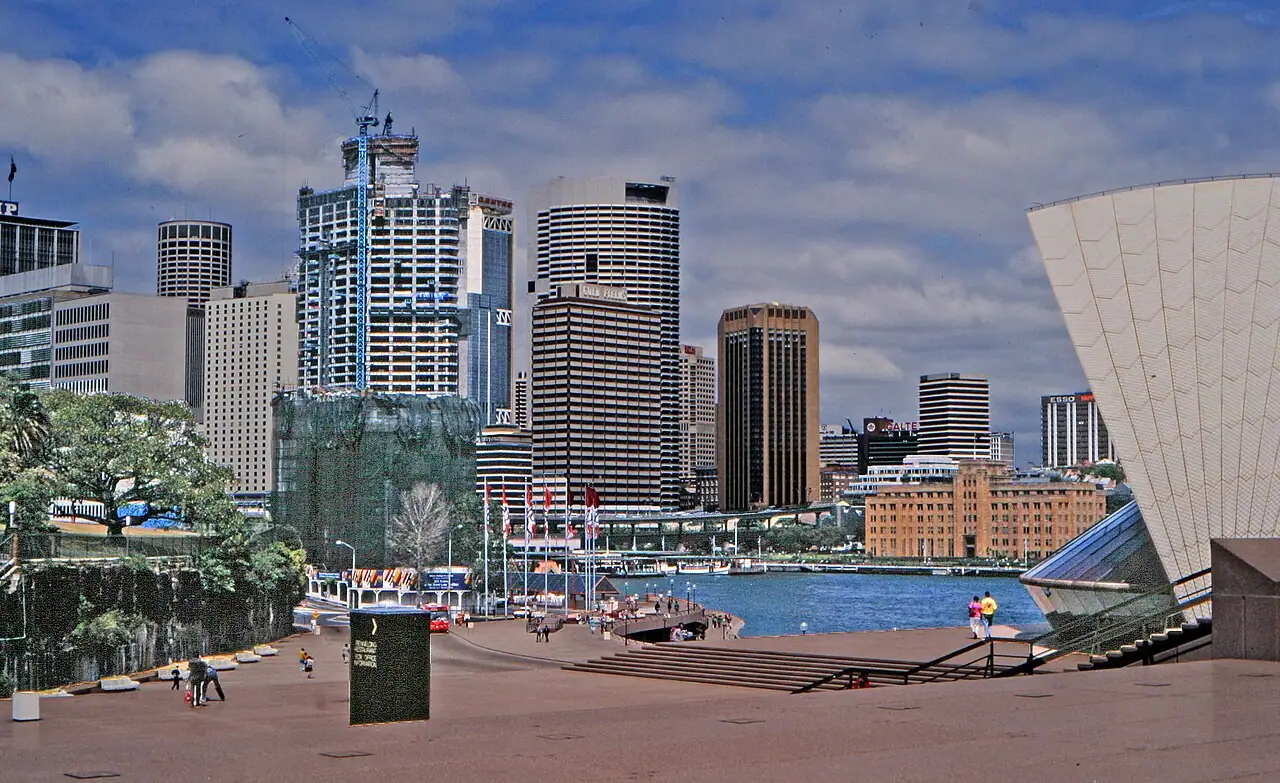
Sydney
Departure port
Auckland
Departure port
Brisbane
Where Tahiti & the South Pacific cruises start
Cruise lines that sail Tahiti & the South Pacific
Tahiti & the South Pacific cruise tips
- Carry some local cash: CFP francs in French Polynesia and New Caledonia, Fijian dollars in Fiji and vatu in Vanuatu. Cards work in Papeete and resorts, but village stalls and small vendors prefer cash.
- Pack reef-safe sunscreen, a rash guard and water shoes. Don’t stand on or touch coral; it’s fragile, sharp and slow to recover.
- Fly into Papeete a day early. Nonstop flights leave from the US West Coast, and many arrive late at night, so a missed connection could mean missing the ship.
- Use insect repellent, especially at dawn and dusk. Mosquito-borne illnesses such as dengue occur across the South Pacific.
- Bring a dry bag and a waterproof phone case for lagoon tours, and consider buying black pearls only from established shops that provide a certificate.
Tahiti & South Pacific cruises: FAQs
When is the best time to cruise Tahiti?
May to October. That’s the dry season, with lower humidity, comfortable highs in the low-to-mid 80s °F (27–29°C) and humpback whales from July to October. November to April is hotter and wetter, with cyclone risk, but fares are often lower.
How long is a Tahiti cruise?
Most are 7 nights round trip from Papeete, covering Huahine, Raiatea, Taha’a, Bora Bora and Moorea. Ten- to 14-night voyages add the Tuamotus or Marquesas, and Hawaii–Tahiti round trips from California run 15 to 18 nights.
Do I need a passport for a South Pacific cruise?
Yes. French Polynesia and New Caledonia are French territories with their own entry rules, separate from mainland France’s. US and Canadian citizens don’t need a visa for short visits there, or for Fiji or Vanuatu, but must carry a valid passport.
Is Bora Bora a tender port?
Yes. Ships anchor in the lagoon and tender passengers to Vaitape, the main village. Most ships also tender at Moorea and in the smaller islands. Papeete, on Tahiti, is the main port where ships dock.
Is a Tahiti cruise expensive?
It’s pricier than most cruises but often better value than a land trip. French Polynesia has high costs for hotels, food and inter-island flights, so an all-inclusive small ship that covers meals, drinks and island-hopping can save money compared with resorts.
Which cruise line is best for Tahiti and the South Pacific?
Paul Gauguin Cruises is the specialist, with a ship based in French Polynesia year-round. Windstar offers a similar small-ship experience. Ponant, Seabourn, Silversea and Regent visit on longer voyages, while Princess, Royal Caribbean and Carnival sail Fiji, Vanuatu and New Caledonia from Australia.
Updated November 2026 by the BookMyDreamCruise editorial team. How we research and fact-check.
Sources: Wikidata, NASA POWER climate data.