Asia, Australia & the Pacific
Africa & Indian Ocean cruises
Africa and Indian Ocean cruises link Cape Town and Durban with Mauritius, Réunion, the Seychelles, Madagascar and the Maldives, and longer voyages continue to Sri Lanka and India’s west coast. Most sail between November and April on 10- to 18-night premium, luxury and expedition itineraries, while MSC runs shorter trips from South Africa in the southern summer. A safari before or after the cruise is a big part of the appeal.
- Season: November to April for most routes; the Indian Ocean islands also suit expedition voyages from May to November
- Typical length: 10 to 18 nights; world-cruise segments and voyages of 20 nights or more are common
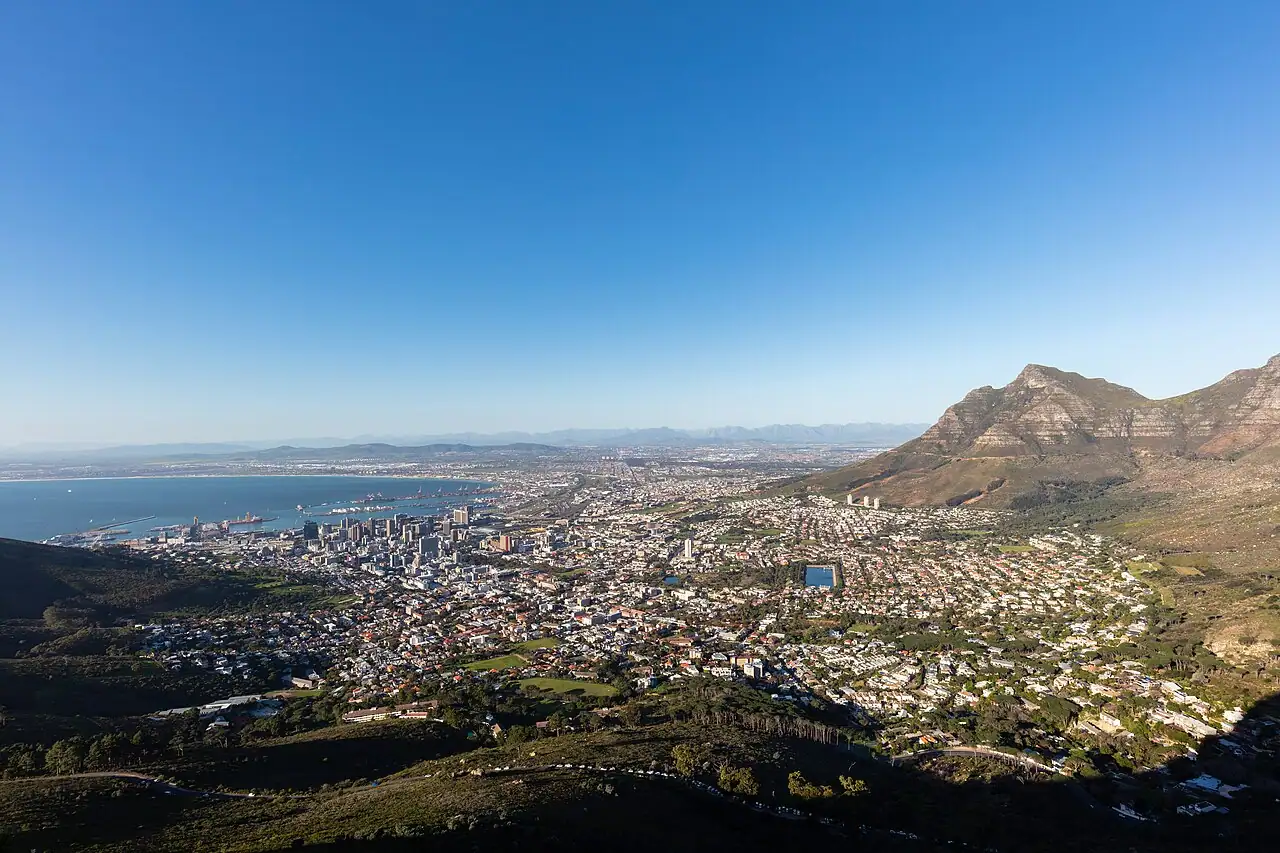
Photo: Diego Delso, CC BY-SA 4.0, via Wikimedia Commons
- Season
- November to April for most routes; the Indian Ocean islands also suit expedition voyages from May to November
- Typical length
- 10 to 18 nights; world-cruise segments and voyages of 20 nights or more are common
- Best months
- Jan, Feb, Mar, Nov, Dec
- Main departure ports
- Cape Town, Dubai, Singapore
- Ports covered here
- 7
- Cruise lines
- 11 lines sail here
What a Africa & the Indian Ocean cruise is like
Few cruise regions are as varied. In one trip you might ride the cable car up Table Mountain, sip Chenin Blanc in the Cape Winelands, see rhinos near Durban, meet giant tortoises in the Seychelles, watch lemurs in Madagascar and snorkel a Maldivian reef. Farther east, Colombo, Kochi and Mumbai add spice markets, tea country, colonial forts and temples. Few itineraries cover it all, so most focus on southern Africa and the islands or on the Indian subcontinent.
It’s mainly a premium, luxury and expedition region. Silversea, Seabourn, Oceania, Regent, Azamara, Ponant and Viking sail long, port-rich voyages, often one way, which suits a safari at either end. MSC bases ships in Durban and Cape Town during the southern summer, mostly for South African travelers, which can be an affordable way in. World cruises pass through between January and April, and Red Sea security concerns have sent more repositioning voyages around the Cape of Good Hope in recent years.
Seasons vary by area. Southern Africa’s summer, November to March, is warm and dry in Cape Town, though often windy, while Durban is hot and humid. The Indian Ocean islands are most comfortable in their cooler, drier months from May to November, and cyclones can affect Mauritius, Réunion and Madagascar from roughly December to April; the Seychelles lie mostly outside the cyclone belt. India and Sri Lanka’s west coasts are dry from November to March and drenched by the monsoon from June to September.
Preparation matters more here than in Europe. Several countries require e-visas or advance travel authorizations, some routes call for proof of yellow fever vaccination or malaria precautions, and big cities such as Mumbai can feel overwhelming at first. See a travel clinic well before departure and choose an itinerary that matches your appetite for adventure.
Best time to cruise Africa & the Indian Ocean
- Jan: Best time to go
- Feb: Best time to go
- Mar: Best time to go
- Apr: Good time to go
- May: Shoulder season
- Jun: Shoulder season
- Jul: Shoulder season
- Aug: Shoulder season
- Sep: Shoulder season
- Oct: Good time to go
- Nov: Best time to go
- Dec: Best time to go
- No regular sailings
- Shoulder season
- Good time to go
- Best time to go
JanuaryBest time to go
Peak southern summer. Cape Town is warm and dry, with highs near 80°F (26–27°C) and the strong southeasterly wind locals call the Cape Doctor, while Durban is hot and humid. MSC’s South African season is in full swing, world cruises begin arriving, and India and Sri Lanka enjoy their best weather. Cyclone risk is high around Mauritius, Réunion and Madagascar.
FebruaryBest time to go
Often Cape Town’s hottest month, and the grape harvest begins in Stellenbosch and Franschhoek. The Maldives are dry and calm, with excellent visibility for snorkeling. The southwest Indian Ocean’s cyclone season peaks, so Mauritius and Madagascar calls can be rearranged at short notice.
MarchBest time to go
World cruise traffic peaks around Cape Town and the Indian Ocean. India celebrates Holi, the festival of colors, usually in March, with clouds of powdered paint in the streets. Harvest festivals continue in the Winelands, and the water off the Maldives is still at its clearest, though cyclones linger as a risk farther south.
AprilGood time to go
The season winds down as ships reposition. Autumn brings mild, settled days to Cape Town, while Mumbai turns hot and sticky ahead of the monsoon. Sri Lanka marks its New Year in mid-April with family feasts and traditional games, and some businesses close for a few days.
MayShoulder season
The southwest monsoon reaches Sri Lanka’s west coast and the Maldives, bringing rain and rougher seas. Mauritius and the Seychelles enter their cooler, drier season, and a few expedition voyages sail the islands. Cape Town’s winter rains begin, and most big ships have left the region.
JuneShoulder season
Monsoon rains drench Mumbai and Kerala, and no cruises call there. Cape Town is cool and wet, but southern right whales begin arriving along South Africa’s coast. In the Seychelles, steady southeast trade winds keep things breezy and can make some coasts choppy.
JulyShoulder season
This is the dry winter safari season in southern Africa, ideal for a land trip to Kruger or the private reserves. Whales gather in Walker Bay near Hermanus, a day trip from Cape Town. Mauritius is mild, with highs in the mid-70s °F (around 24°C), and few cruise ships are in the region.
AugustShoulder season
Wildflowers carpet Namaqualand, north of Cape Town, from late August, and humpback whales gather off Madagascar’s east coast. Madagascar is in its dry season, good for lemur spotting. Ships remain scarce, but expedition voyages around the Seychelles and Madagascar sometimes operate.
SeptemberShoulder season
Spring returns to the Cape, and whale watching peaks around Hermanus, which hosts a whale festival late in the month. The monsoon retreats from India’s west coast. The Indian Ocean islands are dry and pleasant, and the first expedition voyages of the new season set out.
OctoberGood time to go
The season begins as repositioning ships arrive. The Seychelles and Mauritius are at their driest and calmest, with excellent conditions for beaches and diving. Diwali, the festival of lights, falls in October or November, filling Mumbai with lamps and fireworks. Cape Town warms into the 70s °F (21–24°C).
NovemberBest time to go
A sweet spot across the region. Cape Town’s summer is starting, the Indian Ocean islands are still pleasant before cyclone season, and the Maldives enter their dry season as the northeast monsoon sets in. MSC returns to South Africa, and Kerala and Sri Lanka’s west coast are lush after the rains.
DecemberBest time to go
South African summer holidays fill Cape Town and MSC’s sailings, and Christmas brings beach braais and festive markets. Cyclone season begins around Mauritius, Réunion and Madagascar, and the Seychelles turn hot and humid. India is at its most comfortable, and Fort Kochi throws a carnival around New Year.
Average weather across Africa & the Indian Ocean ports
| Month | Jan | Feb | Mar | Apr | May | Jun | Jul | Aug | Sep | Oct | Nov | Dec |
|---|---|---|---|---|---|---|---|---|---|---|---|---|
| High °F (°C) | 8328 | 8429 | 8530 | 8529 | 8328 | 8027 | 7825 | 7825 | 7826 | 8026 | 8127 | 8228 |
| Low °F (°C) | 7424 | 7524 | 7725 | 7725 | 7725 | 7524 | 7423 | 7323 | 7423 | 7423 | 7423 | 7424 |
| Rain in (mm) | 3.485 | 2.358 | 2.769 | 4.0102 | 6.1156 | 7.2182 | 9.8250 | 7.2184 | 7.0178 | 6.0154 | 5.6142 | 4.4112 |
| Daylight (hrs) | 13 | 12 | 12 | 12 | 12 | 12 | 12 | 12 | 12 | 12 | 13 | 13 |
Africa & the Indian Ocean cruise highlights
- 1
Table Mountain and the Cape Peninsula
Ships dock at the V&A Waterfront, below the flat-topped mountain. Ride the cable car up when the wind allows, then drive the Cape Peninsula past Chapman’s Peak to Cape Point and the African penguin colony at Boulders Beach. Ferries from the waterfront visit Robben Island, where Nelson Mandela was imprisoned.
- 2
The Cape Winelands
Stellenbosch and Franschhoek, under an hour from Cape Town, combine whitewashed Cape Dutch estates with mountain backdrops and excellent wine, from Chenin Blanc to South Africa’s own Pinotage. Many estates serve long lunches, so plan a relaxed day rather than a crowded tasting circuit.
- 3
Safari from Durban
Hluhluwe-iMfolozi Park, about three hours north of Durban, is known for its rhino conservation and can show you all of the Big Five. Ships calling at Richards Bay are closer. In Durban itself, try bunny chow, curry served in a hollowed-out loaf, a legacy of the city’s large Indian community.
- 4
Vallée de Mai and La Digue, Seychelles
From Mahé, ferries reach Praslin’s UNESCO-listed Vallée de Mai, a primeval palm forest where the giant coco de mer nut grows, and La Digue, where Anse Source d’Argent’s pink-granite boulders frame shallow turquoise water. Giant Aldabra tortoises roam several of the islands.
- 5
Mauritius’ gardens and colored earth
Port Louis has a lively central market and waterfront, and the Pamplemousses botanical garden is famous for its giant water lilies. In the southwest, the Seven Coloured Earths of Chamarel sit near a high waterfall, and Le Morne Brabant, a UNESCO-listed mountain, recalls the escaped slaves who sheltered there.
- 6
Lemurs in Madagascar
Expedition and luxury voyages visit Nosy Be and smaller islands such as Nosy Komba, where guided walks reach lemurs, chameleons and ylang-ylang plantations. Madagascar’s wildlife is found nowhere else, but infrastructure is basic, so excursions are simple and rewarding rather than polished.
- 7
The Maldives’ reefs
Ships anchor off Malé, the capital, and tender guests ashore. Many cruisers skip the city for snorkeling trips to sandbanks and reefs, or day passes at resort islands. Manta rays and whale sharks are possible on dive trips, and alcohol is served only on resort islands and ships.
- 8
Kerala’s backwaters and Sri Lanka’s forts
From Kochi, see the cantilevered Chinese fishing nets of Fort Kochi or drive to Alappuzha for a backwater boat ride. From Colombo, tours reach the Dutch-built Galle Fort, about two hours south, or Kandy’s Temple of the Tooth in the hill country.
Typical Africa & the Indian Ocean itineraries
- 1
10- to 14-night Cape Town to Mauritius or the Seychelles
Premium and luxury voyages via Durban or Richards Bay, Maputo in Mozambique, Madagascar and Réunion. Pair with a safari at the start and a beach stay at the end.
- 2
MSC’s southern-summer sailings from South Africa
Shorter cruises from Durban and Cape Town between about November and April, to Mozambique’s islands, Mauritius or Namibia’s Walvis Bay. A lively, family-oriented atmosphere with mostly South African passengers.
- 3
12- to 18-night Seychelles and Madagascar expedition
Small-ship voyages from Mahé to the outer Seychelles islands, Madagascar’s northern coast and sometimes the Comoros, with Zodiac landings, snorkeling and naturalist guides.
- 4
Dubai to Singapore via India and Sri Lanka
Spring and fall voyages of two to three weeks calling at Mumbai, Kochi, Colombo and the Maldives. A good way to sample the subcontinent with the ship as your hotel.
- 5
Cape Town to Europe via West Africa
Long repositioning voyages north along the Atlantic coast, calling at Namibia’s Walvis Bay and Lüderitz, Cape Verde, Senegal or the Canary Islands before reaching Lisbon or Southampton.
Africa & the Indian Ocean ports of call
Cape Town
Departure port
Durban
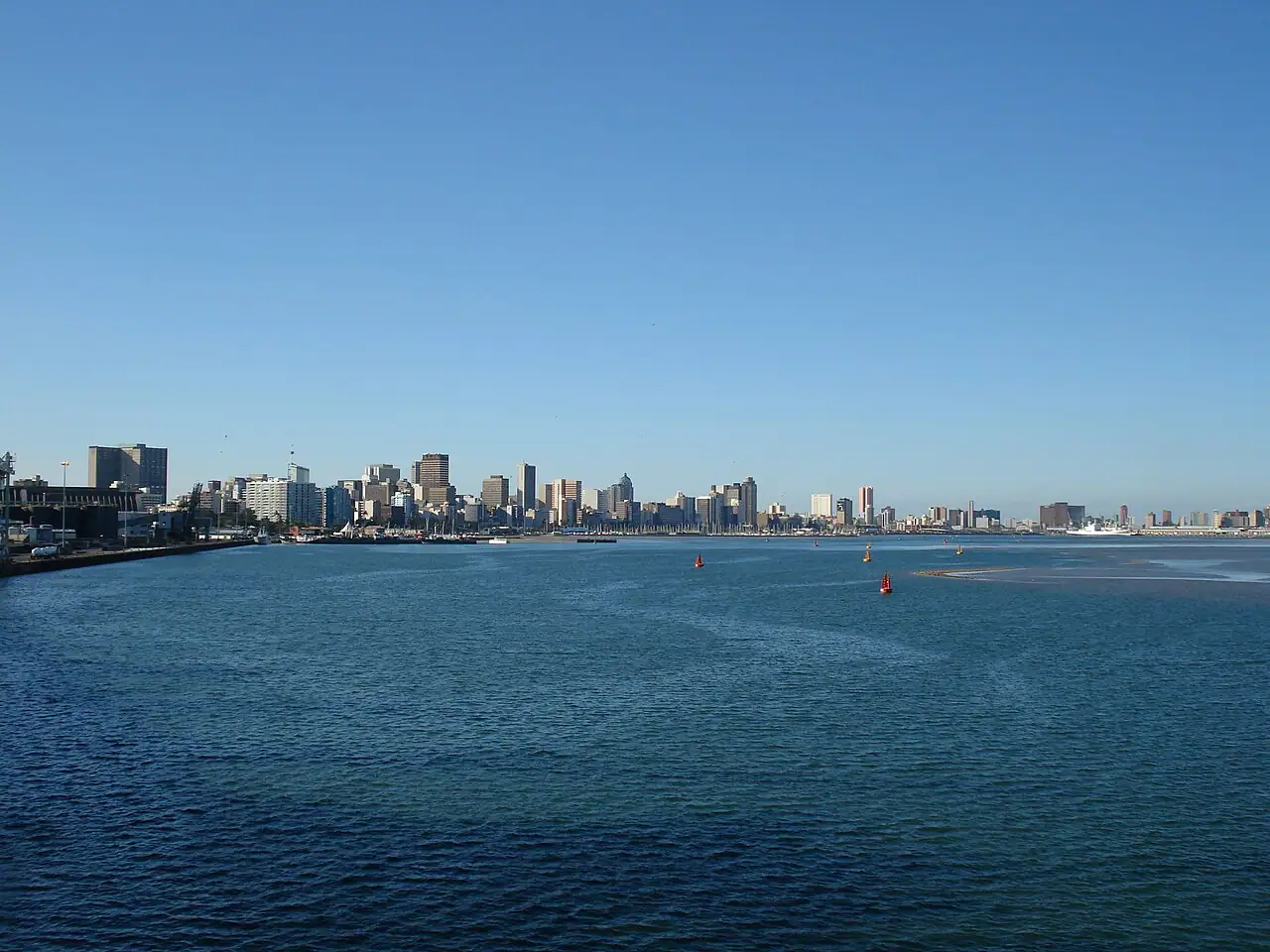
Durban is South Africa’s warm, laid-back Indian Ocean city, known for its Golden Mile beachfront, a large Indian community that gave the world bunny chow, and access to Zulu heritage and game reserves. Ships dock in the harbor near the Point Waterfront, and safari excursions range from nearby reserves to the Big Five at Hluhluwe–iMfolozi, about three hours away.
Port Louis, Mauritius
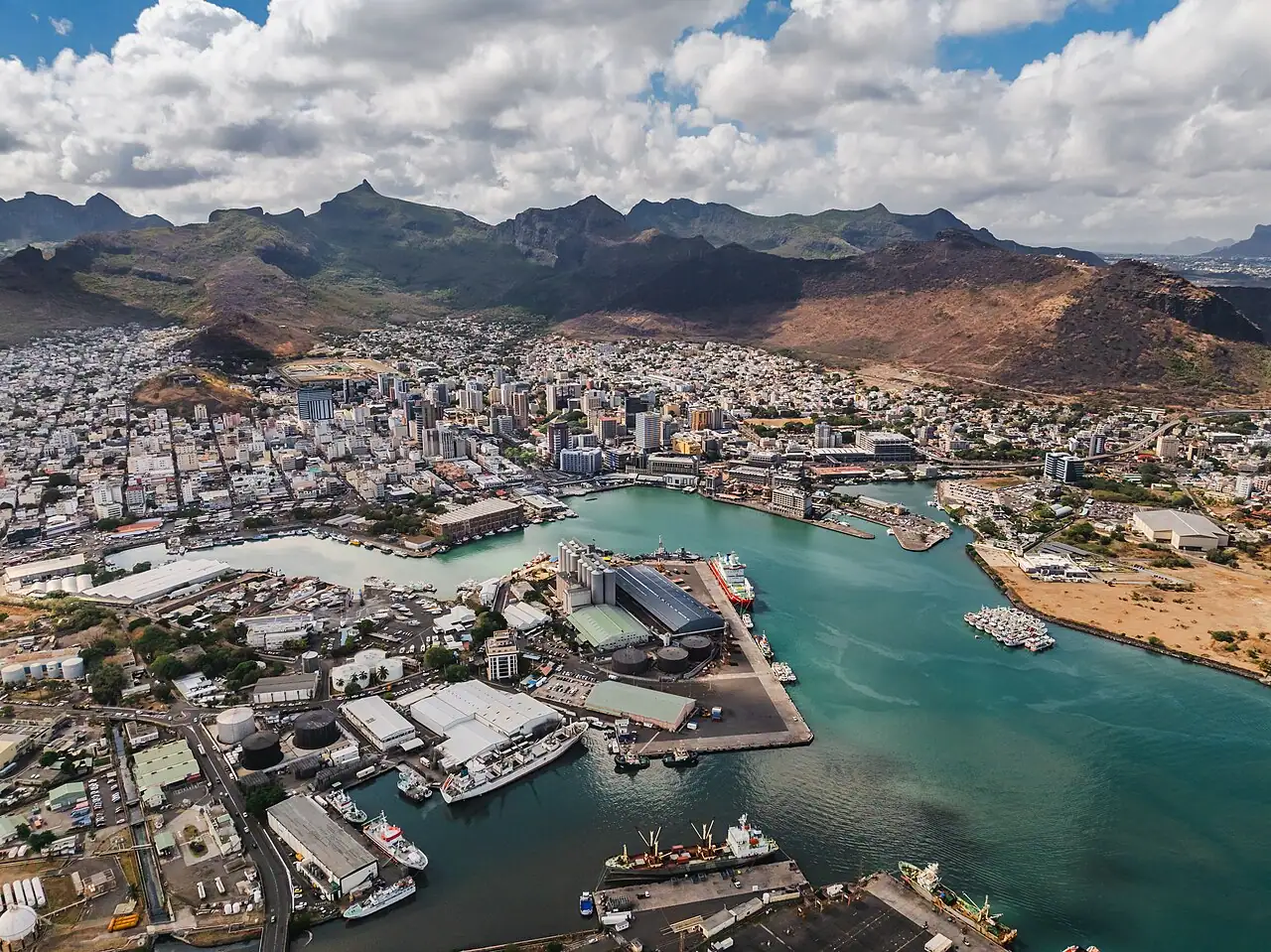
Port Louis is the lively capital of Mauritius, an Indian Ocean island known for lagoon beaches, volcanic peaks and a rich mix of Indian, African, French, Chinese and Creole cultures. Ships dock near the Caudan Waterfront and Central Market, and island tours head to the Seven Coloured Earth at Chamarel, the sacred lake of Grand Bassin, botanical gardens and beaches.
Mahé, Seychelles
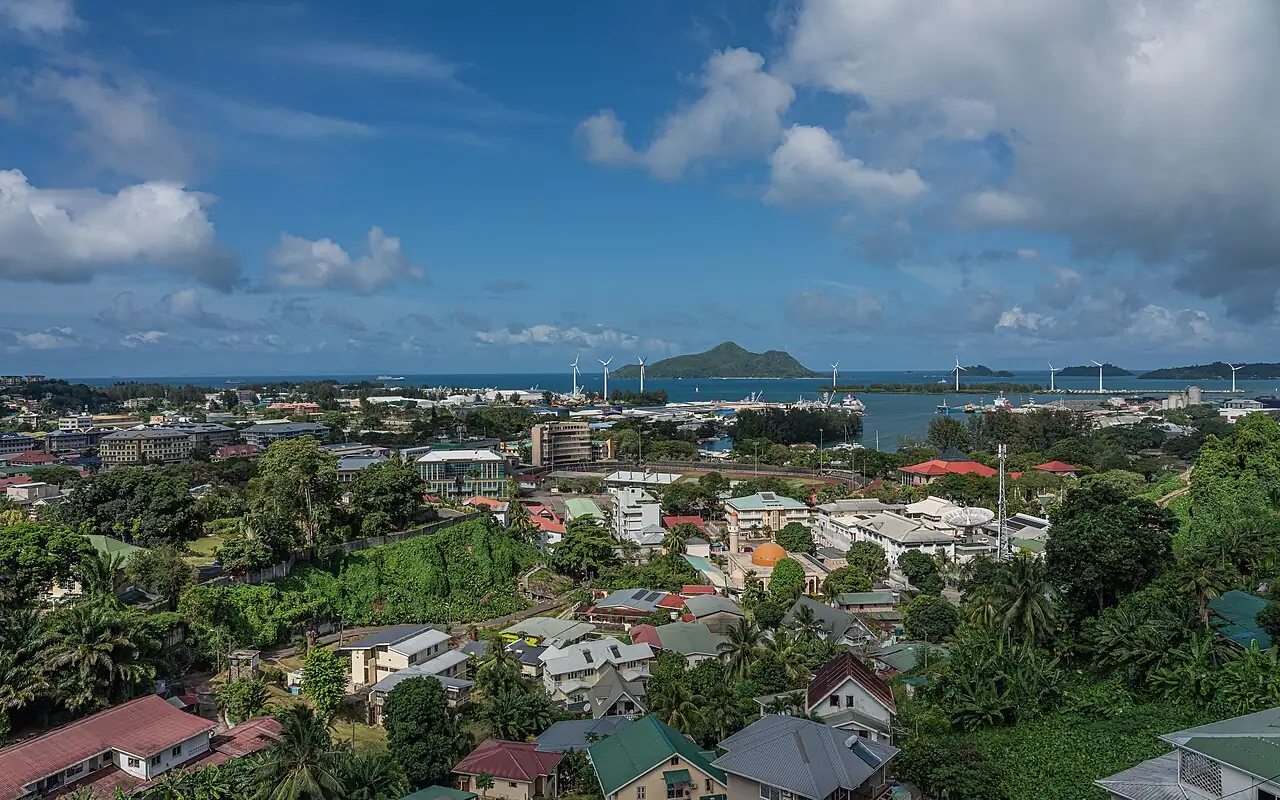
Mahé is the largest island of the Seychelles, an Indian Ocean archipelago famous for granite boulders, white-sand coves and lush mountains. Ships dock at Port Victoria near the tiny capital, Victoria, and most cruisers spend the day at beaches such as Beau Vallon or Anse Intendance, in Sainte Anne Marine Park, or on an island drive through the mountains.
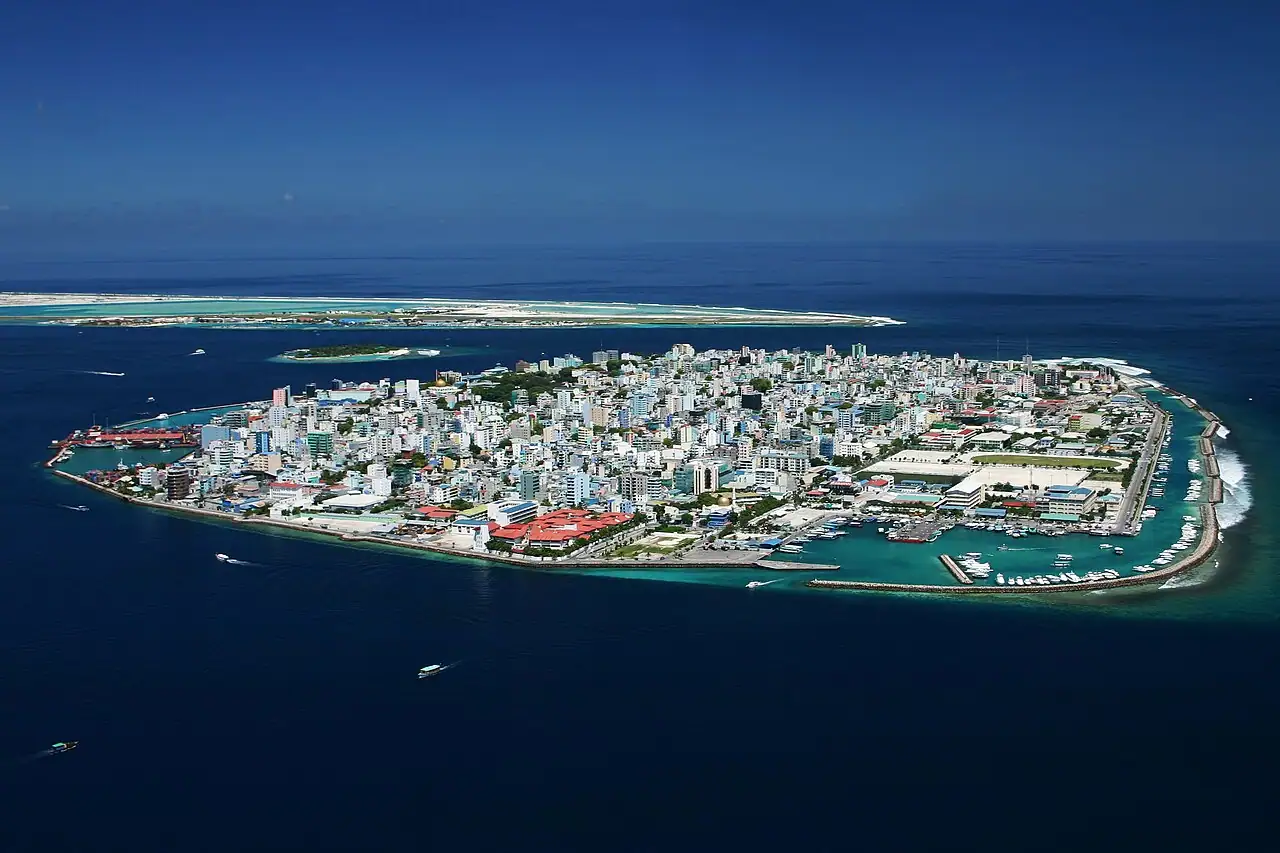
Malé, Maldives
Malé is the tiny, densely packed capital of the Maldives and a tender port, with ships anchoring offshore. Most cruisers skip the city after a short look and head out on the water: snorkeling trips to reefs and sandbanks, resort day passes, or scenic seaplane flights over the atolls. Malé itself offers mosques, a fish market and a glimpse of local life.
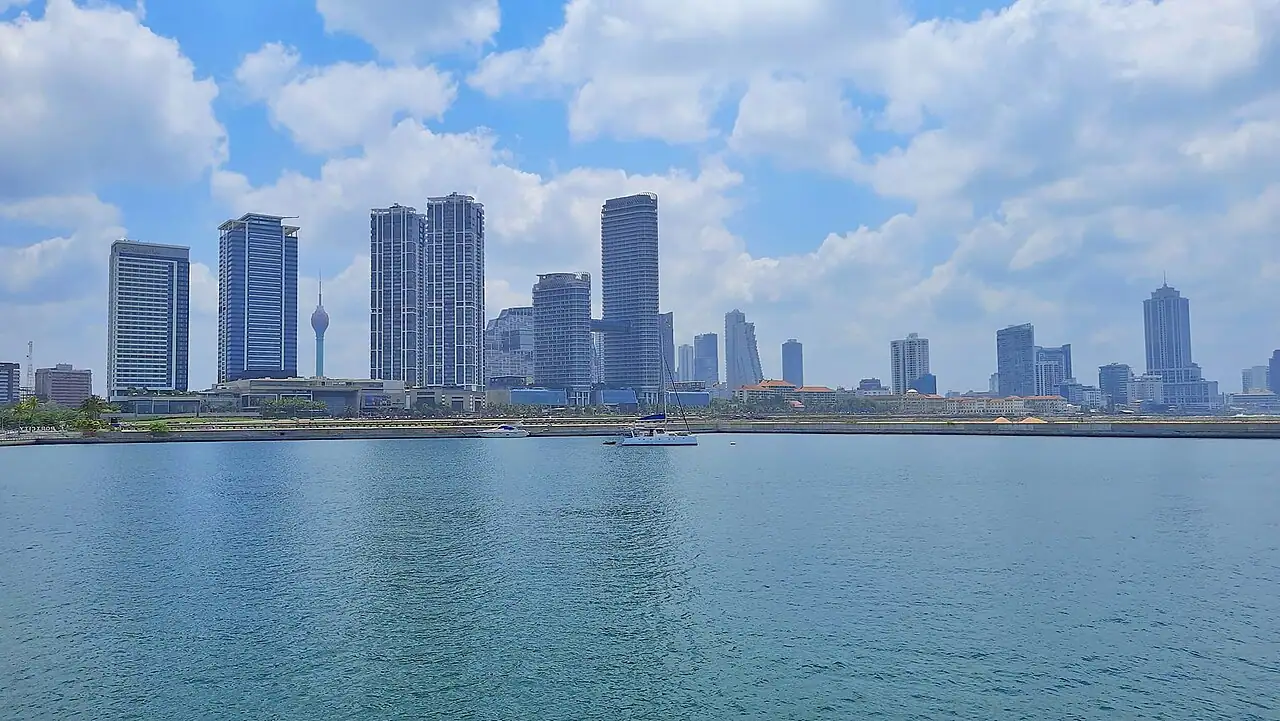
Colombo
Colombo is Sri Lanka’s commercial capital and a busy working port, with ships docking next to the colonial Fort district and the chaotic Pettah markets. A city tour covers Gangaramaya Temple, Galle Face Green and the candy-striped Red Mosque, while longer excursions reach the Dutch-built Galle Fort on the south coast.
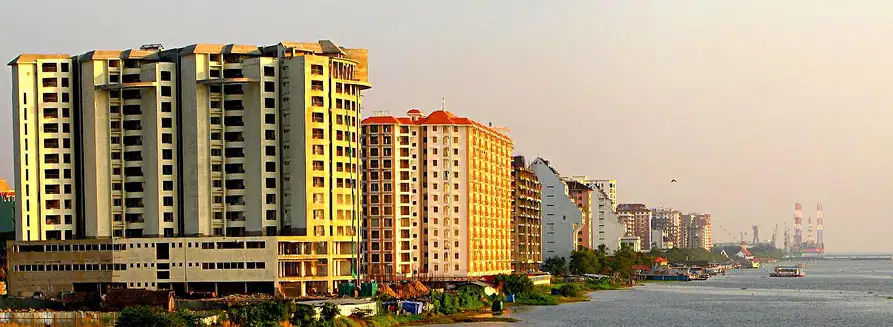
Kochi (Cochin)
Kochi, still widely known as Cochin, is Kerala’s historic spice port, and ships dock on Willingdon Island, a short drive or ferry from the old quarter of Fort Kochi. Highlights include the cantilevered Chinese fishing nets, the Paradesi Synagogue in Jew Town, the Dutch Palace, spice markets and, for those willing to travel, the famous backwaters.
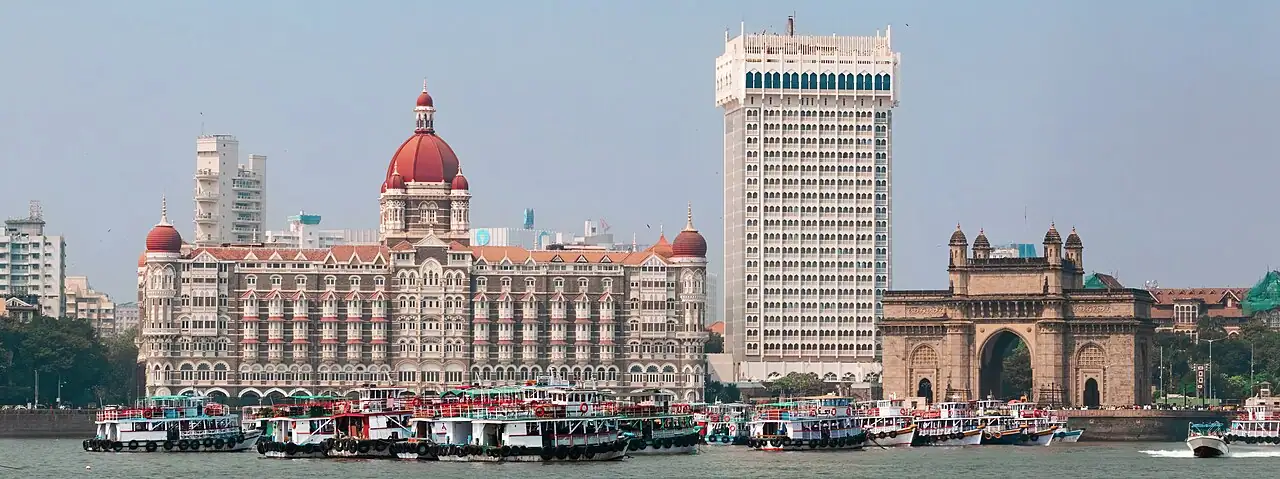
Mumbai
Mumbai is India’s biggest and most intense city, and ships dock in the historic Fort district, just minutes from the Gateway of India and the Taj Mahal Palace hotel. In a day you can see grand Victorian Gothic landmarks, take a ferry to the rock-cut Elephanta Caves and eat your way through street food. US and Canadian citizens need an Indian visa.
Where Africa & the Indian Ocean cruises start
Cruise lines that sail Africa & the Indian Ocean
Africa & the Indian Ocean cruise tips
- Start visa paperwork early. India requires an e-visa, Sri Lanka an electronic travel authorization and the Seychelles a travel authorization, and other countries have their own rules. South Africa doesn’t require a visa from US and Canadian tourists for short stays.
- See a travel clinic six to eight weeks before you sail. Some countries ask for proof of yellow fever vaccination if you’ve been to an affected country, and malaria precautions are advised for Madagascar, Mozambique and parts of East Africa.
- Have a backup plan in Cape Town. The Table Mountain cable car closes in high wind or cloud, so check the day before and keep the Cape Peninsula drive or the Winelands as an alternative.
- Plan a safari extension carefully, with flights or transfers that give you at least a day’s buffer before embarkation. Kruger, the Sabi Sands and KwaZulu-Natal’s reserves are the easiest add-ons.
- Take sensible precautions in South African cities: use organized tours or recommended drivers, keep valuables out of sight and avoid walking alone after dark away from the waterfront.
Africa & Indian Ocean cruises: FAQs
When is the best time to cruise Africa and the Indian Ocean?
November to March for most itineraries. That’s summer in South Africa and the dry season in India and Sri Lanka. For the Indian Ocean islands alone, May to November is cooler and drier, outside the cyclone season that affects Mauritius, Réunion and Madagascar.
Can you go on safari from an African cruise?
Yes. From Durban or Richards Bay, day trips reach Hluhluwe-iMfolozi Park and nearby private reserves, and some ships offer overnight safari excursions. For the best experience, add a two- to four-night safari in Kruger or a private reserve before or after the cruise.
Do I need visas or vaccinations for an Indian Ocean cruise?
Often, yes. India, Sri Lanka and the Seychelles require advance electronic authorizations or visas, and Madagascar and Mozambique have their own rules. Yellow fever proof may be needed depending on your route, and malaria precautions are advised in some areas. Check with your cruise line and a travel clinic.
How long is an Africa and Indian Ocean cruise?
Most are 10 to 18 nights, often one way between Cape Town, Mauritius, the Seychelles or Dubai. World-cruise segments and repositioning voyages can run three weeks or more, and MSC’s sailings from South Africa are shorter.
Is it safe to cruise to South Africa?
Yes, with normal precautions. Cape Town’s V&A Waterfront and the main tourist areas are well policed, but crime is a concern in parts of South African cities. Use organized tours or trusted drivers, avoid displaying valuables and check the U.S. State Department travel advisory before you go.
Which cruise line is best for Africa and the Indian Ocean?
Silversea, Seabourn, Regent and Oceania offer the most varied luxury and premium itineraries, and Ponant is strong on small-ship expeditions to Madagascar and the outer Seychelles. Azamara and Viking cover the region on longer voyages, while MSC offers affordable sailings from Durban and Cape Town.
Updated November 2026 by the BookMyDreamCruise editorial team. How we research and fact-check.
Sources: Wikidata, NASA POWER climate data.