Asia, Australia & the Pacific
Southeast & East Asia cruises
Asia cruises sail from Singapore and Hong Kong to Thailand, Malaysia, Vietnam, Indonesia, Taiwan, South Korea and the Philippines, mixing big-city stops with temples, street food and beaches. The main season runs November to April, the dry season across most of Southeast Asia, on 7- to 14-night voyages, and some ships sail short trips from Singapore year-round. Expect heat, and remember that Bangkok, Ho Chi Minh City and Hanoi are two hours or more from their cruise ports.
- Season: November to April for most routes; Singapore-based ships sail year-round
- Typical length: 7 to 14 nights; 3- to 5-night Singapore getaways; 16 nights or more on longer voyages
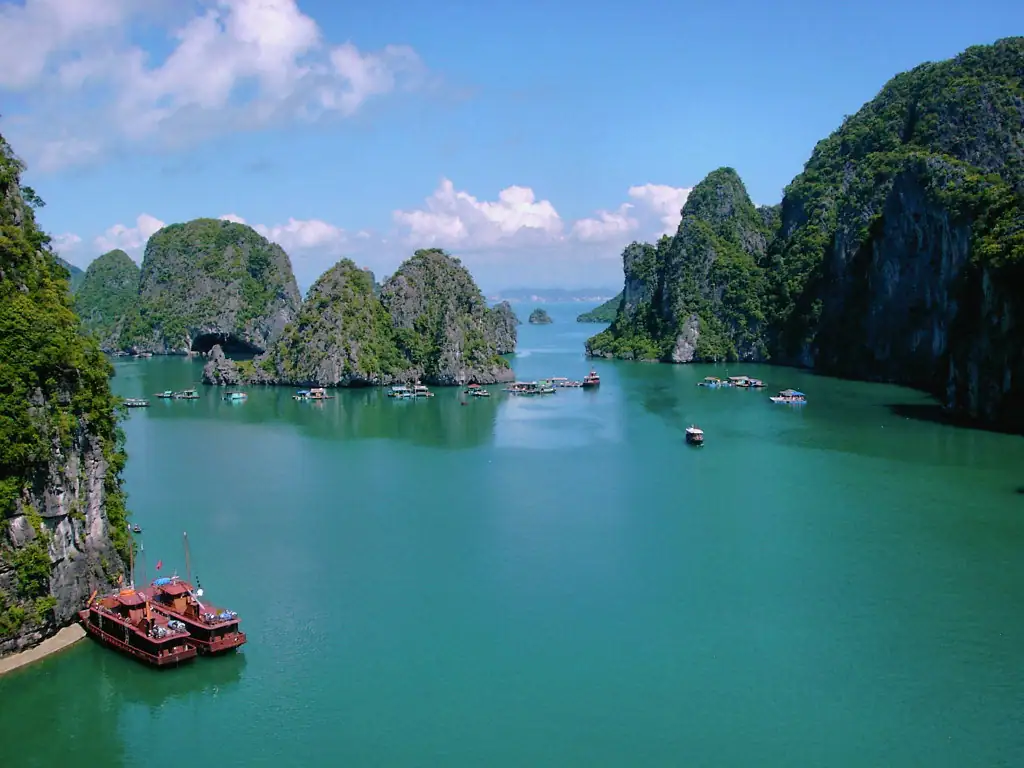
Photo: Thierry Borie colour adjusted by Lycaon, Public domain, via Wikimedia Commons
- Season
- November to April for most routes; Singapore-based ships sail year-round
- Typical length
- 7 to 14 nights; 3- to 5-night Singapore getaways; 16 nights or more on longer voyages
- Best months
- Jan, Feb, Mar, Dec
- Main departure ports
- Singapore, Hong Kong
- Ports covered here
- 16
- Cruise lines
- 13 lines sail here
What a Southeast & East Asia cruise is like
An Asia cruise solves a real problem: the region is huge, and flights, visas and hotel changes add up fast. A ship lets you sample several countries without repacking. In two weeks you might eat hawker food in Penang, tour Bangkok’s Grand Palace, walk the lantern-lit lanes of Hoi An, sail among the limestone islands of Ha Long Bay and finish with dim sum in Hong Kong.
The trade-off is the distance from port to city. Laem Chabang is about two hours from Bangkok, Phu My roughly two hours from Ho Chi Minh City, Port Klang an hour or more from Kuala Lumpur and Ha Long Bay around three hours from Hanoi. Long excursion days are normal, so look for itineraries with overnight calls or add hotel nights before and after. Heat and humidity are constant, with many port days at 85–95°F (29–35°C).
Monsoons, not North American seasons, set the calendar. From roughly November to April, dry and slightly cooler weather settles over Thailand, southern Vietnam and Malaysia’s west coast, which is why most ships come then. From about June to October, typhoons can affect Hong Kong, Taiwan, the Philippines and northern Vietnam, and the Andaman Sea around Phuket turns wet and rough. Central Vietnam is the exception, with its heaviest rain from September to December.
The fleet is a mix of big ships based in Singapore for short getaways, premium and luxury lines on longer voyages linking Singapore, Bangkok, Vietnam, Hong Kong, Bali and Japan, and world cruises passing through in winter. Most sailings attract an international crowd, with many Australians and Asian travelers alongside North Americans.
Best time to cruise Southeast & East Asia
- Jan: Best time to go
- Feb: Best time to go
- Mar: Best time to go
- Apr: Good time to go
- May: Shoulder season
- Jun: Shoulder season
- Jul: Shoulder season
- Aug: Shoulder season
- Sep: Shoulder season
- Oct: Good time to go
- Nov: Good time to go
- Dec: Best time to go
- No regular sailings
- Shoulder season
- Good time to go
- Best time to go
JanuaryBest time to go
Dry, comfortable weather covers Thailand, southern Vietnam and Malaysia’s west coast, with highs in the high 80s to low 90s °F (31–33°C) and lower humidity than later in the year. Ha Long Bay is cool and often misty, with highs in the mid-60s °F (18–19°C). It’s peak season, so fares and demand are high.
FebruaryBest time to go
Lunar New Year usually falls in late January or February, bringing lion dances, lanterns and red decorations to Singapore, Penang, Hong Kong and Vietnam, where it’s called Tết. It’s festive, but many shops and restaurants close for several days and transport is packed. Weather stays dry and sunny across the Gulf of Thailand.
MarchBest time to go
The last full month of peak season. Heat builds, with Bangkok reaching about 93°F (34°C), while northern Vietnam and Hong Kong warm up under damp, foggy spring skies that can hide Ha Long Bay’s islands. Seas are generally calm and itineraries run as planned.
AprilGood time to go
The hottest month in Thailand, often 95°F (35°C) or more. Songkran, the Thai New Year, turns streets into giant water fights around April 13 to 15: fun, but expect to get soaked ashore. Many ships begin leaving for Japan, Alaska or Europe late in the month, so choice narrows.
MayShoulder season
The southwest monsoon arrives on the Andaman coast, bringing showers and rougher seas around Phuket and Langkawi. Singapore getaways continue, and Vesak, celebrating the Buddha’s birth, enlightenment and death, brings candlelit processions to temples across the region, often in May. Heat and humidity are intense.
JuneShoulder season
Typhoon season begins in the South China Sea, and Hong Kong turns hot and wet. Dragon Boat Festival races fill Hong Kong and Singapore waterfronts, often in June. Bali, by contrast, is in its dry season, so Indonesia-focused voyages are a good choice now.
JulyShoulder season
The risk of typhoons rises for Hong Kong, Taiwan, the Philippines and northern Vietnam, and storms can force port swaps or skipped calls. Bali and Indonesia’s islands are at the height of their dry season and busy with European summer visitors. Singapore-based short cruises keep sailing.
AugustShoulder season
Singapore celebrates National Day on August 9 with a parade and fireworks over Marina Bay. The Hungry Ghost Festival, often in August, brings street opera and offerings to Singapore, Penang and Hong Kong. Typhoons peak between August and September, and smoke haze from Indonesian fires drifts over the Malacca Strait in some years.
SeptemberShoulder season
The Mid-Autumn Festival, in September or early October, fills Hong Kong, Singapore and Vietnam with lanterns and mooncakes. Typhoon risk remains high in the north, and central Vietnam’s rainy season begins. A handful of repositioning voyages arrive late in the month ahead of the winter season.
OctoberGood time to go
Ships return for the winter season, and the typhoon threat to Hong Kong and Taiwan starts to fade. Central Vietnam is at its wettest, and flooding around Hue and Hoi An can disrupt Chan May calls. Deepavali, the festival of lights, decorates Singapore’s Little India in October or November.
NovemberGood time to go
The Andaman coast dries out from mid-month, and Thailand’s Loy Krathong festival sets candlelit floats drifting on rivers and canals under the full moon. The Gulf of Thailand and Malaysia’s east coast, including Ko Samui, are at their rainiest. Hong Kong enjoys clear, comfortable autumn days.
DecemberBest time to go
Peak season starts in earnest. Bangkok is about as cool as it gets, with highs in the upper 80s °F (31°C), Hong Kong is pleasant at around 70°F (20–21°C) and Orchard Road in Singapore glows with Christmas lights. Holiday sailings sell out early. Ko Samui can still be rainy in the first half of the month.
Average weather across Southeast & East Asia ports
| Month | Jan | Feb | Mar | Apr | May | Jun | Jul | Aug | Sep | Oct | Nov | Dec |
|---|---|---|---|---|---|---|---|---|---|---|---|---|
| High °F (°C) | 7926 | 8027 | 8329 | 8530 | 8630 | 8630 | 8630 | 8630 | 8530 | 8429 | 8228 | 7926 |
| Low °F (°C) | 7122 | 7122 | 7423 | 7725 | 7926 | 8027 | 8027 | 8027 | 7926 | 7825 | 7624 | 7222 |
| Rain in (mm) | 4.8122 | 3.487 | 4.1105 | 5.0127 | 7.7195 | 8.3211 | 8.6218 | 9.2233 | 10.2259 | 10.7272 | 9.8248 | 8.0203 |
| Daylight (hrs) | 12 | 12 | 12 | 12 | 13 | 13 | 13 | 13 | 12 | 12 | 12 | 11 |
Southeast & East Asia cruise highlights
- 1
Bangkok’s Grand Palace and temples
From Laem Chabang, tours drive about two hours to the gilded Grand Palace and the Emerald Buddha, the giant reclining Buddha at Wat Pho and riverside Wat Arun. Shoulders and knees must be covered at the palace. If the long drive puts you off, Pattaya’s beaches and the Sanctuary of Truth are closer.
- 2
Ha Long Bay’s limestone islands
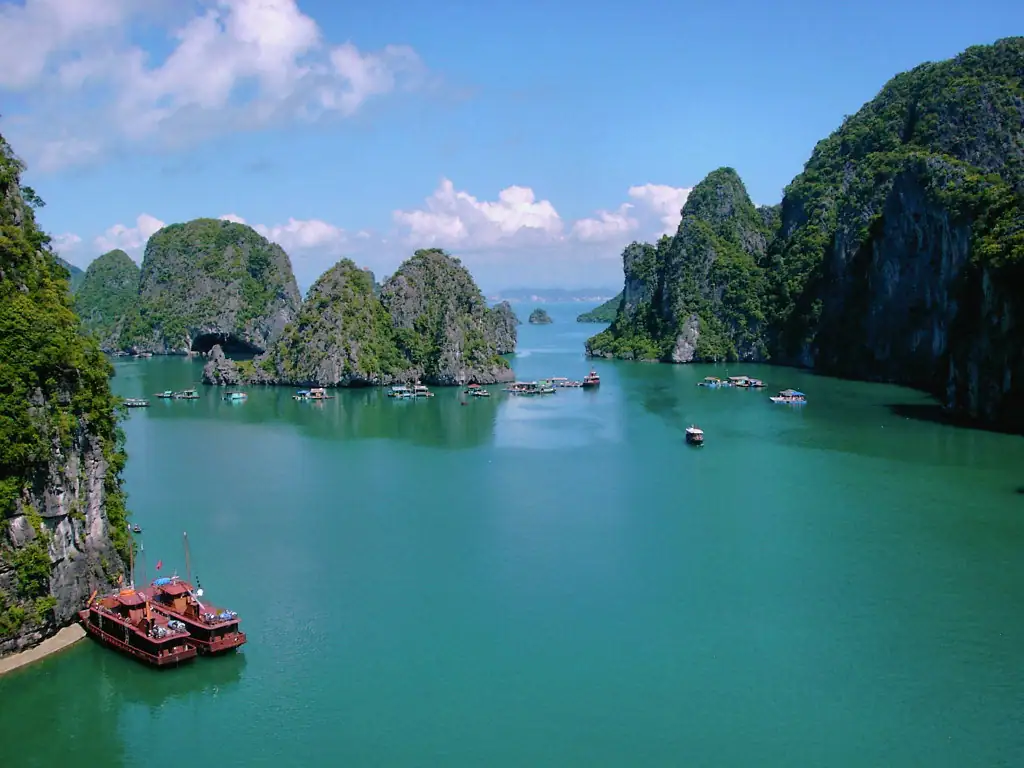
Nearly 2,000 forested karst islands rise from the green water of this UNESCO-listed bay in northern Vietnam. Ships anchor in the bay, and local boats take you into grottoes such as Sung Sot cave or to floating fishing villages. Hanoi is a full-day trip of around three hours each way.
- 3
Hoi An and Hue from Chan May or Da Nang
Hoi An’s Ancient Town, a former trading port, is famous for its Japanese Covered Bridge, silk lanterns and quick-turnaround tailors. Hue’s walled Imperial City, seat of Vietnam’s last dynasty, lies in the other direction. Both are about 90 minutes from Chan May, closer from Da Nang.
- 4
George Town, Penang
Penang’s UNESCO-listed capital mixes Chinese clan houses such as the ornate Khoo Kongsi, Indian temples, colonial streets and wall murals. It’s one of Asia’s great street-food cities: try char kway teow, assam laksa and nasi kandar at hawker stalls a short ride from the pier.
- 5
Singapore’s gardens and hawker centers
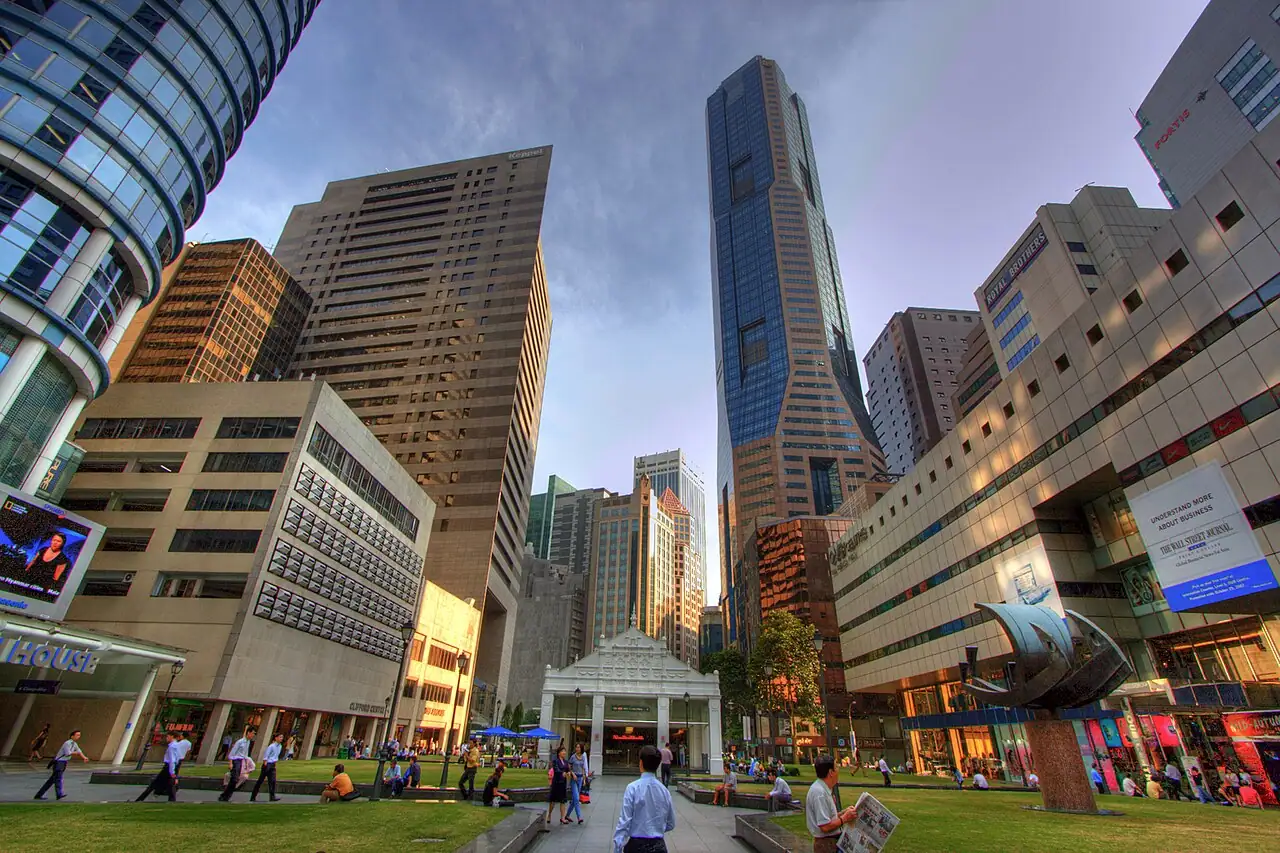
Before or after a cruise, see the Supertree Grove and cooled domes at Gardens by the Bay, eat chili crab or Hainanese chicken rice at hawker centers such as Maxwell or Lau Pa Sat, and explore Chinatown, Little India and Kampong Glam. Clean, safe and easy, it’s an ideal first stop in Asia.
- 6
Hong Kong’s harbor and Victoria Peak
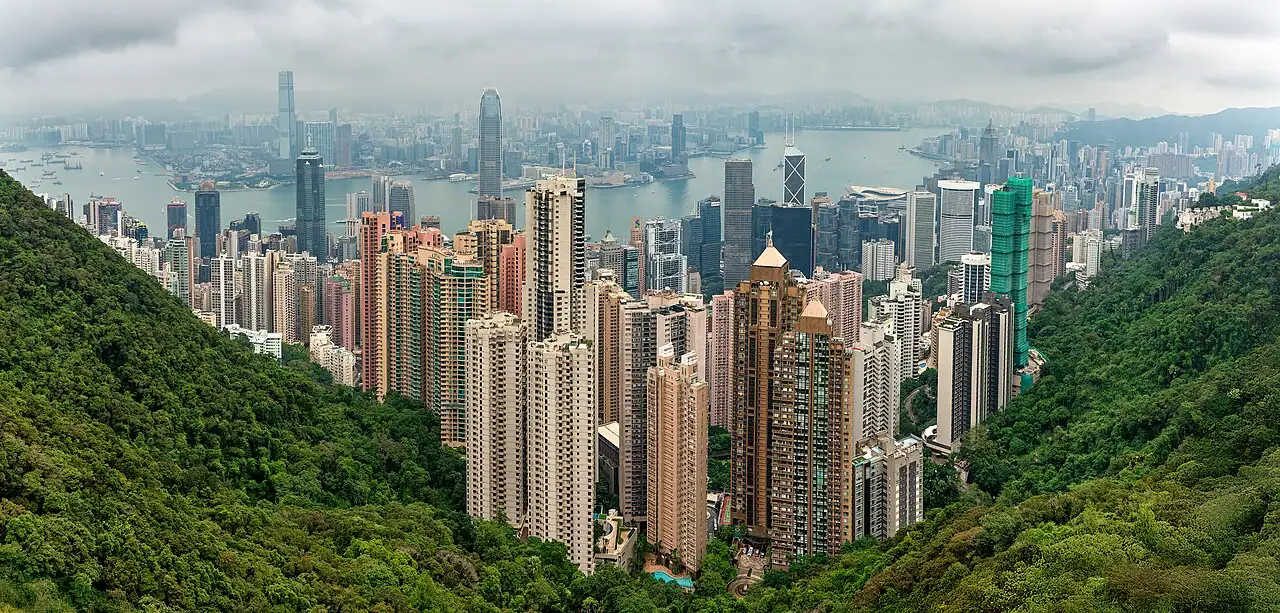
Ride the Star Ferry across Victoria Harbour, take the Peak Tram up for the skyline, then explore temples, markets and dim sum restaurants in Kowloon. Ships use the Kai Tak Cruise Terminal on the site of the old airport. Lantau Island’s giant Tian Tan Buddha is a half-day trip.
- 7
Ho Chi Minh City and the Cu Chi tunnels
From Phu My, tours head to the city for the War Remnants Museum, the Reunification Palace and Ben Thanh Market, or to the Cu Chi tunnels used during the Vietnam War. Some itineraries offer Mekong Delta boat trips instead. Expect heavy traffic and a long day.
- 8
Bali’s temples and rice terraces
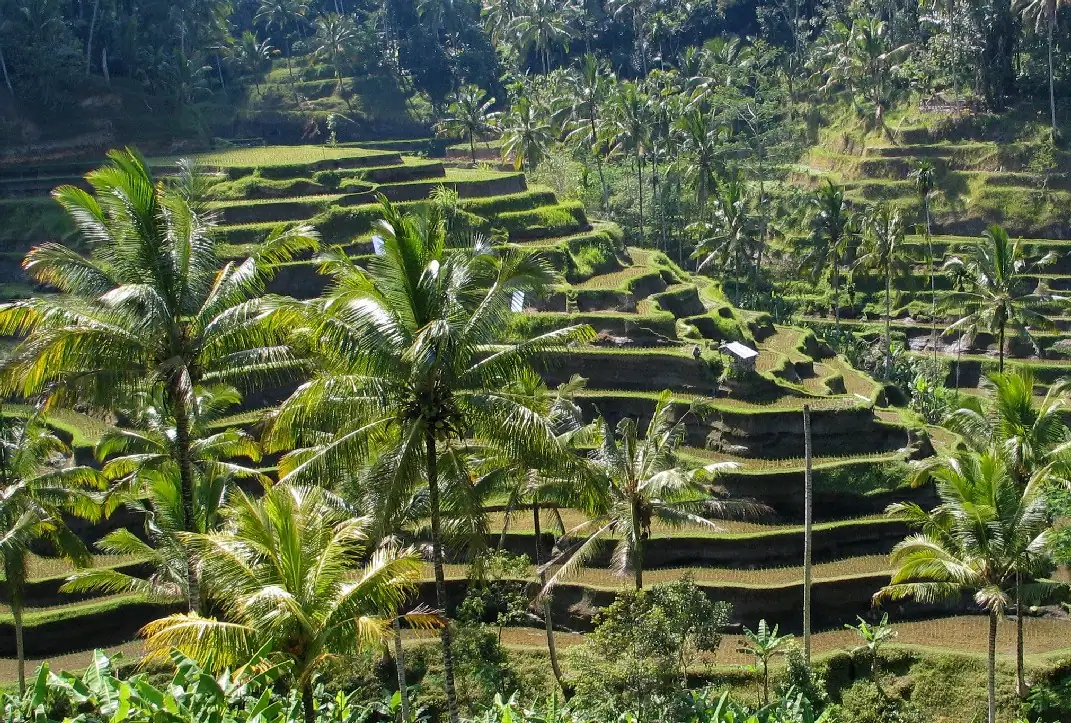
From Benoa, tours climb to Ubud and the Tegallalang rice terraces, or visit sea temples such as Tanah Lot and clifftop Uluwatu. Balinese Hindu ceremonies, with offerings and processions, happen almost daily. Traffic is slow, so choose one area rather than trying to see the whole island.
Typical Southeast & East Asia itineraries
- 1
3- to 5-night getaways from Singapore
Short round trips to Penang, Phuket, Port Klang or Langkawi, sailing year-round. Popular with Singaporean families and an easy add-on to a land trip in Asia.
- 2
10- to 14-night Singapore to Hong Kong via Vietnam
One-way voyages calling at Laem Chabang for Bangkok, Phu My, Nha Trang, Chan May and Ha Long Bay, often with overnights in Bangkok or Ho Chi Minh City. The classic Southeast Asia sampler.
- 3
7- to 14-night Thailand and Malaysia round trip from Singapore
Ko Samui, Laem Chabang, Phuket, Langkawi, Penang and Port Klang in varying combinations. Best from December to March, when both the Gulf of Thailand and the Andaman coast are drier.
- 4
East Asia from Hong Kong
Spring and fall voyages linking Hong Kong with Keelung for Taipei, Okinawa, Busan, Jeju and Japan, often ending in Tokyo (Yokohama).
- 5
Indonesia and Bali
Luxury and expedition voyages between Singapore or Bali and northern Australia, visiting Komodo National Park, Lombok and smaller islands, mostly in the dry season from April to October.
Southeast & East Asia ports of call
Singapore
Departure port
Hong Kong
Departure port
Laem Chabang (for Bangkok)
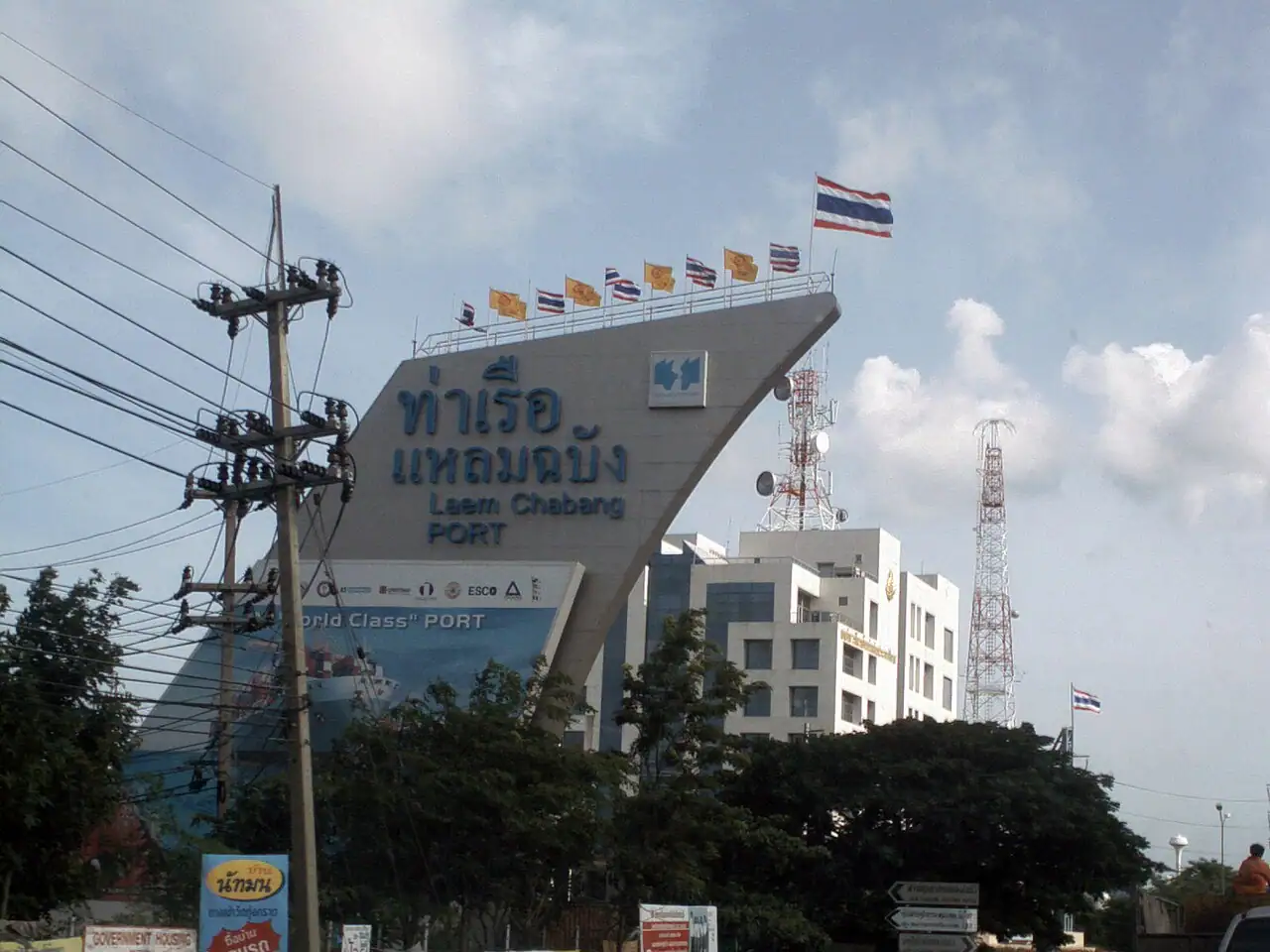
Laem Chabang is a large container port and the cruise gateway to Bangkok, which is about two hours or more away each way by road. A Bangkok day means a long coach ride for the Grand Palace, Wat Pho and Wat Arun; the nearby beach resort of Pattaya, about 30 to 45 minutes south, is the shorter alternative.
Ha Long Bay
Ha Long Bay in northern Vietnam is famous for its UNESCO-listed seascape of roughly 1,600 limestone islands and islets rising from green water. Most cruisers spend the day on a boat among the karsts, visiting caves and kayaking, while others make the long trip to Hanoi, about 2.5 to 3 hours each way by road.
Chan May & Da Nang (for Hue & Hoi An)
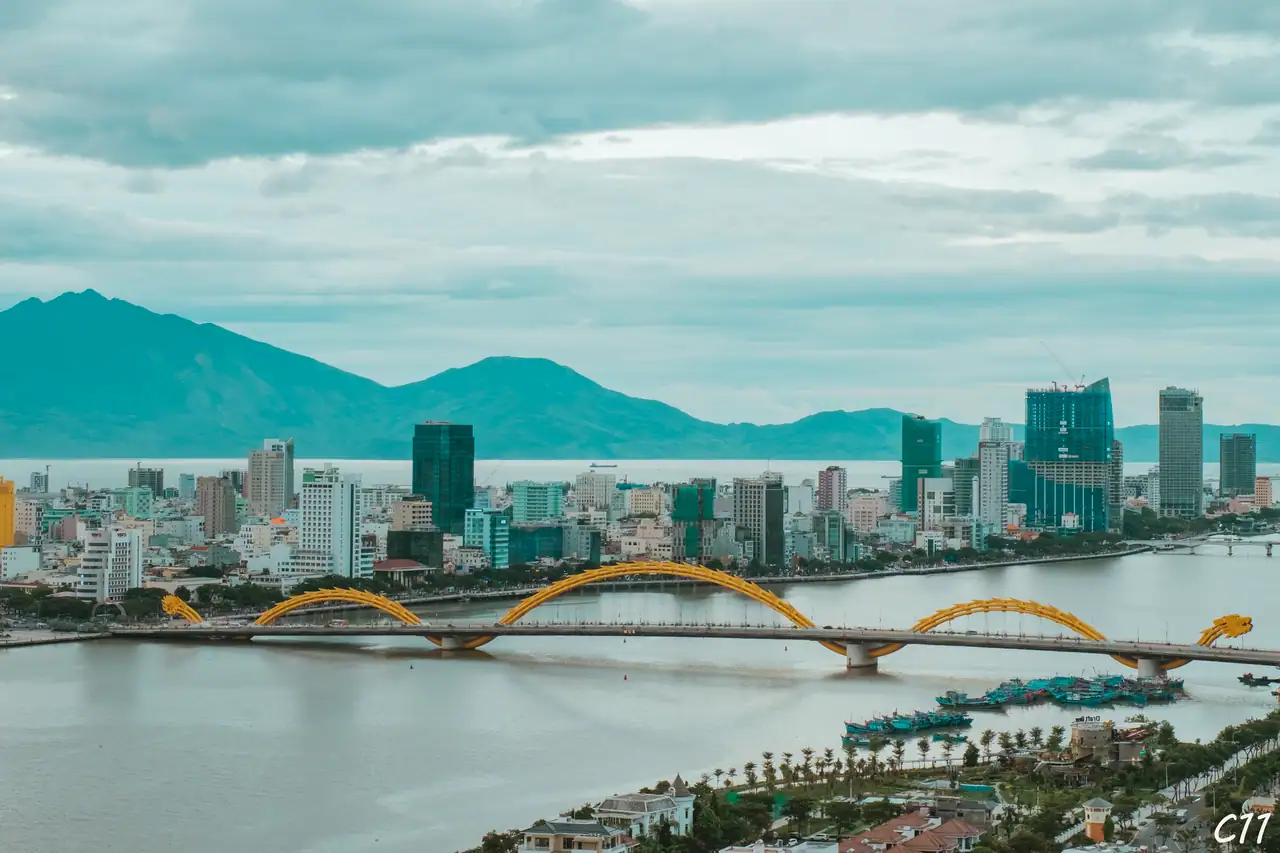
Ships calling on central Vietnam dock either at Chan May, between Hue and Da Nang, or at Tien Sa port in Da Nang itself. From there, the big choice is between Hoi An’s lantern-lit UNESCO old town and Hue’s imperial citadel, each roughly 45 minutes to 2 hours away depending on the port. Da Nang adds beaches and the Marble Mountains.
Phu My (for Ho Chi Minh City)
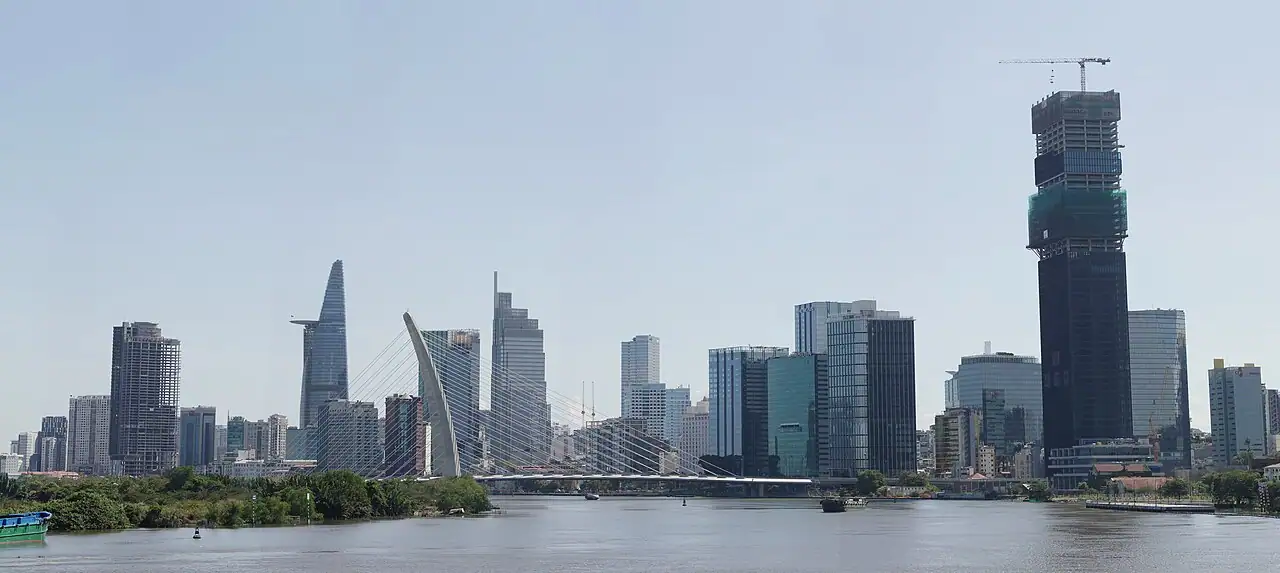
Phu My is an industrial port and the usual cruise gateway to Ho Chi Minh City (Saigon), about 1.5 to 2 hours away by road. A Saigon day typically covers the War Remnants Museum, Independence Palace, French colonial landmarks and Ben Thanh Market. US and Canadian citizens need a visa for Vietnam, so check your cruise line’s instructions well ahead.
Penang
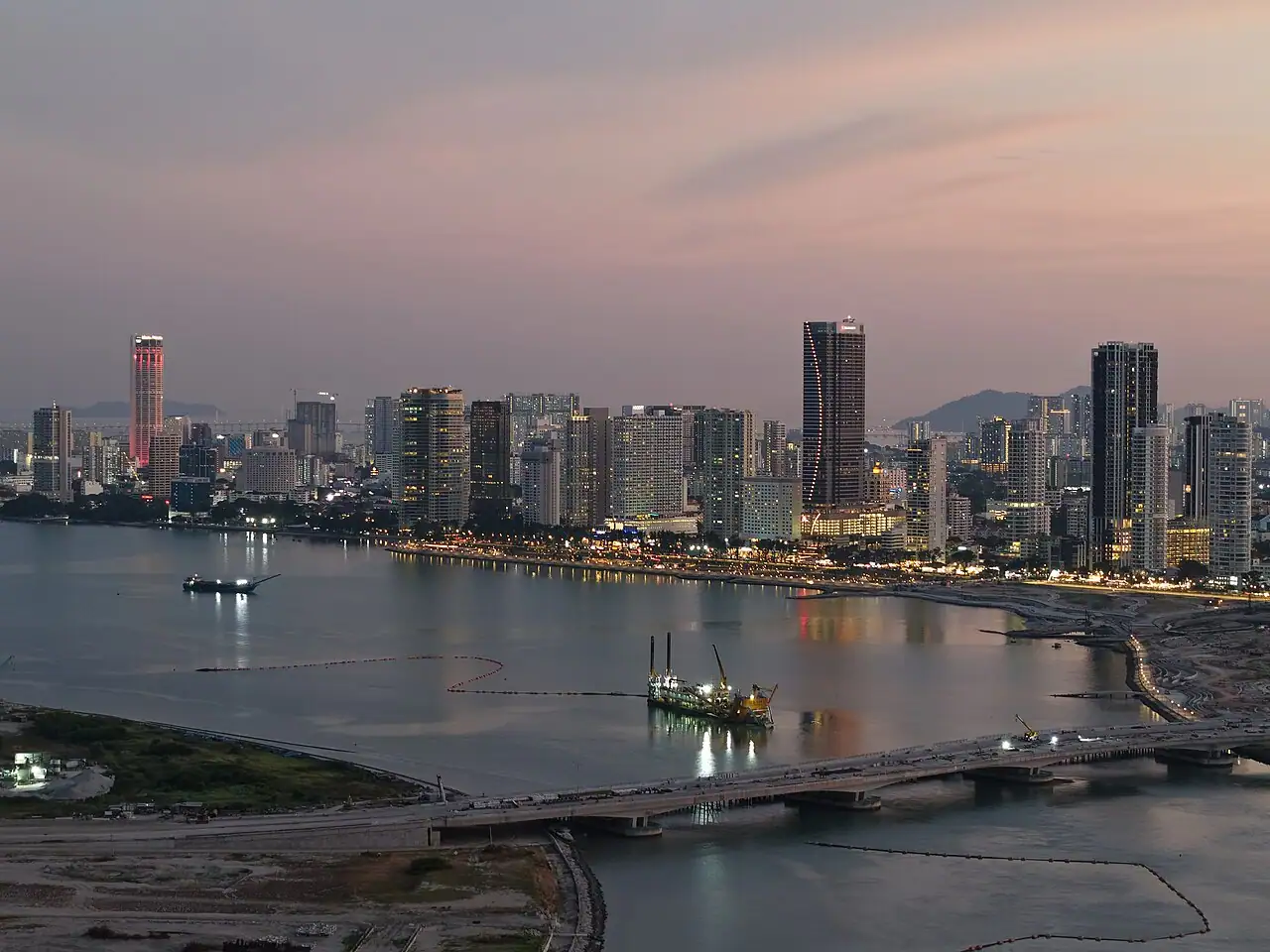
Penang is one of Asia’s best cruise ports for walking and eating. Ships dock at Swettenham Pier in George Town, a UNESCO-listed city of shophouses, clan temples, street art and hawker food, all within a short stroll. Beyond town, Kek Lok Si Temple and the funicular up Penang Hill are easy half-day outings.
Phuket
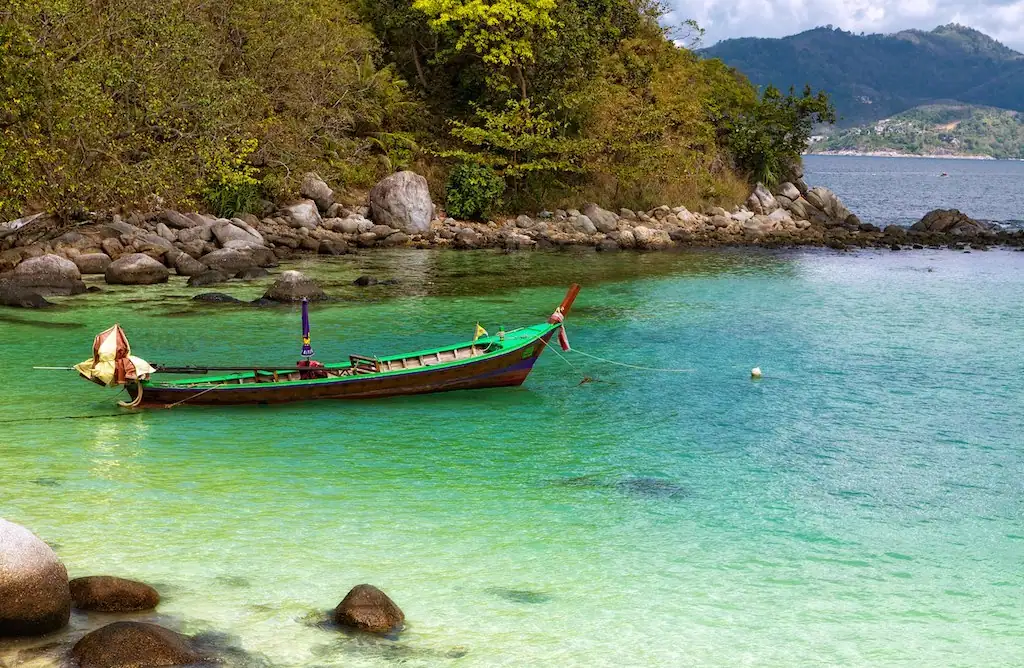
Phuket is Thailand’s largest island and a classic tender stop, with ships usually anchoring off Patong Beach. The big draws are boat trips among the limestone islands of Phang Nga Bay, snorkeling around the Phi Phi Islands, the hilltop Big Buddha, Wat Chalong temple and the colorful shophouses of Old Phuket Town.
Bali (Benoa)
Bali is Indonesia’s famous Hindu island of temples, rice terraces and surf beaches, and ships usually anchor off Benoa and tender passengers ashore. Popular excursions head to Ubud for the Sacred Monkey Forest and rice fields, to clifftop Uluwatu Temple or to the sea temple of Tanah Lot. Traffic is heavy, so choose one area and allow plenty of time.
Port Klang (for Kuala Lumpur)
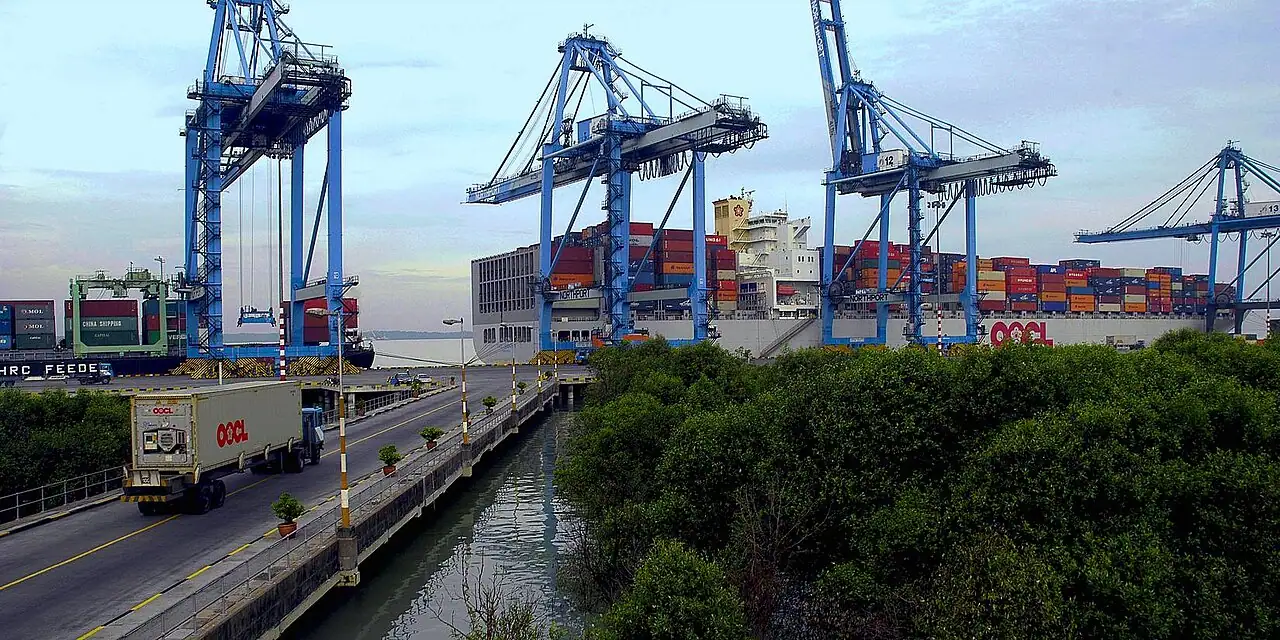
Port Klang is Malaysia’s busiest port and the cruise gateway to Kuala Lumpur, about an hour away by road in light traffic. A KL day usually covers the Petronas Twin Towers, Merdeka Square and the colorful Hindu shrine at Batu Caves; Port Klang itself is industrial, though nearby Klang is famous for bak kut teh.
Keelung (for Taipei)
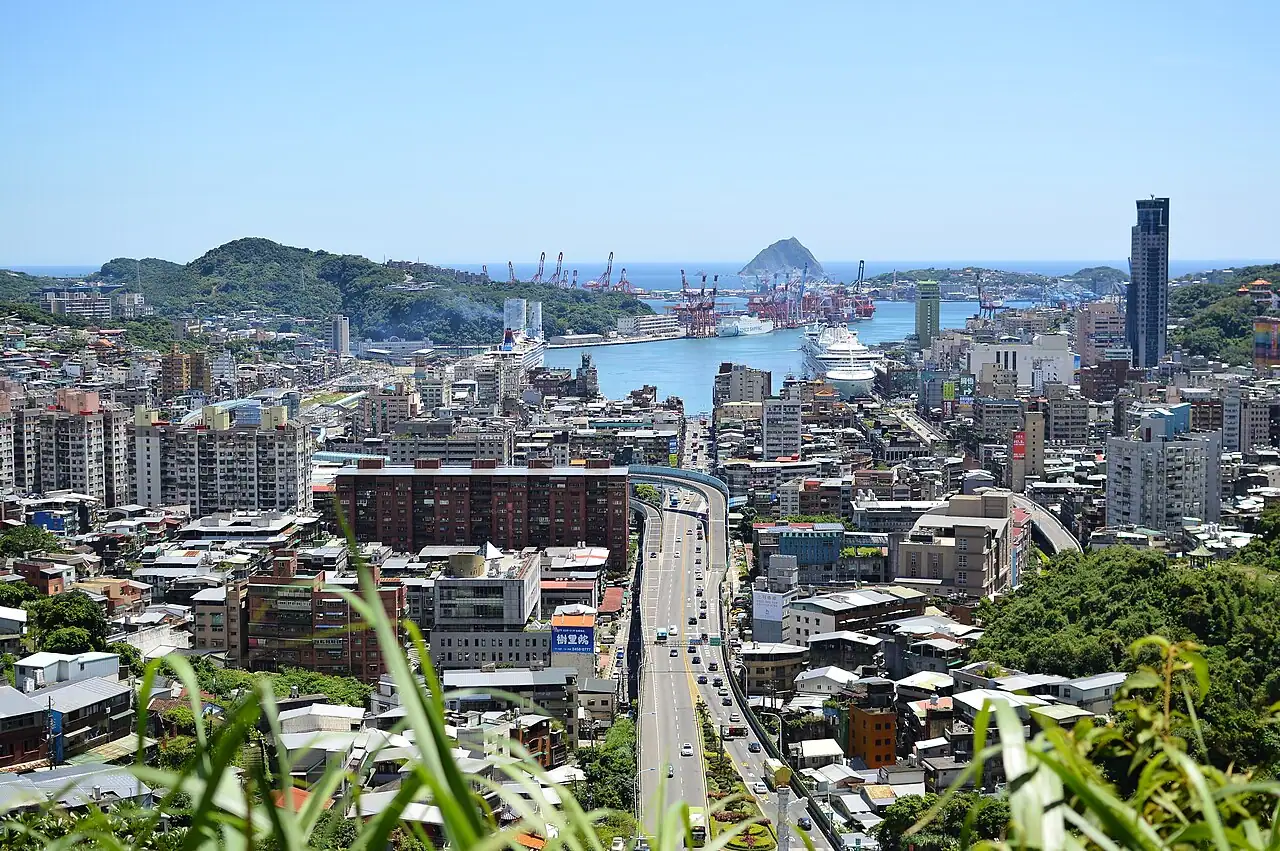
Keelung is the cruise gateway to Taipei, Taiwan’s capital, about 40 minutes away by road or rail. Ships dock right in downtown Keelung, so you can head into Taipei for Taipei 101 and the National Palace Museum, explore the hillside town of Jiufen and the rock formations of Yehliu, or simply graze at Keelung’s famous Miaokou Night Market.
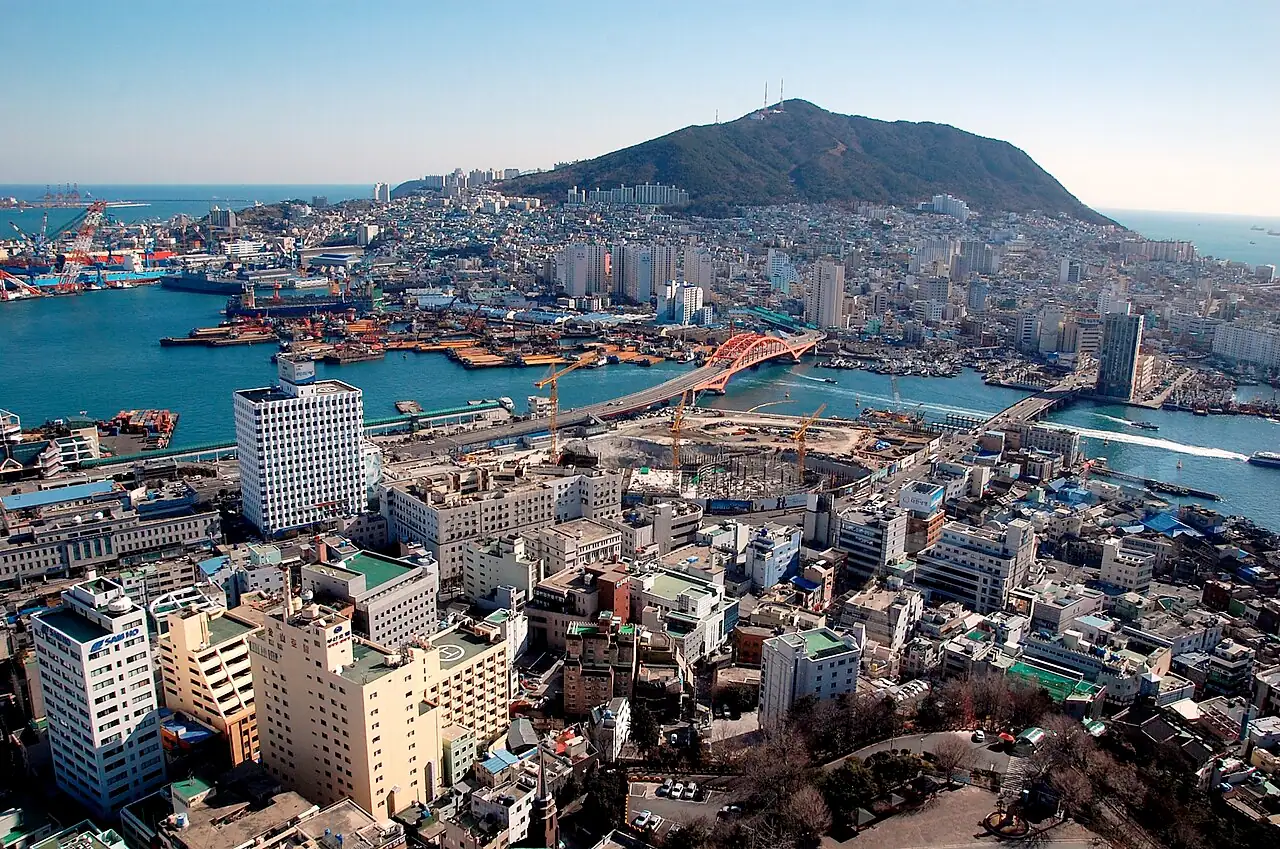
Busan
Busan is South Korea’s second city and biggest port, a hilly, energetic place of beaches, seaside temples, seafood markets and colorful hillside villages. Ships dock either near Busan Station or on Yeongdo island, and a subway, taxis and tours make it easy to see Gamcheon Culture Village, Jagalchi Market and Haedong Yonggungsa in a day.
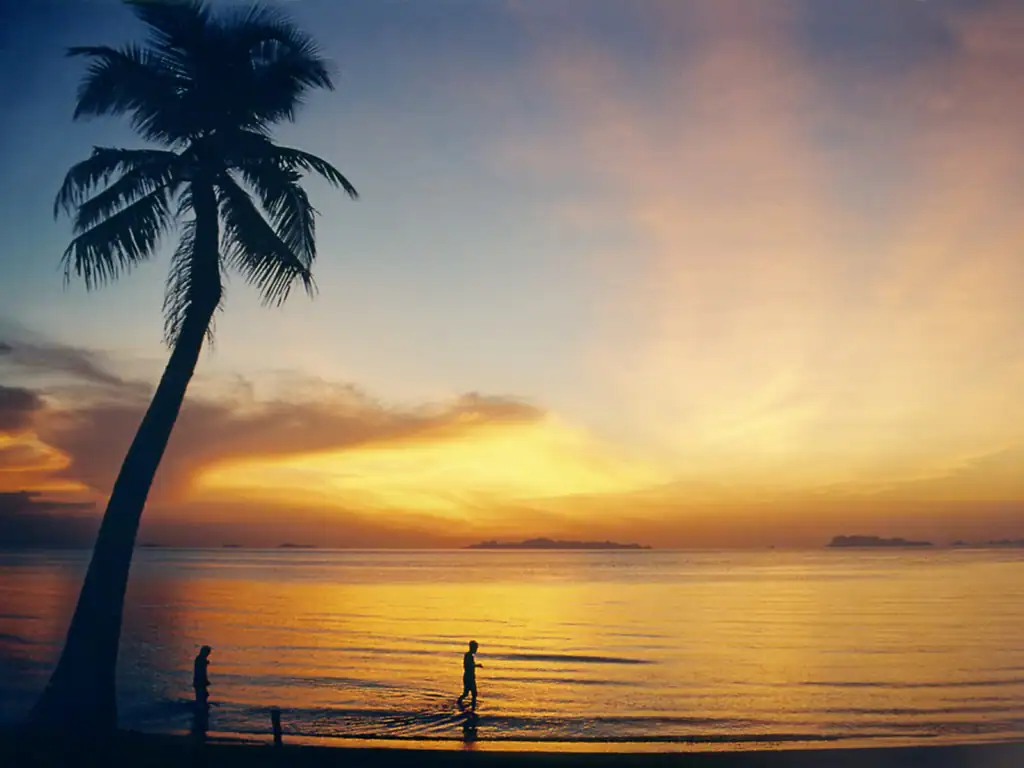
Ko Samui
Ko Samui is a palm-covered island in the Gulf of Thailand and a tender stop, with ships anchoring offshore. It’s a relaxed beach day for most cruisers: the golden Big Buddha, the beaches of Chaweng and Lamai, waterfalls in the hills, and boat trips to the limestone islands of Ang Thong National Marine Park.
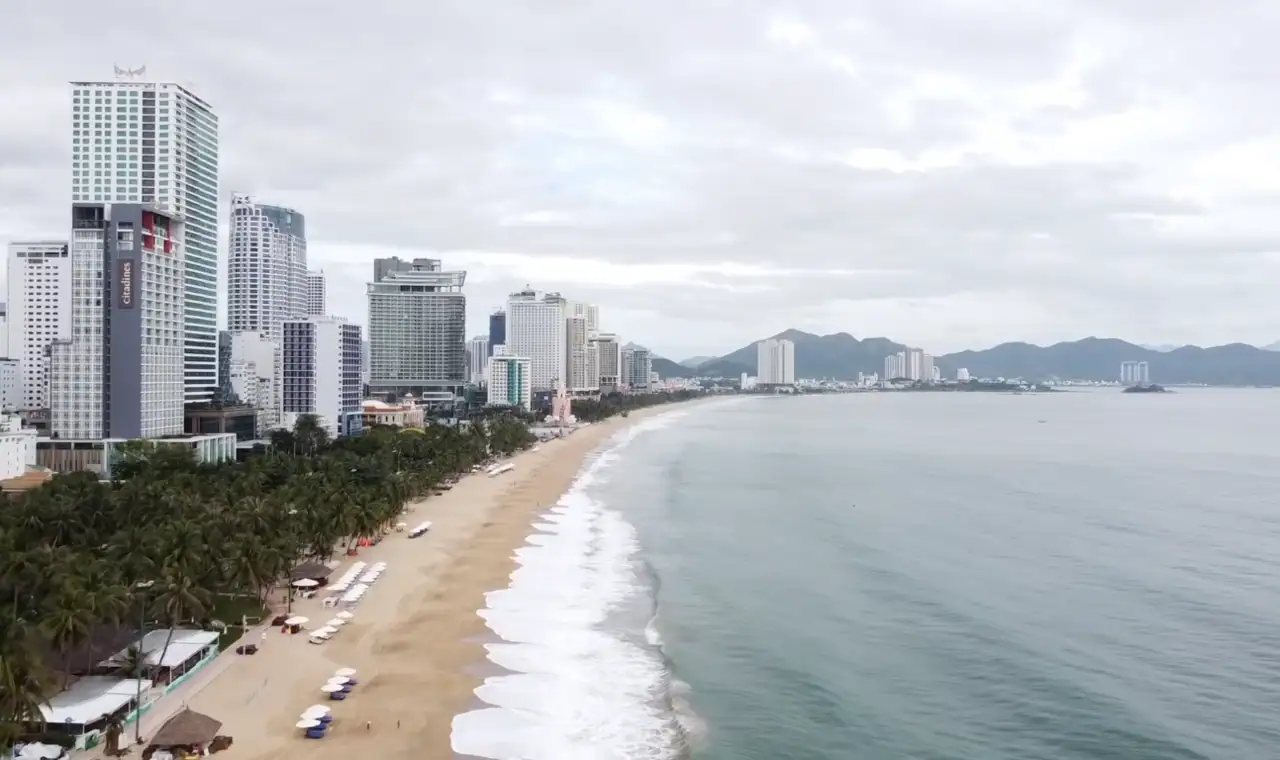
Nha Trang
Nha Trang is a Vietnamese beach city on a wide, curving bay, known for its long sandy promenade, island snorkeling trips, ancient Cham temple towers and mud baths. Ships dock or tender near the south end of town, and most sights are a short taxi ride away, making it one of Vietnam’s easier port days.
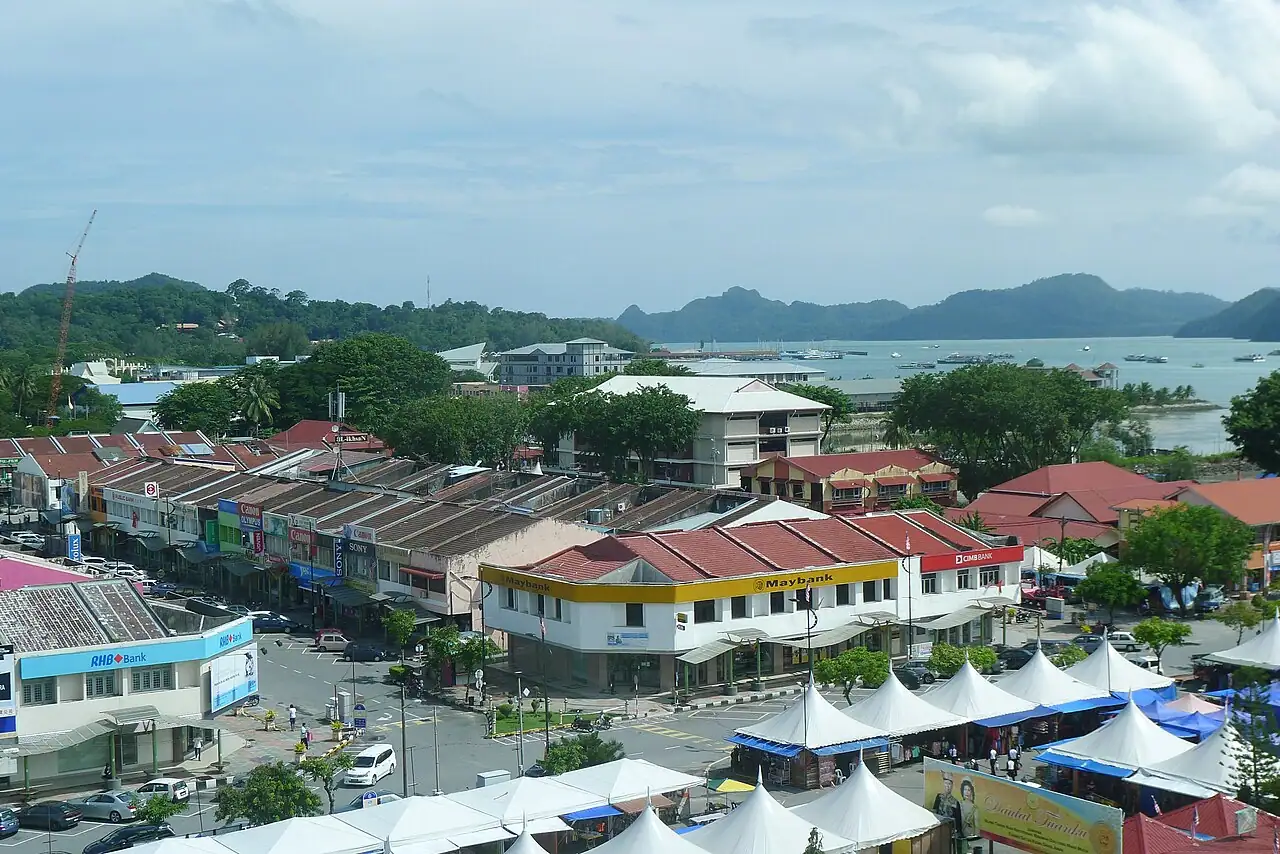
Langkawi
Langkawi is a duty-free island group off Malaysia’s northwest coast, known for rainforest-covered peaks, mangrove-lined rivers and easygoing beaches. The headline excursion is the SkyCab cable car and its curving Sky Bridge high above the jungle, followed by a mangrove boat tour through Kilim Karst Geoforest Park or a swim at Pantai Cenang.
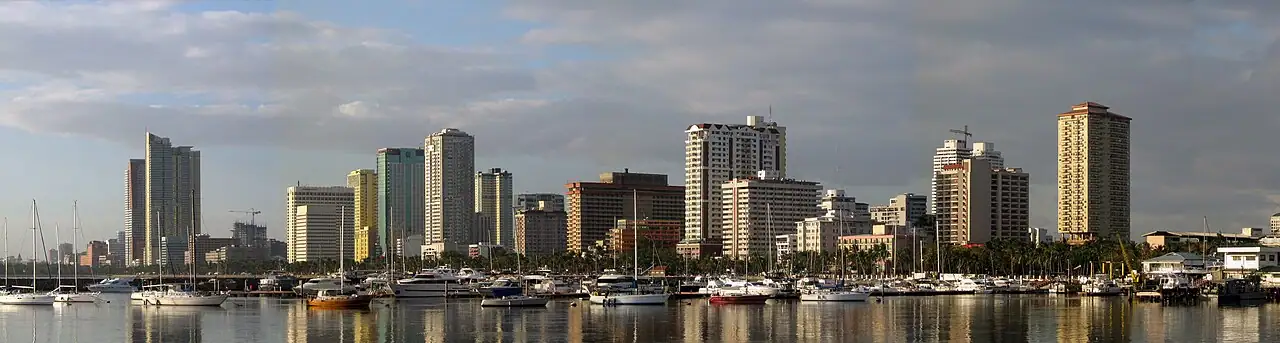
Manila
Manila, capital of the Philippines, is a sprawling, traffic-heavy city with a fascinating historic core. Ships dock in the South Harbor, a few minutes from Intramuros, the old Spanish walled city with Fort Santiago and San Agustin Church. Many American visitors also head to the Manila American Cemetery or take the ferry to Corregidor’s WWII ruins.
Where Southeast & East Asia cruises start
Cruise lines that sail Southeast & East Asia
Southeast & East Asia cruise tips
- Pack temple-appropriate clothing: shoulders and knees covered, nothing see-through, and shoes you can slip off. Bangkok’s Grand Palace enforces its dress code strictly, though sarongs can be rented at many temples.
- Check visa rules for every country on your itinerary well ahead. Vietnam requires an e-visa for US and Canadian citizens unless your cruise line arranges entry, and Indonesia and others have their own requirements, some with fees.
- Plan for the heat: carry water, use high-SPF sunscreen and a hat, and schedule outdoor sightseeing for the morning. Many excursions return to the ship by mid-afternoon for good reason.
- Drink bottled water in Thailand, Vietnam, Malaysia and Indonesia; tap water is safe in Singapore and Hong Kong. For street food, choose busy stalls where food is cooked fresh in front of you.
- When a city is two hours or more from port, look for itineraries with an overnight call. Bangkok and Ho Chi Minh City are far more rewarding with an evening ashore than as a rushed day trip.
Southeast & East Asia cruises: FAQs
When is the best time to cruise Southeast Asia?
December to March. That’s the dry season across most of Thailand, southern Vietnam and Malaysia, with sunny skies and calmer seas. November and April are good shoulder months, while May to October brings monsoon rain and, farther north, typhoon risk.
How long is a Southeast Asia cruise?
Most are 10 to 14 nights, often one way between Singapore, Bangkok and Hong Kong. Short 3- to 5-night getaways sail from Singapore year-round, and longer voyages of 16 nights or more combine Southeast Asia with Japan, Bali or Australia.
Do I need a visa for an Asia cruise?
Sometimes. Singapore, Malaysia, Thailand, Hong Kong, Taiwan and South Korea don’t require visas from US and Canadian citizens for short visits, though some need online pre-registration. Vietnam requires an e-visa unless your cruise line arranges entry, and Indonesia has its own rules. Rules change, so check each country before you sail.
Can you visit Bangkok on a cruise?
Yes, from Laem Chabang, about two hours away. Ship tours take you to the Grand Palace and temples and back. Some itineraries overnight in Laem Chabang, which lets you stay in Bangkok for an evening or two.
How hot is a Southeast Asia cruise?
Very hot and humid. Expect highs of 85–95°F (29–35°C) in most ports year-round, and close to 100°F (38°C) in Bangkok in April. Ha Long Bay and Hong Kong are the exceptions in winter, when highs fall to the 60s and low 70s °F.
Which cruise line is best for Southeast Asia?
Royal Caribbean and Princess offer big-ship options based in Singapore. Celebrity, Holland America, Oceania and Azamara sail longer port-intensive voyages, often with overnights. Silversea, Seabourn, Regent and Ponant cover Southeast Asia and Indonesia in luxury and expedition style.
Updated November 2026 by the BookMyDreamCruise editorial team. How we research and fact-check.
Sources: Wikidata, NASA POWER climate data.