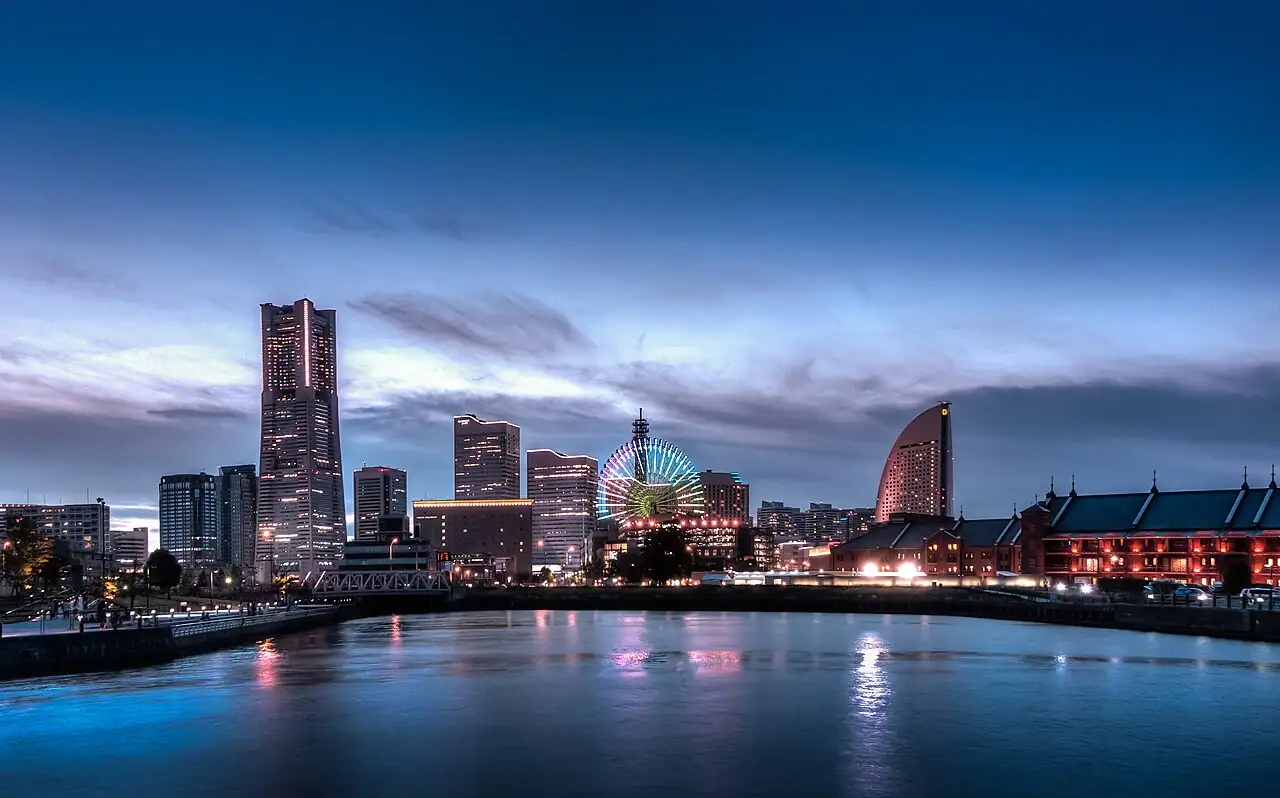
Departure port · Yokohama & Tokyo cruise terminals · Japan
Cruises from Tokyo
Cruises “from Tokyo” usually sail from Yokohama, about 30 minutes south of Haneda Airport, though some ships use the Tokyo International Cruise Terminal on the capital’s waterfront at Odaiba. Spring and fall are peak seasons for 7- to 14-night Japan round trips, Japan and South Korea voyages, and transpacific crossings to Alaska and Hawaii. Plan at least two nights ashore to get over jet lag and see Tokyo or Kamakura.
- Japan
- Southeast & East Asia
- Alaska
- Hawaii
- World
Photo: Takuro1202, CC BY-SA 3.0, via Wikimedia Commons
- Cruise port
- Yokohama & Tokyo cruise terminals
- Location
- Tokyo, Japan
- Main destinations
- Japan, Southeast & East Asia, Alaska
- Cruise lines
- 15 lines sail from here
Sailing from Tokyo
Yokohama opened to foreign trade in 1859 and has been Japan’s great international passenger port ever since. Today it’s the main embarkation point for cruises around Japan: circuits of the main islands calling at Kobe or Osaka, Hiroshima, Nagasaki and Kagoshima; northern routes to Aomori, Hakodate and Otaru; and voyages to Busan, Jeju, Taiwan and Okinawa. In spring, transpacific repositioning cruises head for Alaska and the Pacific Northwest, and some lines sail to Hawaii or onward to Hong Kong and Singapore.
For North Americans, the appeal is a Japan trip without hotel hopping, starting from one of the world’s great cities. Tokyo’s Haneda and Narita airports have nonstop flights from dozens of US and Canadian cities, and Yokohama itself is an attractive, walkable harbor city with Japan’s largest Chinatown.
Be aware that terminal locations matter a lot here. Central piers are a pleasure, but the biggest ships sometimes use an industrial pier with no nearby station. And Japan’s summer is hot, humid and typhoon-prone, so most cruisers aim for March to May or September to November.
Where cruises from Tokyo go
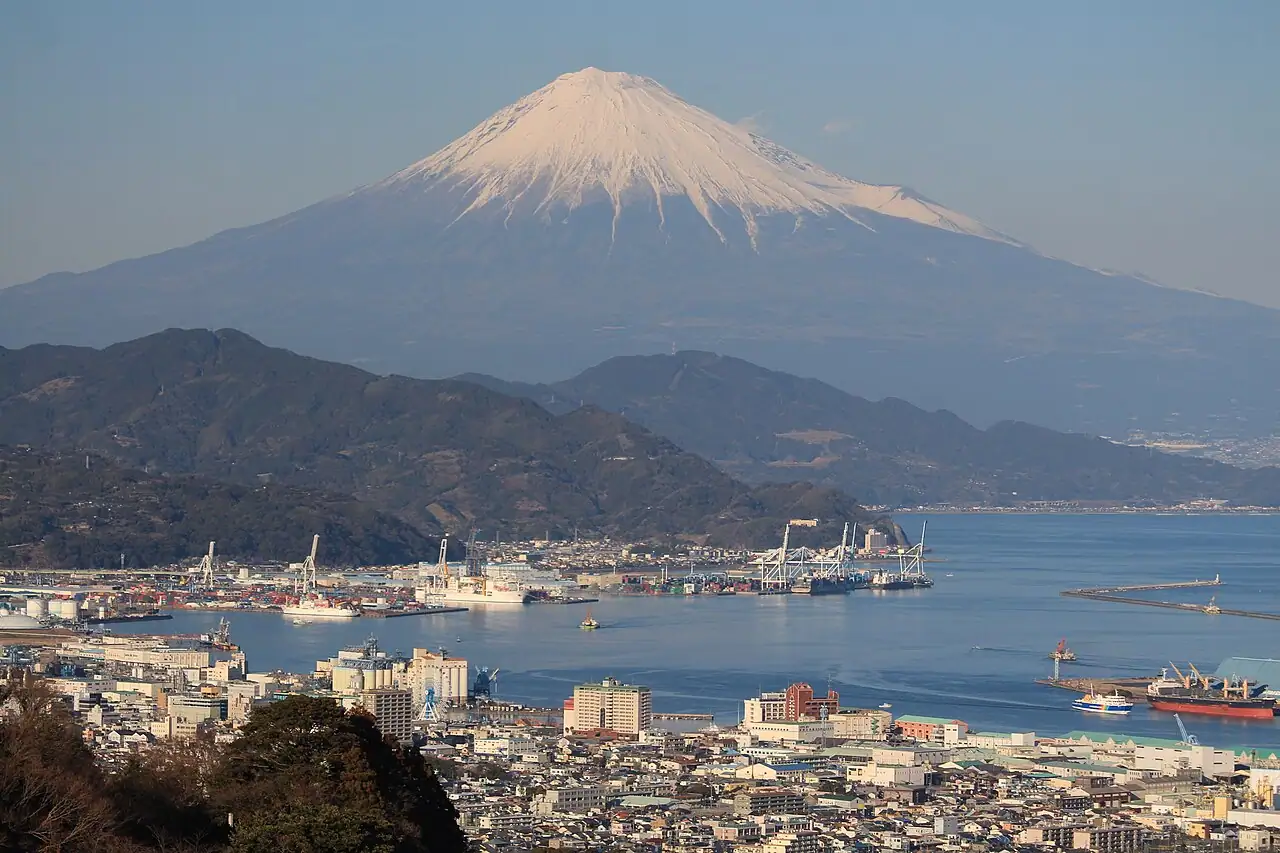
Japan cruises
Late March to May and September to November are peak; limited sailings in summer and winter
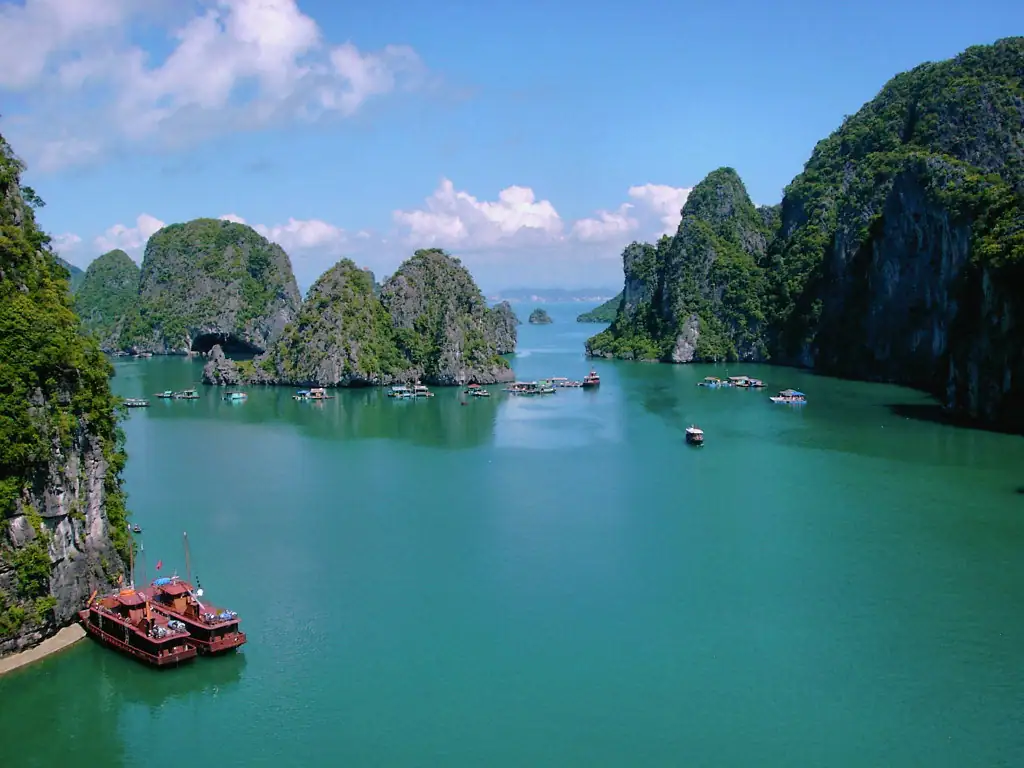
Southeast & East Asia cruises
November to April for most routes; Singapore-based ships sail year-round
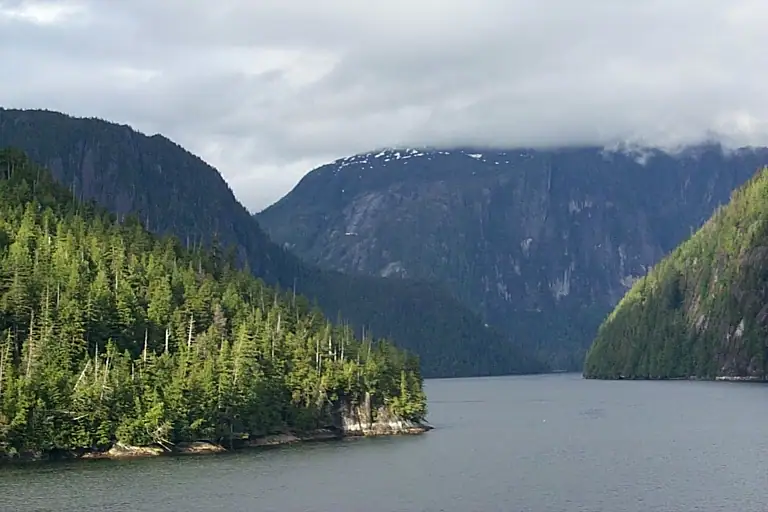
Alaska cruises
Late April to early October; warmest and busiest June to August.
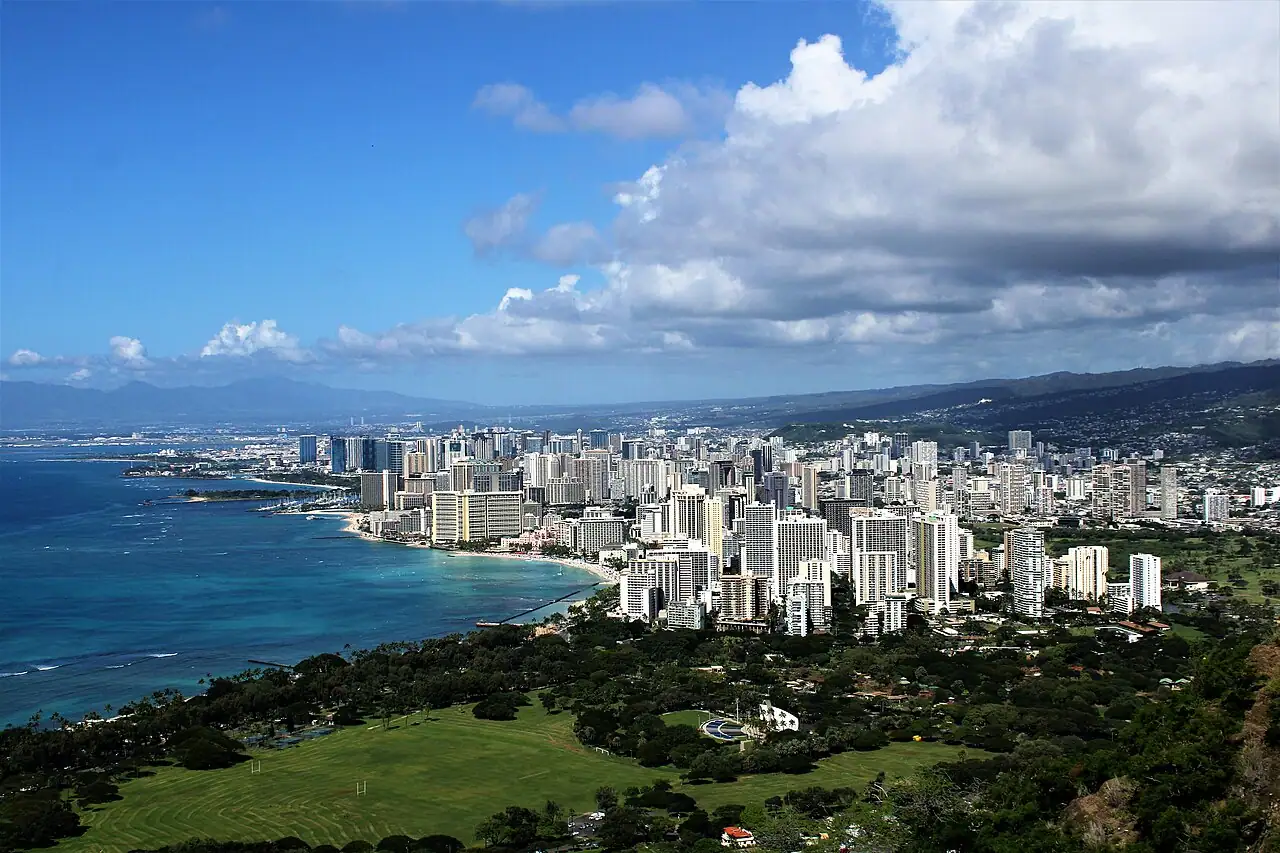
Hawaii cruises
Year-round; humpback whales December to April. Best weather-and-value months April to May and September to October.
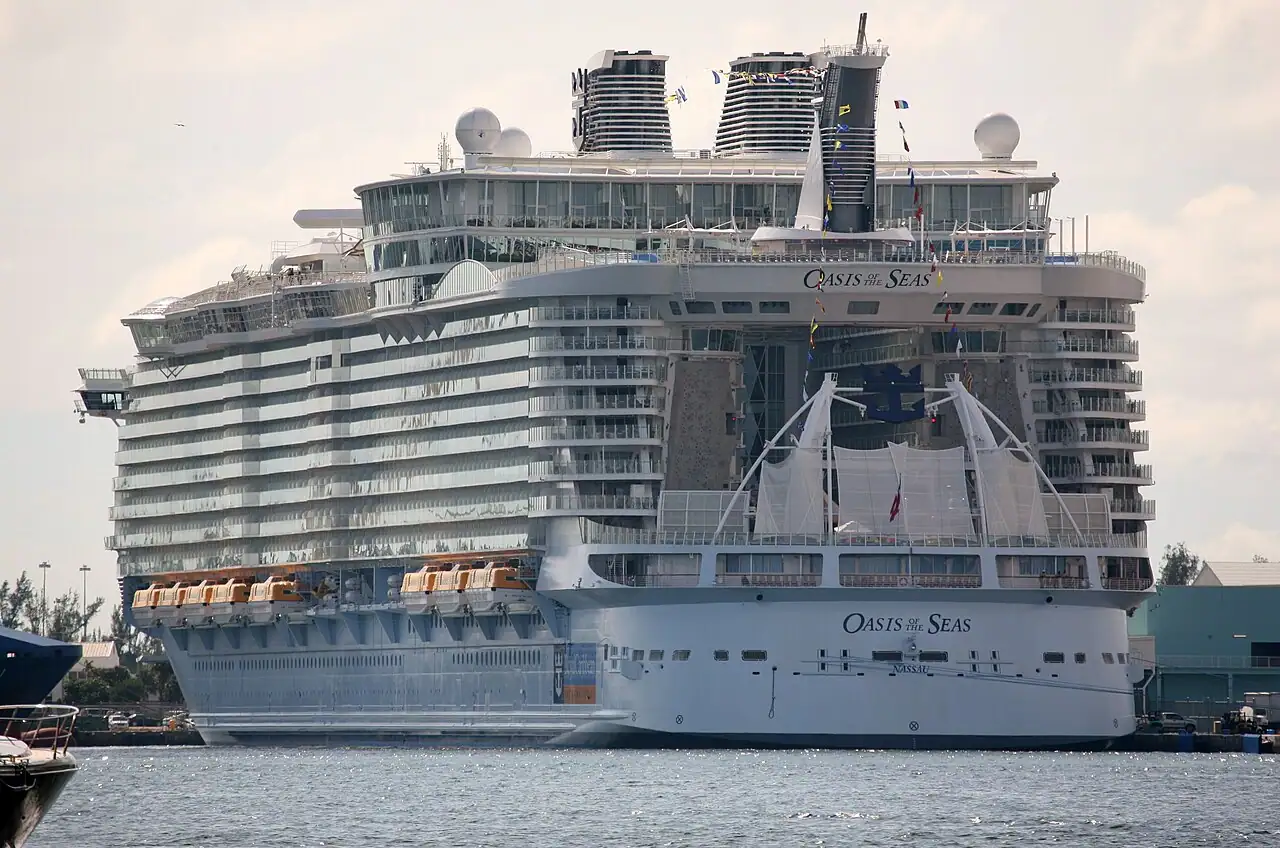
World cruises
Most depart January and return April or May; segments available throughout.
Cruise lines sailing from Tokyo
Yokohama & Tokyo cruise terminals cruise terminals
Yokohama has several cruise piers. Osanbashi Pier, home of the Yokohama International Passenger Terminal, juts into the harbor between Yamashita Park and the Red Brick Warehouses, a short walk from Chinatown and Minato Mirai; its rooftop deck of wooden waves is open to the public. Shinko Pier, with the Yokohama Hammerhead terminal, sits on the Minato Mirai side. Ships too tall to pass under the Yokohama Bay Bridge use Daikoku Pier, an industrial area served by shuttle buses and taxis. In Tokyo, the Tokyo International Cruise Terminal at Aomi, Odaiba, handles larger ships and has its own station on the Yurikamome line. Confirm your pier before booking transfers; check-in is orderly and punctual.
Getting to the port
Flying in
Tokyo Haneda (HND) is the closest airport, about 30 to 40 minutes by taxi to Yokohama’s central piers, or roughly 30 minutes by the Keikyu train line to Yokohama Station; airport limousine buses also run to Yokohama. Narita (NRT) is much farther, about 1.5 to 2 hours by limousine bus or the Narita Express train. Both airports have nonstop flights from many North American cities on Japanese and North American airlines; choose Haneda if you can.
Driving
Driving in Tokyo and Yokohama is rarely worth it: expressways are tolled and congested, and parking is scarce and expensive. If you’re arriving by road, the Shuto Expressway and Bayshore Route (Wangan) link Haneda with Yokohama and Odaiba. Taxis are clean, metered and safe.
Parking
Osanbashi and the Tokyo International Cruise Terminal have limited paid parking, used mostly by Japanese cruisers. International visitors flying in should plan on taxis, trains or a transfer instead.
Where to stay before a cruise from Tokyo
In Yokohama, Minato Mirai offers waterfront high-rise hotels with harbor views and an easy walk or short taxi ride to Osanbashi and Hammerhead; the Kannai and Yamashita Park area is close to Chinatown and the old port. If you want Tokyo first, Shinagawa is the smartest base, with direct trains to Yokohama in about 20 minutes; Ginza and Tokyo Station are central, and Shinjuku and Shibuya are lively. For Tokyo International Cruise Terminal departures, hotels in Odaiba are minutes away.
Things to do in Tokyo before or after your cruise
- 1
Yokohama waterfront and Chinatown
culture
Stroll Yamashita Park past the moored ocean liner Hikawa Maru, cross to the Red Brick Warehouses for shopping and cafés, and finish in Yokohama Chinatown, the largest in Japan, for steamed buns and dim sum. Minato Mirai’s skyline, Ferris wheel and harborside promenades are lit up beautifully at night.
- 2
Sankeien Garden
nature
This traditional Japanese garden in southern Yokohama gathers historic buildings moved from Kyoto, Kamakura and elsewhere, including a three-story pagoda, around ponds and wooded hills. It’s especially lovely during cherry blossom season in early April and the autumn leaves in November, and far quieter than Tokyo’s famous gardens.
- 3
Kamakura
history
About 30 to 40 minutes from Yokohama by train, this former shogun capital is home to the giant bronze Great Buddha at Kōtoku-in, the hillside Hase-dera temple with sea views, and the grand Tsurugaoka Hachimangū shrine. It makes an easy and rewarding day trip, and it’s a short walk or ride to the beach.
- 4
Asakusa and Sensō-ji
culture
Tokyo’s oldest temple is approached through the Kaminarimon Gate, with its giant red lantern, and Nakamise Street’s stalls of snacks and souvenirs. Go early or after dark to avoid crowds, then take a river bus down the Sumida River or look up at the Tokyo Skytree across the water.
- 5
Meiji Jingū, Harajuku and Shibuya
culture
Walk through towering torii gates and forest to Meiji Jingū, Tokyo’s most important Shinto shrine, then dive into Harajuku’s Takeshita Street for youth fashion and crepes. A short walk south, the Shibuya Scramble Crossing is mesmerizing from street level or from an observation deck above.
- 6
Tsukiji Outer Market
food
The wholesale fish market moved to Toyosu, but the outer market’s lanes still overflow with stalls selling fresh sushi, tamagoyaki (sweet omelet), grilled seafood and kitchen knives. Arrive in the morning, eat as you browse and follow the local etiquette of eating at the stall rather than while walking.
- 7
Hakone and Mount Fuji views
scenery
About 1.5 to 2 hours from Yokohama, Hakone combines hot-spring inns, the volcanic valley of Ōwakudani, a pirate-ship cruise on Lake Ashi and, on clear days, views of Mount Fuji. Fuji is often hidden by clouds, especially in summer; winter and early spring give the best odds.
When cruises sail from Tokyo
Spring (March to May) is the most popular season, with cherry blossoms usually peaking around late March or early April in Tokyo and transpacific departures to Alaska in April and May. Fall (September to November) brings comfortable temperatures and autumn colors by November, though early fall overlaps the end of typhoon season. Summer is hot and humid, and some lines sail northern Japan routes then to stay cooler. Princess offers Japan cruises from Yokohama for much of the year.
| Month | Jan | Feb | Mar | Apr | May | Jun | Jul | Aug | Sep | Oct | Nov | Dec |
|---|---|---|---|---|---|---|---|---|---|---|---|---|
| High °F (°C) | 5010 | 5211 | 5915 | 6720 | 7624 | 8027 | 8731 | 8932 | 8328 | 7222 | 6418 | 5513 |
| Low °F (°C) | 330 | 331 | 404 | 489 | 5814 | 6619 | 7423 | 7625 | 7021 | 5714 | 478 | 373 |
| Rain in (mm) | 2.359 | 2.256 | 5.4138 | 5.6142 | 5.6143 | 8.6219 | 8.4214 | 7.5191 | 9.8248 | 8.1206 | 3.998 | 2.052 |
| Daylight (hrs) | 10 | 11 | 12 | 13 | 14 | 15 | 14 | 14 | 12 | 11 | 10 | 10 |
Embarkation day tips
- Arrive two nights early. You’ll cross the date line, the time change from North America is large, and Tokyo deserves at least a full day.
- Fill in Visit Japan Web before your flight to get QR codes for immigration and customs, which speeds up arrival.
- Load a Suica or PASMO transit card, or add one to your phone’s wallet, for trains, buses, taxis and convenience stores. Japan still uses cash more than you might expect, and 7-Eleven ATMs reliably accept foreign cards.
- Use luggage forwarding (takkyubin) to send big suitcases from the airport to your hotel and travel light on trains. Ask the service desk in the arrivals hall.
- Check which pier your ship uses. Daikoku Pier has no train station, so book a taxi or use the shuttle; Osanbashi and Hammerhead are close to central Yokohama.
Cruises from Tokyo: FAQs
Do cruises from Tokyo leave from Yokohama?
Usually, yes. Most ships sailing ‘from Tokyo’ embark at Yokohama, about 30 minutes south of Haneda Airport, at Osanbashi, Hammerhead or Daikoku Pier. Some use the Tokyo International Cruise Terminal at Odaiba instead.
Which airport is closest to Yokohama cruise terminal?
Haneda (HND). It’s about 30 to 40 minutes by taxi to Yokohama’s central piers, or 30 minutes by train to Yokohama Station. Narita (NRT) takes 1.5 to 2 hours, so avoid it if you can.
What is the best time for a Japan cruise?
Spring and fall. Late March to April offers cherry blossoms, and October to November brings mild weather and autumn leaves. Summer is hot and humid, and August to September is peak typhoon season.
Do Americans need a visa to cruise from Japan?
No, not for tourism. US and Canadian citizens can visit Japan visa-free for up to 90 days. Your passport must be valid for your entire stay, and completing Visit Japan Web in advance makes arrival smoother.
How do I get from Tokyo to Yokohama for my cruise?
By train or taxi. Trains from Shinagawa reach Yokohama in about 20 minutes and from Tokyo Station in about 30; then take a taxi or the Minatomirai line to the pier. A taxi from central Tokyo takes 45 minutes to an hour or more in traffic.
Updated November 2026 by the BookMyDreamCruise editorial team. How we research and fact-check.
Sources: Wikipedia, Wikidata, NASA POWER climate data.