Ocean crossings & world cruises
World cruises
World cruises are voyages of roughly 100 to 180 days that circle the globe, usually departing in January from Fort Lauderdale, Miami, Los Angeles, New York, Southampton or a Mediterranean port and returning in spring. Holland America, Princess, Cunard, Viking, Oceania, Regent, Silversea and others offer them, often with segments of two to six weeks for travelers who can’t take months off.
- Season: Most depart January and return April or May; segments available throughout.
- Typical length: 100 to 180 days; segments of 14 to 45 days
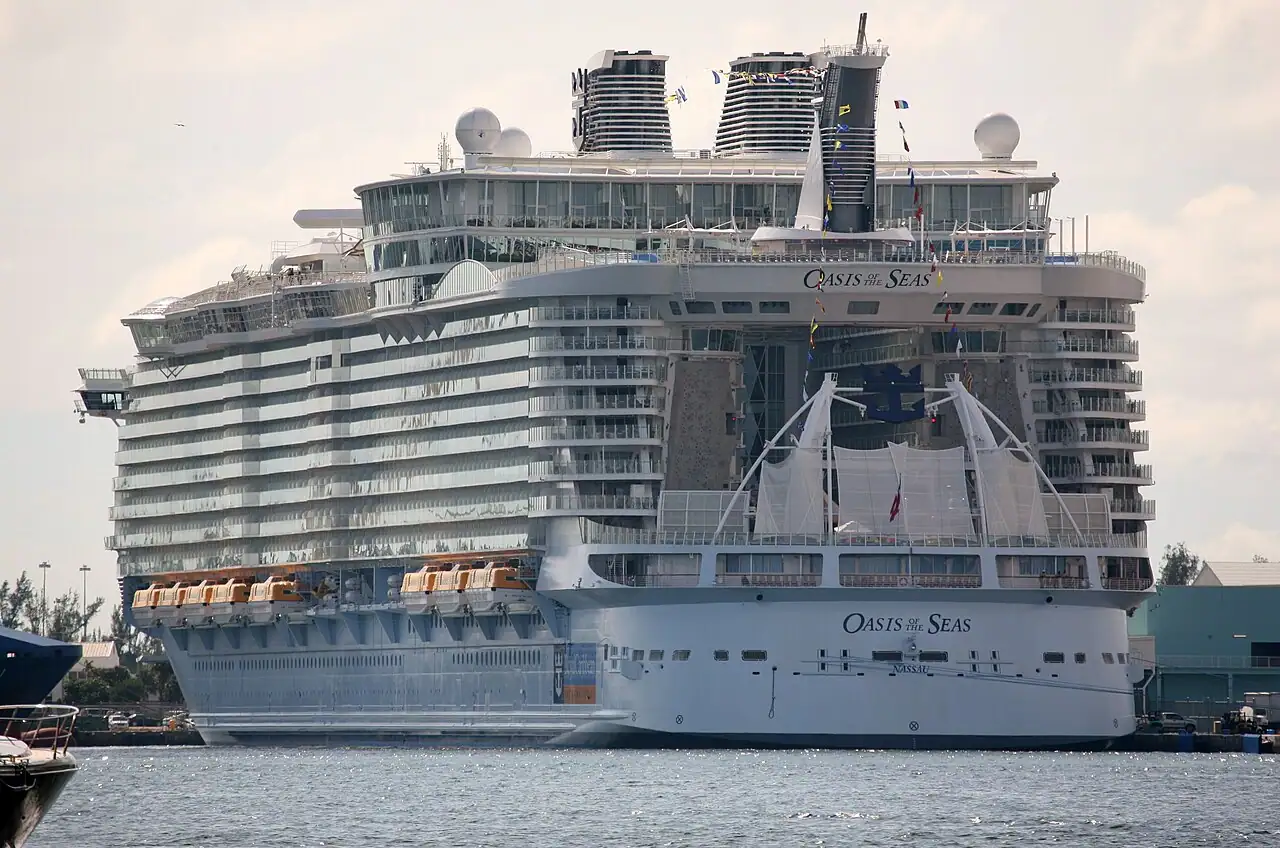
Photo: Sandysphotos2009, CC BY 2.0, via Wikimedia Commons
- Season
- Most depart January and return April or May; segments available throughout.
- Typical length
- 100 to 180 days; segments of 14 to 45 days
- Best months
- Jan, Feb
- Main departure ports
- Fort Lauderdale, Miami, Los Angeles
- Ports covered here
- 0
- Cruise lines
- 12 lines sail here
What a World cruises cruise is like
A world cruise is the grandest voyage in cruising: three to six months, dozens of countries, and a ship that becomes home. Most follow the seasons, leaving North America or Europe in January, crossing the Panama Canal or sailing around South America to reach the South Pacific and Australia in their summer, then continuing through Asia, the Indian Ocean and either Africa or the Middle East before returning through the Mediterranean and across the Atlantic in April or May.
You don’t have to sail the whole way. Almost every world cruise is sold in segments, often called legs or sectors, of two to six weeks, letting you sail from Sydney to Singapore or from Cape Town to Lisbon. Full world cruisers often receive extras such as included flights, gala events, onboard credit and exclusive shore programs. Routes can change: security concerns in the Red Sea have pushed many recent world cruises to sail around Africa instead of through the Suez Canal.
World cruises attract experienced travelers, often retirees, who value long sea days, enrichment programs and a close-knit onboard community. They require serious planning around visas, vaccinations, medication, mail and home affairs. If you’re unsure, a segment is the best way to test whether months at sea suit you.
Best time to cruise World cruises
- Jan: Best time to go
- Feb: Best time to go
- Mar: Good time to go
- Apr: Good time to go
- May: Good time to go
- Jun: Shoulder season
- Jul: No regular sailings
- Aug: No regular sailings
- Sep: Shoulder season
- Oct: Shoulder season
- Nov: Shoulder season
- Dec: Good time to go
- No regular sailings
- Shoulder season
- Good time to go
- Best time to go
JanuaryBest time to go
January is world cruise departure month, when ships leave Fort Lauderdale, Miami, Los Angeles, New York, Southampton and Mediterranean ports amid farewell parties and bon voyage dinners. Westbound routes head for the Panama Canal or around South America, chasing summer in the Southern Hemisphere. The first sea days are a chance to unpack fully and meet the people you’ll share the coming months with.
FebruaryBest time to go
February usually brings the South Pacific, Australia and New Zealand at the height of their summer, with lagoon stops in French Polynesia and long, restful sea days between them. Ships often cross the International Date Line this month. It’s the most popular time to join a segment between Los Angeles, Auckland and Sydney.
MarchGood time to go
Many world cruises reach Asia in March, calling at Bali, Singapore, Vietnam, Hong Kong or Japan, where late-month calls may catch the first cherry blossoms. Southeast Asia is warm but not yet at the peak of its hot season. Segments from Sydney to Singapore or Hong Kong combine big cities with tropical islands.
AprilGood time to go
April usually means the Indian Ocean, with calls in Sri Lanka, India, the Maldives or the Seychelles, then either a long southern route around Africa via Cape Town or, when security allows, the Red Sea and Suez Canal. Overland trips to the Taj Mahal or a safari park are highlights, and segments from Asia or Cape Town to Europe offer great variety.
MayGood time to go
Most world cruises finish in April or May, crossing the Atlantic back to Florida, New York or Southampton after a final stretch through the Mediterranean, the Canary Islands or West Africa. Farewell galas and slideshows mark the end of the voyage, and spring weather greets ships returning to their home ports.
JuneShoulder season
World cruises have ended, but some lines run long ‘grand voyages’ of one to three months to Northern Europe, the Arctic or around the British Isles, a summer taste of long-haul cruising. Lines often put world cruises on sale 18 months to two years ahead, so the best suites for the following January may already be spoken for.
JulyNo regular sailings
No world cruises depart in July. It’s a good month to plan: compare westbound and eastbound routes, see which regions each line lingers in, check visa and vaccination requirements for your nationality, and decide whether a full voyage or one or two segments suits your budget and schedule.
AugustNo regular sailings
August has no world cruise departures. If you’re sailing in January, this is when experienced world cruisers start practical arrangements: mail forwarding, automatic bill payments, prescription supplies for four months or more, travel insurance that covers long trips, and someone to check on the house.
SeptemberShoulder season
A few long voyages of 30 to 70 days begin in fall, exploring regions such as Africa, South America or the South Pacific in depth. They’re a shorter alternative to a full world cruise, often with similar perks, and suit travelers who want long-haul cruising without four months away from home.
OctoberShoulder season
Some grand voyages depart in October, including long itineraries through Asia or around South America. If you’re sailing on a January world cruise, finalize visas now, since some countries require applications months ahead, and book pre-trip medical and dental checkups.
NovemberShoulder season
Grand voyages to South America, Antarctica or the South Pacific may begin in November. World cruisers build packing lists for every climate, from tropical heat to cool, wet days in southern ports or spring in Europe, and confirm luggage allowances; some lines offer extra baggage or luggage delivery for full-voyage guests.
DecemberGood time to go
A few world cruises leave in December, so passengers celebrate Christmas and New Year at sea, often in the Caribbean or South America. Most depart in early January, which makes December a busy month for final preparations, farewell visits and pre-cruise hotel nights near the departure port.
Average weather across World cruises ports
| Month | Jan | Feb | Mar | Apr | May | Jun | Jul | Aug | Sep | Oct | Nov | Dec |
|---|---|---|---|---|---|---|---|---|---|---|---|---|
| High °F (°C) | 6820 | 6921 | 7021 | 7222 | 7323 | 7524 | 7725 | 7826 | 7625 | 7423 | 7122 | 6921 |
| Low °F (°C) | 5915 | 6016 | 6116 | 6217 | 6418 | 6719 | 6921 | 6921 | 6820 | 6519 | 6217 | 6016 |
| Rain in (mm) | 3.897 | 3.384 | 3.896 | 3.487 | 3.896 | 4.6118 | 4.0102 | 4.1104 | 4.4111 | 4.2107 | 4.1105 | 3.898 |
| Daylight (hrs) | 11 | 12 | 12 | 13 | 13 | 13 | 13 | 13 | 12 | 12 | 12 | 11 |
World cruises cruise highlights
- 1
Crossing the equator and the International Date Line
Ships mark the equator with a traditional ‘crossing the line’ ceremony, featuring King Neptune and plenty of good-natured soaking. Crossing the International Date Line means a day disappears from the calendar, or repeats, depending on direction.
- 2
South Pacific islands
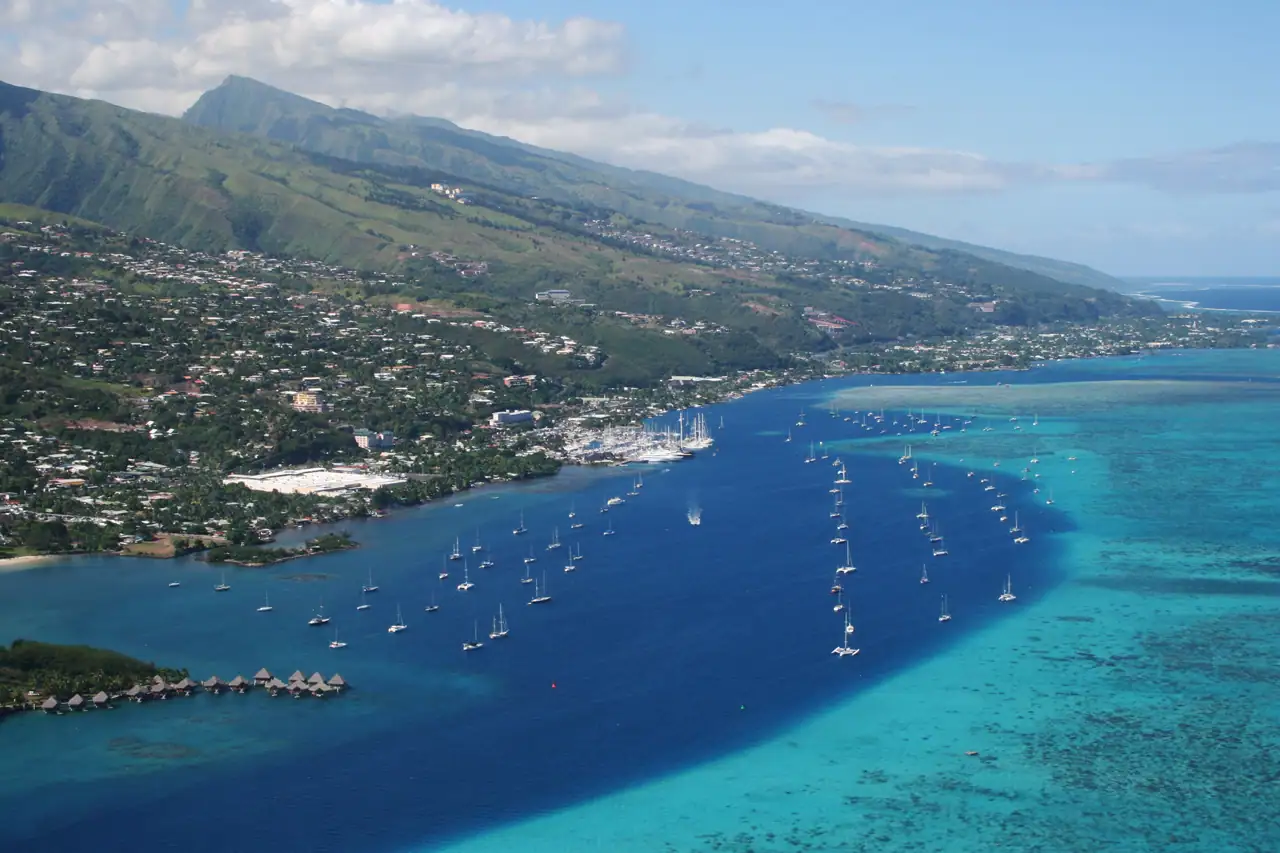
Many westbound world cruises sail through French Polynesia, Fiji, Samoa or Tonga, with lagoon-ringed islands such as Bora Bora and Moorea. These long stretches of ocean make for some of the most relaxing sea days of the voyage.
- 3
Sydney Harbour sail-in
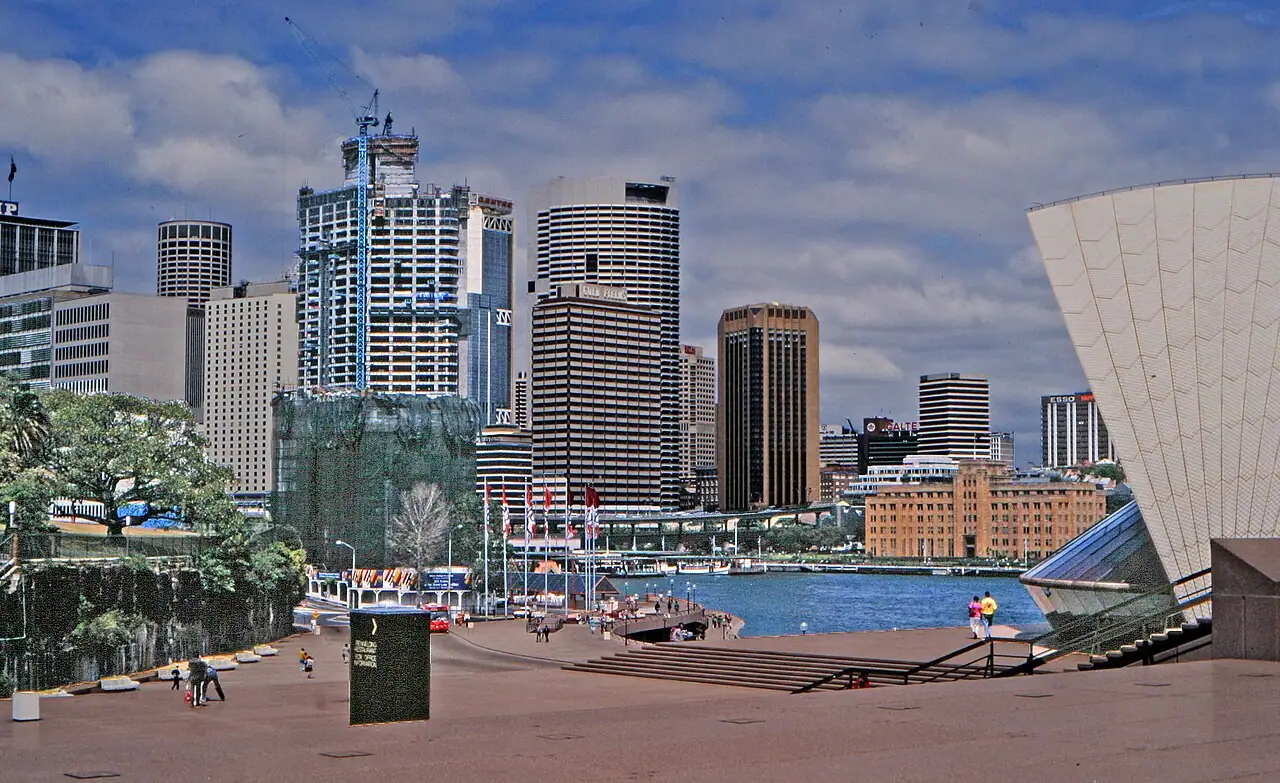
Arriving in Sydney past the Opera House and under the Harbour Bridge is one of the great moments of any world cruise, often with an overnight stay to enjoy the city.
- 4
Overland adventures
Long port calls and overland tours let world cruisers see landmarks far from the coast, such as the Taj Mahal from Mumbai, Angkor Wat from Thailand or Vietnam, or a safari from Cape Town or Durban.
- 5
Asia’s great ports
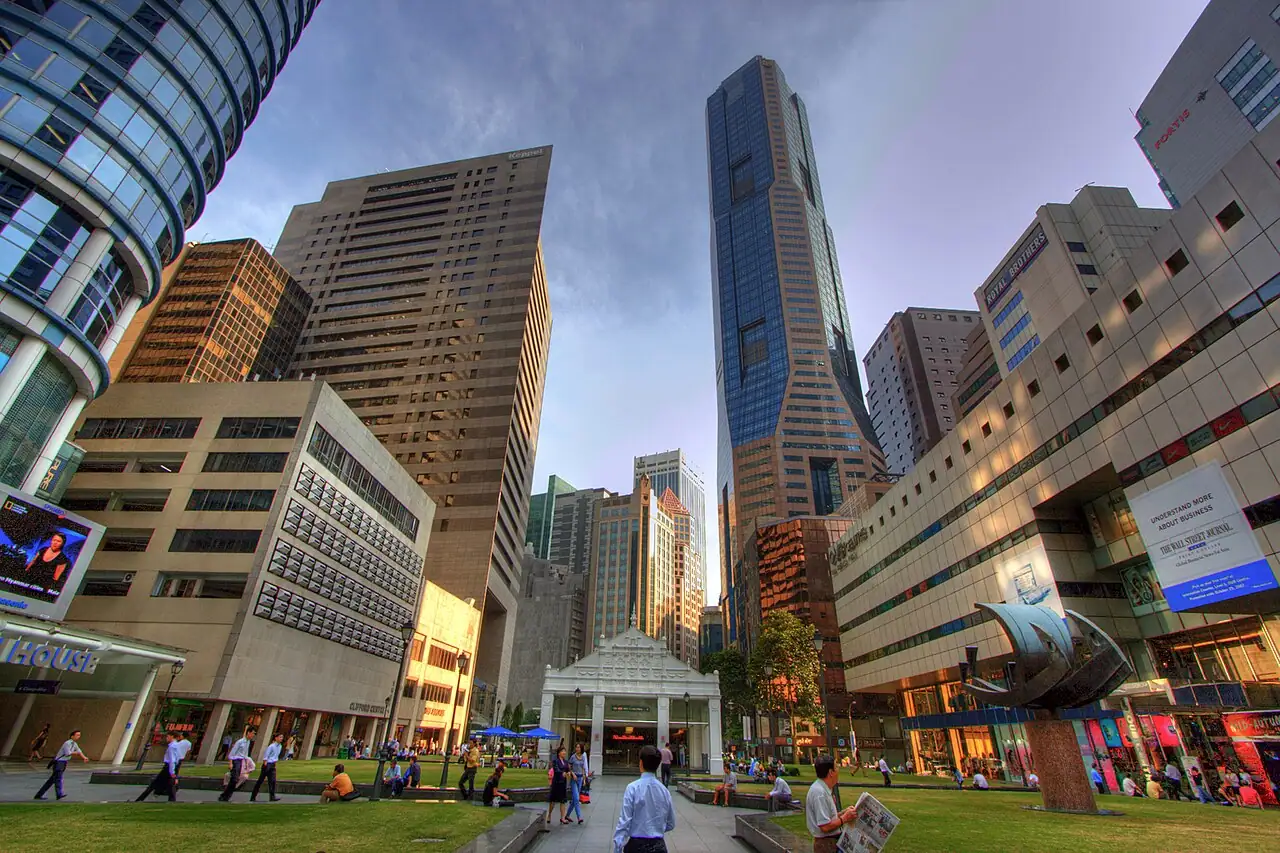
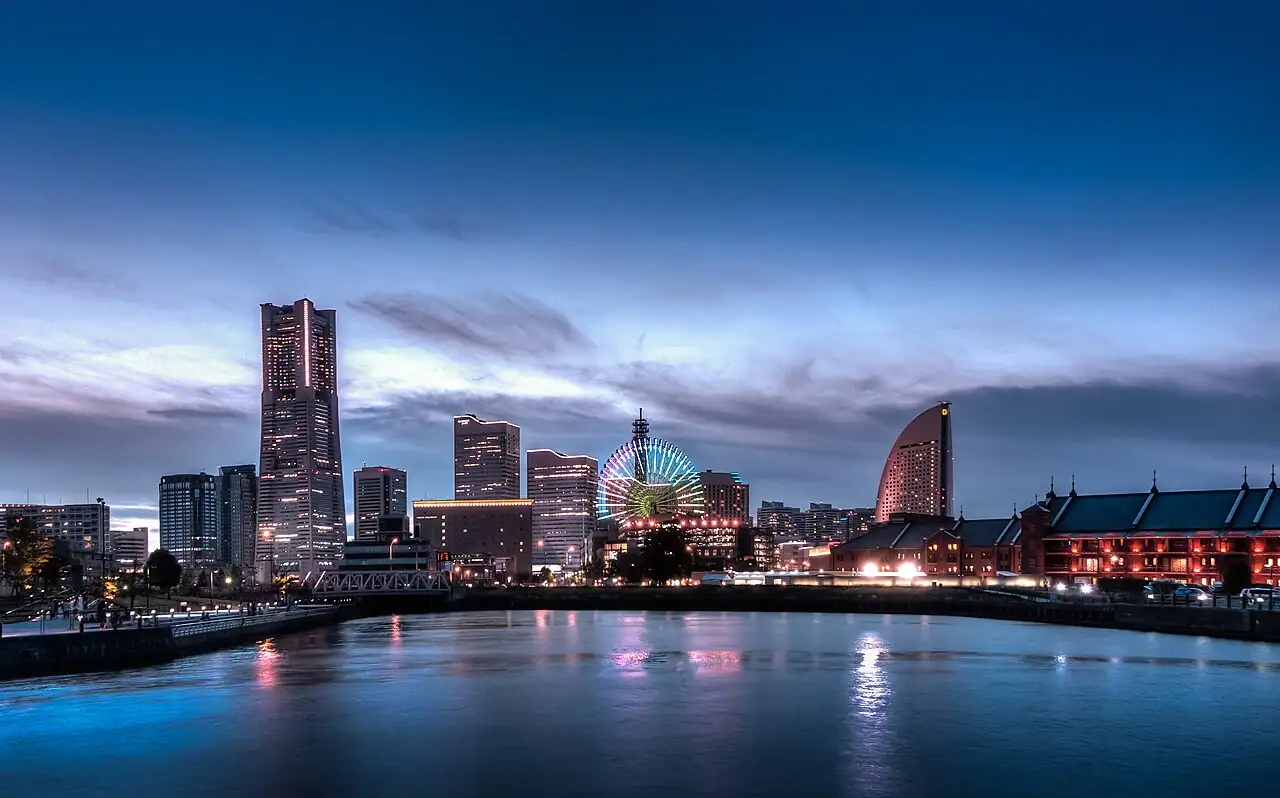
Routes often include Singapore, Hong Kong, Bali, Vietnam and Japan, with overnights in big cities that give time for food markets, temples and evening skylines.
- 6
Life on board
World cruises feature enrichment lecturers, cooking classes, special dinners and gala balls. Over months, crew and fellow passengers become familiar faces, and many world cruisers return year after year.
Typical World cruises itineraries
- 1
Westbound world cruise from Fort Lauderdale or Los Angeles
Through the Panama Canal or along the Pacific to the South Pacific, Australia and New Zealand, Asia, India and Africa or the Middle East, returning via the Mediterranean and Atlantic. Around 110 to 140 days.
- 2
World cruises from Southampton or the Mediterranean
Cunard, MSC, Fred. Olsen and others start in Europe, crossing the Atlantic to the Caribbean and Panama Canal or heading south around Africa, then covering Australia, Asia and the Pacific before returning home in spring.
- 3
Ultra-long voyages of 150 to 180 days
Oceania, Viking and Regent offer extra-long itineraries that call at dozens of countries across every inhabited continent, often adding remote Pacific islands and long stays in Africa or South America.
- 4
World cruise segments
Two- to six-week legs between major hubs such as Fort Lauderdale, Los Angeles, Sydney, Singapore, Dubai, Cape Town and Southampton, with flights at each end.
World cruises ports of call




Where World cruises cruises start
Cruise lines that sail World cruises
World cruises cruise tips
- Start visa planning early. Many countries require electronic travel authorizations or visas, including Australia, New Zealand and India for US and Canadian citizens; the cruise line usually provides guidance.
- Check vaccination requirements. Some ports in Africa and South America may require proof of yellow fever vaccination, and your doctor can advise on others.
- Make sure your passport has plenty of blank pages and validity well beyond your return date, as some countries require six months.
- Plan for medical needs: bring enough prescription medication for the whole voyage, plus copies of prescriptions, and confirm your health insurance covers you overseas.
- Pack for every climate but travel light. Ships offer laundry services, and you can buy items along the way.
World cruises: FAQs
How long is a world cruise?
Typically 100 to 180 days. Most last around four months, departing in January and returning in April or May. Segments of two to six weeks are widely available.
Can I book just part of a world cruise?
Yes. Most world cruises are sold in segments, often called legs or sectors, between major ports. Booking a segment is a good way to experience world cruising without committing to months at sea.
Which cruise line is best for a world cruise?
Holland America, Princess and Cunard offer classic world cruises with traditional style. Viking, Oceania, Regent, Silversea and Seabourn provide premium and luxury options, while Azamara and Crystal offer smaller-ship experiences.
When do world cruises depart?
Most depart in January from ports such as Fort Lauderdale, Miami, Los Angeles, New York, Southampton or the Mediterranean, returning in April or May. A few leave in December.
Do I need visas for a world cruise?
Usually yes. World cruises visit countries that may require visas or electronic authorizations, such as Australia, New Zealand and India. The cruise line generally provides a list, and some offer visa services.
Do world cruises go through the Suez Canal?
Not always. Security concerns in the Red Sea have led many lines to reroute recent world cruises around southern Africa via Cape Town instead of through the Suez Canal. Check the current route with your cruise line, as it can change close to departure.
What is included on a world cruise?
It varies by line. Full world cruise bookings often come with perks such as airfare, prepaid gratuities, onboard credit, laundry, drinks packages or special shore events, especially on premium and luxury lines. Segment guests usually receive fewer extras.
Updated November 2026 by the BookMyDreamCruise editorial team. How we research and fact-check.
Sources: Wikidata, NASA POWER climate data.