Best time to cruise · Good time to go
Japan cruises in July
The rains usually end mid-to-late July, giving way to heat and humidity, with Tokyo near 88°F (31°C). Kyoto’s Gion Matsuri runs all month, with its towering float processions on July 17 and 24. Lavender blooms in Hokkaido’s Furano, a long day trip from Otaru, and typhoon risk begins in Okinawa.
- Good time to go
- Avg high 84°F
- 14 hrs daylight
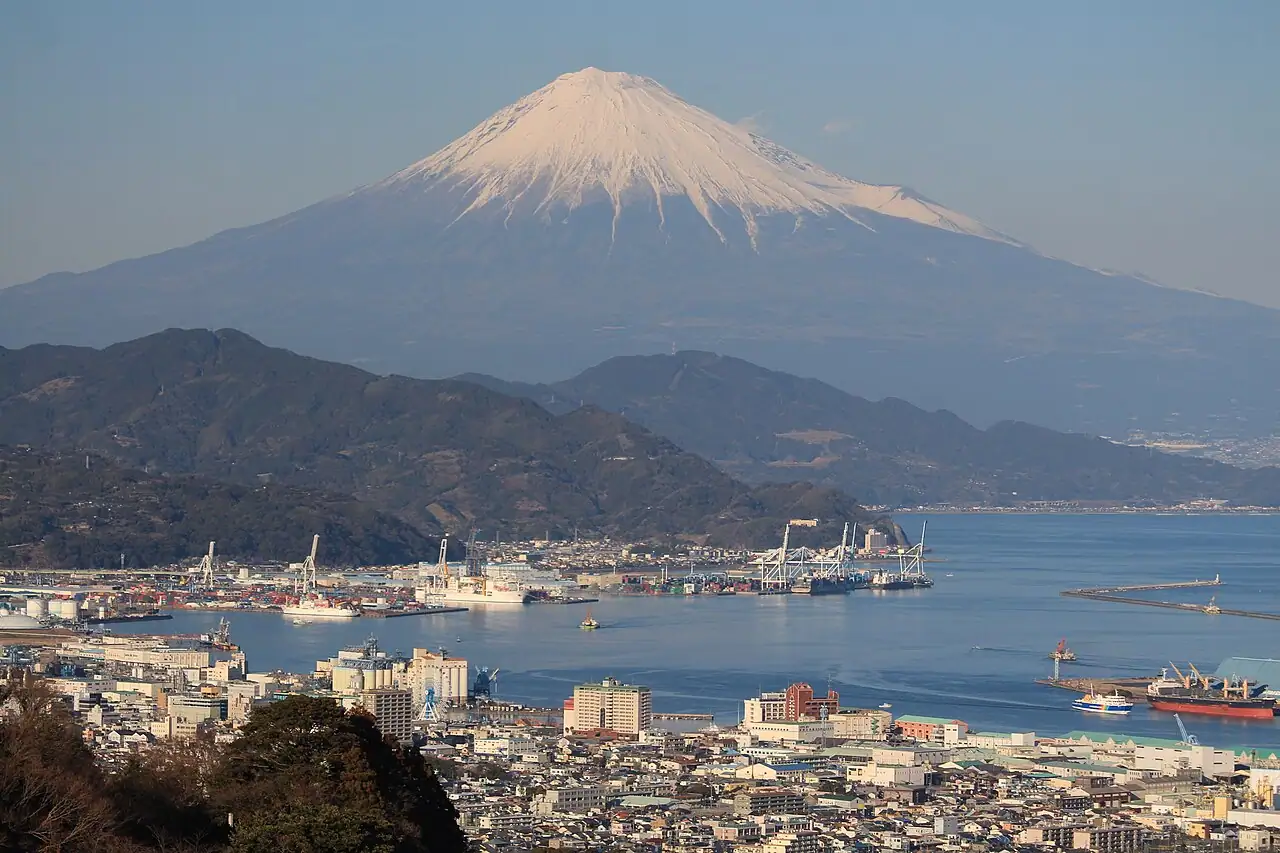
Photo: Alpsdake, CC BY-SA 4.0, via Wikimedia Commons
Japan in July: Good time to go
The rains usually end mid-to-late July, giving way to heat and humidity, with Tokyo near 88°F (31°C). Kyoto’s Gion Matsuri runs all month, with its towering float processions on July 17 and 24. Lavender blooms in Hokkaido’s Furano, a long day trip from Otaru, and typhoon risk begins in Okinawa.
Across Japan cruise ports, July brings average highs around 84°F (29°C) and lows near 74°F, with about 9.9 inches of rain over the month and roughly 14 hours of daylight.
- Verdict
- Good time to go
- Season
- Late March to May and September to November are peak; limited sailings in summer and winter
- Average high / low
- 84°F / 74°F
- Rainfall (month)
- 9.9 in
- Daylight
- About 14 hours
- Typical cruise length
- 7 to 14 nights, usually round trip from Tokyo (Yokohama), Kobe or Osaka
What to pack: light, breathable clothes, swimwear, a sun hat, sunglasses and reef-safe sunscreen, plus a light layer for air-conditioned rooms. It's one of the wetter months, so bring a compact umbrella or rain jacket.
How July compares with the rest of the year
- Jan: Shoulder season
- Feb: Shoulder season
- Mar: Best time to go
- Apr: Best time to go
- May: Best time to go
- Jun: Shoulder season
- Jul: Good time to go
- Aug: Good time to go
- Sep: Good time to go
- Oct: Best time to go
- Nov: Best time to go
- Dec: Shoulder season
- No regular sailings
- Shoulder season
- Good time to go
- Best time to go
Japan weather in July
| Month | Jan | Feb | Mar | Apr | May | Jun | Jul | Aug | Sep | Oct | Nov | Dec |
|---|---|---|---|---|---|---|---|---|---|---|---|---|
| High °F (°C) | 499 | 5010 | 5714 | 6518 | 7323 | 7825 | 8429 | 8630 | 8127 | 7222 | 6317 | 5312 |
| Low °F (°C) | 394 | 394 | 457 | 5211 | 6015 | 6719 | 7424 | 7725 | 7122 | 6116 | 5211 | 436 |
| Rain in (mm) | 3.486 | 3.280 | 4.7119 | 5.6143 | 6.6167 | 10.3261 | 9.9252 | 9.0228 | 8.6219 | 5.8147 | 4.2106 | 3.793 |
| Daylight (hrs) | 10 | 11 | 12 | 13 | 14 | 15 | 14 | 14 | 12 | 11 | 10 | 10 |
July weather port by port
| Port | Avg high | Avg low | Rain | Daylight |
|---|---|---|---|---|
| Tokyo (Yokohama) | 87°F | 74°F | 8.4 in | 14 h |
| Kobe | 85°F | 76°F | 9.2 in | 14 h |
| Osaka | 88°F | 75°F | 10.3 in | 14 h |
| Hiroshima | 88°F | 74°F | 10.7 in | 14 h |
| Nagasaki | 84°F | 78°F | 15.6 in | 14 h |
| Shimizu (for Mount Fuji) | 84°F | 76°F | 11.6 in | 14 h |
| Kagoshima | 86°F | 78°F | 21.5 in | 14 h |
| Hakodate | 75°F | 65°F | 4.7 in | 15 h |
| Otaru | 79°F | 63°F | 4.6 in | 15 h |
| Kanazawa | 88°F | 75°F | 9.7 in | 14 h |
| Aomori | 78°F | 67°F | 5.7 in | 15 h |
| Naha, Okinawa | 85°F | 83°F | 5.9 in | 14 h |
| Fukuoka (Hakata) | 89°F | 75°F | 14.6 in | 14 h |
| Busan | 77°F | 75°F | 9.4 in | 14 h |
Average daily highs and lows, 2015–2024, from NASA POWER, adjusted to sea level. Rain is the average monthly total.
Other great cruise destinations in July
Japan in July: FAQs
Is July a good time to cruise Japan?
Yes, it's a good month. The rains usually end mid-to-late July, giving way to heat and humidity, with Tokyo near 88°F (31°C). Kyoto’s Gion Matsuri runs all month, with its towering float processions on July 17 and 24. Lavender blooms in Hokkaido’s Furano, a long day trip from Otaru, and typhoon risk begins in Okinawa.
What is the weather like on a Japan cruise in July?
Across Japan cruise ports, July brings average highs around 84°F (29°C) and lows near 74°F, with about 9.9 inches of rain over the month and roughly 14 hours of daylight. Conditions vary from port to port and day to day.
What should I pack for a Japan cruise in July?
Pack light, breathable clothes, swimwear, a sun hat, sunglasses and reef-safe sunscreen, plus a light layer for air-conditioned rooms. It's one of the wetter months, so bring a compact umbrella or rain jacket. Check your cruise line's dress code for evenings.
When is the best time to cruise Japan?
Late March to May and September to November are peak; limited sailings in summer and winter. The best months are usually March, April, May, October, November.
Where else can I cruise in July?
July is also a top month for Bermuda, Alaska, Canada & New England, Northern Europe, Norwegian Fjords.
Updated November 2026 by the BookMyDreamCruise editorial team. How we research and fact-check.
Sources: NASA POWER climate data.