Best time to cruise · Best time to go
Bermuda cruises in July
July is hot and humid, with highs in the mid-80s °F and sea temperatures well into the 80s, ideal for long beach days at Horseshoe Bay and Warwick Long Bay. Late in the month or in early August, the island shuts down for Cup Match, a two-day cricket holiday with huge picnics. Summer sailings carry the most families.
- Best time to go
- Avg high 84°F
- 15 hrs daylight
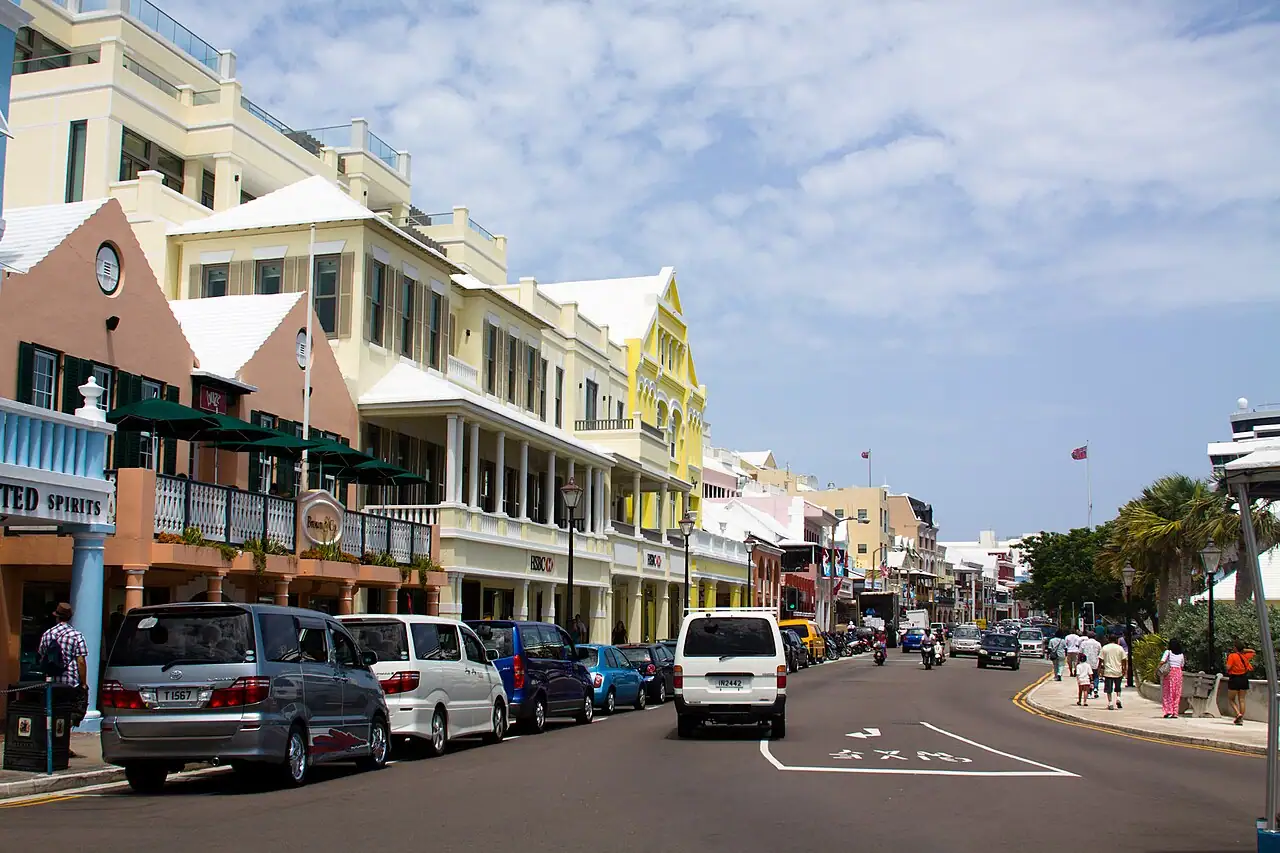
Photo: JoeyBagODonuts, CC BY-SA 3.0, via Wikimedia Commons
Bermuda in July: Best time to go
July is hot and humid, with highs in the mid-80s °F and sea temperatures well into the 80s, ideal for long beach days at Horseshoe Bay and Warwick Long Bay. Late in the month or in early August, the island shuts down for Cup Match, a two-day cricket holiday with huge picnics. Summer sailings carry the most families.
Across Bermuda cruise ports, July brings average highs around 84°F (29°C) and lows near 73°F, with about 4.1 inches of rain over the month and roughly 15 hours of daylight.
- Verdict
- Best time to go
- Season
- Mainly April to early November; best May and June, with warm seas into October. Few or no sailings December to February.
- Average high / low
- 84°F / 73°F
- Rainfall (month)
- 4.1 in
- Daylight
- About 15 hours
- Typical cruise length
- 5 to 7 nights, including two or three days docked in Bermuda
What to pack: light, breathable clothes, swimwear, a sun hat, sunglasses and reef-safe sunscreen, plus a light layer for air-conditioned rooms. It's one of the wetter months, so bring a compact umbrella or rain jacket.
How July compares with the rest of the year
- Jan: No regular sailings
- Feb: No regular sailings
- Mar: No regular sailings
- Apr: Shoulder season
- May: Best time to go
- Jun: Best time to go
- Jul: Best time to go
- Aug: Good time to go
- Sep: Good time to go
- Oct: Good time to go
- Nov: Shoulder season
- Dec: No regular sailings
- No regular sailings
- Shoulder season
- Good time to go
- Best time to go
Bermuda weather in July
| Month | Jan | Feb | Mar | Apr | May | Jun | Jul | Aug | Sep | Oct | Nov | Dec |
|---|---|---|---|---|---|---|---|---|---|---|---|---|
| High °F (°C) | 5111 | 5311 | 5714 | 6418 | 7122 | 7826 | 8429 | 8429 | 8027 | 7222 | 6317 | 5513 |
| Low °F (°C) | 426 | 426 | 457 | 5111 | 6015 | 6720 | 7323 | 7323 | 6920 | 6116 | 5111 | 468 |
| Rain in (mm) | 4.2106 | 3.692 | 3.897 | 3.691 | 3.896 | 4.1103 | 4.1103 | 3.9100 | 4.2107 | 4.6117 | 3.793 | 4.6118 |
| Daylight (hrs) | 10 | 11 | 12 | 13 | 14 | 15 | 15 | 14 | 12 | 11 | 10 | 10 |
July weather port by port
| Port | Avg high | Avg low | Rain | Daylight |
|---|---|---|---|---|
| King's Wharf (Royal Naval Dockyard) | 82°F | 80°F | 2.8 in | 14 h |
| Hamilton | 82°F | 80°F | 2.8 in | 14 h |
| St. George's | 81°F | 80°F | 2.8 in | 14 h |
| New York City | 86°F | 68°F | 5.3 in | 15 h |
| Bayonne (Cape Liberty) | 87°F | 69°F | 5.4 in | 15 h |
| Boston | 83°F | 65°F | 4.5 in | 15 h |
| Baltimore | 90°F | 71°F | 4.9 in | 15 h |
Average daily highs and lows, 2015–2024, from NASA POWER, adjusted to sea level. Rain is the average monthly total.
Other great cruise destinations in July
Bermuda in July: FAQs
Is July a good time to cruise Bermuda?
Yes, it's one of the best months. July is hot and humid, with highs in the mid-80s °F and sea temperatures well into the 80s, ideal for long beach days at Horseshoe Bay and Warwick Long Bay. Late in the month or in early August, the island shuts down for Cup Match, a two-day cricket holiday with huge picnics. Summer sailings carry the most families.
What is the weather like on a Bermuda cruise in July?
Across Bermuda cruise ports, July brings average highs around 84°F (29°C) and lows near 73°F, with about 4.1 inches of rain over the month and roughly 15 hours of daylight. Conditions vary from port to port and day to day.
What should I pack for a Bermuda cruise in July?
Pack light, breathable clothes, swimwear, a sun hat, sunglasses and reef-safe sunscreen, plus a light layer for air-conditioned rooms. It's one of the wetter months, so bring a compact umbrella or rain jacket. Check your cruise line's dress code for evenings.
When is the best time to cruise Bermuda?
Mainly April to early November; best May and June, with warm seas into October. Few or no sailings December to February.. The best months are usually May, June, July.
Where else can I cruise in July?
July is also a top month for Alaska, Canada & New England, Northern Europe, Norwegian Fjords, Baltic Sea.
Updated November 2026 by the BookMyDreamCruise editorial team. How we research and fact-check.
Sources: NASA POWER climate data.