Cruise port · Japan · Japan
Kobe cruise port guide
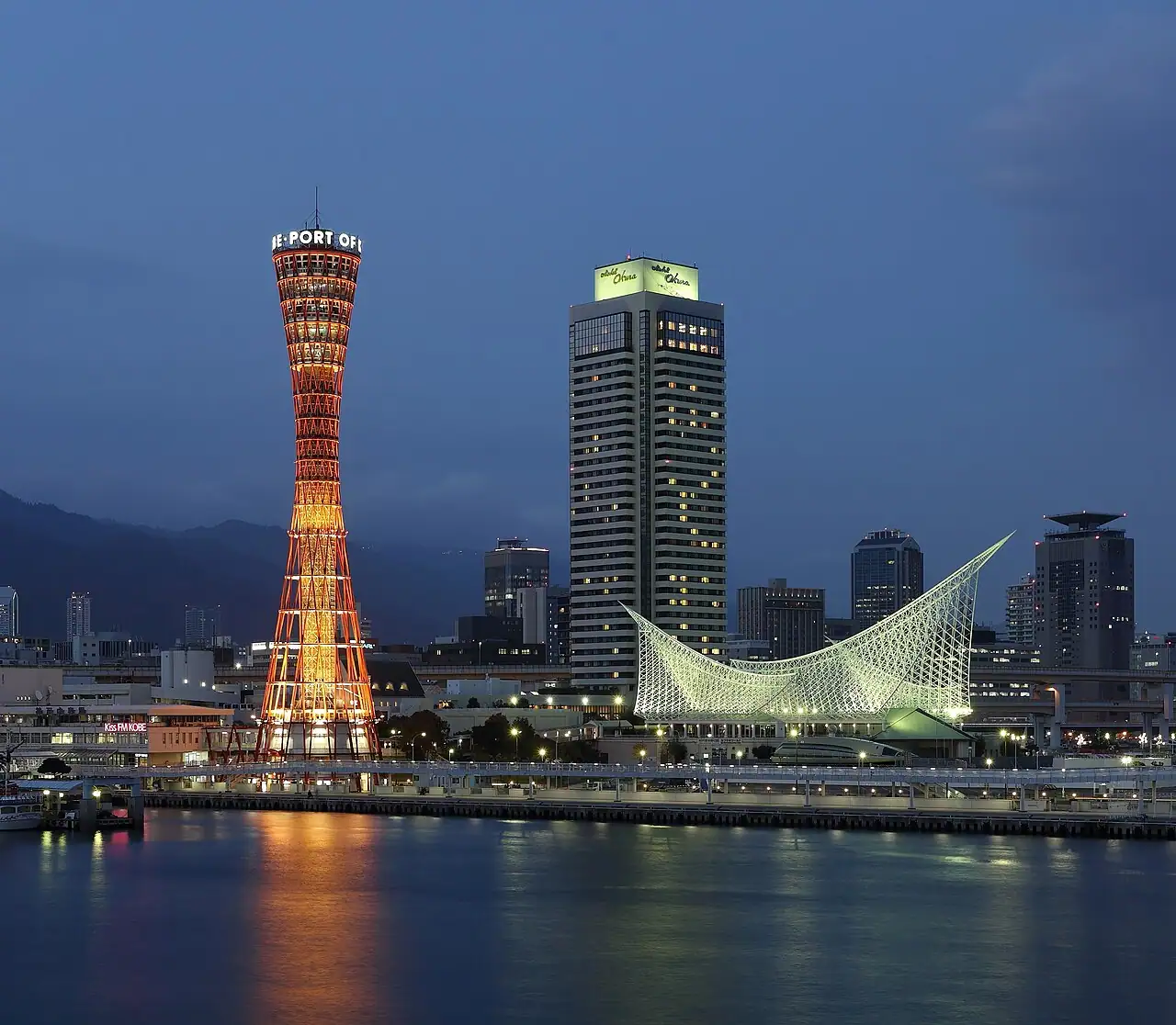
Kobe is a compact, easygoing harbor city where cruise ships dock within walking distance of Chinatown, the waterfront and the shopping streets. Many visitors use it as a base for Kyoto, Osaka or Himeji Castle by train, while others stay local for a Kobe beef lunch, sake breweries and a cable car into the Rokko hills.
- Kobe beef
- Kyoto day trips
- Himeji Castle
- Sake tasting
- Easy walking
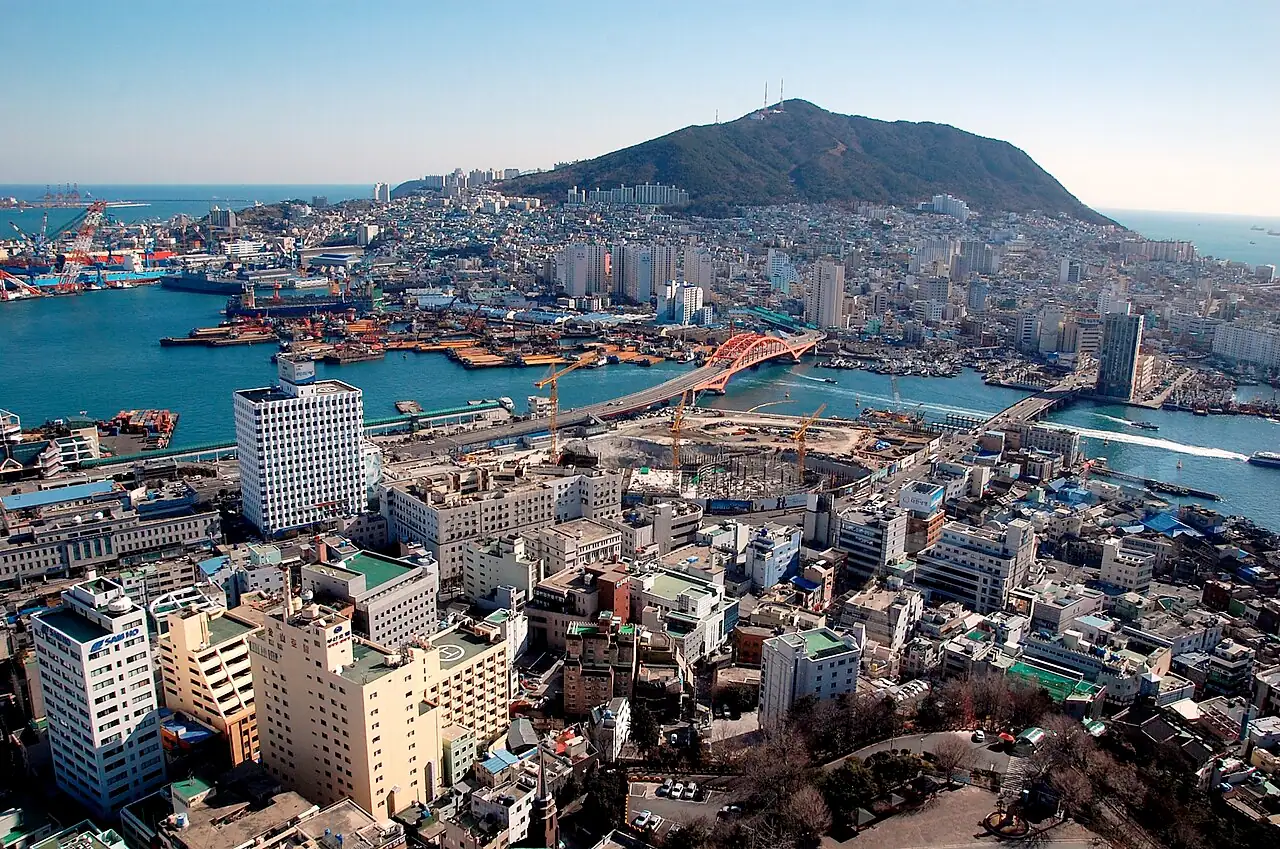
Photo: Martin Falbisoner, CC BY-SA 4.0, via Wikimedia Commons
- Country
- Japan
- Region
- Japan
- Type of stop
- Cruise port
- Language
- Japanese. English signage is good on trains and at major sights; restaurant staff may speak little English.
- Currency
- Japanese yen (¥). Cards are widely accepted, but keep cash for small shops, stalls and shrines.
- Best time to visit
- March–November
- Average highs
- 49–87°F through the year
About Kobe
Kobe sits on a narrow strip of land between Osaka Bay and the Rokko mountains, so the city feels open and walkable, with the hills always in view. It was one of the first Japanese ports opened to foreign trade in the 1860s, and that history shows in the Western-style merchant houses of the Kitano district and in Nankinmachi Chinatown. A preserved section of quay in Meriken Park recalls the 1995 Great Hanshin earthquake, after which the city was rebuilt.
A typical port day splits two ways. Plenty of cruisers head straight for Kyoto’s temples or Himeji’s white castle, accepting a long day of transport for big-name sights. Others prefer a slower day in Kobe itself: a morning walk through Chinatown and the Motomachi shopping arcade, a teppanyaki lunch, then the ropeway up to the Nunobiki Herb Gardens or a sake tasting in the Nada district.
Kobe suits food lovers, first-time visitors to Japan who want an easy, low-stress city, and anyone who wants a single famous day trip. If you’ve already done Kyoto and have little interest in shopping or dining, Kobe’s own sights can be covered in half a day.
Where cruise ships dock in Kobe
Cruise ships use centrally located terminals on the waterfront near Meriken Park and Kobe Port Tower. From the pier you can walk to Harborland, Motomachi and Nankinmachi in about 10 to 20 minutes, and Sannomiya, the main rail hub, is a short walk or taxi ride further. From Sannomiya, JR and private railways reach Osaka in about 20 to 30 minutes, Himeji in about 40 minutes by JR Special Rapid, and Kyoto in roughly an hour. Coach excursions to Kyoto typically take an hour or more each way depending on traffic. Kobe’s central sights fit comfortably into a half day; Kyoto or Himeji fills most of a port day.
Best things to do in Kobe on a cruise
- 1
Kyoto day trip
culture
Kyoto is the most popular excursion from Kobe. On a single day you can realistically see two or three sights, such as Kiyomizu-dera, the gold-leafed Kinkaku-ji or the torii-lined paths of Fushimi Inari Taisha. Independent travelers can take the train from Sannomiya, but sights are spread out and crowded, so a ship tour or private guide helps if you want to hit several in limited time.
- 2
Himeji Castle
history
Himeji Castle is the finest surviving original castle in Japan and a UNESCO World Heritage Site, nicknamed the White Heron for its bright plaster walls. It’s an easy independent trip by JR train from Sannomiya, and the castle is a straight walk up the main street from Himeji Station. Expect steep, narrow wooden stairs inside and shoes-off rules in the keep.
- 3
Kobe beef lunch
food
Kobe beef is a certified brand of Tajima wagyu, and eating it in Kobe is a highlight for many cruisers. Teppanyaki restaurants around Sannomiya and Kitano cook it on a griddle in front of you. Lunch sets are usually far better value than dinner, but it remains a splurge, so look for certification displayed and book ahead if you have your heart set on a particular restaurant.
- 4
Nunobiki Herb Gardens and Shin-Kobe Ropeway
nature
The Shin-Kobe Ropeway rises from near Shin-Kobe Station over Nunobiki Falls to terraced herb and flower gardens with views over the city and bay. You can ride both ways or ride up and walk down past the waterfalls in about 30 to 45 minutes. It’s an easy, relaxing outing that fits into a few hours.
- 5
Nada sake breweries
food
The Nada district east of central Kobe is one of Japan’s most famous sake-producing areas. Several breweries, including Hakutsuru and Kiku-Masamune, run museums with displays of traditional brewing tools and tasting counters. They’re a short train ride from Sannomiya and make an easy, inexpensive half-day.
- 6
Nankinmachi and Motomachi
shopping
Kobe’s Chinatown, Nankinmachi, is a compact grid of food stalls selling steamed pork buns, dumplings and Peking duck wraps. It runs into the long covered Motomachi shopping arcade, good for snacks, Japanese homewares and souvenirs. Both are within a short walk of the cruise piers, which makes them ideal for the last couple of hours before all aboard.
Kobe weather by month
| Month | Jan | Feb | Mar | Apr | May | Jun | Jul | Aug | Sep | Oct | Nov | Dec |
|---|---|---|---|---|---|---|---|---|---|---|---|---|
| High °F (°C) | 4910 | 5010 | 5714 | 6518 | 7222 | 7825 | 8529 | 8731 | 8228 | 7323 | 6418 | 5412 |
| Low °F (°C) | 415 | 405 | 457 | 5211 | 6016 | 6720 | 7625 | 7926 | 7323 | 6418 | 5513 | 457 |
| Rain in (mm) | 2.358 | 2.358 | 4.3108 | 5.5140 | 6.4162 | 8.5217 | 9.2233 | 6.9175 | 8.0203 | 5.9149 | 3.383 | 2.358 |
| Daylight (hrs) | 10 | 11 | 12 | 13 | 14 | 15 | 14 | 13 | 12 | 11 | 10 | 10 |
What to eat and drink in Kobe
Kobe beef is the obvious headline, but don’t stop there. Try sobameshi, a local mix of chopped fried noodles and rice cooked on a griddle, and akashiyaki, soft egg-rich octopus dumplings dipped in light broth, from nearby Akashi. In Nankinmachi, line up for steamed pork buns. Kobe is also known for Western-style bakeries and patisseries, and the Nada breweries mean local sake is easy to find in bars and department store food halls.
Tips for your port day
- If you plan a Kyoto or Himeji trip on your own, check your all-aboard time and leave at least an hour of buffer for trains and the walk back from Sannomiya.
- Buy a rechargeable IC card such as ICOCA, or use one already on your phone if supported, so you can tap through trains and buses without buying paper tickets.
- Carry some yen in cash. Cards are widely accepted in Kobe, but small restaurants, shrines and food stalls may be cash only, and 7-Eleven ATMs generally accept foreign cards.
- Wear shoes that slip off easily: Himeji Castle and many temples require you to remove them.
- Spring cherry blossom season and autumn foliage bring heavy crowds to Kyoto, so expect queues and slower coach travel at those times.
Cruise lines that visit Kobe
Often on the same itinerary
Kobe cruise FAQs
Can you walk from the Kobe cruise port to town?
Yes. Chinatown, Motomachi and the Harborland waterfront are roughly a 10 to 20 minute walk from the cruise piers, and Sannomiya station is a little further or a short taxi ride.
How far is Kyoto from the Kobe cruise port?
About an hour by train from Sannomiya, plus the walk or taxi to the station. Coach tours typically take an hour or more each way, so Kyoto fills most of a port day.
Is it worth eating Kobe beef in Kobe?
Yes, for most beef lovers. It’s expensive, but lunch sets at teppanyaki restaurants are noticeably better value than dinner, and you can confirm authenticity from the certification on display.
Do I need a visa to visit Japan on a cruise?
No, not for US or Canadian citizens on a short visit. You do need a valid passport, and Japan has its own immigration and customs steps for cruise passengers, so follow your cruise line’s instructions.
Is Kobe safe for tourists?
Yes. Like most of Japan, Kobe has very low crime. The usual care with belongings in crowds is all most visitors need.
Updated November 2026 by the BookMyDreamCruise editorial team. How we research and fact-check.
Sources: Wikipedia, Wikidata, NASA POWER climate data.