Cruise travel agents
Caribbean cruise travel agent: how a specialist helps you choose the right island route
A Caribbean cruise specialist helps you choose between Eastern, Western and Southern routes, plan around hurricane season, pick private islands and excursions, and avoid missing the ship. It usually costs nothing extra, since the line pays the commission.
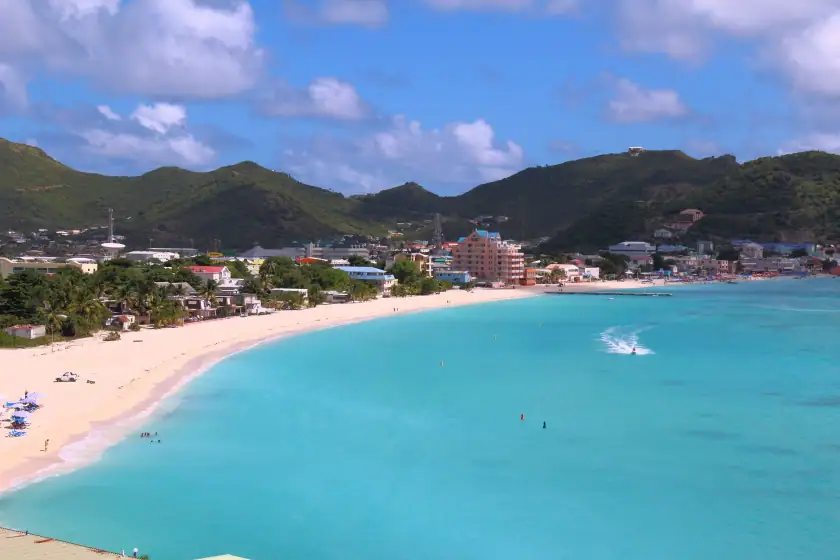
Photo: Clavius66, CC BY-SA 3.0, via Wikimedia Commons
- Main routes
- Eastern, Western and Southern Caribbean, plus the Bahamas and Bermuda
- Cost to you
- Typically nothing; commission comes from the cruise line
- Fare vs booking direct
- Normally identical, since each line controls its pricing
- Hurricane season
- June 1 to November 30, with peak activity from August to October
- Specialist value
- Route and ship choice, homeport logistics, excursions and weather changes
Why use a Caribbean cruise travel agent?
The Caribbean is the most popular cruise region for North Americans, and that’s exactly why choosing gets hard. Dozens of ships sail from more than a dozen US homeports on routes that look alike but deliver very different trips, from beach-focused Western Caribbean loops to port-intensive Southern Caribbean itineraries.
A Caribbean specialist knows which ports suit snorkelers, history lovers and families, which itineraries include a private island, and which sailings tend to be packed with spring breakers or school-holiday crowds. They also help with the practical parts: flights into Florida or Texas, a pre-cruise hotel night and what happens if a storm changes the route.
Eastern, Western or Southern Caribbean: a specialist’s view
Each route has a distinct personality, and a specialist will pair the route with what you want from the trip.
- Western Caribbean: Cozumel, Costa Maya, Roatan, Belize and Grand Cayman, with Mayan ruins, reef snorkeling and cenotes. Often from Galveston, New Orleans, Tampa and Miami.
- Eastern Caribbean: St. Thomas, St. Maarten and San Juan, with beaches, duty-free shopping and colonial history, usually from Florida or the Northeast.
- Southern Caribbean: Aruba, Curaçao, Barbados, St. Lucia and Antigua, often from San Juan or on longer cruises from Florida, with more variety and fewer sea days.
- Bahamas: short cruises from Florida, typically including Nassau and a private island.
- Bermuda: from New York, Boston, Baltimore and other Northeast ports, usually with two or three days docked in Bermuda.
Private islands, tender ports and excursions
Private islands are a big part of many Caribbean cruises, and they differ a lot. Royal Caribbean’s Perfect Day at CocoCay, Disney’s Castaway Cay, MSC’s Ocean Cay and Norwegian’s Great Stirrup Cay each offer something different, and many charge extra for waterparks, beach clubs and cabanas. A specialist will tell you what’s free and what’s worth paying for.
Some ports, such as Grand Cayman and Belize City, are tender ports, where small boats carry passengers ashore, which can mean waits at busy times. A specialist will also suggest which excursions are best booked through the ship and where independent tours or a simple beach day make more sense, always leaving plenty of time to get back before all-aboard.
Hurricane season and choosing when to sail
Hurricane season runs from June 1 to November 30, with peak activity typically from August to October. Ships rarely sail into storms; they reroute, swap ports or adjust schedules. Fares can be lower during this period, but itinerary changes are more likely.
A specialist explains the trade-offs, may suggest a Southern Caribbean route that tends to see less storm activity, and recommends travel insurance that covers weather disruptions and missed connections. Winter and spring offer the most reliable weather, with higher demand around holidays and spring break.
Homeports, flights and avoiding a missed ship
Miami, Fort Lauderdale, Port Canaveral, Galveston and Tampa are the busiest Caribbean homeports, with others including New Orleans, San Juan, Baltimore, Charleston and New York. A specialist helps you choose based on flight options, driving distance and the itineraries offered from each port.
One of the most common problems is flying in on embarkation day and missing the ship after a delay. A good agent recommends arriving the day before, helps book a hotel and transfer, and knows how to contact the line quickly if something goes wrong.
Passports and documents for Caribbean cruises
US citizens on closed-loop cruises, which start and end at the same US port, can often sail with a birth certificate and government-issued photo ID instead of a passport. A specialist will still usually recommend a passport, because if you need to fly home from a foreign port after an emergency, you’ll need one.
Canadian citizens and travelers of other nationalities should check their own entry requirements, and a specialist can point you to the right guidance. Rules can change, so confirm documents with the cruise line before you sail.
How Caribbean cruise travel agents are paid
On a Caribbean cruise, the agent’s pay is a commission the cruise line takes out of the fare it already charges, excluding taxes, fees and port charges. A seven-night Western Caribbean balcony costs the same through a specialist as on the line’s website for the same cabin and promotion.
A Caribbean cruise booking itself almost never carries an agent fee. Fees are more common for destination weddings in port, big reunions or trips that add hotel nights in Miami or San Juan. Some agencies add perks where lines permit. Lines control Caribbean fares, so the specialist’s value is time saved and problems solved.
Questions to ask a Caribbean cruise travel agent
Ask a few of these and you’ll quickly learn whether the agent knows the islands or just the booking screen.
- Which Caribbean route would you suggest for our interests, and why?
- Which ports on this itinerary are tender ports?
- Which private island extras are worth paying for?
- How would you plan around hurricane season if we sail in late summer or fall?
- Should we fly in the day before, and can you help with the hotel?
- Is there a fee for your help, and what CLIA training have you completed?
How BookMyDreamCruise works
One vetted cruise specialist, matched to your trip
1. Tell us your trip
Where, when, who's going and your budget.
2. We match one specialist
A vetted, licensed agent who knows the region and the cruise lines. Only one, never a crowd.
3. Get one real quote
An all-in price, contacted the way you choose: email, call or text. One click stops contact.
Quotes are free with no obligation. Specialists may pay us a referral fee, which never changes your price. We open for quote requests this winter, starting with a founding group of specialists in December 2026.
Frequently asked questions
Is it cheaper to book a Caribbean cruise through a travel agent?
In most cases the price is identical, since the lines set Caribbean fares. A specialist adds value by recommending the right route and ship, watching for price drops and helping if weather or flights disrupt plans.
Which is better, Eastern or Western Caribbean?
It depends on your interests. Western Caribbean routes offer Mayan ruins, reef snorkeling and adventure excursions, while Eastern Caribbean routes focus on beaches, shopping and colonial history.
Is it safe to cruise the Caribbean during hurricane season?
Generally yes. Cruise lines monitor storms closely and reroute ships to avoid them, though itinerary changes are more likely from August to October. Travel insurance is a good idea.
Do I need a passport for a Caribbean cruise?
Not always for US citizens on closed-loop cruises, which can accept a birth certificate and photo ID. A passport is still strongly recommended in case you need to fly home from a foreign port.
What is the best time of year for a Caribbean cruise?
December through April offers the most reliable weather, with the highest demand around holidays and spring break. Late spring and early summer can bring good weather and lower fares.
Do Caribbean cruise travel agents charge fees?
Most charge nothing for a Caribbean cruise because the line pays them. Planning fees tend to be reserved for destination weddings, big reunions and trips with several hotel nights, and should be disclosed first.
Updated November 2026 by the BookMyDreamCruise editorial team. How we research and fact-check.