Cruise travel agents
European cruise travel agent: planning a Mediterranean or Northern Europe cruise with a specialist
A European cruise specialist plans flights and pre-cruise hotels, explains which ports are far from the sights, compares ship tours with independent days and handles strikes or port changes. The cruise fare itself is normally unchanged.
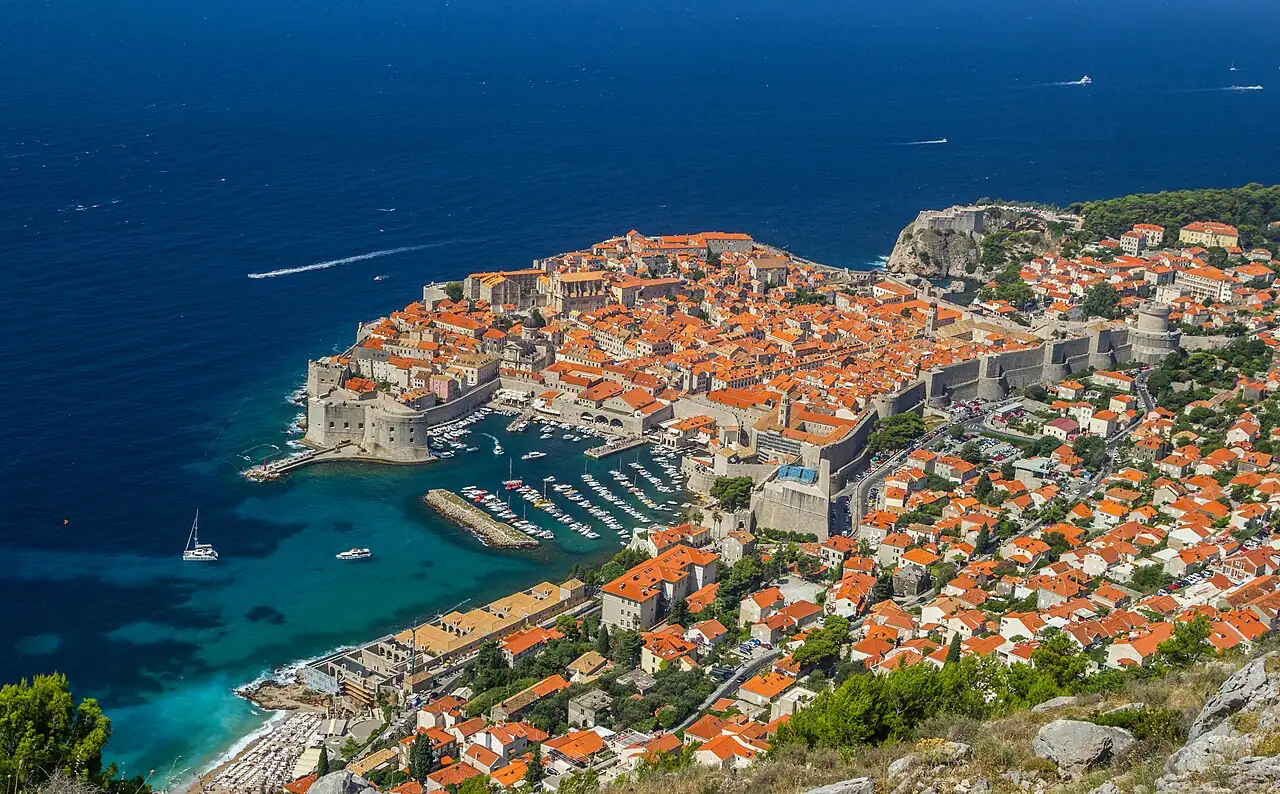
Photo: Zysko serhii, CC BY-SA 4.0, via Wikimedia Commons
- Main season
- April to October, with the busiest, hottest months in July and August
- Cost to you
- Often no fee for the cruise; some agents charge for complex land planning
- Fare vs booking direct
- Typically unchanged for the cruise itself, since lines set fares
- Biggest specialist value
- Flights, hotels and transfers, port logistics and choosing the right line
- Plan for
- At least one night in your embarkation city to absorb jet lag and delays
Why use a travel agent for a European cruise?
A European cruise has far more moving parts than a Caribbean getaway. You’re flying overnight across the Atlantic, often starting and ending in different cities, visiting ports where the famous sights can be an hour or more away, and dealing with several currencies, languages and entry rules. A specialist who plans Europe regularly ties all of that together.
The cruise itself is only part of the trip. Most North American travelers add hotel nights in Barcelona, Rome, Venice, Athens or London, and many combine the cruise with rail travel or a land tour. Getting those pieces right is where an agent earns their keep.
Ports that aren’t where you think they are
Many European cruise ports are named for the city you want to see but are actually some distance away. A specialist explains the real travel time and helps you decide between a ship excursion, a private tour or exploring independently.
- Civitavecchia, Rome’s cruise port, is roughly an hour or more from the city center by road or train.
- Livorno serves Florence and Pisa, with Florence well over an hour away.
- Le Havre is the usual stop for Paris, about three hours each way.
- Southampton, the main port for London, is around two hours from the capital.
- Large ships no longer sail into central Venice, and many itineraries use nearby ports such as Trieste or Ravenna instead.
- Santorini is a tender port, and lines for the cable car up to Fira can be long.
Flights, hotels and transfers: where planning matters most
A specialist will usually recommend arriving at least a day before the cruise to recover from the overnight flight and give yourself a buffer for delays. They’ll help with open-jaw flights when the cruise starts in one city and ends in another, and suggest neighborhoods for pre-cruise hotel nights close to transfers or sights.
Transfers can be surprisingly complicated. Getting from Rome to Civitavecchia, from London to Southampton or from Venice to a nearby port involves trains, shuttles or private cars, and a specialist will set up the most reliable option for your group and luggage.
Choosing the right cruise line for Europe
Lines approach Europe very differently, and a specialist will explain the trade-offs honestly.
- Mainstream lines such as Royal Caribbean, Norwegian and Princess: familiar American-style ships with lots of onboard activities.
- MSC and Costa: European lines with an international passenger mix, multilingual announcements and often lower fares.
- Celebrity, Viking and Oceania: more destination-focused itineraries, longer port days and a calmer atmosphere.
- Smaller ships and luxury lines: reach smaller ports and harbors big ships can’t, often with more included.
- River cruises: an alternative for inland Europe along the Rhine, Danube or Seine.
Strikes, heat, crowds and other things that go wrong
European travel comes with its own disruptions. Transport strikes can affect flights, trains and port operations; summer heat can make long excursions draining; and popular ports such as Dubrovnik, Santorini and Barcelona can be very crowded when several ships call at once. Some cities have introduced measures to manage cruise visitors.
A specialist can suggest shoulder-season sailings in spring or fall, recommend travel insurance that covers missed connections and strikes, and step in if a port is skipped or a flight is canceled. They’ll also remind you to check passport validity and the Schengen area’s current entry rules, which have been changing.
Mediterranean, Northern Europe and the British Isles
The Mediterranean is split into the western half, with Spain, France and Italy, and the eastern half, with Greece, Croatia and Turkey. Northern Europe cruises cover Scandinavia, the Norwegian fjords and the Baltic, while British Isles itineraries circle the UK and Ireland. Each has a different season and pace, and some Northern Europe ports have limited shore time.
A specialist helps choose based on your interests, the time of year and how many port days you can handle. Port-intensive itineraries can be tiring, and a sea day in the middle of a busy week can make the trip more enjoyable.
How European cruise travel agents are paid
The cruise portion of a European trip works like any other: the line pays the agency a commission on the fare, leaving out taxes, port charges and fees, and you pay what the line would charge you directly.
Because European trips often involve hotels, rail, transfers and private tours that may pay little or no commission, some specialists charge a planning fee for that land work. A good agent explains the fee and what it covers up front. Some agencies also add perks where lines allow, but none can routinely beat the line’s own fare.
Questions to ask a European cruise travel agent
Someone who plans Europe often will have firm, practical answers to these.
- Have you sailed or visited the ports on this itinerary?
- How far is each port from the main sights, and should we take a ship tour or go independently?
- How many nights would you suggest before and after the cruise, and where should we stay?
- How would you handle a strike or canceled flight?
- Do you charge a planning fee for hotels, transfers and tours?
- Do you hold CLIA certification?
How BookMyDreamCruise works
One vetted cruise specialist, matched to your trip
1. Tell us your trip
Where, when, who's going and your budget.
2. We match one specialist
A vetted, licensed agent who knows the region and the cruise lines. Only one, never a crowd.
3. Get one real quote
An all-in price, contacted the way you choose: email, call or text. One click stops contact.
Quotes are free with no obligation. Specialists may pay us a referral fee, which never changes your price. We open for quote requests this winter, starting with a founding group of specialists in December 2026.
Frequently asked questions
Is it worth using a travel agent for a European cruise?
Often yes. European cruises involve overnight flights, hotels, transfers and ports far from the main sights, and a specialist ties them together and helps when plans change. The cruise fare is generally the same as booking direct.
How far is Rome from the cruise port?
Civitavecchia, Rome’s cruise port, is roughly an hour or more from the city center by road or train, depending on traffic. Many cruisers take a ship excursion, train or private transfer.
When is the best time for a Mediterranean cruise?
Late spring and early fall offer pleasant weather and smaller crowds. July and August are the hottest and busiest months, with higher demand and fares.
Should I arrive a day early for a European cruise?
Yes. Arriving at least a day early gives you time to recover from the overnight flight and a buffer if your flight is delayed or canceled.
Do European cruise travel agents charge fees?
Often not for the cruise portion, which the line’s commission covers. Hotels, rail, transfers and private guides may carry a planning fee, since many pay agents little or nothing, so ask in advance.
Do I need a visa for a European cruise?
US and Canadian citizens generally don’t need a visa for short tourist visits to most European countries, but entry rules are changing. Check current requirements for each country well before you sail.
Updated November 2026 by the BookMyDreamCruise editorial team. How we research and fact-check.