River cruises
Columbia & Snake River cruises
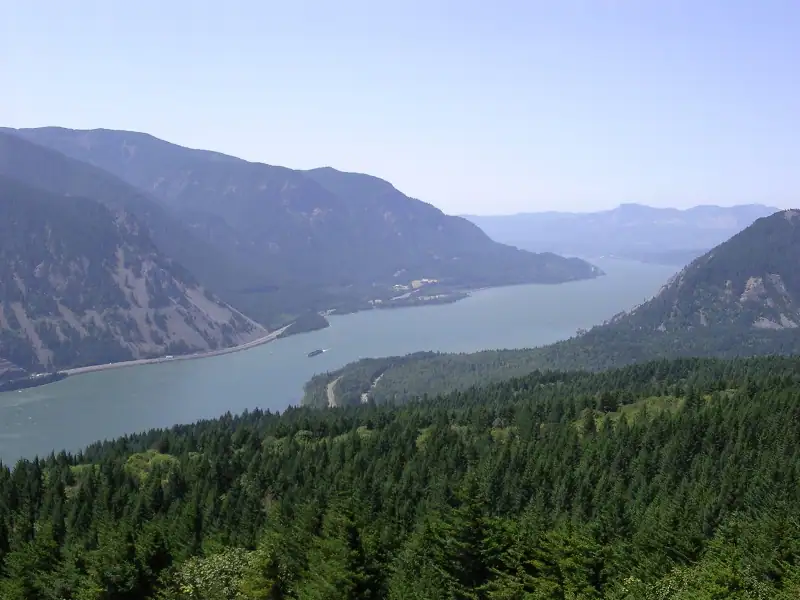
Columbia and Snake River cruises follow the route of Lewis and Clark for about 465 miles between Portland, Oregon, and Clarkston, Washington, near Lewiston, Idaho, on small riverboats and paddlewheelers. Most trips last 7 or 8 nights and pass through eight locks, the Columbia River Gorge and the high desert wine country of eastern Washington. American Cruise Lines runs most sailings, from roughly spring to late fall, with May and September to October the sweet spots.
- Season: Roughly March or April to November; best May, September and October.
- Typical length: 7 to 8 nights between Portland and Clarkston
Photo: The original uploader was Cacophony at English Wikipedia ., CC BY-SA 3.0, via Wikimedia Commons
- Season
- Roughly March or April to November; best May, September and October.
- Typical length
- 7 to 8 nights between Portland and Clarkston
- Best months
- May, Jun, Sep, Oct
- Main departure ports
- Varies
- Ports covered here
- 0
- Cruise lines
- 1 lines sail here
What a Columbia & Snake Rivers cruise is like
This is the Pacific Northwest’s great river journey. Starting near Portland or at Astoria, close to where the Columbia meets the Pacific, the boat heads upstream through the Columbia River Gorge, a canyon of basalt cliffs and waterfalls cut through the Cascade Range. East of the mountains the scenery shifts dramatically to rolling wheat fields, sagebrush and vineyards, and the journey ends on the Snake River at the twin towns of Clarkston and Lewiston, the farthest inland port on the West Coast.
Along the way you rise more than 700 feet through eight locks, including the John Day lock, one of the highest single-lift locks in the country, and stop at towns that tell the stories of the Oregon Trail, the Nez Perce people, the salmon fishery and the Manhattan Project. Lewis and Clark’s Corps of Discovery traveled this route by canoe in 1805, and historians on board bring their journals to life.
Expect a small, gracious ship of under 200 guests, included daily excursions, regional food and wine, and no seasickness. It suits history buffs, wine lovers and travelers who prefer a slow pace and an older, mostly American crowd. Summers east of the Cascades are hot and can bring wildfire smoke, so spring and fall are the most comfortable seasons.
Best time to cruise Columbia & Snake Rivers
- Jan: No regular sailings
- Feb: No regular sailings
- Mar: Shoulder season
- Apr: Good time to go
- May: Best time to go
- Jun: Best time to go
- Jul: Good time to go
- Aug: Good time to go
- Sep: Best time to go
- Oct: Best time to go
- Nov: Shoulder season
- Dec: No regular sailings
- No regular sailings
- Shoulder season
- Good time to go
- Best time to go
JanuaryNo regular sailings
No cruises sail in January. The Gorge is wet and gray, with occasional ice storms when frigid air pours through from the east, and the high desert around the Tri-Cities is cold and sometimes snowy. The locks typically close for scheduled maintenance at some point in winter, so treat this as a planning month for spring and fall departures.
FebruaryNo regular sailings
February has no sailings. Steelhead anglers and waterfall hikers have the Gorge mostly to themselves, and snow lingers on the Blue Mountains near Walla Walla. Spring departures, especially those timed for wildflowers and orchard blossoms, often sell out early, so reserve now if you want April or May.
MarchShoulder season
The first sailings may begin late in the month once the locks reopen after winter maintenance. Waterfalls in the Gorge are at full force from rain and snowmelt, and days are cool and showery, mostly in the 50s °F. Early-season fares are often lower than in May or the fall, and the riverbanks are turning green.
AprilGood time to go
April brings the Gorge’s famous wildflower show, with yellow balsamroot and purple lupine carpeting the slopes around Rowena Crest, and orchards blooming white and pink along the Hood River Fruit Loop. Spring Chinook salmon begin passing Bonneville Dam. Weather is mild but changeable, so pack for sun and showers on the same day.
MayBest time to go
May is one of the best months: the hills of eastern Washington are briefly emerald green, waterfalls still flow strongly and temperatures sit in the 60s and 70s °F. Vineyards leaf out in the Columbia Valley, and the Palouse wheat fields look like rolling velvet. It all comes before the summer heat and any wildfire smoke.
JuneBest time to go
June brings long days and warm, dry weather east of the Cascades, with sockeye and summer Chinook running at Bonneville. Strong west winds through the Gorge fill Hood River with colorful kites and sails. Temperatures in the Tri-Cities climb into the 80s °F, so morning excursions are more comfortable than afternoons.
JulyGood time to go
July is hot in eastern Washington and Oregon, often in the 90s °F and sometimes higher, while the Gorge stays breezy and milder. River towns celebrate the Fourth of July with parades and fireworks. Wildfire smoke can haze the sky in some years, so travelers with breathing problems may prefer spring or fall.
AugustGood time to go
August is the hottest, driest month, and wildfire smoke can occasionally hide the Gorge cliffs and Cascade volcanoes. The Palouse wheat harvest turns the hills gold, and Columbia Valley winemakers prepare for harvest. Pack a hat, sunscreen and a refillable water bottle for shore excursions in the high desert.
SeptemberBest time to go
September is a sweet spot, with warm days, cooler nights and the fall Chinook run peaking at Bonneville’s fish ladders. The Pendleton Round-Up, one of the oldest rodeos in the West, fills town in mid-month, and grape harvest begins in Walla Walla and the Columbia Valley. Smoke risk tends to fade as the month goes on.
OctoberBest time to go
October brings golden cottonwoods and maples to the Gorge, crush season at Walla Walla wineries and crisp, comfortable weather, often in the 60s °F. It’s one of the most popular months on the river, and with so few boats on the route, balcony cabins sell out early.
NovemberShoulder season
The season winds down in November, with cooler, rainier weather in the Gorge and frosty mornings east of the Cascades. Fewer departures run, and fares are often lower than in October. Wintering bald eagles start arriving along the rivers, and the last of the fall salmon spawn in the tributaries.
DecemberNo regular sailings
Few or no sailings run in December. The Gorge is wet and cold, east winds can make it bitterly raw, and winter settles over the wheat country. Scheduled lock maintenance in the winter months also limits navigation, so plan for a spring or fall departure and look at next year’s dates now.
Average weather across Columbia & Snake Rivers ports
| Month | Jan | Feb | Mar | Apr | May | Jun | Jul | Aug | Sep | Oct | Nov | Dec |
|---|---|---|---|---|---|---|---|---|---|---|---|---|
| High °F (°C) | 499 | 489 | 5211 | 5513 | 6116 | 6518 | 6921 | 7021 | 6719 | 6016 | 5311 | 489 |
| Low °F (°C) | 415 | 405 | 426 | 447 | 4910 | 5311 | 5613 | 5714 | 5412 | 5010 | 447 | 415 |
| Rain in (mm) | 11.8300 | 8.3212 | 7.2183 | 5.6142 | 2.871 | 2.257 | 0.512 | 0.719 | 2.973 | 7.4188 | 11.4289 | 12.8324 |
| Daylight (hrs) | 9 | 10 | 12 | 14 | 15 | 16 | 15 | 14 | 13 | 11 | 9 | 9 |
Columbia & Snake Rivers cruise highlights
- 1
Columbia River Gorge and Multnomah Falls
The Columbia River Gorge National Scenic Area is lined with waterfalls, most famously Multnomah Falls, which plunges about 620 feet in two tiers. The Vista House at Crown Point offers a sweeping view up the river. Spring brings the fullest waterfalls and wildflowers on the slopes.
- 2
Bonneville Dam and its fish ladders
The first lock on the route is at Bonneville Dam, where underwater viewing windows let you watch salmon and steelhead climbing the fish ladders. Spring and fall bring the biggest runs, with fall Chinook usually peaking in September.
- 3
Astoria and Lewis and Clark
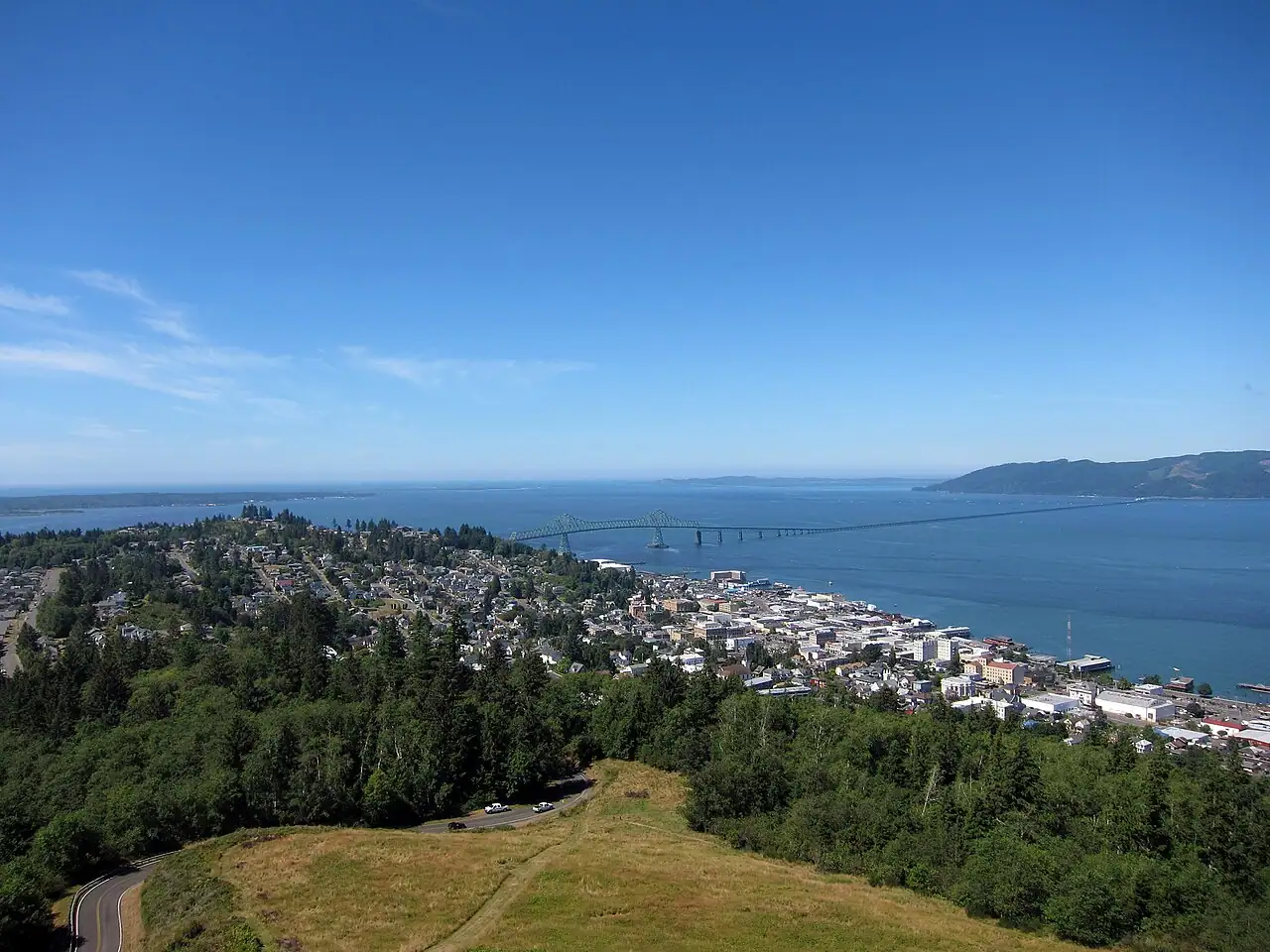
At the mouth of the Columbia, Astoria offers the Columbia River Maritime Museum, the hilltop Astoria Column and Fort Clatsop, a replica of the fort where Lewis and Clark wintered in 1805 and 1806, part of Lewis and Clark National Historical Park.
- 4
Hood River and the Maryhill Museum
Hood River is known for windsurfing and kiteboarding thanks to the Gorge’s steady winds, plus orchards and wineries on the Fruit Loop drive. Farther east, the Maryhill Museum of Art sits on a bluff near a full-size replica of Stonehenge built as a World War I memorial.
- 5
Pendleton and the Oregon Trail
From Umatilla, tours visit Pendleton, home of the famous woolen mills, the Pendleton Round-Up rodeo each September, and underground tours of tunnels once used by Chinese workers and saloon owners. Nearby sites tell the story of the Oregon Trail pioneers.
- 6
Walla Walla wine and the Tri-Cities
Near Richland, Kennewick and Pasco, the Columbia Valley grows grapes in sunny high desert. Tours visit wineries in the Walla Walla Valley, or the Hanford Site’s B Reactor, part of the Manhattan Project National Historical Park.
- 7
Hells Canyon jet boat
At Clarkston and Lewiston, jet boats race up the Snake River into Hells Canyon, the deepest river gorge in North America, passing rapids, petroglyphs and bighorn sheep. The nearby Nez Perce National Historical Park explains the history of the Nimiipuu people.
Typical Columbia & Snake Rivers itineraries
- 1
7- or 8-night upstream from Portland to Clarkston
Astoria, the Columbia River Gorge, Hood River, The Dalles, Umatilla for Pendleton, the Tri-Cities for Walla Walla, and Clarkston for Hells Canyon, climbing through all eight locks as the scenery turns from rainforest to high desert.
- 2
7- or 8-night downstream from Clarkston to Portland
The same route in reverse, starting with the Hells Canyon jet boat and finishing with the Gorge’s waterfalls and Astoria. Travelers starting in Clarkston usually fly into Spokane or Lewiston.
- 3
Pre- or post-cruise nights in Portland
Many travelers add a night in Portland for its food carts and restaurants, the International Rose Test Garden and day trips to Mount Hood or Mount St. Helens.
Columbia & Snake Rivers ports of call
Cruise lines that sail Columbia & Snake Rivers
Columbia & Snake Rivers cruise tips
- Choose spring or fall for the most comfortable temperatures. Summer heat east of the Cascades can be intense, and wildfire smoke is possible in late summer.
- Pack layers and a light rain jacket. The Gorge can be windy and cool, while the high desert is warm and dry.
- Arrive in Portland at least a day early. It’s easy to explore, and you’ll have a buffer if flights are delayed.
- Book the Hells Canyon jet boat early if it’s an optional excursion; it’s popular and space is limited.
- Bring binoculars to spot eagles, ospreys, herons and bighorn sheep along the rivers.
Columbia & Snake River cruises: FAQs
When is the best time for a Columbia and Snake River cruise?
May, September and October offer the best balance of comfortable weather, scenery and fewer crowds. Spring brings waterfalls and wildflowers, while fall offers harvest season, salmon runs and color.
How long is a Columbia and Snake River cruise?
Most last 7 or 8 nights, sailing one way between Portland, Oregon, and Clarkston, Washington, near Lewiston, Idaho.
Do I need a passport for a Columbia and Snake River cruise?
No, not for US citizens. These cruises stay within the United States, so government-issued photo ID is enough. Visitors from Canada and other countries need a passport to enter the US.
Which cruise line is best for the Columbia and Snake Rivers?
American Cruise Lines offers the most sailings, with modern riverboats and classic paddlewheelers. A few small expedition-style ships also sail the route in spring and fall.
How many locks are on a Columbia and Snake River cruise?
Eight. Four are on the Columbia River (Bonneville, The Dalles, John Day and McNary) and four on the Snake River (Ice Harbor, Lower Monumental, Little Goose and Lower Granite). Together they lift ships more than 700 feet.
Updated November 2026 by the BookMyDreamCruise editorial team. How we research and fact-check.
Sources: Wikidata, NASA POWER climate data.