River cruises
Mekong River cruises
Mekong river cruises sail between Cambodia and Vietnam, usually for 7 nights between Kampong Cham or Phnom Penh and the Mekong Delta near Ho Chi Minh City, within 12- to 16-day tours that add Siem Reap for Angkor Wat. The most comfortable weather is from November to February; March to May is very hot, and the June to October rainy season brings high water and lush scenery. Expect villages, temples and markets rather than cities.
- Season: Year-round on some lines; best weather November to February
- Typical length: 7 nights on the river within 12- to 16-day Cambodia and Vietnam tours
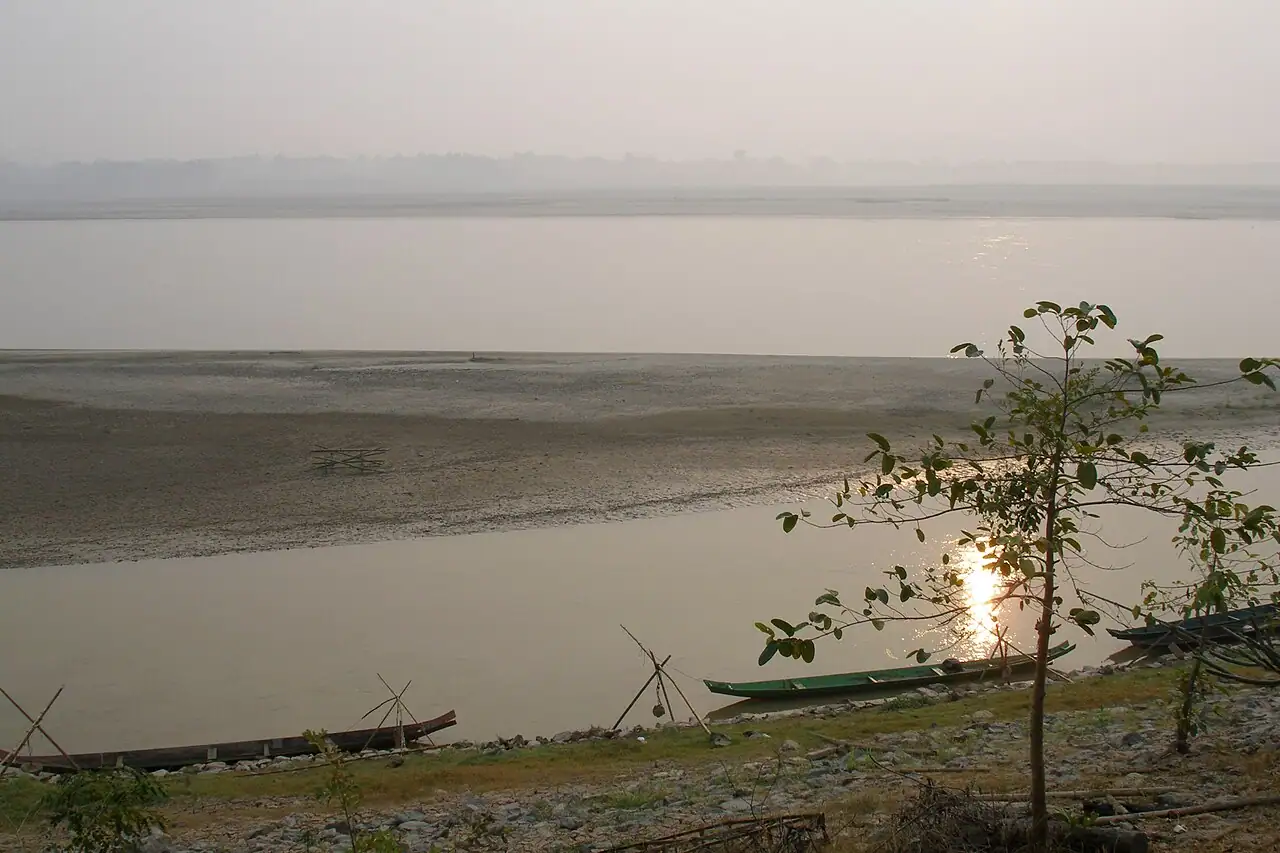
Photo: Vyacheslav Argenberg, CC BY 4.0, via Wikimedia Commons
- Season
- Year-round on some lines; best weather November to February
- Typical length
- 7 nights on the river within 12- to 16-day Cambodia and Vietnam tours
- Best months
- Jan, Feb, Nov, Dec
- Main departure ports
- Varies
- Ports covered here
- 0
- Cruise lines
- 5 lines sail here
What a Mekong River cruise is like
A Mekong cruise is a window on rural Southeast Asia. Small ships, most carrying fewer than 130 passengers, moor along the riverbanks or at simple piers, and local boats carry you to stilt-house villages, silk-weaving and pottery workshops, floating markets and Buddhist pagodas. It’s an intimate, culturally rich trip quite unlike Europe’s rivers.
Nearly every itinerary is a land-and-river package. You fly into Siem Reap for two or three nights at the temples of Angkor, then transfer by coach to the ship at Kampong Cham, Prek Kdam or Phnom Penh, depending on the river level. The cruise spends time in Phnom Penh, with its Royal Palace and sobering Khmer Rouge memorials, crosses into Vietnam and ends in the Mekong Delta with a transfer to Ho Chi Minh City. Many tours add Hanoi and Ha Long Bay.
The seasons shape the river. Monsoon rains from roughly June to October swell the Mekong and push water back up into the Tonlé Sap lake, whose river famously reverses its flow, leaving the landscape green and the river wide. Low water from about February to May can shorten the navigable stretch, so lines shift embarkation points. Heat is constant, with highs of 85–95°F (29–35°C) most of the year and hotter in April.
It suits curious, flexible travelers interested in culture, food and recent history. It’s less suited to anyone who struggles with heat, simple landings up muddy banks and gangplanks, or emotionally difficult sites such as the Killing Fields. Some lines run fewer departures in the hottest and wettest months, so check schedules early.
Best time to cruise Mekong River
- Jan: Best time to go
- Feb: Best time to go
- Mar: Good time to go
- Apr: Shoulder season
- May: Shoulder season
- Jun: Shoulder season
- Jul: Shoulder season
- Aug: Good time to go
- Sep: Shoulder season
- Oct: Good time to go
- Nov: Best time to go
- Dec: Best time to go
- No regular sailings
- Shoulder season
- Good time to go
- Best time to go
JanuaryBest time to go
Dry and as comfortable as the Mekong gets, with highs around 88°F (31°C), cooler mornings and relatively low humidity. It’s peak season, so Angkor Wat’s sunrise viewpoint is crowded and departures fill early. The river is falling but still navigable along the full route.
FebruaryBest time to go
Tết, the Vietnamese Lunar New Year, usually falls in late January or February. Sa Dec’s flower villages supply blooms for the holiday, and towns fill with decorations, though many businesses close for several days. Skies stay dry and sunny, and low water may begin to limit how far upstream ships can sail.
MarchGood time to go
Heat builds into the mid-90s °F (34–35°C) and the landscape turns dusty. Low water may move embarkation downstream, so check where your ship starts. Angkor remains rewarding if you go at sunrise, and crowds begin to ease after the winter peak.
AprilShoulder season
The hottest month, often 95–100°F (35–38°C). Khmer New Year, in mid-April, brings water blessings, games and family gatherings, and many Cambodians travel home. Some lines run fewer departures, and excursions are concentrated in the early morning and late afternoon.
MayShoulder season
Heat and humidity linger, but the first monsoon showers arrive late in the month and bring some relief. Lotus ponds start to bloom. The river is still low, and prices and crowds are among the lowest of the year.
JuneShoulder season
The rainy season begins in earnest, usually as heavy afternoon downpours that clear quickly. Rice planting starts, the countryside turns green and the river begins to rise. Fewer travelers make it a quiet, good-value time for those who don’t mind getting wet.
JulyShoulder season
Rain falls most days, often in short, intense bursts, and humidity is high, with temperatures around 90°F (32°C). Angkor’s moats and reservoirs are full, reflecting the temples beautifully, and the sites are far less crowded than in winter.
AugustGood time to go
High-water season brings the river to a broad, brown flood and lifts floating villages on their pontoons, while rice paddies glow green. Showers are frequent but rarely last all day. Ships can often reach more of the river, and fares remain lower than in peak season.
SeptemberShoulder season
Often the wettest month, with flooding possible in low-lying parts of the Delta. Pchum Ben, Cambodia’s 15-day festival honoring ancestors, falls in September or October, when families bring food offerings to pagodas. Some excursions may be adjusted for muddy conditions.
OctoberGood time to go
The river and the Tonlé Sap reach their peak, rains ease toward the end of the month and the countryside is at its most lush. Heat and humidity remain high. A rewarding shoulder month, especially for photographers who want green landscapes and dramatic skies.
NovemberBest time to go
Bon Om Touk, Cambodia’s Water Festival, celebrates the Tonlé Sap’s return to its normal flow with dragon-boat races in Phnom Penh and huge crowds, usually in November. The dry season begins, humidity drops and the high season gets underway.
DecemberBest time to go
Typically the most comfortable month, with dry, clear days around 86°F (30°C) and pleasant evenings on deck. River levels are still good. Christmas and New Year departures are popular and fill early, and Angkor is at its busiest.
Average weather across Mekong River ports
| Month | Jan | Feb | Mar | Apr | May | Jun | Jul | Aug | Sep | Oct | Nov | Dec |
|---|---|---|---|---|---|---|---|---|---|---|---|---|
| High °F (°C) | 7926 | 8328 | 8731 | 9032 | 9032 | 8831 | 8731 | 8731 | 8730 | 8429 | 8228 | 7826 |
| Low °F (°C) | 6519 | 6719 | 7122 | 7624 | 7926 | 8027 | 8027 | 8027 | 7926 | 7624 | 7222 | 6719 |
| Rain in (mm) | 1.948 | 1.435 | 1.742 | 2.462 | 7.1181 | 12.3313 | 12.7323 | 13.4342 | 10.7273 | 7.4187 | 3.179 | 1.640 |
| Daylight (hrs) | 11 | 12 | 12 | 13 | 13 | 13 | 13 | 13 | 12 | 12 | 11 | 11 |
Mekong River cruise highlights
- 1
Angkor Wat and the temples of Angkor
Before the cruise, watch sunrise behind Angkor Wat’s five towers, then explore the Bayon’s giant smiling stone faces in Angkor Thom and the jungle-strangled ruins of Ta Prohm. The pink sandstone carvings of Banteay Srei are worth the extra drive. Covered shoulders and knees are required at the main temples.
- 2
Phnom Penh’s Royal Palace and riverfront
The golden-roofed Royal Palace and the Silver Pagoda, floored with silver tiles, are the city’s showpieces, joined by the National Museum’s Khmer sculpture and the domed Art Deco Central Market. Ships moor near the riverfront promenade, and cyclo rides are a classic way to see the city.
- 3
Tuol Sleng and Choeung Ek
The Tuol Sleng Genocide Museum, a former school used as a Khmer Rouge prison, and the Choeung Ek memorial, one of the Killing Fields, tell the story of the regime that killed a large share of Cambodia’s population in the 1970s. Visits are harrowing but important, and usually optional.
- 4
Village life along the river
Stops include Koh Chen’s silversmiths, Kampong Chhnang’s potters, the hilltop temple of Wat Hanchey near Kampong Cham and Oudong, a former royal capital. Many lines arrange a blessing from Buddhist monks at a local pagoda, a quiet and moving experience.
- 5
Floating markets and the Mekong Delta
In Vietnam, small boats thread through canals lined with water coconut palms to the Cai Be floating market, workshops making rice paper and coconut candy, and Sa Dec, home of the house that inspired Marguerite Duras’ novel The Lover. Tan Chau is known for silk and floating fish farms.
- 6
Ho Chi Minh City’s street food
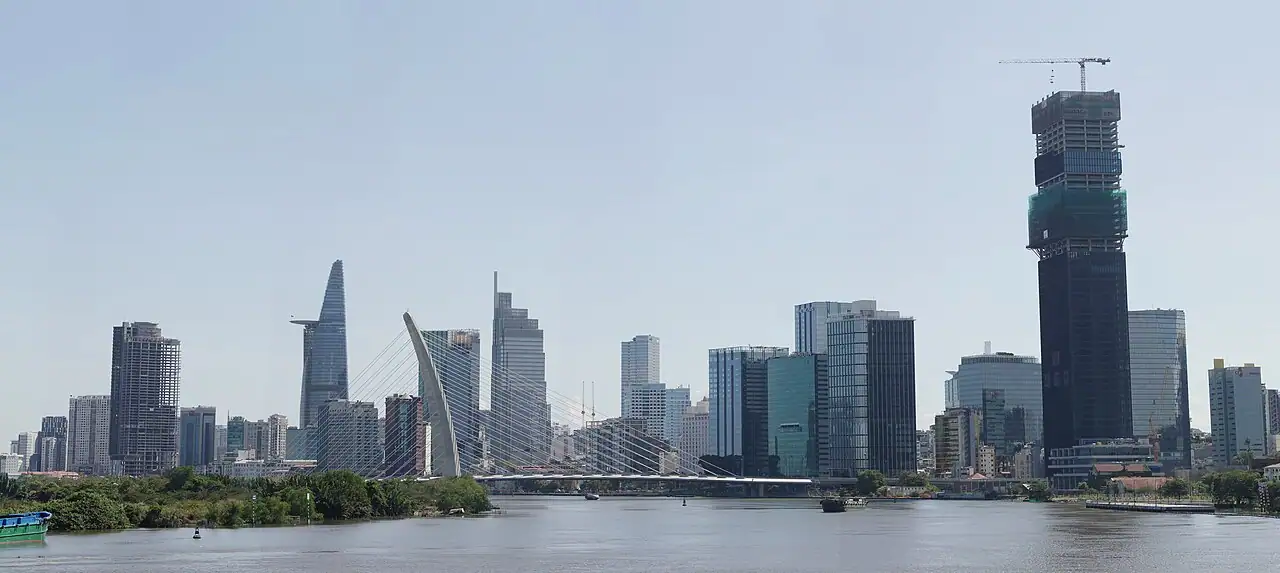
Most tours end in the city still widely called Saigon, where you can join an evening street-food tour by scooter or on foot for pho, banh mi, broken rice and strong iced coffee with condensed milk, between visits to its French-colonial landmarks.
Typical Mekong River itineraries
- 1
7-night Cambodia to Vietnam
From Kampong Cham, Prek Kdam or Phnom Penh downstream to the Mekong Delta near My Tho, or the reverse, with two days in Phnom Penh, village visits, Tan Chau, Sa Dec and Cai Be, ending with a transfer to Ho Chi Minh City.
- 2
12- to 16-day Angkor, Mekong and Saigon
Two or three nights in Siem Reap for Angkor, the 7-night cruise and one or two nights in Ho Chi Minh City. The standard package from AmaWaterways, Scenic, Uniworld, Emerald and Viking.
- 3
18- to 21-day Vietnam, Cambodia and the Mekong
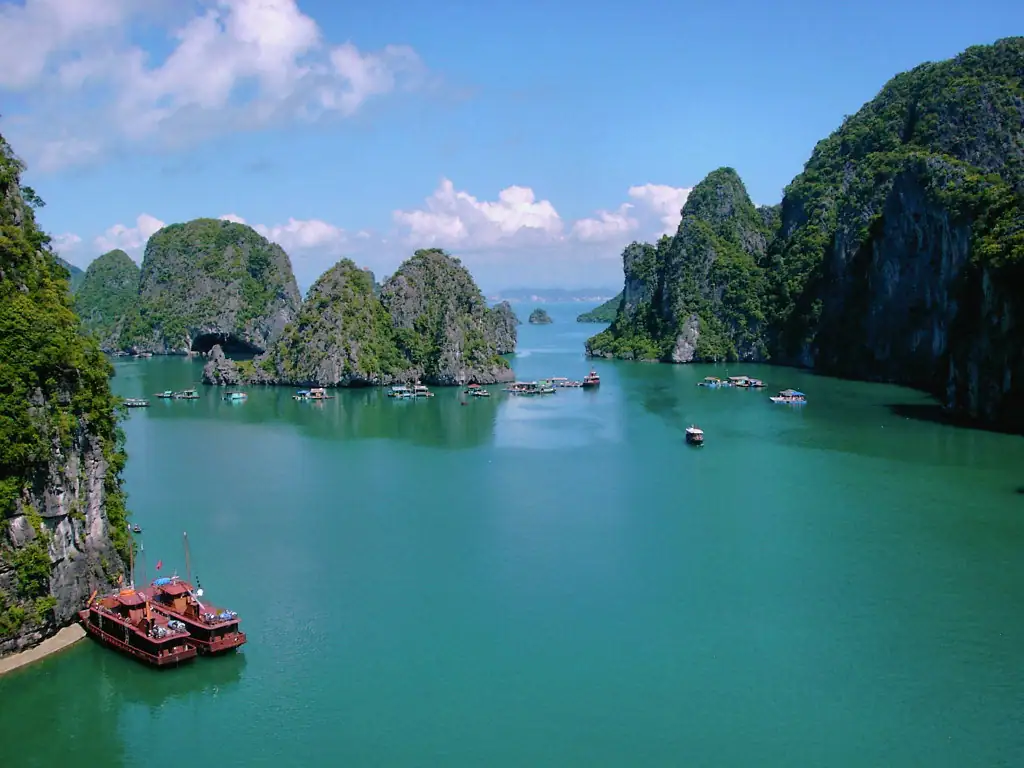
Extended tours adding Hanoi, an overnight on a traditional boat in Ha Long Bay and sometimes Hoi An, for a complete picture of both countries.
- 4
Upper Mekong in Laos
Two- or three-night journeys on small local boats between Huay Xai, on the Thai border, and Luang Prabang, a UNESCO-listed town of golden temples and saffron-robed monks, through hills and limestone gorges.
Mekong River ports of call
Cruise lines that sail Mekong River
Mekong River cruise tips
- Check visa requirements early. US and Canadian citizens need visas for both Cambodia and Vietnam, generally available as e-visas, and some lines arrange the Cambodian visa as part of the package.
- Bring small, crisp US dollar bills. They’re widely used in Cambodia alongside the riel, but torn or marked notes are often refused. In Vietnam, use dong for small purchases.
- Pack sturdy sandals or shoes with grip for landings, which can involve gangplanks, steep riverbank steps and mud, plus lightweight clothing that covers shoulders and knees for temples.
- Use insect repellent and ask a travel clinic about vaccinations and any malaria advice for your route. Dengue occurs in both countries.
- Pace yourself in the heat. Drink plenty of water, rest during midday and save energy for sunrise at Angkor, which means a very early start.
Mekong River cruises: FAQs
When is the best time for a Mekong river cruise?
November to February. That’s the dry season, with the most comfortable temperatures and low humidity. March to May is very hot, and June to October brings rain and high water, with greener scenery and fewer travelers.
How long is a Mekong river cruise?
The river portion is usually 7 nights between Cambodia and Vietnam. Most travelers book it as part of a 12- to 16-day tour that includes Siem Reap and Ho Chi Minh City, and longer tours add Hanoi and Ha Long Bay.
Can you see Angkor Wat on a Mekong river cruise?
Yes, as part of the package. Ships don’t sail to Angkor itself, so tours include two or three nights in Siem Reap before or after the cruise, with guided visits to Angkor Wat, Angkor Thom and Ta Prohm.
Do I need visas for a Mekong river cruise?
Yes. US and Canadian citizens need visas for Cambodia and Vietnam, usually obtained online as e-visas before travel. Your cruise line will explain which documents it arranges and which you must apply for yourself.
Is a Mekong river cruise physically demanding?
Moderately. Daily excursions involve walking in heat, climbing riverbank steps and stepping into small boats, and some villages have uneven paths. Some ships have no elevator, so travelers with limited mobility should check with the line before choosing.
Which river cruise line is best for the Mekong?
AmaWaterways, Scenic, Uniworld, Emerald and Viking all offer Mekong packages combining Angkor, the river and Ho Chi Minh City. Compare ship size, cabin balconies, how much is included and how many nights are spent in Siem Reap.
Updated November 2026 by the BookMyDreamCruise editorial team. How we research and fact-check.
Sources: Wikidata, NASA POWER climate data.