River cruises
Douro River cruises
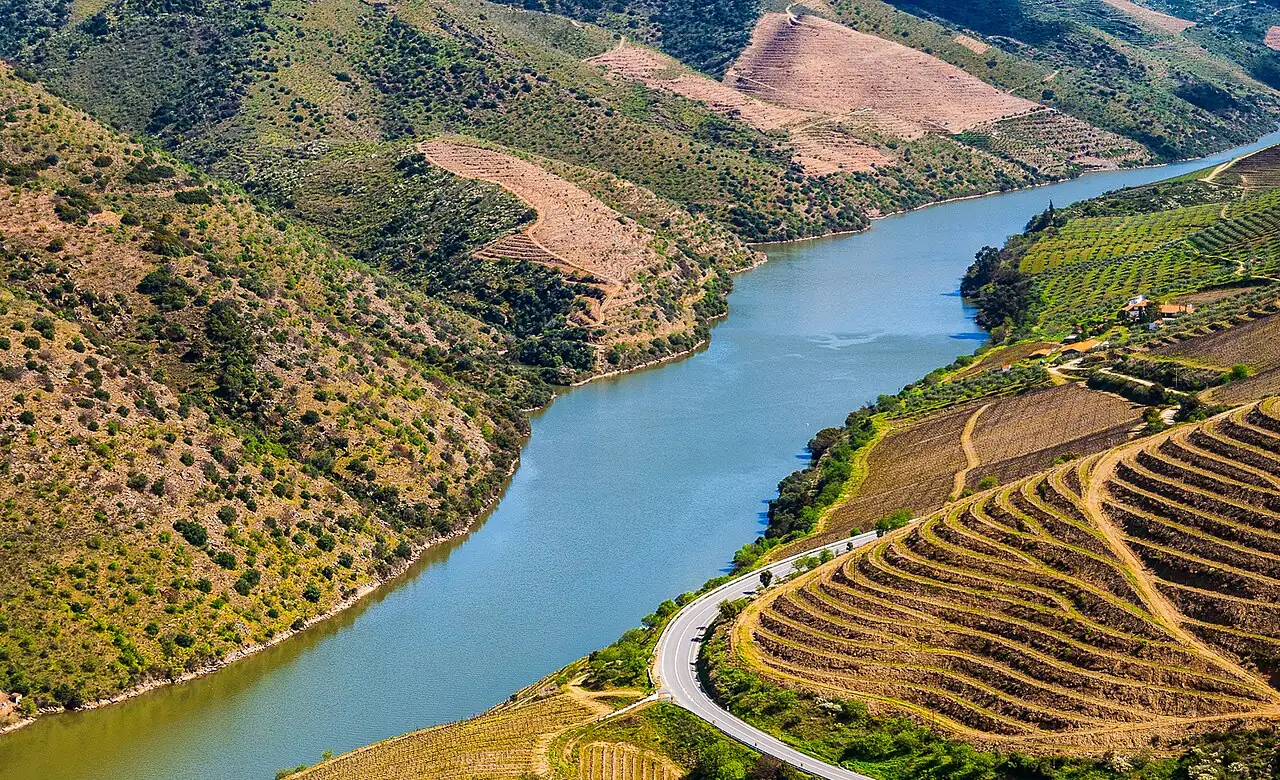
Douro river cruises sail Portugal’s port-wine valley, usually on 7-night round trips from Porto that travel upriver through steep terraced vineyards to the Spanish border, with a day trip to Salamanca. The season runs from about March to November. September and early October bring the grape harvest, while July and August are very hot inland. Ships are smaller than on other European rivers because of the locks, one of which lifts vessels about 115 feet (35 m).
- Season: March to November; grape harvest in September and early October
- Typical length: 7 nights round trip from Porto; 10–12 days with Lisbon or Madrid
Photo: Turismo En Portugal, CC BY 2.0, via Wikimedia Commons
- Season
- March to November; grape harvest in September and early October
- Typical length
- 7 nights round trip from Porto; 10–12 days with Lisbon or Madrid
- Best months
- May, Jun, Sep, Oct
- Main departure ports
- Varies
- Ports covered here
- 0
- Cruise lines
- 5 lines sail here
What a Douro River cruise is like
The Douro is arguably the most scenic of Europe’s wine rivers. Above Peso da Régua, the valley narrows into the Alto Douro, a UNESCO-listed landscape of hand-built terraces stepping up the hillsides, white quintas (wine estates) and small villages such as Pinhão, whose railway station is covered in blue-and-white azulejo tiles. Ships cruise for much of the day, so the scenery is a big part of the experience.
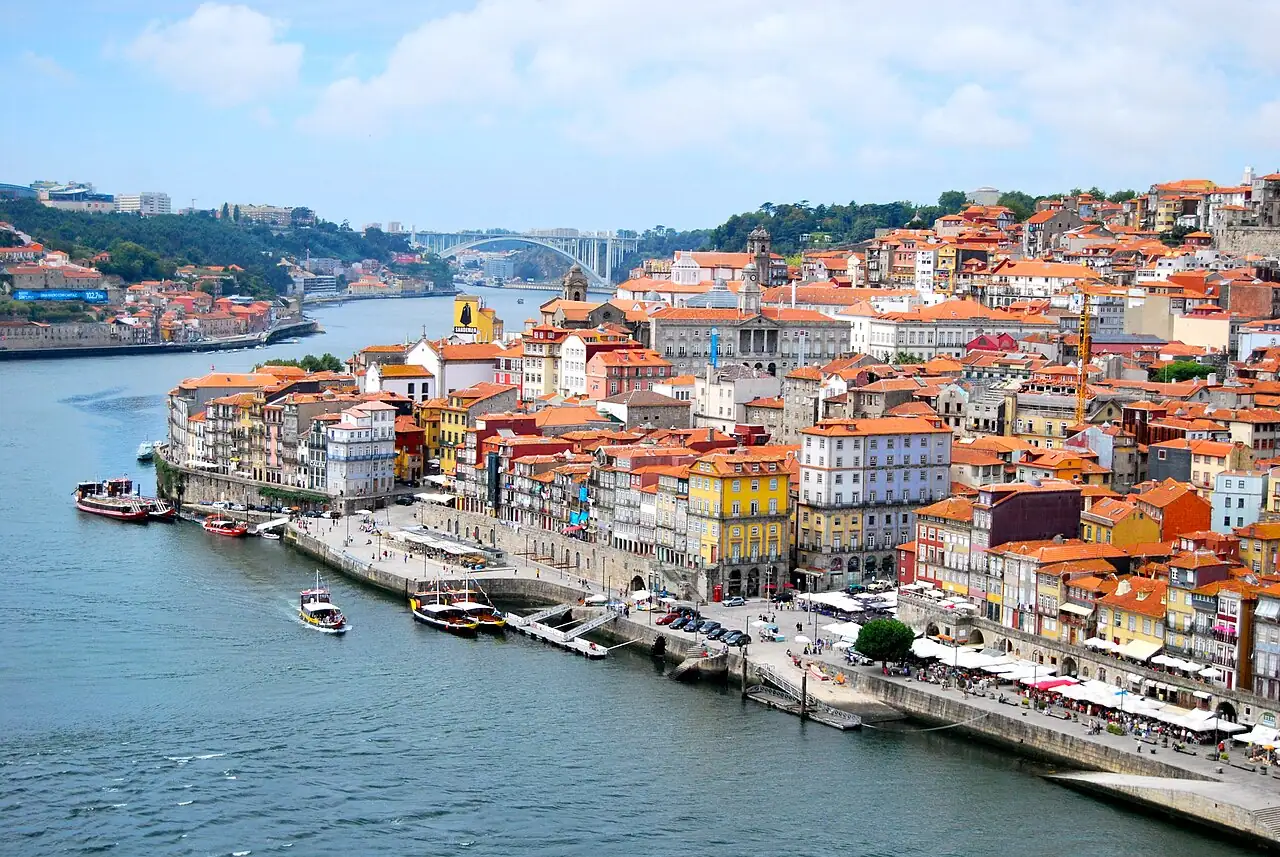
Porto, at the river’s mouth, is a highlight in its own right, with steep lanes, tiled churches and the port lodges of Vila Nova de Gaia across the water. From there, ships climb through five locks, including Carrapatelo, one of the tallest in Europe, to reach Barca d’Alva and Vega de Terrón at the Spanish border, the jumping-off point for a coach day to the golden sandstone university city of Salamanca.
Douro ships are compact, usually carrying around 100 to 120 passengers, because the locks and narrow channel limit their size. Summer heat in the upper valley is intense, often above 95°F (35°C) in July and August, so spring and the harvest months are the sweet spots. Many itineraries pair the river with a few days in Lisbon or Madrid.
It’s ideal for wine lovers, photographers and anyone who prefers a calm, scenic pace to a city a day. It’s less suited to travelers who want lots of towns to explore, since beyond Porto the stops are mostly villages, wine estates and small cities such as Lamego and Vila Real.
Best time to cruise Douro River
- Jan: No regular sailings
- Feb: No regular sailings
- Mar: Shoulder season
- Apr: Good time to go
- May: Best time to go
- Jun: Best time to go
- Jul: Shoulder season
- Aug: Shoulder season
- Sep: Best time to go
- Oct: Best time to go
- Nov: Shoulder season
- Dec: No regular sailings
- No regular sailings
- Shoulder season
- Good time to go
- Best time to go
JanuaryNo regular sailings
No river cruises sail in January, and Porto is in the middle of its rainy season, with mild highs around 57°F (14°C). The port lodges in Gaia stay open for tastings, and the city’s cafés make a cozy winter base, but the valley’s vines are bare and pruned.
FebruaryNo regular sailings
Still no sailings. Late in the month, almond trees start to blossom white and pink in the upper Douro around Vila Nova de Foz Côa, a sign that spring is near. Porto remains wet and mild, and the river runs high after winter rain.
MarchShoulder season
The season opens in the middle or second half of the month. Almond blossom festivals brighten the upper valley early in March, terraces turn green and highs reach the low 60s °F (16–17°C). Heavy rain can raise the river and occasionally delay passage through the locks.
AprilGood time to go
Fresh vine leaves unfurl, wildflowers fill the banks and highs climb toward 68°F (20°C). Easter brings processions to Porto and the valley towns. Showers are still frequent, but the scenery is at its greenest and ships are rarely full.
MayBest time to go
The vines flower, the valley is lush and highs in the mid-70s °F (23–24°C) make quinta walks and tastings a pleasure. Days are long and rain becomes rarer. One of the best months for photography, before summer haze sets in.
JuneBest time to go
Porto celebrates its patron saint, São João, on the night of June 23, with grilled sardines, pots of basil, balloons drifting over the river and crowds cheerfully tapping each other with plastic hammers. Inland, the valley warms into the mid-80s °F (29–30°C).
JulyShoulder season
Very hot in the upper valley, where Pinhão often reaches 95–100°F (35–38°C), though Porto stays cooler thanks to Atlantic breezes. Excursions are scheduled for mornings, and afternoons are best spent on the shaded deck. The grapes are swelling but still green.
AugustShoulder season
Usually the hottest month, with inland temperatures that can top 100°F (38°C) and a risk of wildfires in the surrounding hills. Lines may adjust excursions on the hottest days. Lamego’s festival season begins late in the month, and veraison turns the grapes purple.
SeptemberBest time to go
Harvest time. Pickers work the terraces, and some quintas still tread grapes by foot in granite lagares, sometimes inviting guests to join in. Lamego’s pilgrimage festival peaks on September 8. Highs ease into the low 80s °F (27–28°C), and demand for these sailings is high.
OctoberBest time to go
The harvest wraps up early in the month, and the terraces turn red, orange and gold, a spectacular sight from the river. Highs settle around 70°F (21°C), and the first autumn rains arrive later in the month. A strong contender for the best month of the year.
NovemberShoulder season
The last sailings depart early in the month as rain becomes frequent and the vineyards fade. On São Martinho, November 11, the Portuguese roast chestnuts and drink young wine at village gatherings. Highs fall to around 60°F (15–16°C).
DecemberNo regular sailings
No regular cruises. Porto strings Christmas lights across its avenues and stages fireworks over the Ribeira on New Year’s Eve, making it a pleasant, mild winter city break. Expect rain on many days and highs in the high 50s °F (13–14°C).
Average weather across Douro River ports
| Month | Jan | Feb | Mar | Apr | May | Jun | Jul | Aug | Sep | Oct | Nov | Dec |
|---|---|---|---|---|---|---|---|---|---|---|---|---|
| High °F (°C) | 5815 | 6015 | 6116 | 6418 | 6920 | 7122 | 7524 | 7624 | 7423 | 7021 | 6418 | 6116 |
| Low °F (°C) | 5010 | 5110 | 5211 | 5513 | 5815 | 6116 | 6317 | 6418 | 6317 | 6116 | 5613 | 5312 |
| Rain in (mm) | 3.488 | 2.768 | 3.486 | 3.179 | 1.847 | 1.027 | 0.37 | 0.39 | 1.640 | 4.2106 | 4.2107 | 3.794 |
| Daylight (hrs) | 10 | 11 | 12 | 13 | 14 | 15 | 15 | 14 | 12 | 11 | 10 | 9 |
Douro River cruise highlights
- 1
Porto and the Gaia port lodges
River ships moor along the Douro in Porto or across the water in Vila Nova de Gaia, steps from the cellars of the great port houses, where tours end with tastings of tawny, ruby and white port. Cross the double-decker Dom Luís I Bridge to the Ribeira waterfront and climb to the Clérigos Tower and the tiled São Bento station.
- 2
The Alto Douro terraces and Pinhão
The heart of port country, where terraced vineyards rise in tiers from the riverbank. Pinhão’s station is decorated with tile panels showing harvest scenes, and nearby quintas host tastings and long lunches with views over the vines.
- 3
Salamanca
About two hours by coach from Vega de Terrón, Salamanca’s Plaza Mayor is one of Spain’s grandest squares. Its university, founded in the 13th century, is among the oldest in Europe; look for the tiny carved frog hidden on its ornate facade. The old and new cathedrals stand side by side.
- 4
Mateus Palace near Vila Real
The baroque manor house pictured on Mateus rosé bottles sits behind a reflecting pool, with formal gardens and a tunnel of cedar trees. It’s a popular half-day excursion from Régua.
- 5
Lamego’s pilgrimage stairway
Hundreds of steps, decorated with azulejo tiles, fountains and statues, zigzag up to the baroque sanctuary of Nossa Senhora dos Remédios. Coaches can drop you at the top so you walk down. The town’s big religious festival peaks in early September.
- 6
Rising through Carrapatelo lock
One of the river’s memorable moments happens on board: the ship slips into a deep concrete chamber and is lifted about 115 feet (35 m) as the water rises. Watch from the sun deck as the dripping walls slide past and the valley view opens up at the top.
- 7
Castelo Rodrigo and the Côa Valley
Near the Spanish border, the walled hilltop village of Castelo Rodrigo overlooks almond groves. Nearby, the Côa Valley Archaeological Park protects open-air rock engravings of horses and wild cattle made tens of thousands of years ago.
Typical Douro River itineraries
- 1
7-night Porto round trip
Porto, Régua, Pinhão, Vega de Terrón for Salamanca, Barca d’Alva for Castelo Rodrigo, and back via Lamego or Mateus, with tastings at quintas along the way. Offered by every Douro line.
- 2
10- to 12-day Lisbon and the Douro
Two or three nights in Lisbon, often with Sintra or Óbidos, followed by the 7-night river cruise from Porto. A natural way to see Portugal’s two great cities and its wine country.
- 3
Madrid, the Douro and Lisbon
Longer packages adding a land stay in Madrid or a rail journey across Spain, connecting at Salamanca or Porto, for travelers who want Iberia’s capitals and the river in one trip.
Douro River ports of call
Cruise lines that sail Douro River
Douro River cruise tips
- Avoid midsummer if you dislike heat. Spring and the harvest months of September and October offer comfortable temperatures and the valley at its most beautiful.
- Remember that Spain is one hour ahead of Portugal. On the Salamanca day, keep your watch or phone on ship time so you don’t misjudge the return coach.
- Bring a wide-brimmed hat, sunscreen and a refillable bottle. The terraces and quinta tours have little shade, and the sun reflects off the river and the schist rock.
- Porto is steep. Use the Guindais funicular or a taxi to reach the upper town from the riverfront, and wear shoes with good grip on the polished granite paving.
- Expect a smaller cabin than on Rhine or Danube ships, since Douro vessels are built to fit the locks. Pack light, and ask whether your line includes wine with meals.
Douro River cruises: FAQs
When is the best time for a Douro river cruise?
May, September and October. May is green and mild, while September and early October bring the grape harvest and autumn color on the terraces. July and August are very hot inland, often above 95°F (35°C).
How hot is the Douro Valley in summer?
Very hot. Upper-valley towns such as Pinhão regularly reach 95–100°F (35–38°C) in July and August, and can go higher. Porto, on the coast, is milder. If you sail in summer, plan morning excursions and use the ship’s shade and pool in the afternoon.
How long is a Douro river cruise?
Most are 7 nights round trip from Porto, sailing up to the Spanish border and back. Many lines sell 10- to 12-day packages that add nights in Lisbon or Madrid.
Do Douro river cruises go to Spain?
Yes, briefly. Ships reach the Spanish border at Vega de Terrón and Barca d’Alva, and most itineraries include a full-day coach excursion to Salamanca, about two hours away. Portugal and Spain are both in the Schengen area, so there are no passport checks at the border.
Are wine tastings included on a Douro river cruise?
Usually at least one or two. Most lines include visits to quintas or port lodges with tastings, and some include wine with lunch and dinner on board. Higher-end lines may include more tastings and premium wines; check your line’s inclusions.
Which river cruise line is best for the Douro?
Viking runs the most Douro departures, AmaWaterways and Uniworld offer smaller, boutique ships, Scenic is all-inclusive with butler service and Emerald is a good-value option. All sail similar 7-night routes, so compare inclusions and cabin size.
Updated November 2026 by the BookMyDreamCruise editorial team. How we research and fact-check.
Sources: Wikidata, NASA POWER climate data.