Polar & expedition
Iceland, Greenland & Arctic cruises
Iceland and Arctic cruises explore volcanic Iceland, the Faroe Islands, Greenland’s ice fjords and Norway’s Svalbard archipelago, mostly between late May and September. Big ships circle Iceland or include it on 12- to 16-night voyages from Reykjavík, Southampton or Amsterdam, while expedition ships reach Greenland and Svalbard on 7- to 14-night trips. June to August brings the midnight sun, puffins and whales, and September adds the first northern lights.
- Season: Late May to September; Greenland and Svalbard mainly June to August
- Typical length: 7–10 nights around Iceland; 12–16 nights from Europe; 10–14-night Arctic expeditions
Photo: Hedwig Storch, CC BY-SA 3.0, via Wikimedia Commons
- Season
- Late May to September; Greenland and Svalbard mainly June to August
- Typical length
- 7–10 nights around Iceland; 12–16 nights from Europe; 10–14-night Arctic expeditions
- Best months
- Jun, Jul, Aug
- Main departure ports
- Reykjavík, Southampton (London), Amsterdam
- Ports covered here
- 7
- Cruise lines
- 16 lines sail here
What a Iceland, Greenland & the Arctic cruise is like
This is the most dramatic scenery in the North Atlantic: waterfalls pouring off lava cliffs, steaming geothermal valleys, glaciers calving into fjords and icebergs the size of city blocks drifting past Ilulissat. Wildlife is a major draw, from Iceland’s puffins and humpback whales to walrus, reindeer and, with luck, polar bears in Svalbard.
There are two very different ways to go. Mainstream and premium ships sail Iceland round trips from Reykjavík or add Iceland to longer voyages from the UK and Northern Europe, calling at Akureyri, Ísafjörður and Seyðisfjörður and often the Faroe Islands. Expedition ships from lines such as HX, Ponant, Lindblad, Quark and Silversea carry Zodiac landing craft, naturalist teams and ice-strengthened hulls into Greenland’s fjords and around Svalbard, landing on beaches and tundra rather than at piers.
Plan for weather, not sunshine. Summer highs in Reykjavík sit in the mid-50s °F (12–14°C), Greenland and Svalbard are colder, and fog, wind and swell can cancel landings or tender calls. Rules are tightening too: Norway has strengthened environmental protections in Svalbard, limiting where larger ships can go beyond Longyearbyen, and Iceland has added per-passenger charges on cruise visits, so itineraries change from year to year.
These voyages suit travelers who love landscapes, wildlife and photography and don’t mind cool weather and early starts. They’re less ideal if you want nightlife ashore or reliably calm seas; the open North Atlantic between Iceland, the Faroes and Greenland can be rough.
Best time to cruise Iceland, Greenland & the Arctic
- Jan: No regular sailings
- Feb: Shoulder season
- Mar: Shoulder season
- Apr: No regular sailings
- May: Shoulder season
- Jun: Best time to go
- Jul: Best time to go
- Aug: Best time to go
- Sep: Good time to go
- Oct: Shoulder season
- Nov: No regular sailings
- Dec: No regular sailings
- No regular sailings
- Shoulder season
- Good time to go
- Best time to go
Iceland, Greenland & the Arctic in JanuaryNo regular sailings
No cruising. Iceland becomes a winter land trip, with roughly four to five hours of daylight in Reykjavík, ice caves open in Vatnajökull and the northern lights overhead on clear nights. The traditional Þorrablót feasts, with fermented shark and sour ram’s testicles, begin late in the month. Svalbard and Greenland remain dark and frozen.
Iceland, Greenland & the Arctic in FebruaryShoulder season
A few late-winter northern lights cruises from the UK occasionally include Iceland stops, but crossings can be stormy. Reykjavík’s Winter Lights Festival brightens the city early in the month, and the sun returns to Svalbard’s horizon in mid-February after months of polar night.
Iceland, Greenland & the Arctic in MarchShoulder season
Limited sailings, mostly aurora-focused voyages from the UK. Longyearbyen celebrates the first sunlight reaching the town with its Sun Festival week, and Svalbard’s snowmobile and dog-sled season is at its best on land. Iceland’s days lengthen quickly, though snow and ice still cover the north.
Iceland, Greenland & the Arctic in AprilNo regular sailings
A gap month for cruising: nights are too bright for strong aurora viewing and too early for the summer season. Icelanders celebrate the First Day of Summer, a public holiday on a Thursday in late April, often in coats. Puffins begin arriving at their cliffs late in the month.
Iceland, Greenland & the Arctic in MayShoulder season
The season begins late in the month with the first Iceland calls. Puffins settle into their burrows, snow still blankets the highlands and many mountain roads stay closed. Daylight stretches to 18 or more hours by month’s end, and highs reach around 50°F (10°C).
Iceland, Greenland & the Arctic in JuneBest time to go
Midnight sun: in Akureyri and on Grímsey, the island straddling the Arctic Circle, the sun barely dips below the horizon. Iceland’s National Day on June 17 brings parades and music. Expedition season opens in Svalbard and Greenland, though lingering sea ice can still block northern routes early on.
Iceland, Greenland & the Arctic in JulyBest time to go
The warmest month, with Reykjavík highs around 57°F (14°C) and Akureyri sometimes warmer. Sea ice retreats around Svalbard, opening circumnavigation routes, and icebergs crowd Disko Bay off Ilulissat. Humpback and minke whales feed off northern Iceland, and puffin colonies are at their busiest.
Iceland, Greenland & the Arctic in AugustBest time to go
Svalbard’s sea ice is near its yearly minimum, giving expedition ships the best chance of reaching far north. Reykjavík’s Culture Night fills the streets with concerts and fireworks. Puffins leave their cliffs during the month, and northern-route transatlantic voyages begin sailing late in August.
Iceland, Greenland & the Arctic in SeptemberGood time to go
Nights darken enough for the northern lights to return, and Greenland’s tundra turns red and gold. Icelandic farmers round up sheep from the highlands in the réttir, a festive tradition visitors can sometimes watch. Expedition season ends, storms increase and late-season fares soften.
Iceland, Greenland & the Arctic in OctoberShoulder season
A handful of late Northern Europe voyages and UK northern lights cruises may still call at Reykjavík or Akureyri, but North Atlantic gales are frequent. Daylight in Iceland falls to around 10 hours by mid-month, and polar night begins in Svalbard late in the month.
Iceland, Greenland & the Arctic in NovemberNo regular sailings
Cruise ships are gone for the winter. Iceland is good for a land trip with aurora tours and the start of ice cave season, though weather can close roads without warning. Greenland and Svalbard settle into darkness, with only expedition flights and locals moving about.
Iceland, Greenland & the Arctic in DecemberNo regular sailings
No cruises. Icelandic children await the 13 Yule Lads, mischievous folklore figures who visit on the nights before Christmas, and New Year’s Eve brings community bonfires and fireworks across Reykjavík. Daylight is down to about four hours at the solstice.
Average weather across Iceland, Greenland & the Arctic ports
| Month | Jan | Feb | Mar | Apr | May | Jun | Jul | Aug | Sep | Oct | Nov | Dec |
|---|---|---|---|---|---|---|---|---|---|---|---|---|
| High °F (°C) | 28-2 | 28-2 | 29-1 | 352 | 415 | 499 | 5312 | 5211 | 478 | 394 | 341 | 30-1 |
| Low °F (°C) | 21-6 | 20-7 | 21-6 | 27-3 | 341 | 415 | 468 | 457 | 405 | 331 | 28-2 | 24-5 |
| Rain in (mm) | 3.998 | 3.794 | 3.588 | 2.973 | 3.076 | 3.281 | 3.385 | 3.794 | 4.5113 | 4.2107 | 3.896 | 4.1105 |
| Daylight (hrs) | 4 | 7 | 11 | 16 | 20 | 23 | 21 | 18 | 13 | 9 | 5 | 3 |
Iceland, Greenland & the Arctic cruise highlights
- 1
Reykjavík and the Reykjanes Peninsula
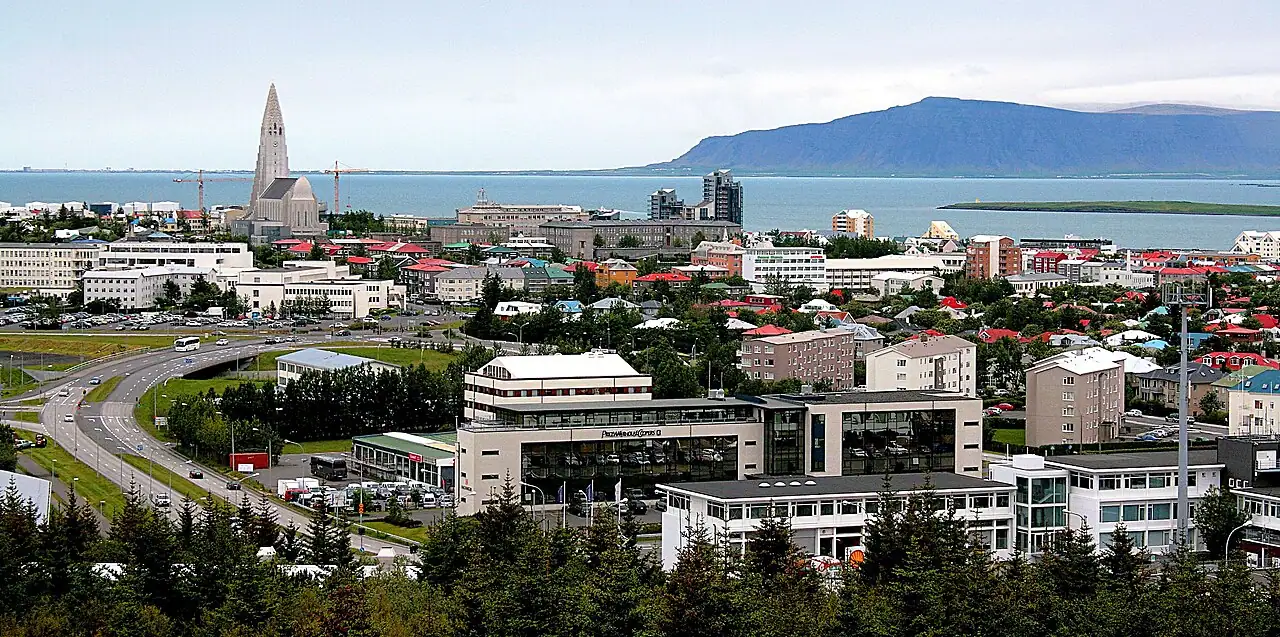
Iceland’s small capital has the rocket-shaped Hallgrímskirkja church, the glass Harpa concert hall and a lively food scene. The Blue Lagoon sits near Keflavík airport, convenient before or after a cruise, but recurring volcanic eruptions near Grindavík have closed it and nearby roads at times, so check its status.
- 2
Goðafoss and Lake Mývatn from Akureyri
From Iceland’s northern capital, the horseshoe-shaped Goðafoss waterfall is under an hour away. Farther on, Lake Mývatn has pseudo-craters, the lava towers of Dimmuborgir, the steaming vents of Námafjall and a geothermal lagoon. Whale-watching boats leave from Akureyri itself or from Húsavík.
- 3
The Westfjords from Ísafjörður
Iceland’s remote northwest is a maze of steep, flat-topped fjords. From Ísafjörður, tours reach the fan-shaped Dynjandi waterfall or the small island of Vigur, home to puffins and nesting eider ducks, by boat. The town itself is compact, with a maritime museum in historic wooden buildings.
- 4
Ilulissat Icefjord, Greenland
A UNESCO-listed fjord fed by Sermeq Kujalleq, one of the fastest-moving glaciers in the world, which fills Disko Bay with towering icebergs. Walk the boardwalk trail to the Sermermiut valley viewpoint or take a small boat among the bergs; late-evening trips in midsummer bathe the ice in golden light.
- 5
Svalbard’s wildlife and glaciers
From Longyearbyen, expedition ships cruise past bird cliffs, glacier fronts and walrus haul-outs, and scan the ice for polar bears. Bears make it illegal to leave town without an armed guide, so landings are tightly controlled. In town, the Svalbard Museum explains Arctic mining and exploration history.
- 6
The Faroe Islands
Between Iceland and Norway, this grassy, cliff-bound archipelago is famous for sheep, seabirds and turf-roofed houses. In Tórshavn, the turf-roofed buildings of Tinganes stand where the Faroese parliament first gathered in Viking times. Tours visit the Múlafossur waterfall at Gásadalur and the medieval church ruins of Kirkjubøur.
- 7
Prince Christian Sound
A narrow, roughly 60-mile (100 km) channel at Greenland’s southern tip, lined with granite peaks and glaciers tumbling to the water. Many big ships include it as scenic cruising on Iceland and northern-route transatlantic voyages, but ice and fog can force them to skip it.
Typical Iceland, Greenland & the Arctic itineraries
- 1
7- to 10-night Iceland circumnavigation from Reykjavík
Round trips on small and mid-size ships calling at Grundarfjörður, Ísafjörður, Akureyri, Húsavík, Seyðisfjörður and the Westman Islands, with time for waterfalls, whales and puffin colonies.
- 2
12- to 16-night Iceland with Norway or the British Isles
Longer voyages from Southampton, Amsterdam or Hamburg on lines such as Princess, Celebrity, Holland America, Fred. Olsen and Saga, pairing Reykjavík and Akureyri with the Faroes, Norway or Scotland.
- 3
10- to 14-night Greenland expedition
Typically from Reykjavík or Kangerlussuaq, with charter flights, exploring Disko Bay, Ilulissat, Sisimiut, Nuuk and the southern fjords by ship and Zodiac. Some voyages cross to remote East Greenland.
- 4
7- to 12-night Svalbard expedition
Round trips from Longyearbyen on HX, Quark, Ponant, Lindblad and others, heading north toward the pack ice when conditions allow. Small passenger numbers give the most access under Svalbard’s rules.
- 5
Northern-route transatlantic
Late-summer crossings from Northern Europe to New England or Canada via Iceland, Greenland and sometimes Newfoundland, usually 14 to 28 nights, with scenic cruising in Prince Christian Sound when ice allows.
Iceland, Greenland & the Arctic ports of call
Reykjavík
Departure port
Akureyri
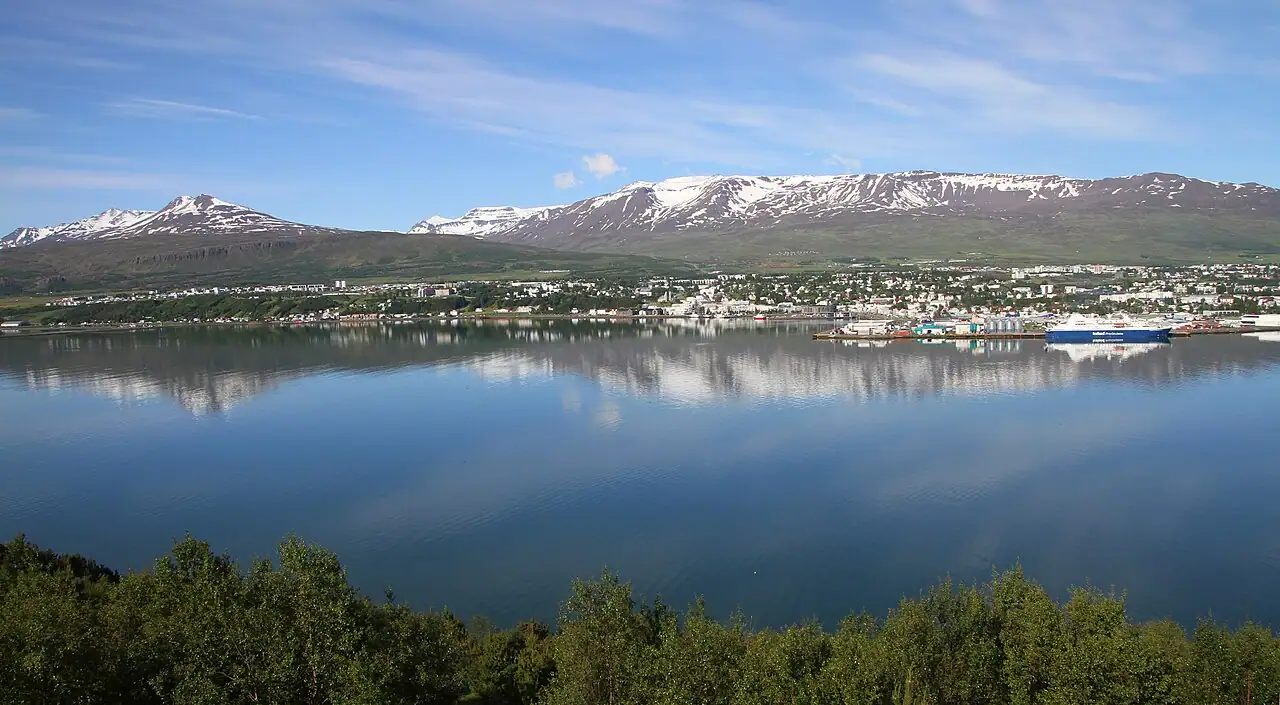
Akureyri is the friendly capital of North Iceland, set at the head of the long Eyjafjörður fjord. Ships dock right in town, and from here tours head to Goðafoss waterfall and the volcanic landscapes of Lake Mývatn, with geothermal fields, lava formations and nature baths. Whale watching from the fjord or nearby Húsavík is another highlight.
Ísafjörður
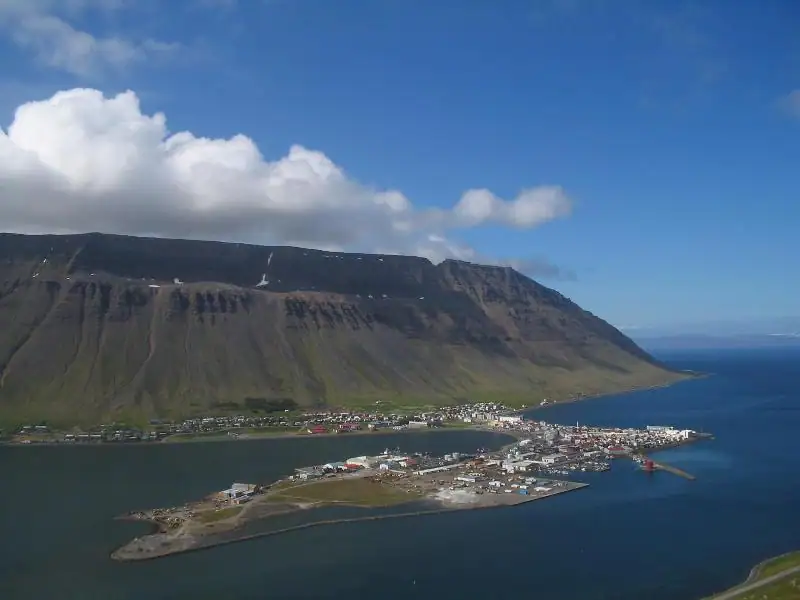
Ísafjörður is the main town of Iceland’s remote Westfjords, a small fishing community on a sand spit surrounded by steep, flat-topped mountains. You arrive steps from the center, by gangway or tender, and highlights include puffins on Vigur island, the tiered Dynjandi waterfall and the wild Hornstrandir reserve. It’s a quiet, scenic stop for nature lovers.
Seyðisfjörður
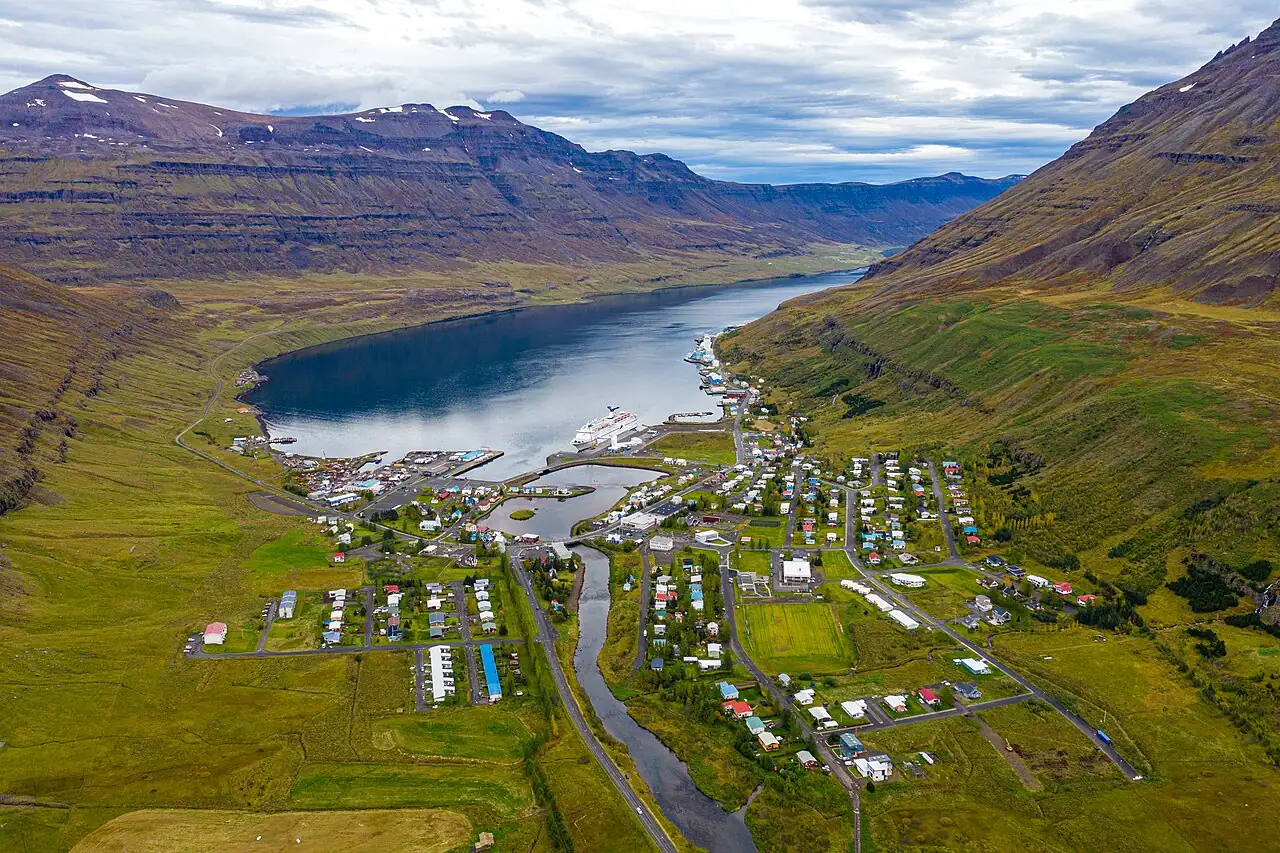
Seyðisfjörður is a tiny, artsy town at the end of a long fjord in East Iceland, known for its colorful wooden houses, the pale blue church at the end of a rainbow-painted street and waterfalls tumbling from the surrounding mountains. Ships dock right in town, and tours head over the mountain pass to Egilsstaðir, Hengifoss waterfall and geothermal baths.
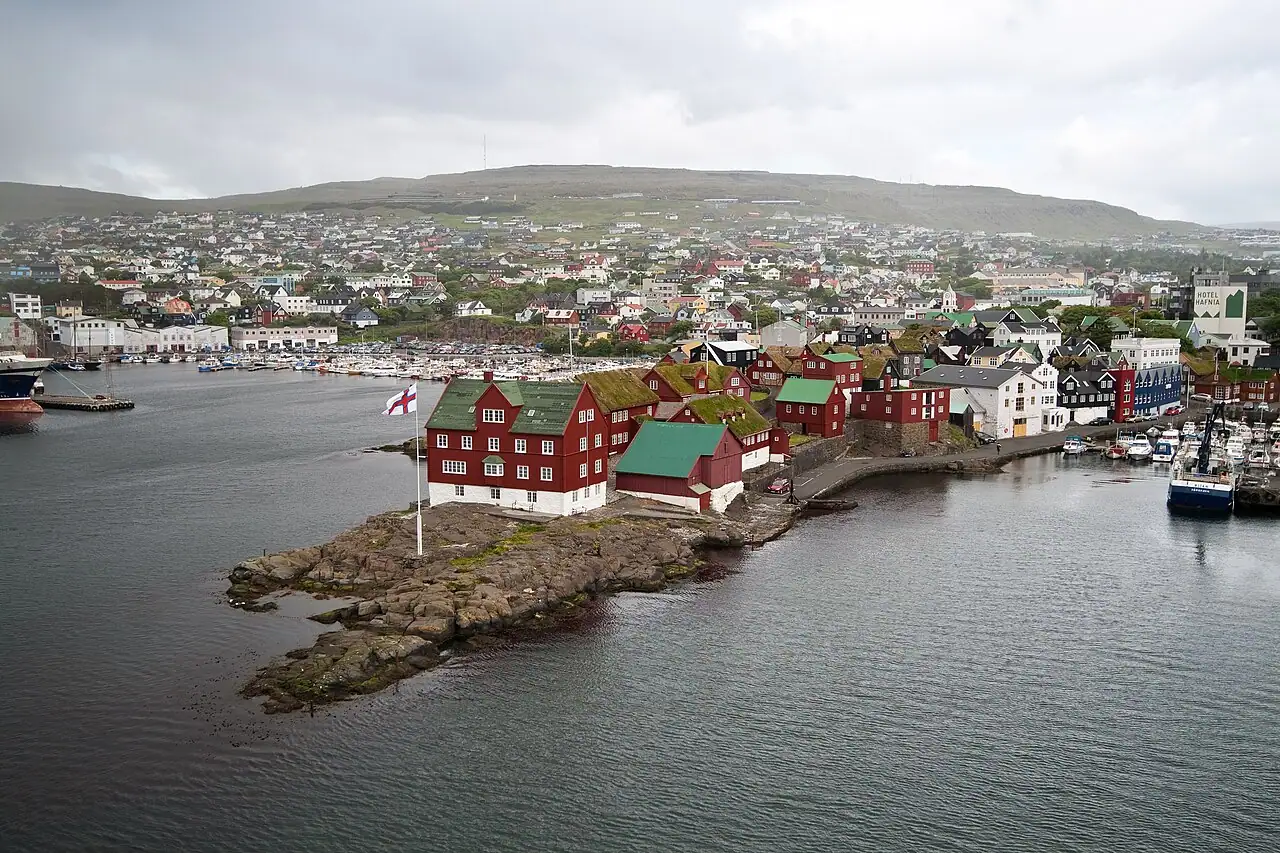
Tórshavn, Faroe Islands
Tórshavn, capital of the Faroe Islands, is one of the world’s smallest capitals, with turf-roofed houses on the Tinganes peninsula, a lively harbor and green, treeless mountains all around. The harbor sits on the edge of the old town, so you can wander straight off the ship, then take a tour to waterfalls, sea cliffs and villages linked by tunnels under the sea.
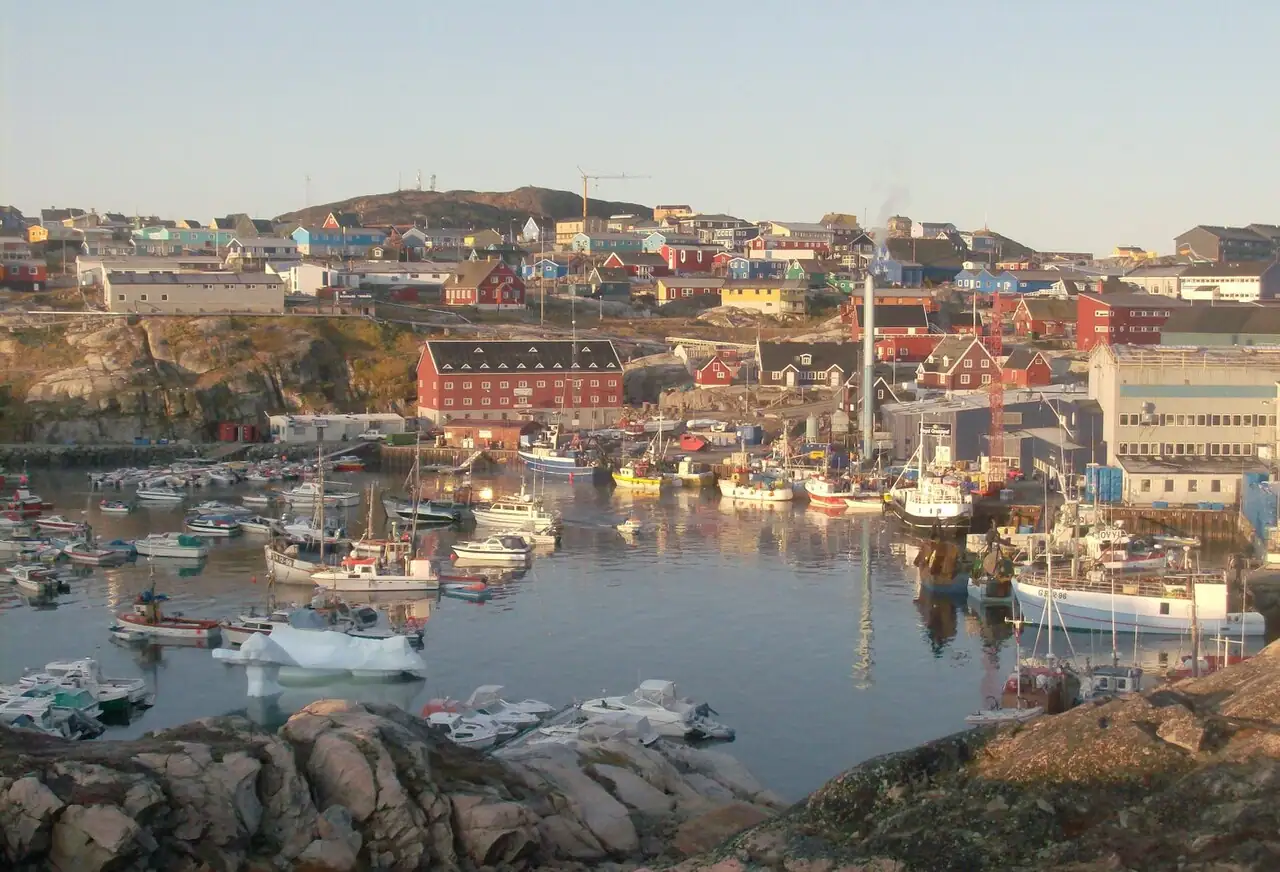
Ilulissat
Ilulissat, on Greenland’s Disko Bay, sits beside the UNESCO-listed Ilulissat Icefjord, where colossal icebergs calved from one of the world’s fastest-moving glaciers drift out to sea. Ships anchor and tender into the small harbor. From town, boardwalk trails lead to iceberg viewpoints, and boat trips weave among towering ice. It’s one of the Arctic’s most spectacular stops.
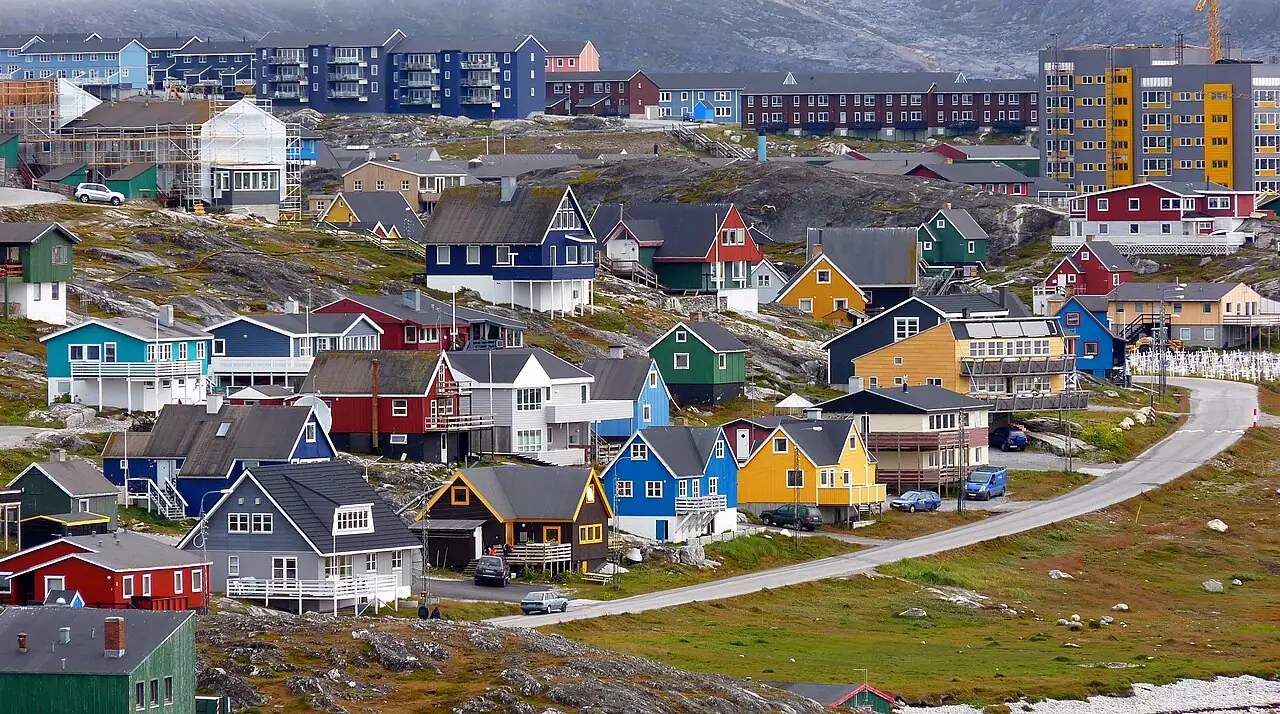
Nuuk
Nuuk is Greenland’s small, modern capital, set on a vast fjord system beneath the striking peak of Sermitsiaq. Passengers come ashore by gangway or tender, and the Greenland National Museum, with its 500-year-old Qilakitsoq mummies, the colonial harbor and fjord boat trips are the highlights. It’s an insight into contemporary Greenlandic life as well as Arctic nature.
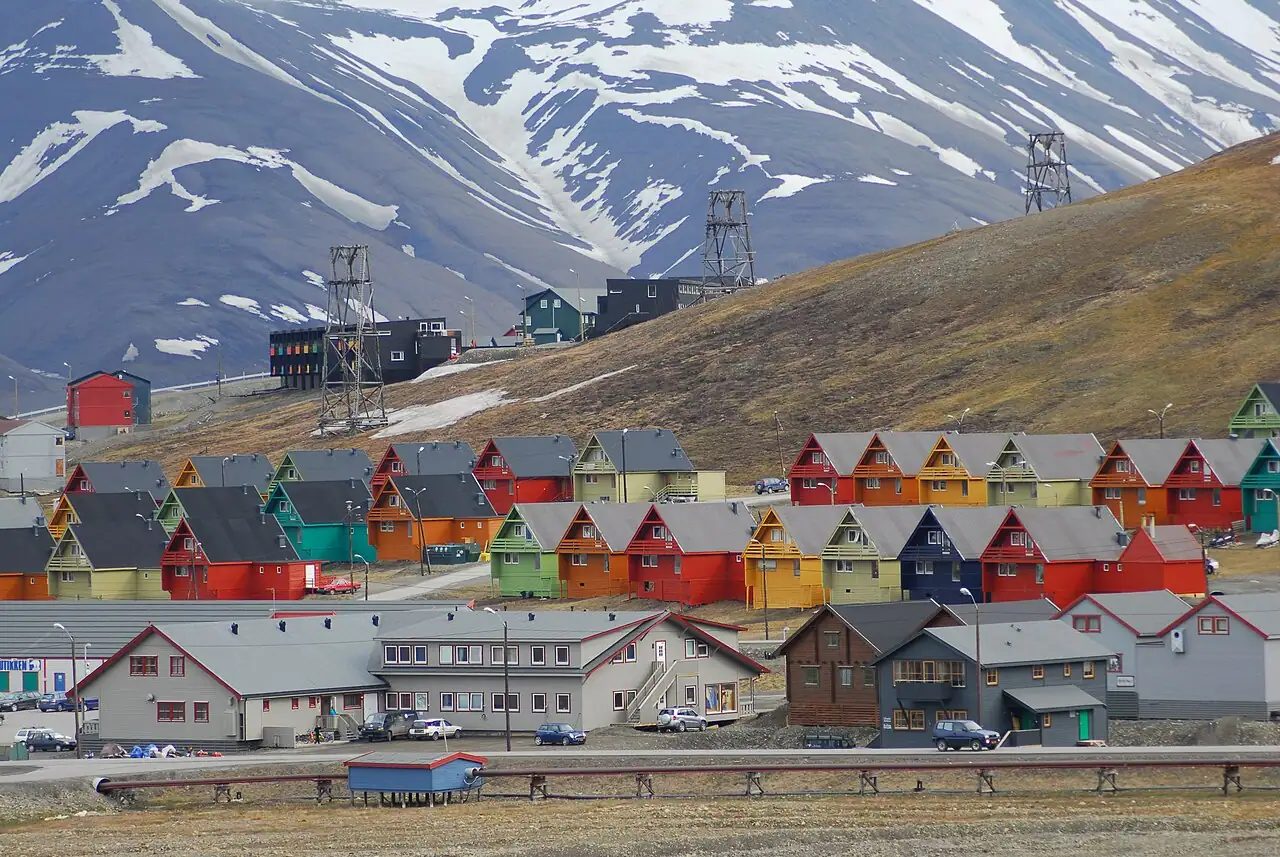
Longyearbyen, Svalbard
Longyearbyen, on Norway’s Svalbard archipelago, is one of the northernmost towns on Earth, a former coal-mining settlement surrounded by glaciers, tundra and polar bear country. You can explore the town on foot, but leaving it requires a guide carrying a rifle, so excursions are the way to see the wilderness. It’s raw, remote and unlike anywhere else.
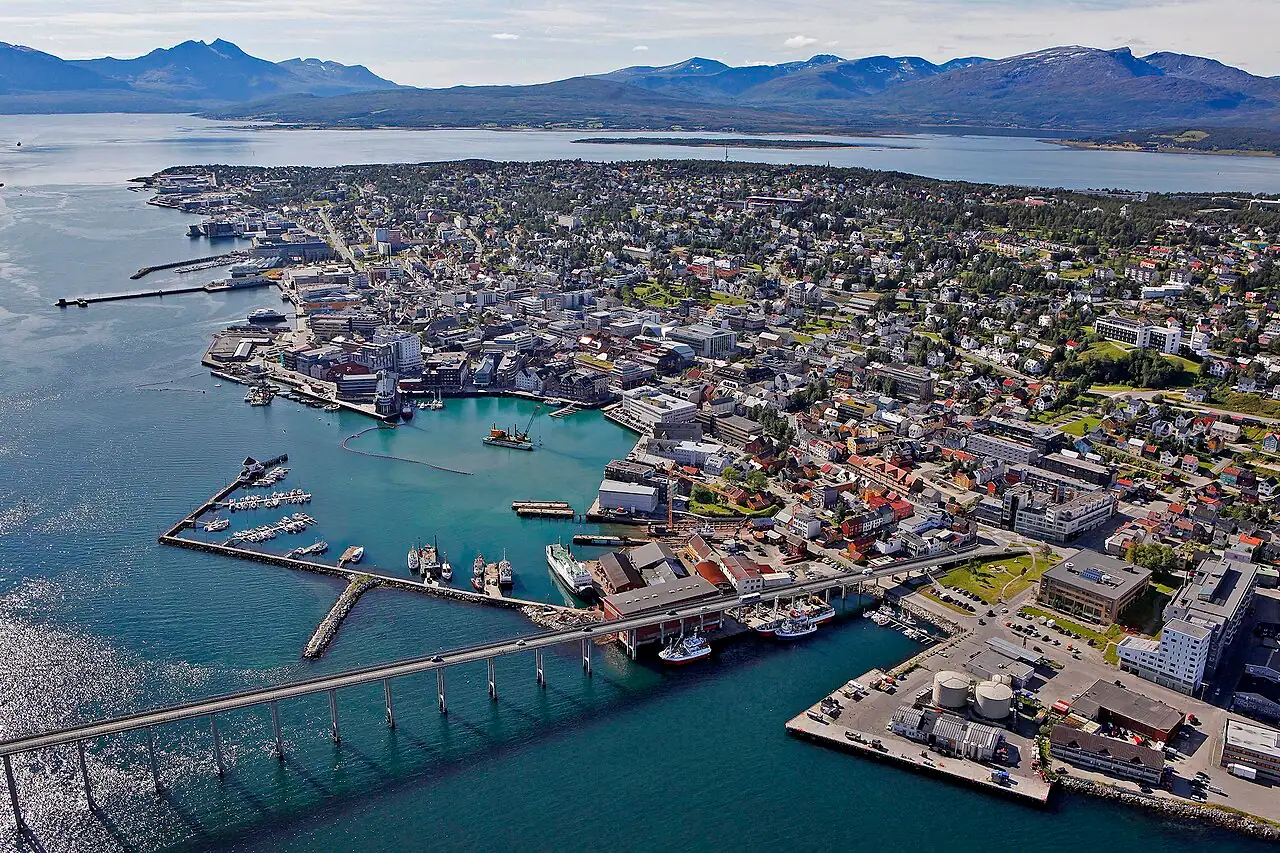
Tromsø
Where Iceland, Greenland & the Arctic cruises start
Cruise lines that sail Iceland, Greenland & the Arctic
Iceland, Greenland & the Arctic cruise tips
- Bring waterproof trousers as well as a waterproof jacket. Zodiac landings involve spray and wet-step landings, and many expedition lines lend or provide insulated boots and parkas, so check before you pack.
- Stay flexible on expedition voyages. The daily plan follows ice, wind and wildlife, and a cancelled landing in the morning can turn into a walrus sighting in the afternoon.
- Iceland is expensive and port areas are small, so consider ship tours or a pre-arranged small-group tour for distant sights such as Mývatn or Dynjandi. In Reykjavík, many sights are walkable.
- Stay on marked paths in Iceland. The moss that covers lava fields takes decades to recover from footprints, and some geothermal ground is dangerously thin.
- Pack seasickness remedies and a sleep mask. Open-water crossings between Iceland, the Faroes and Greenland can be rough, and near-constant daylight in June and July disrupts sleep.
Iceland, Greenland & Arctic cruises: FAQs
When is the best time to cruise Iceland?
June to August. That’s when ships sail most often, puffins and whales are active, highland roads open and the midnight sun lights the evenings. Late August and September bring a chance of northern lights but cooler, stormier weather.
Can you see the northern lights on an Iceland cruise?
Only from about late August onward. In June and July the sky never gets dark enough. Your best odds are on September and October voyages or winter aurora cruises from the UK, with clear skies and some solar activity.
Do I need a passport for an Iceland or Greenland cruise?
Yes. Iceland is part of the Schengen area, so EU-style entry rules apply. Greenland and the Faroe Islands are self-governing parts of Denmark that sit outside Schengen; US and Canadian citizens don’t need a visa for short visits but must carry a passport.
Should I choose a big ship or an expedition ship for the Arctic?
Choose a big ship for Iceland’s towns and classic sights at a lower price, with more onboard entertainment. Choose an expedition ship to land in Greenland’s fjords or Svalbard’s wilderness, with Zodiacs, naturalist guides and small passenger numbers that rules increasingly require.
Will I see polar bears on an Arctic cruise?
Possibly, but only in the wilder parts of Svalbard or Greenland, and never guaranteed. Expedition ships sailing around Svalbard in July and August have the best chances, usually viewing bears from the ship or a Zodiac at a safe distance.
Which cruise line is best for Iceland and the Arctic?
For Iceland circumnavigations, Windstar, Azamara, Viking and Ponant are strong choices. For Greenland and Svalbard expeditions, look at HX, Quark, Lindblad, Ponant or Silversea. Princess, Celebrity and Holland America include Iceland on longer Northern Europe voyages.
Updated November 2026 by the BookMyDreamCruise editorial team. How we research and fact-check.
Sources: Wikidata, NASA POWER climate data.