Mexico, Central & South America
Panama Canal cruises
Panama Canal cruises either make a full transit between the Atlantic and Pacific, typically 14 to 18 nights one way between Florida and California, or a partial transit of 10 to 11 nights round trip from Florida that enters Gatun Lake and turns back. Along the way you’ll visit Colombia, Costa Rica, Panama, Guatemala and Mexico. The main season runs from about October to April, with the driest weather from mid-December to April.
- Season: Mainly October to April; driest mid-December to April. Few sailings in summer.
- Typical length: 10 to 11 nights for a partial transit; 14 to 18 nights for a full transit
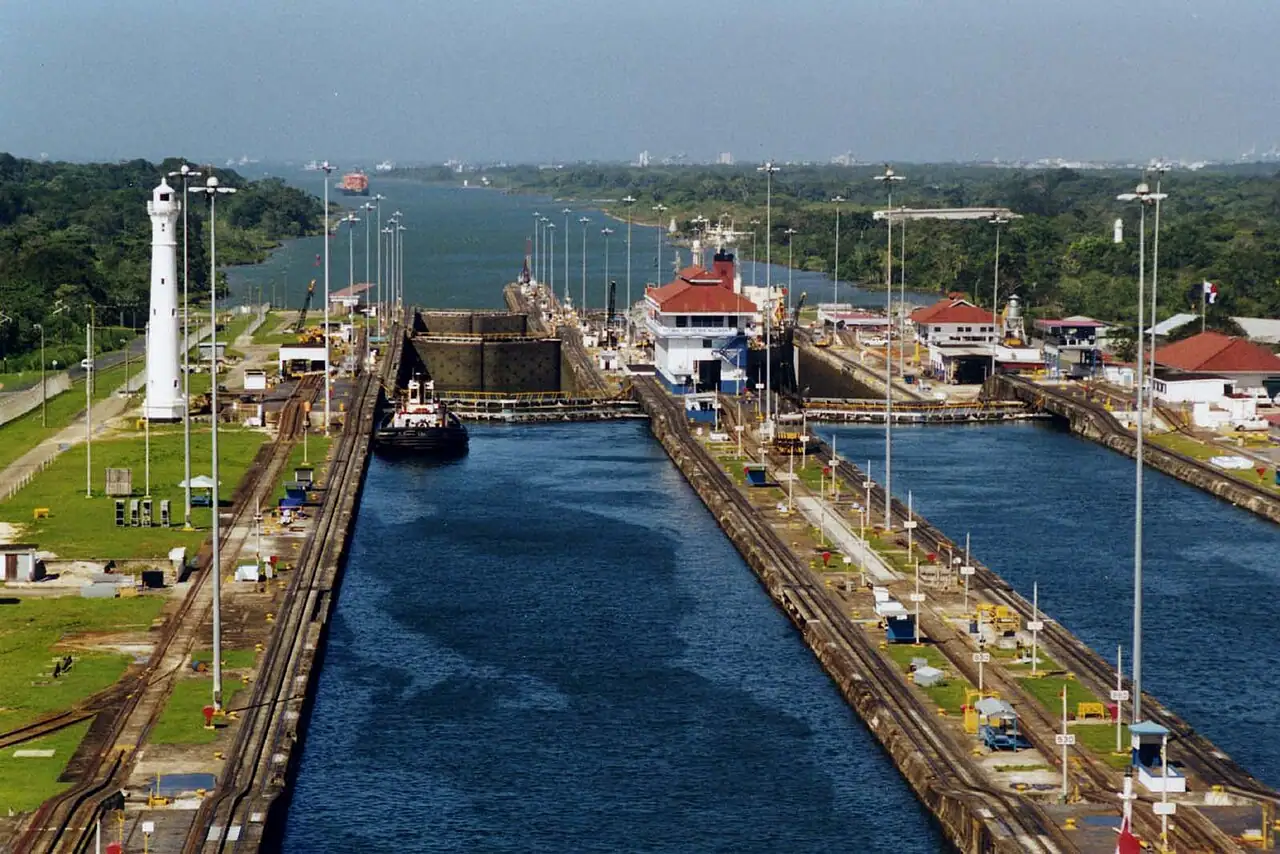
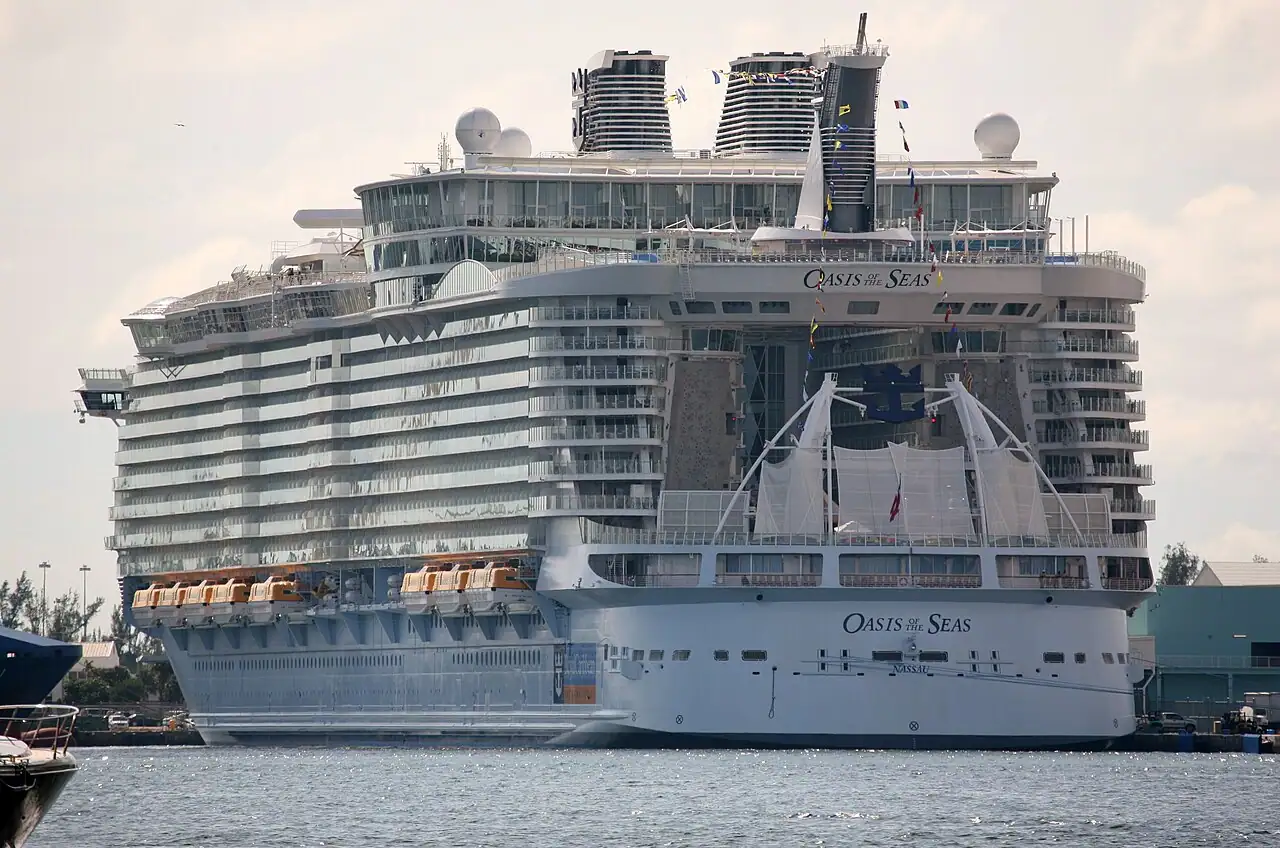
Photo: User:Stan Shebs, CC BY-SA 3.0, via Wikimedia Commons
- Season
- Mainly October to April; driest mid-December to April. Few sailings in summer.
- Typical length
- 10 to 11 nights for a partial transit; 14 to 18 nights for a full transit
- Best months
- Jan, Feb, Mar, Dec
- Main departure ports
- Fort Lauderdale, Miami, Tampa
- Ports covered here
- 5
- Cruise lines
- 14 lines sail here
What a Panama Canal & Central America cruise is like
Riding through the Panama Canal is one of cruising’s great bucket-list days. Over roughly eight to ten hours, a series of locks lifts your ship about 85 feet to Gatun Lake, a vast artificial lake dotted with jungle islands, through the Culebra Cut across the Continental Divide, and back down to the other ocean. Opened in 1914 and run by Panama since 1999, the canal is roughly 50 miles long, and every lockage is still a precise piece of choreography.
Full transits are mostly repositioning voyages, as ships move between the Caribbean and the West Coast or Alaska in spring and fall, though some lines sail them all winter. They combine the canal with Caribbean and Central American ports such as Cartagena, Puerto Limón, Puntarenas and Puerto Quetzal, then Mexican Pacific stops like Huatulco and Cabo San Lucas. Partial transits from Fort Lauderdale or Tampa are easier to fit in: you enter the Gatun Locks, spend time on Gatun Lake and return the same way, with stops such as Aruba, Curaçao, Cartagena, Colón and Costa Rica.
These cruises appeal to history and engineering buffs, nature lovers keen on Central American rainforest, and experienced cruisers who enjoy plenty of sea days. They suit retirees especially well. The trade-offs: full transits need one-way flights and two to three weeks of vacation, and the biggest mega-ships can’t fit through the canal, so most sailings are on mid-size ships.
Best time to cruise Panama Canal & Central America
- Jan: Best time to go
- Feb: Best time to go
- Mar: Best time to go
- Apr: Good time to go
- May: Good time to go
- Jun: Shoulder season
- Jul: Shoulder season
- Aug: Shoulder season
- Sep: Good time to go
- Oct: Good time to go
- Nov: Good time to go
- Dec: Best time to go
- No regular sailings
- Shoulder season
- Good time to go
- Best time to go
Panama Canal & Central America in JanuaryBest time to go
January is the heart of the dry season in Panama and Costa Rica, with sunny skies and lower humidity in the canal zone. Full and partial transits run frequently, and fares are higher than in spring or fall. The Caribbean side can be breezy, with brisk trade winds making the sea crossing to Cartagena choppy at times.
Panama Canal & Central America in FebruaryBest time to go
Panama’s Carnival, among the biggest in Central America, fills Panama City and Las Tablas with parades and water-soaked street parties in the days before Lent. February is reliably dry, with clear views of the locks and jungle, and it’s prime time for Costa Rica’s Pacific coast. Book early for peak dates.
Panama Canal & Central America in MarchBest time to go
March is dry, hot and sunny, and the last full month of high season. Spring repositioning begins as some ships transit westbound toward Alaska. Lenten processions in Antigua Guatemala, famous for carpets of colored sawdust and flowers laid across the cobblestones, take place most weekends, a highlight if your ship calls at Puerto Quetzal.
Panama Canal & Central America in AprilGood time to go
April is the season’s last busy month, with many one-way transits from Florida to California as ships head north for Alaska. Heat and humidity climb in the canal zone, and the first rains may arrive late in the month. Repositioning fares are often attractive, and Costa Rica’s Pacific coast is at its driest and dustiest before the green season.
Panama Canal & Central America in MayGood time to go
The rainy season begins in Panama and Costa Rica, bringing lush green landscapes and short, heavy afternoon showers. The final westbound repositioning cruises run early in the month. Lake levels start recovering after the dry season, which matters in drought years when the canal limits transits.
Panama Canal & Central America in JuneShoulder season
June has few canal cruises, as most ships are in Alaska or Europe. It’s the rainy season, with warm, humid days and afternoon storms, though mornings are often clear for lock viewing. Costa Rica’s rainforests are lush and full of wildlife, and the occasional summer sailing tends to be quiet and well priced.
Panama Canal & Central America in JulyShoulder season
Very few ships transit in July. Costa Rica sees a brief drier spell on the Pacific side known as the ‘veranillo’, and Tortuguero’s green turtle nesting season starts on the Caribbean coast. Hurricane season can affect the Florida end of the trip, though Panama itself lies south of the usual storm tracks.
Panama Canal & Central America in AugustShoulder season
August is one of the quietest months for canal cruises. Rain is frequent in Panama, and the Caribbean leg from Florida falls in peak Atlantic hurricane season. If you do find a sailing, expect lower fares and smaller crowds at the Miraflores Visitor Center.
Panama Canal & Central America in SeptemberGood time to go
Fall repositioning starts in September, with eastbound transits from California to Florida as ships leave Alaska. It’s the rainy season in Panama and peak hurricane season on the Caribbean leg, so the order of ports can change, although the canal itself is rarely affected. Fares are often excellent, and ships carry few families.
Panama Canal & Central America in OctoberGood time to go
October is usually Panama’s wettest month, with heavy afternoon downpours, but mornings in the locks are often clear. Fall repositioning cruises continue, and partial transits from Florida return for the winter. On full transits, Mexican Pacific ports such as Huatulco and Cabo are still in hurricane season, so expect occasional changes.
Panama Canal & Central America in NovemberGood time to go
Panama celebrates the ‘month of the homeland’, with Independence Day on November 3 and further patriotic holidays through the month, marked by parades and marching bands. Rains taper off toward the end of the month as the winter cruise season gets going in earnest, and Thanksgiving week sailings fill quickly with families and retirees.
Panama Canal & Central America in DecemberBest time to go
The dry season usually arrives in Panama by mid-December, bringing sunny days, breezier afternoons and cooler nights. Holiday transits over Christmas and New Year are popular, priced high and sell out early. Costa Rica’s Pacific coast turns golden as the rains end, while the Caribbean side around Puerto Limón can stay showery.
Average weather across Panama Canal & Central America ports
| Month | Jan | Feb | Mar | Apr | May | Jun | Jul | Aug | Sep | Oct | Nov | Dec |
|---|---|---|---|---|---|---|---|---|---|---|---|---|
| High °F (°C) | 8429 | 8530 | 8730 | 8731 | 8731 | 8630 | 8730 | 8731 | 8730 | 8630 | 8530 | 8529 |
| Low °F (°C) | 7624 | 7625 | 7725 | 7926 | 8027 | 8027 | 8127 | 8127 | 8127 | 8027 | 7926 | 7825 |
| Rain in (mm) | 1.641 | 1.026 | 1.538 | 3.077 | 7.1181 | 8.8223 | 7.1180 | 7.6193 | 8.3211 | 8.7220 | 6.9175 | 2.870 |
| Daylight (hrs) | 11 | 12 | 12 | 12 | 13 | 13 | 13 | 13 | 12 | 12 | 12 | 11 |
Panama Canal & Central America cruise highlights
- 1
Gatun Locks and Gatun Lake
On the Atlantic side, three chambers of the Gatun Locks raise ships to Gatun Lake. Watch from the bow as electric locomotives, nicknamed mules, keep the ship centered with steel cables, often with only a couple of feet to spare on either side. Some ships use the wider Agua Clara locks, opened in 2016.
- 2
Culebra Cut and Miraflores Locks
The Culebra Cut, also called the Gaillard Cut, slices through the Continental Divide, and the Centennial Bridge spans it. On the Pacific side, the Pedro Miguel and Miraflores Locks lower you to sea level; spectators at the Miraflores Visitor Center often wave as ships pass, and the Bridge of the Americas marks the Pacific entrance.
- 3
Casco Viejo, Panama City
Ships calling at Fuerte Amador can visit Panama City’s Casco Viejo, a UNESCO-listed old quarter of restored colonial buildings, plazas and rooftop bars. Nearby, the Biomuseo, designed by Frank Gehry, explains how the isthmus changed the planet.
- 4
Cartagena’s walled city
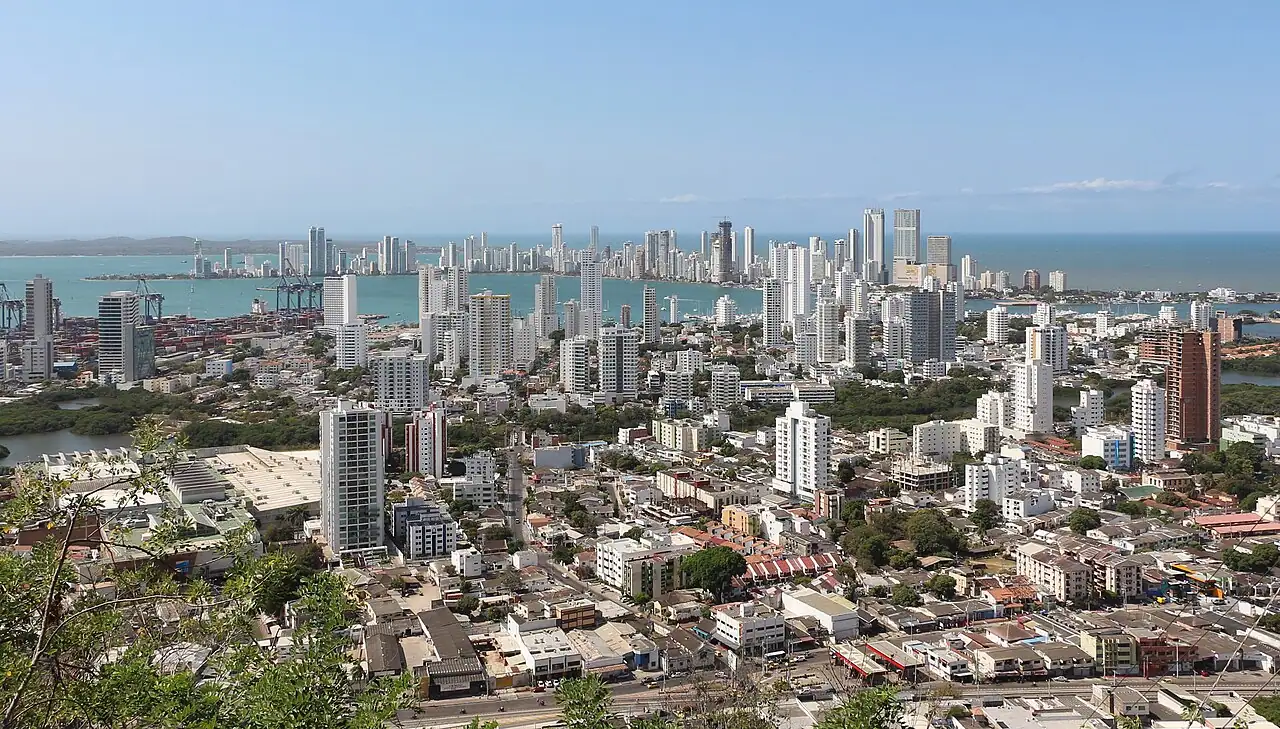
Cartagena’s colonial old town, a UNESCO World Heritage Site, is ringed by stone walls and guarded by the hilltop fortress of Castillo San Felipe de Barajas. Wander bougainvillea-draped balconies in the walled city and the street art of Getsemaní, and look for palenqueras selling fruit in colorful dress.
- 5
Costa Rica’s rainforest
From Puerto Limón on the Caribbean side, tours look for sloths at Cahuita National Park or ride an aerial tram through the rainforest canopy. From Puntarenas on the Pacific side, guides spot scarlet macaws in Carara National Park and crocodiles on the Tárcoles River.
- 6
Antigua Guatemala from Puerto Quetzal
Roughly 90 minutes to two hours inland from Puerto Quetzal, the colonial city of Antigua Guatemala, a UNESCO World Heritage Site, sits among volcanoes such as Agua and Fuego. Cobbled streets, ruined churches and jade workshops make it one of the most memorable stops on the route.
Typical Panama Canal & Central America itineraries
- 1
10- or 11-night partial transit from Fort Lauderdale or Tampa
Typically Aruba or Curaçao, Cartagena, a day entering Gatun Lake, Colón and Puerto Limón. Round trip, so flights are simple.
- 2
15- or 16-night full transit between Fort Lauderdale or Miami and Los Angeles or San Diego
Cartagena, the canal, Puntarenas, Puerto Quetzal or Puerto Chiapas, Huatulco and Cabo San Lucas, with several sea days. One-way flights required.
- 3
18- to 24-night full transit to San Francisco, Seattle or Vancouver
Longer repositioning voyages, often in spring heading to Alaska or in fall heading back to Florida, that add more of the Mexican and Pacific Coast.
- 4
Panama and Costa Rica small-ship voyages
Smaller ships sometimes sail 7-night routes between Panama City and Costa Rica, often with a full canal transit and stops at quiet islands and national parks.
Panama Canal & Central America ports of call
Colón
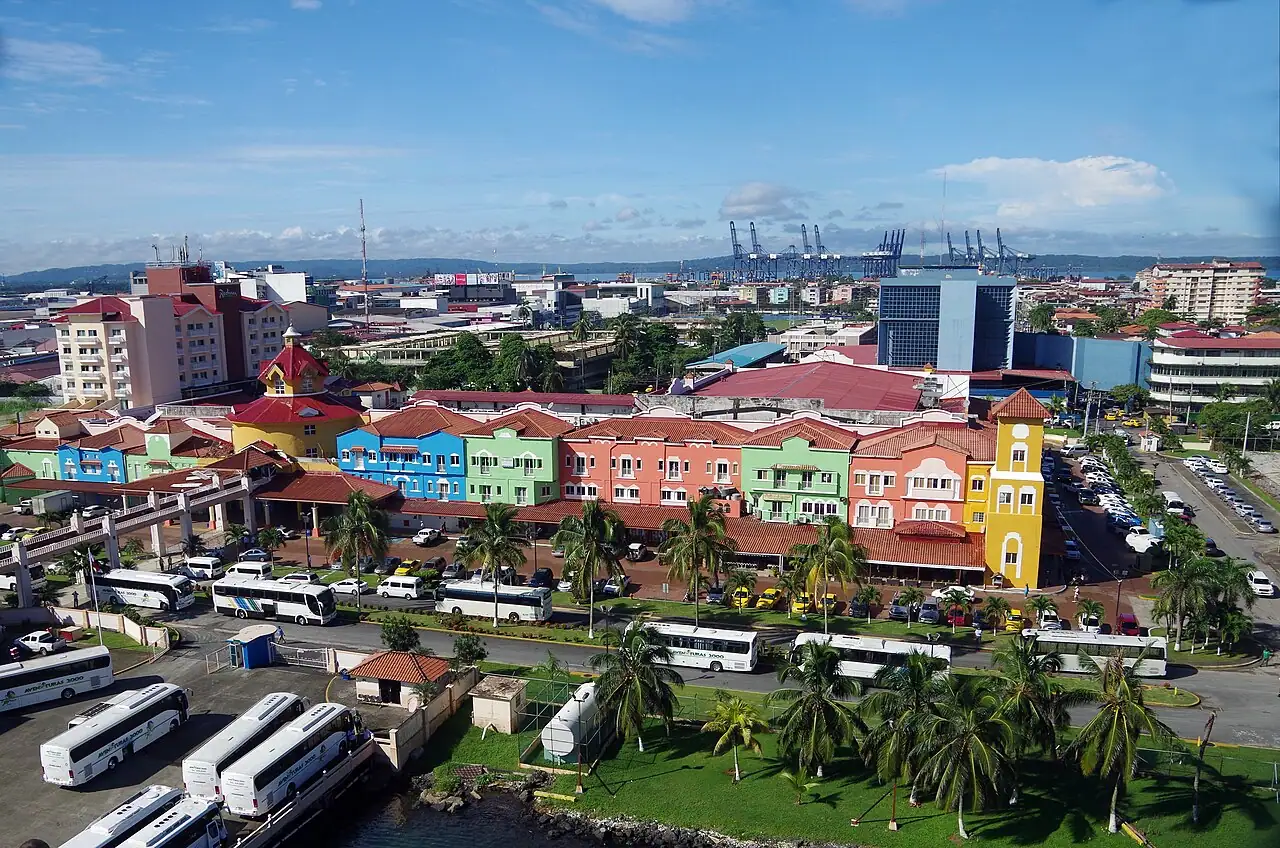
Colón is Panama's Caribbean cruise port at the Atlantic entrance to the Panama Canal. The city itself isn't a place to wander, but excursions from the cruise terminals reach the canal's Agua Clara and Gatún locks, the Panama Canal Railway, rainforest on Gatún Lake and the Spanish colonial forts of Portobelo and San Lorenzo.
Fuerte Amador (Panama City)
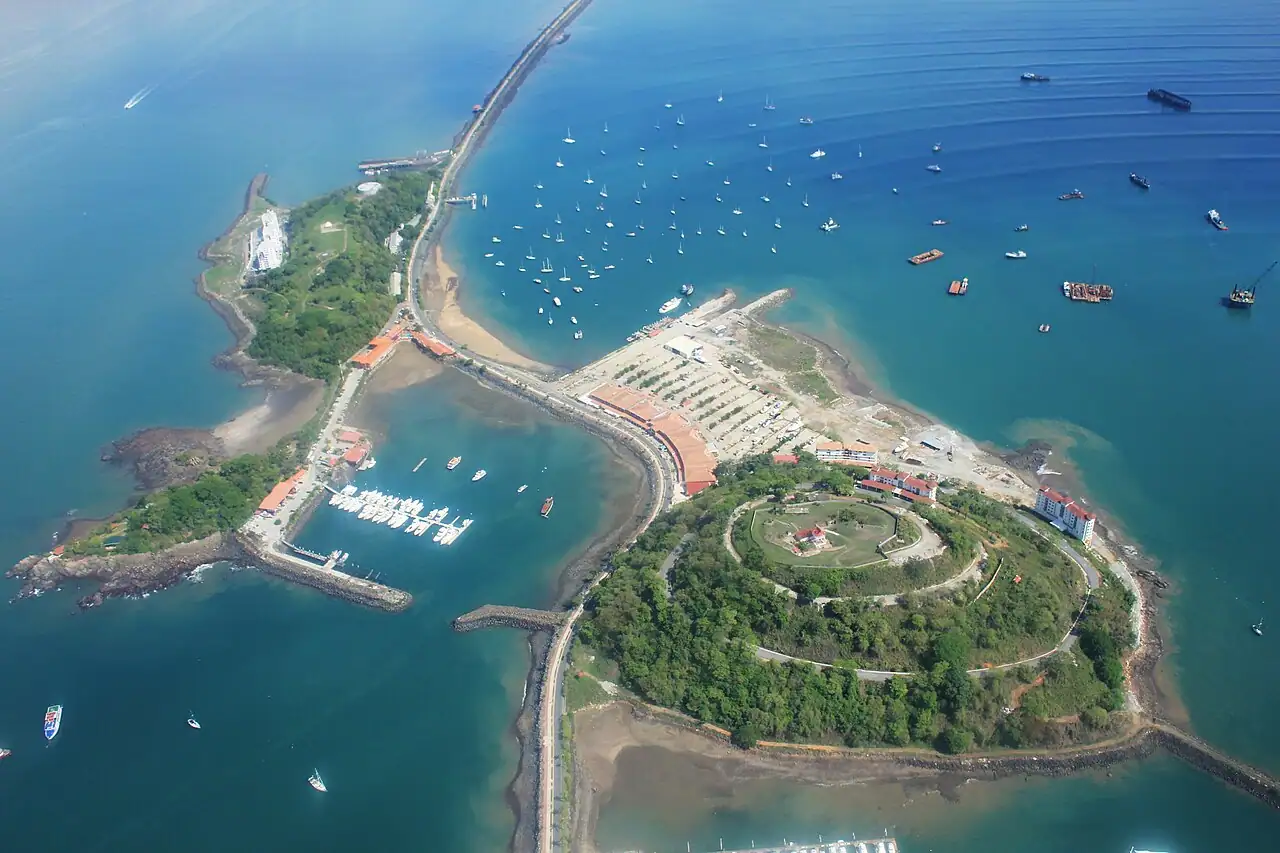
Fuerte Amador is the cruise stop for Panama City, at the Pacific end of the Panama Canal. Ships arrive at the Amador Causeway, a short drive from a modern skyline and the old quarter of Casco Viejo. The highlights are watching ships pass through the Miraflores Locks, exploring Casco Viejo's restored plazas and taking a rainforest or Gatún Lake tour.
Cartagena
Puerto Limón
Puntarenas
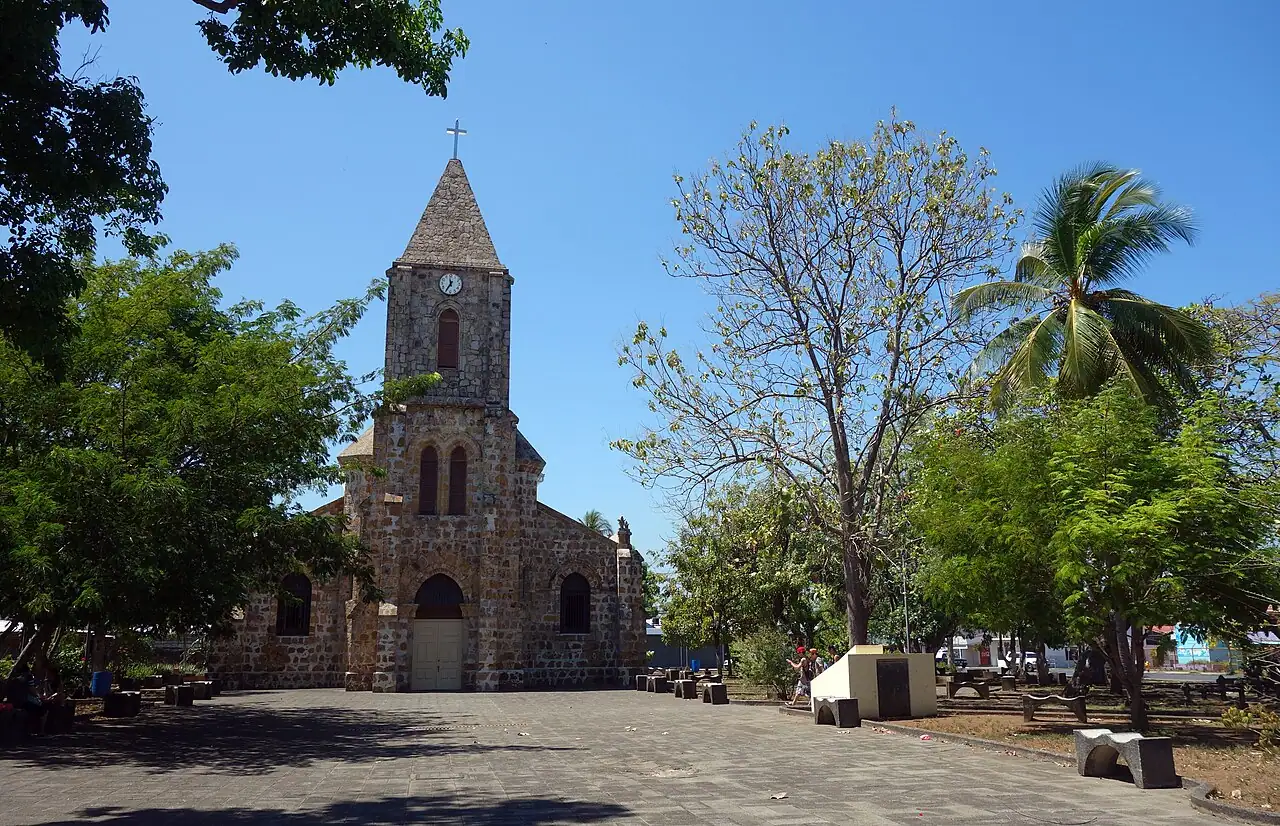
Puntarenas is Costa Rica's main Pacific cruise port, a laid-back town on a long, narrow sandspit in the Gulf of Nicoya. Ships tie up at a long pier that leads straight onto the beachfront promenade, and most visitors head inland for wildlife: scarlet macaws in Carara National Park, crocodiles on the Tárcoles River, rainforest ziplines and sloth-spotting tours.
Puerto Quetzal
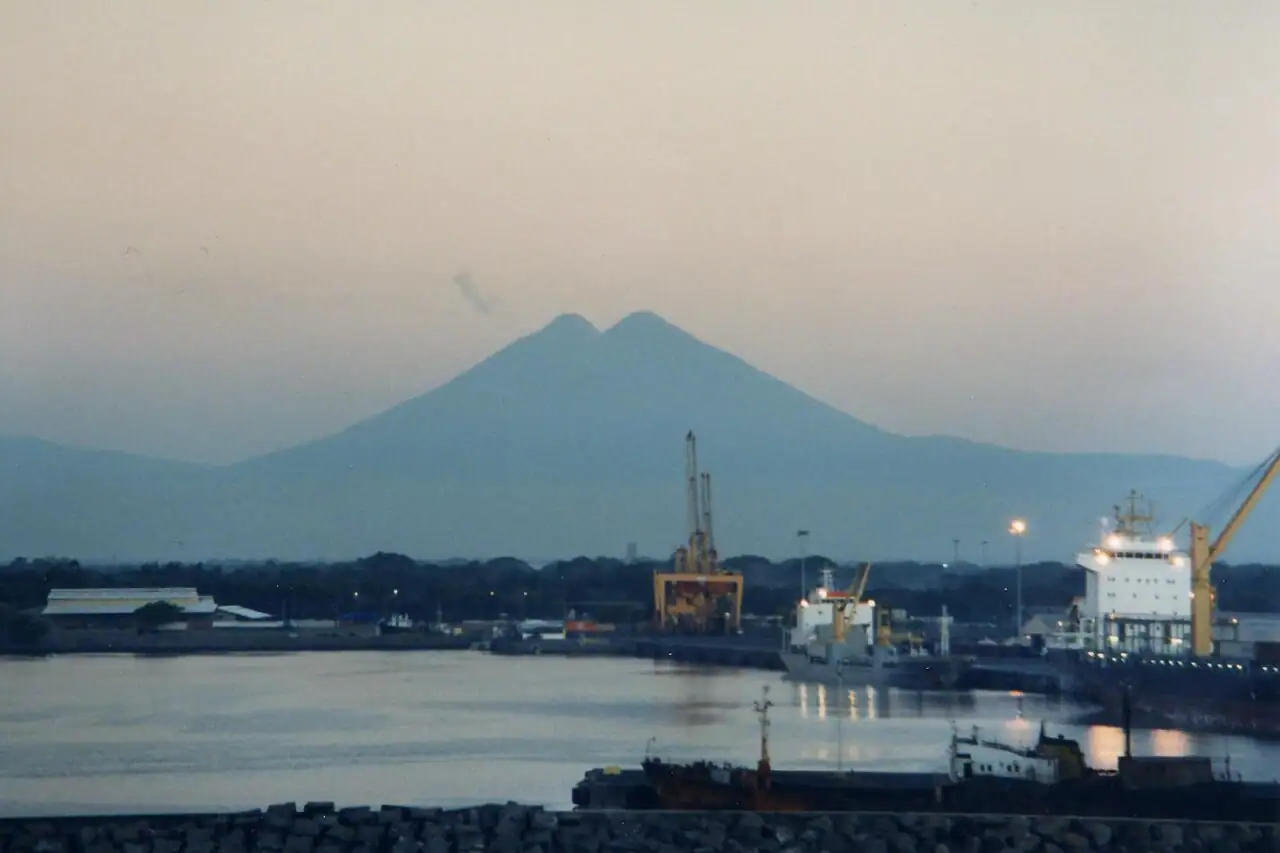
Puerto Quetzal is Guatemala's main Pacific port and the gateway to Antigua Guatemala, a UNESCO-listed colonial city ringed by volcanoes about 90 minutes inland. The port itself is industrial, with a small craft market at the terminal, so nearly everyone takes an excursion to Antigua, a coffee farm, the Pacaya volcano or a Mayan cultural experience.
Puerto Chiapas
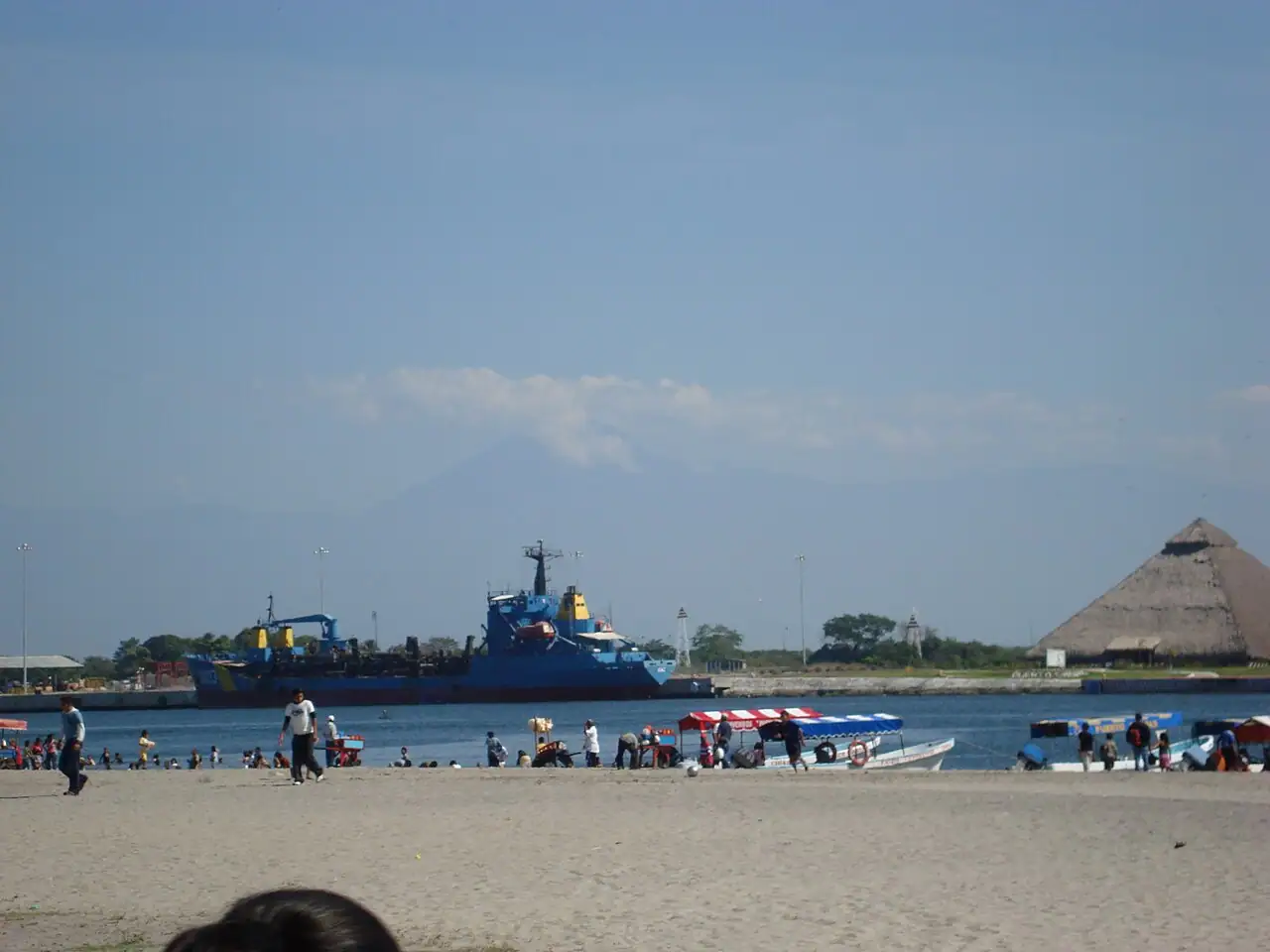
Puerto Chiapas is Mexico's southernmost Pacific cruise port, close to the Guatemalan border and the city of Tapachula. The port itself is small and purpose-built, so the appeal lies inland: coffee and cacao farms on the volcanic slopes, the ancient ruins of Izapa and a look at everyday life in a region few visitors ever see.
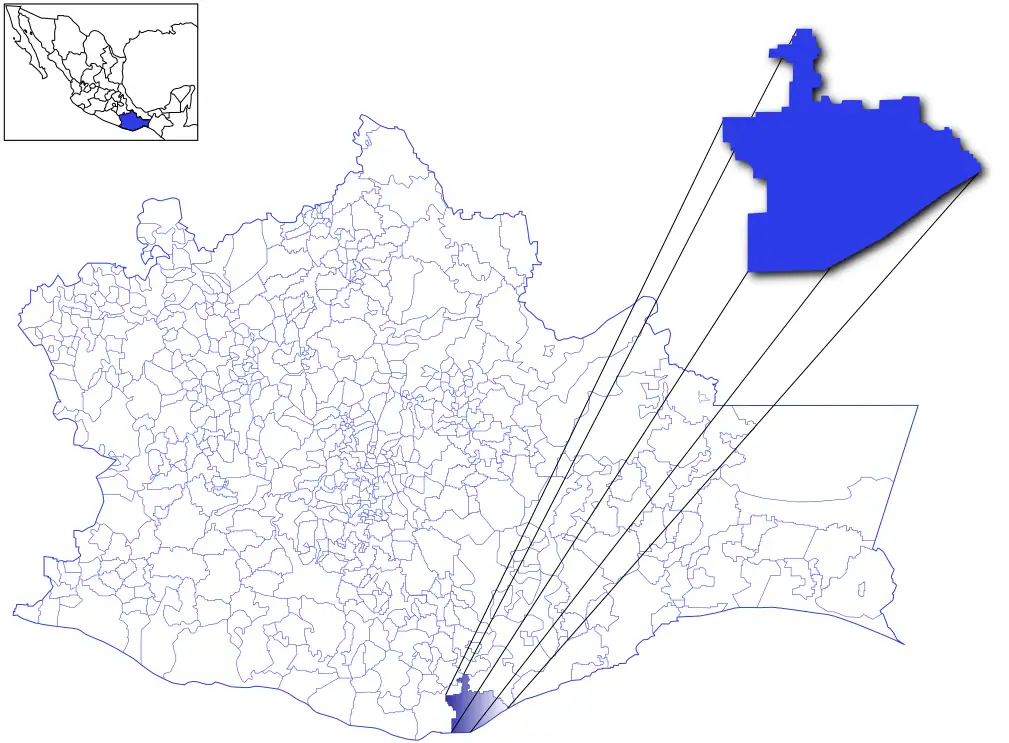
Huatulco
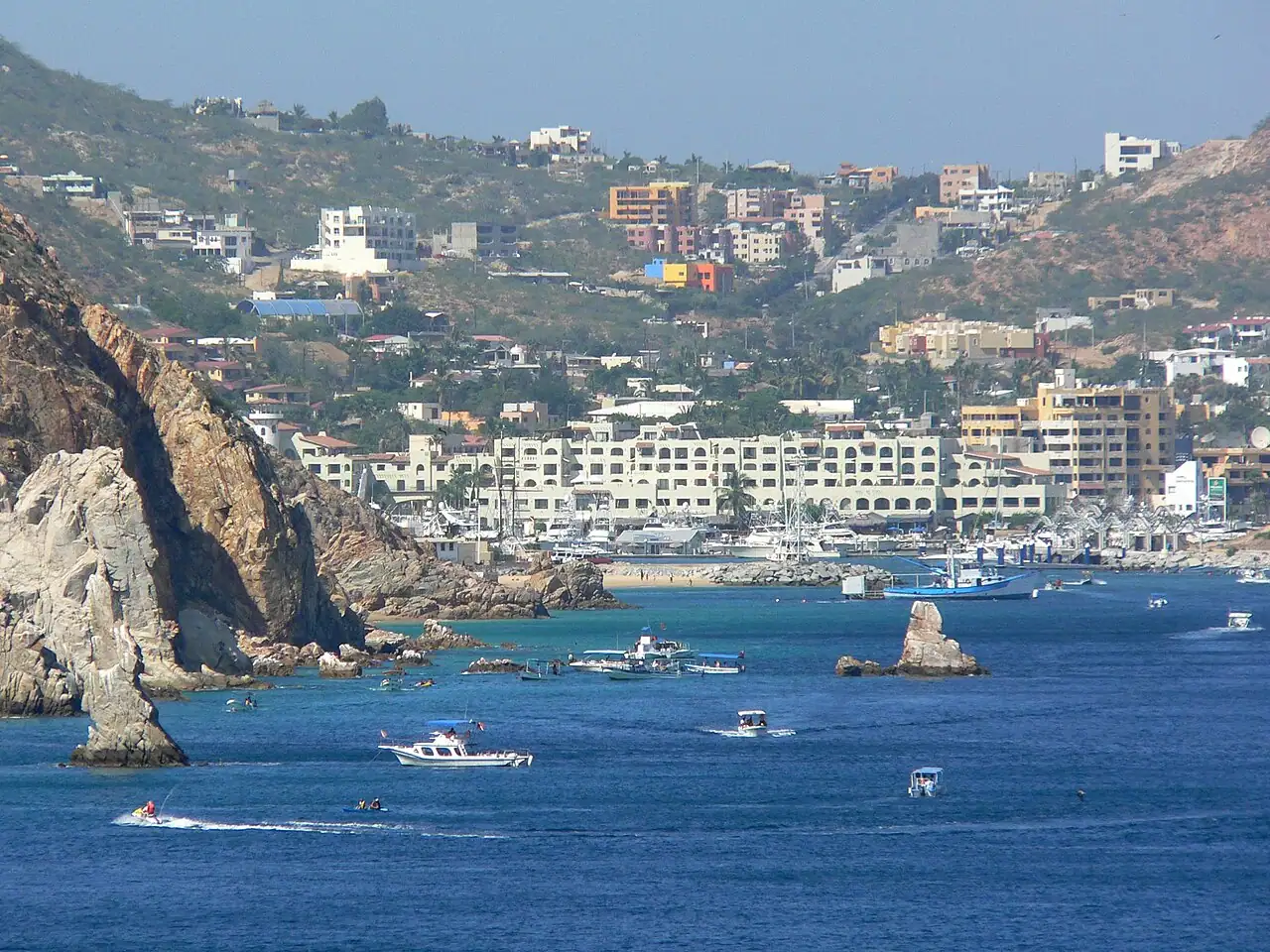
Cabo San Lucas
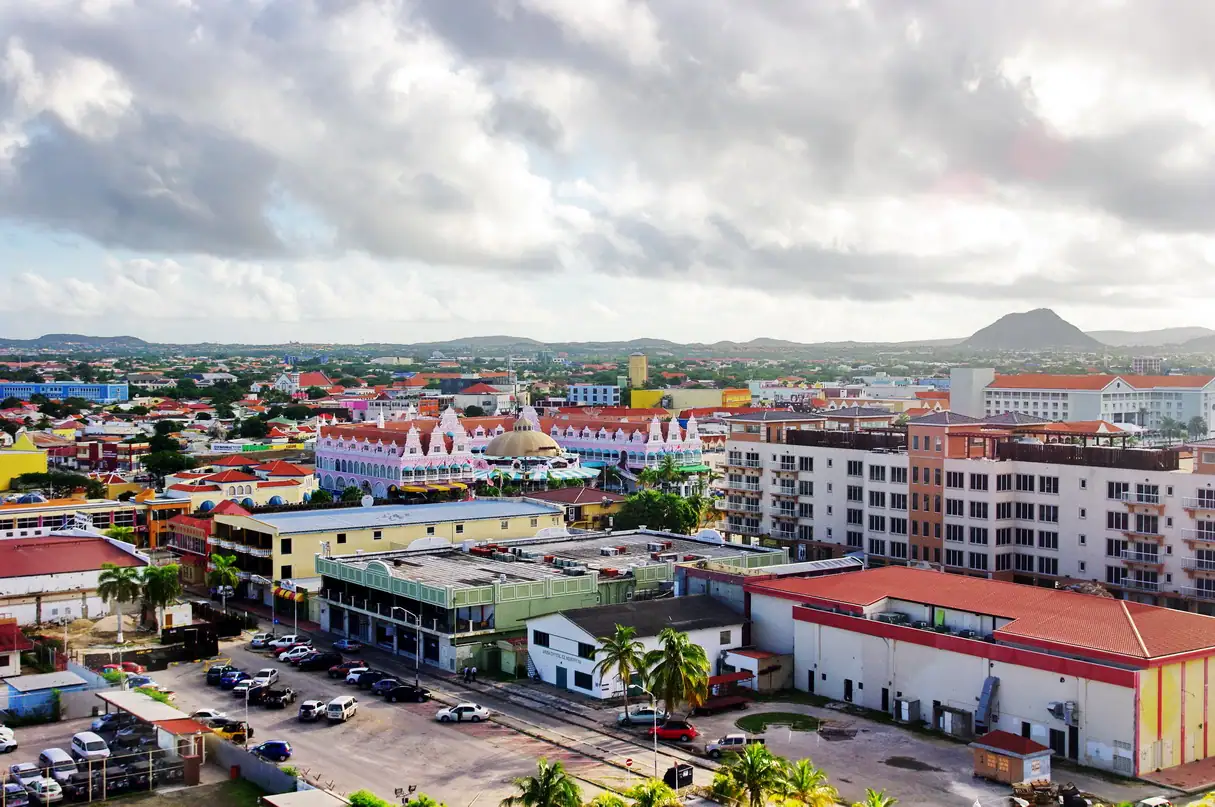
Aruba
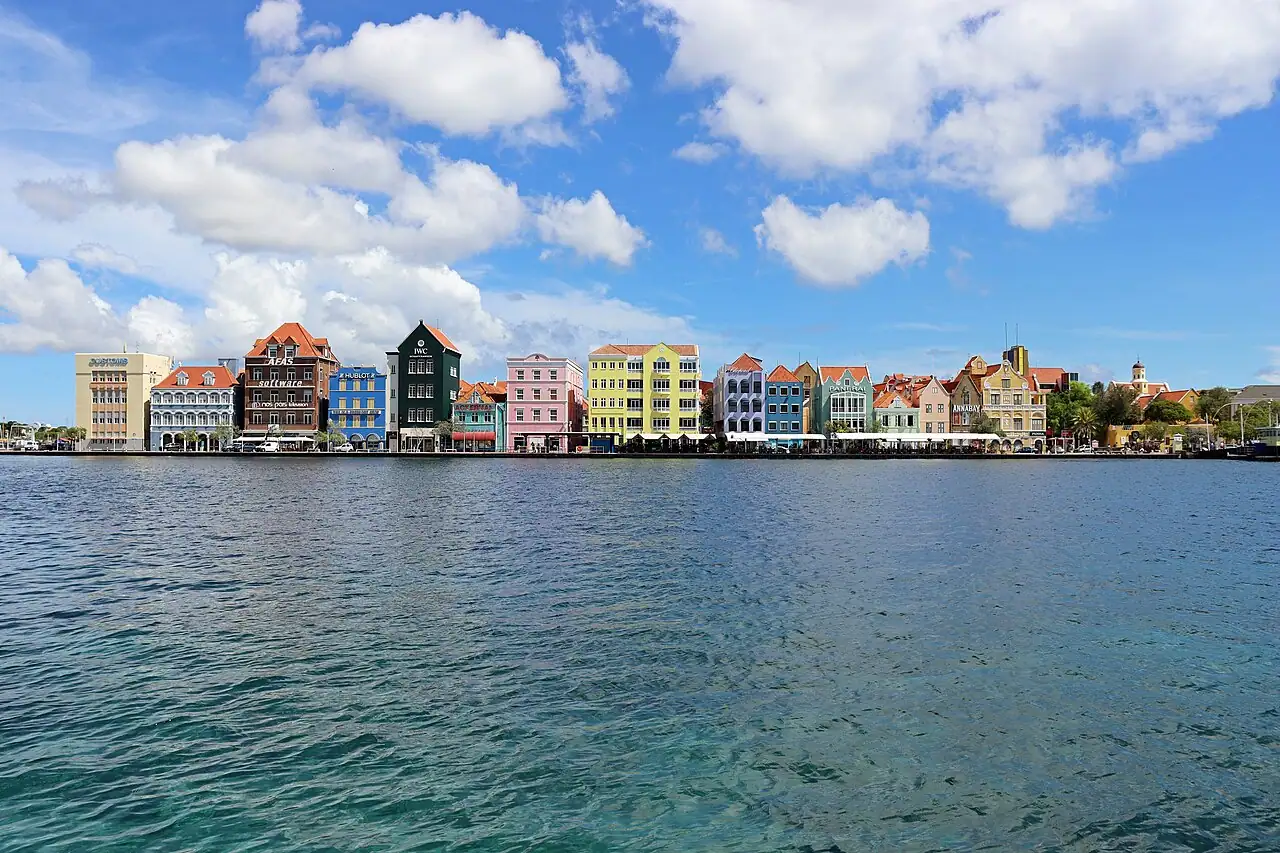
Curaçao
Fort Lauderdale
Departure port
Where Panama Canal & Central America cruises start
Cruise lines that sail Panama Canal & Central America
Panama Canal & Central America cruise tips
- On canal day, claim a spot early. The ship usually enters the first locks around dawn, and the bow and open decks fill fast; a balcony on either side works well for the lock walls.
- Listen for the onboard narration. Most ships have a canal expert or local pilot commentary that explains each lock and landmark.
- Bring a passport. Full transits are one-way voyages between countries and need one, and it’s strongly recommended for partial transits.
- Hot sun and high humidity are standard. Wear a hat, sunscreen and breathable clothing on canal day, and carry water.
- Check the U.S. State Department travel advisories for Colombia, Guatemala and Mexico before you sail, and use reputable tours.
Panama Canal cruises: FAQs
What is the difference between a full and partial Panama Canal transit?
A full transit sails all the way through the canal between the Atlantic and Pacific, usually one way between Florida and California. A partial transit enters the Gatun Locks to Gatun Lake and returns to the Caribbean, usually on a 10- or 11-night round trip from Florida.
When is the best time for a Panama Canal cruise?
Mid-December to April, during Panama’s dry season, when skies are clearer and humidity is lower. Spring and fall repositioning months also offer good fares, with more rain.
How long does it take to go through the Panama Canal?
About 8 to 10 hours for a full transit, depending on traffic. A partial transit to Gatun Lake and back takes most of a day.
How long is a Panama Canal cruise?
Partial transits are usually 10 or 11 nights round trip from Florida. Full transits run 14 to 18 nights between Florida and California, and longer voyages to Seattle or Vancouver can last three weeks or more.
Do I need a passport for a Panama Canal cruise?
Yes for full transits, which are one-way trips between countries. Partial transits from Florida are round trips, so US citizens may be allowed other documents, but a passport is strongly recommended. Canadians need a passport.
Which cruise line is best for the Panama Canal?
Princess, Holland America and Celebrity offer the most canal sailings, with Norwegian, Royal Caribbean, Carnival and Disney running seasonal repositioning trips. Oceania, Regent, Viking, Silversea and Seabourn offer premium and luxury voyages.
Updated November 2026 by the BookMyDreamCruise editorial team. How we research and fact-check.
Sources: Wikidata, NASA POWER climate data.